…the Wiener Werkstätte founder
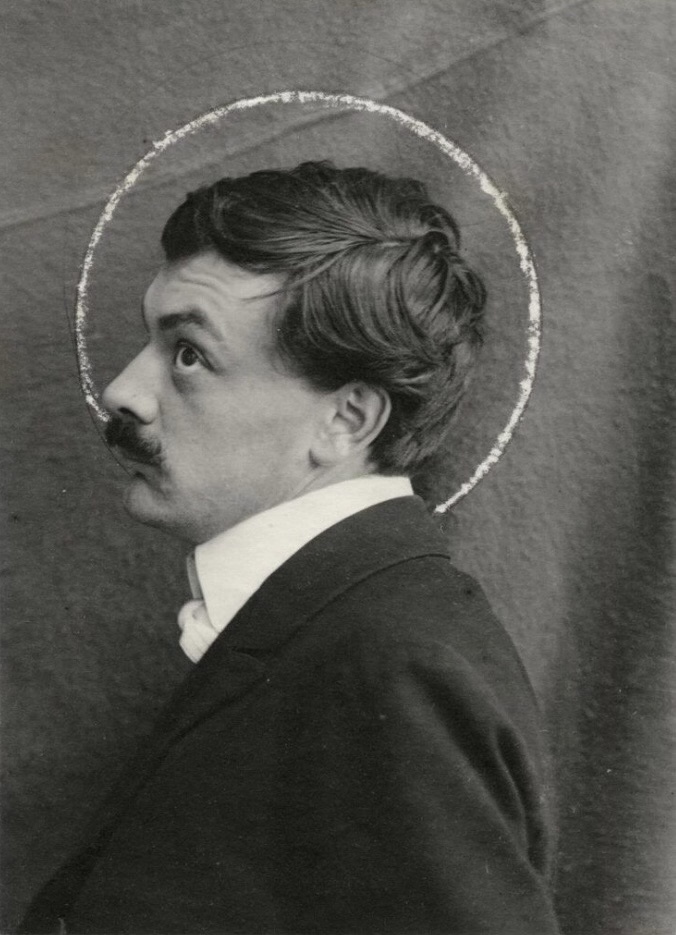
Another picture-book-like odyssey. More photos, less writing. – “How horrendously Insta!” Substack shuddered at the thought. – This time, let us go down the rabbit hole that leads us to the Austrian artist and designer Koloman Moser, one of the founding members of Wiener Werkstätte.
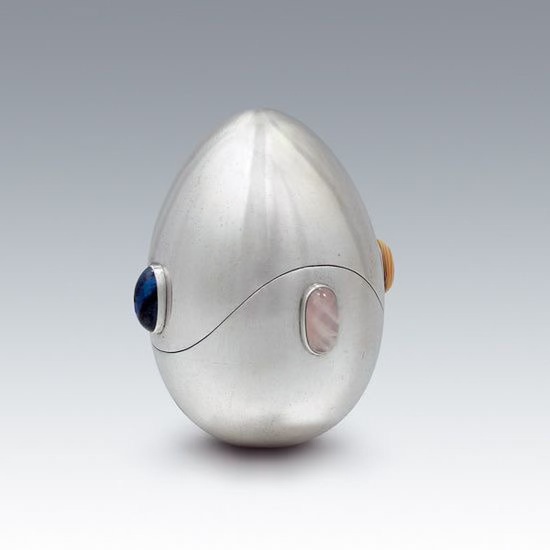
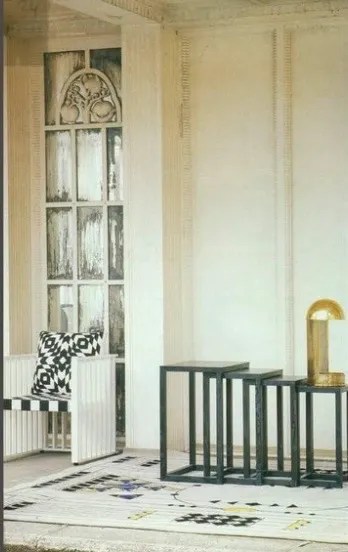


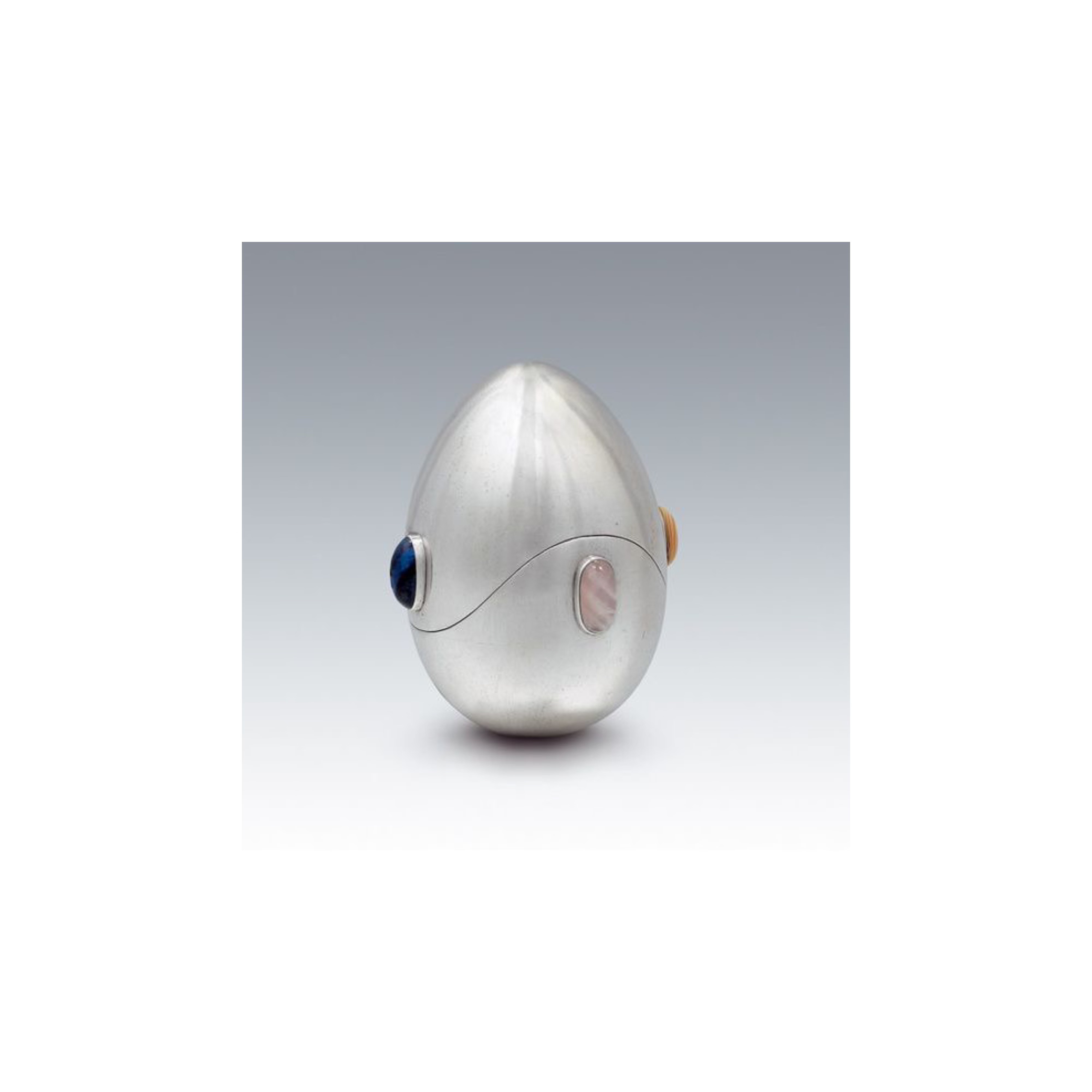
Everyday design
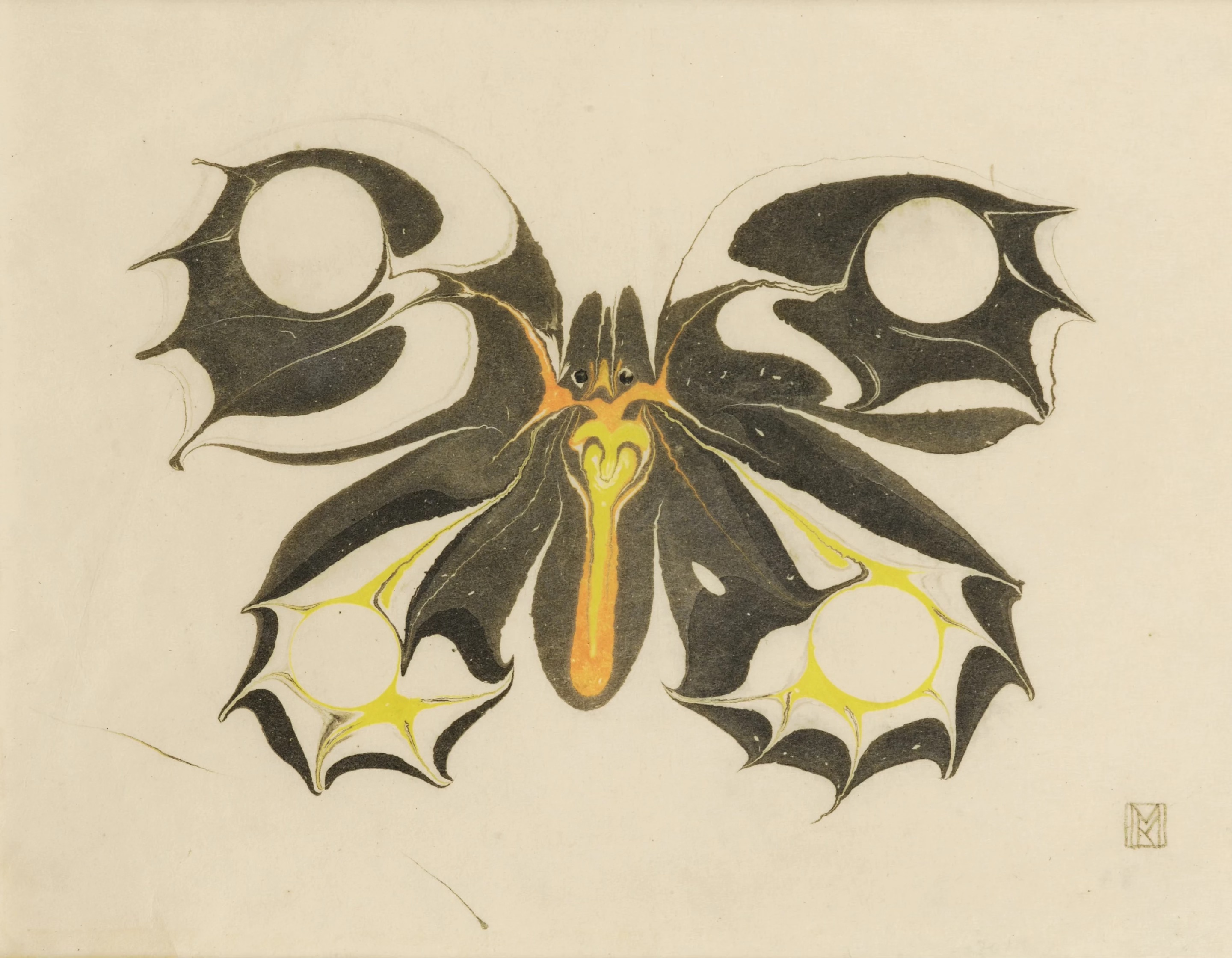
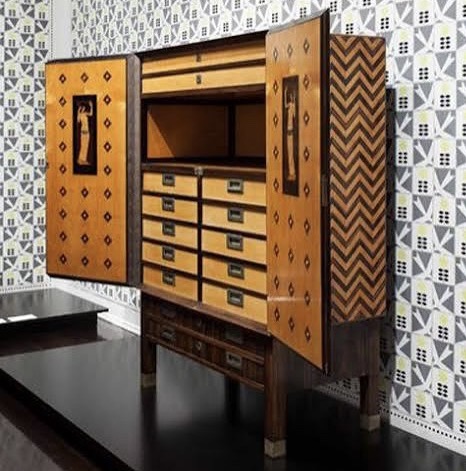
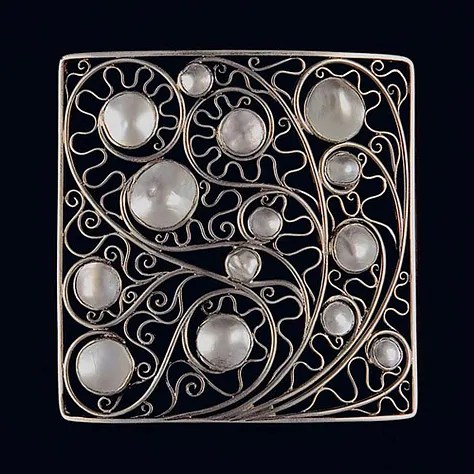
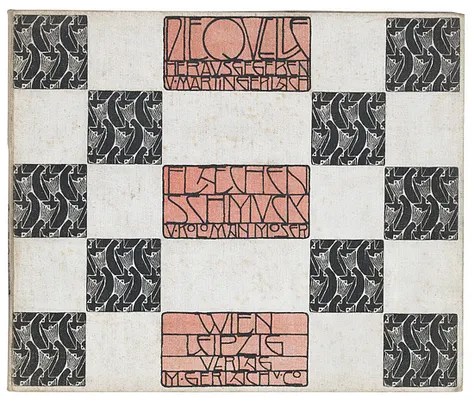
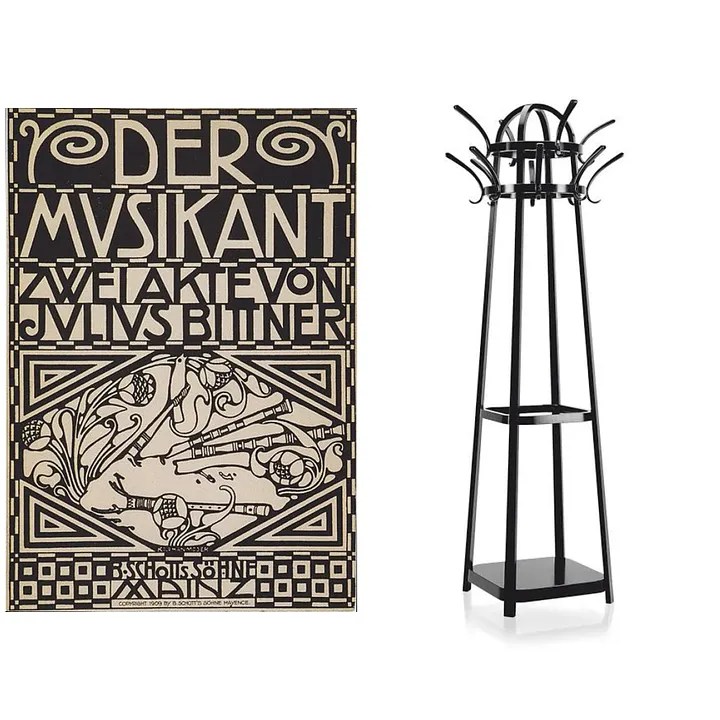
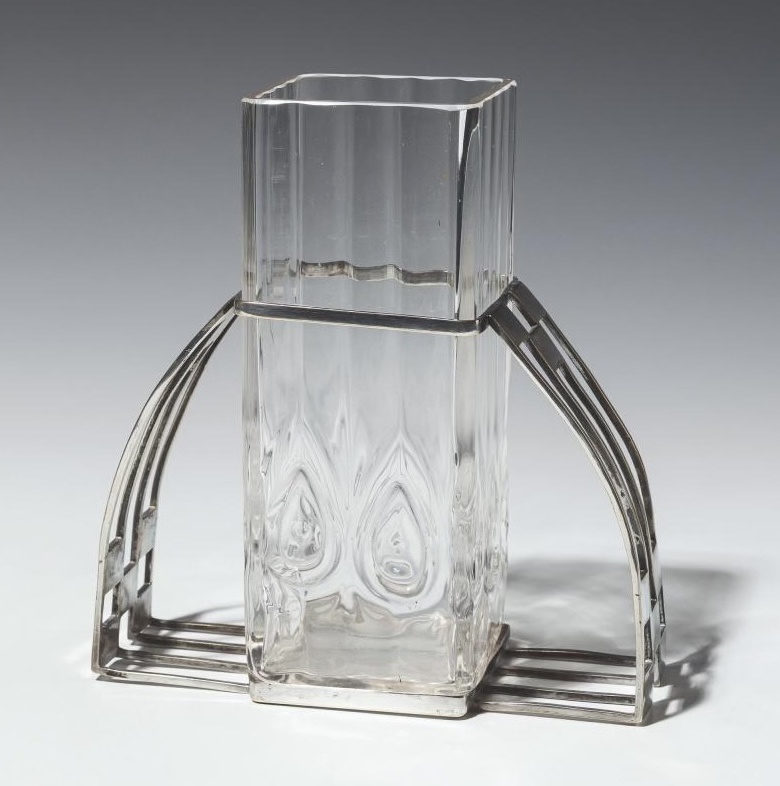
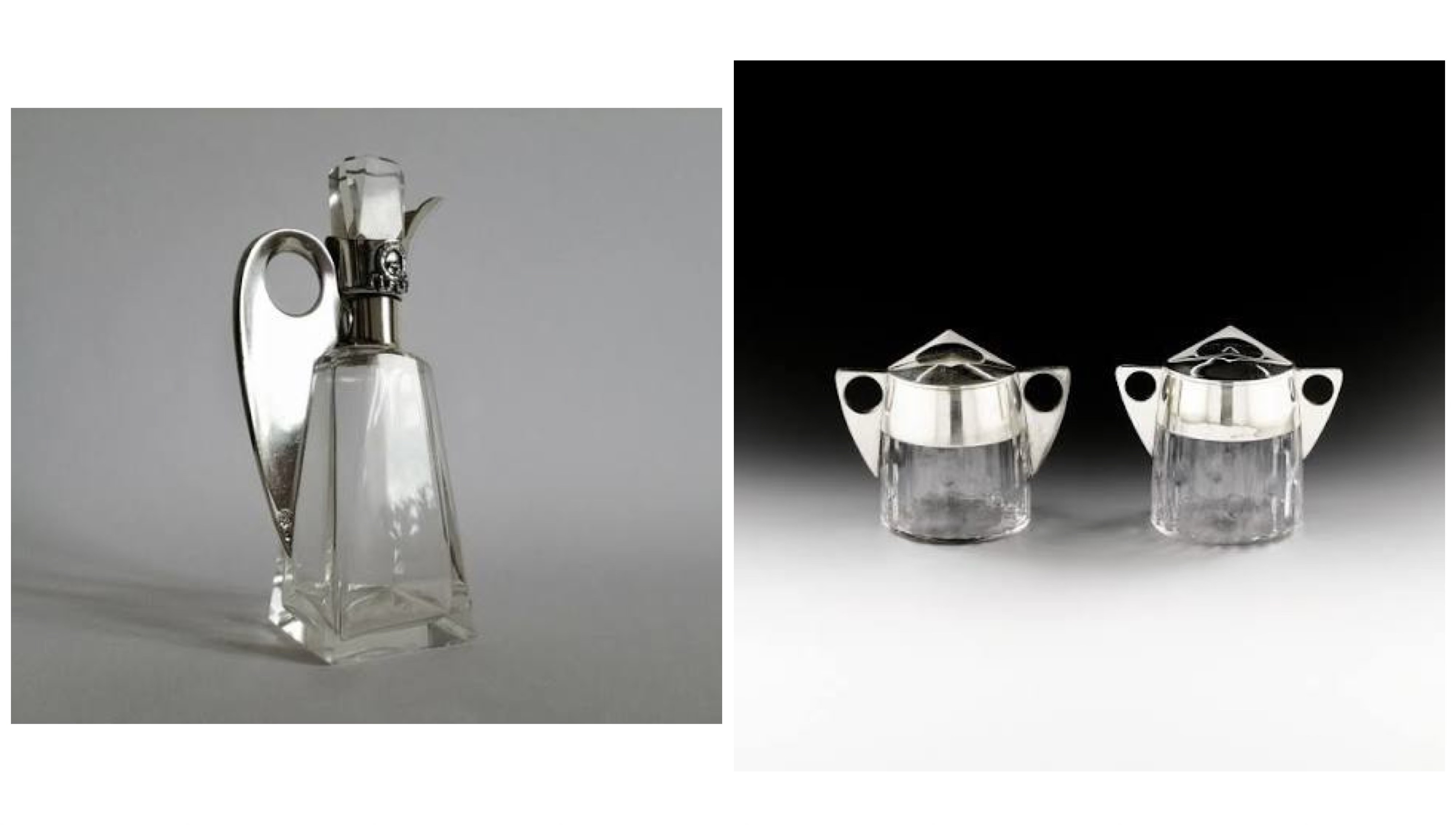
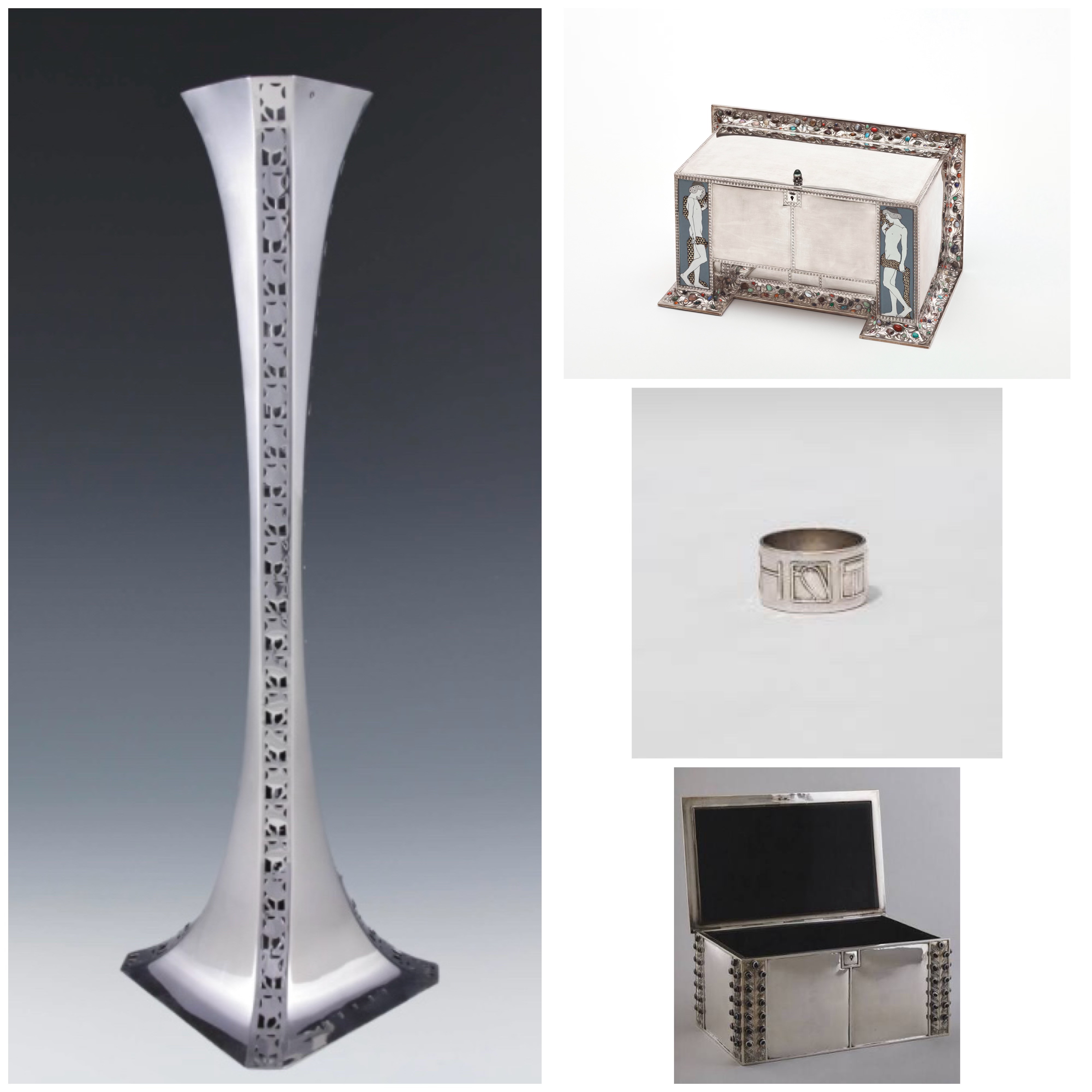
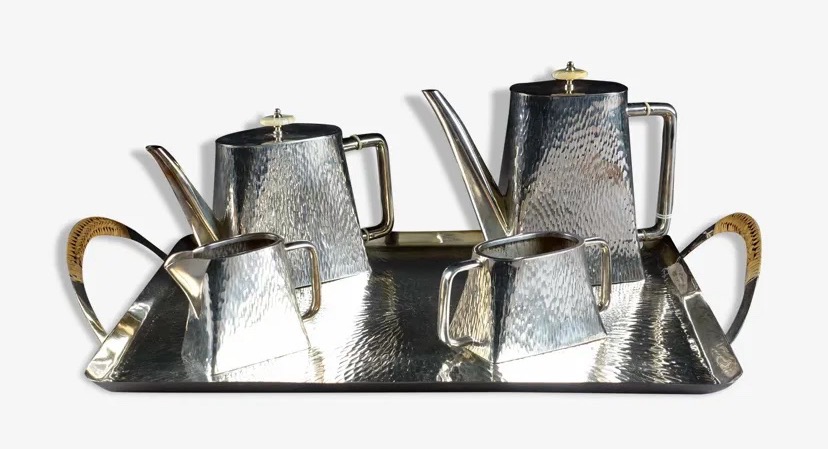
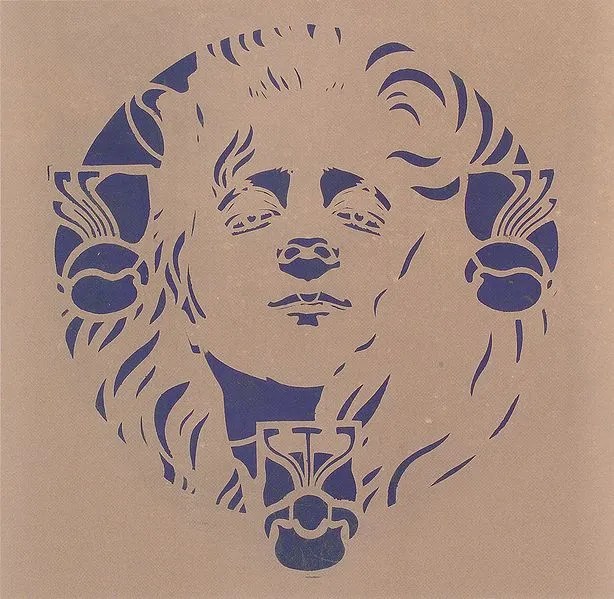
Koloman Moser (1868–1918) was one of the key innovators of early modern design in Vienna. Trained initially as a painter, he quickly expanded his practice into graphic design, illustration, furniture and other decorative arts. This was not a coincidence because as an artist and designer he was a strong believer in that art should shape the entire visual environment, from books and posters to everyday objects.
Moser’s clean lines and repetitive motifs were inspired by classical Greek and Roman art and architecture probably in reaction to the Baroque-esque, turn-of-the-century Viennese surroundings.
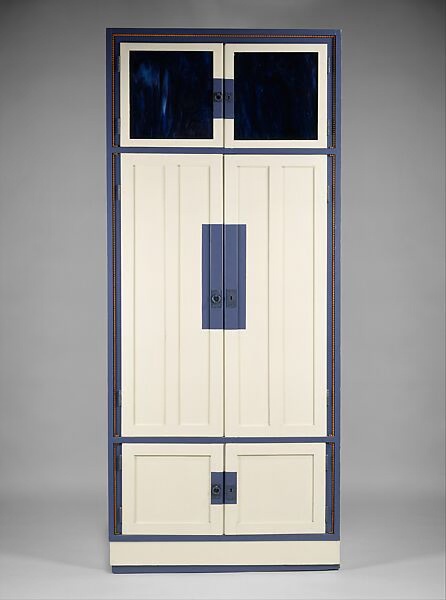

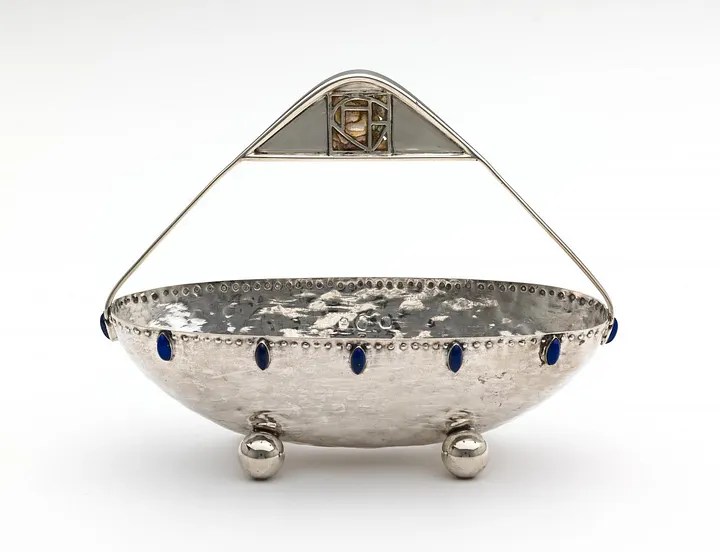
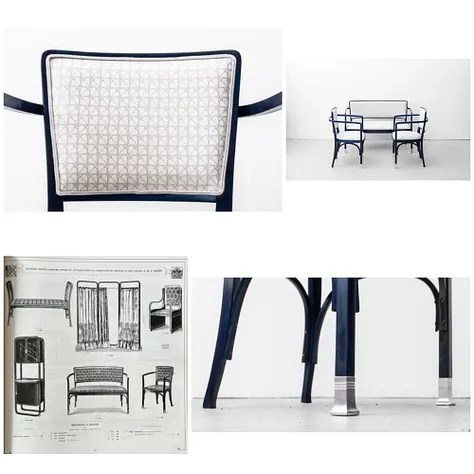
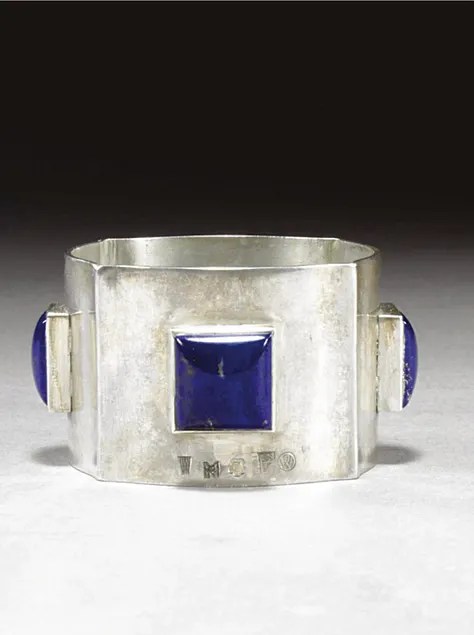
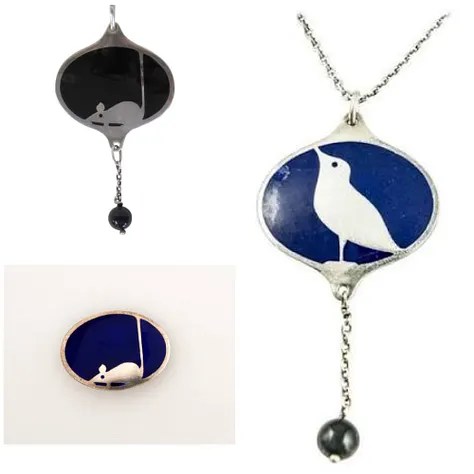
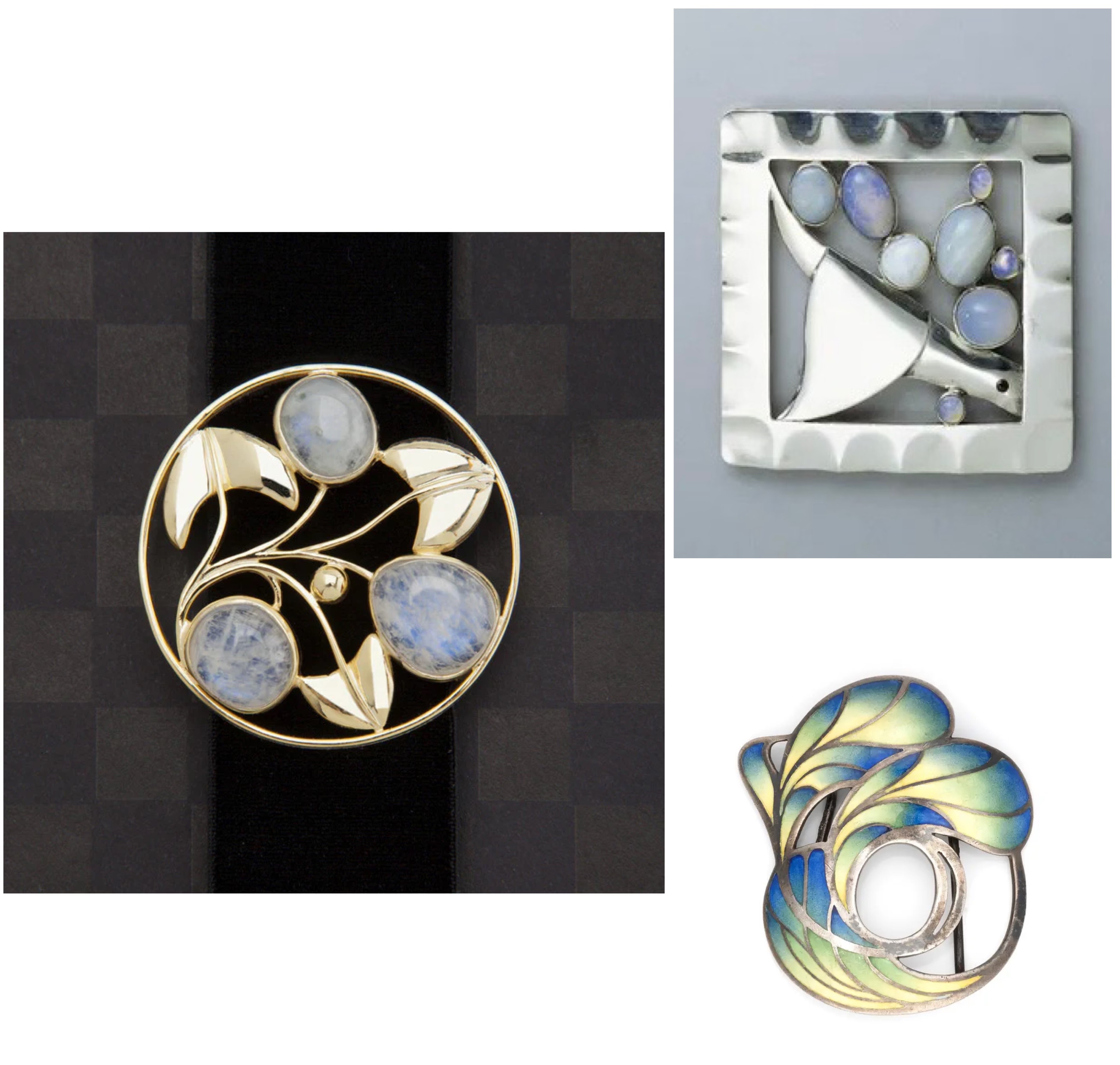
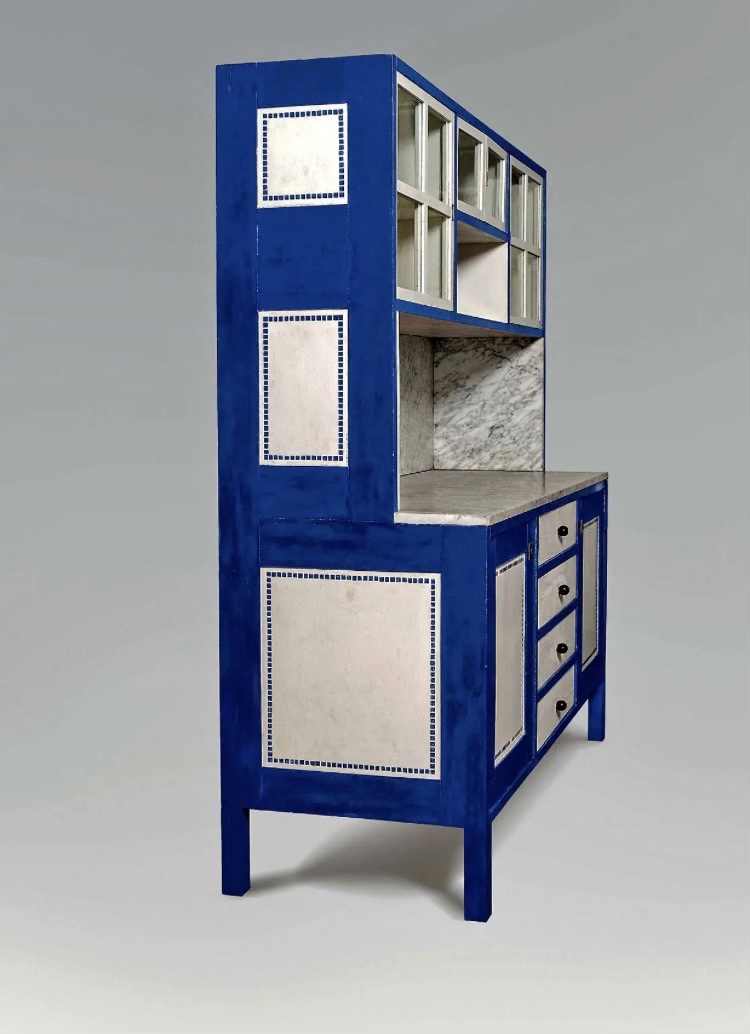
The start of Vienna Secession
Koloman Moser rose to prominence as a founding member of the Vienna Secession, a group that broke away from conservative academic traditions. This art movement was adjacent to Art Nouveau and was formed in 1897.
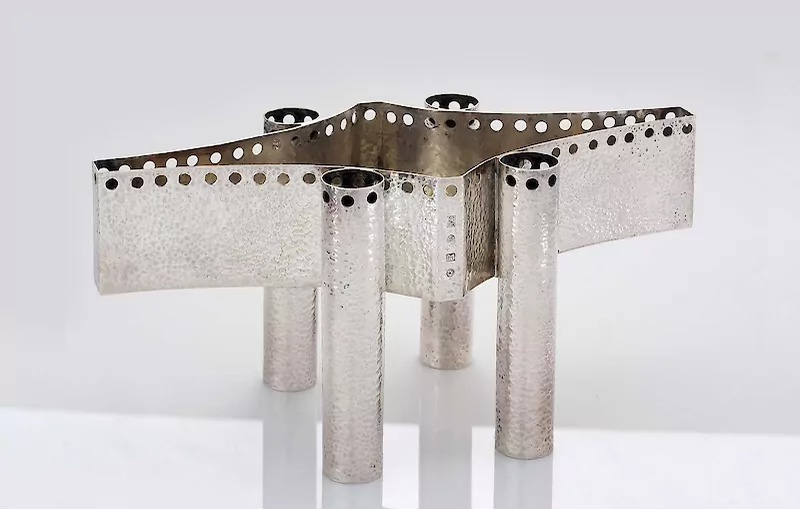
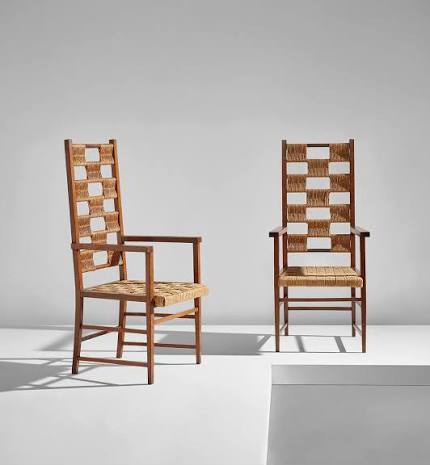
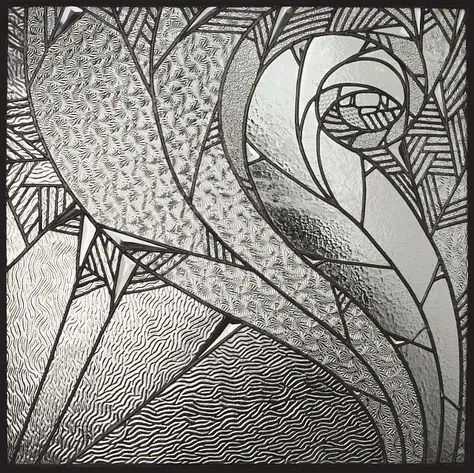
Alongside people like Gustav Klimt, Moser helped define a new aesthetic that favored clean geometry, stylized forms and a balance between decoration and structure. Moser’s graphic works; especially posters and magazine layouts but actually everything from fashion, silver ware to stained glass windows; show a precise, grid-like order that anticipates later modernist design.
All this was shaped under the movements’ belief in the “Gesamtkunstwerk”, a “total work of art” that sought to unify the entire spectrum of creative practice, from painting and sculpture to everyday objects and architecture alongside its motto: “To every age it’s art: to art its freedom”.
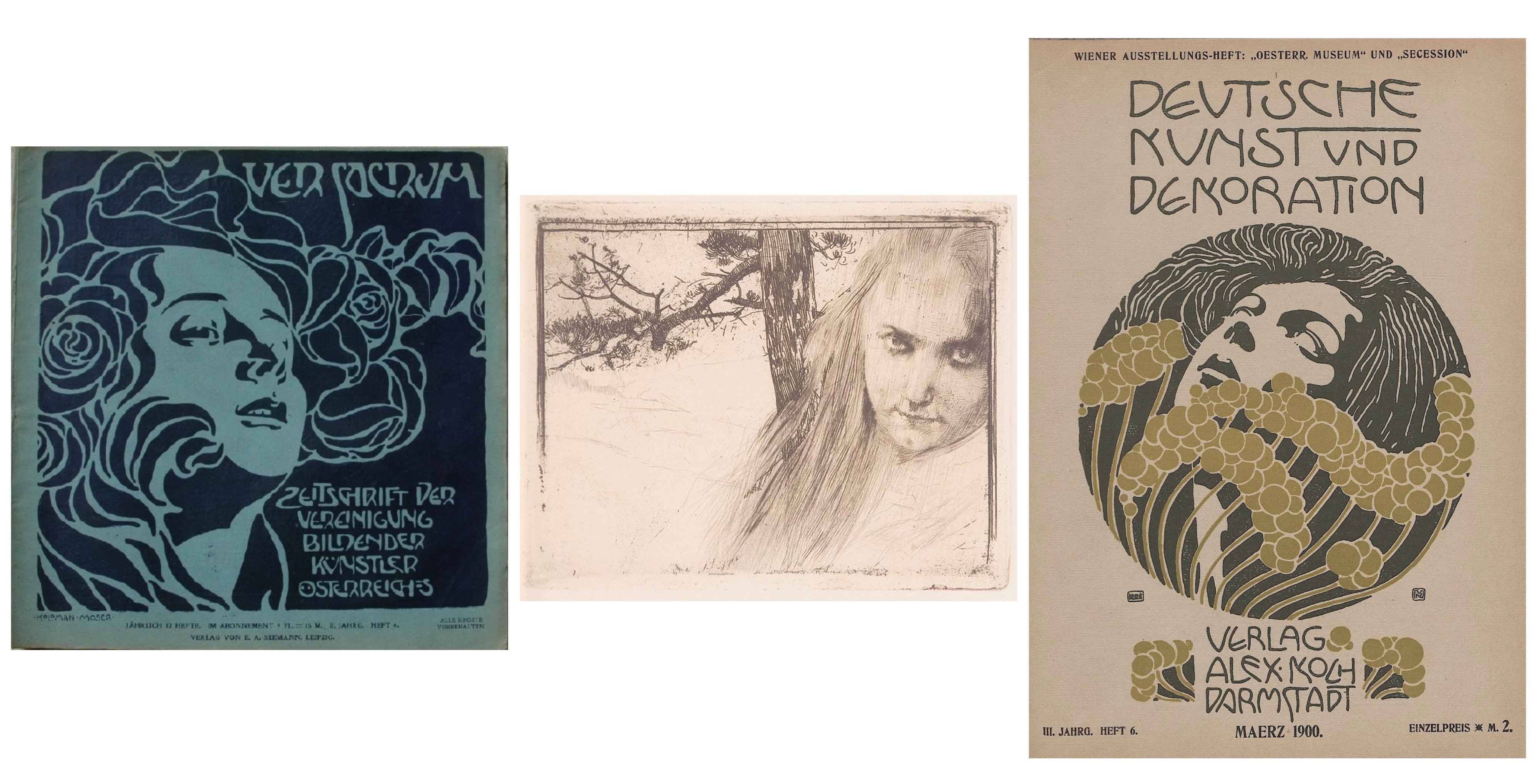
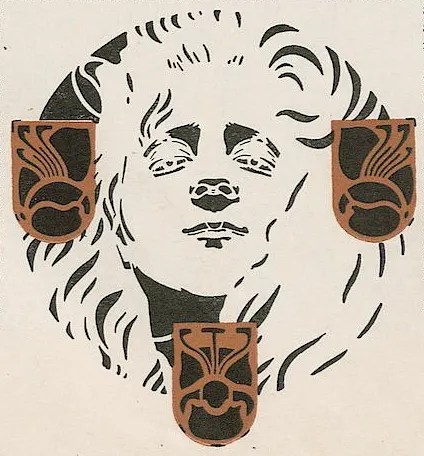
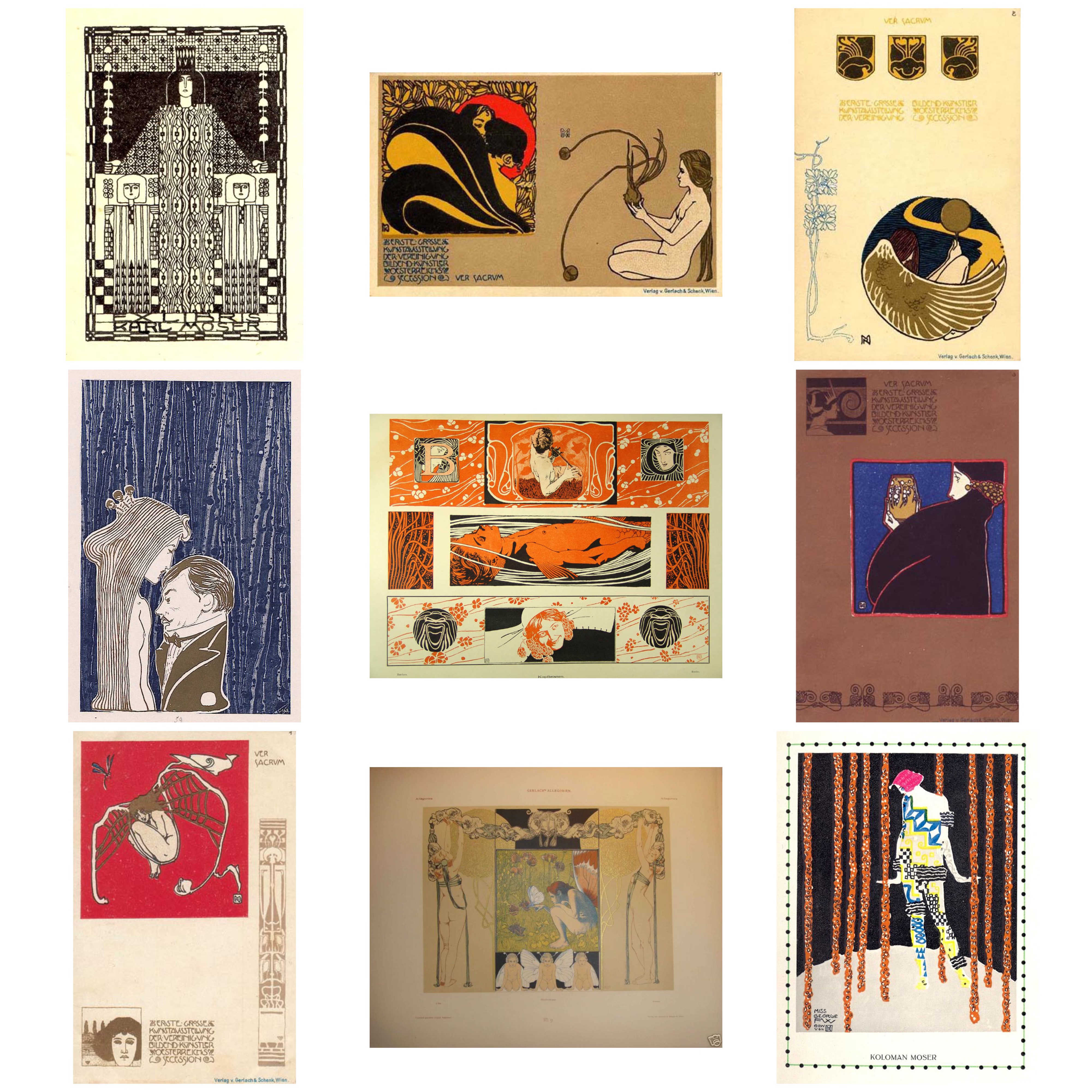
Moser was a frequent contributor to Vienna Secession’s publication Ver Sacrum. Many, many of his illustrations found their way into the pages of the magazine.
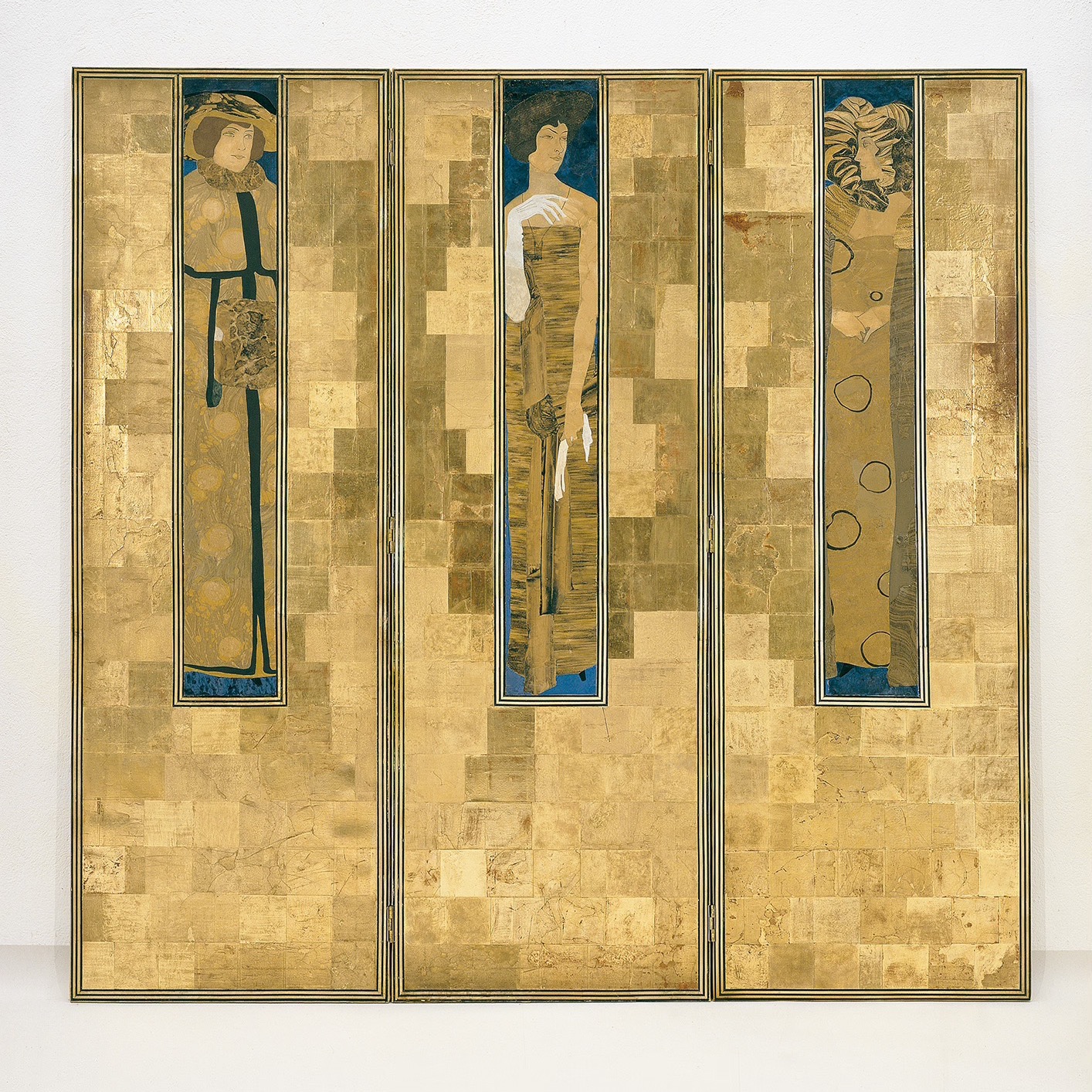
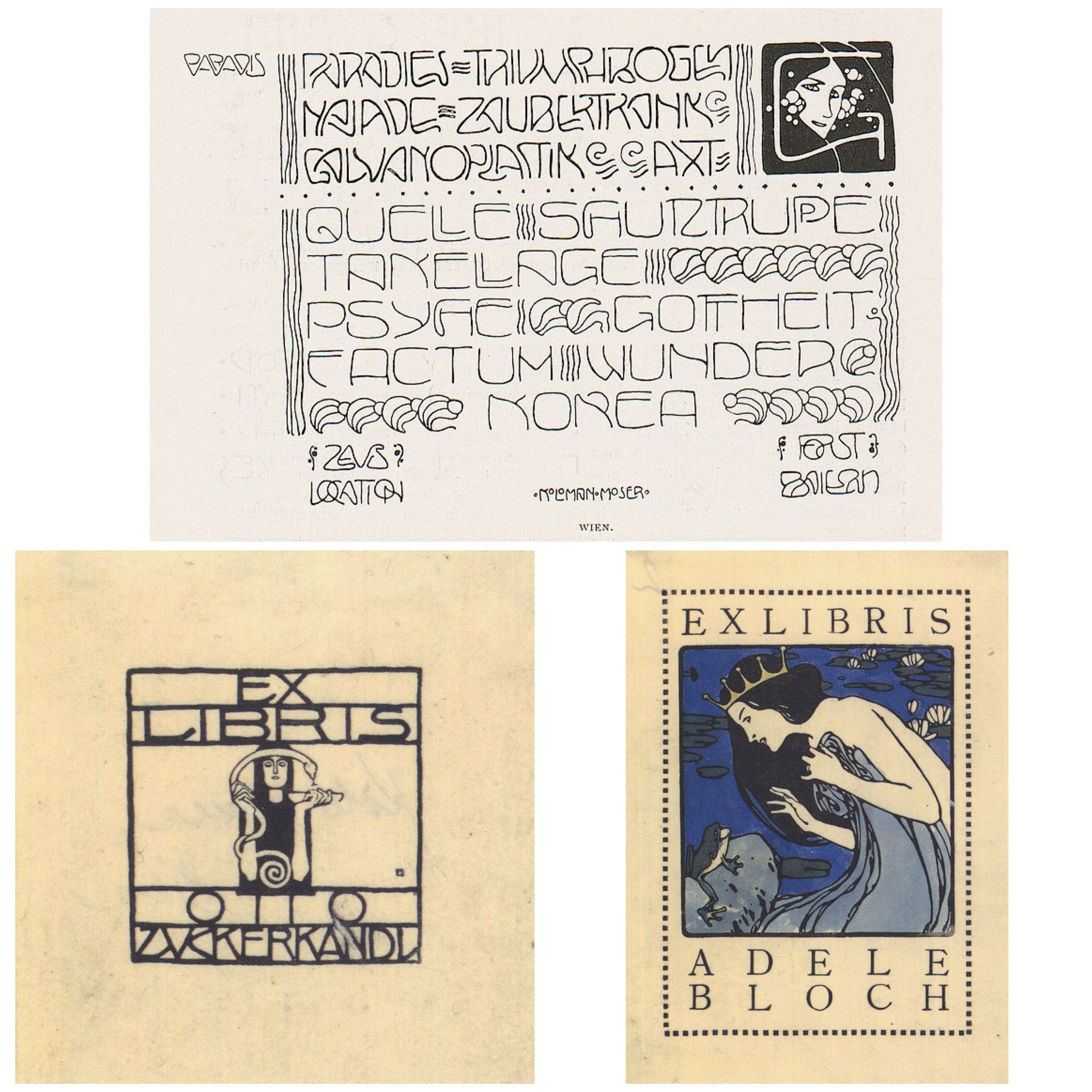
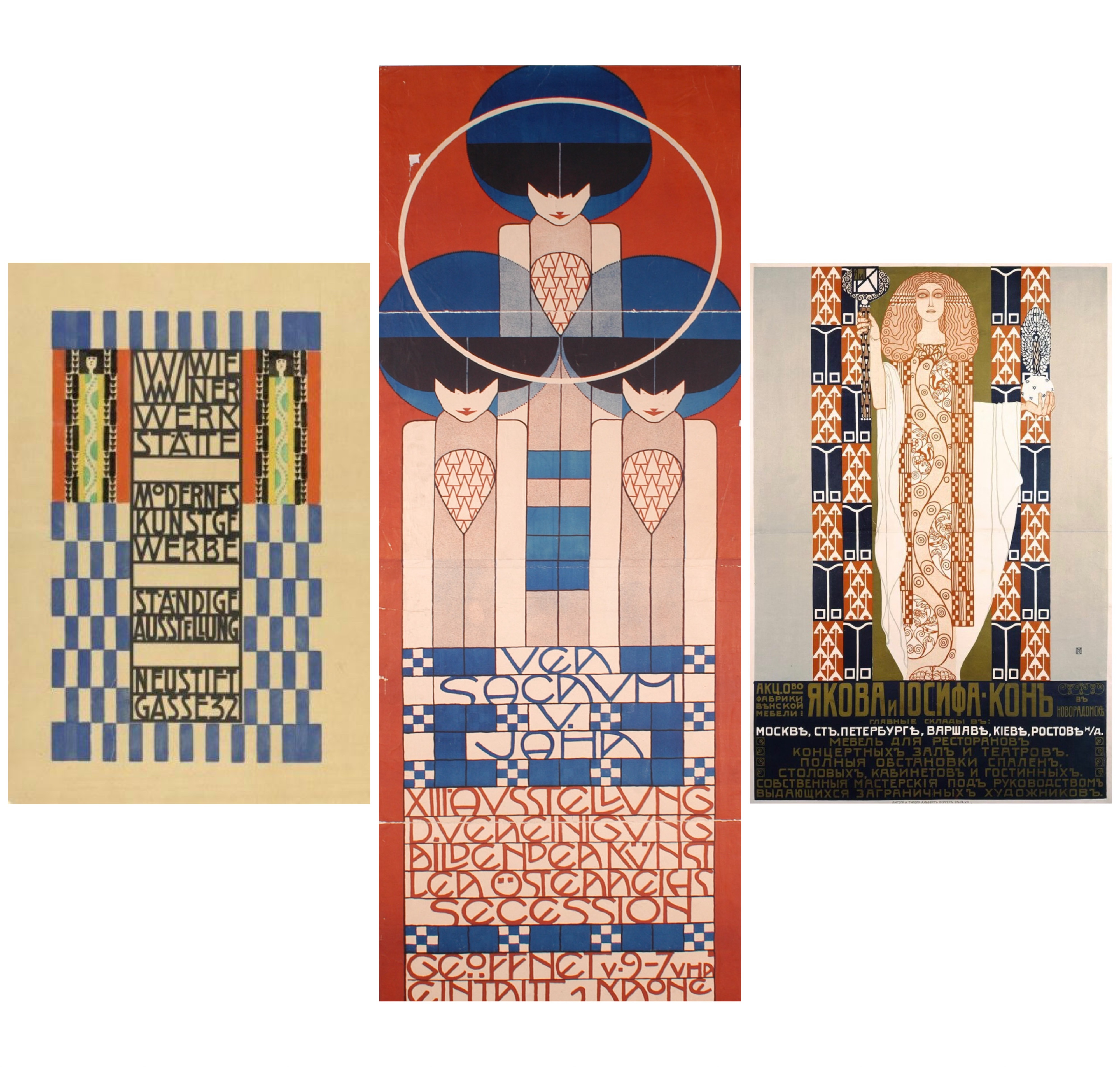
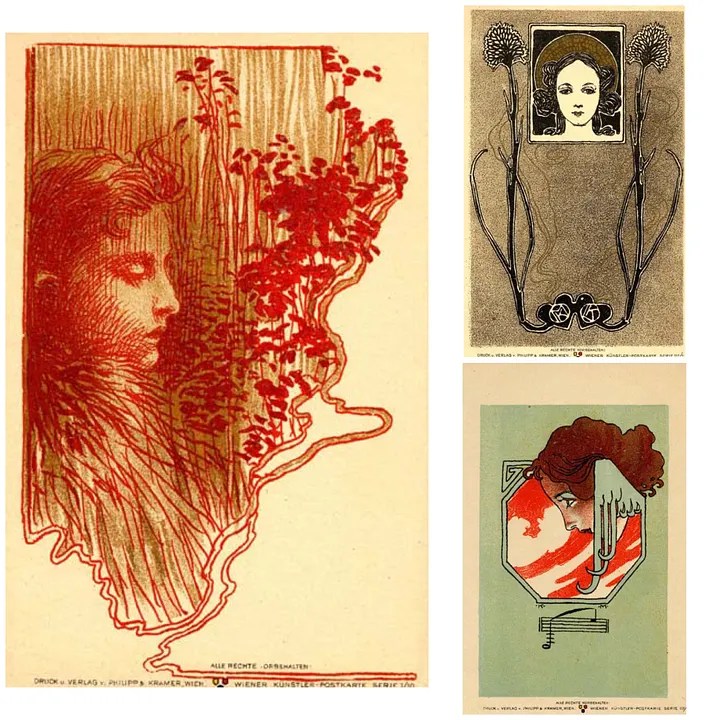
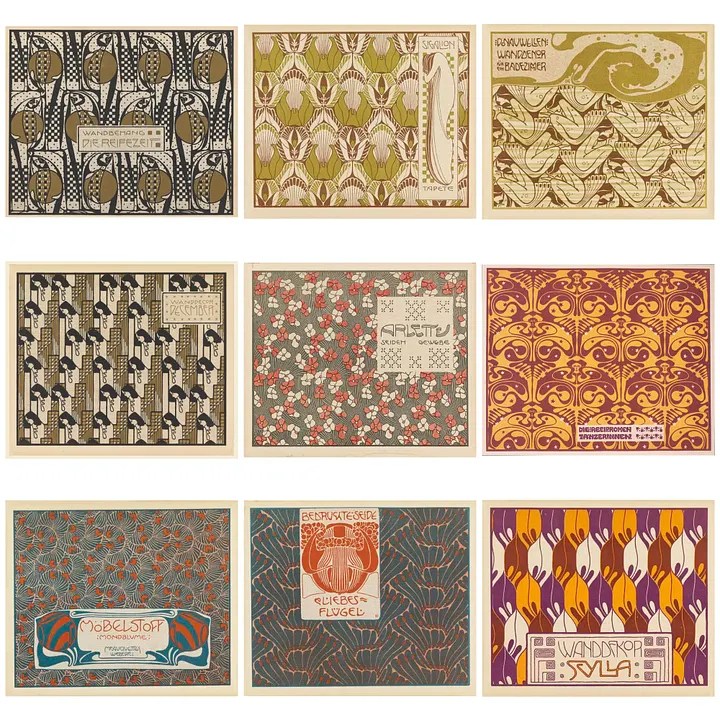
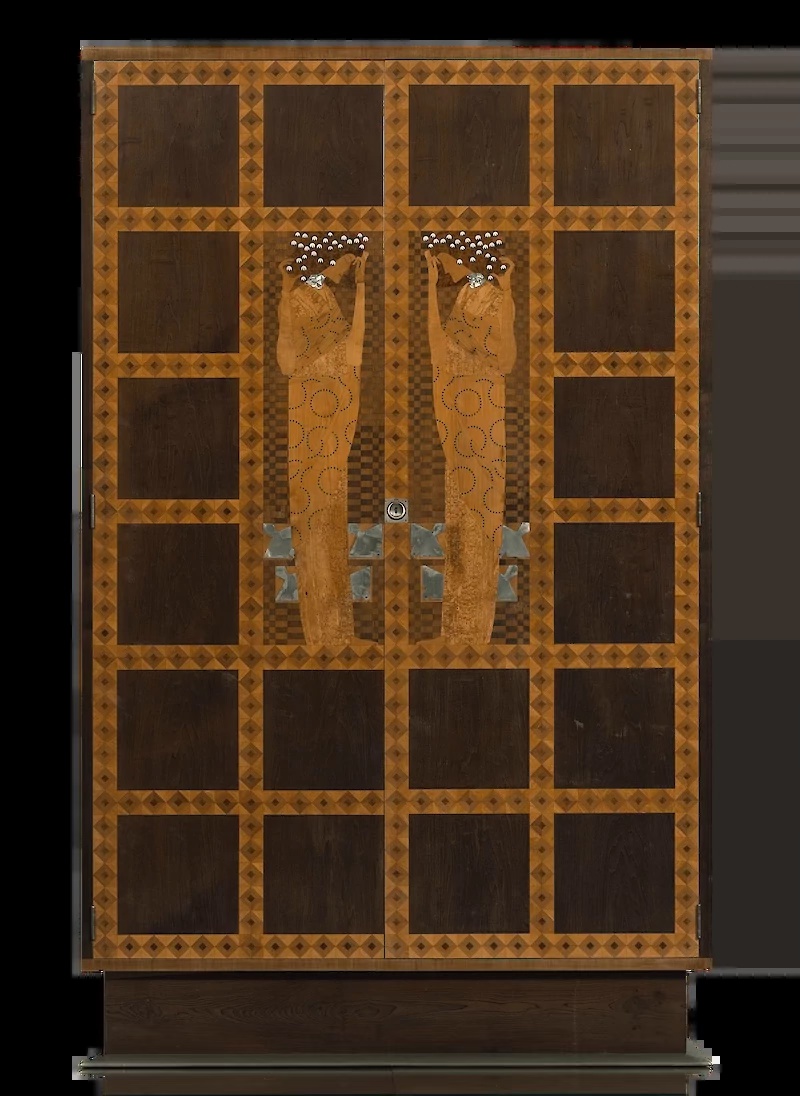
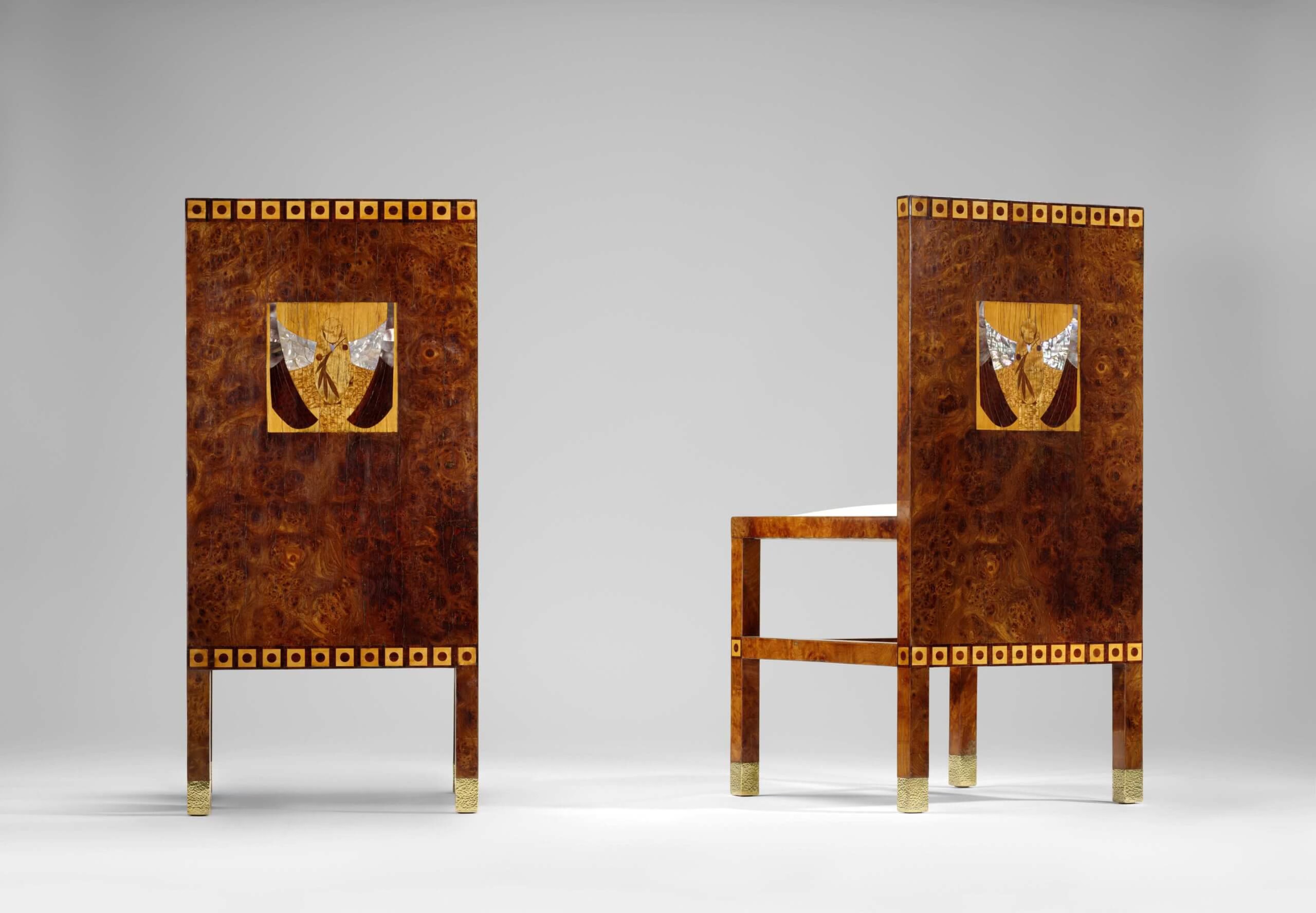
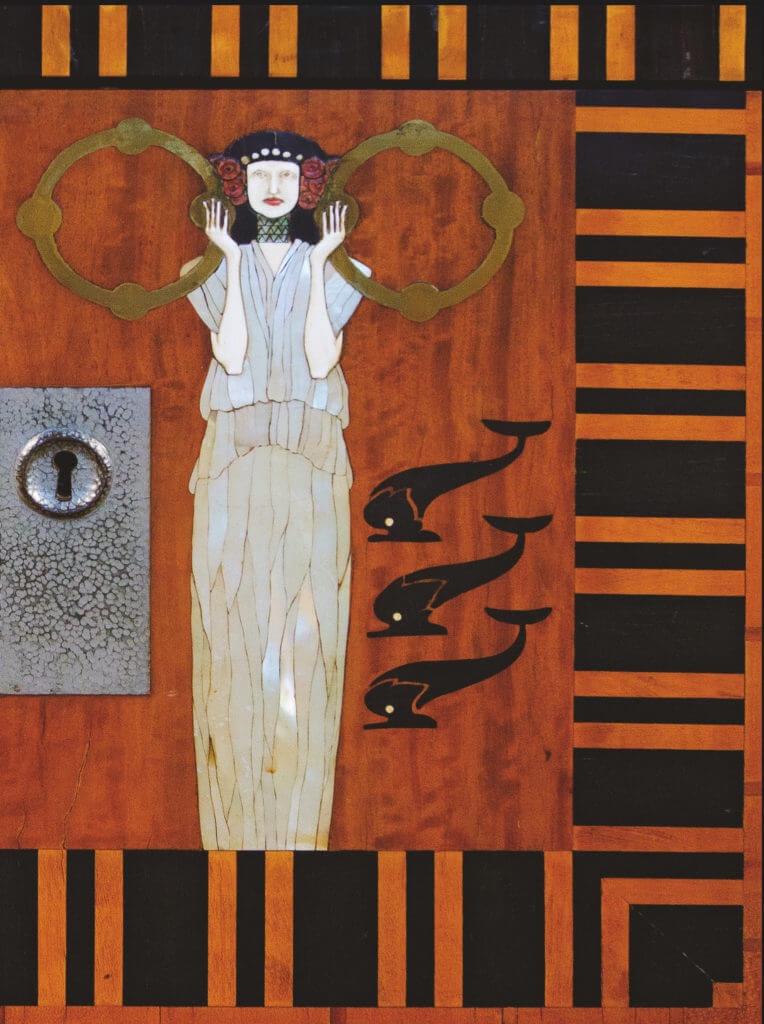
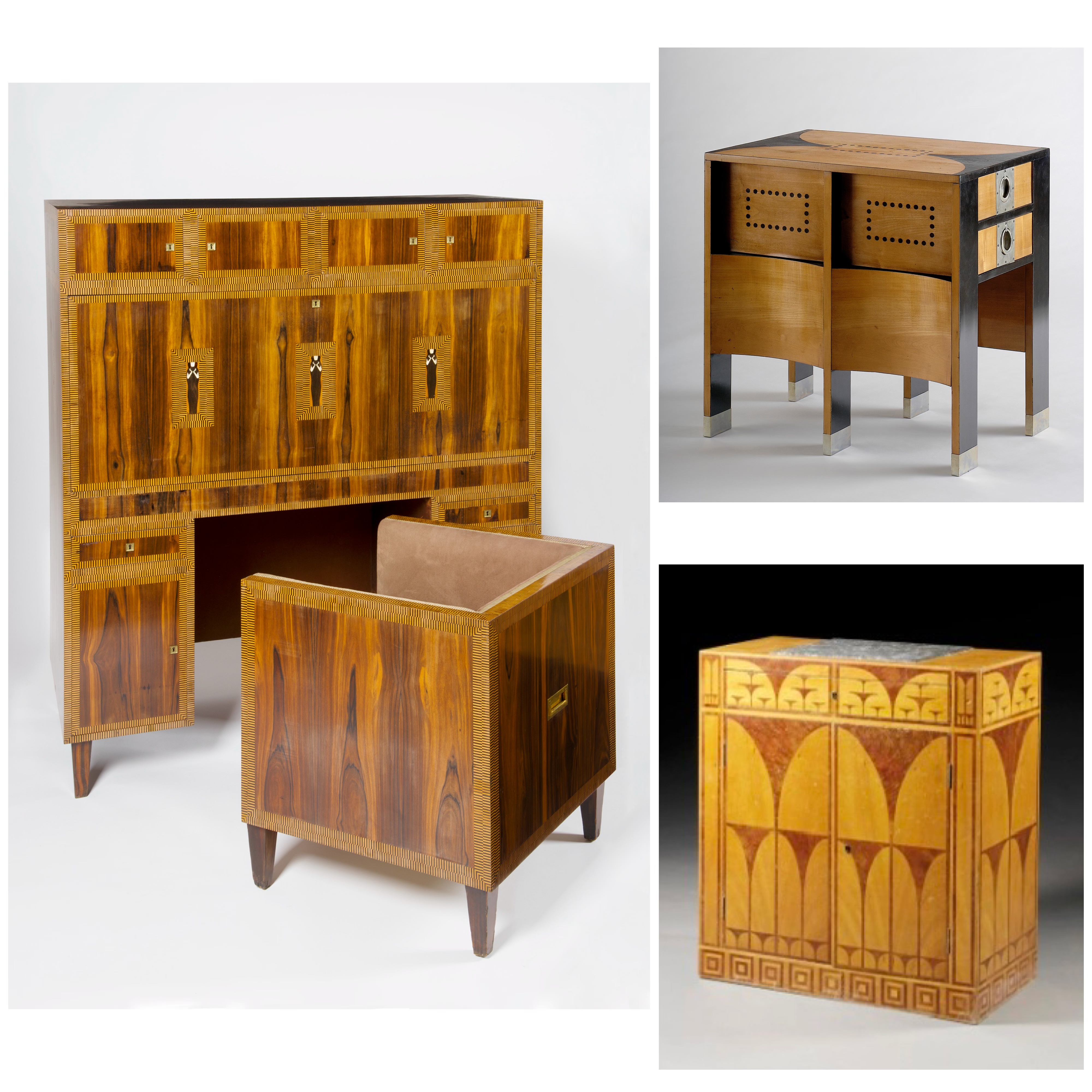
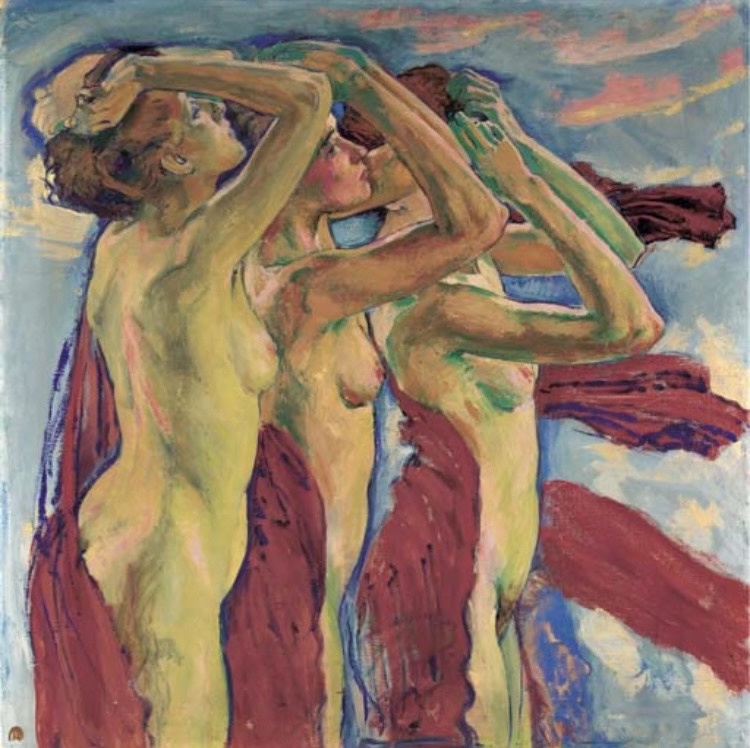
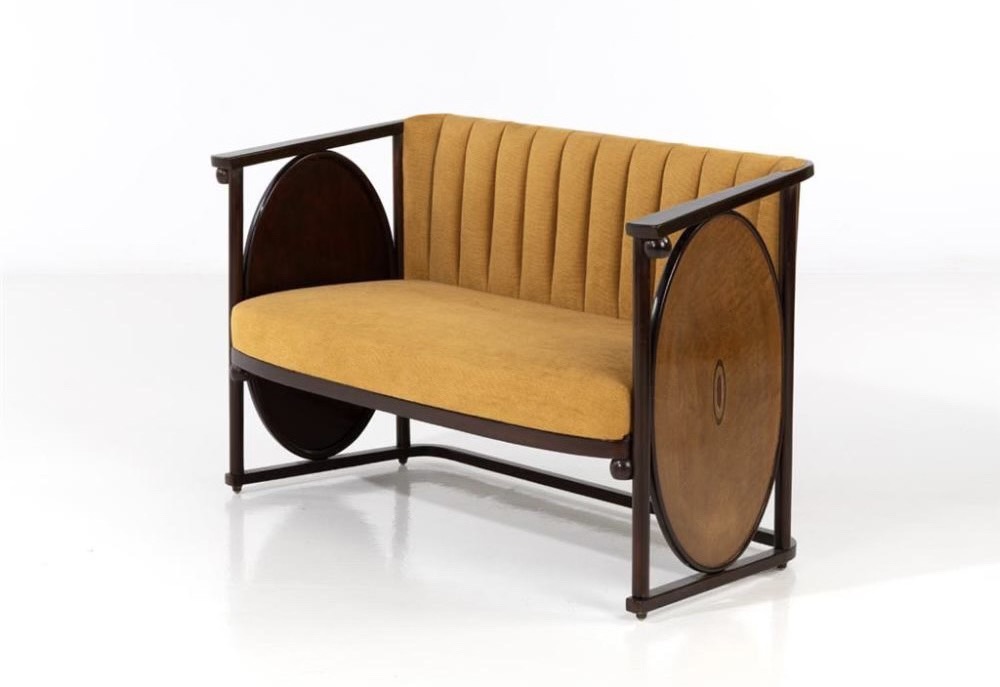
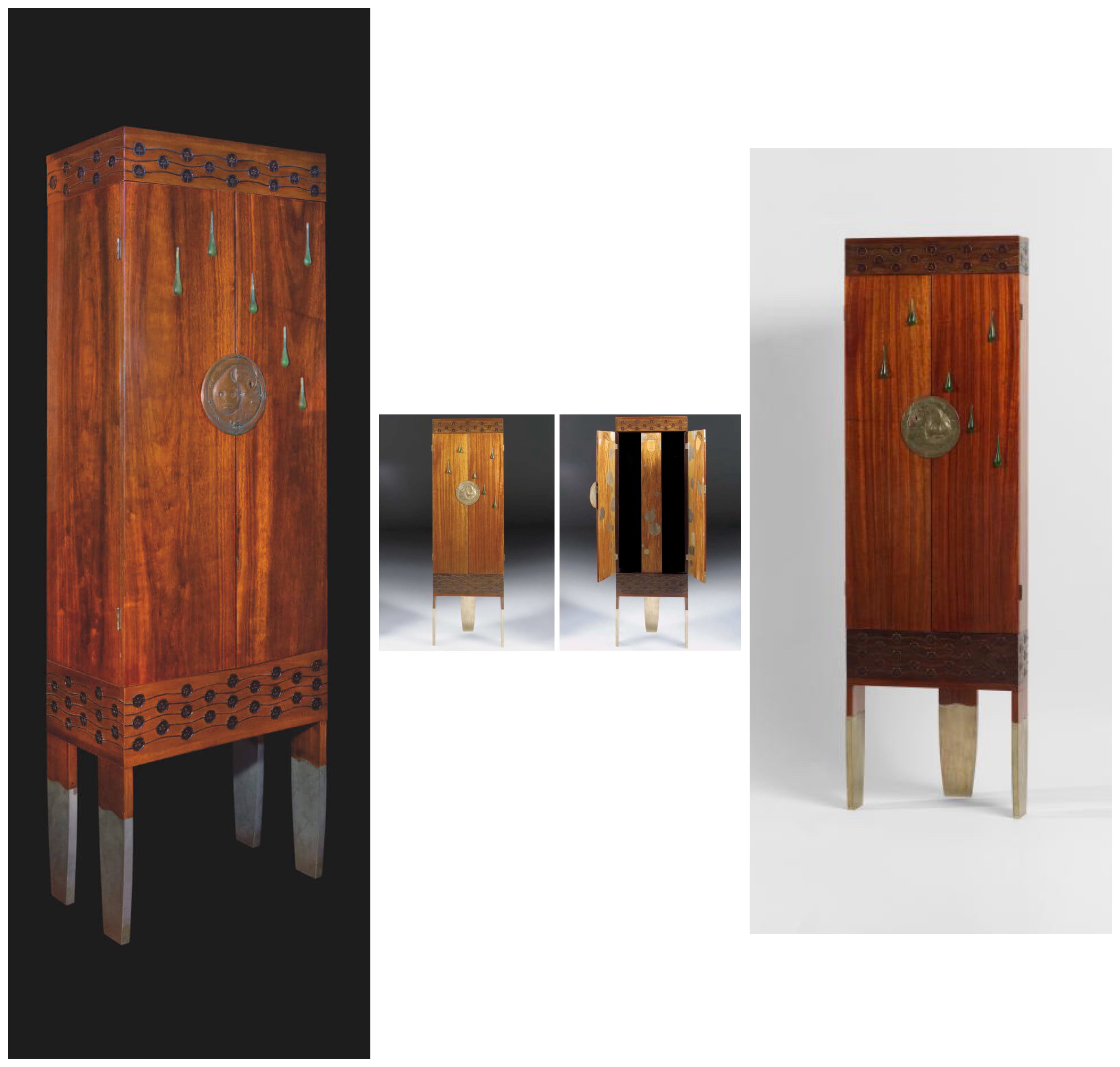
Wiener Werkstätte founder
Koloman Moser’s influence deepened when he co-founded the Wiener Werkstätte with Josef Hoffmann and Fritz Waerndorfer in 1903.
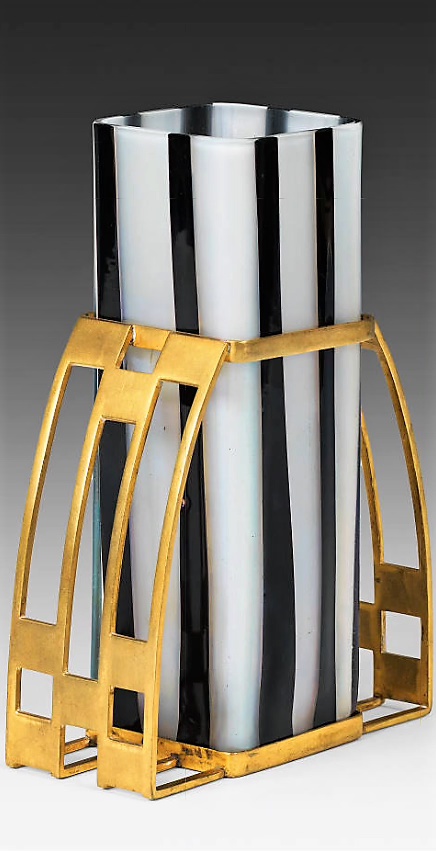
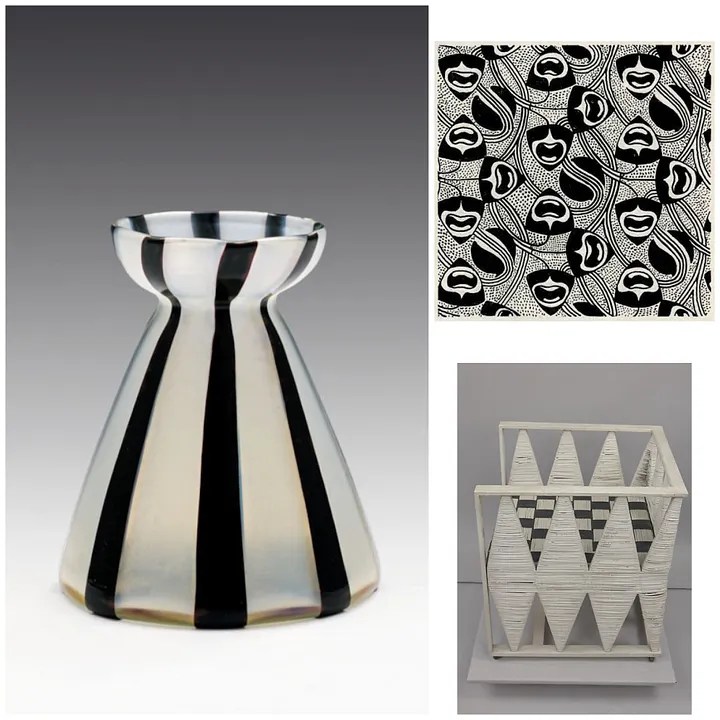
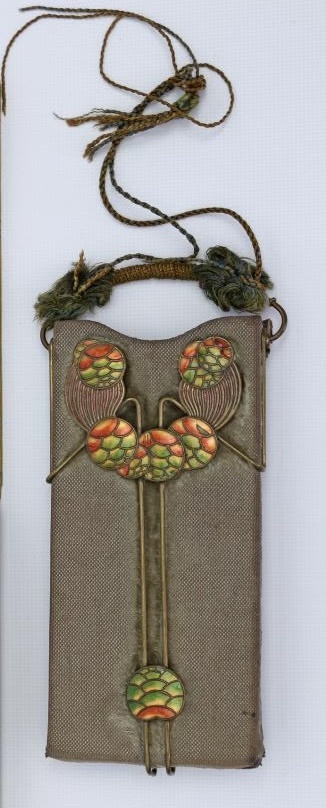
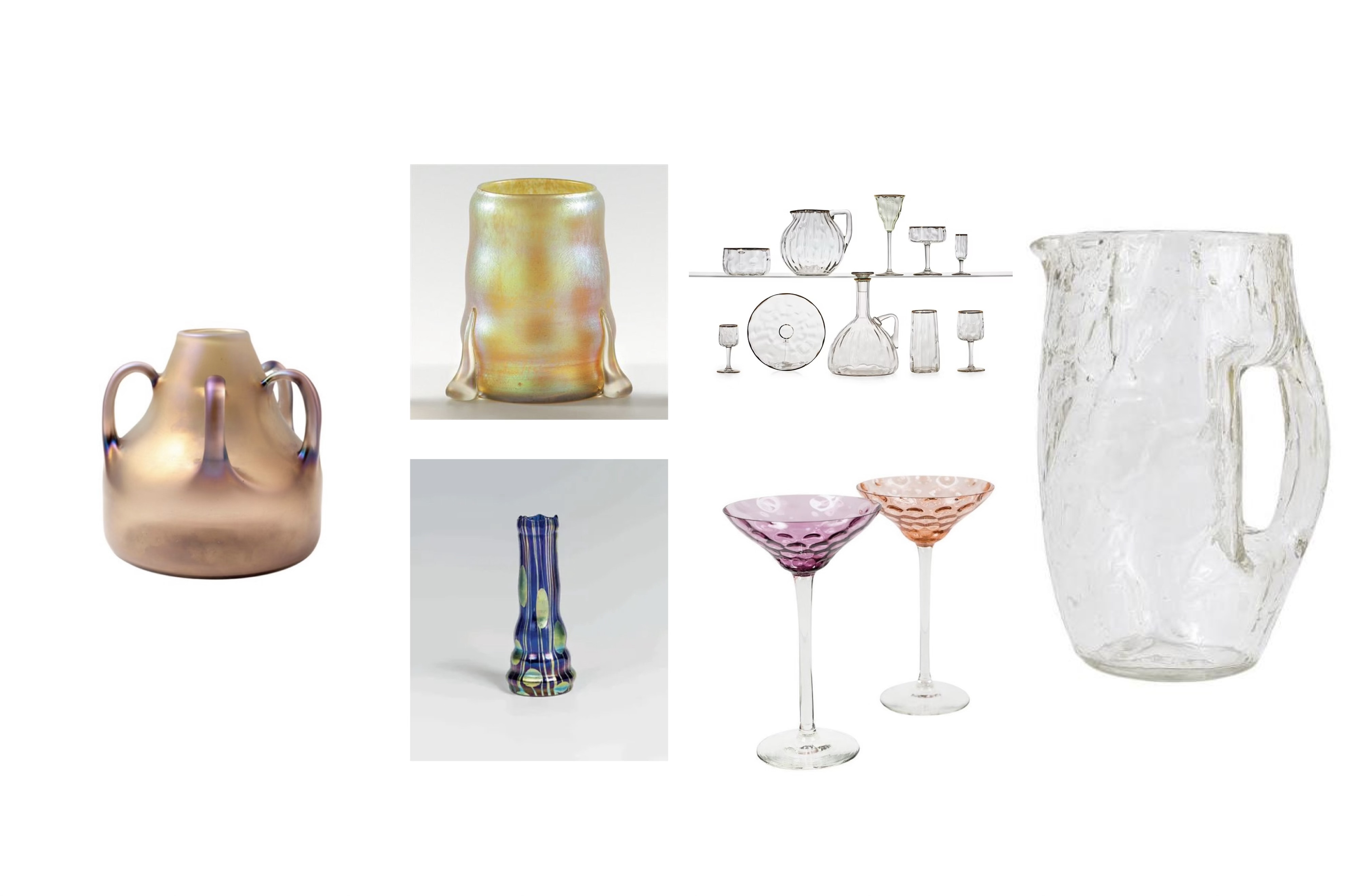
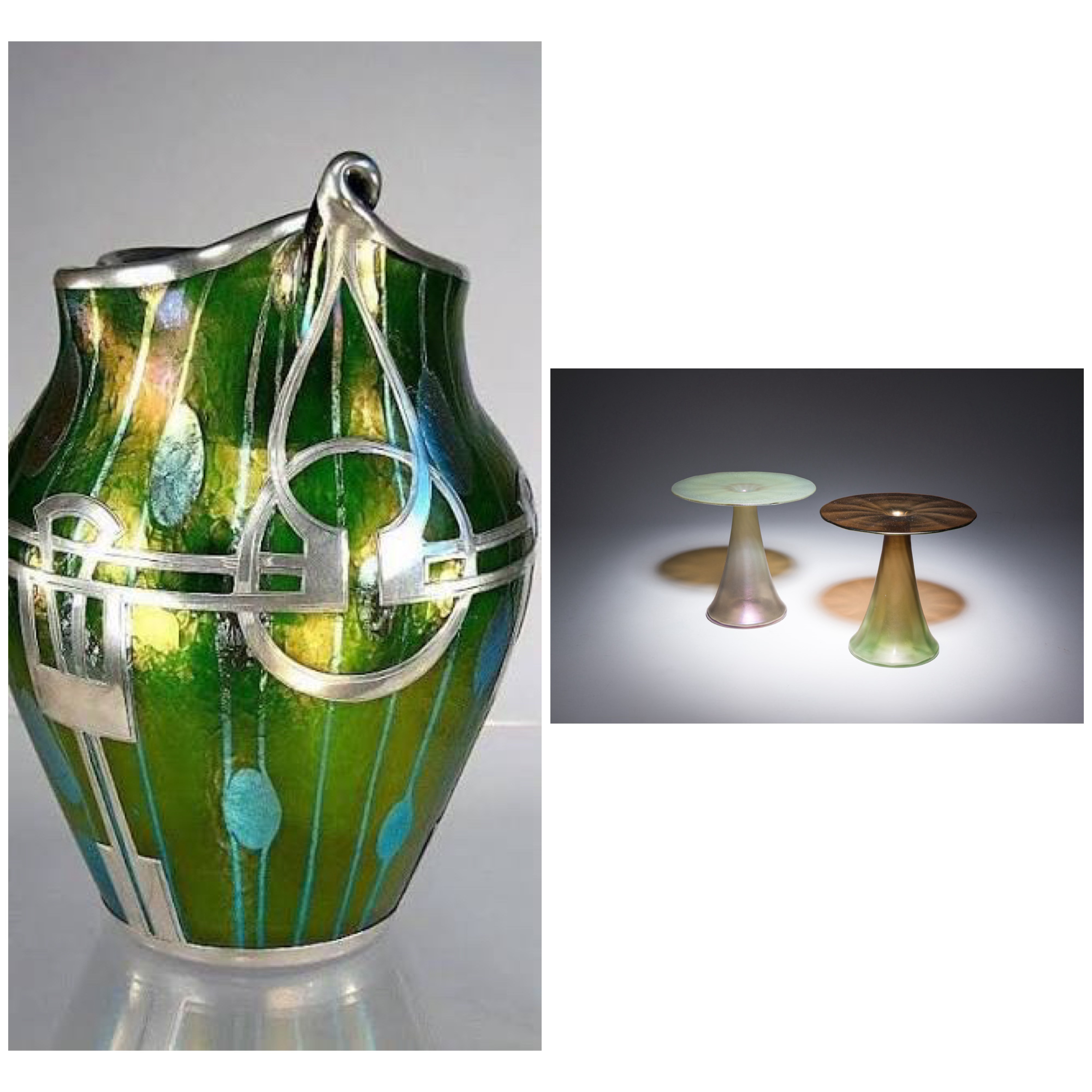
The workshop aimed to dissolve the boundary between fine art and craftsmanship by producing beautifully designed everyday objects. From textiles to tableware, porcelains and ceramics, blown glass, silver, wallpaper, jewelry and furniture, their work emphasized quality materials, careful construction and a unified visual language. Ideas that would later become central to modern industrial design.
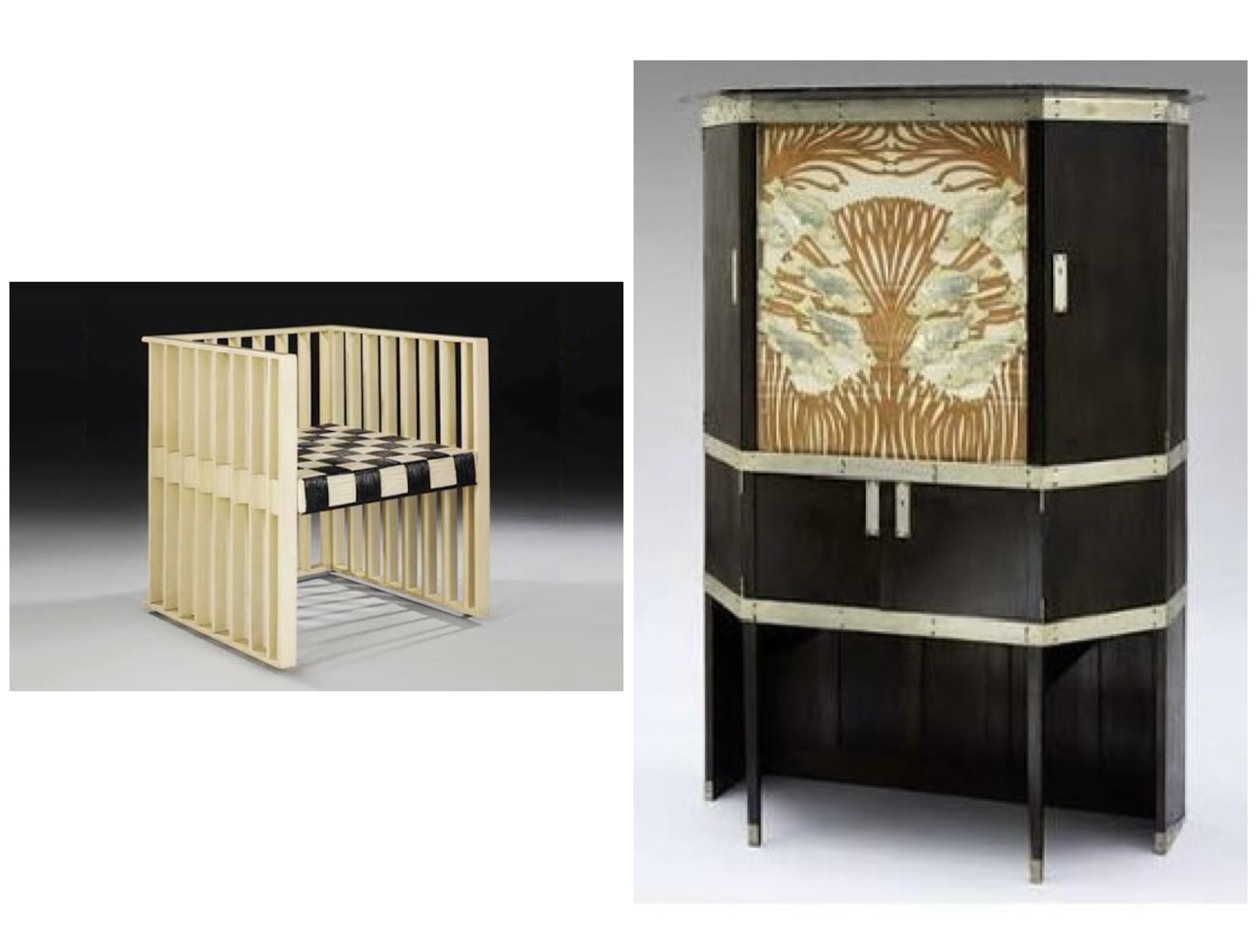
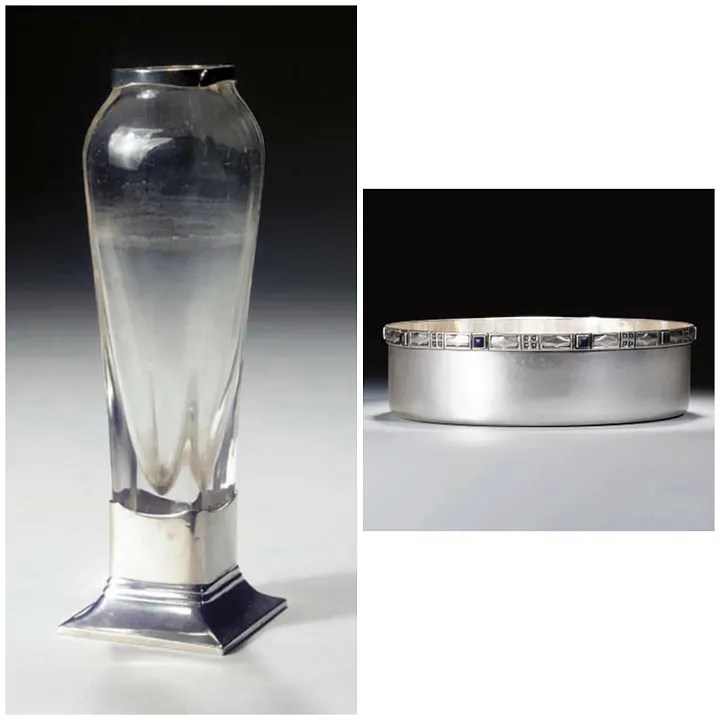
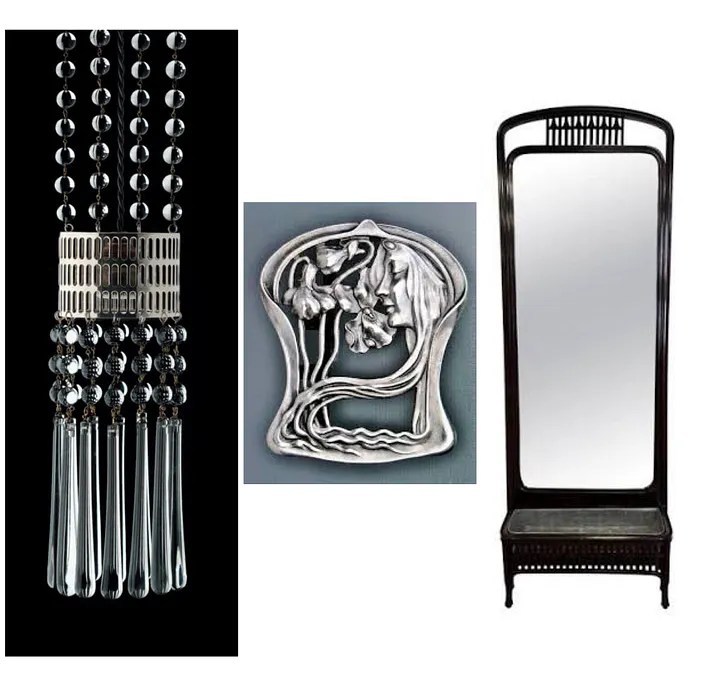
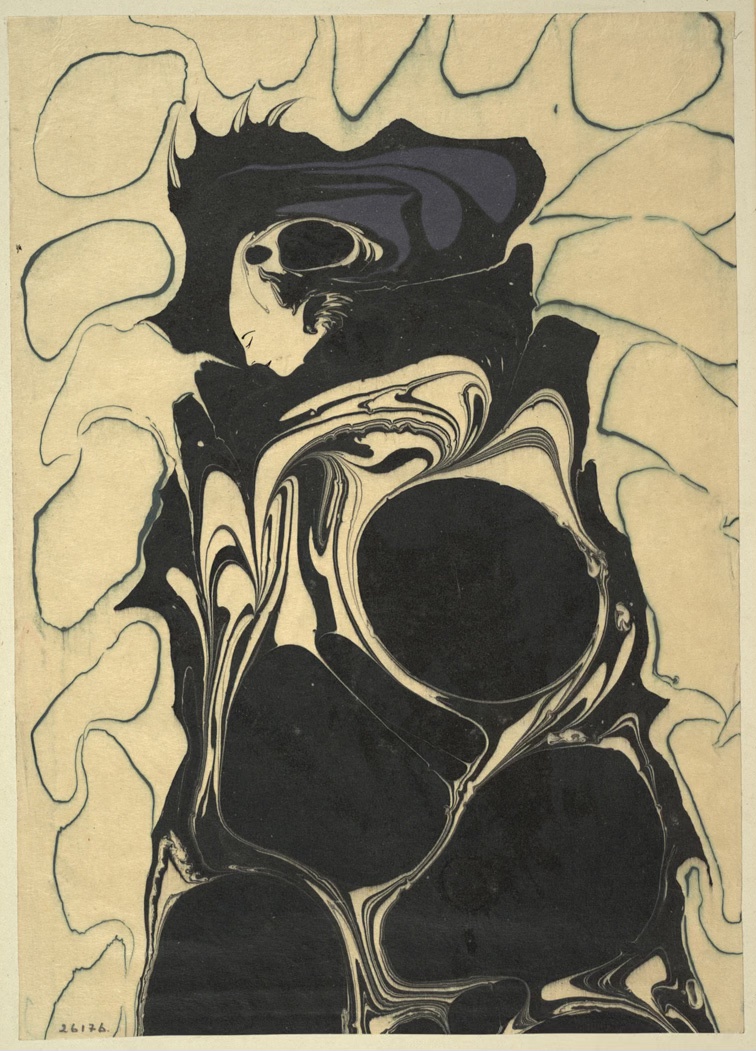
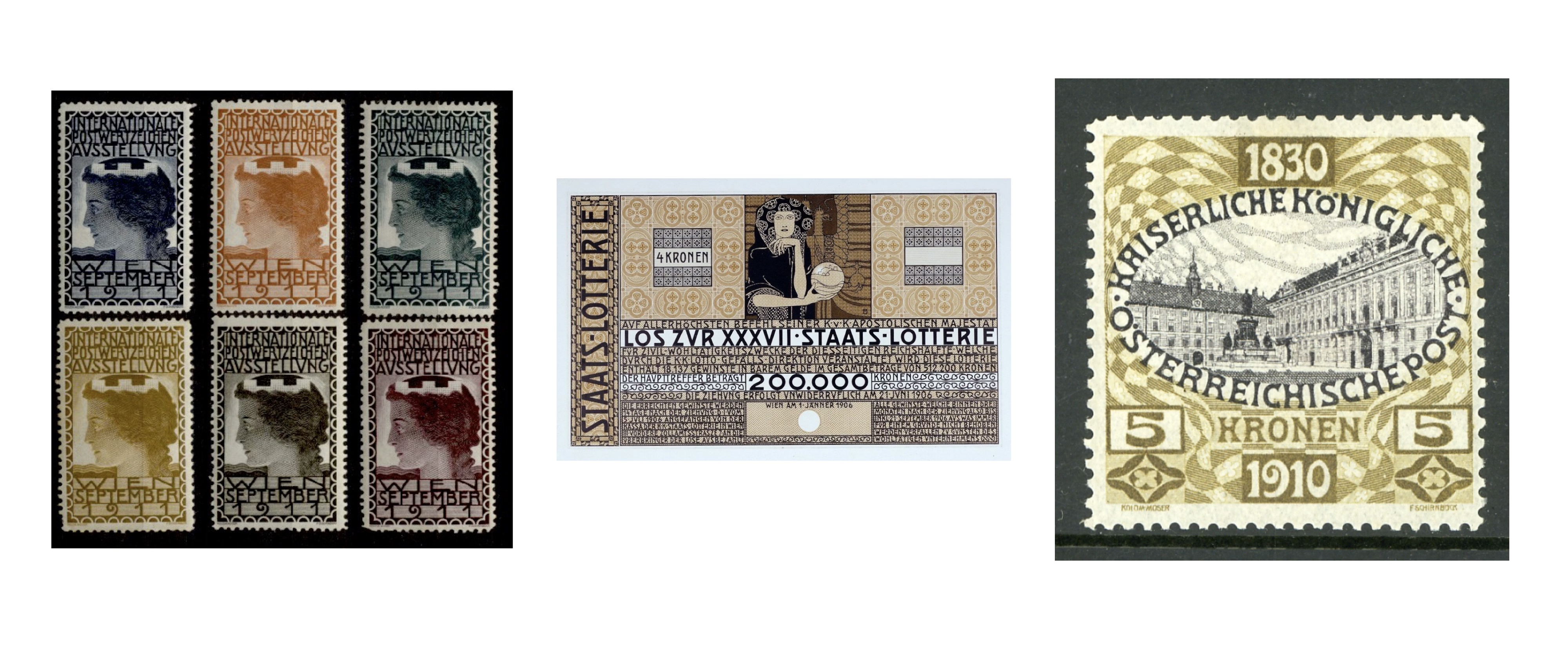
Not just a painter, not just a designer
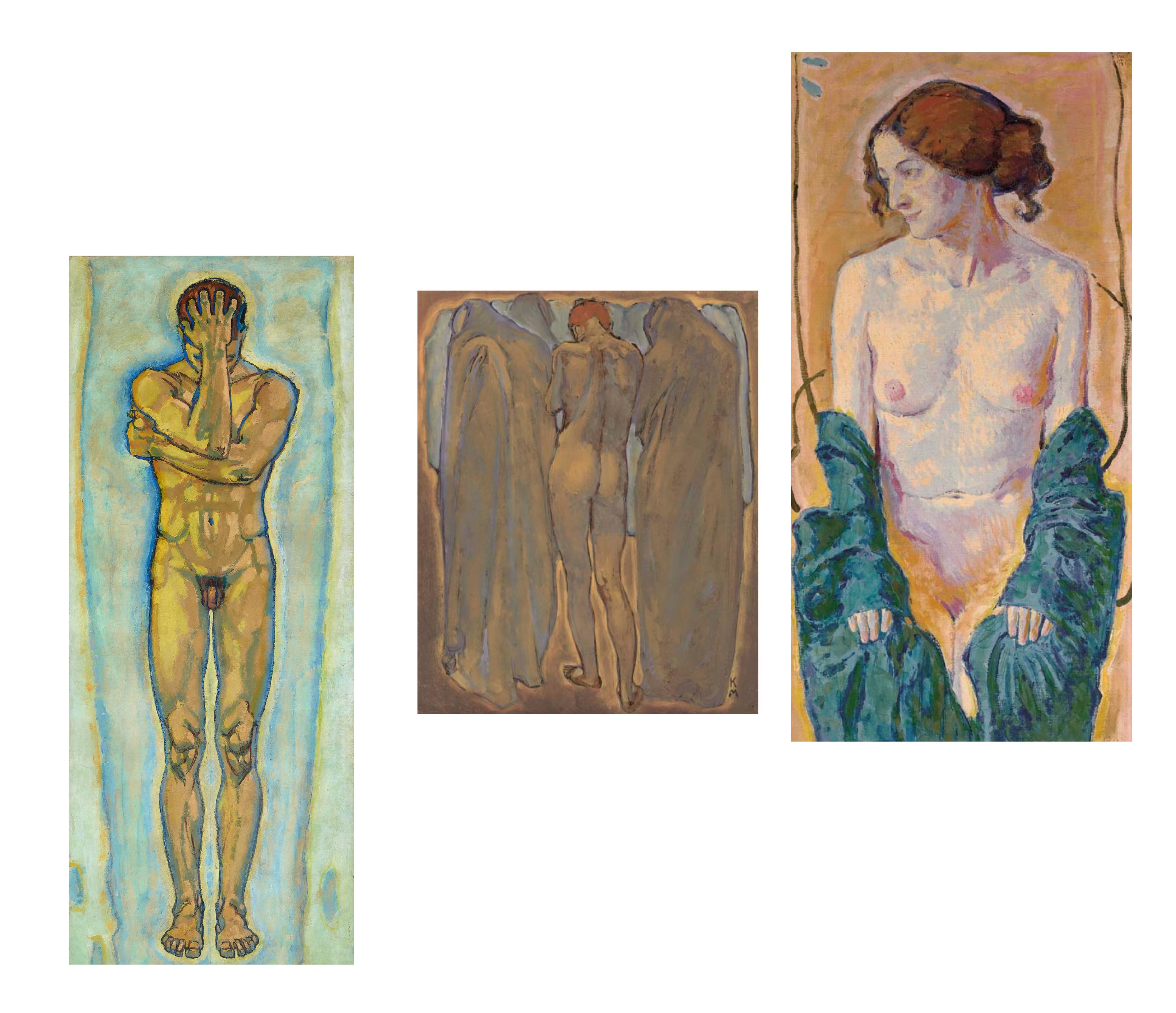
Even though Koloman Moser stepped away from the Wiener Werkstätte already in 1907 – after differences with Fritz Waerndorfer – his legacy lies in his interdisciplinary approach. Following his departure Moser returned more fully to painting and in 1911 he presented 53 paintings at Gallery Miethke, an Austrian art gallery originally established by Hugo Othmar Miethke in 1874.
Even so, Koloman Moser helped define what it meant to be an artist in a modern society – not just a creator of images, but a designer of experiences and environments.
Already in 1899, Moser taught at the Vienna School of Applied Arts and a year later he became a professor at the school and would go on to teach there for the rest of his life.
A visit to Ferdinand Hodler in Geneva in 1913 – whom Moser had first met already in 1903 at the Vienna Secession – marked a shift in his work toward more austere, flat compositions, a reduced and artificial color palette, and more symbolic subject matter.
Koloman Moser became ill with throat cancer in 1916 and died in 1918.
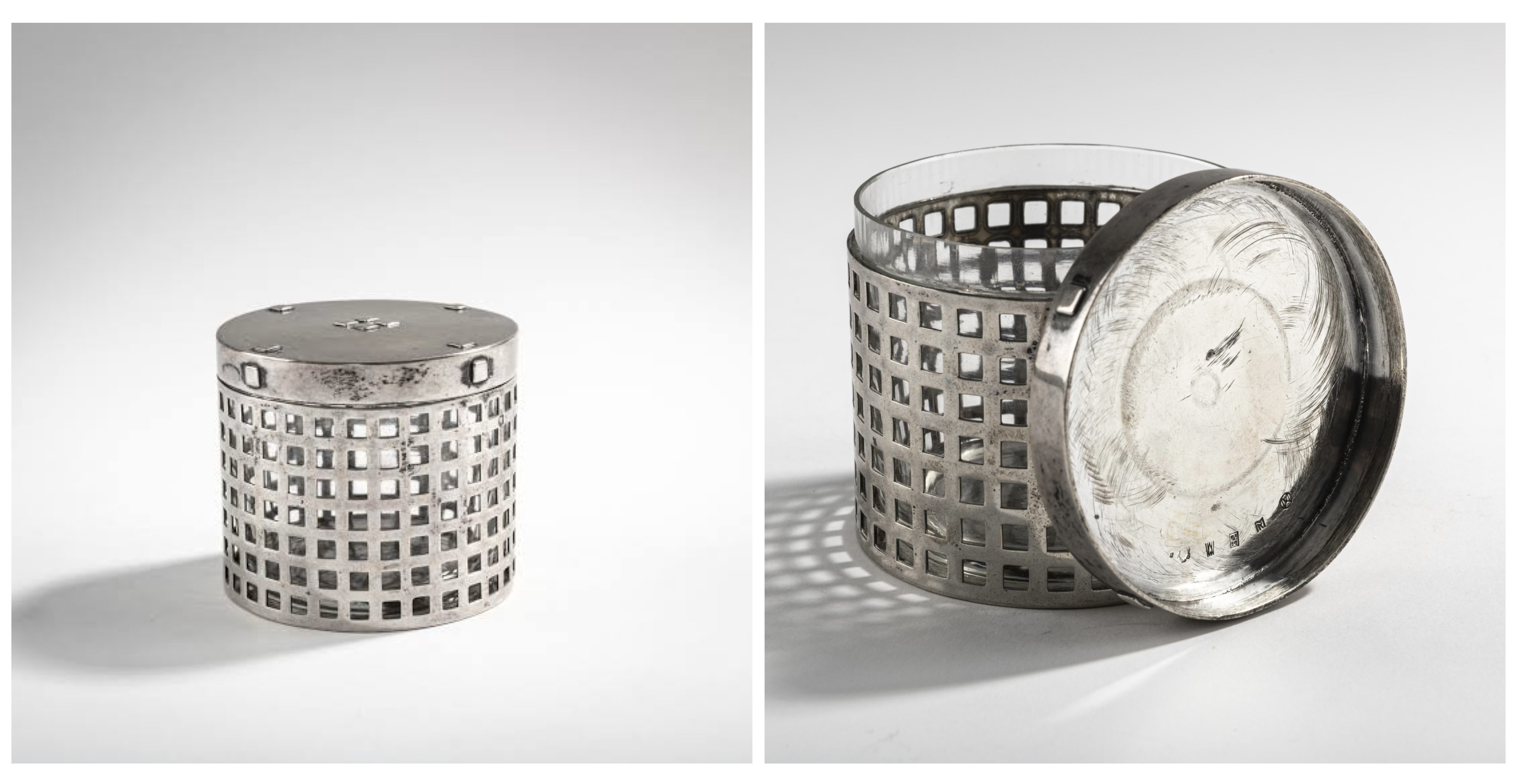
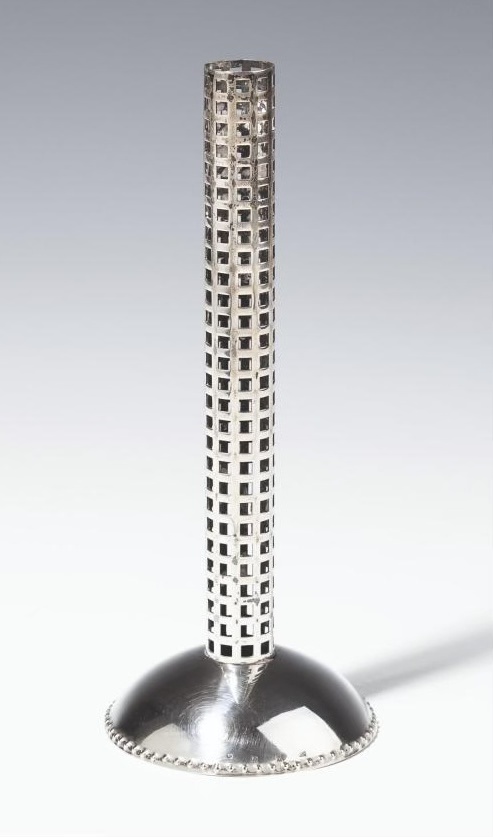
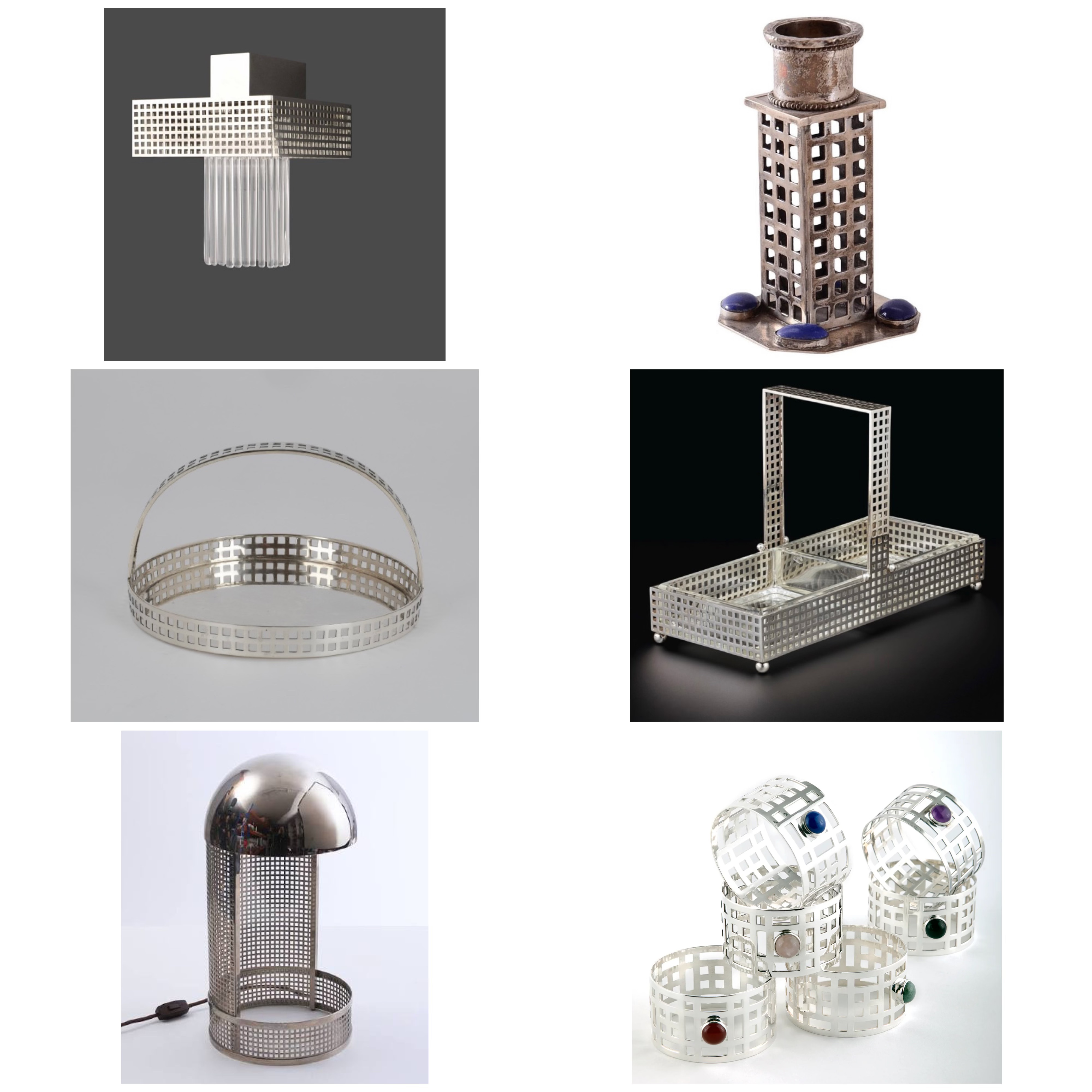
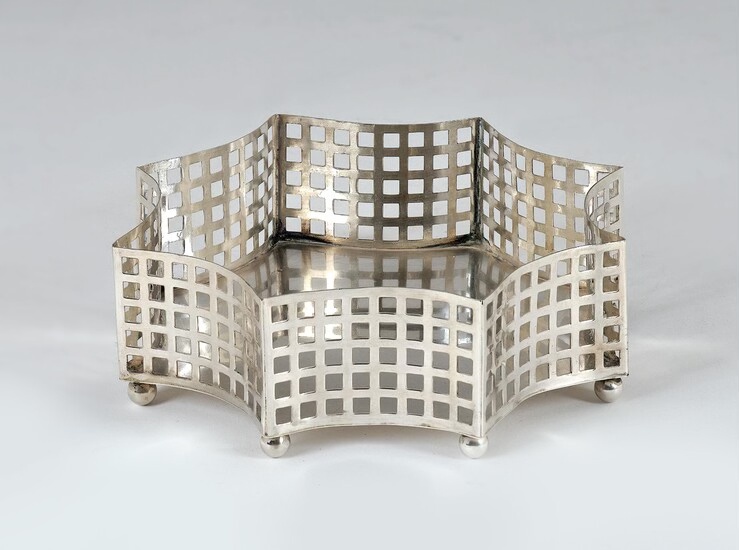
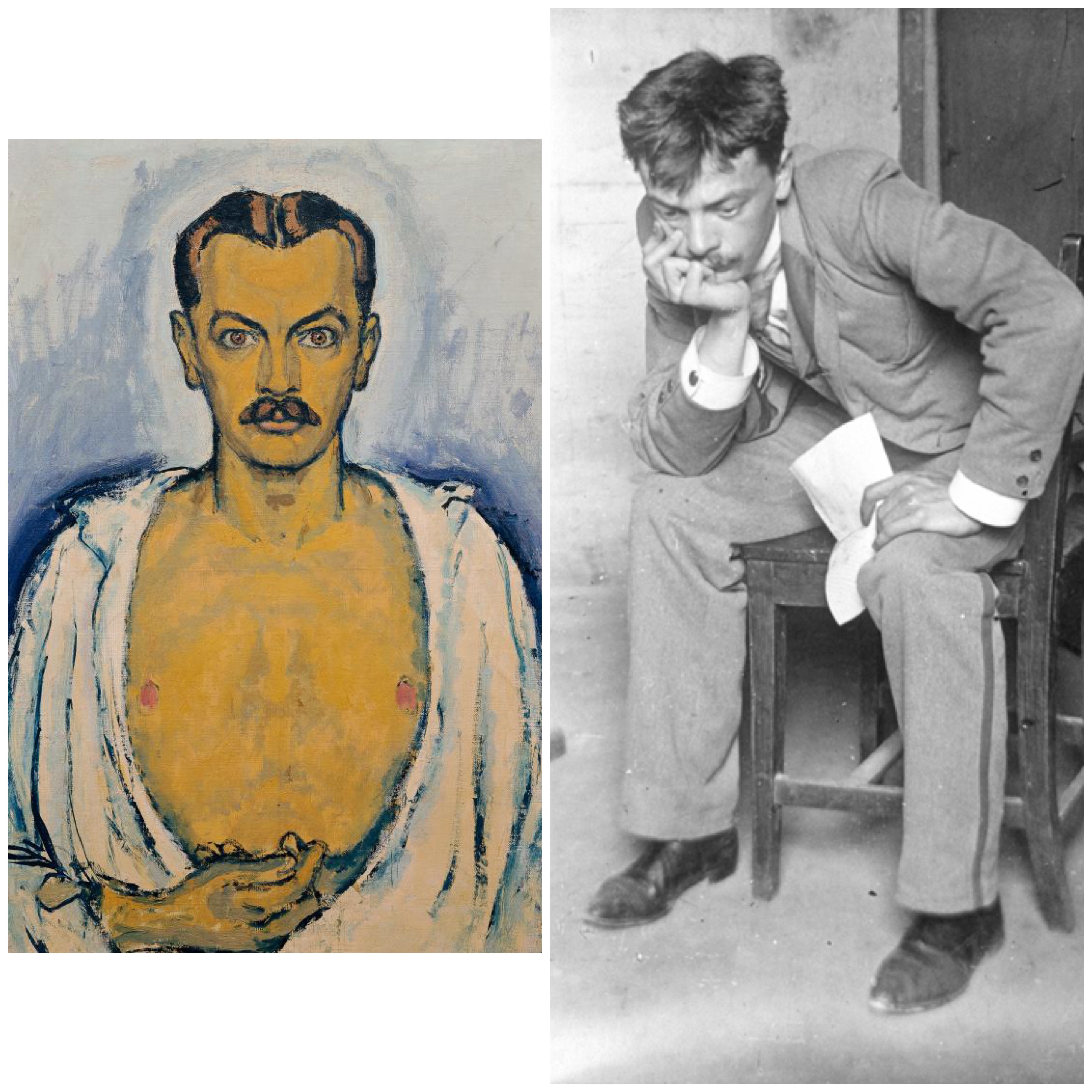
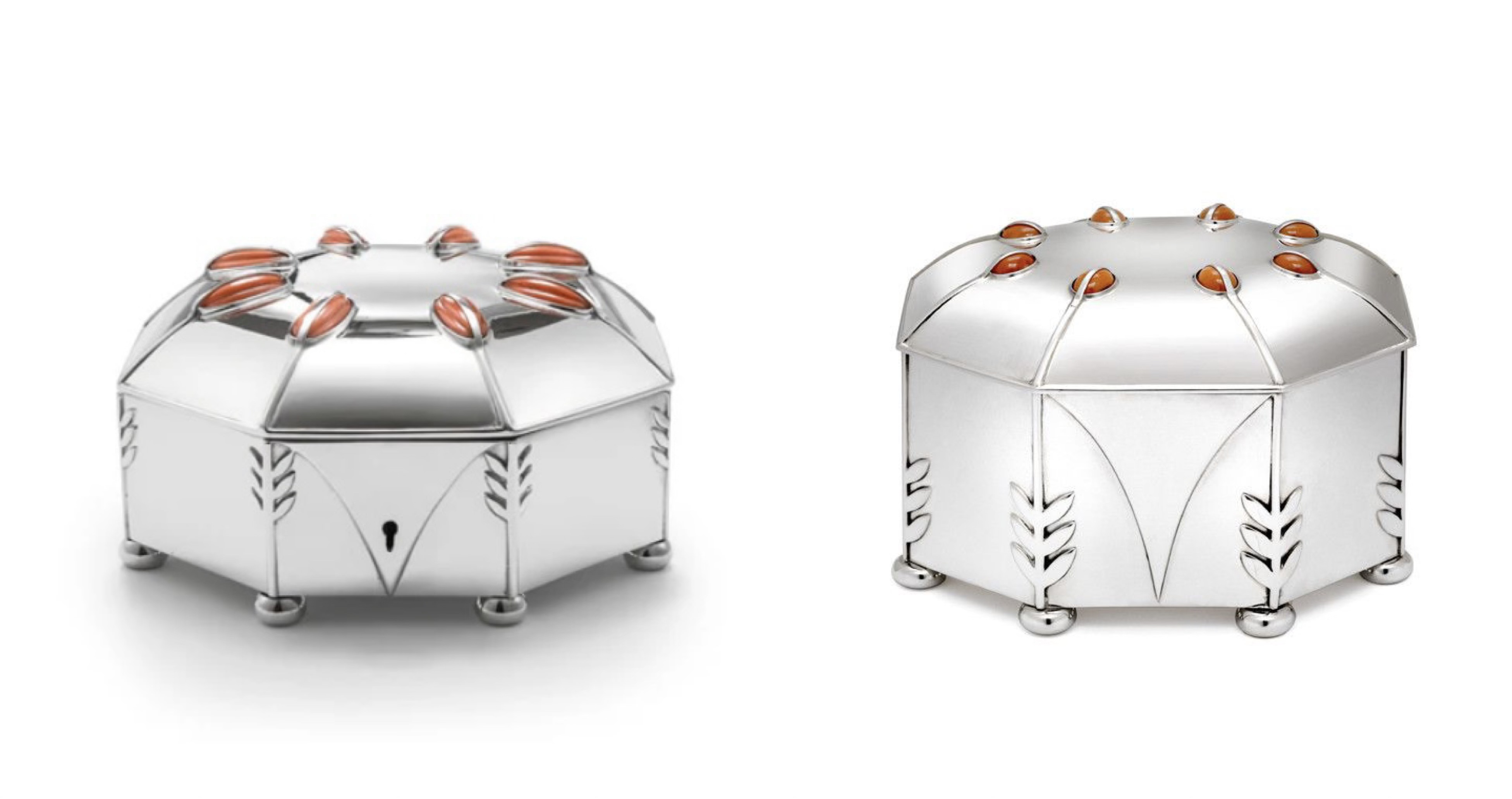
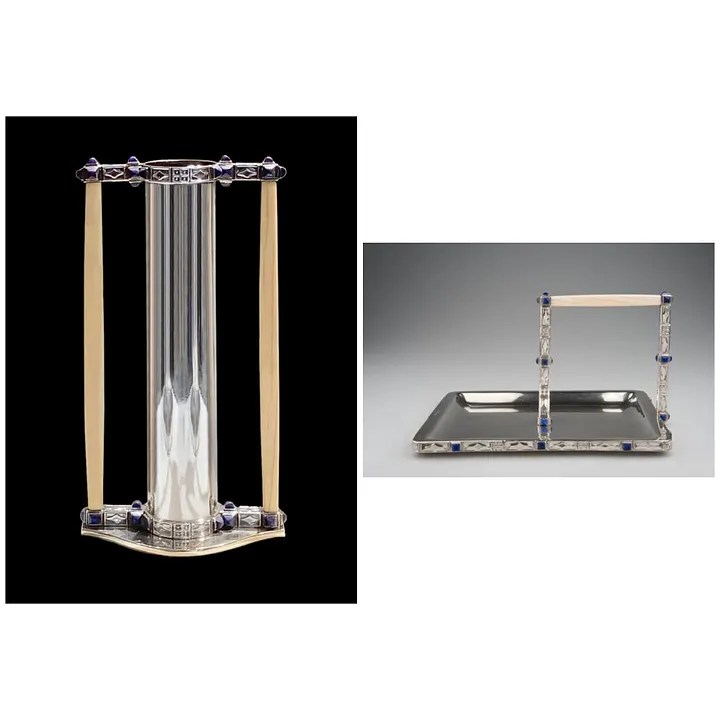
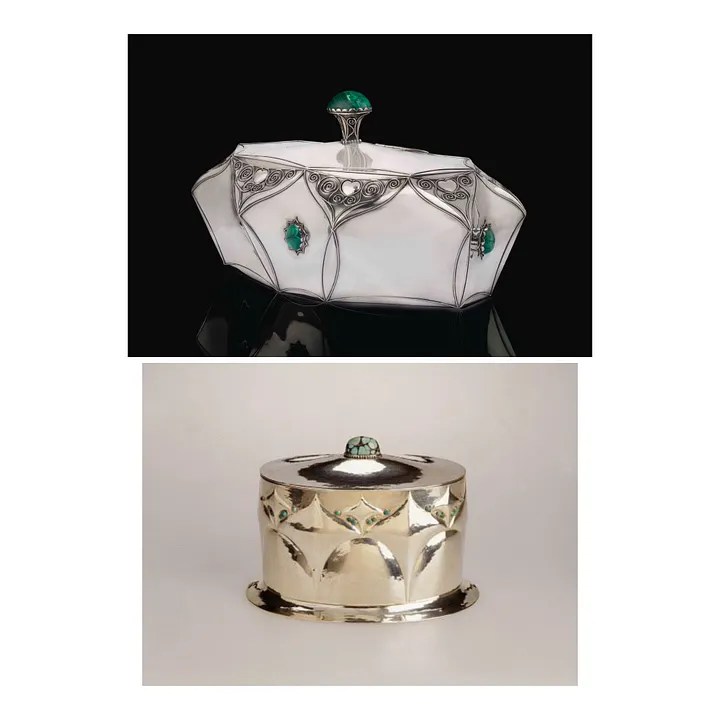
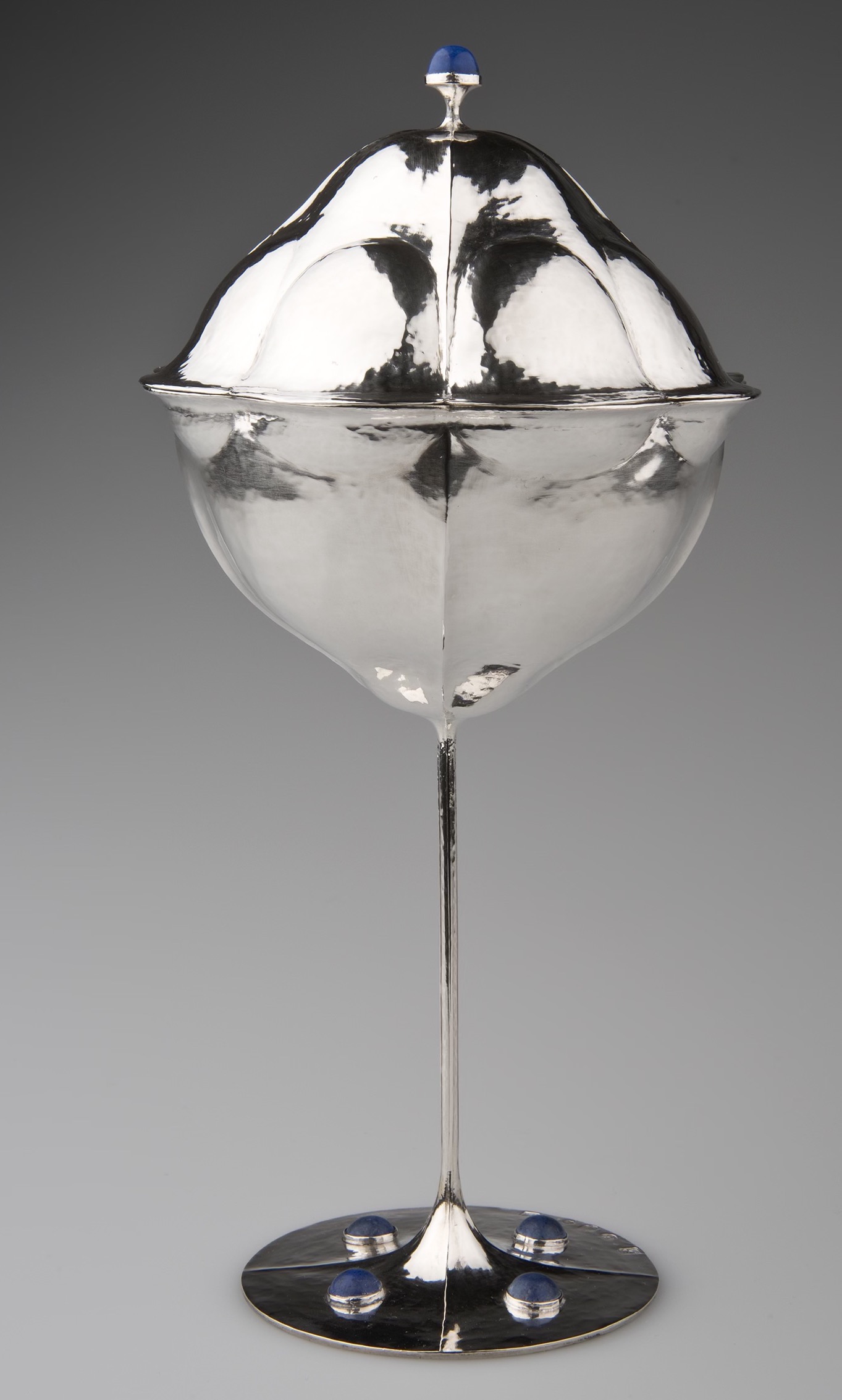
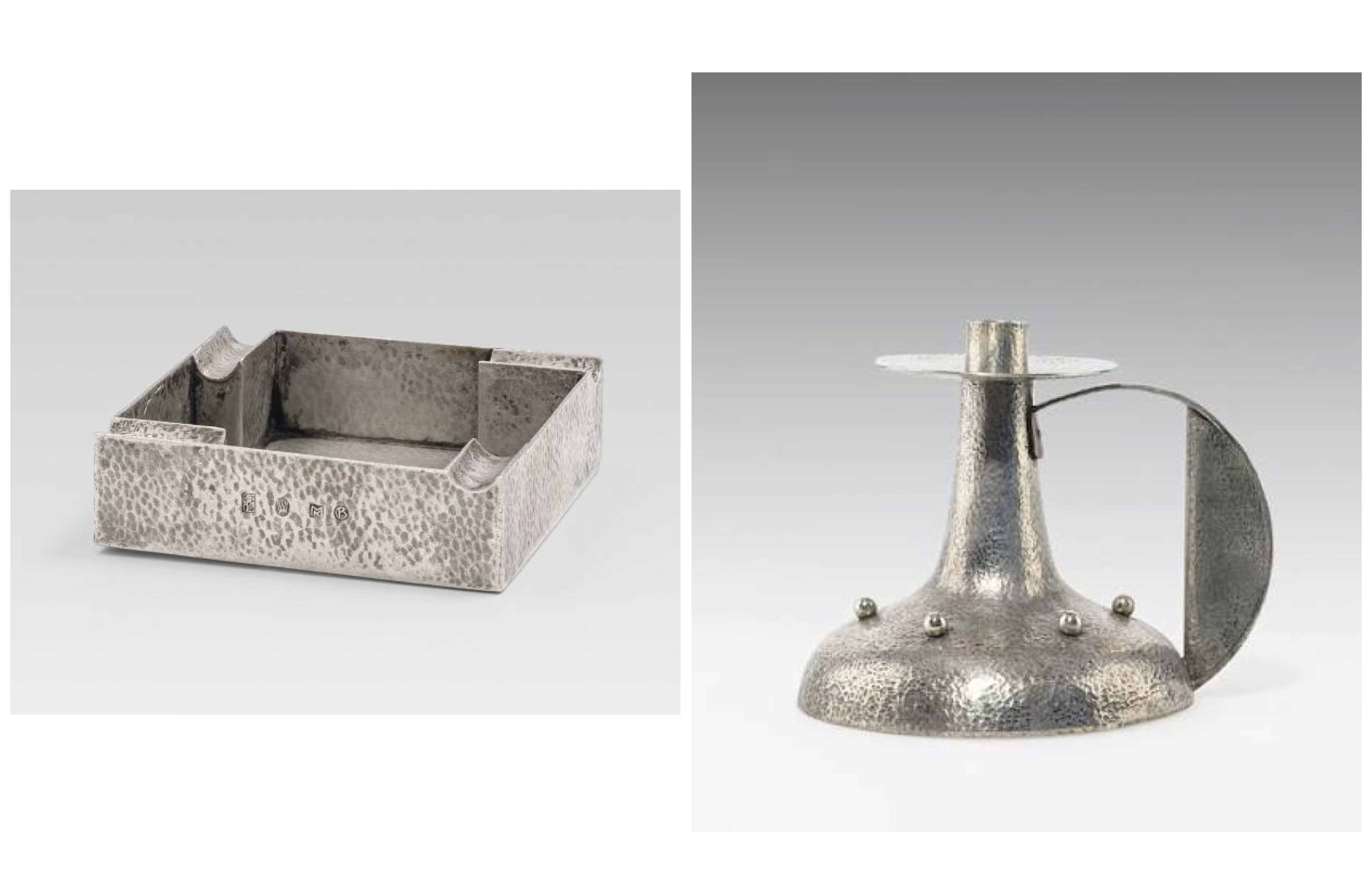
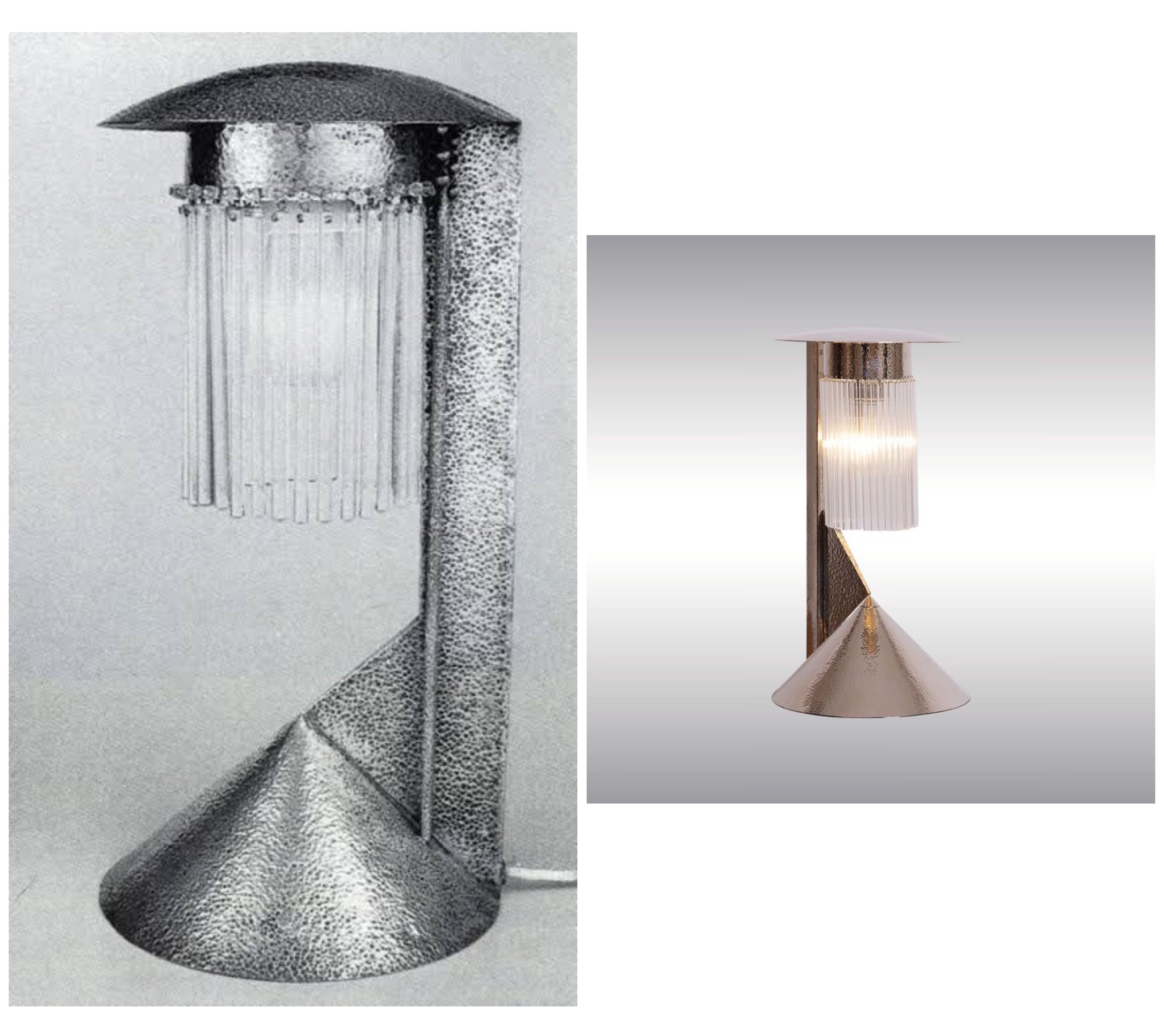
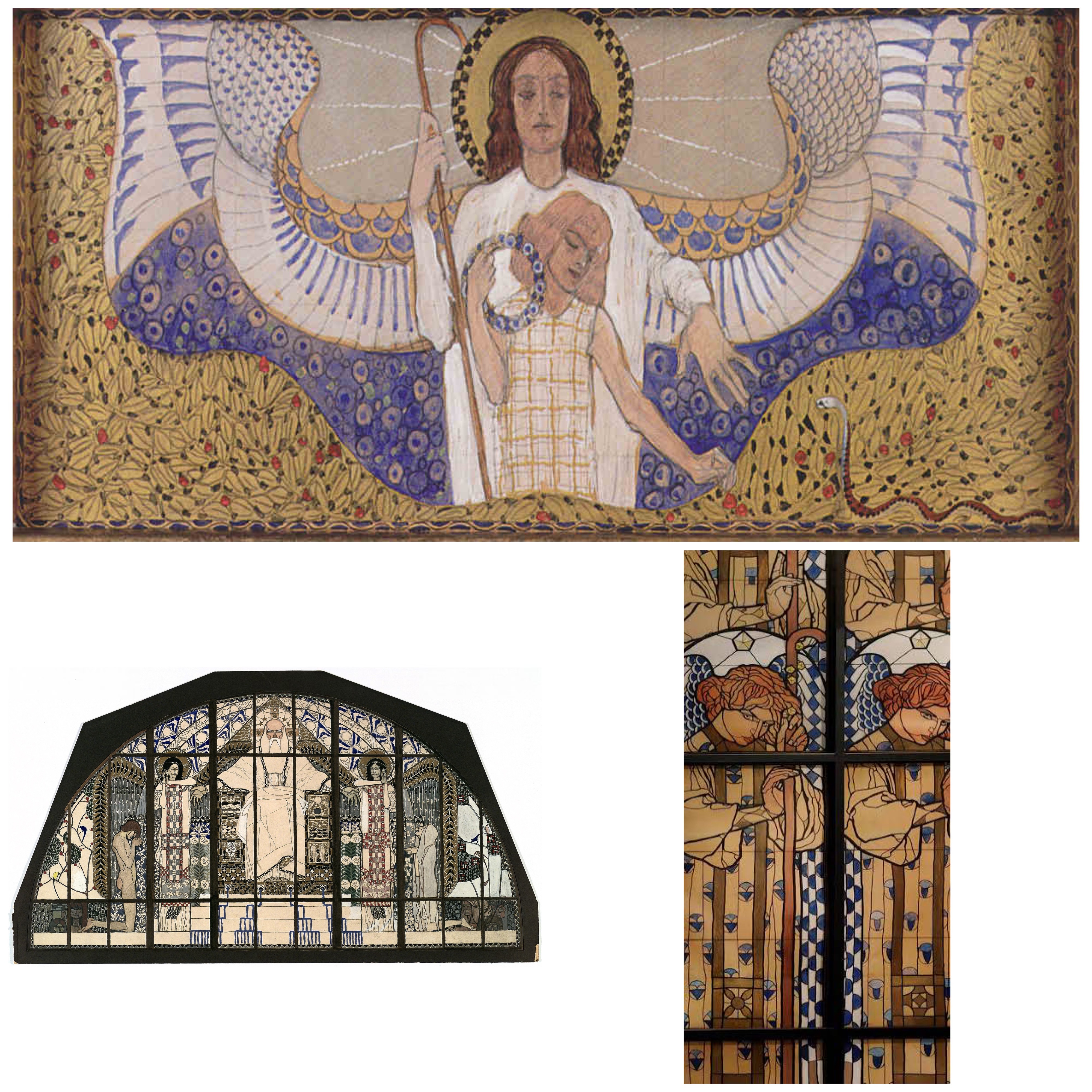
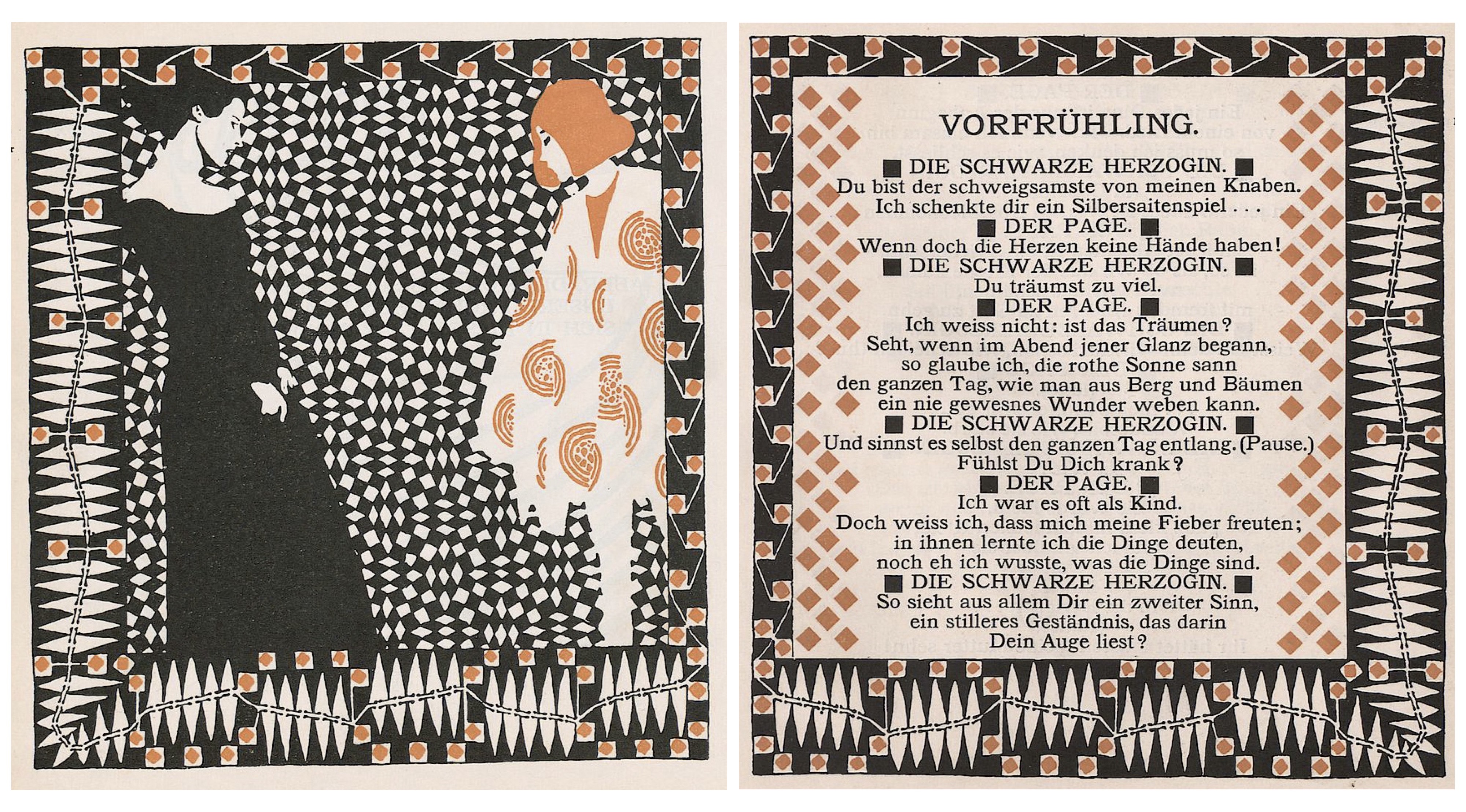
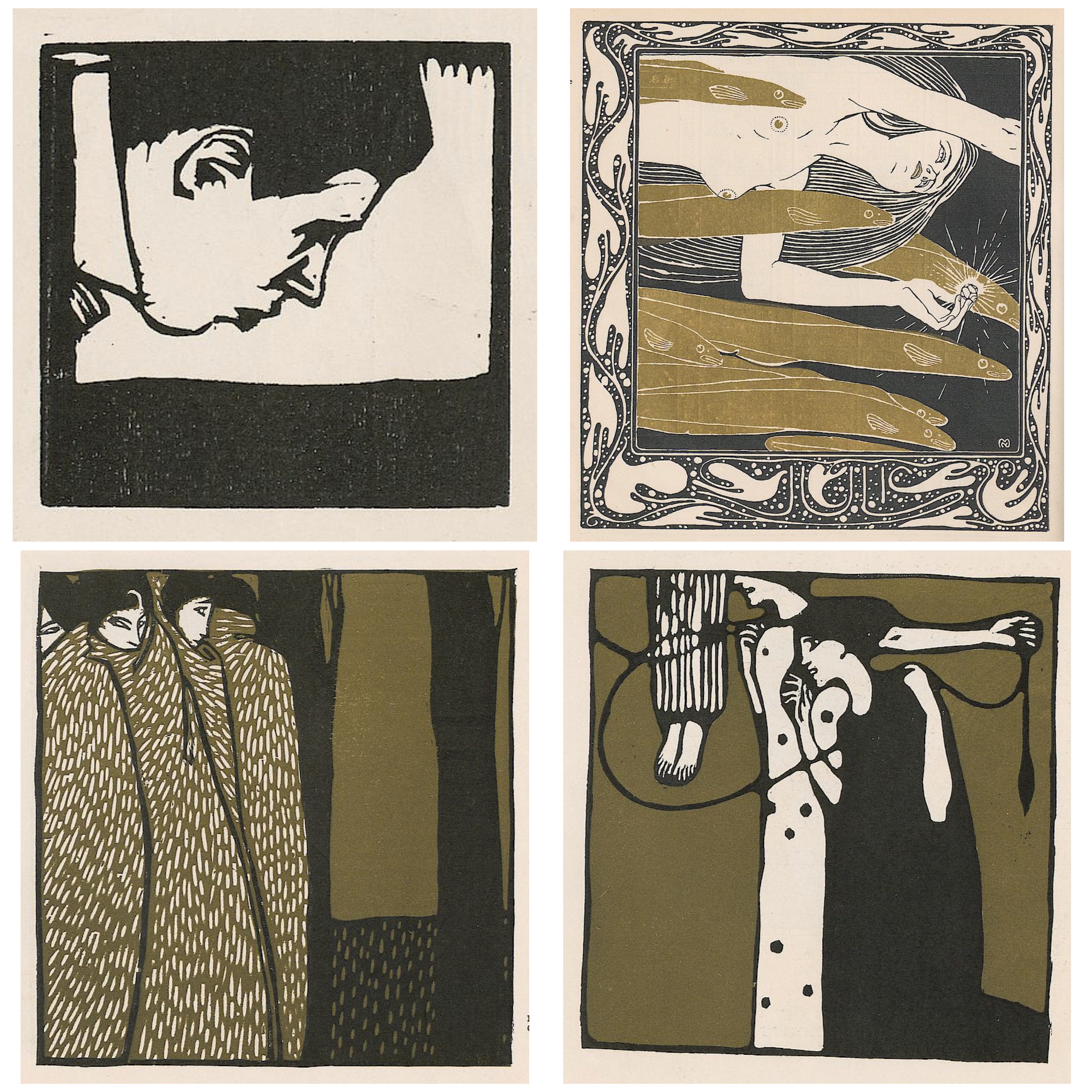
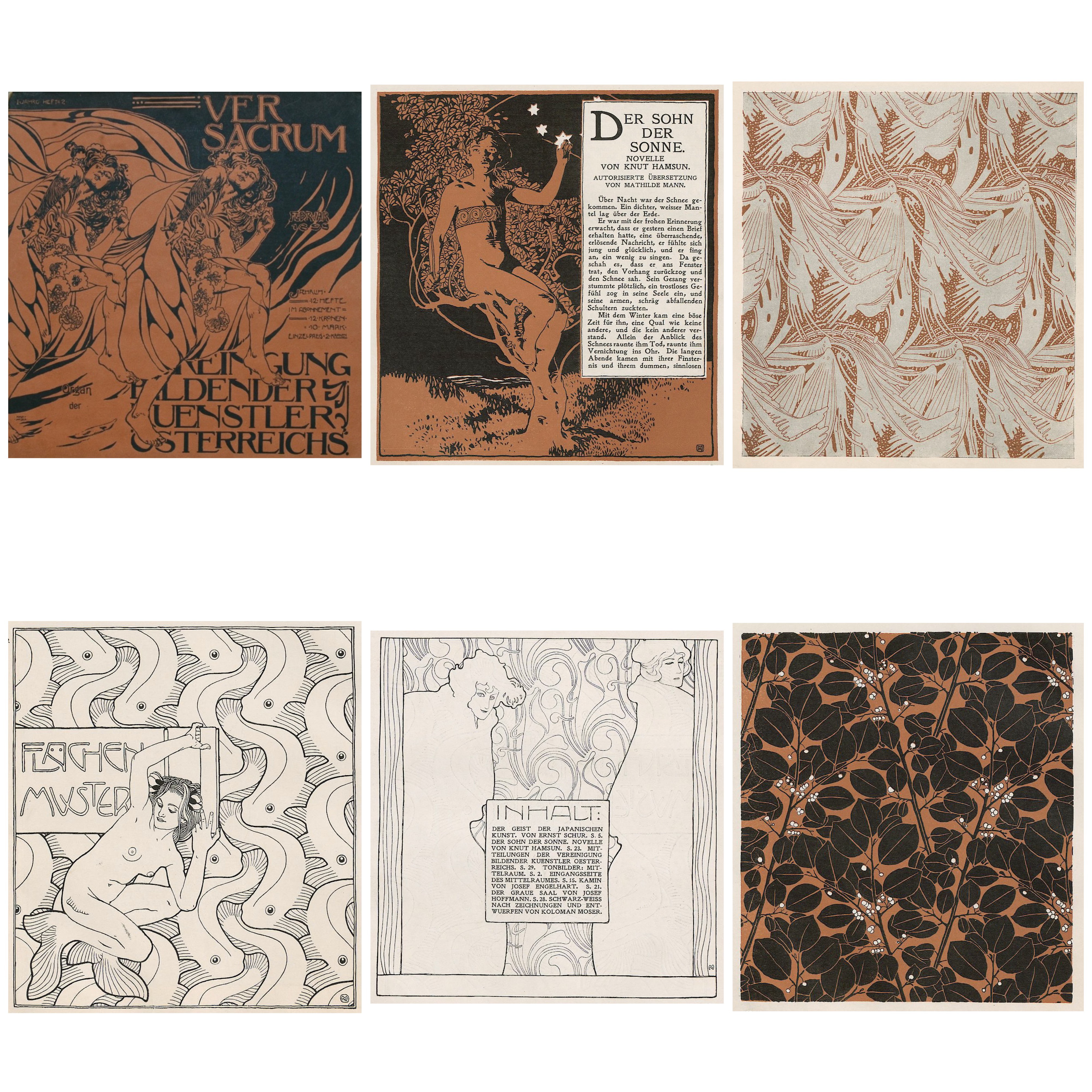
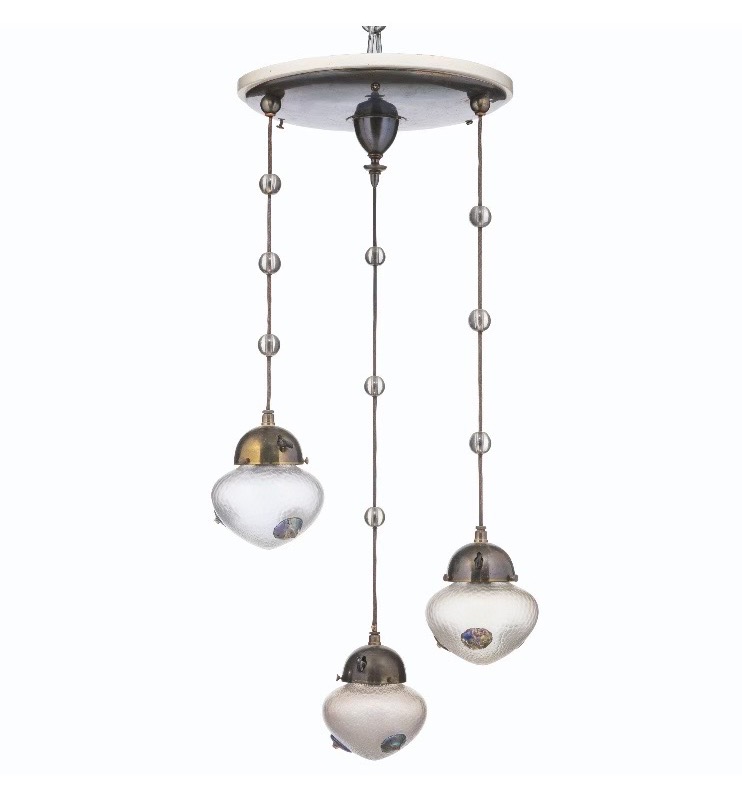
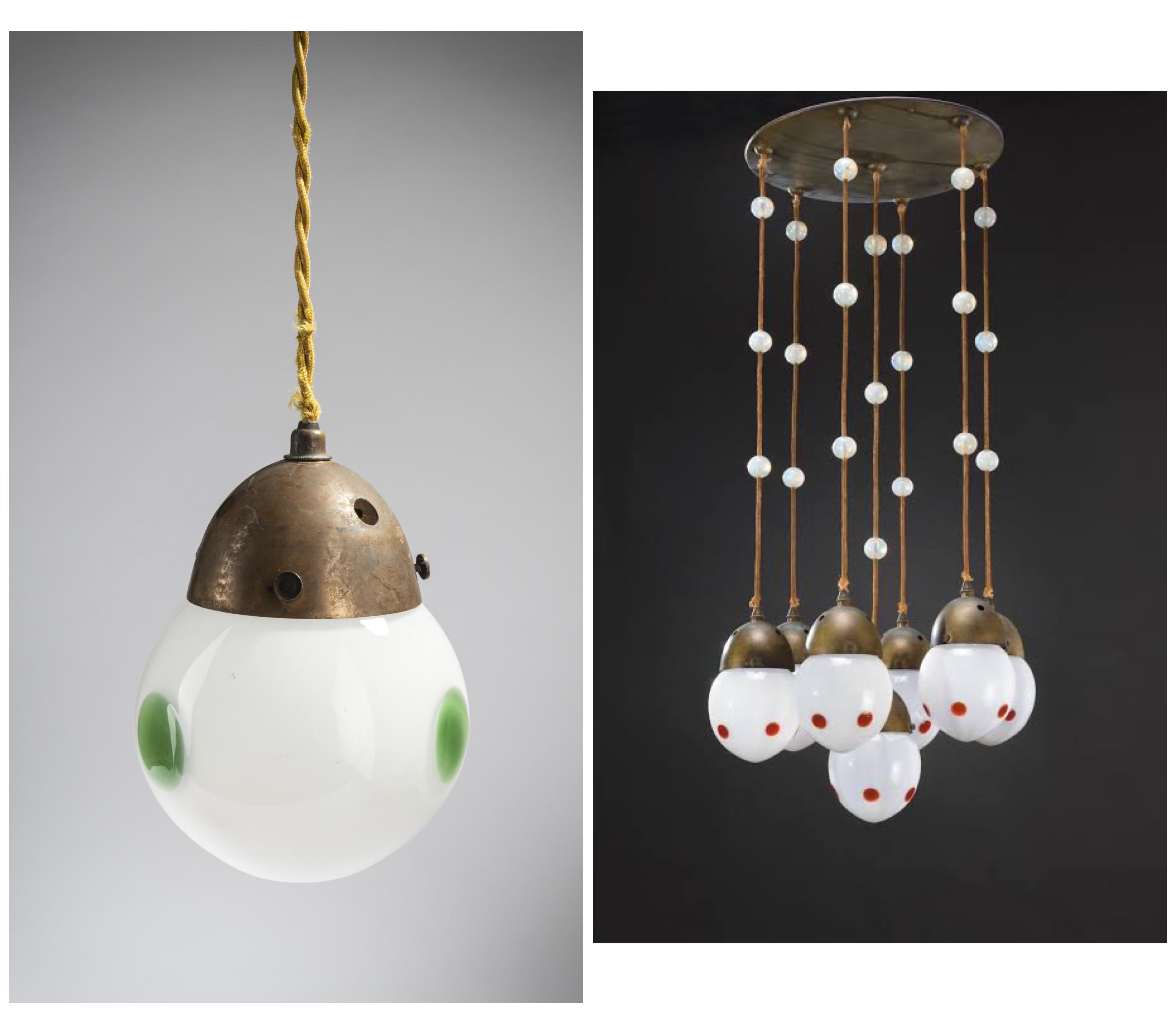
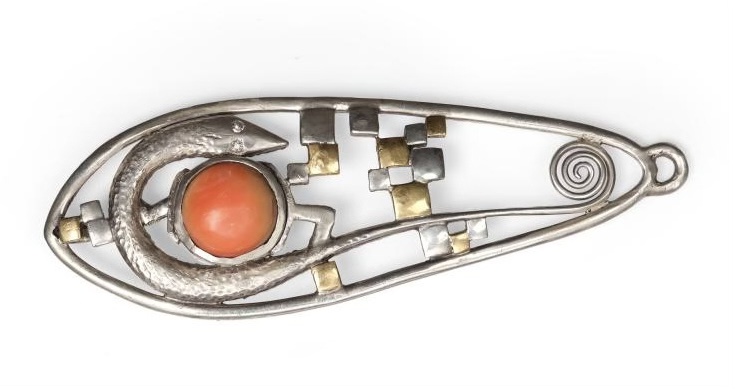
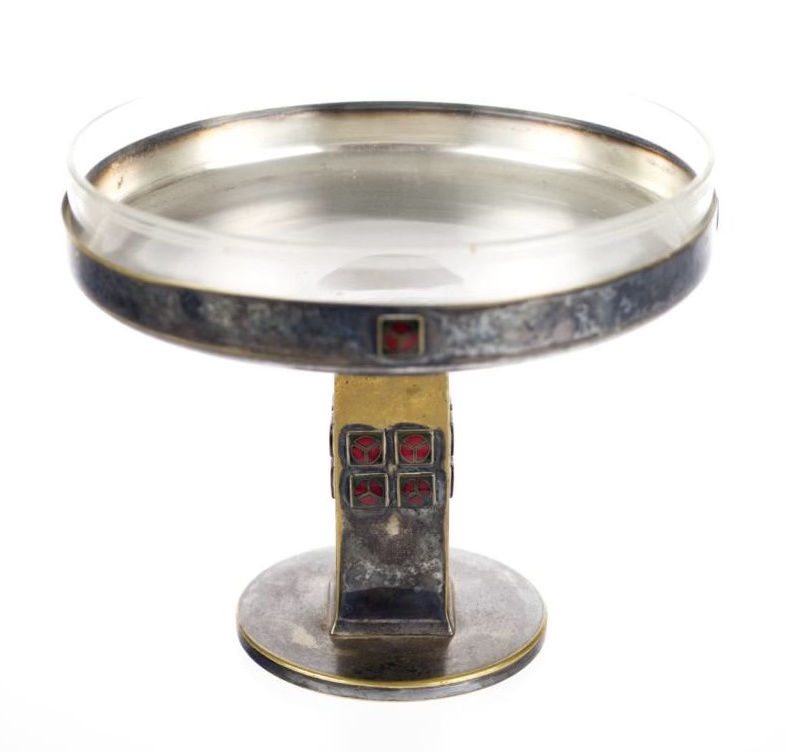
Watch Moser’s work come to life
A visual short illustration of Koloman Moser’s works. The film was created for the exhibition KOLOMAN MOSER – Universal Artist between Gustav Klimt and Josef Hoffmann at the MAK – Museum of Applied Arts in Vienna. A comprehensive solo show that commemorated the centennial of Moser’s death in 2018.
Because my WP plan does not allow me to upload videos; watch at link below:
https://www.youtube.com/watch?v=4x9WGKsPMEk
All photos and video found online.
©SlowClapStories

Originally published on Substack at Swedish Grace. Read the newsletter here.
 Slow Clap Stories
Oh, wow, I am in love with these designs! I would wear that silver (pewter?) and lapis cuff, and those hammered pieces are gorgeous! Thanks for the visual feast!🤘💕
Maybe I tend do overdo it. 😂
But in this case it was more to show Moser; whom I, personally, think is a bit in the shadow of Klimt and Josef Hoffmann.
I think most of it is silver (even though I am a big pewter-aficionado) but the “cuff” is actually a napkin ring. I made the same mistake thinking it was a cuff… 🙃