…and the odd Kurbist style box.
I have been thinking a lot about how to move forward with this newsletter, and perhaps I should take some of the pressure off and simply do what the cool influencer gals do – just share their favourite finds. Let’s try…
I spy with my little eye…
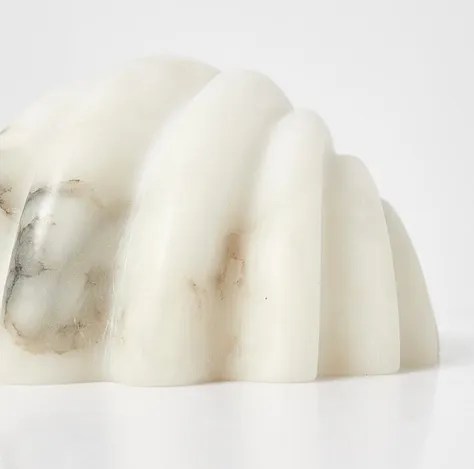
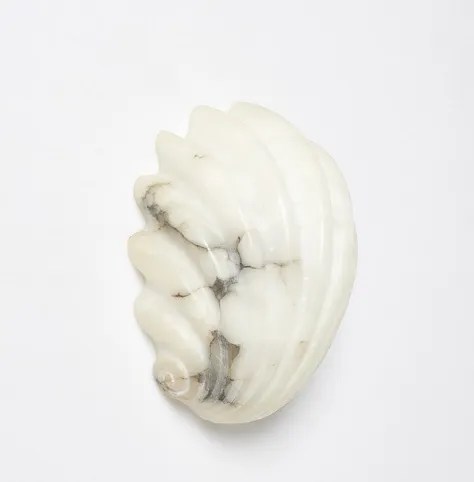
Carl Mille’s alabaster shell
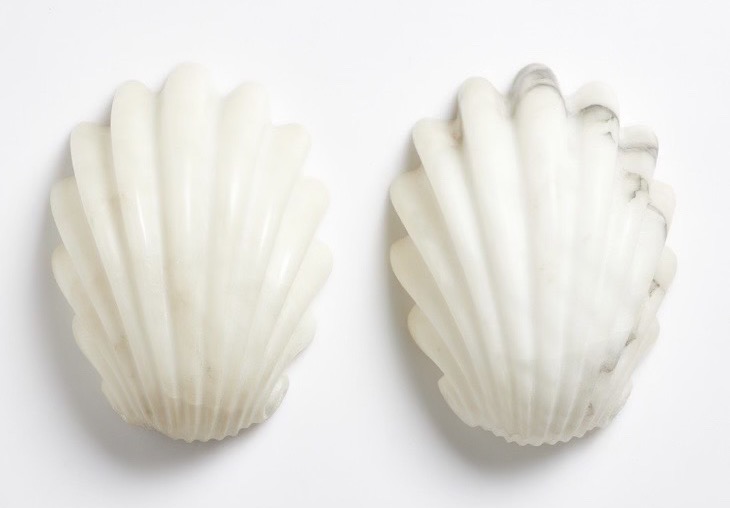
After keeping it in my daily search across auction sites for years, not just one, not two, but five examples of this fantastic shell-shaped alabaster wall lamp suddenly appeared earlier this March at Stockholms Auktionsverk.
The sconces were part of the Millesgården museum shop’s assortment in the late 20th to early 21st century. They are handcrafted in Volterra, Italy, and based on a 1920s design by Swedish artist and sculptor Carl Milles (1875–1955).
The major mystery
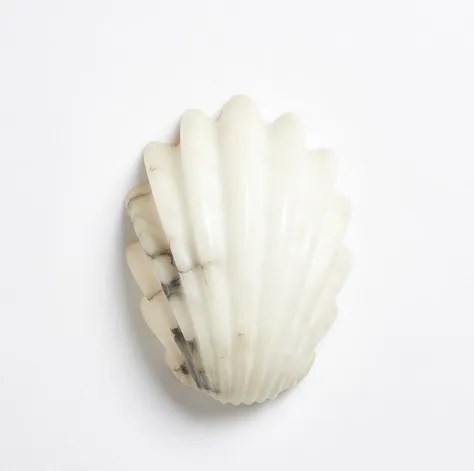
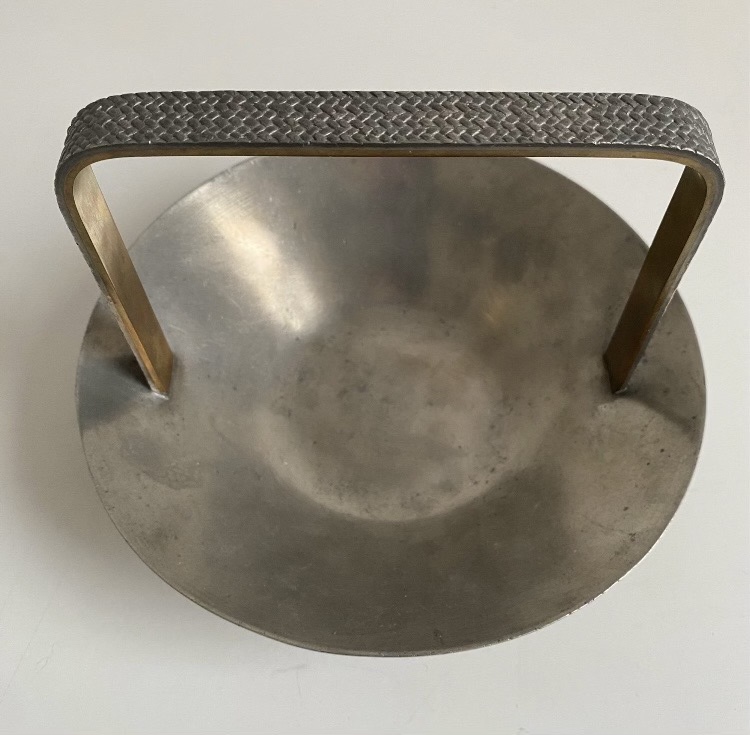
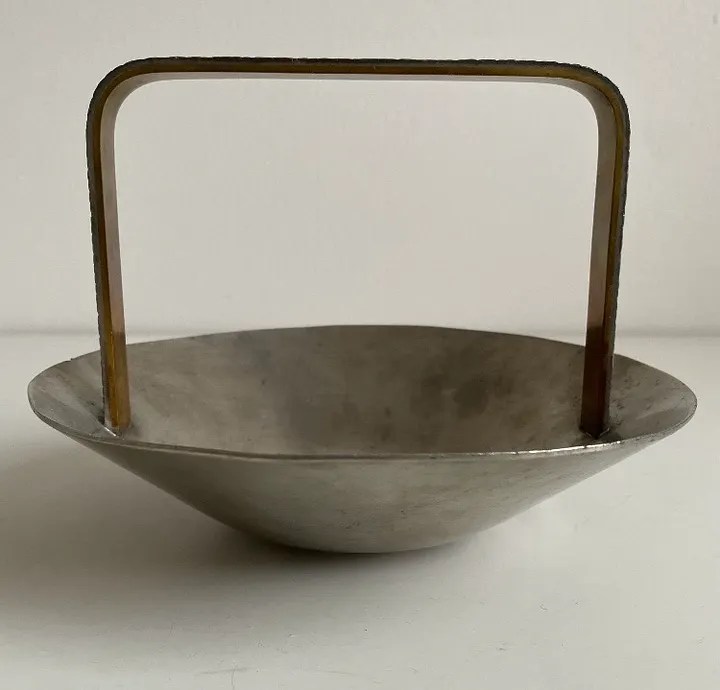
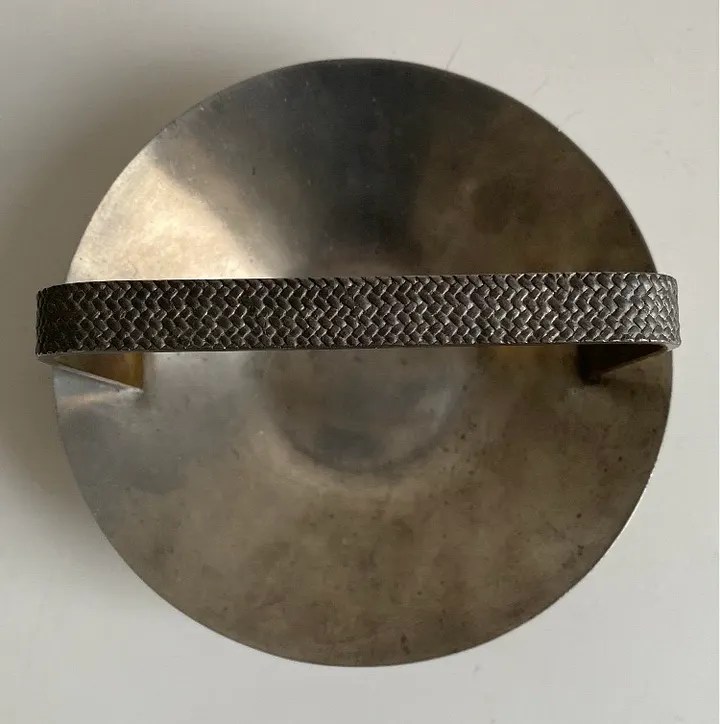
This is probably the love of my life, well at least of 2026. I will always and forever regret that I could not afford to continue the bidding for this bowl.
It is most likely a very early Panama piece designed by Björn Trägårdh in 1930 for Estrid Ericson’s company Firma Svenskt Tenn. (Just my personal opinion – have no proof:)
Perhaps a very small and short-lived product line or possibly even a prototype (?). I do not know but when I win the lottery I will [with force if needed] make it mine.
The – in secret – kurbits loving minimalist
I’m very much a minimalist, but there is something about Swedish kurbitsmåleri that really appeals to me – especially in blue tones. And if there is one thing I love, it is boxes in all forms and shapes.
And for those of you who wonders: Kurbits painting, is a Swedish decorative painting style, primarily associated with the province of Dalarna and Swedish folk art.
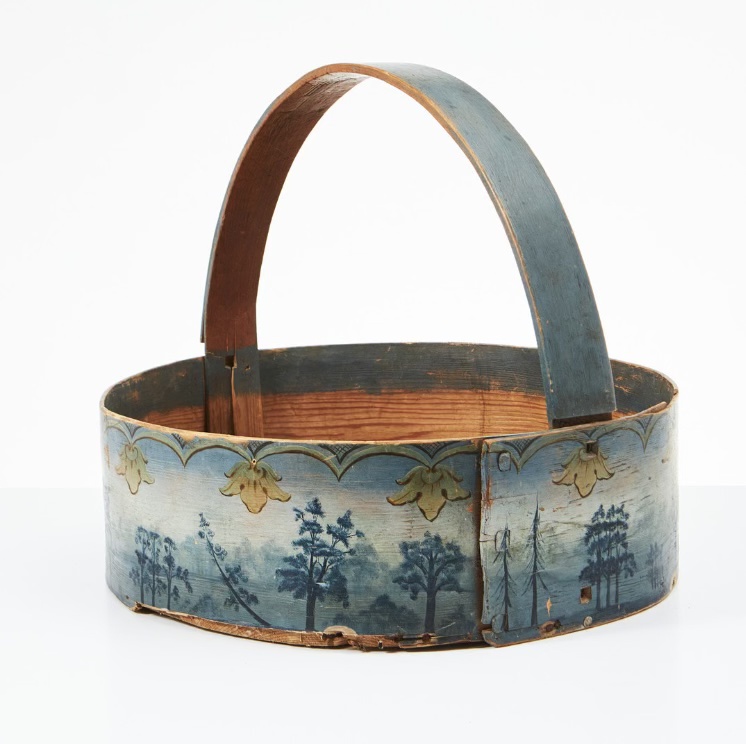
Here are three boxes that were auctioned this March at Helsingborgs Auktionskammare, Stockholms Auktionsverk, and Laholms Auktionskammare.
The last one, at the bottom, is simply a basket made using the svepask technique, which I have had saved in my photos forever – actually, as inspiration for jewelry. It was previously been auctioned by Stockholms Auktionsverk.
A ‘svepask’ is a traditional Swedish rolled‑wood box. It is made by bending thin strips of wood into an oval or round shape and fastening them with small wooden tacks or stitching. These boxes were historically used to store household items, sewing supplies or other small valuables.
They are a classic example of Swedish folk craft (allmoge) and often feature simple, elegant forms rather than painted decoration, though some – like this basket – may be painted or decorated.
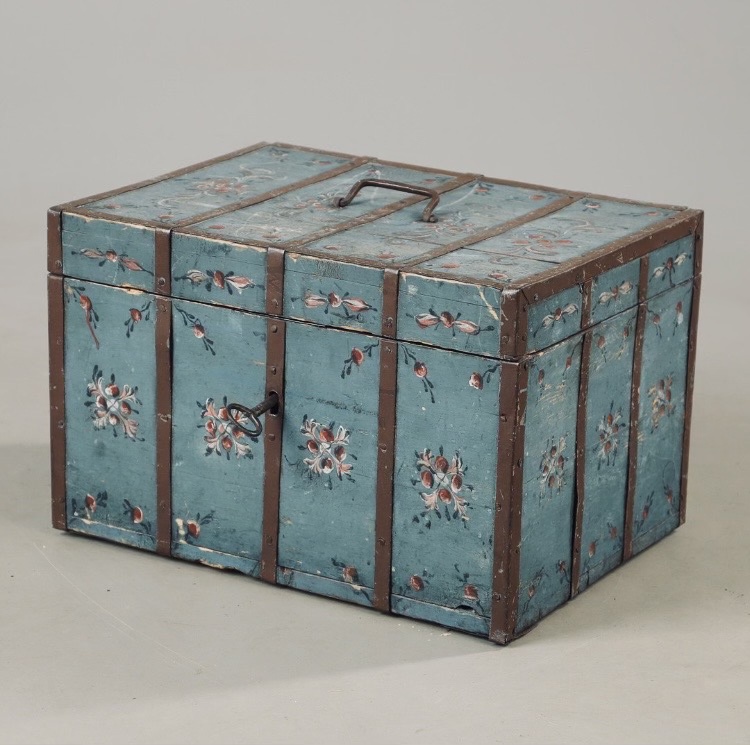
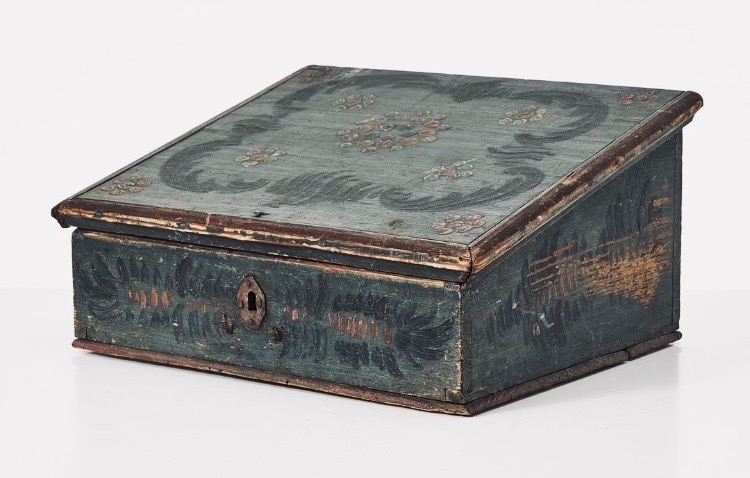
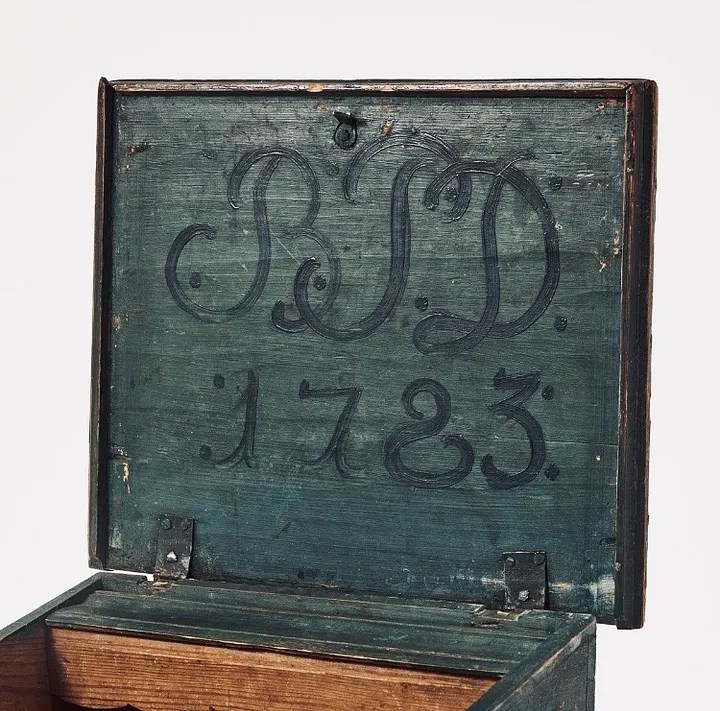
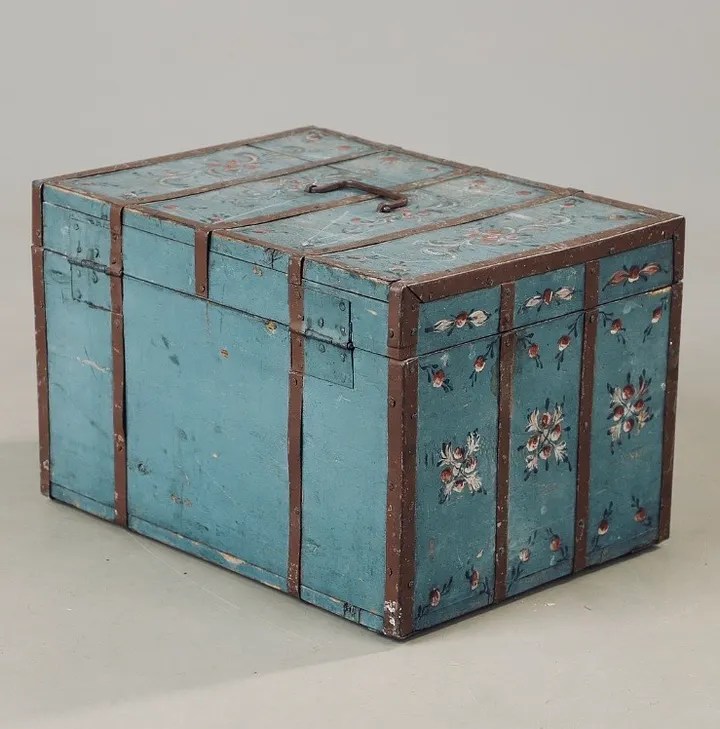
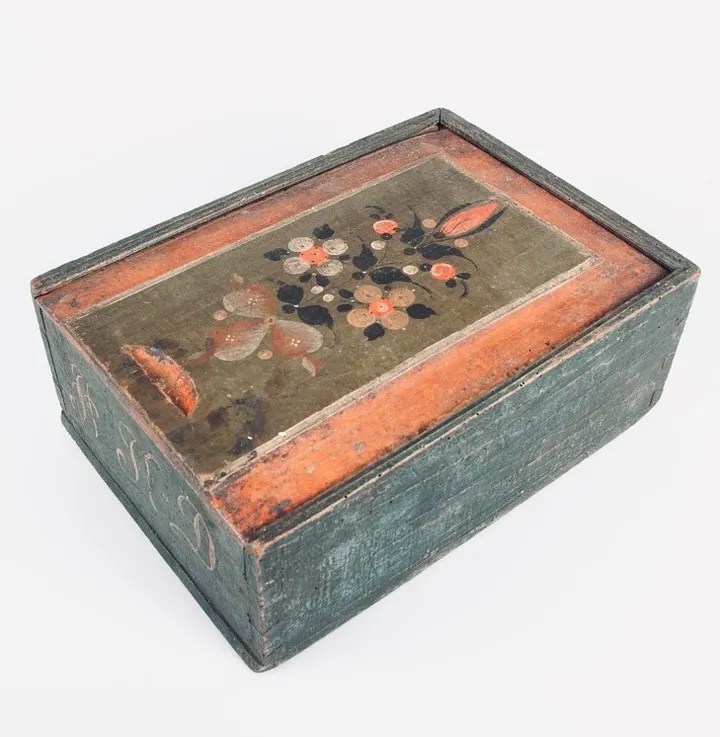
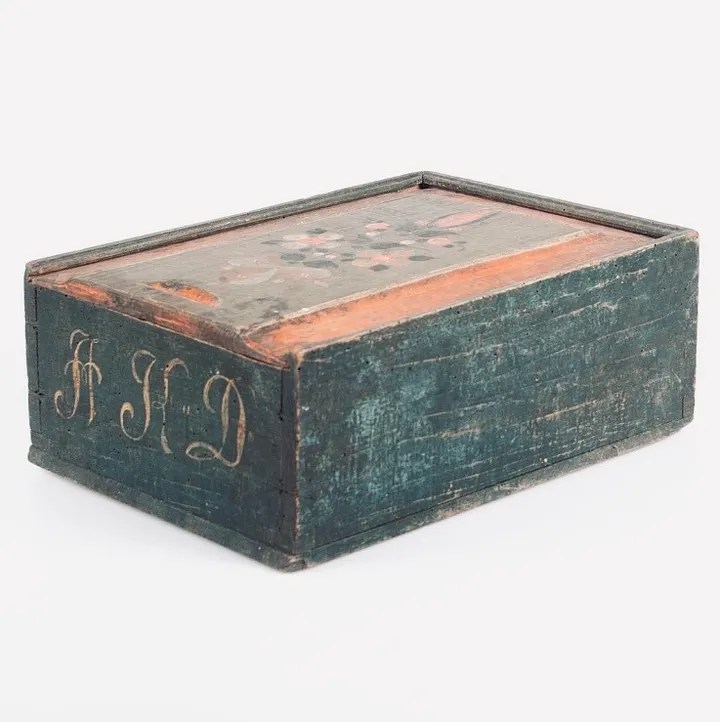
An almoge light box, Skåne, 19th century.
A Swedish Grace mirror
When it comes to Swedish Grace mirrors, it is almost always the Estrid Ericson’s (1894–1981) pewter mirror, known as model “A 2492” for Firma Svenskt Tenn in Stockholm, that people mean. Depending on its production year and condition, it sell for rather ridiculous sums.
But there are so many other beautiful mirrors from this period. Earlier this month, this stunning Nils Fougstedt mirror (1881–1954), full of character and tension, came up for auction at Crafoord Auktioner. The mirror is signed and dated 1933.
The same model, but as a full-length mirror, was auctioned in 2024 at Stockholms Auktionsverk.
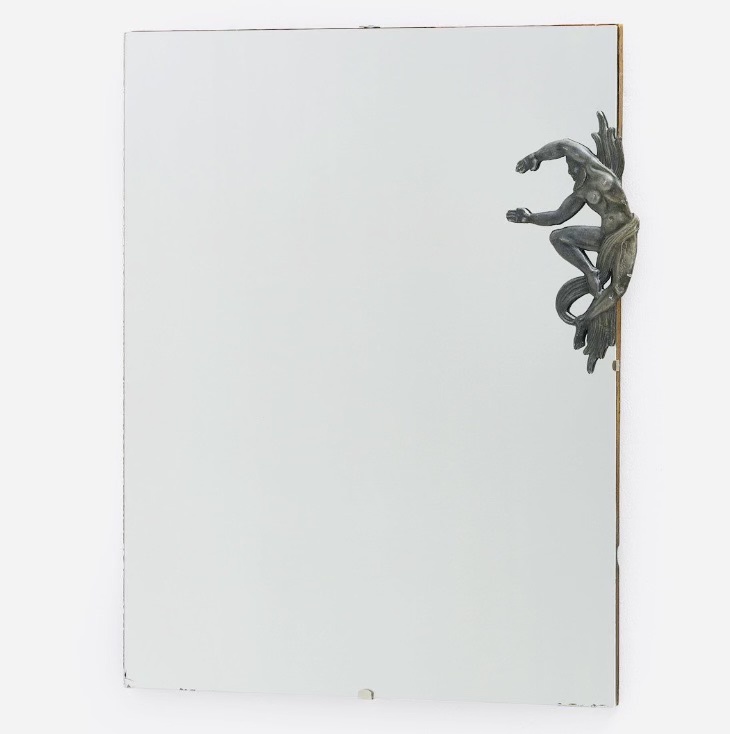
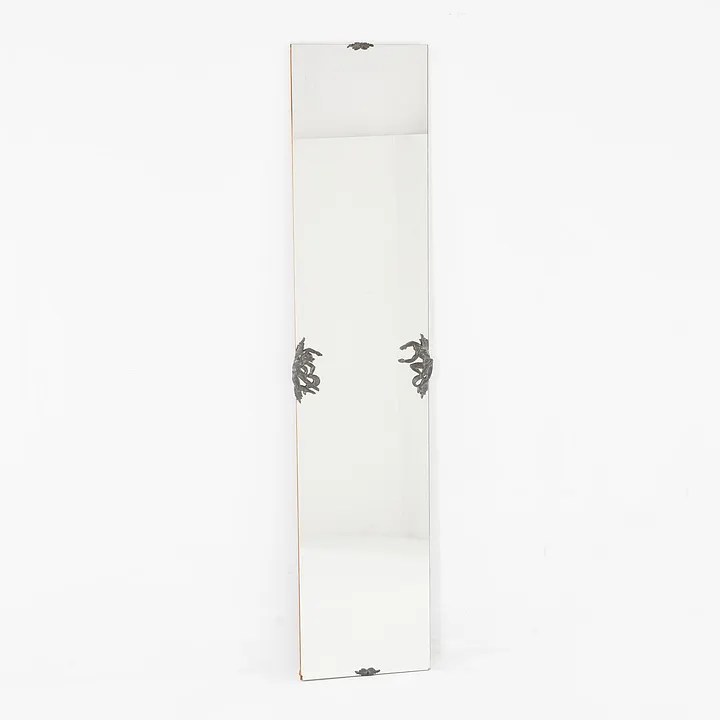
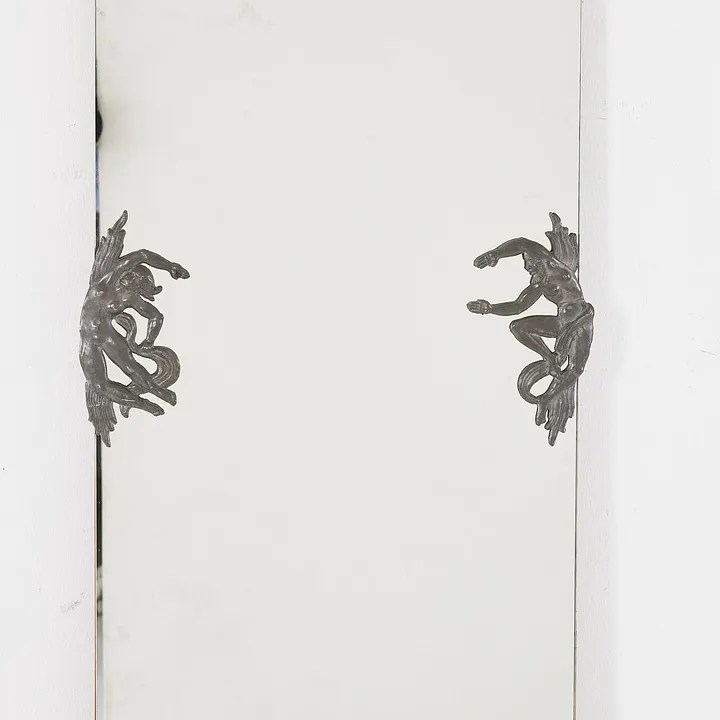
Nils Fougstedt mirror, circa 1930s.
Spring time
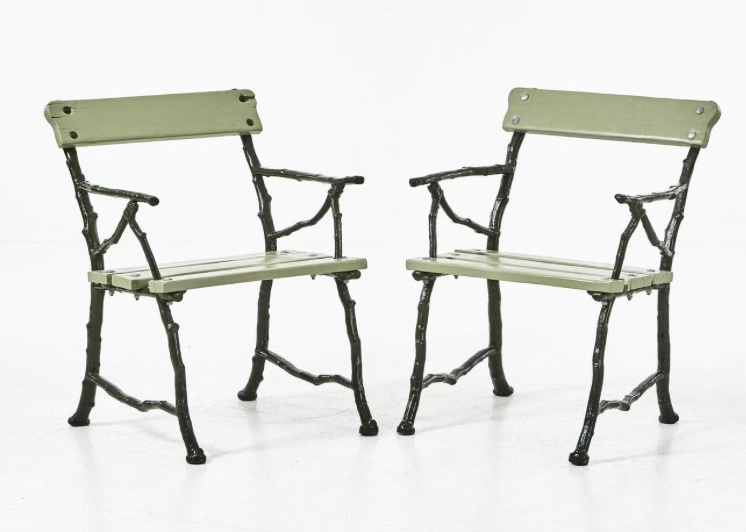
If you do not trust yourself then listen to me; I do believe you need these garden chairs from around 1900. Cast iron and probably Bolinders.
You will find them for another 24 hours at Stockholms Auktionsverk. Run!!!
And then for last…
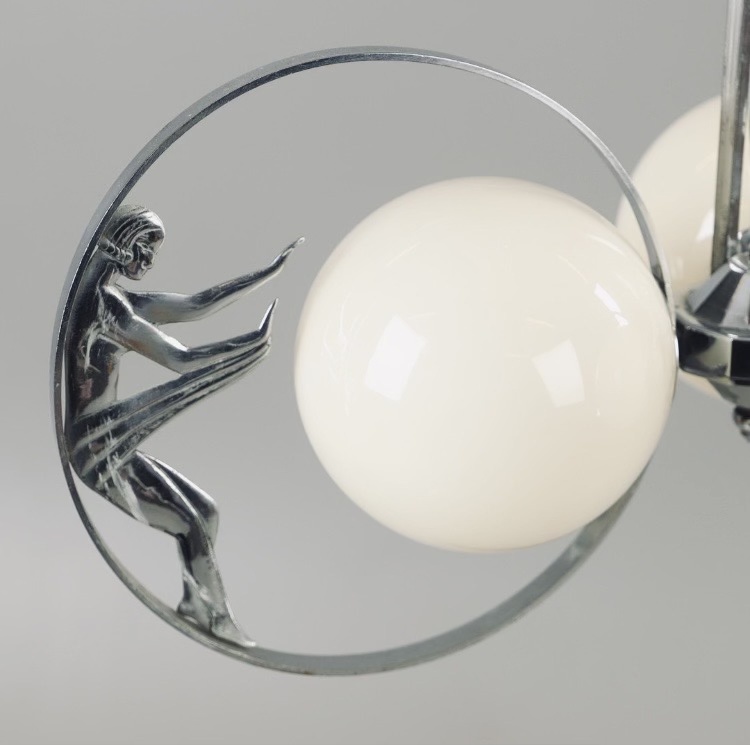
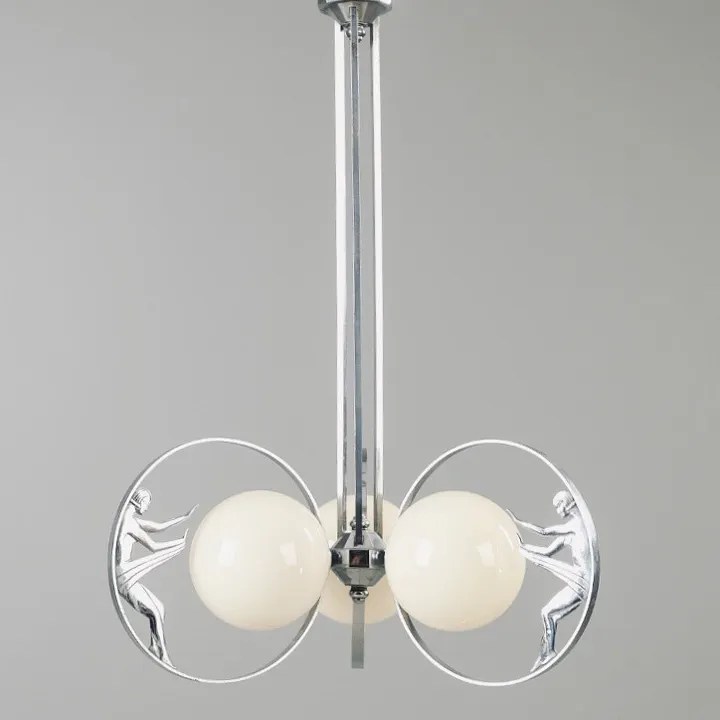
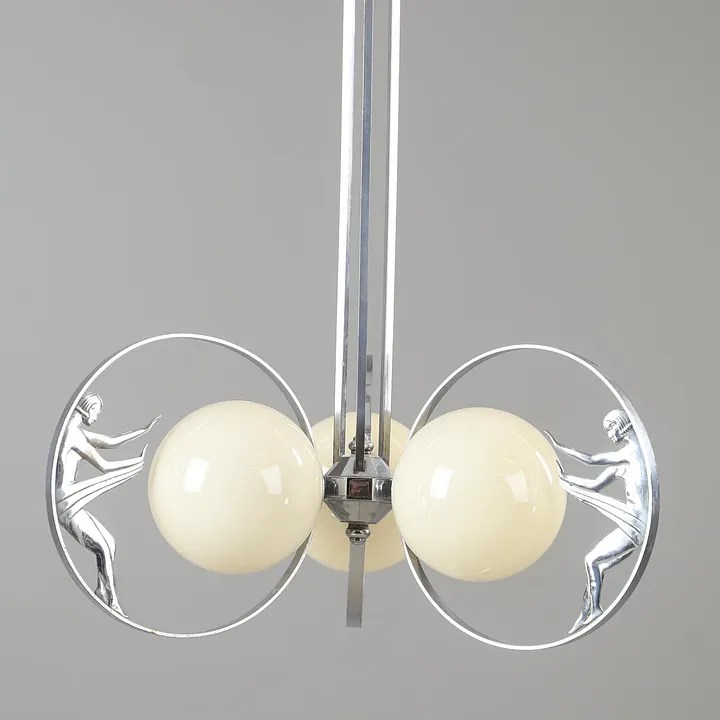
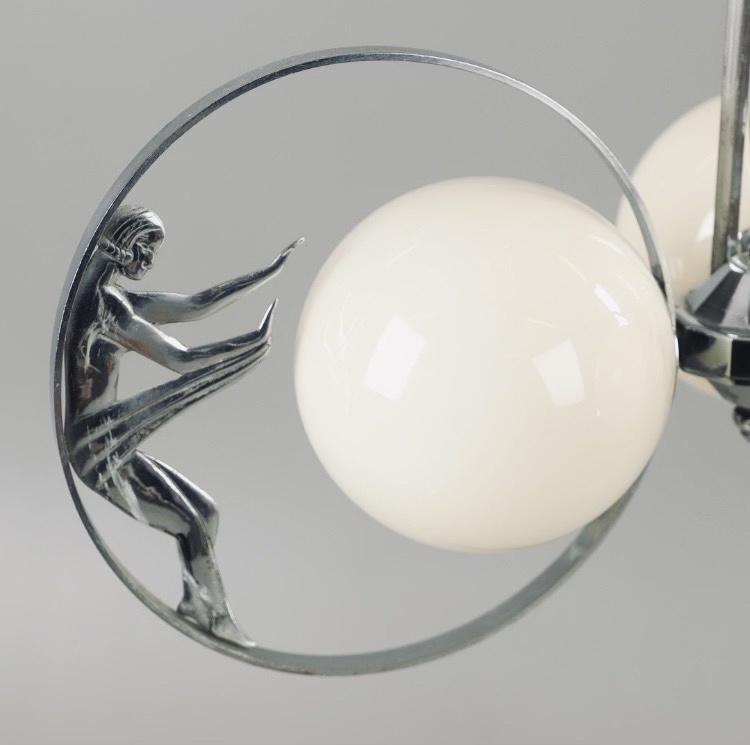
I c o m p l e t e l y fell in love with this Art Déco ceiling lamp of unknown origin. For around $1 500, it could have been yours or mine at Helsingborgs Auktionskammare.
Unfortunately, it did not end up being mine. Sigh… Hope you enjoy it as much as I would have [, you bl**dy bastard]!
©SlowClapStories

Originally published on Substack at Swedish Grace. Read the newsletter here.


You must be logged in to post a comment.