The mysterious Madame Lipska and her aluminium folding screen…
…or actually Sara Lipska – designer extraordinaire
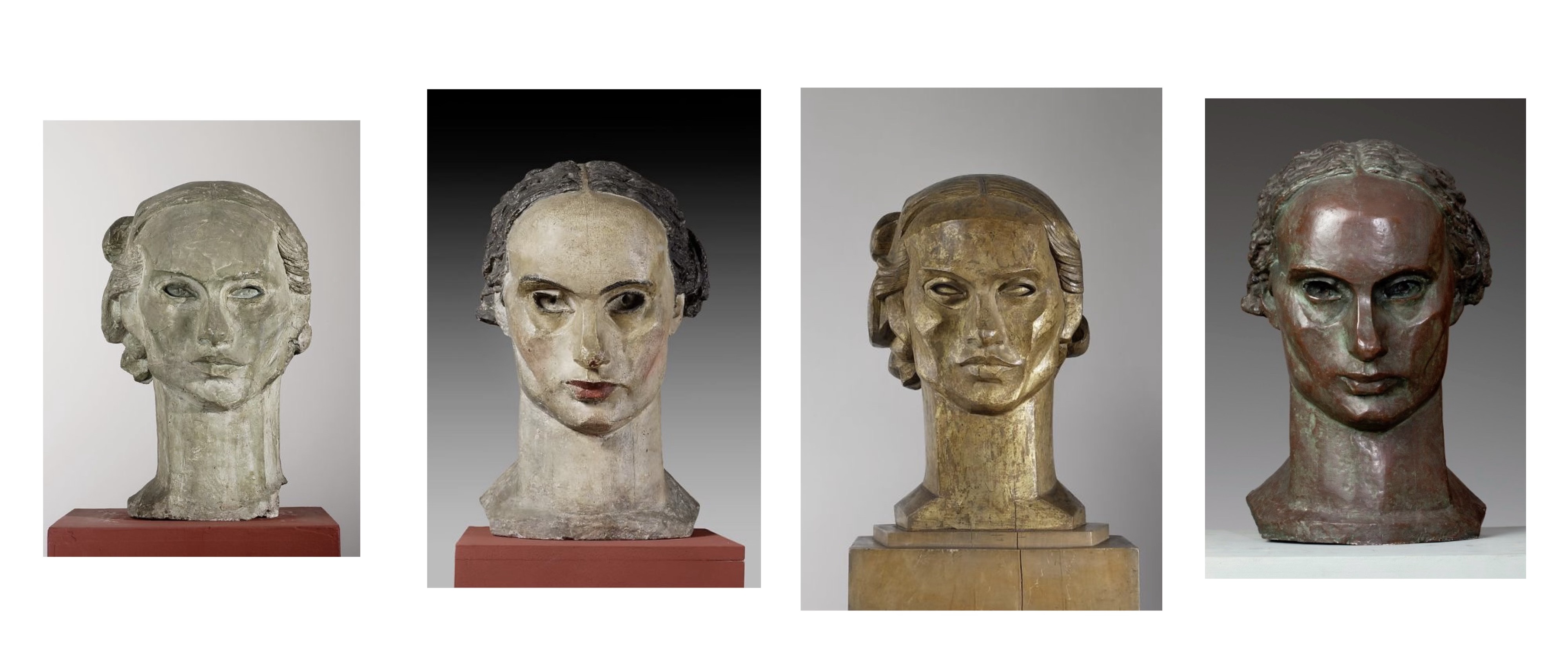
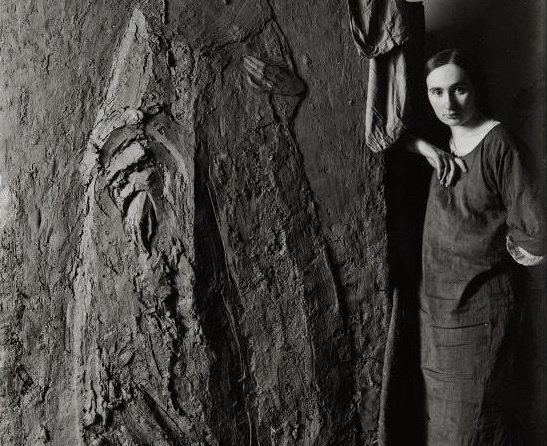
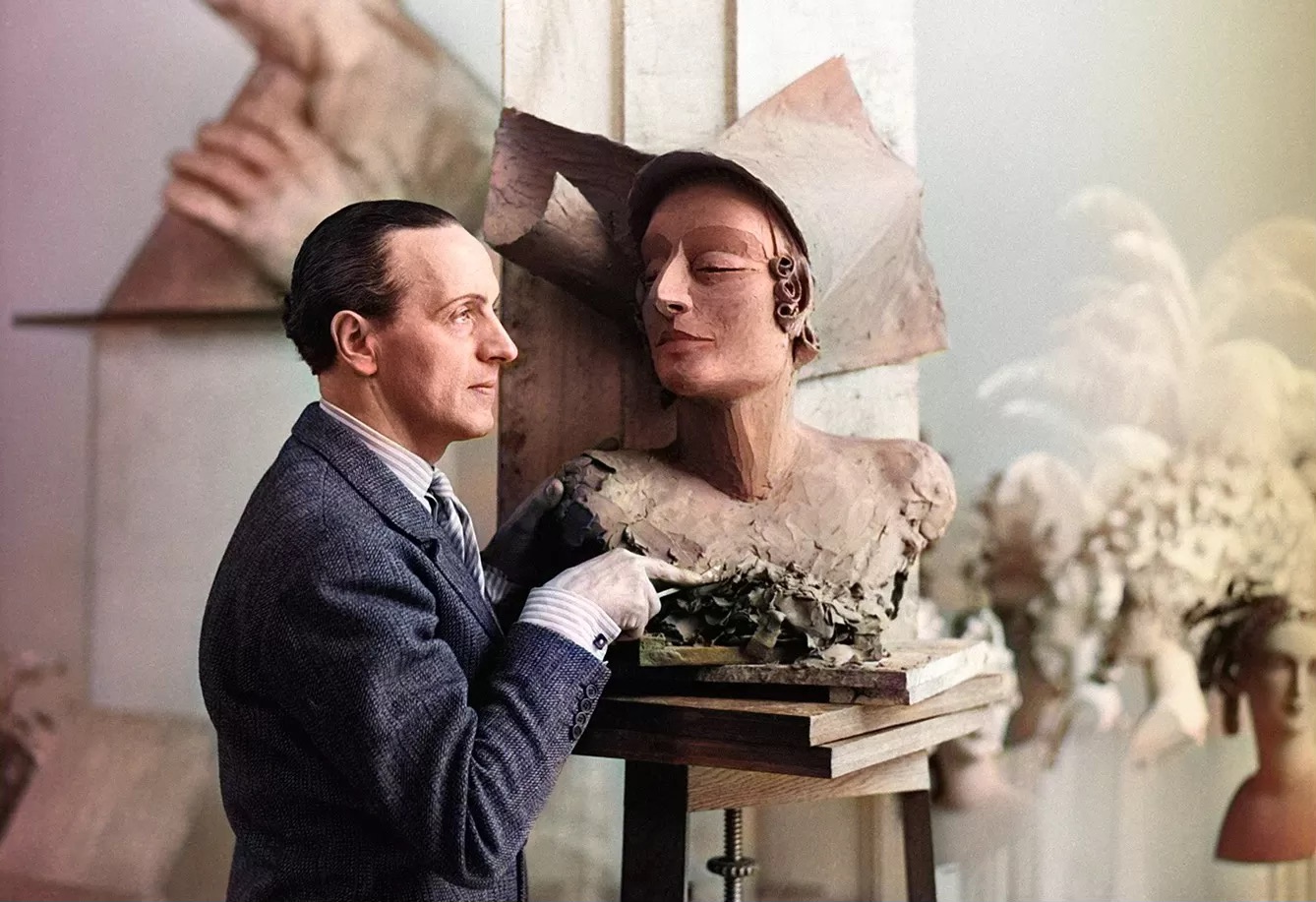
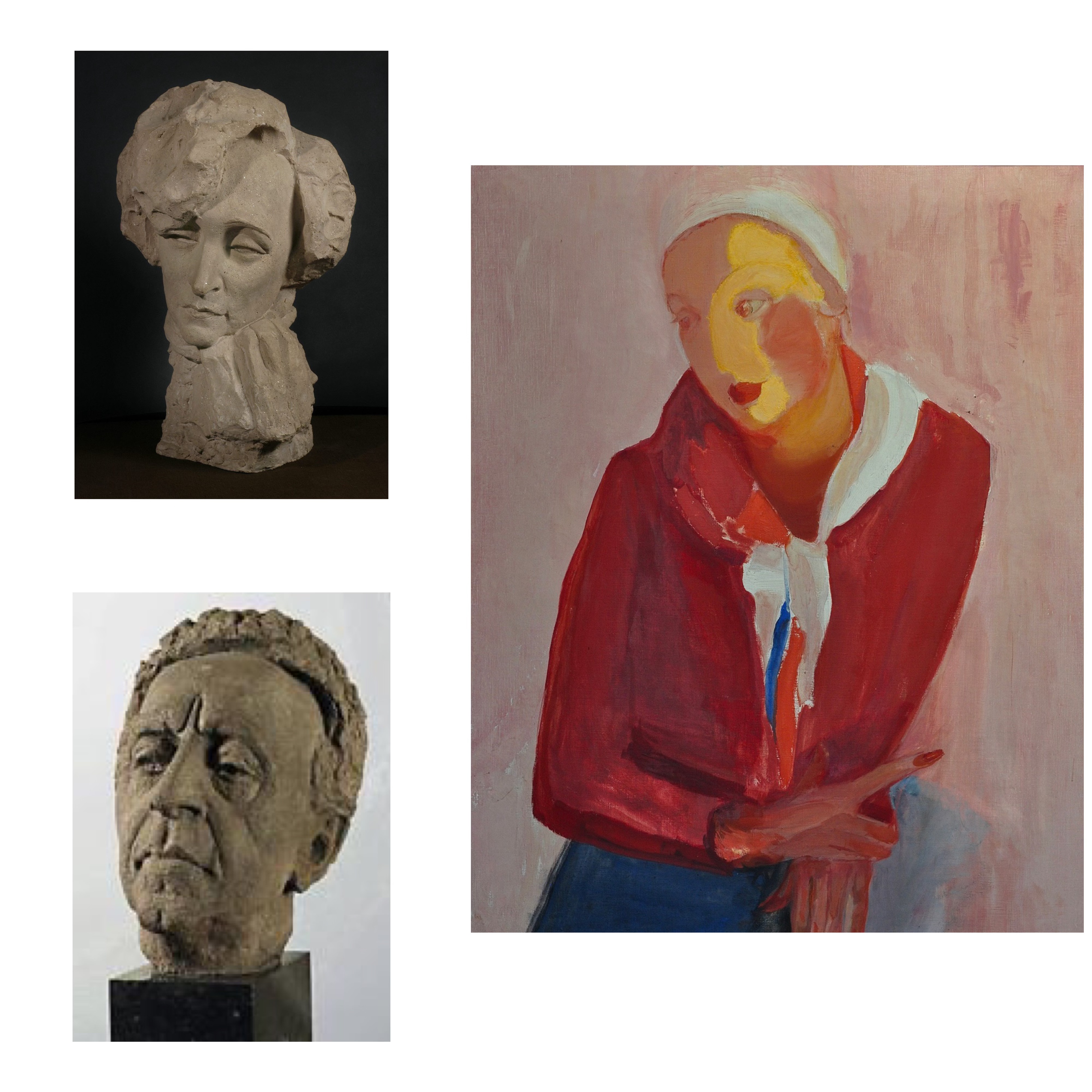
Bust depicting Sara Lipska by Xawery Dunikowski.
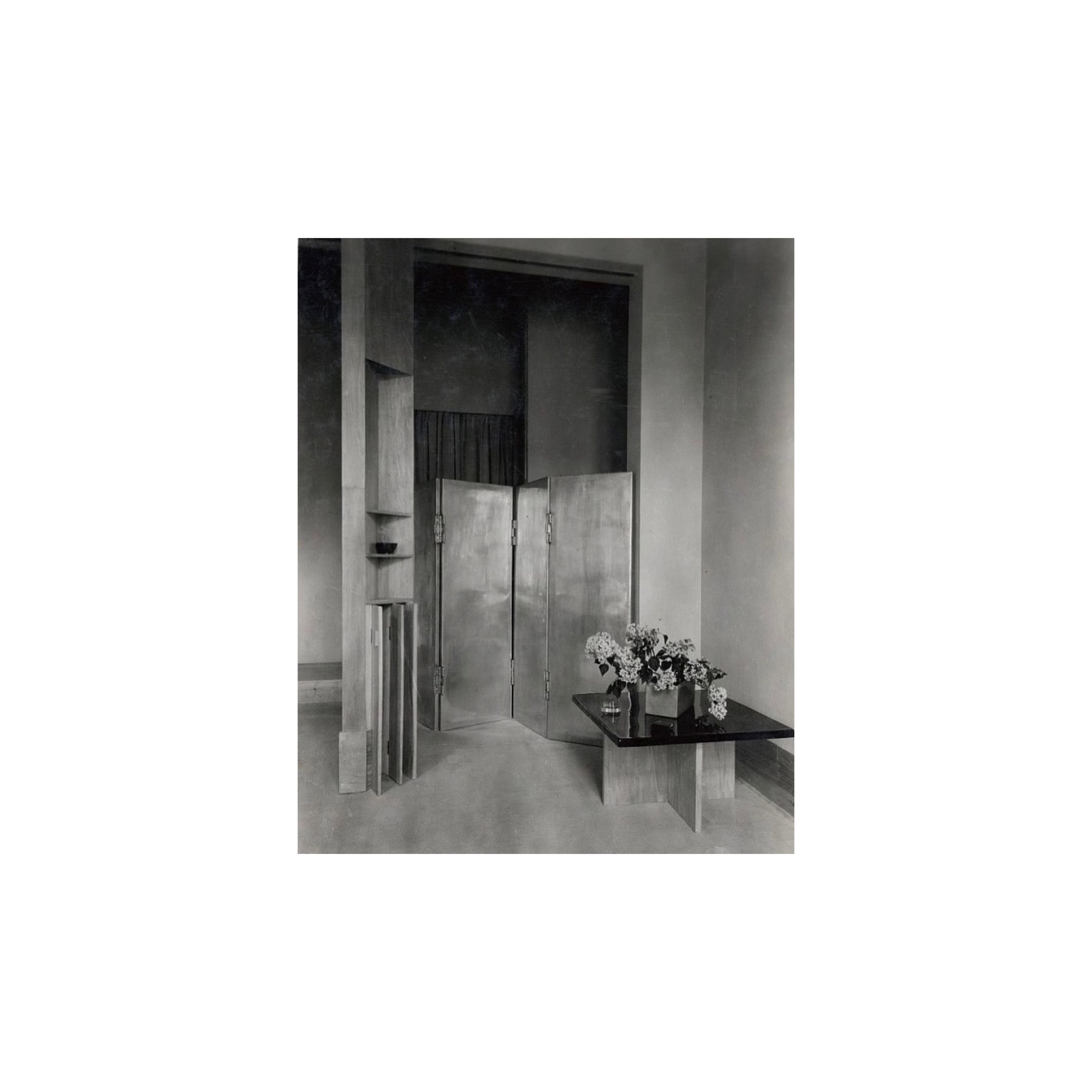
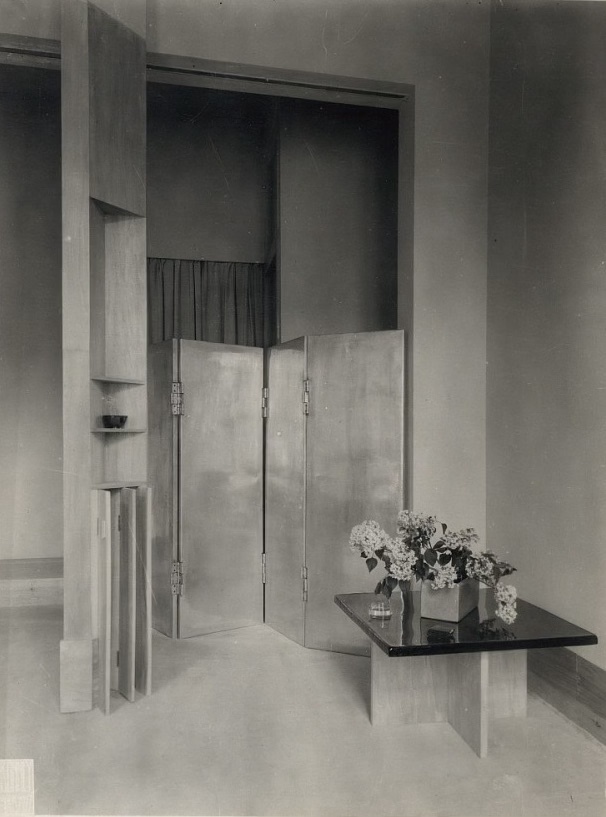
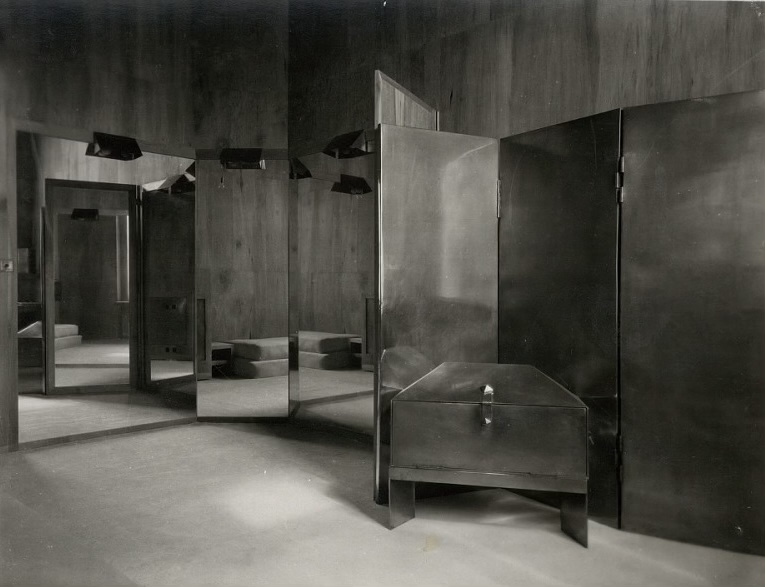
For years I have seen this image [above and below] surface on Instagram. Because my Dad, some ten years ago, made me two wardrobe doors I have been thinking of turning into a folding screen – inspired by the aluminium screen in the photo – I must have saved this image on my phone a thousand times. Then today, I suddenly wondered: Who was this Madame Lipska with the exclusive and super stylish fashion studio…?
Well, it turns out her name was Sara Lipska (1882–1973) and she was so much more than a fashion designer. She was a sculptor, costume designer, painter, textile artist and an interior designer amongst other things.
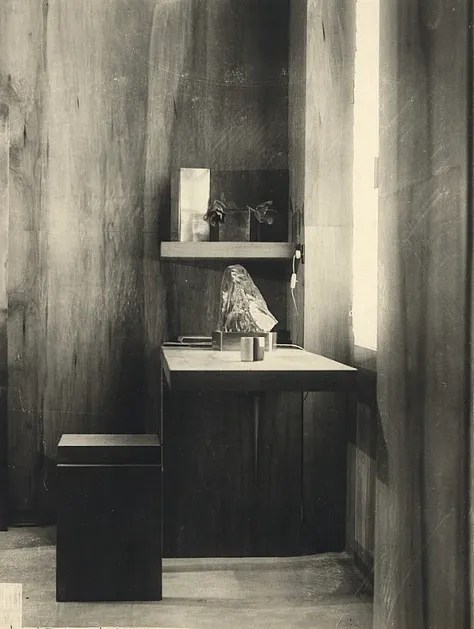
Interior från Madame Lipska’s boutique on Champs-Élysées, circa 1925. Photos: Thérèse Bonney, Smithsonian Libraries.
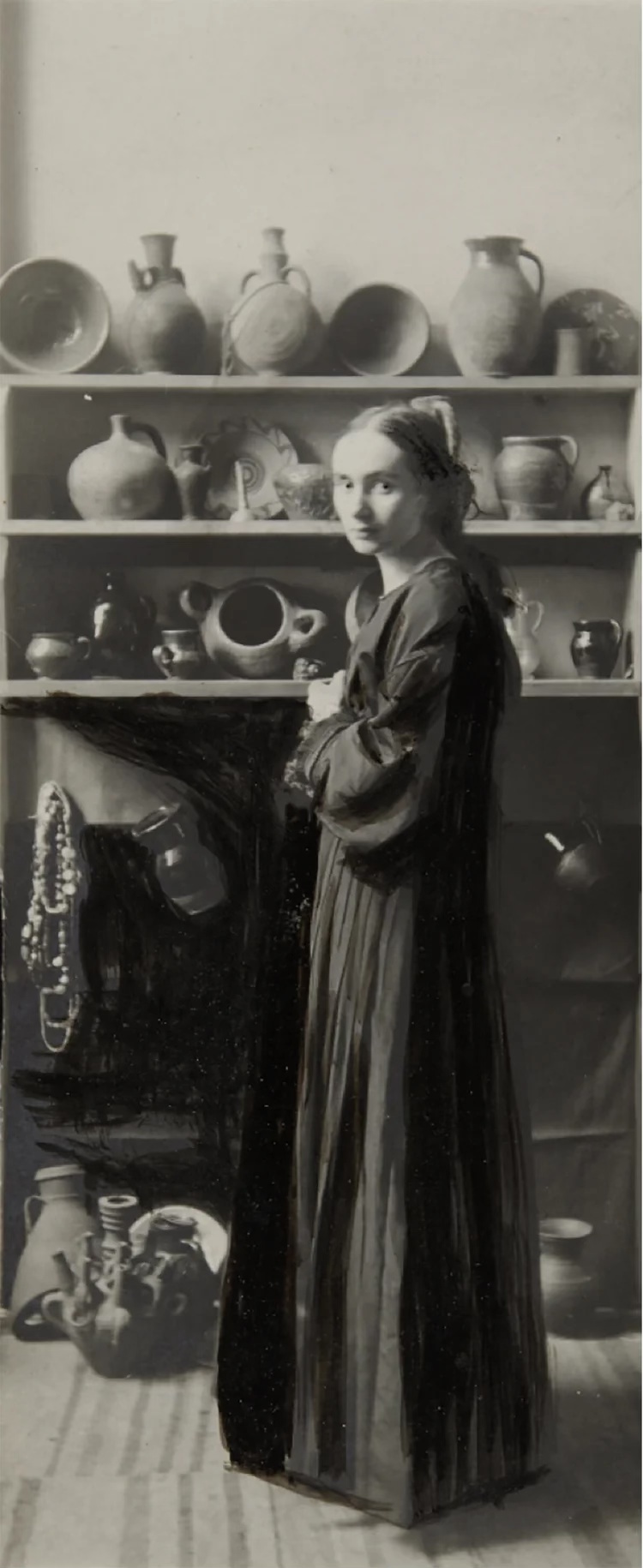
Born in Poland Sara Lipska was in 1904 admitted to Warsaw’s Academy of Fine Arts – the first school in Poland to accept women – where she studied classical sculpture. A choice quite remarkable for a young woman from an orthodox Jewish Hasidic family. Especially considering all student started their studies with life drawing from the human figure. Already at the academy Sara was noticed for the outfits she would create for dance events where students from the different art schools were allowed to showcase their work.
For me, there are clear parallels between Sara Lipska’s life’s work and that of Swedish interior designer Sylvia Staveand Finnish Swedish jewellery designer Amanda Pihl. Three women who were celebrated by their contemporaries, but who – by taking a small step back from active careers – were later forgotten by design history.
Soon, however, Sara Lipska was captured by the avant garde movement which would shape the rest of her career. In the early 1910s she left Poland and she moved to Paris where she settled permanently in 1912. The move is thought to have been accelerated to avoid the scandal surrounding her divorce from her husband, Mendel Lipszyc – with whom she had a son in 1902 – and her relationship with her teacher, the artist and sculptor Xawery Dunikowski. To Paris she brought the daughter, Maria Xawera, she had with Dunikowski (born in 1908) while her son remained in Poland in the care of his father.
. Sara Lipska, circa 1904 at Warsaw School of Fine Arts. Photographic print, private collection in Paris via polishfashionstories
Sara Lipska
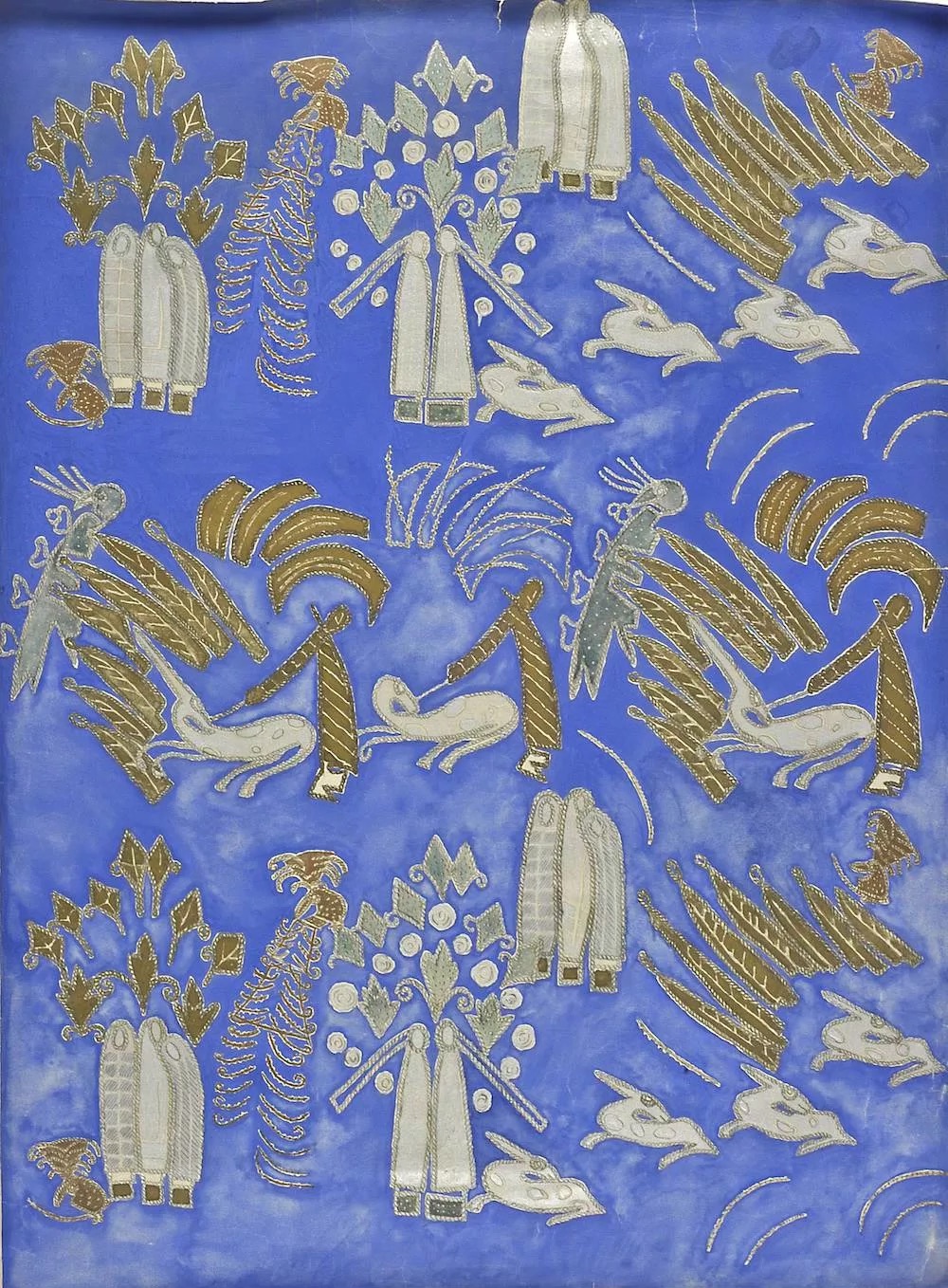
Material design, gouache, paper. Musée de Poitiers. Photo: vogue.pl
There were imaginably many other reasons for the move. Paris was the epicenter of modern art in the rapidly changing modern world. At first, Sara Lipska relied on the help and support of her younger brother Izydor, who worked in the textile trade, as well as extended family members but she quickly and soon found her place in a group of her likes, in the circle of notable, cultural avant garde figures. Sculptors, painters, designers and writers, among them Picasso, Modigliani and Chagall. It should be noted that even before leaving Poland, Lipska had gained recognition for her painting Doves, (today part of Annie Partouche’s private collection) a reference to her Jewish heritage depicting a Jewish woman seated in a golden chair against a blue-gold tapestry, dressed in a golden and pearl-embroidered dress with birds at her feet.
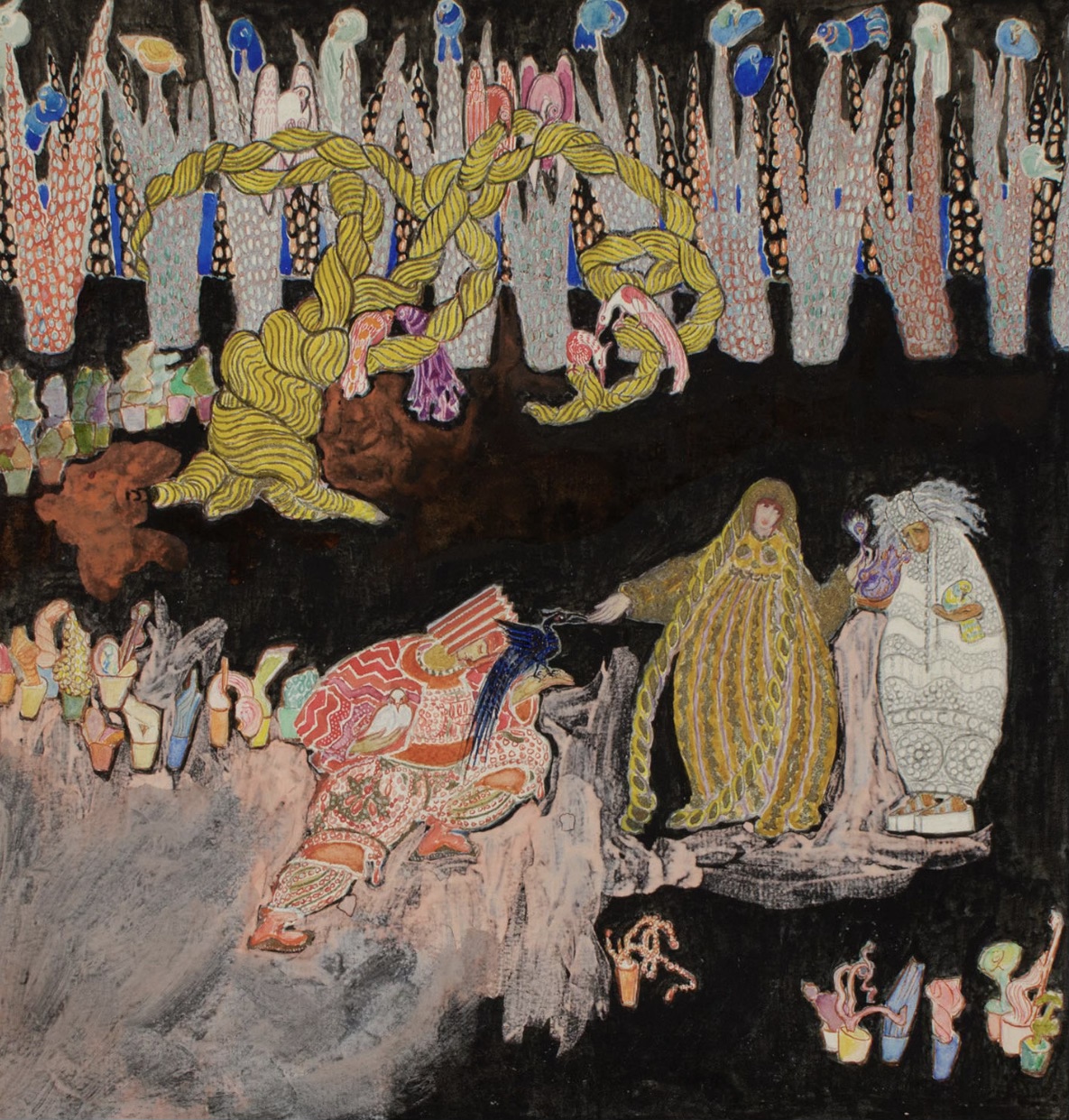
In Paris, Lipska started designing costumes for Sergei Diaghilev, the founder and reformer of the Ballets Russes. The ballet company had become the talk of the town already in 1910 when Scheherazade was stagedat the Paris Opera to Rimsky-Korsakov’s music. Sara worked in the studio of Léon Bakst, the renowned painter, set and costume designer. The close contact Sara Lipska had with Bakst and the world of Parisian theatre would significantly influence her artistic development. In the early 1920s, Sara Lipska also collaborated with Jacques Rouché, director of the Opéra Garnier.
Sarah Lipska, Maquette de décor pour les Ballets russes de Serge Diaghilev, circa 1914, watercolour and gouache on paper. Private collection. Photo: awarewomenartists.com
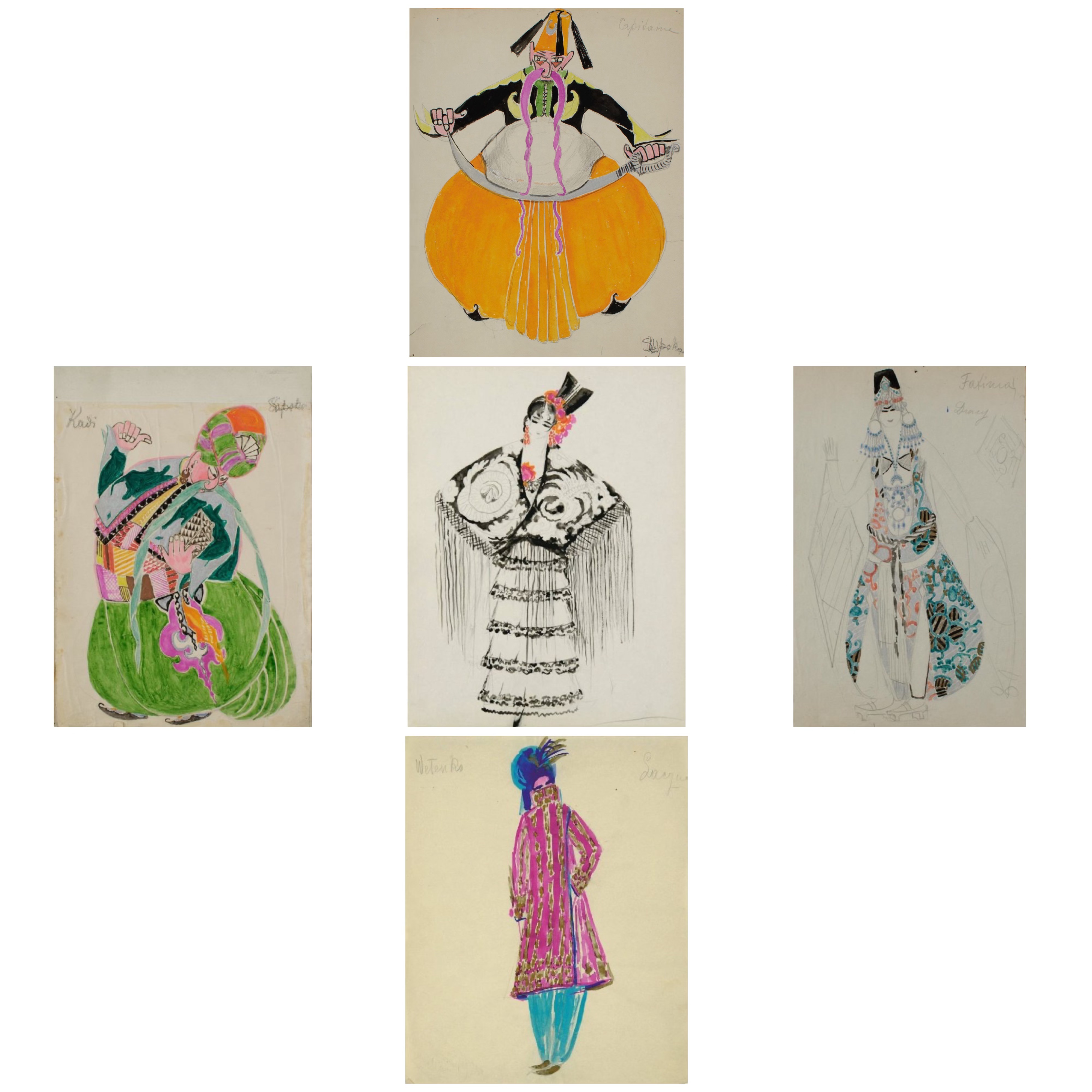
Different designs for theatre costumes by Sara Lipska. Photos found online.
Madame Lipska
During this the 1920s, Sara Lipska began designing women’s clothing and textiles. Many of her works featured an Oriental style that became her hallmark. Embroidered on silk or satin with elegant women, birds like colourful peacocks, landscapes and flowers came to life. Toward the end of the decade, she opened her first atelier at 4 Rue Belloni in Montparnasse, followed in 1928 by a boutique at 146 Avenue des Champs-Élysées. Amongst her many notable clients was Helena Rubinstein, with whom she shared a lifelong friendship.
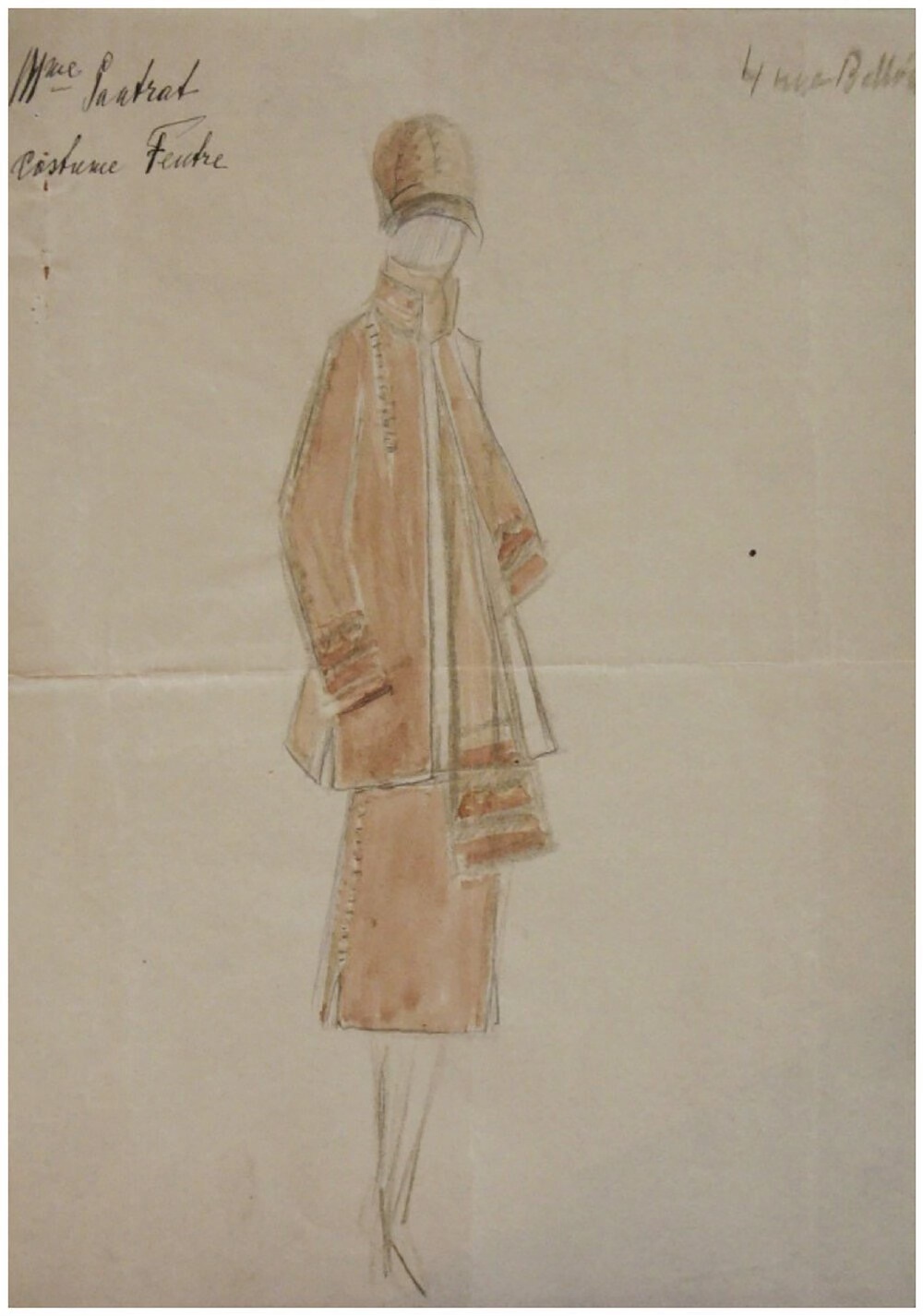
Sara Lipska design for Madame Gautrat, circa 1930,. Private collection. Photo: palianshow.wordpress.com/
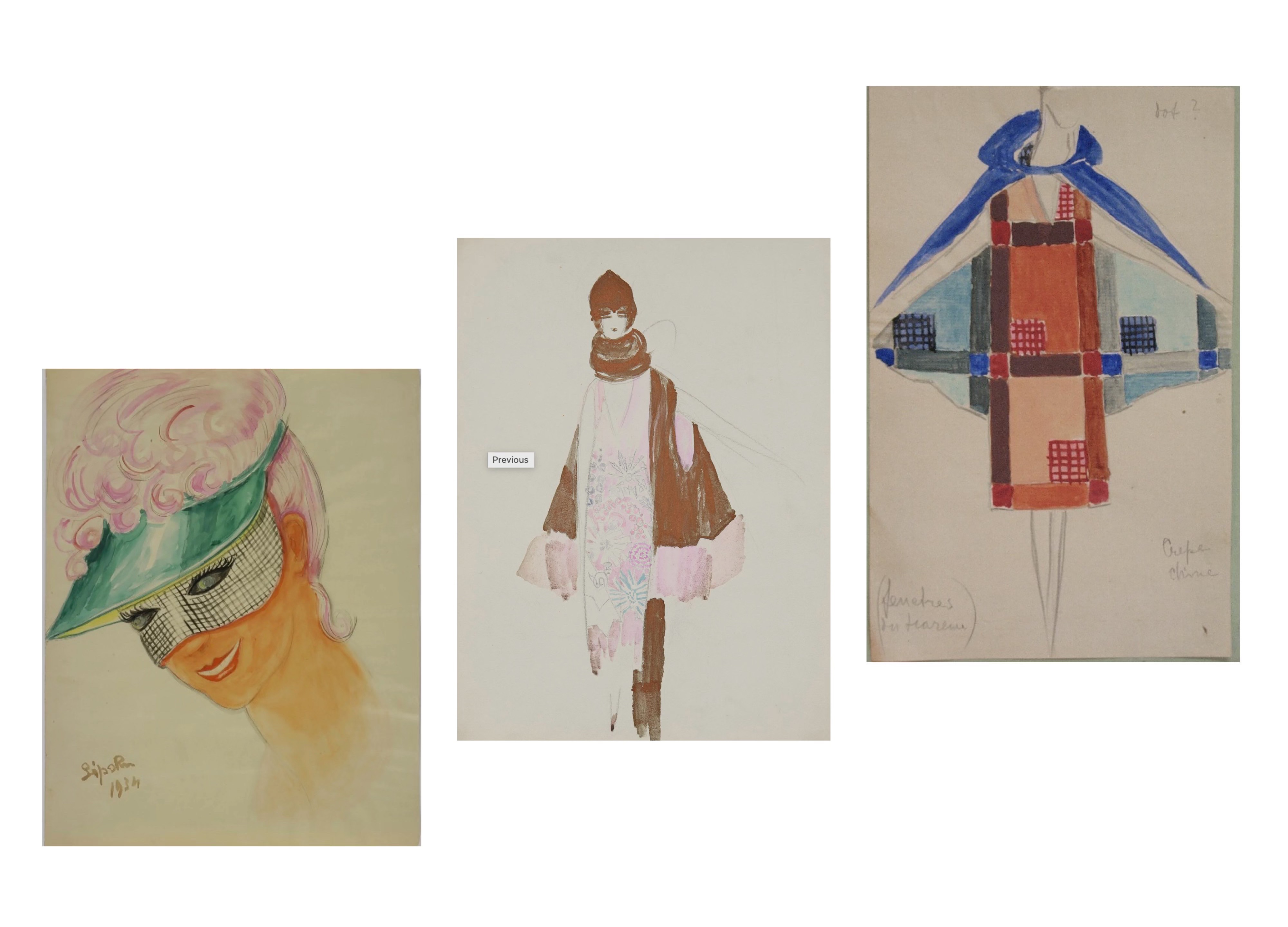
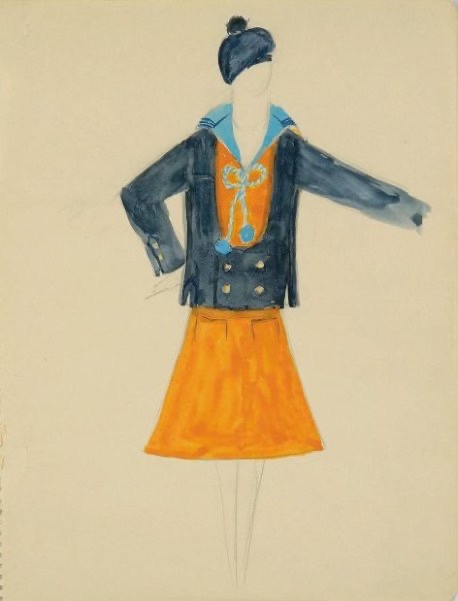
Three different clothes designs by Sara Lipska. Photos found online
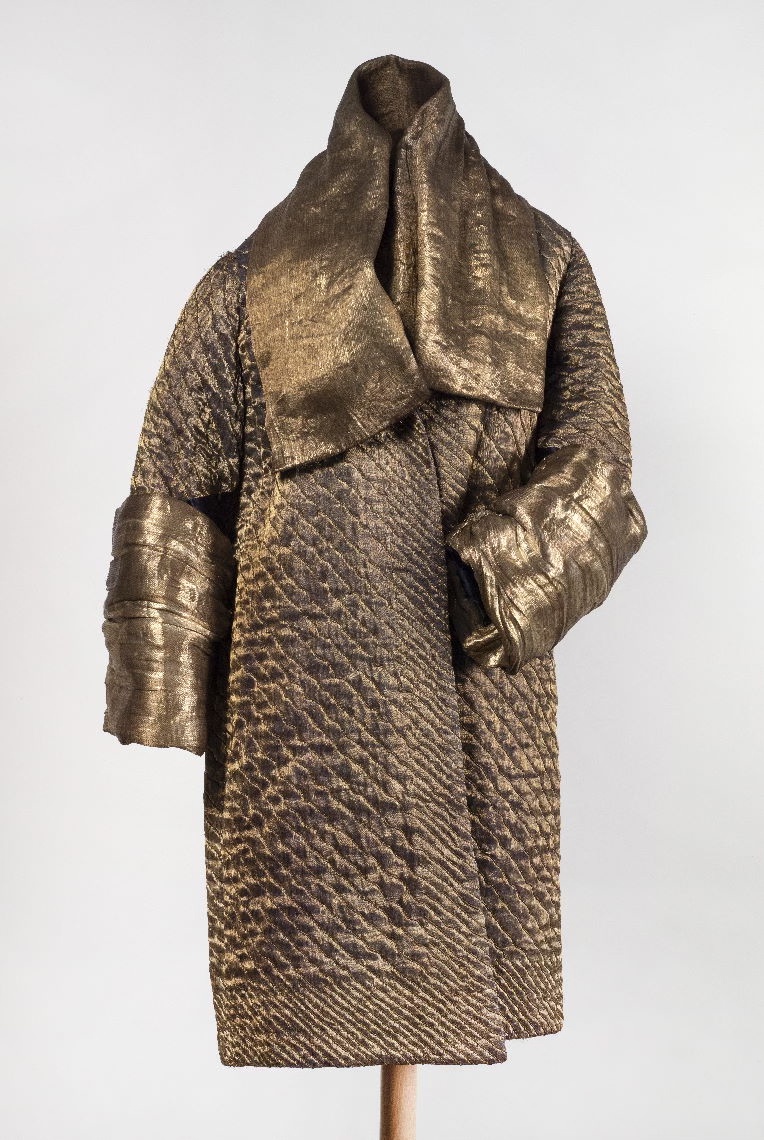
Coat by Sara Lipska. Photo: alienor.org
Dress design by Sara Lipska, circa 1930. Photo: artdone.wordpress.com
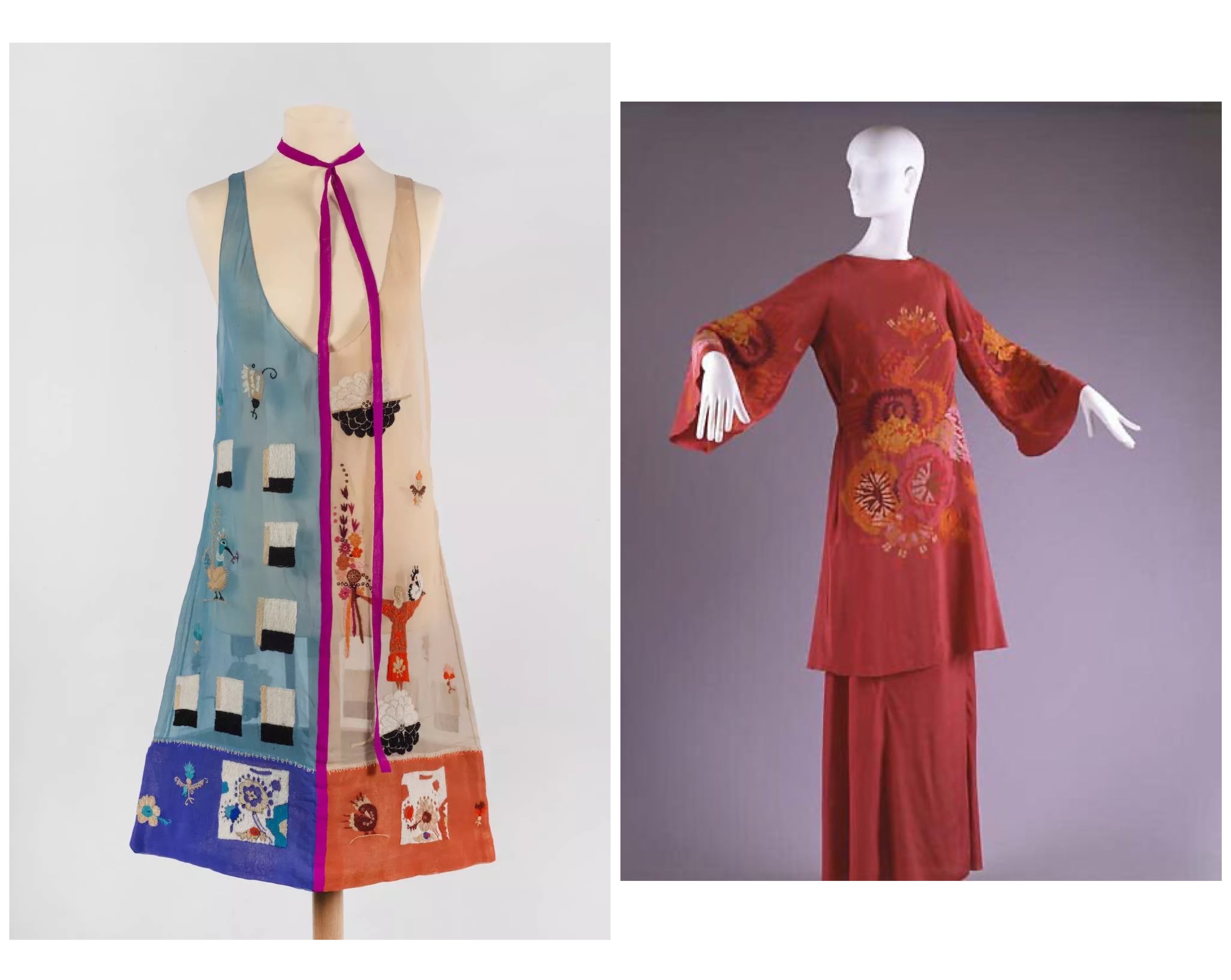
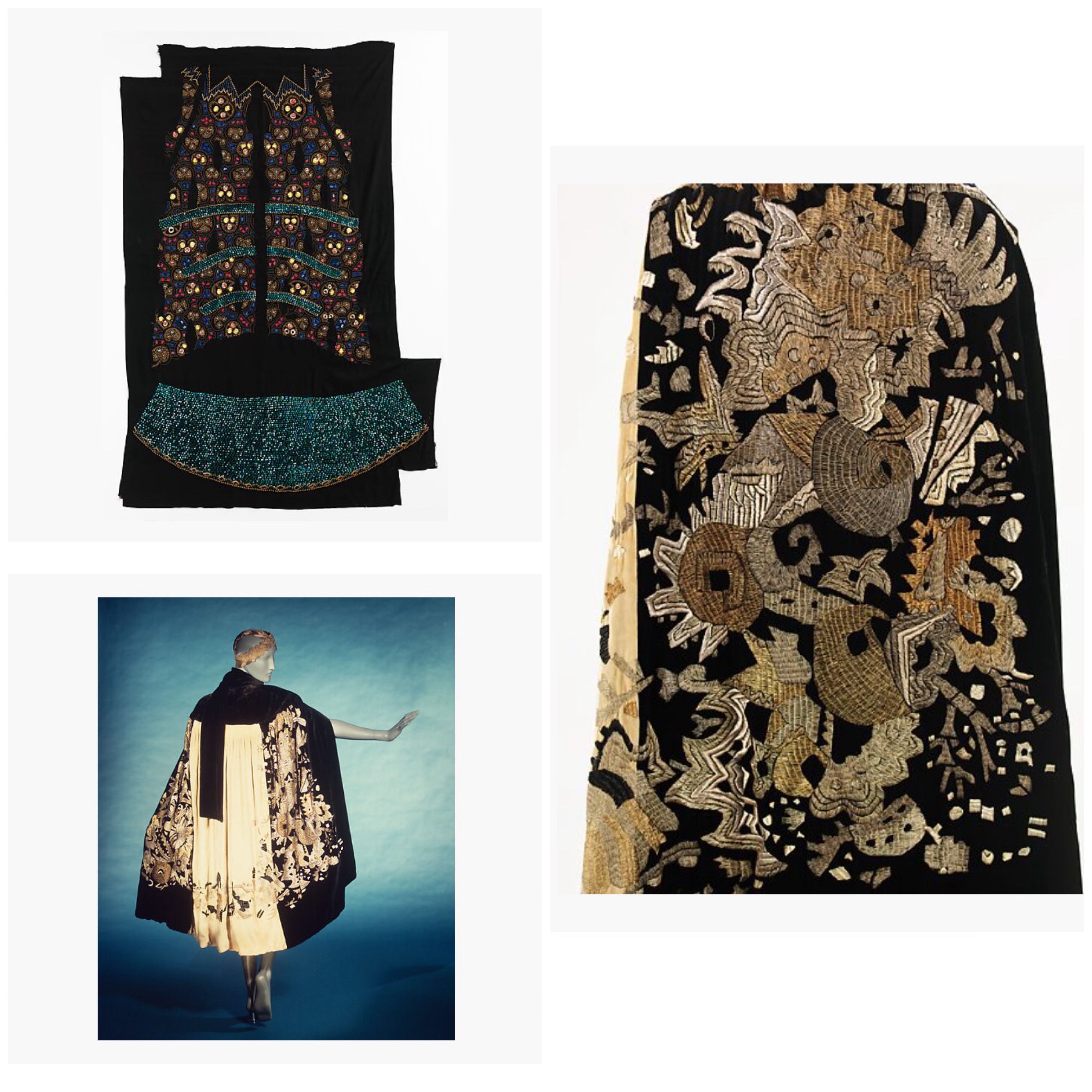
To the left: Dress, circa 1925, silk, tulle, satin. Musée de Poitiers. Photo: vogue.pl To the right: Dress, circa 1928. Photo: palianshow.wordpress.com Both designs by Sara Lipska.
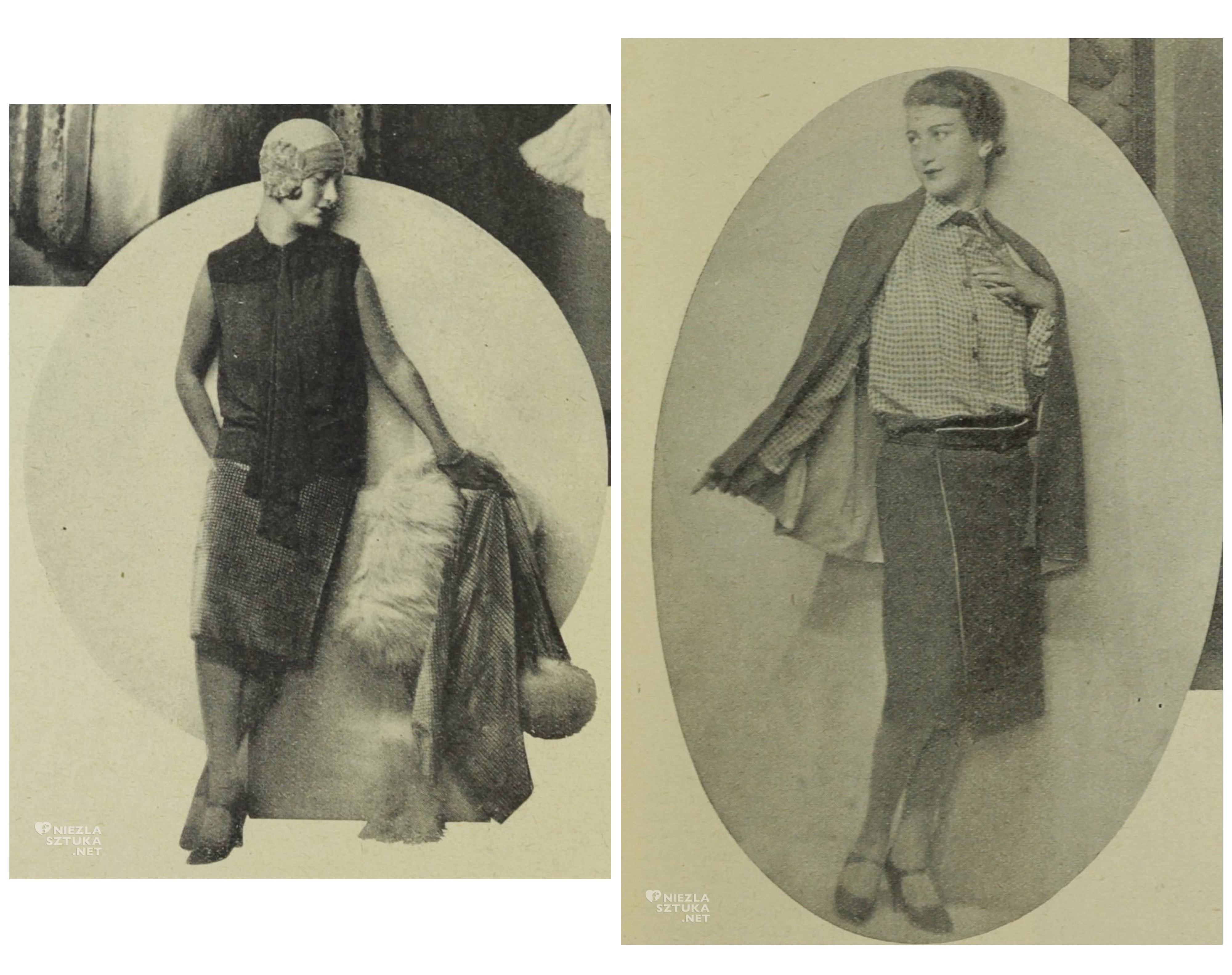
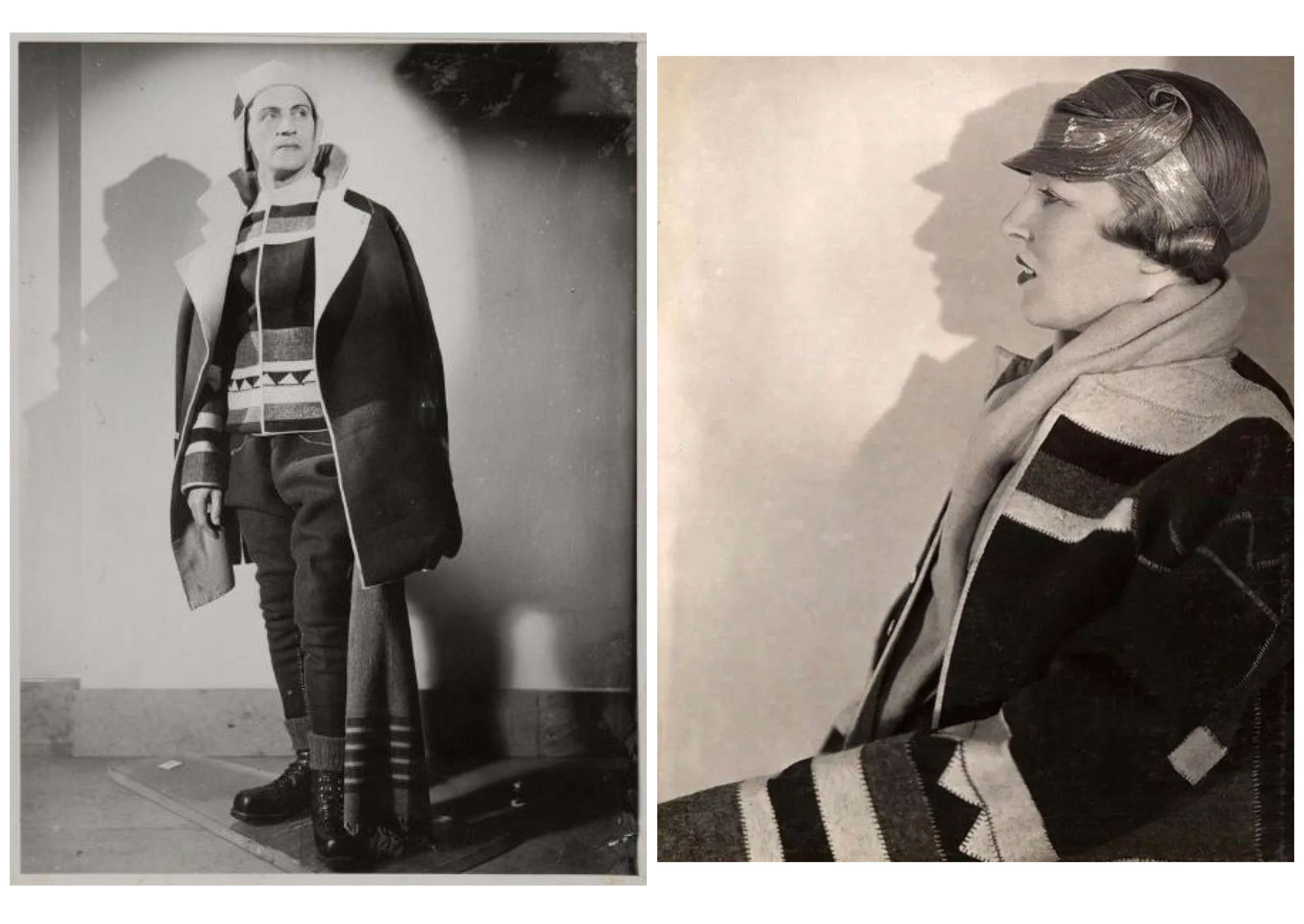
Antoine de Paris and model in suits by Sara Lipska. Photos found online.
Dress, circa 19220s and cape, circa 1925. Photo: palianshow.wordpress.com
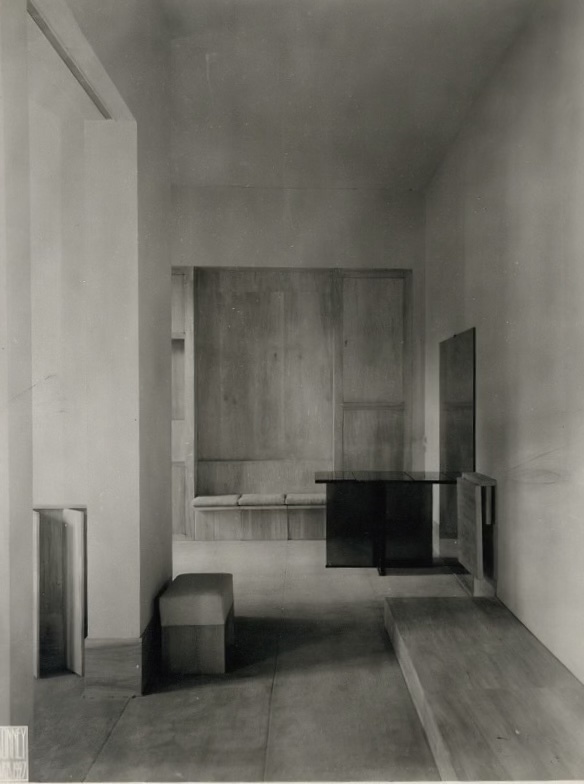
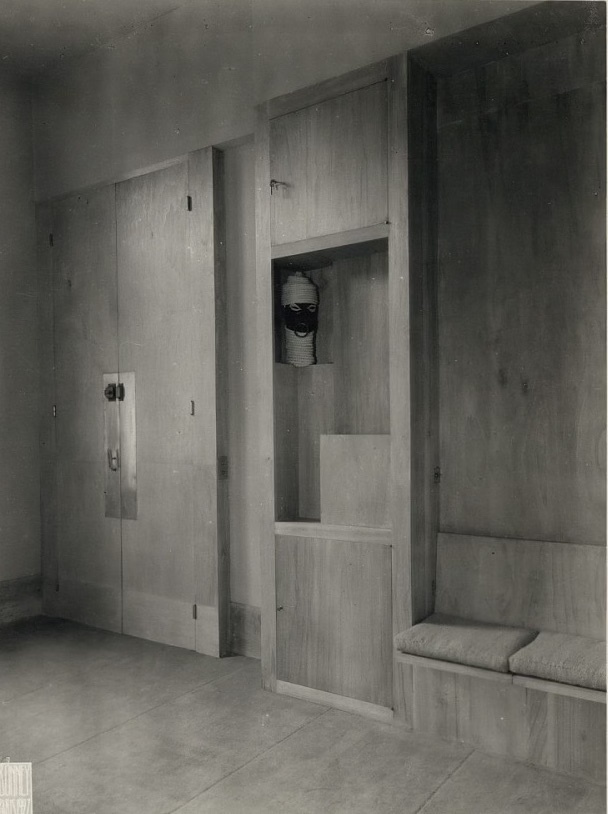
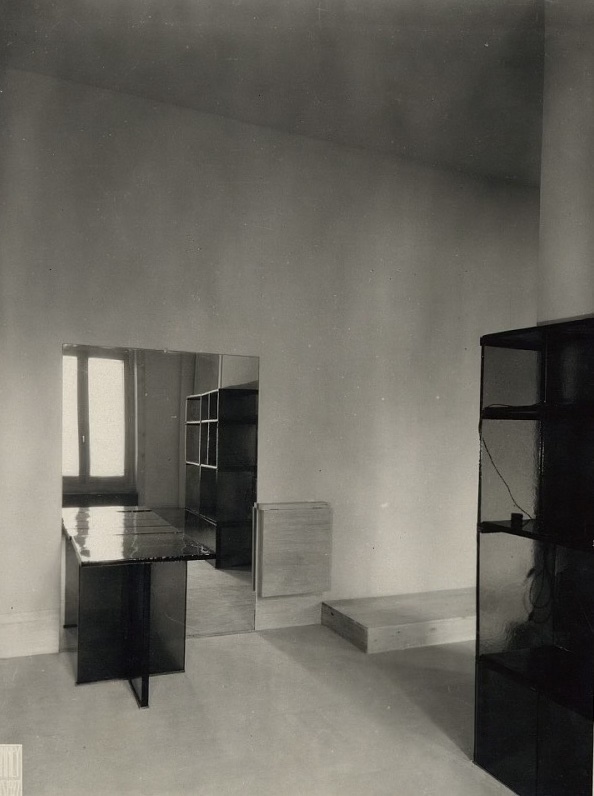
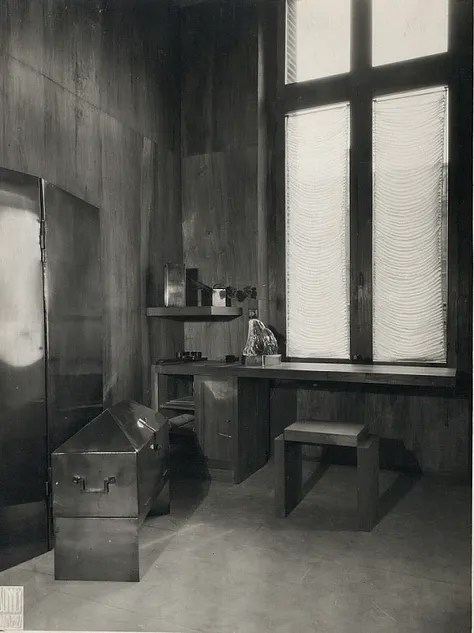
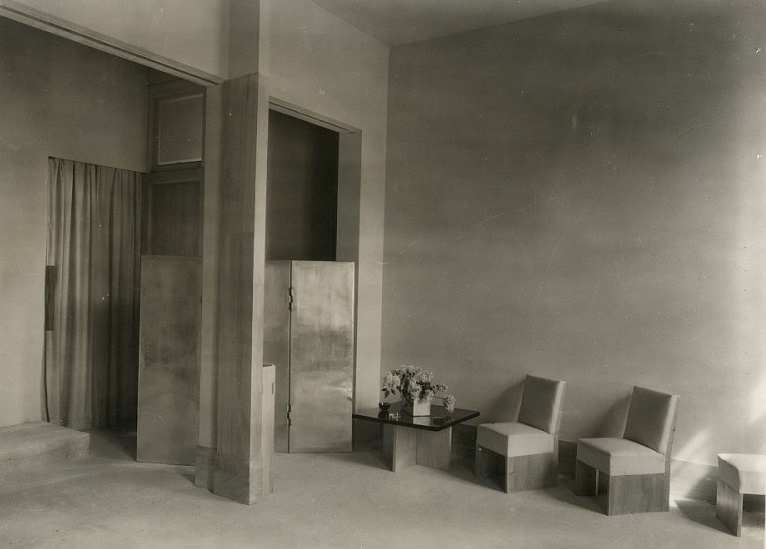
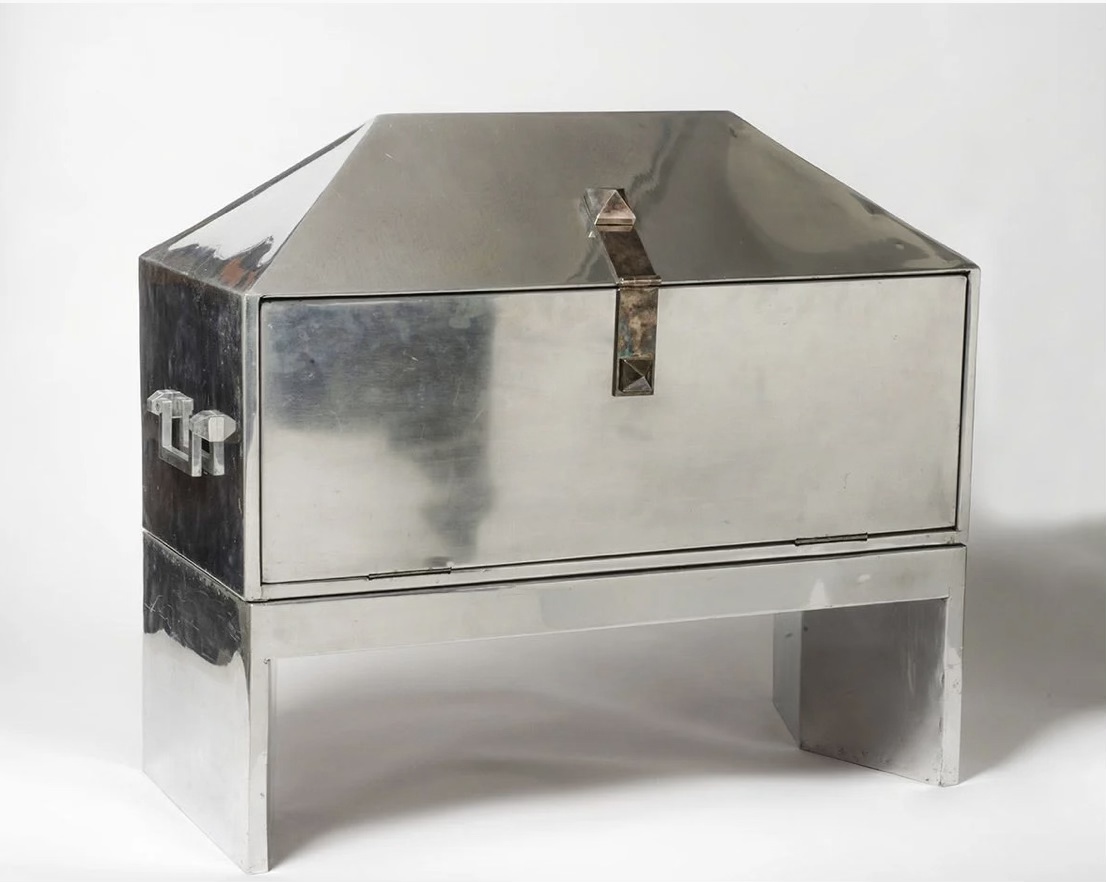
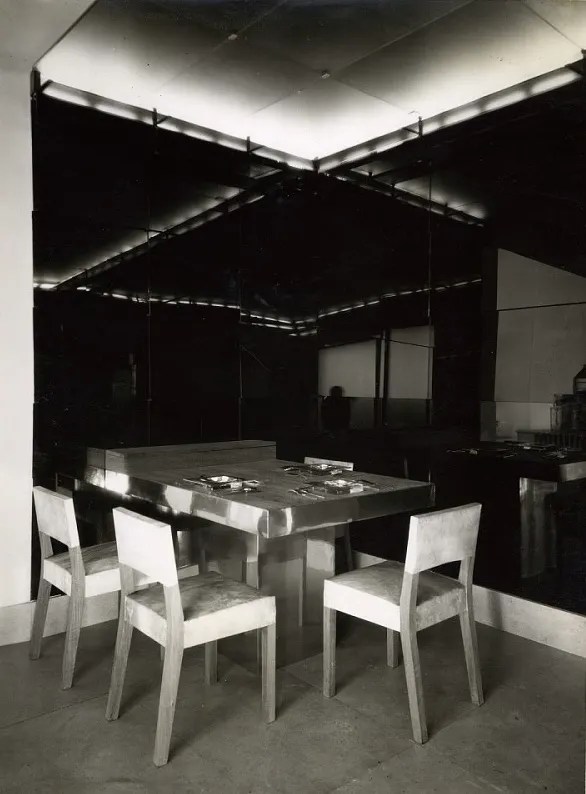
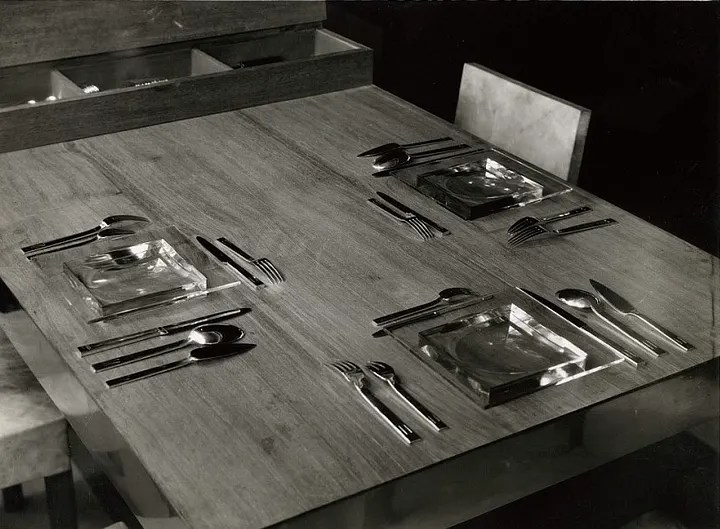
The Champs-Élysées boutique was itself a design momentum, featuring elements in glass and aluminium. A coffee table in glass, a geometric aluminium chest and the aluminium folding screen. During this period Sara Lipska also collaborated with Maison Myrbor, a French design and production company, on furniture, curtains, wallpaper, perfume bottles and much more.
Interior från Madame Lipska’s boutique on Champs-Élysées, circa 1925. Photos: Thérèse Bonney, Smithsonian Libraries
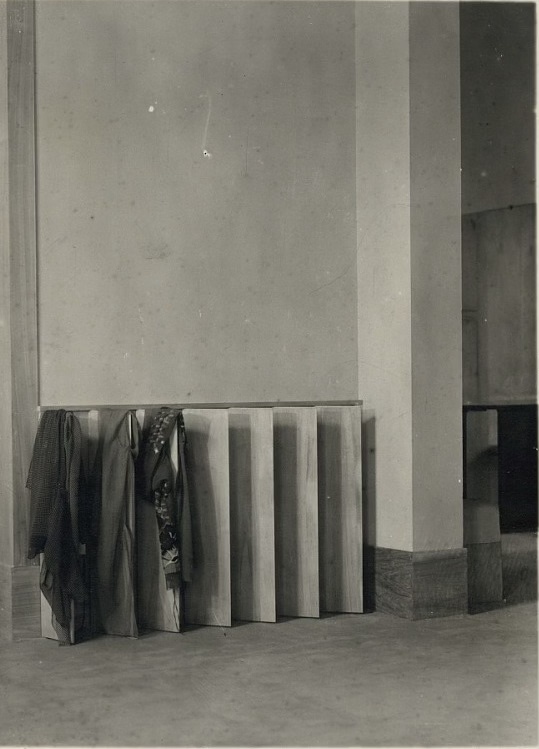
Interior from Madame Lipska’s boutique on Champs-Élysées, circa 1925. Photos: Thérèse Bonney, Smithsonian Libraries
Interior from Madame Lipska’s boutique on Champs-Élysées, circa 1925. Photo: Thérèse Bonney, Smithsonian Libraries
Interior from Madame Lipska’s boutique on Champs-Élysées. Photo: Smithsonian
A display in Madame Lipska’s boutique on Champs-Élysées, circa 1925. Photos: Thérèse Bonney, Smithsonian Libraries
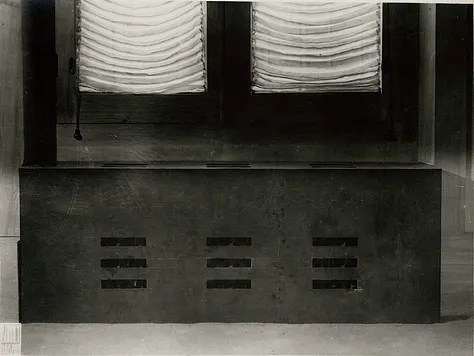
Interiors and a radiator from Madame Lipska’s boutique on Champs-Élysées. Photos: Thérèse Bonney, Smithsonian Libraries
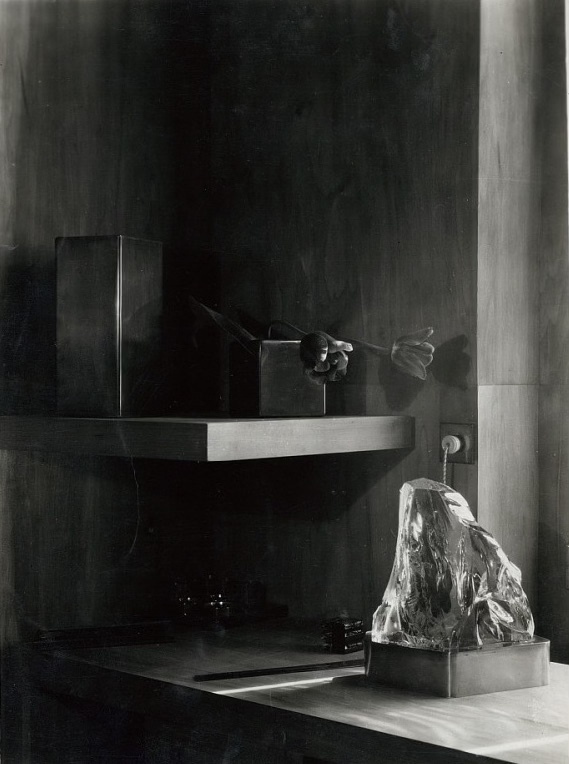
An amazing crystal lamp in Madame Lipska’s boutique on Champs-Élysées, circa 1925. Photos: Thérèse Bonney, Smithsonian Libraries
Interior från Madame Lipska’s boutique on Champs-Élysées, circa 1925. Photo: Thérèse Bonney, Smithsonian Libraries
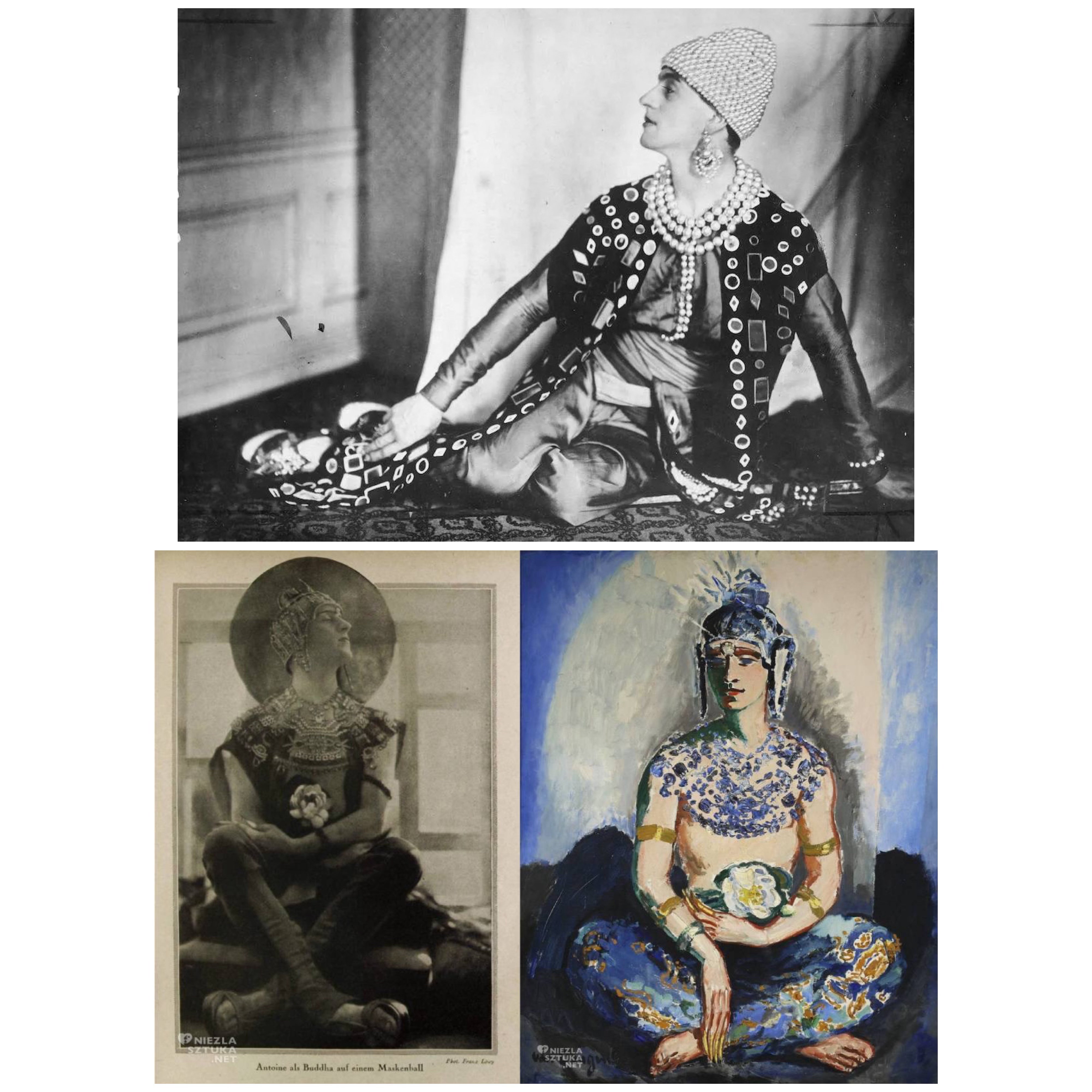
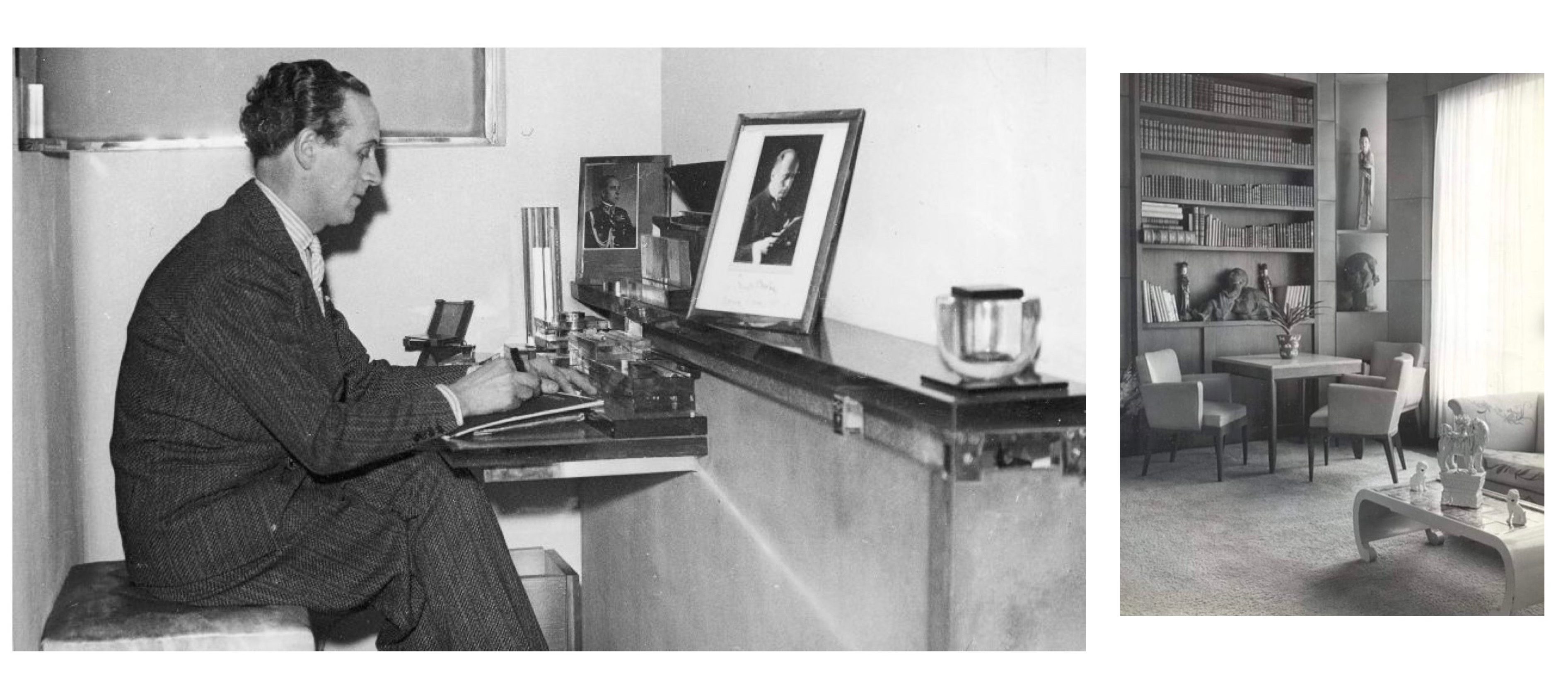
Lipska’s interiors embraced functionalist modernism, emphasizing space, clean lines, and furniture free from unnecessary decorative elements. A person who became a friend, a key collaborator and long-standing benefactor (he continued to support both Lipska and Dunikowski long after the war) was the famous Antoine de Paris, born Antoni Cierplikowski – the world’s first celebrity hairdresser who is said to have invented the iconic 1920s short bob – often referred to as the “shingle cut” or “à la garçonne” – for women. Lipska decorated his salons and private apartments, as she did for many others, including Natalie Paley, a Russian princess and wife of fashion designer Lucien Lelong.
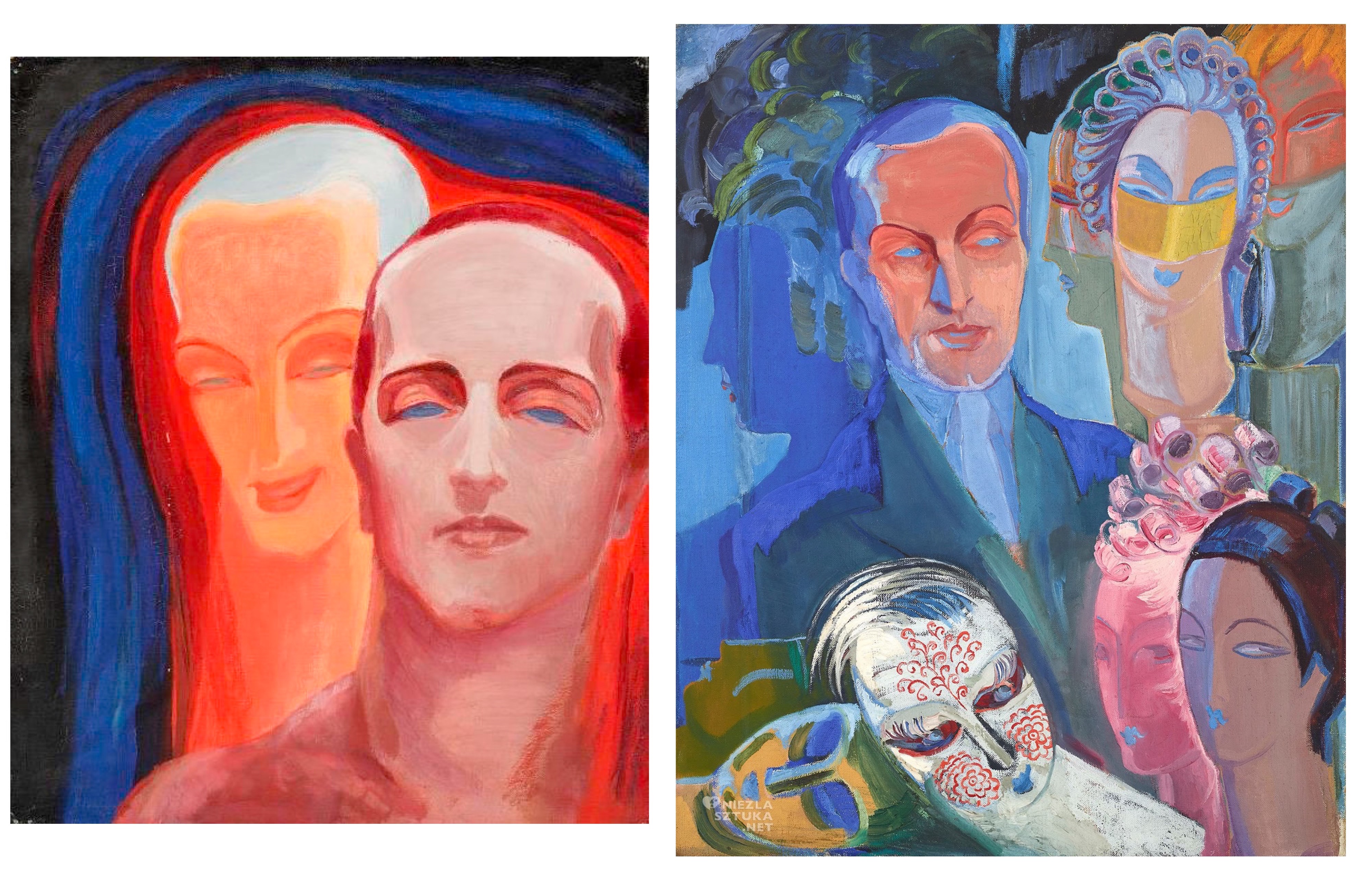
Antoine de Paris (born Antoni Cierplikowski), the famous hair stylist and lifelong friend of SARA LIPSKA in her costume designs. Kees van Dongen, The portrait of Antoni Cierplikowskimade by Kees van Dongen, 1927. National Museum in Warsaw. Above photo found online and bellow: niezlasztuka.net
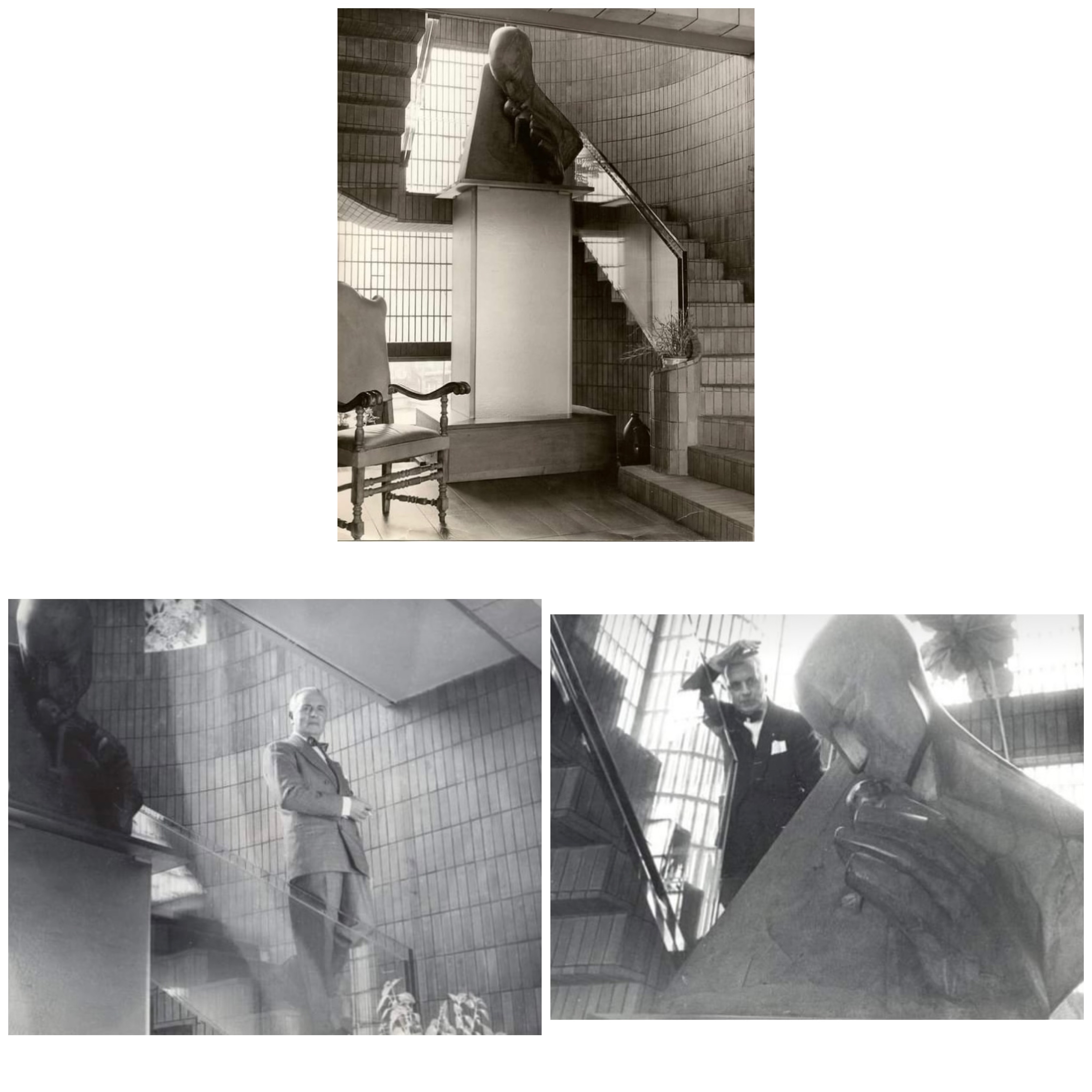
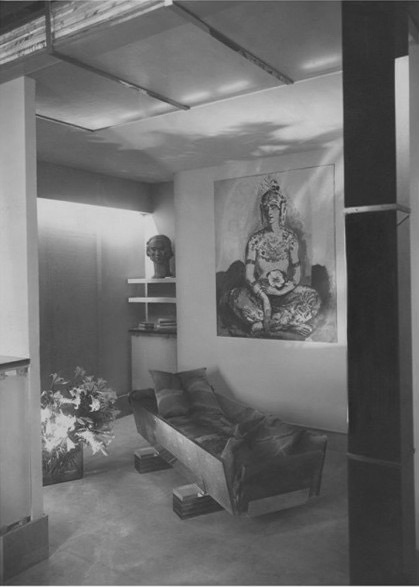
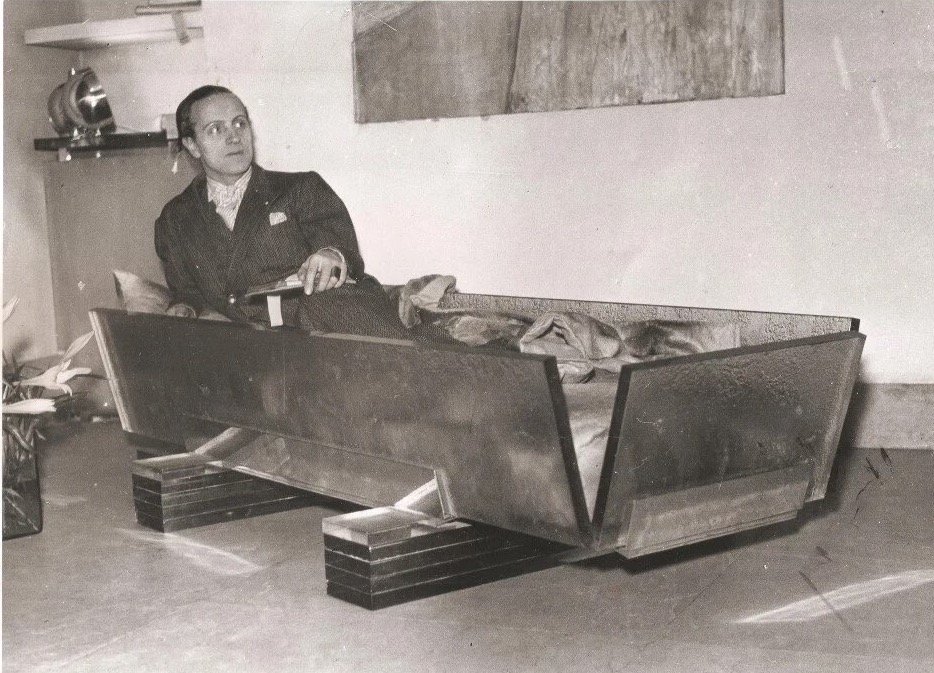
Sara Lipska’s most celebrated projects was the Glass Housedesigned for Antoni Cierplikowski and presented in 1931. The minimalist interior featured extensive use of thick glass for furniture, floors, and even staircases, including a coffin-shaped bed made of tempered glass.
”Her floor-to-ceiling windows made a huge impression. Part of them used blue and red glass, which created a stained-glass effect. Light would bounce off polished stone floors and walls partly-covered with mirrors. In the dining room, there was a massive mirror in a gold frame on the ceiling above the table. The walls were lined with black glass panels, which, though opaque, reflected light and space wonderfully.”
Ewa Ziembińska in Sara Lipska: W cieniu mistrza
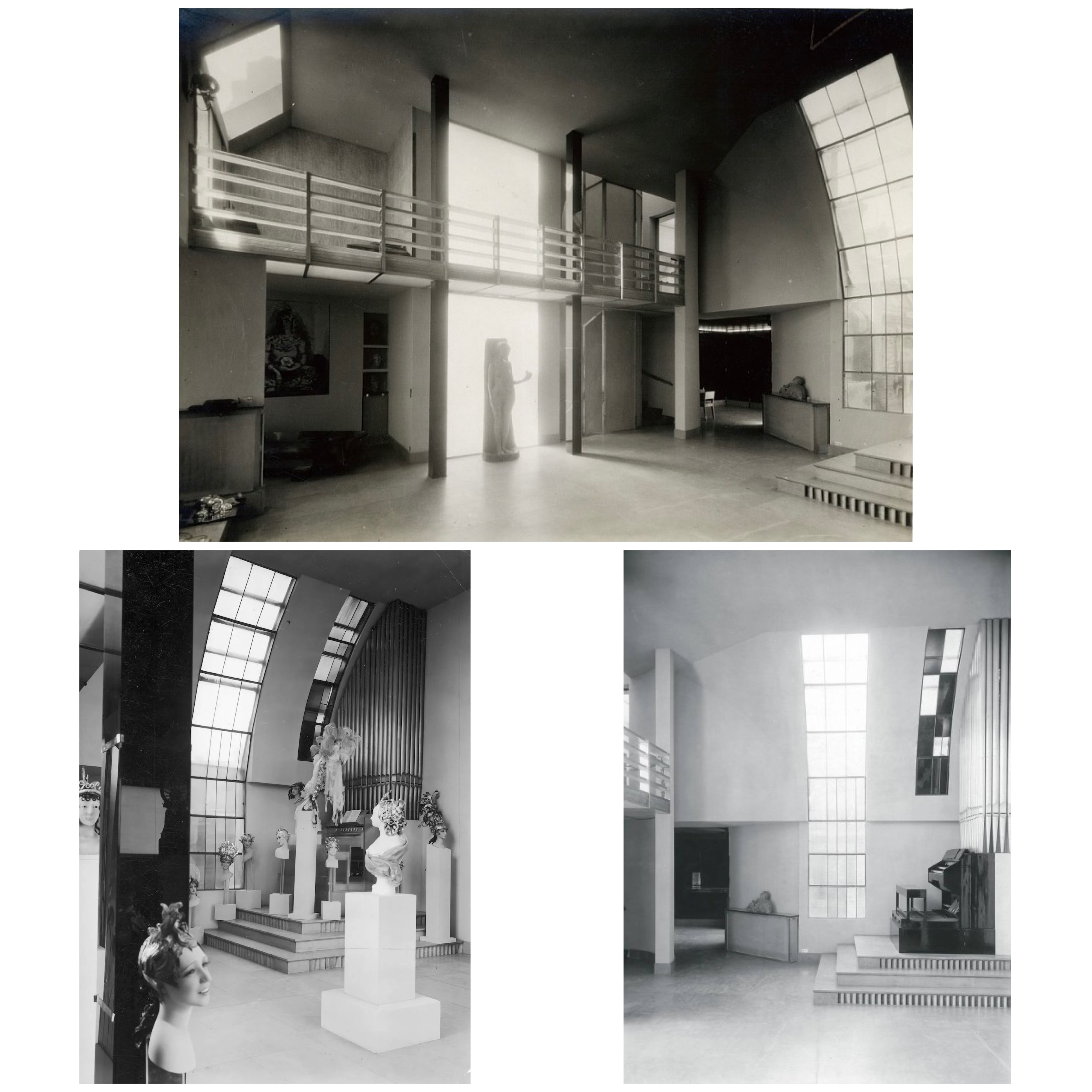
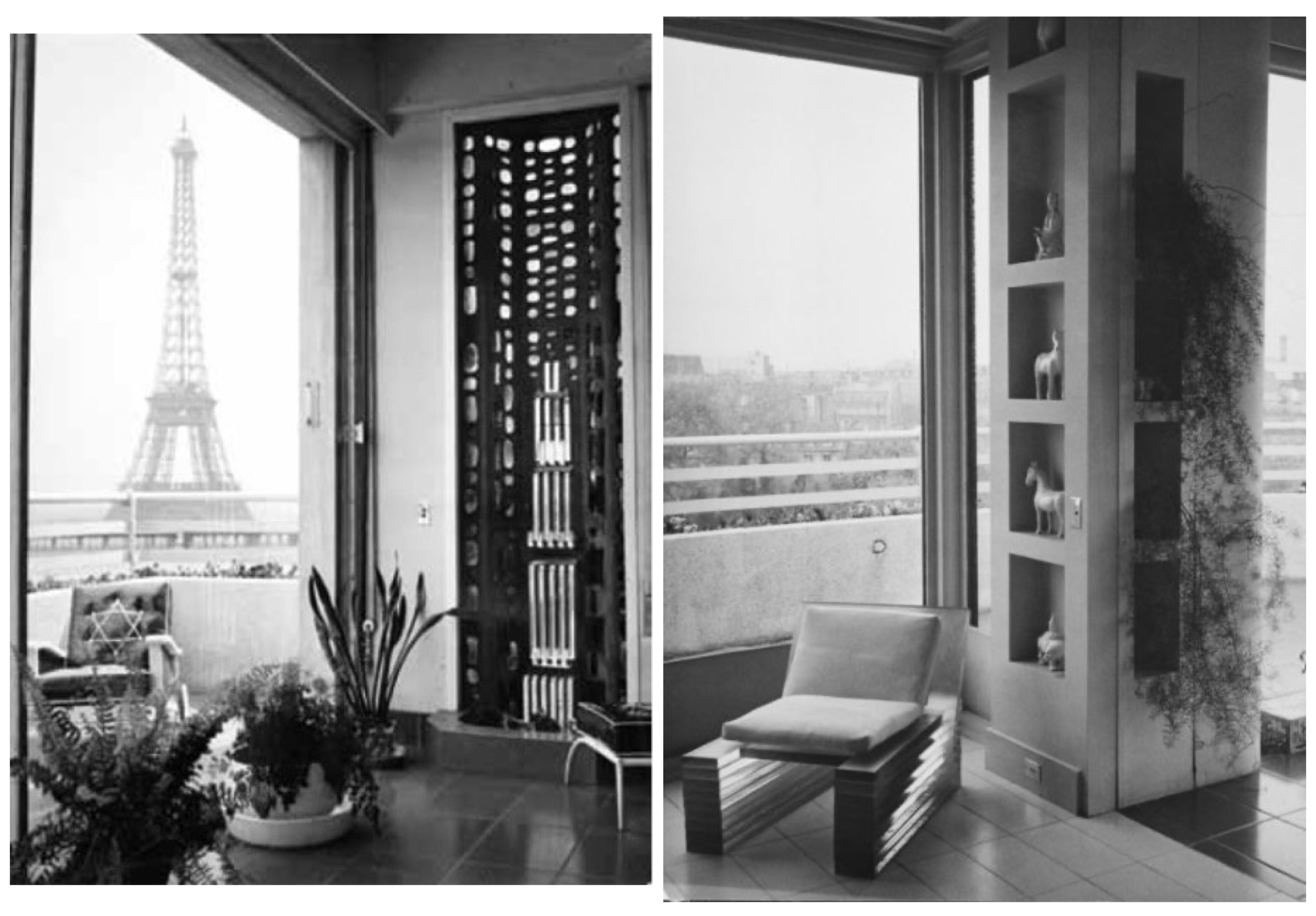
The hallway in the apartment Sara Lipska designed for Antoine de Paris. the column is covered in blue mirror and the balcony banister railing is in clear glass. Above photo: Photos: Thérèse Bonney, Smithsonian Libraries Bellow photos: Found online.
The apartment’s hallway in the apartment from a different view. Photo: Thérèse Bonney, Smithsonian Libraries
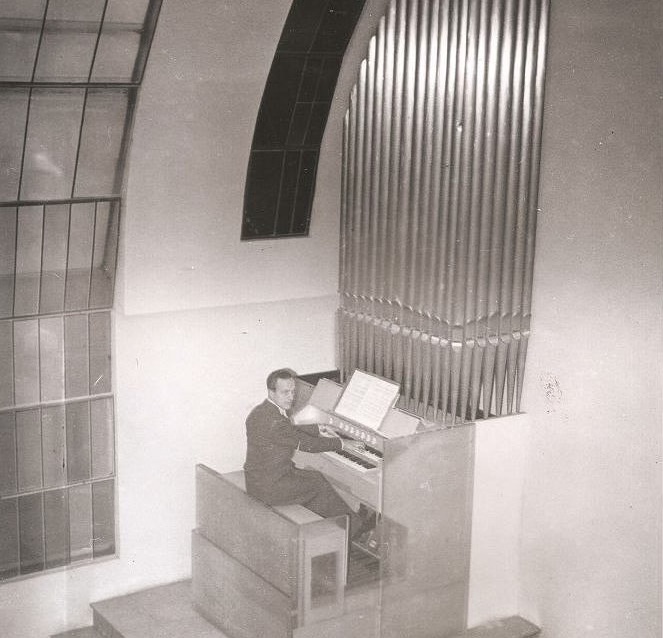
Antoni Cierplikowski playing the big organ in the apartment’s hallway. Photo: The Marta Orzeszyna collection.
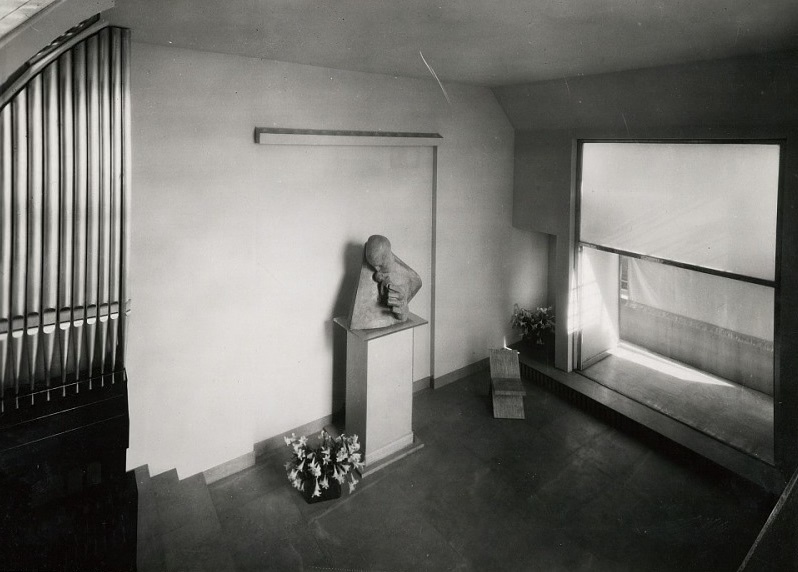
Interior from Antoni Cierplikowski’s hallway in the apartment Sara Lipska designed for him with stairs made of glass. Photos: Found online.
Interior from Antoni Cierplikowski’s bedroom in the apartment Sara Lipska designed for him. The famous glass coffin. Photos: Thérèse Bonney, Smithsonian Libraries
Antoni Cierplikowski in his famous glass coffin/bed that Sara Lipska designed for him. Photo: The Marta Orzeszyna collection.
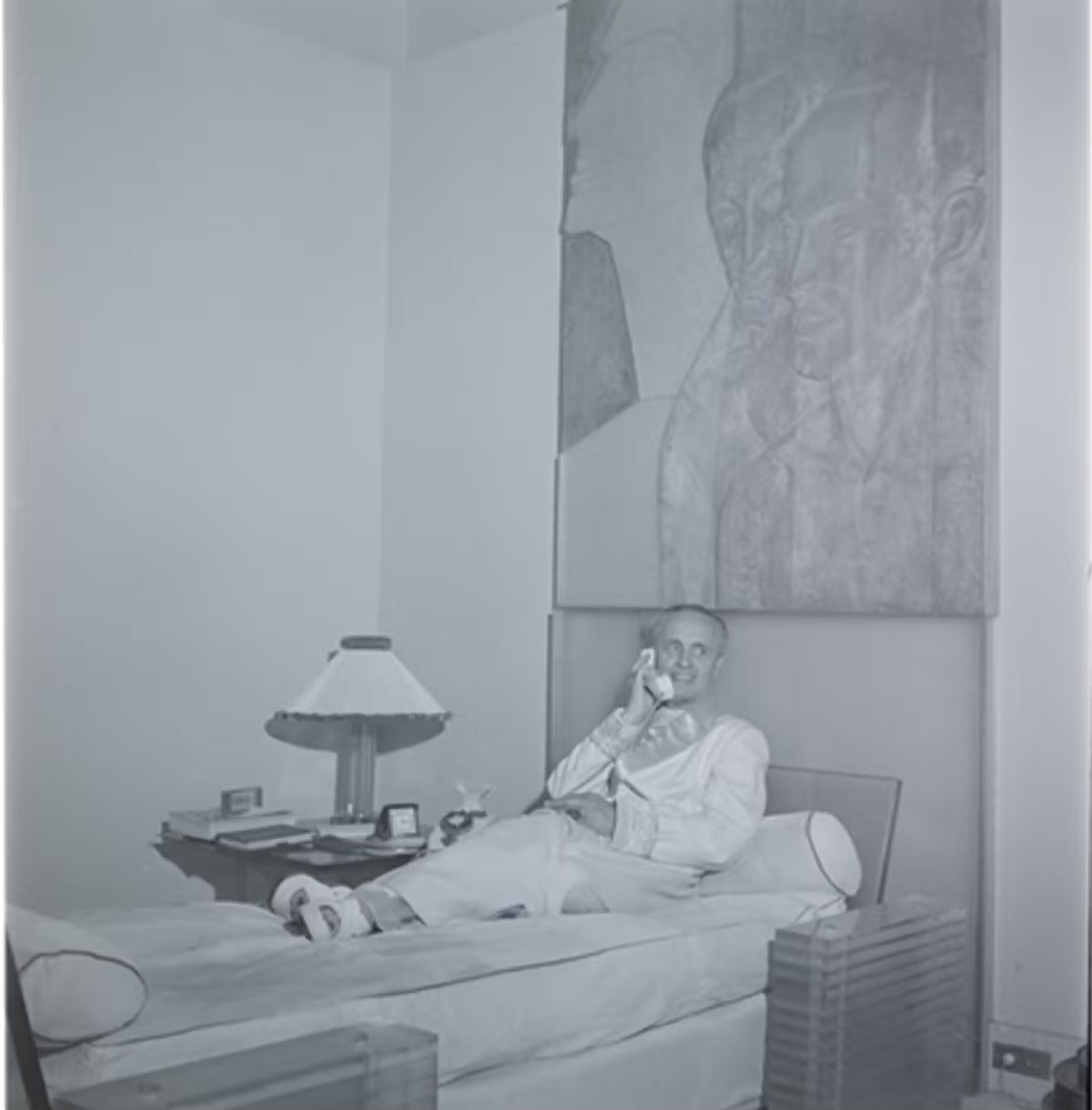
Interior from Antoni Cierplikowski’s bedroom – in the apartment Sara Lipska designed for him – in what looks like another bed made of glass. Photos: Found online.
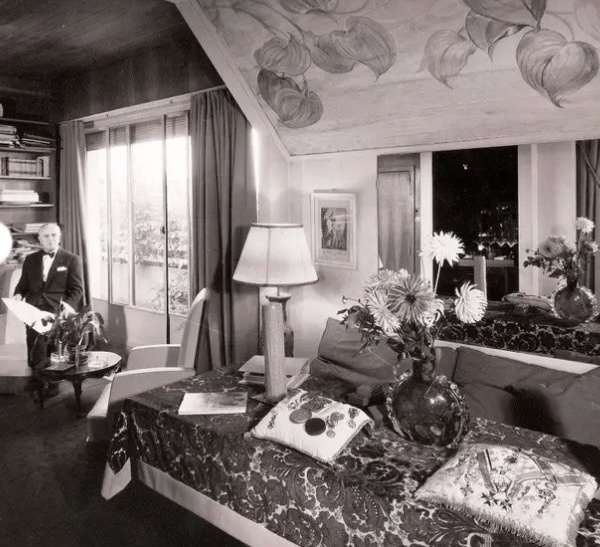
Interior from Antoni Cierplikowski’s livingroom in the apartment Sara Lipska designed for him. Photos: Found online.
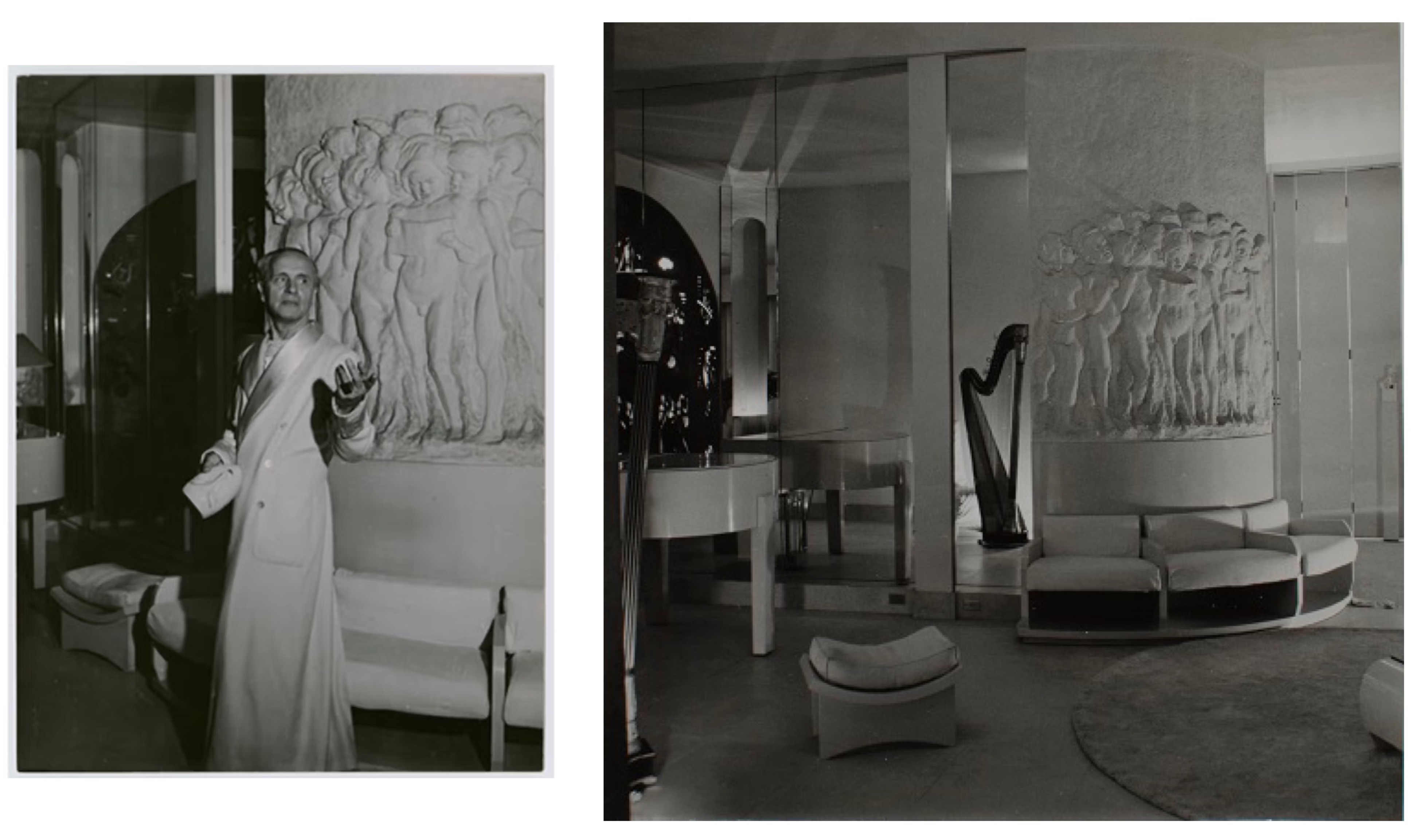
Antoni Cierplikowski in his living room in front of the wall frieze that – if I understand it correctly – Sara Lipska created. Photos: Found online.
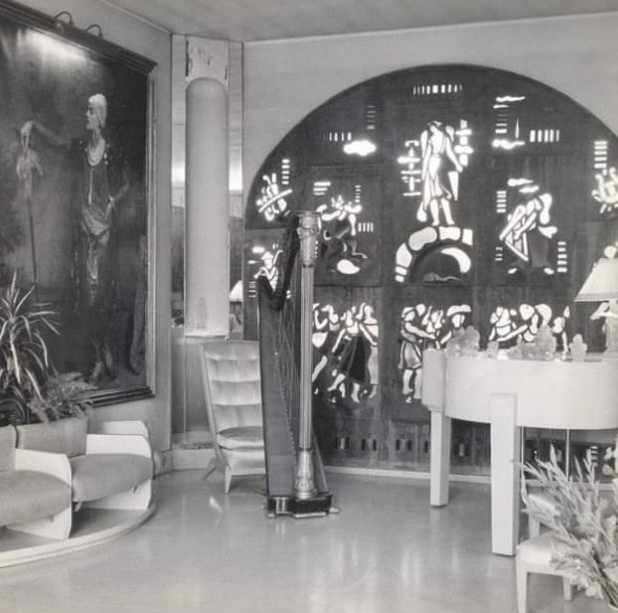
Interior from Antoni Cierplikowski’s living room in the apartment Sara Lipska designed for him. Photos: Found online.
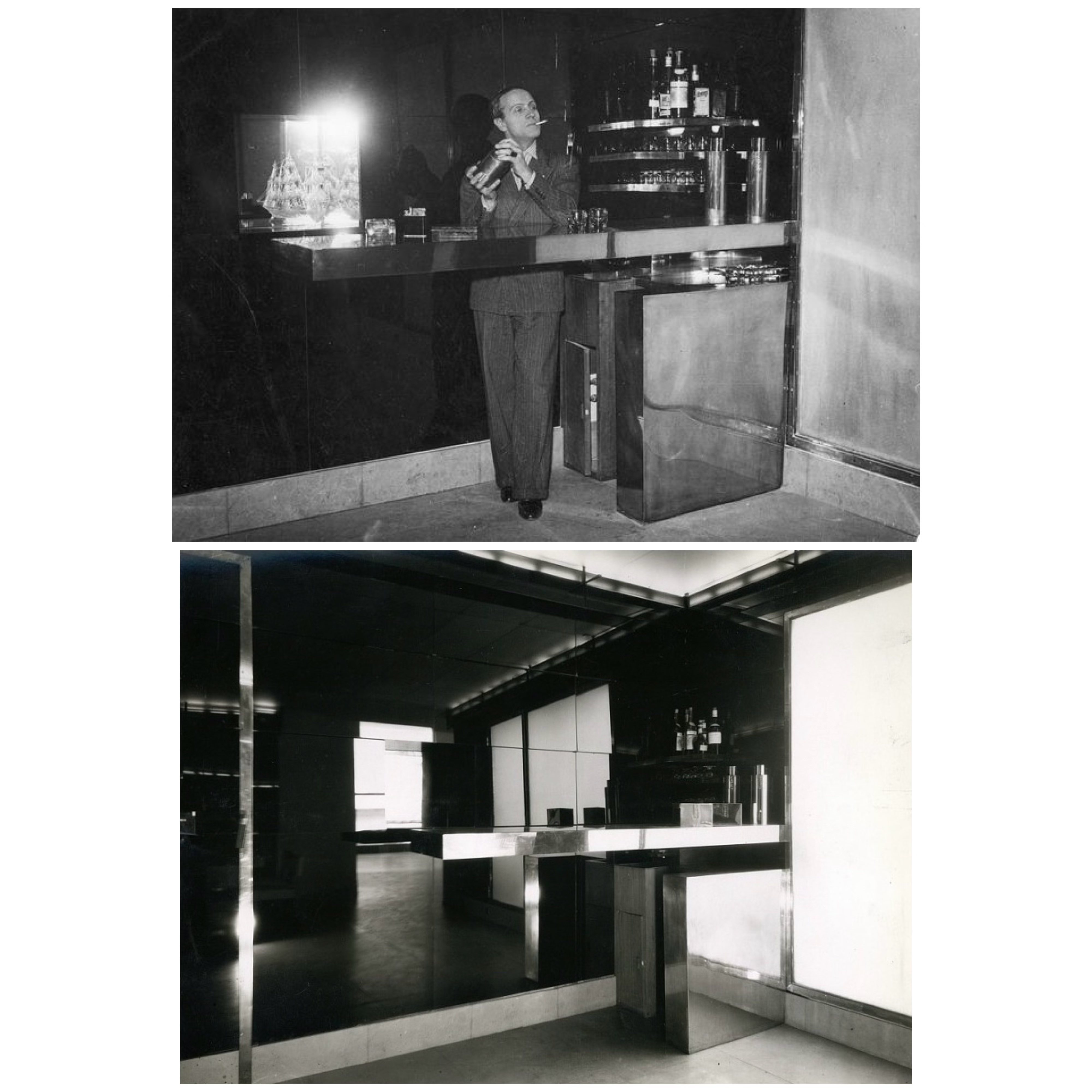
Antoni Cierplikowski’s bar made from glass and mirrors in the apartment Sara Lipska designed for him. Photo above: vogue.pl Photo bellow: Thérèse Bonney, Smithsonian Libraries
Interior from Antoni Cierplikowski’s living room in the apartment Sara Lipska designed for him. Photo: Found online.
Interior from Antoni Cierplikowski’s living room in the apartment Sara Lipska designed for him. Photos: Found online.
“Triplex apartment occupies the top floors of a Haussmann-style building constructed in 1895 by architect Albert Labouret and raised in 1927 by Charles Thomas in a modern style, at the request of Antoine Cierplikowski, a renowned avant-garde hairdresser of the Roaring Twenties. The Polish-born painter, stylist, sculptor, and decorator Sarah Lipska designed the interior layout and décor of the space.”
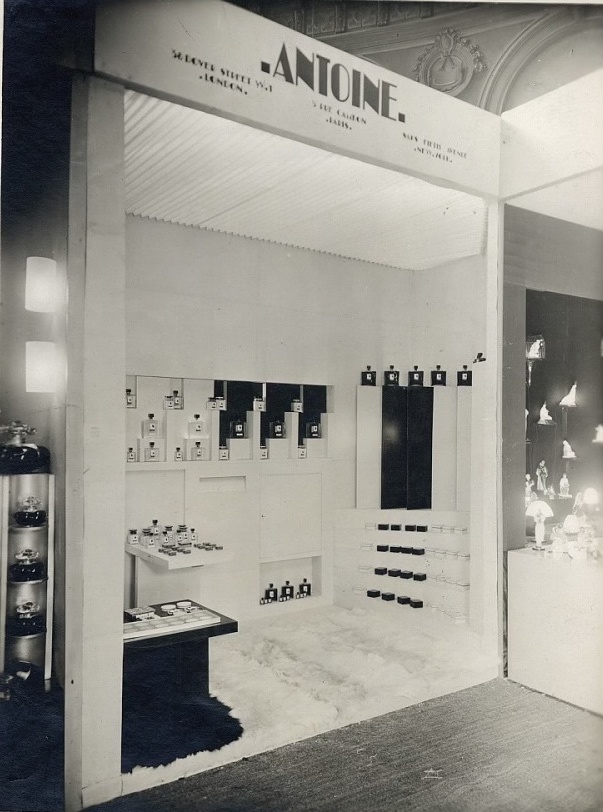
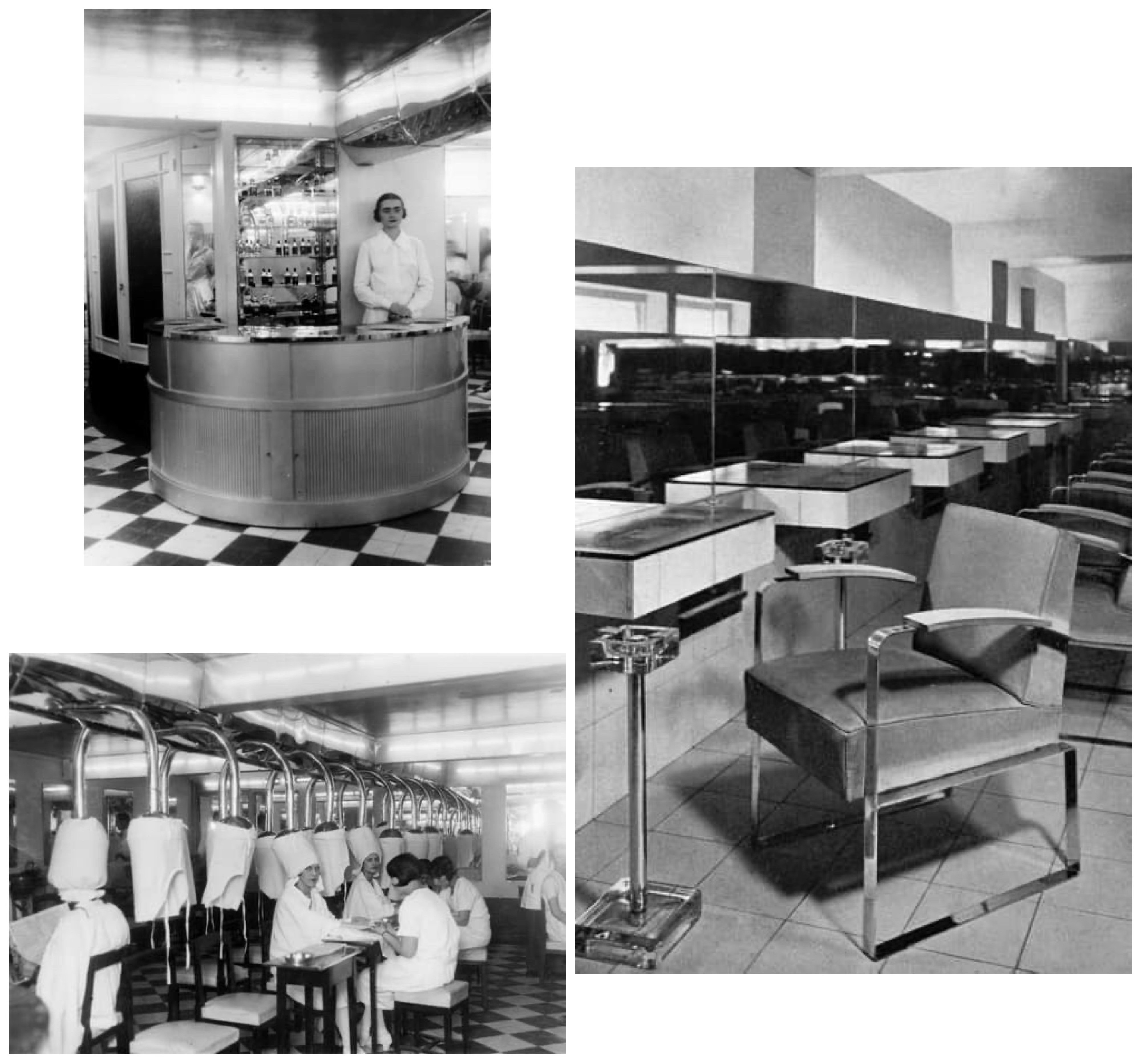
At the Salon des Parfums in 1927, Sara Lipska designed this modern stand with ivory elements for Antoine de Paris.
The Antoine de Paris salon at Rue Cambond, designed by Sara Lipska. The salon went over the yers from a boudoir style to a minimalistic, sleek art déco aesthetic. Photos: Photos: Thérèse Bonney, Smithsonian Libraries
Antoine de Paris/Antoni Cierplikowski. Photo: 3seaseurope.com
Sara Lipska – the allround designer and artist
But already in 1929 another apartment had drawn attention to itself: the apartment of the American millionaire Templeton Crocker. The project was a joint venture between Jean-Michel Frank, Jean Dunand, Pierre Legrain and Sara. A group American Vogue described as the best designers inFrance. For her friend Helena Rubinstein, the cosmetics entrepreneur and founder, Sara designed boutiques interiors as well as packaging, bottles and advertising materials for her cosmetics.
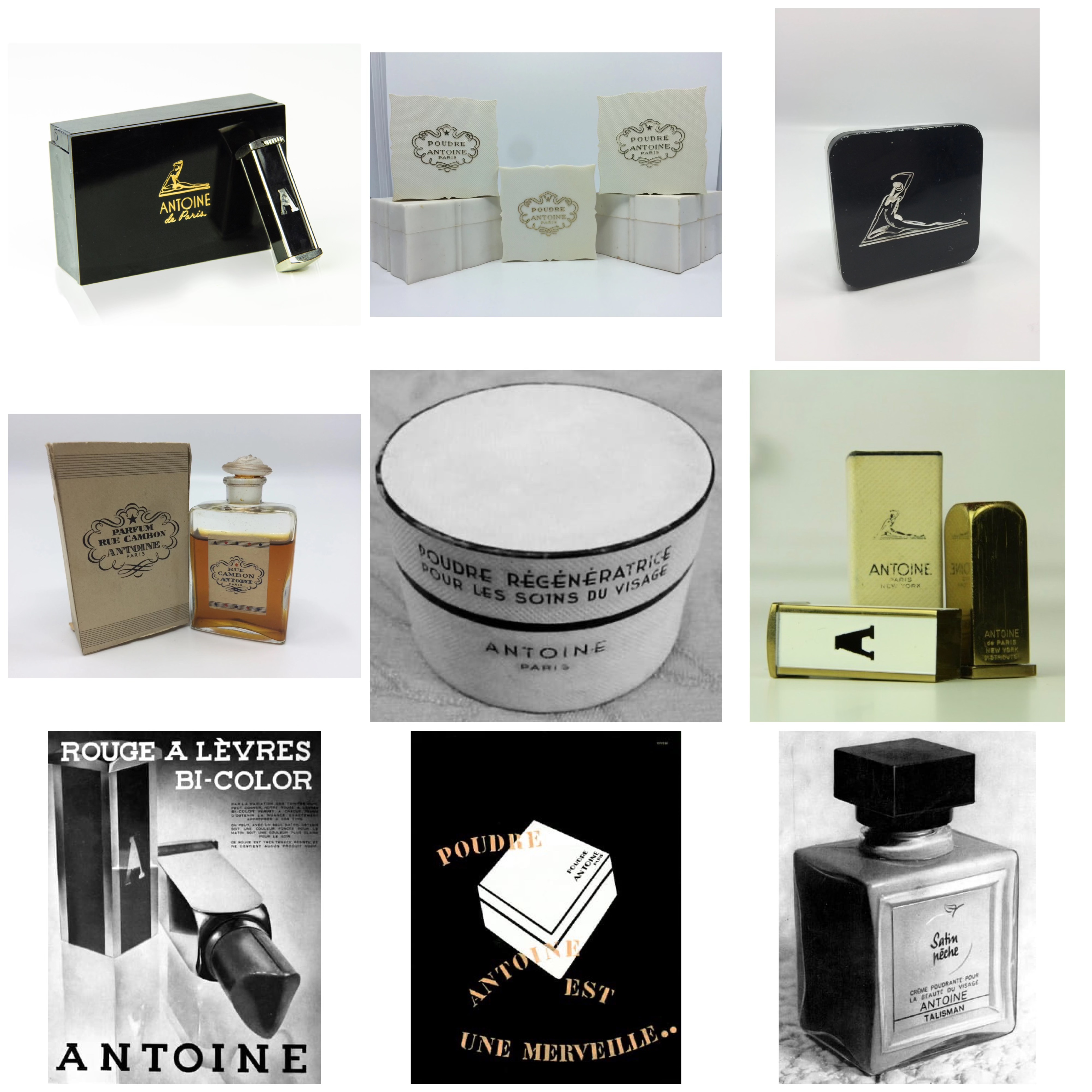
Different cosmetics containers designed by Sara Lipska for Antoine de Paris. Photos found online,
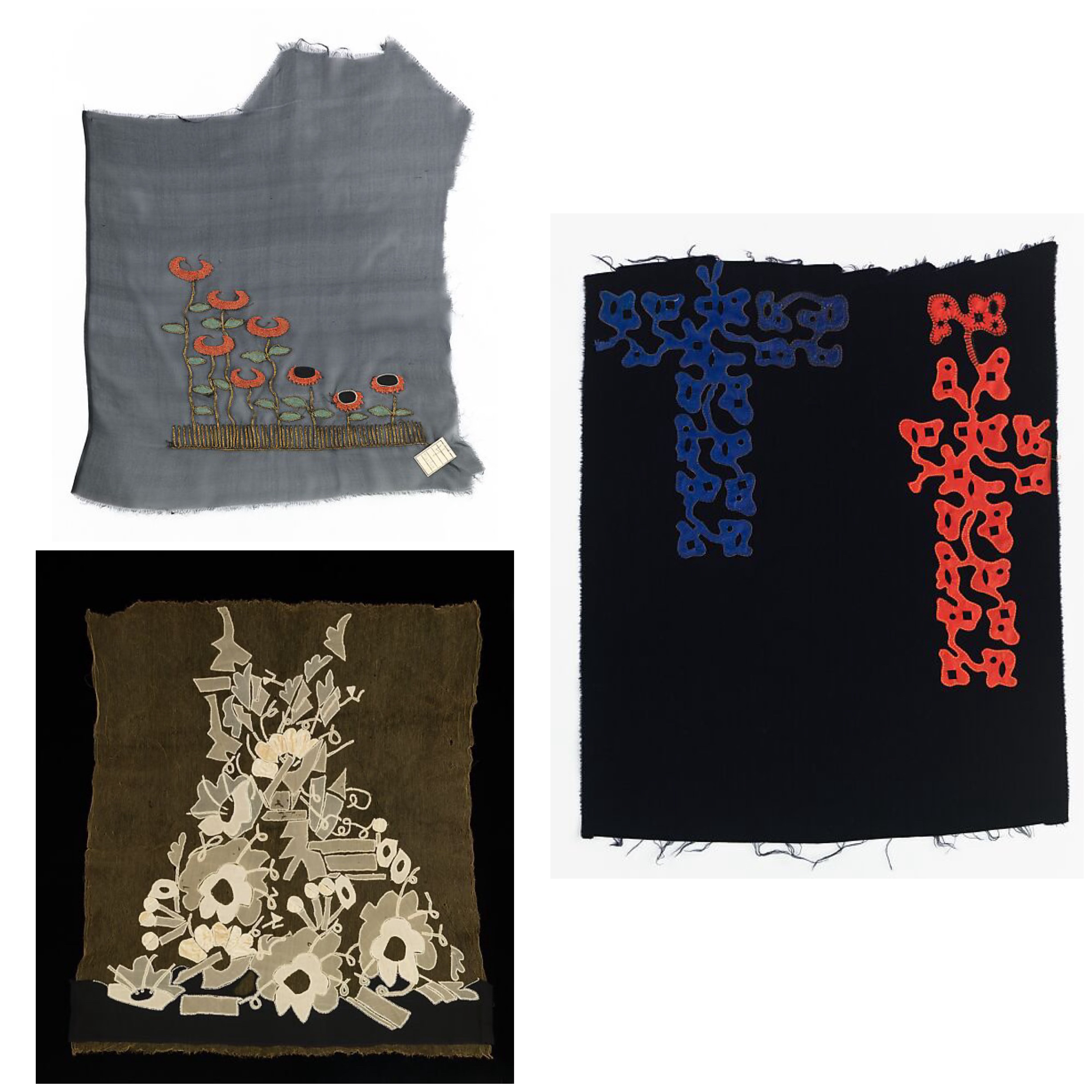
No matter what art form Sara Lipska’s work combined Art Déco’s geometric precision with organic, anthropomorphic forms, always blending and consistently blurring the boundary between fine art and functional craftsmanship. Her theatrical designs often emphasized bold silhouettes, stylized forms and expressive color, aligning her closely with the experimental spirit of the interwar period. Many of them she created with André Mare, the French painter and textile designer who is considered one of the founders of the Art Déco movement. Together they worked on several theatre projects, designing sets and costumes that pushed the boundaries between fine art and applied art.
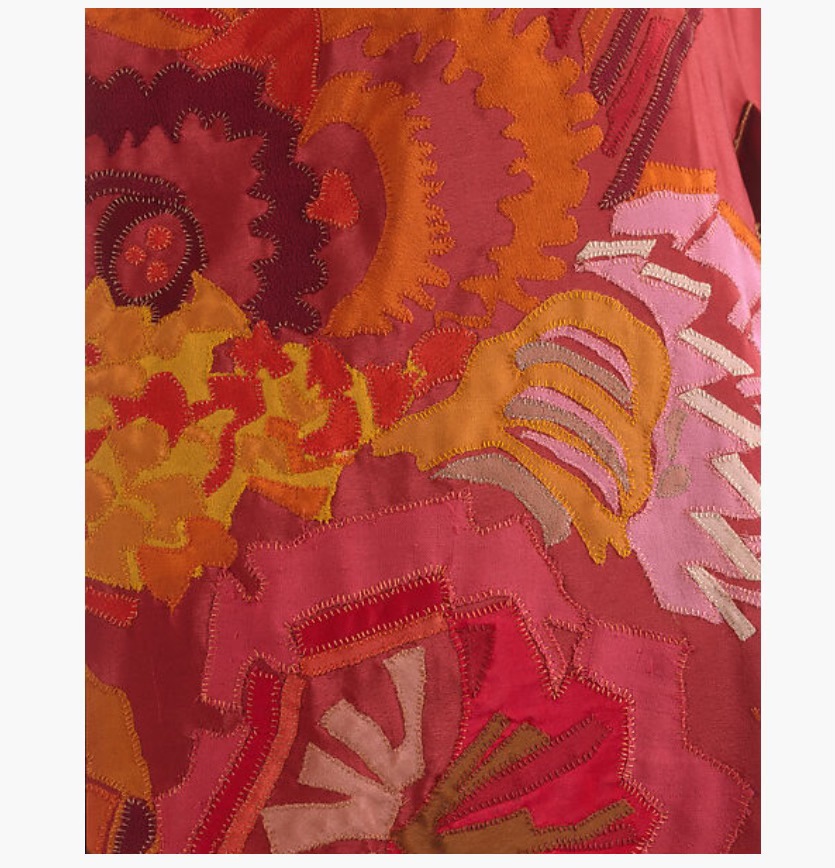
Close-up of fabric from dress from circa 1928 by Sara Lipska. Photo: palianshow.wordpress.com
Different fabrics designed by Sara Lipska. Photos found online.
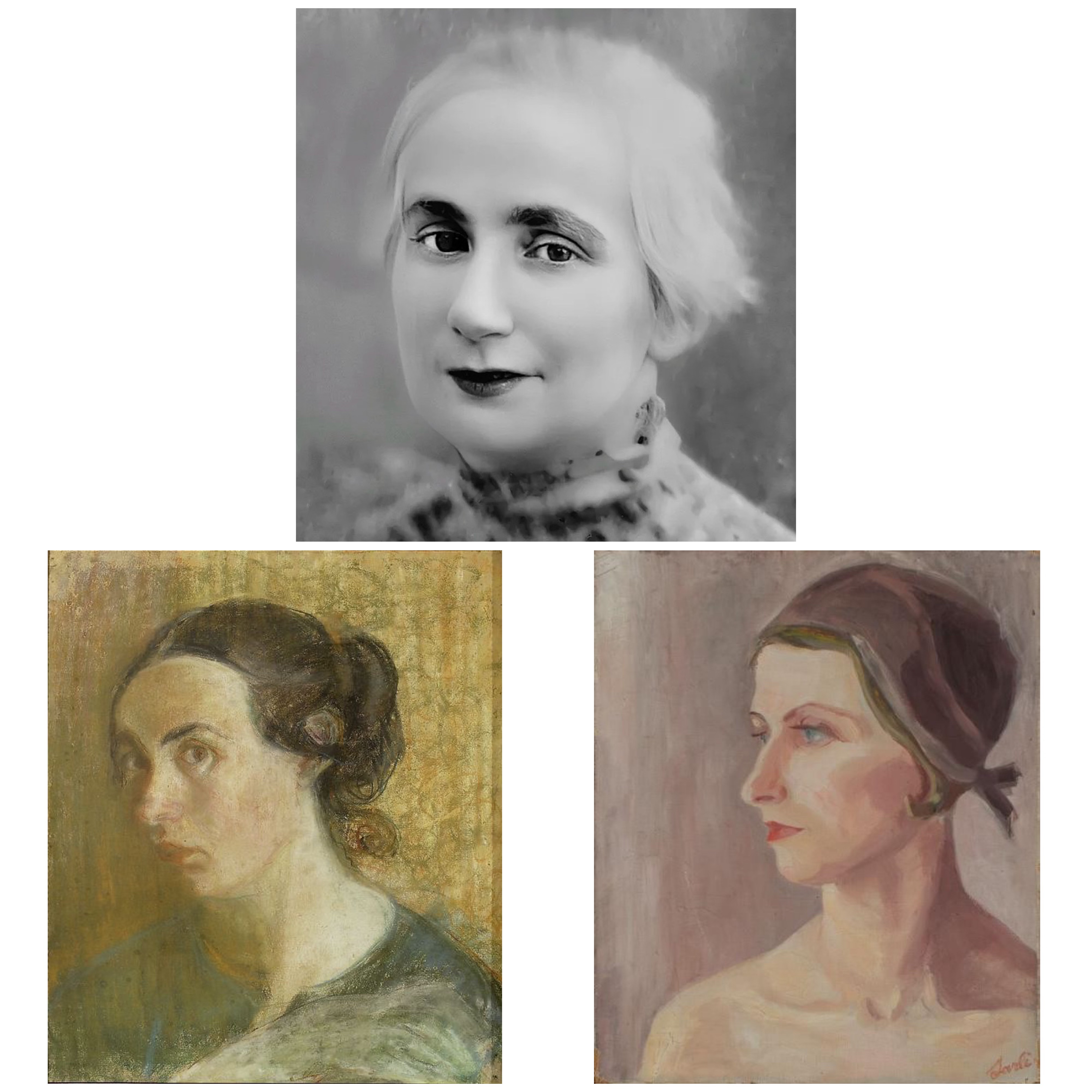
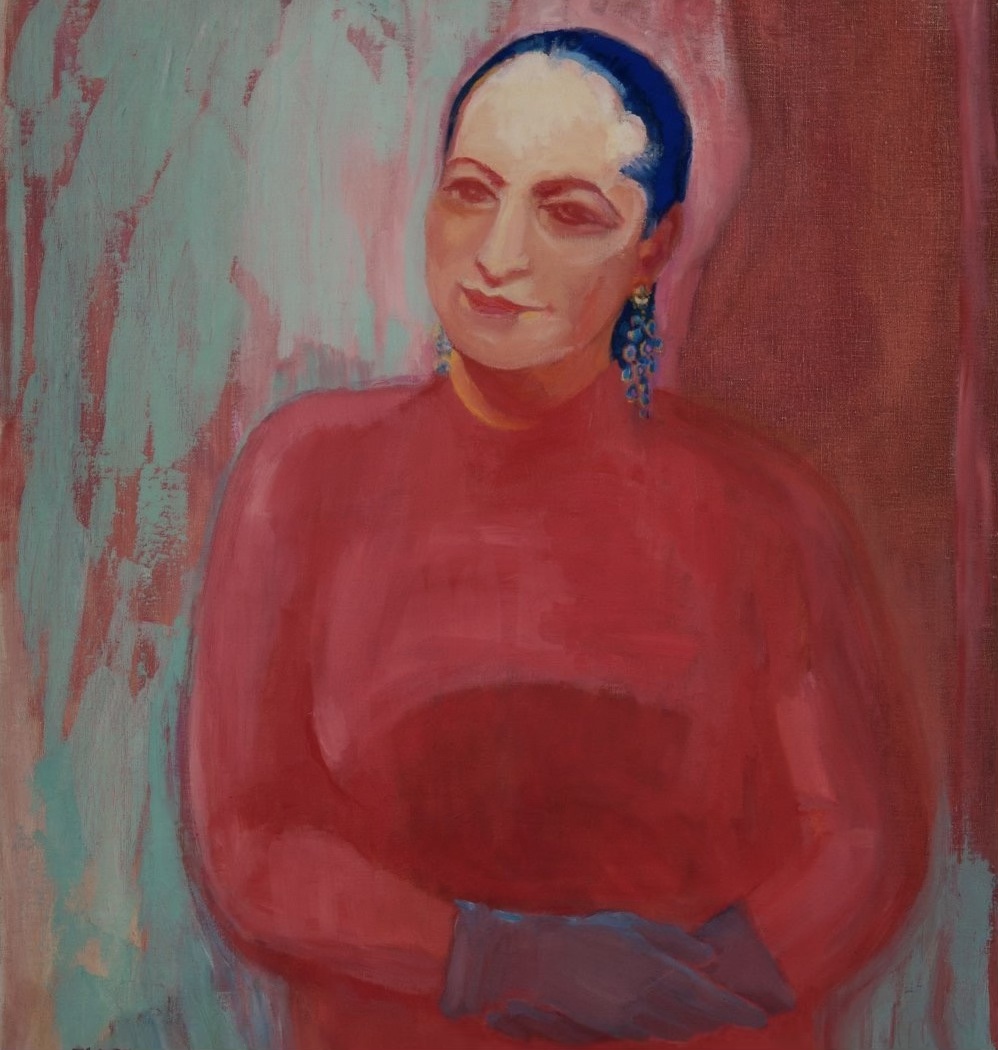
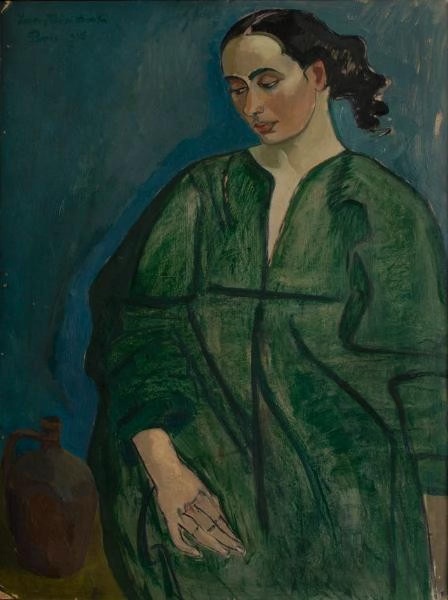
Sara Lipska. Photo: Marta Orzeszyna. Oil portraits of Sara by Xawery Dunikowski. Private collections. Portrait photos: Found online.
The shows
Sara Lipska exhibited at the Paris Salons and participated in the major international exhibitions. At the 1925 International Exhibition of Decorative Arts she was awarded a gold medal for her embroidered tapestries. She also exhibited at the 1931 Colonial Exhibition and the 1937 International Exhibition “Art and Technology in Contemporary Life” in Paris.
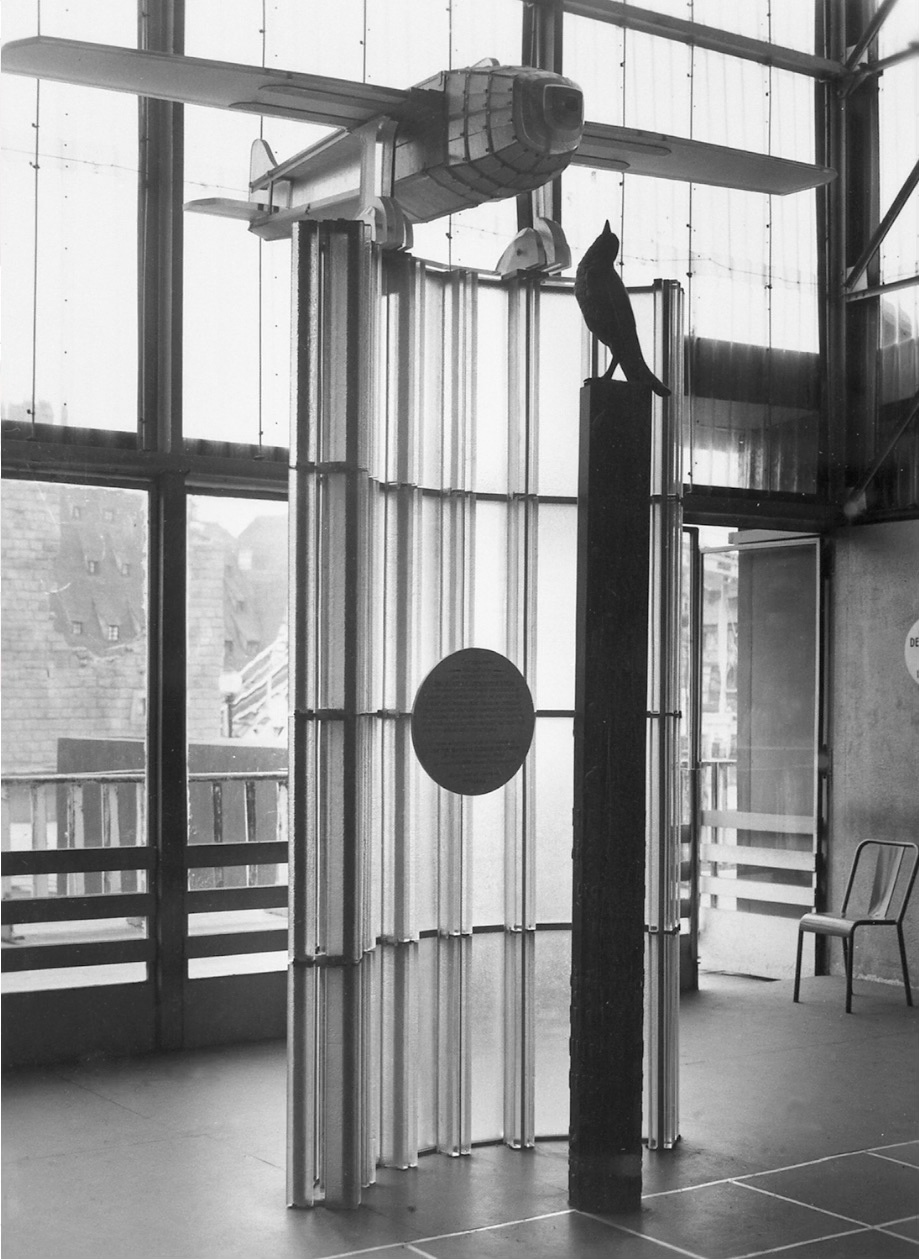
Oiseau et l’avion, by Sara Lipska at Great Exhibition of Arts and Techniques in Paris, 137 at the Aeronautics Pavilion. The airplane was designed by René Riout. Photo: awarewomenartists.com
The car crash
At car accident in 1929, undermined Sara Lipska’s health and slowed her career. Despite few others of her contemporaries so fluently moved across fine art, textile, fashion, stage design and interior decoration this interruption – perhaps combined with war, displacement and the difficulty of categorising her practice – may explain her name is not among those that scream the loudest in the history of modern design. After the accident Sara Lipska had to relearn French and was denied French citizenship as a result. In 1939, according to her daughter Maria Xawery Dunikowska, she was also forced to close her Champs-Élysées boutique.
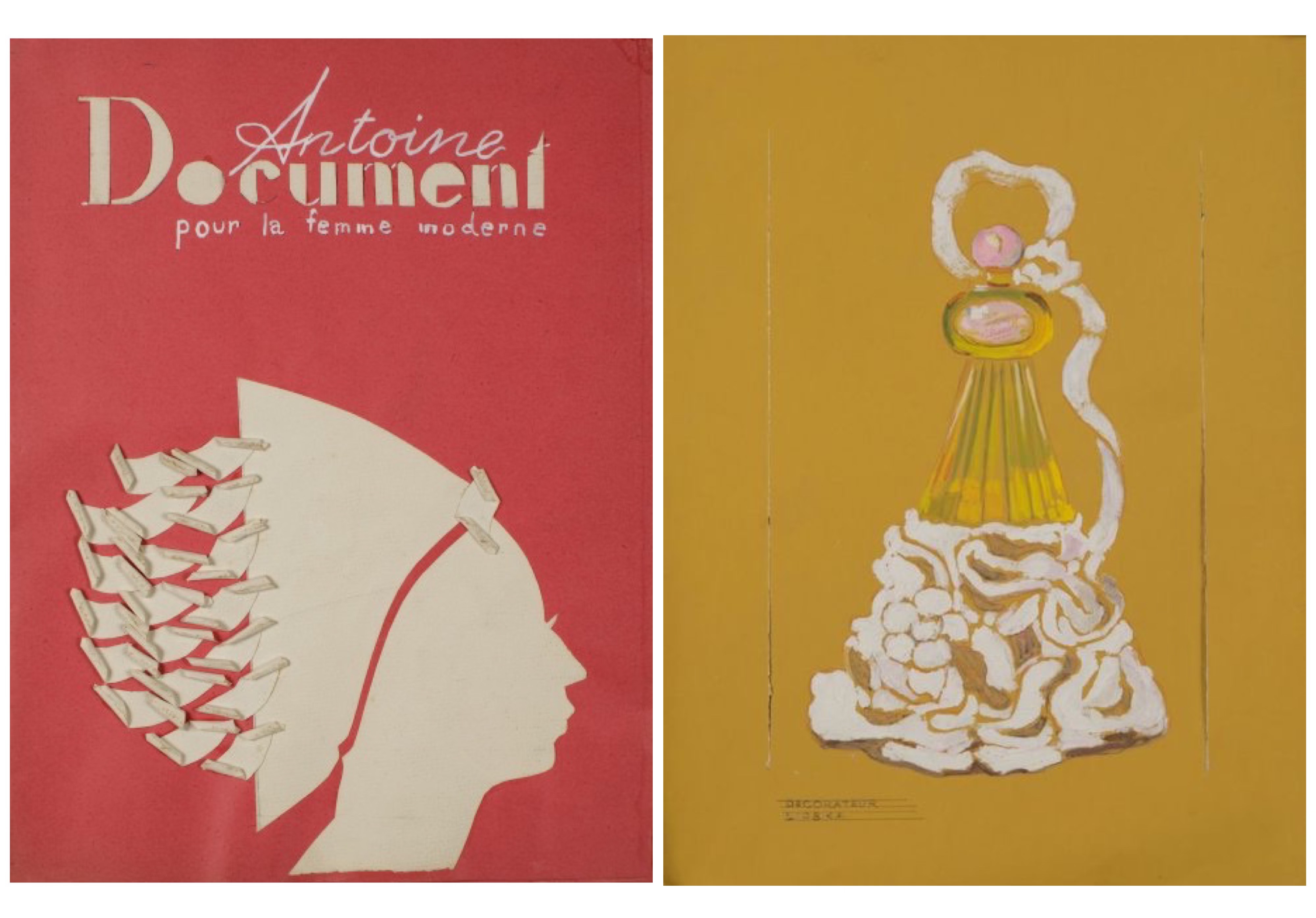
Throughout these years, Lipska continued working as a sculpture – using a wide range of materials, including wood, cement, and stone – while also painting, landscapes but perhaps more importantly portraits of her friends and contemporaries. People like Colette, Natalie Paley, Marchesa Casati, Paul Poiret, Sergei Diaghilev, Prince Paul Murat and Artur Rubinstein. She also illustrated books and was responsible for the graphic design of the exclusive magazine Antoine-Document: pour la femme moderne, a magazine devoted to fashion and culture, published between 1932 and 1937 by Antoni Cierplikowski.
The magazine Antoine-Document: pour la femme moderne and a sketch of a perfume bottle perhaps for Maison Myrdor.
The actress Colette, the pianist Arthur Rubenstein and the cosmetics entrepreneur Helena Rubenstein. All portraits by Sara Lipska.
During World War II, Lipska lost her brother and many other family members in the Nazi concentration camps. She and her daughter survived but spent the war in hiding. Dunikowski were imprisoned in 1940 and survived Auschwitz. After the war, the couple resumed contact after the war.
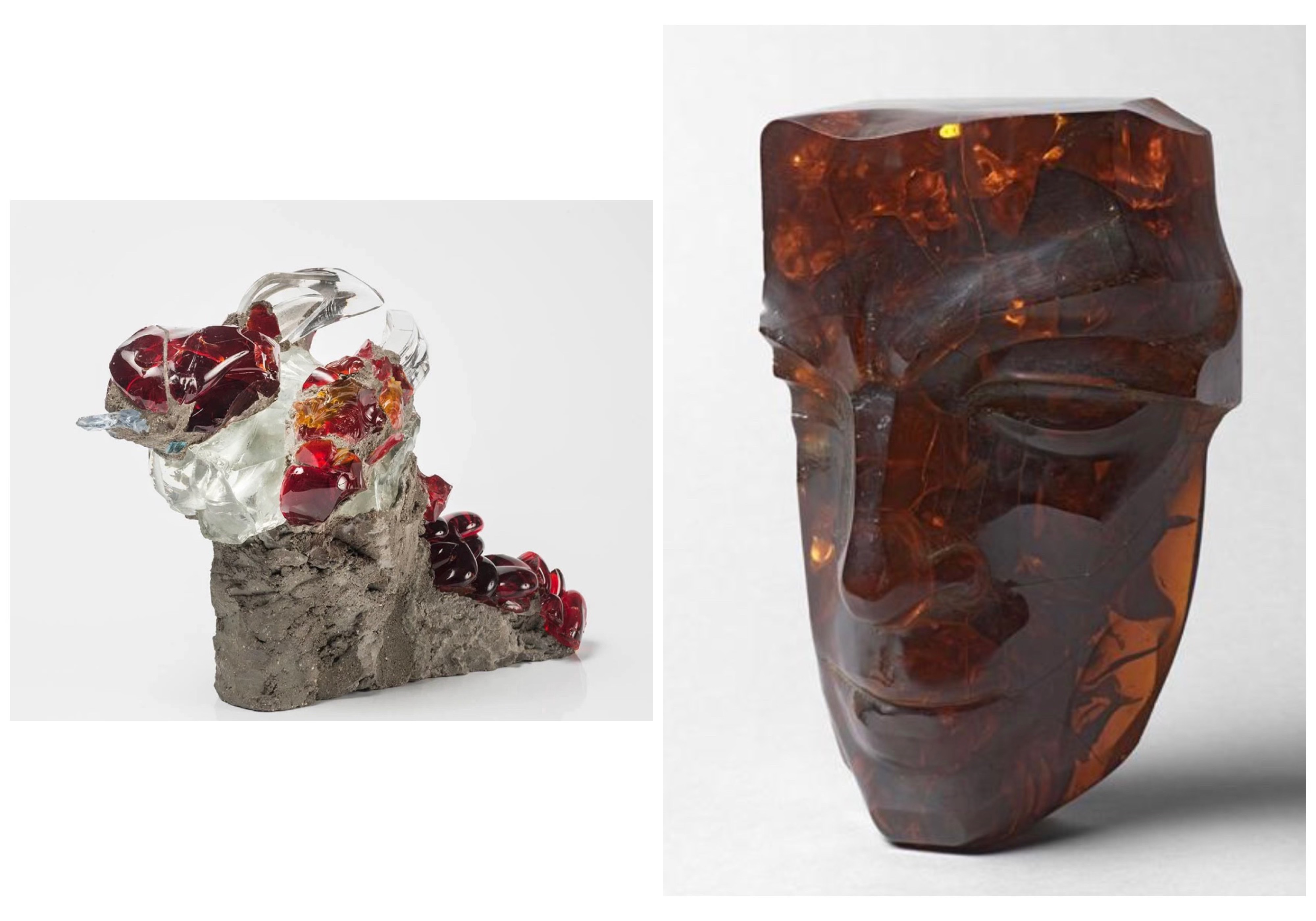
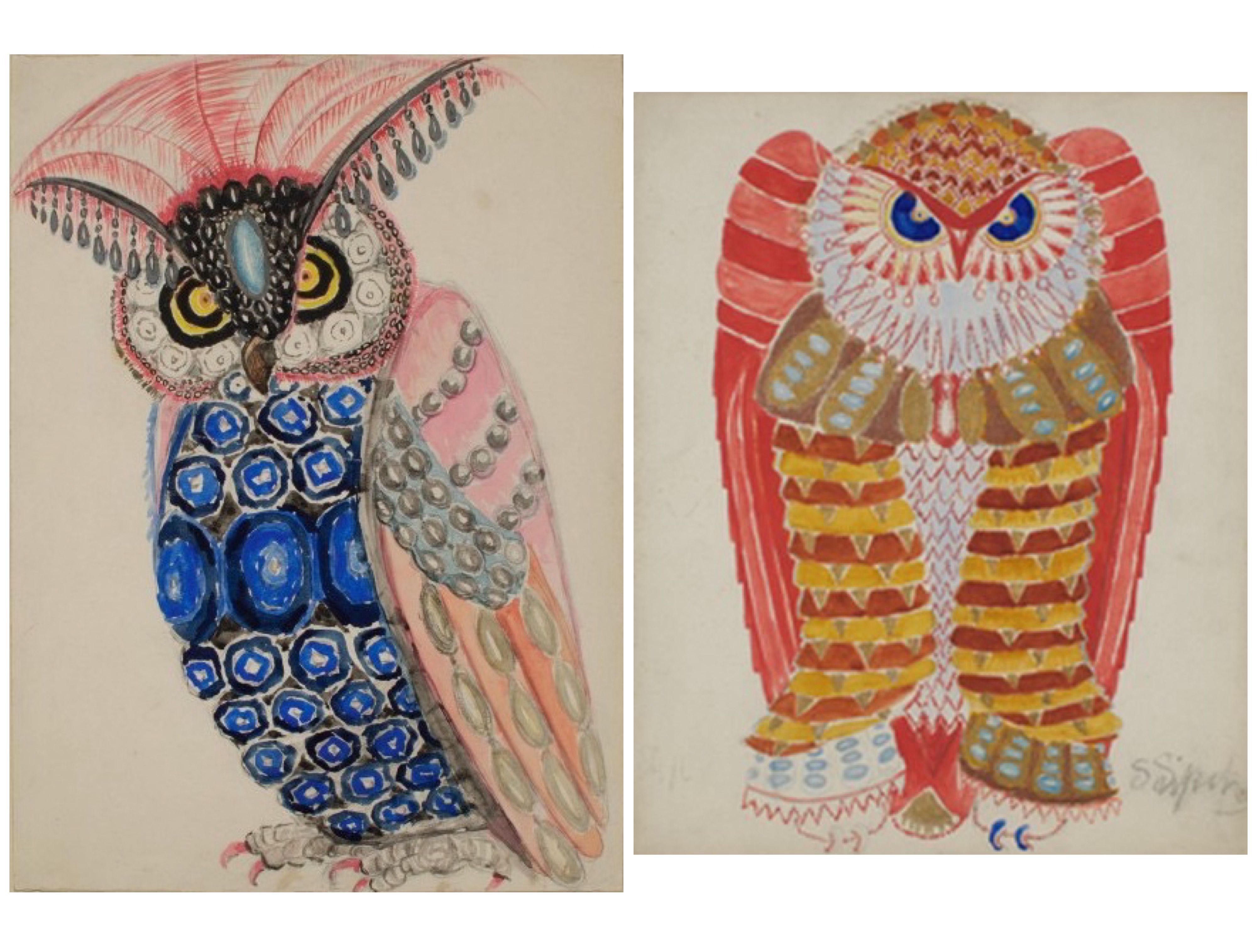
In 1953, Sara Lipska designed a monument to the socialist leader Léon Blum, erected in Narbonne. She also created a bust of Cierplikowski and produced works as the bas-relief The Birth of Venus. In the late 1950s, Lipska turned increasingly on ornithological motifs and collaborated with the Nature Conservation League, for which she created brochures, badges, stamps, and posters. Birds, a reccurring theme throughout her life, never left her work.
One of her last sculptures, Head of Artur Rubinstein (above), was presented in 1963 at the Salon de l’Art Libre held at the Palais des Beaux-Arts de la Ville de Paris.
Sara Lipska died in 1973 at the age of 91.
Two watercolours of owl, Sara Lipksa around 1960. Photos: artdone.wordpress.com
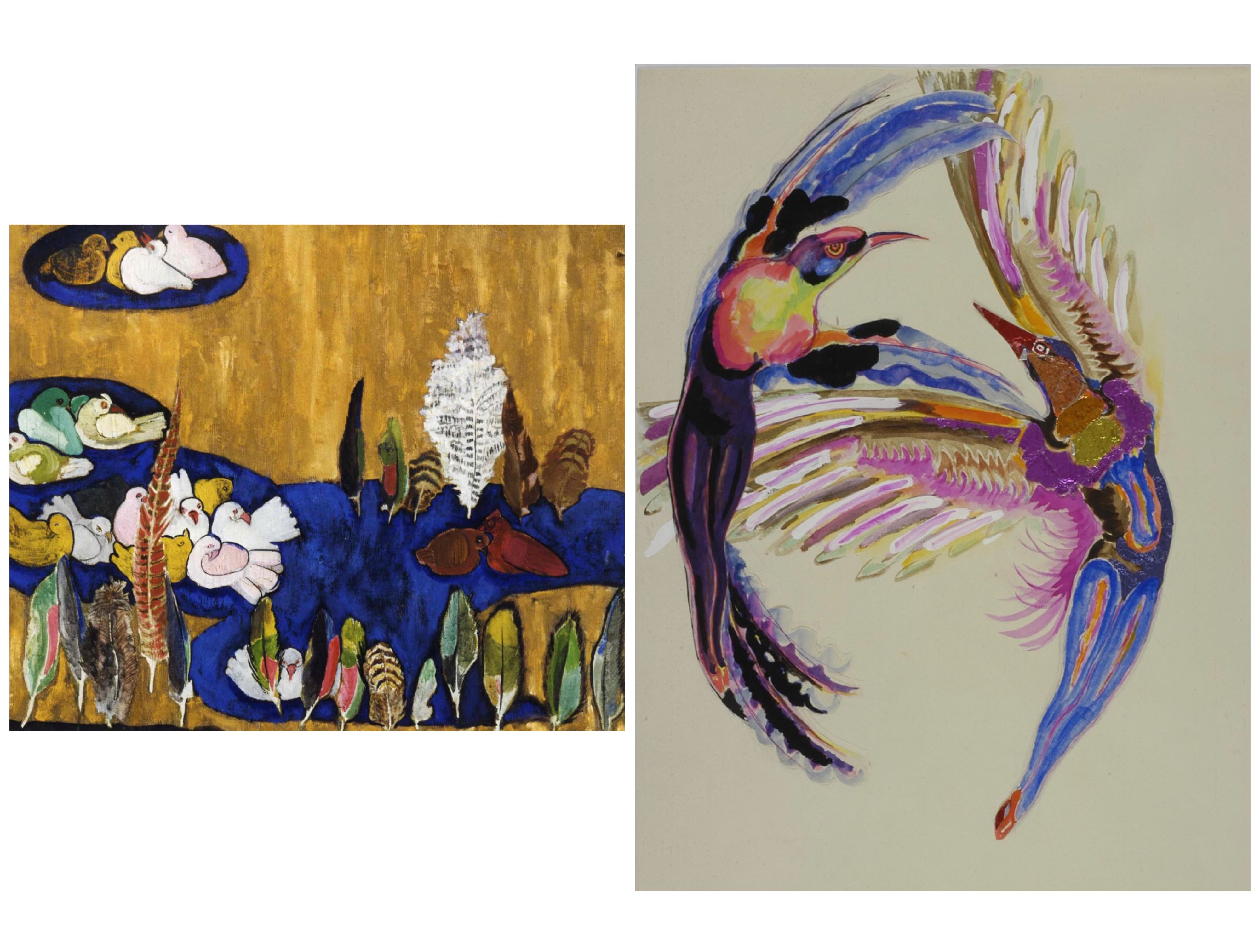
To the left: Paysage avec pigeons, circa 1915-1925, oil on canvas. Musée d’Art et d’Histoire de Meudon. To the right: Maquette de costumes pour le Ballet des oiseaux, circa 1950, watercolour, gouache, ballpoint pen and collage on papier.Musée Sainte-Croix, Poitiers. Both photos: awarewomenartists.com
Sara Lipska’s portrait of her longstanding friend Helena Rubenstein.
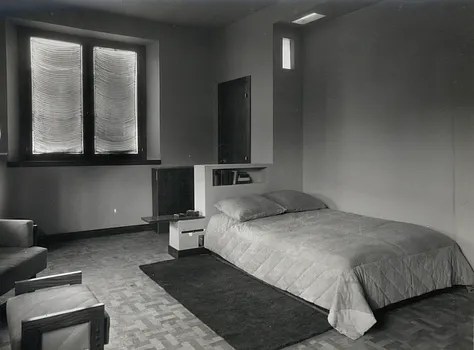
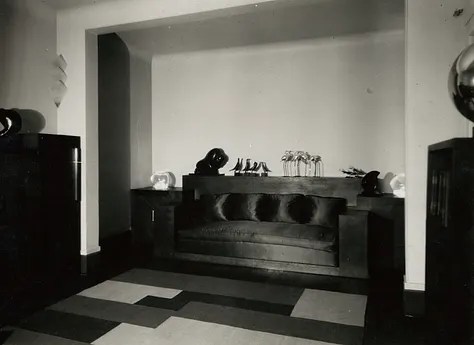
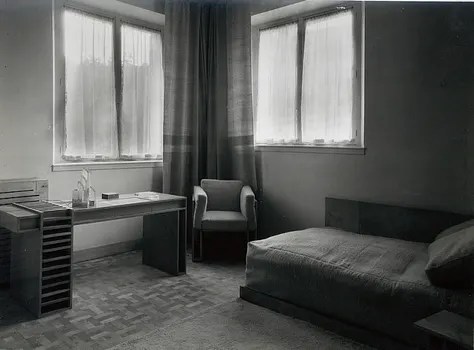
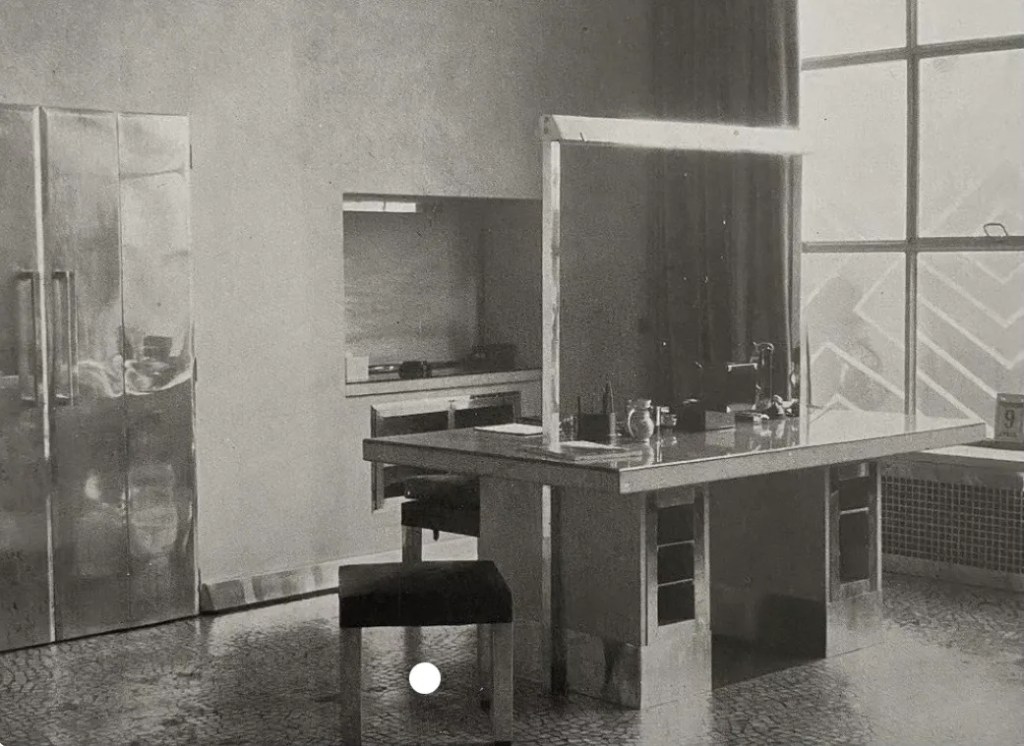
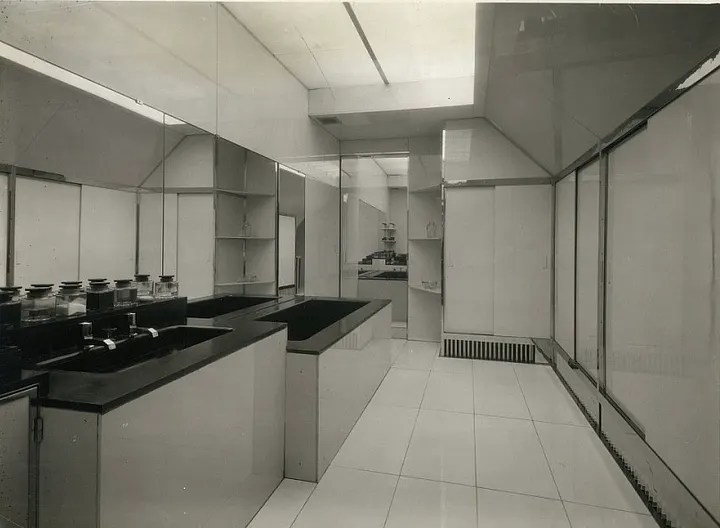
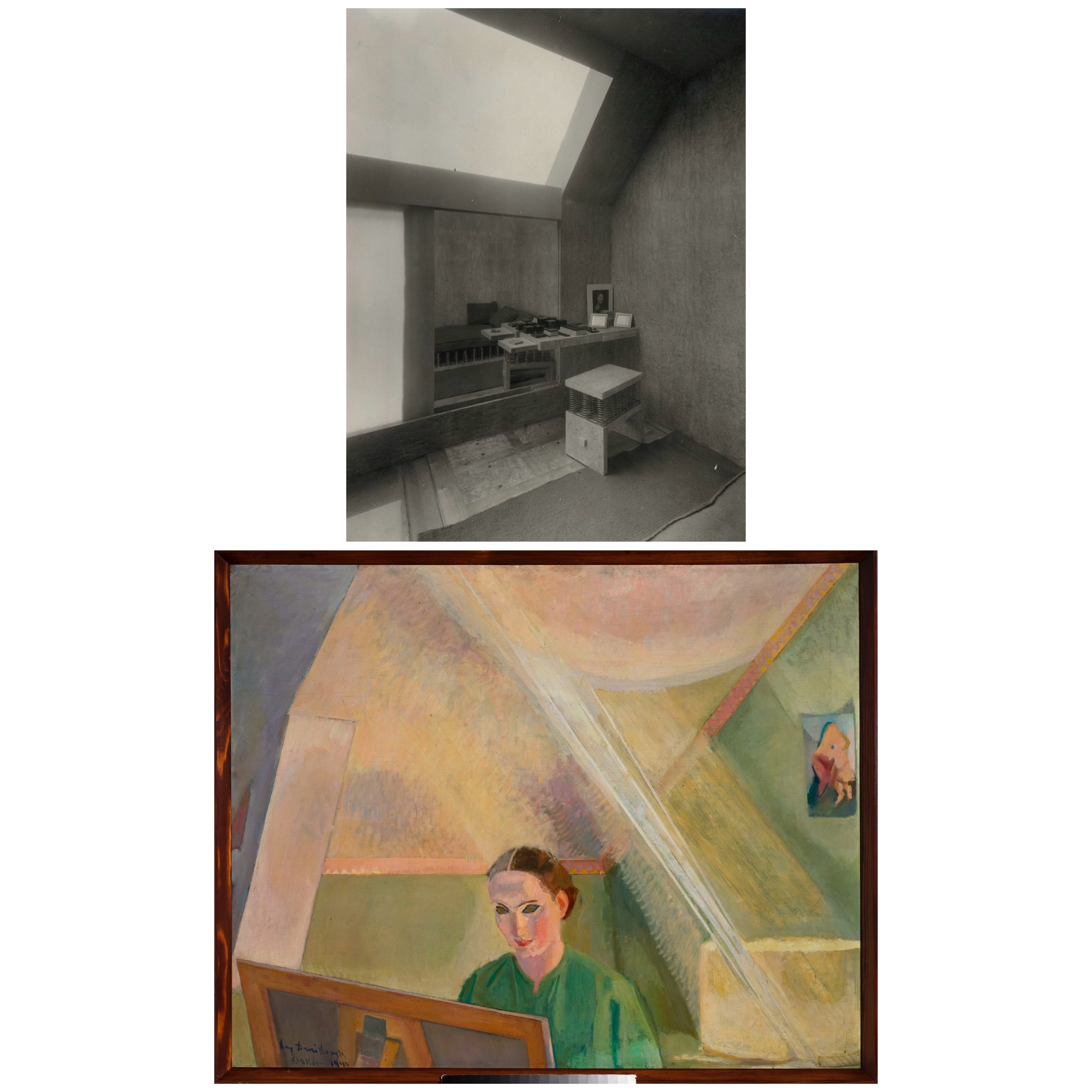
Different interiors designed by Sara Lipska. Photos: Thérèse Bonney, Smithsonian Libraries
The atelier of the printers MM Draeger, in a building by architect Huillier, which Sara Lipska decorated together with Rene Martin. Photo: Found online.
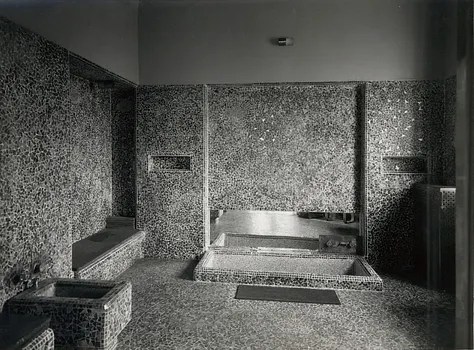
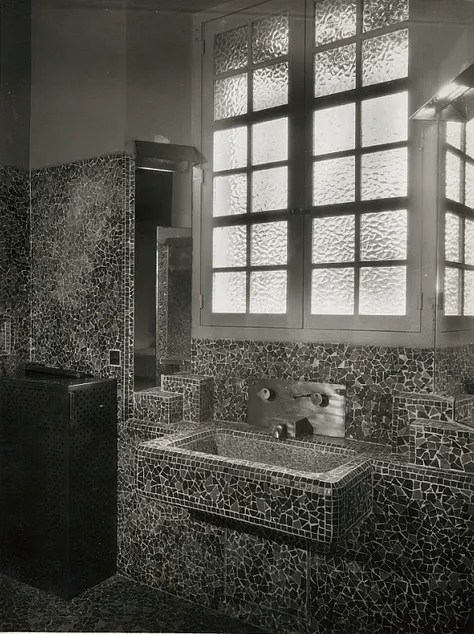
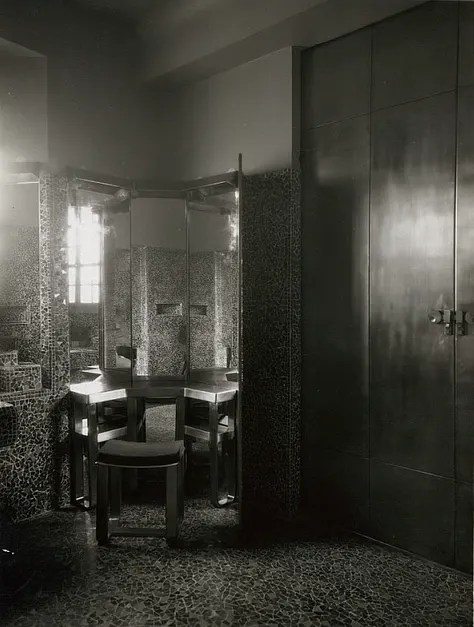
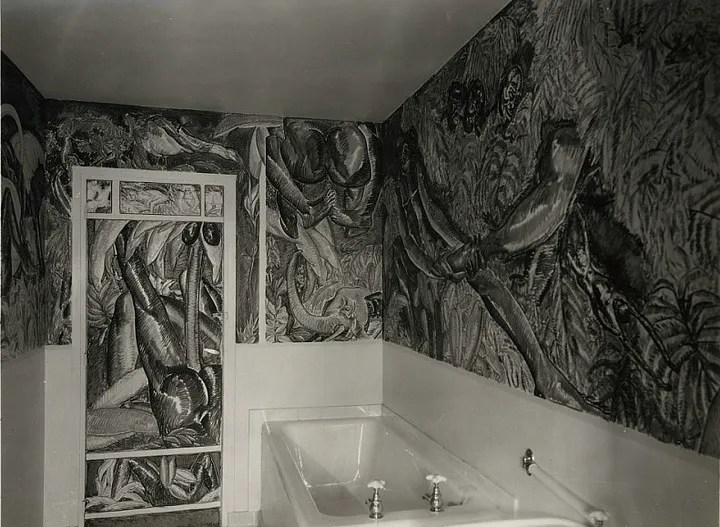
Bathroom designs by Sara Lipska. Top three, Barbara Harrison’s house in Rambouillet, France, circa 1928. Photos: Thérèse Bonney, Smithsonian Libraries.
Above: Bedroom with Indian maple furniture and walls.. Exposed print supports on the stool and bed. Toilet seat in ebony and fold. Designed by Sara Lipska, circa 1933. Thérèse Bonney, Smithsonian Libraries. Bellow: Oil painting of SARA LIPSKA by Xavier Dunikowski. Photos: Found online.
More information about Sara Lipska!
For those of you out there who reads Polish: A biography, from 2012, by Ewa Ziembińska tells the story of Sara:Sara Lipska: W cieniu mistrza
Unfortunately, I cannot find the book in English!
More here – I think, I cannot read Polish: Vouge Poland
This is information I found about a thesis on Sara Lipska but I cannot find it:
Anne-Claire Bourget, Sarah Lipska. Une artiste de la mondanité de l’entre-deux-guerres, mémoire de maîtrise en histoire de l’Art. 1998, université de Rennes sous la direction de Xavier Deryng.
Portrait of Sara by Xawery Dunikowski. Private collections. Photo found online.
For a short, short inspirational film with the interiors from the studio of Sara Lipska, clickhere. Scroll to the very end. (Cannot upload videos on my WP plan, unfortunately.)


You must be logged in to post a comment.