The mysterious Fabergé queen
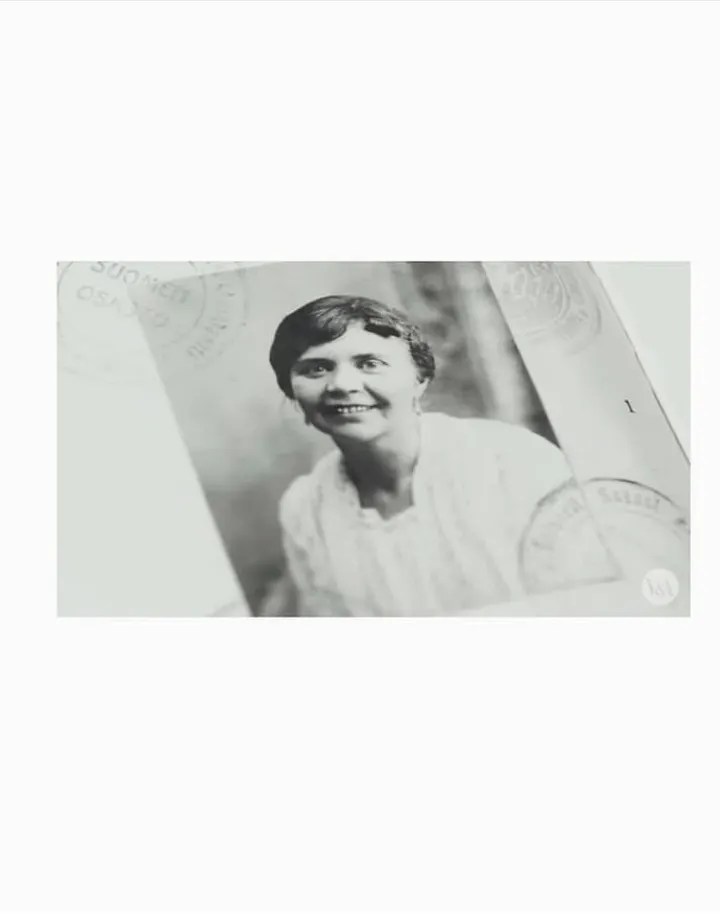
Not only was Alma Pihl – together with her aunt Hilma – one of only two female designers at Fabergé. She was also one of the most successful work masters at the famous jewellery house. So how come we do not know more about her?
It is no exaggeration to say that Alma Pihl was born to her profession. When she first saw the light of day, in Moscow in 1888, it was in a Finnish-Swedish family where large parts of the family were well-known goldsmiths.
Her father was Knut Oskar Pihl, a goldsmith, and her mother Fanny was the daughter of the master goldsmith August Holmström, the head jeweler at Fabergé for more than four decades.
The apprentice
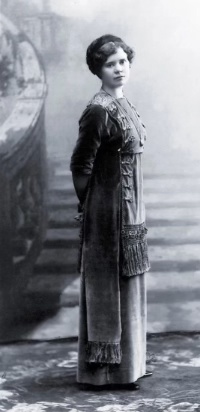
Alma Pihl was mostly self-taught but at 19 she began an apprenticeship in her uncle Albert Holmström’s workshop. She started out as an archivist. As an apprentice Alma Pihl also made life-size model drawings for the Fabergé archives. In addition to the drawings, they contained information about the gemstones and precious metals used in the jewelry, as well as the manufacturing costs of the jewelry.
Very soon, and then still only in her twenties, she started working for Fabergé in 1909.
Enter Nobel
Alma’s talent for design was unique and few years into her career, in January 1911, it was propelled forward by a request from Dr Emanuel Nobel when he ordered forty jewellery pieces by Fabergé.
The pieces were to be innovative but not too expensive as they were to be given away as small gifts to guests at Nobel’s business dinners. It was also important that the jewellery was not too flashy, as not to seem like a bribe.
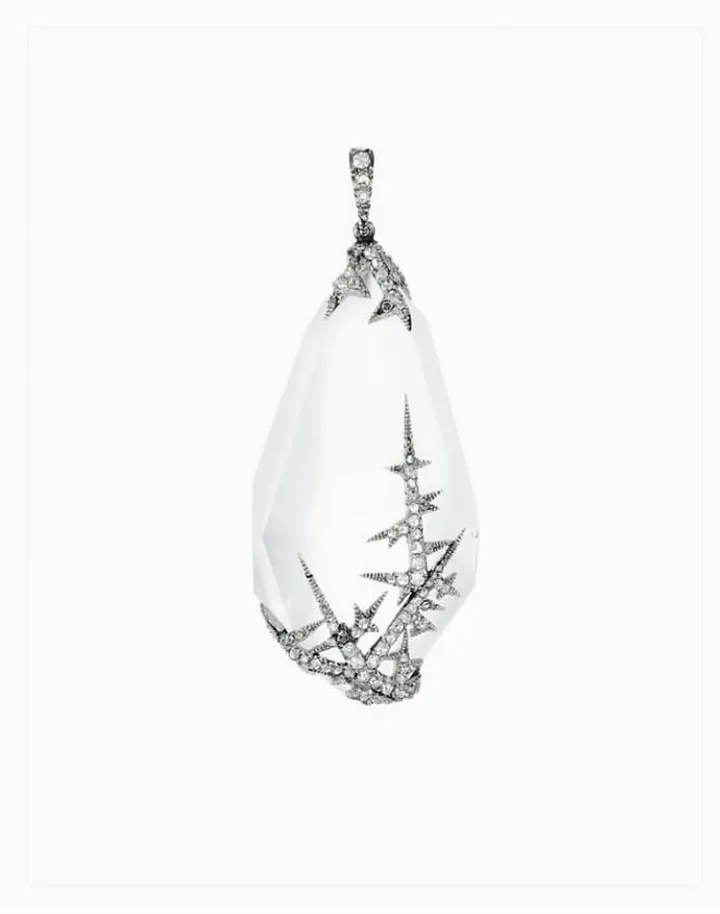
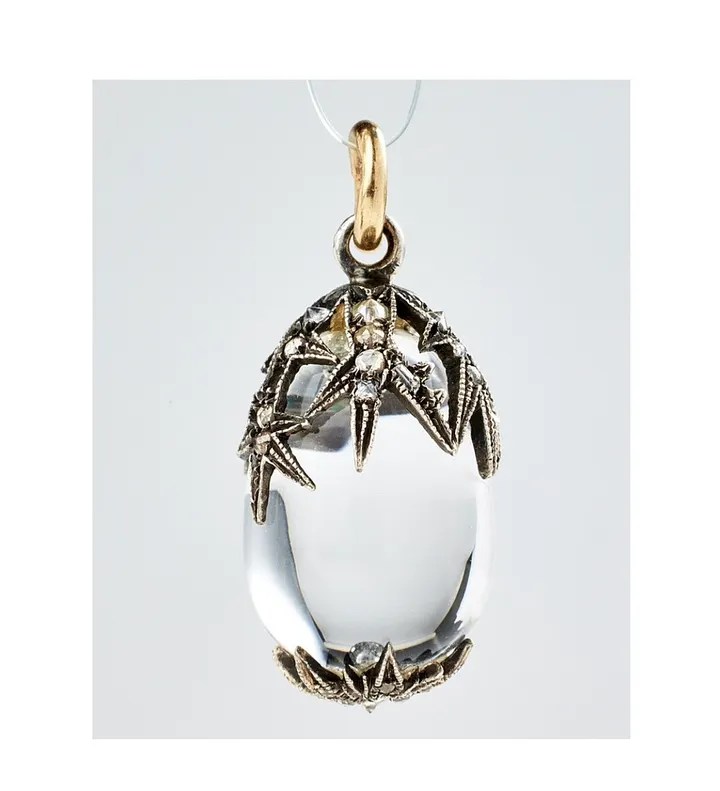
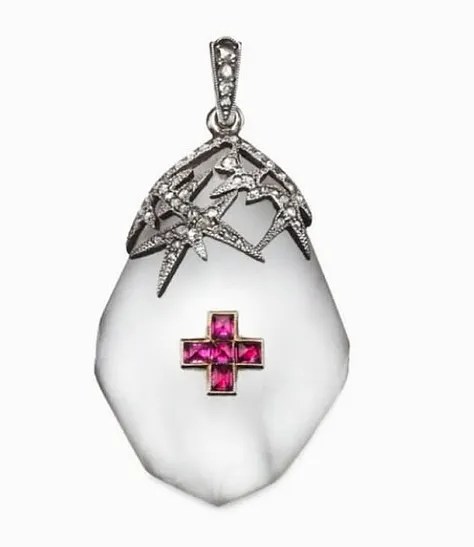
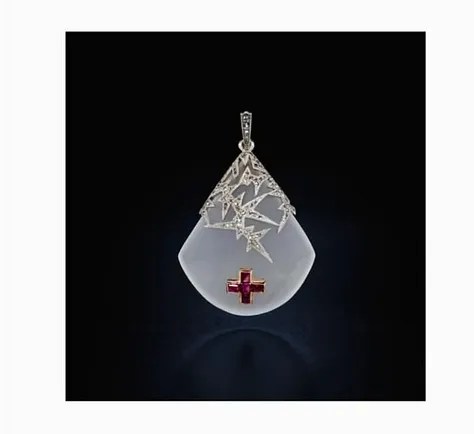
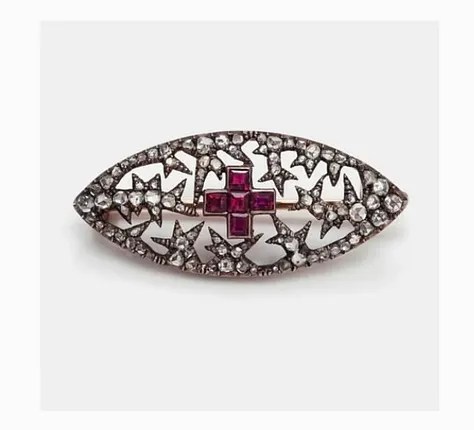
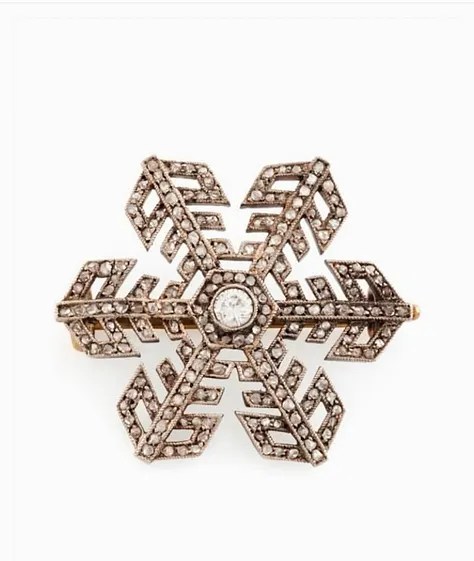
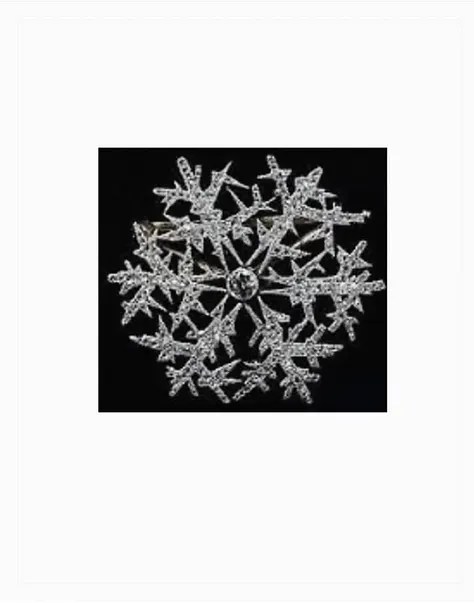
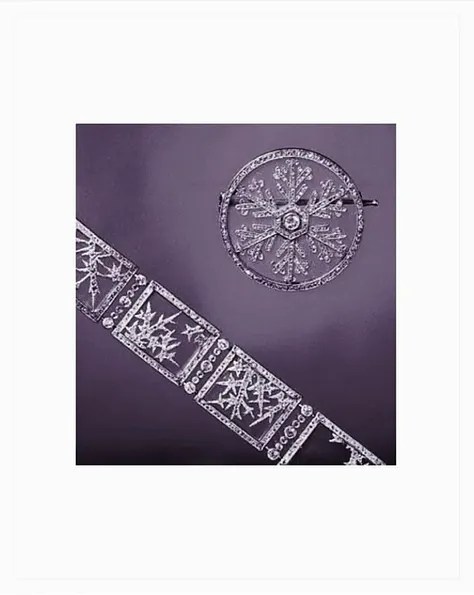
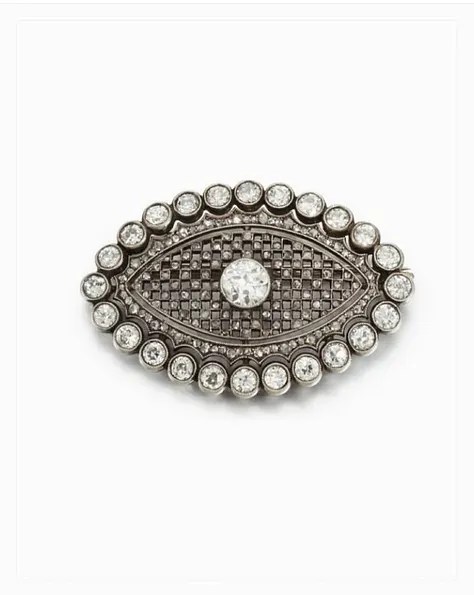
It is said that the winter of 1911 was the coldest in 25 years and the story tells us that sitting at her desk in the workshop, Alma was captivated by the way the sunlight glittered through the frost on the window, as if it were a ‘garden of exquisite frozen flowers’ – a vision that inspired six brooch designs.
Emanuel Nobel was said to be equally mesmerised by the beautiful rendering of the frost so he bought the rights to the concept and subsequently ordered numerous other pieces conforming to Pihl’s design idea.
Imperial eggs
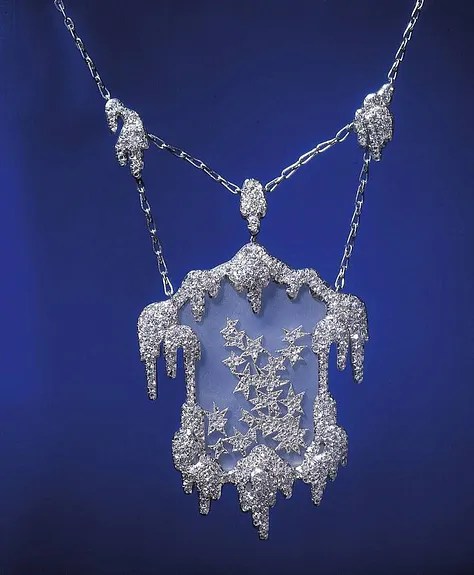
The order from Nobel made the Russian court notice the young talented woman and Emperor Nicholas II ordered, among other things, a diamond necklace for one of his daughters and Easter eggs for his mother and his wife.
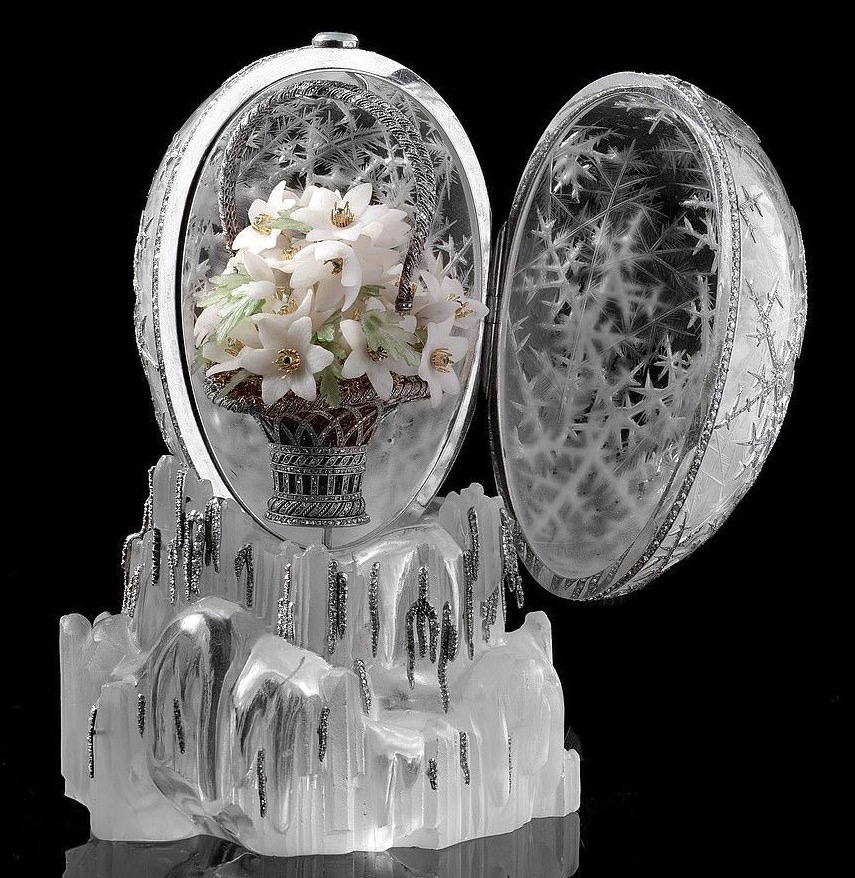
One of the Imperial Easter Eggs designed by Alma Pihl was The Winter Egg. It was commissioned by Tsar Nicholas II of Russia and was an Easter 1913 gift for his mother the Dowager Empress Maria Feodorovna.
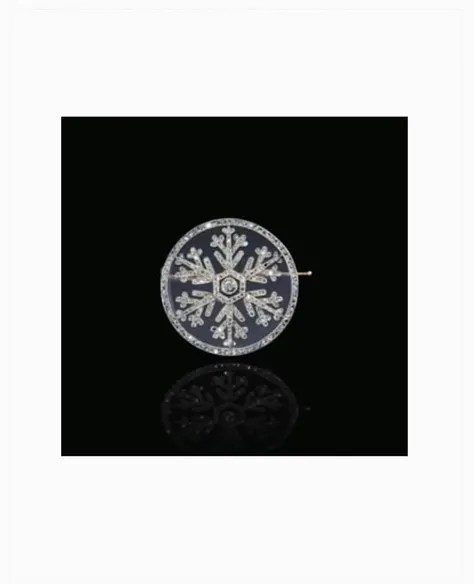
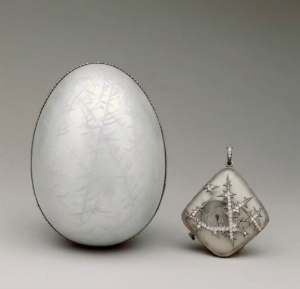
Made of transparent cut rock crystal the exterior of the egg resembles frost and ice crystals formed on clear glass. An entry in Fabergé account book describes the egg: “Egg made of rock crystal with snowflake designs in rose-cut diamonds set into the crystal; with a frame of brilliant diamonds, on a base of rock crystal resembling a block of ice with icicles of rose-cut diamonds. Inside the Egg is a platinum basket, covered with rose-cut diamonds, inside snowdrops of white quartz with nephrite leaves.”
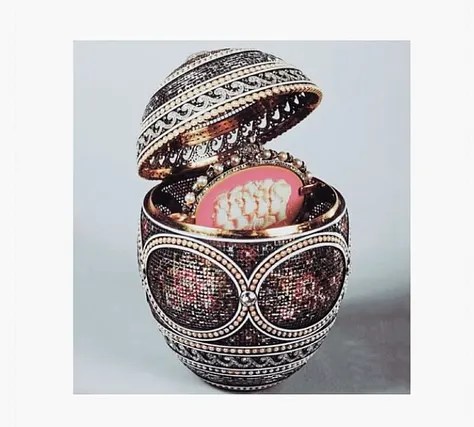
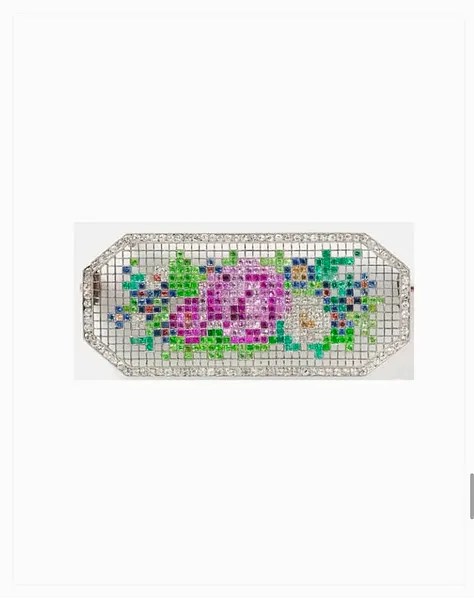
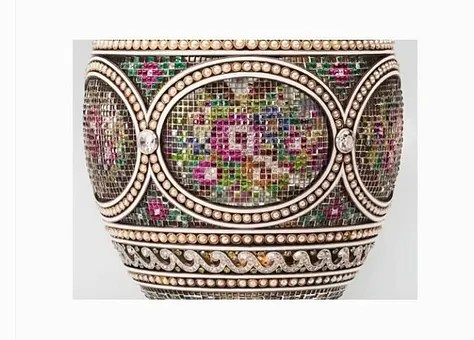
One of Pihl’s inspiration for her other famous easter egg, The Mosaic Easter Egg, (made for Nicholas II who presented it to his wife, the Empress Alexandra Feodorovna Easter 1914 and now a part of the collection of the UK Monarch in Great Britain) came from her mother-in-law’s decorative petit point embroidery work, a perfect gift idea given that the Empress Alexandra was also known to enjoy embroidering.
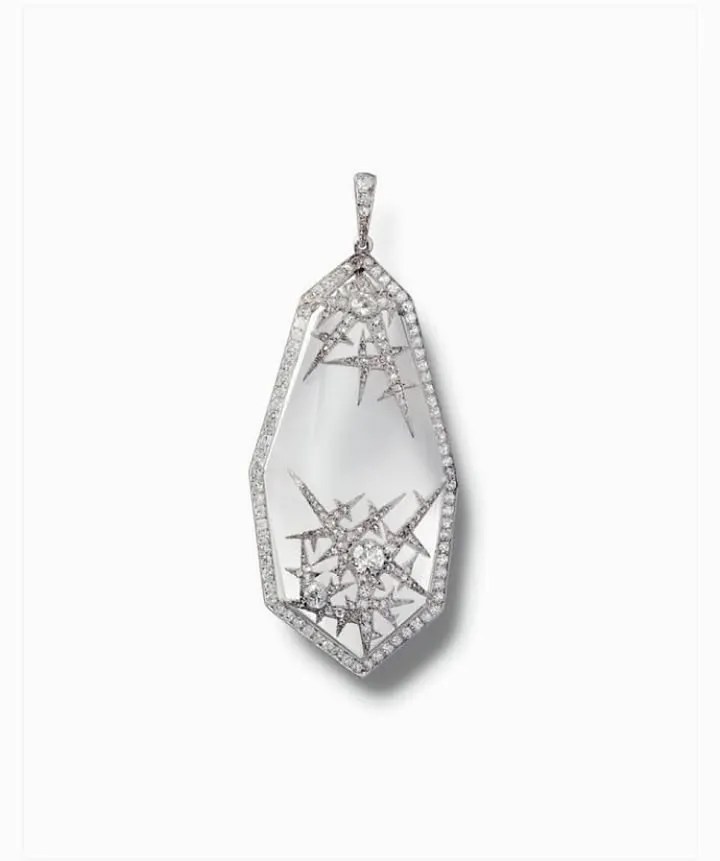
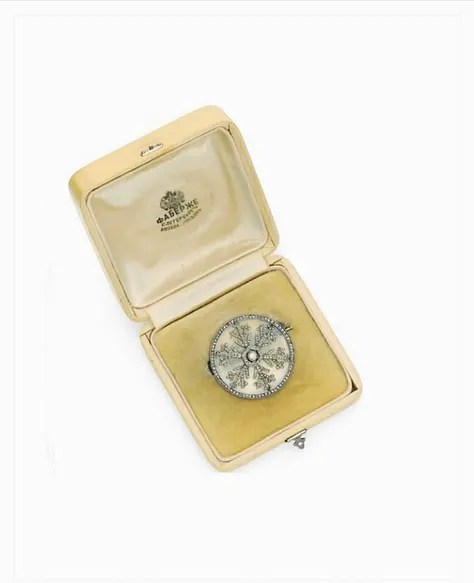
The Nobel’s Ice Egg (also called The Snowflake Egg) was commissioned by Emanuel Nobel in 1914. Alma Pihl used platinum, silver, diamonds, pearls and enamel. Inside the egg is a diamond-decorated watch pendant made of opalescent rock crystal. The egg is not considered an “Imperial egg” as it was not given by a Russian Tsar to a Tsarina.
The Russian Revolution
The February Revolution of 1917 in Russia forced Alma Pihl (by then married Pihl-Klee) and her husband to flee to Finland where Almas family had their roots. By then she had designed over 2 000 jewellery pieces for Fabergé, but the revolution brought an abrupt end to Alma Pihl’s career as a goldsmith.
In Finland, Alma instead devoted herself wholeheartedly, for over 24 years, to her work as a drawing- and calligraphy teacher at a Swedish-speaking secondary school.
Silence
Alma Pihl died in 1976 in Helsinki and is buried in the family grave at Sandudd cemetery. For many, many years she never spoke about her work and her time at Fabergé. Partly because of the official professional ethics at Fabergé – one did not talk about the company’s clients or assignments – partly because of the anti-Russian sentiments all over the world during the first part of the 20th century.
In her later years though, in the seventies, she began to give her adopted daughter Lydia Pihl some information about her time at Fabergé.
But if it had not been for the extensive work of the researcher and goldsmith Ulla Tillander-Godenhielm who has devoted herself to tell the story and history of Alma, we would probably still not know anything about Pihl’s life and career.
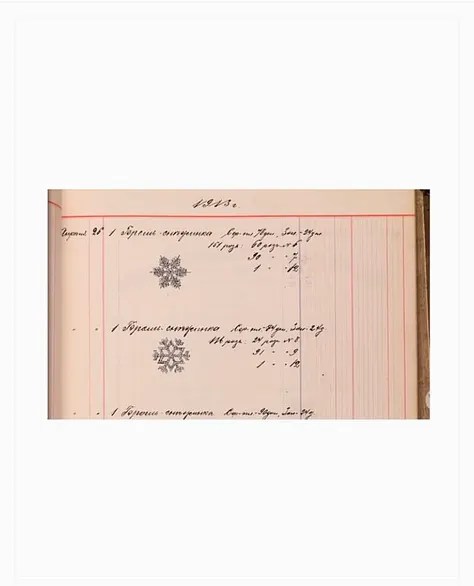
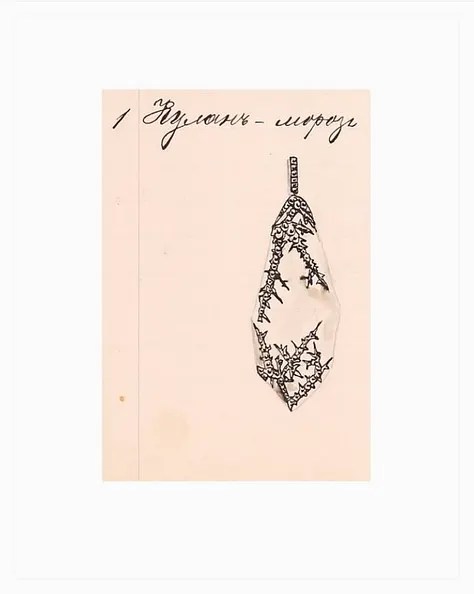
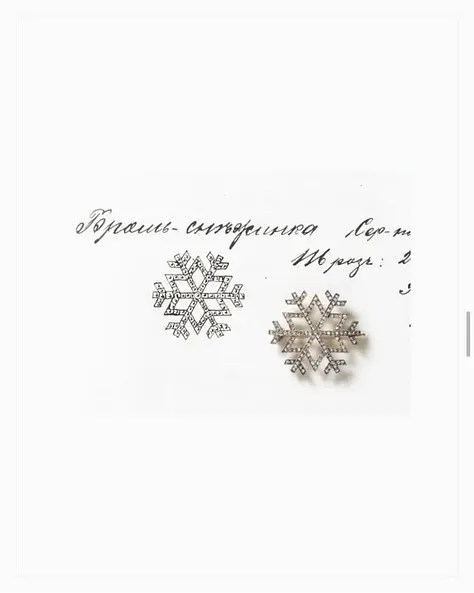
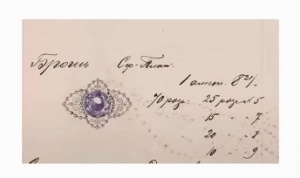
Ulla Tillander-Godenhielm succeeded [together with Lydia Pihl] in proving that Pihl had worked for Fabergé. This was done, among other things, by comparing old sketchbooks and handwriting samples from Alma with the product books that belonged to the master goldsmith August Holmström, which were kept by the jeweller Wartski in London.
Alma Pihl, a humble person, a wife and a loving adoptive mother, An appreciated teacher and one of the early 20th century’s greatest masters of her craft. Which was most important to her? Perhaps her long silence gave us the answer.
More information
Want to know more about Alma Pihl? Watch this film from Victoria and Albert Museum:
https://youtu.be/66sN-fQhA3w?si=Arwd3fNcMgEGSbn4
Photos borrowed from various places online. Mostly from: Victoria and Albert Museum, Sotheby’s, Stockholms Auktionsverk and Bukowskis.
©SlowClapStories
Originally published on Substack at Slow Clap Jewels. Read the newsletter here.
 Slow Clap Stories
You must be logged in to post a comment.