…who brought lacquer to the West
Dunand – the man who brought lacquer to the West
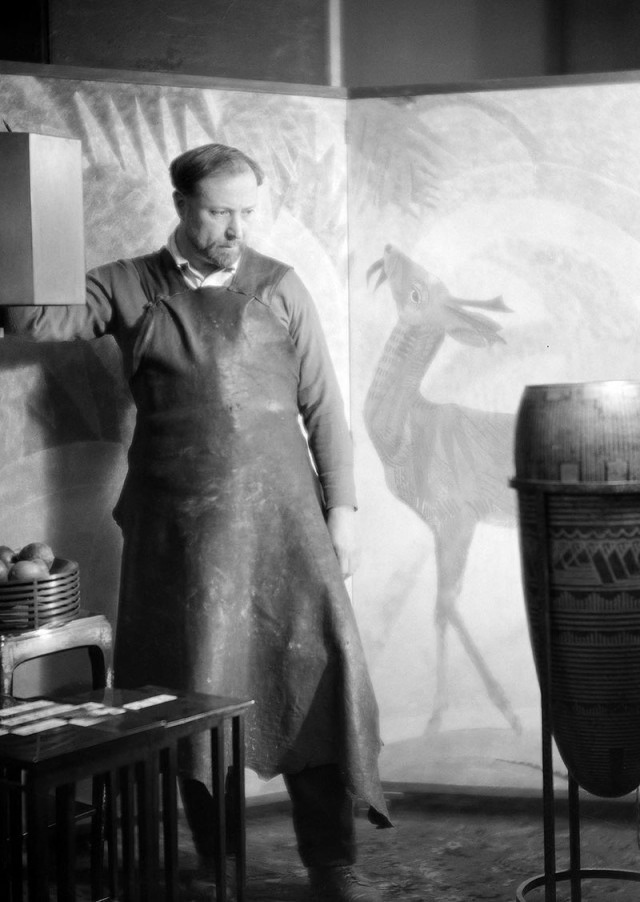
Jean Dunand was the master of many [design] trades and a multi-talented artist. He was the sculptor, interior decorator, metalworker and painter who would become one of the grand and defining masters of art déco.
Jean Dunand (1877–1942) – the man who would go on to introduce France and the the western world to the lacquer technique – was the son of a goldsmith and followed in his father’s footsteps in the decorative arts.
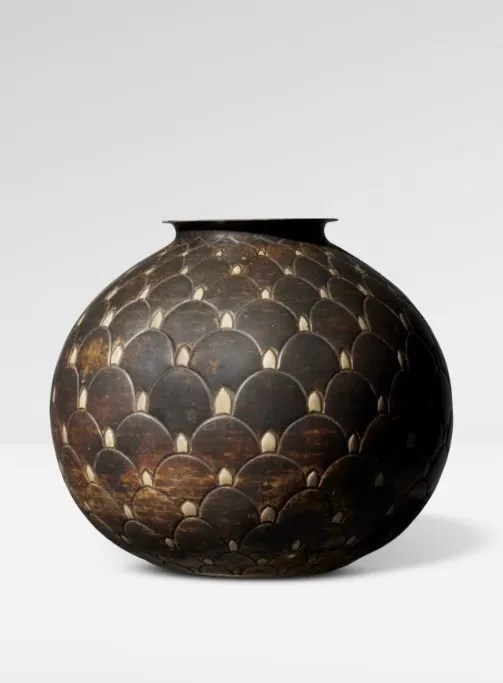
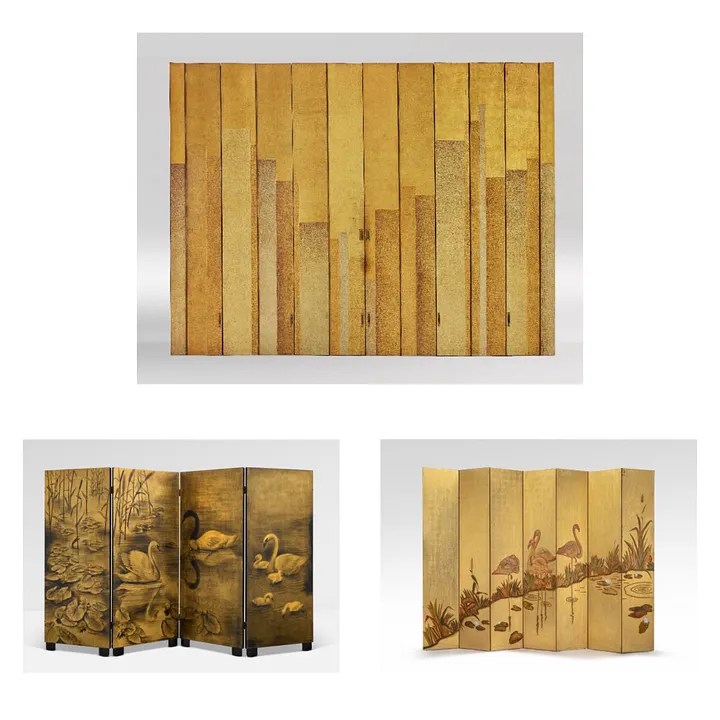
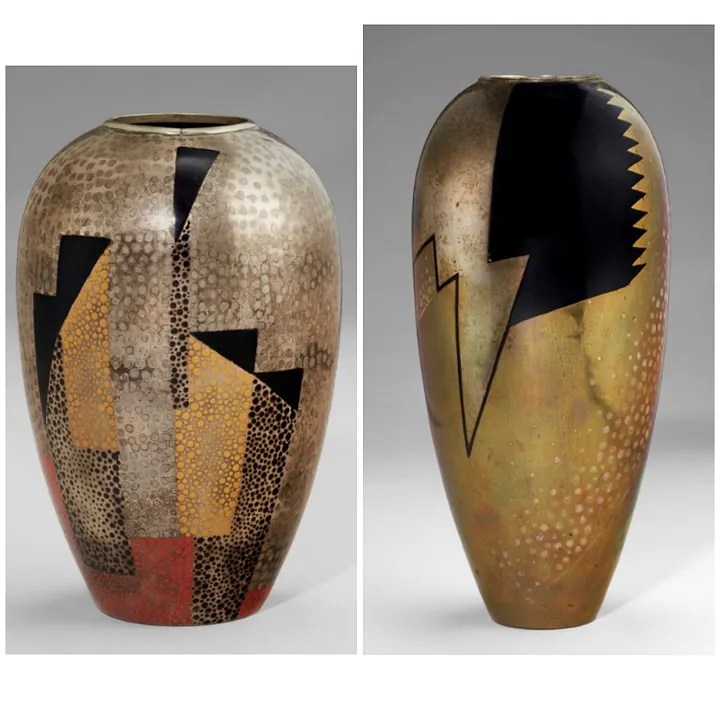
The formative years
He started studying sculpture at the École des Arts Industriels de Genève at fourteen and – somewhere around 1896-97 – moved to Paris in his early twenties.
In France he became an apprentice to the celebrated Art Nouveau sculptor Jean-Auguste Dampt. This was the start of Dunand’s later success and acclaim but most importantly his introduction to his later expertise in dinanderie. The art of shaping and decorating non-precious metals like steel, copper, brass, pewter and silver, a craft originating from the Belgian town of Dinant.
Already in 1900 Jean Dunand won a gold medal at the Universal Exposition in Paris for his bronze sculpture Quo Vadis.
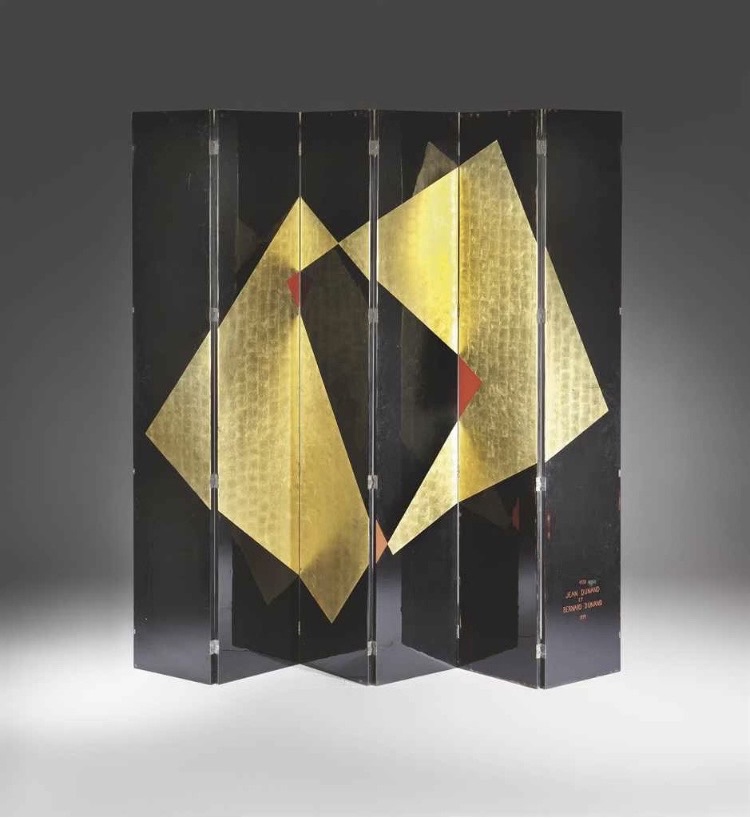
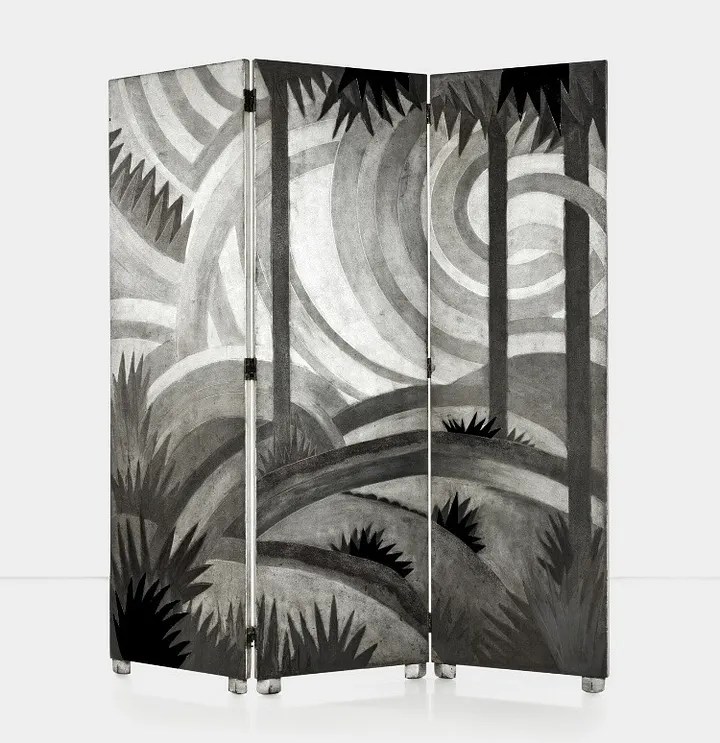
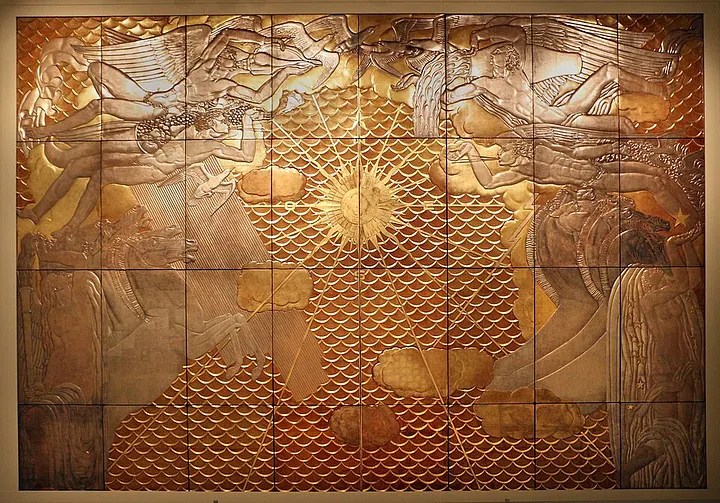
Photo number 2: Wikipedia
A turning point: The Art of Lacquer
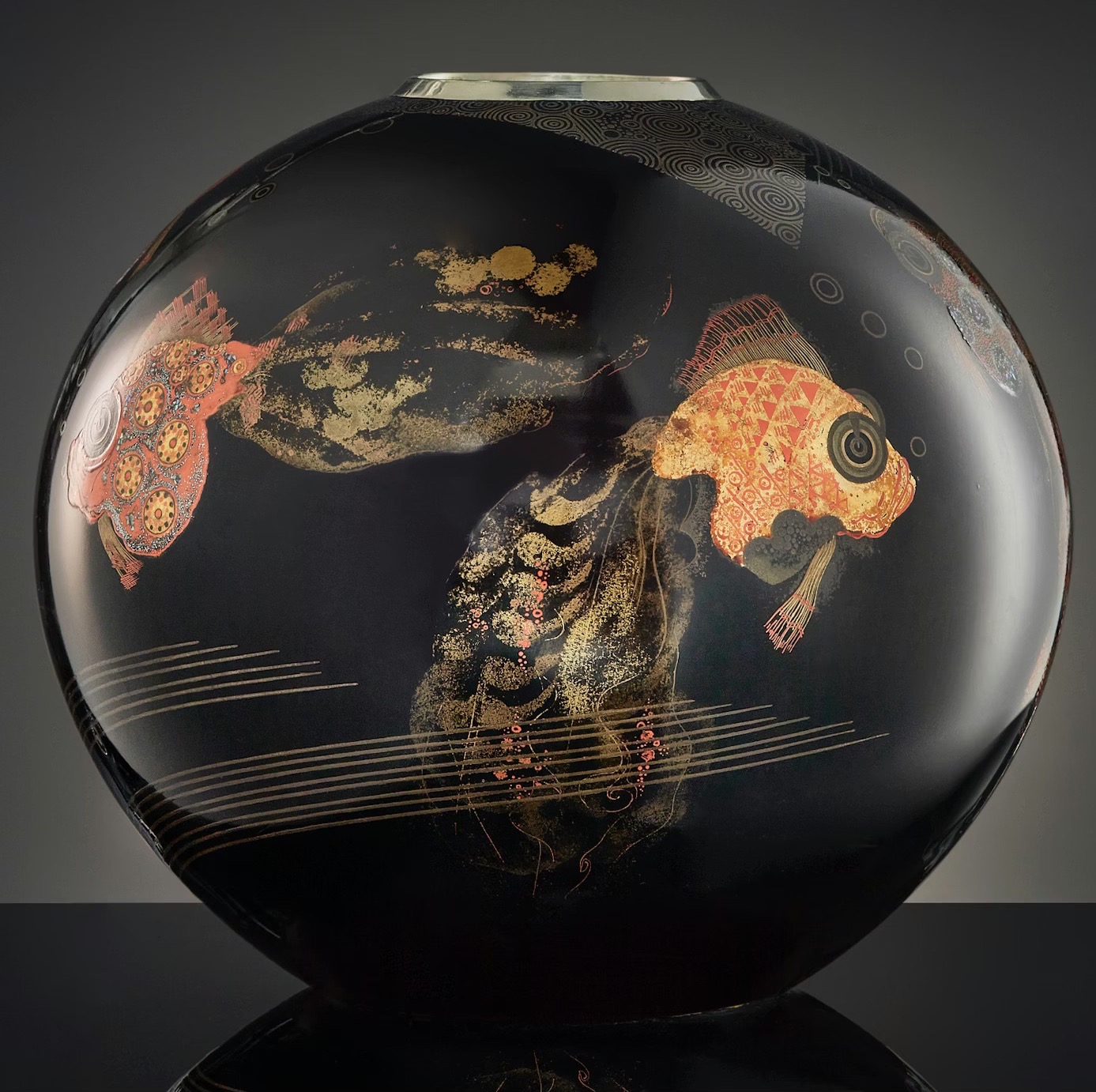
Then came the year 1912, which marked a pivotal moment in Jean Dunand’s career. He met Seizo Sugawara (1884-1937), an artist and master lacquerer, and Dunand was initiated to urushi, an ancient Japanese lacquer technique. Sugawara had been living in France since 1906 and had also taught the architect and designer Eileen Gray to the craft.
The two men allegedly struck a creative bargain. It is said that Sugawara taught Dunand the lacquer technique and in return Dunand taught Sugawara metalwork.
Egg shells – the making of a Master
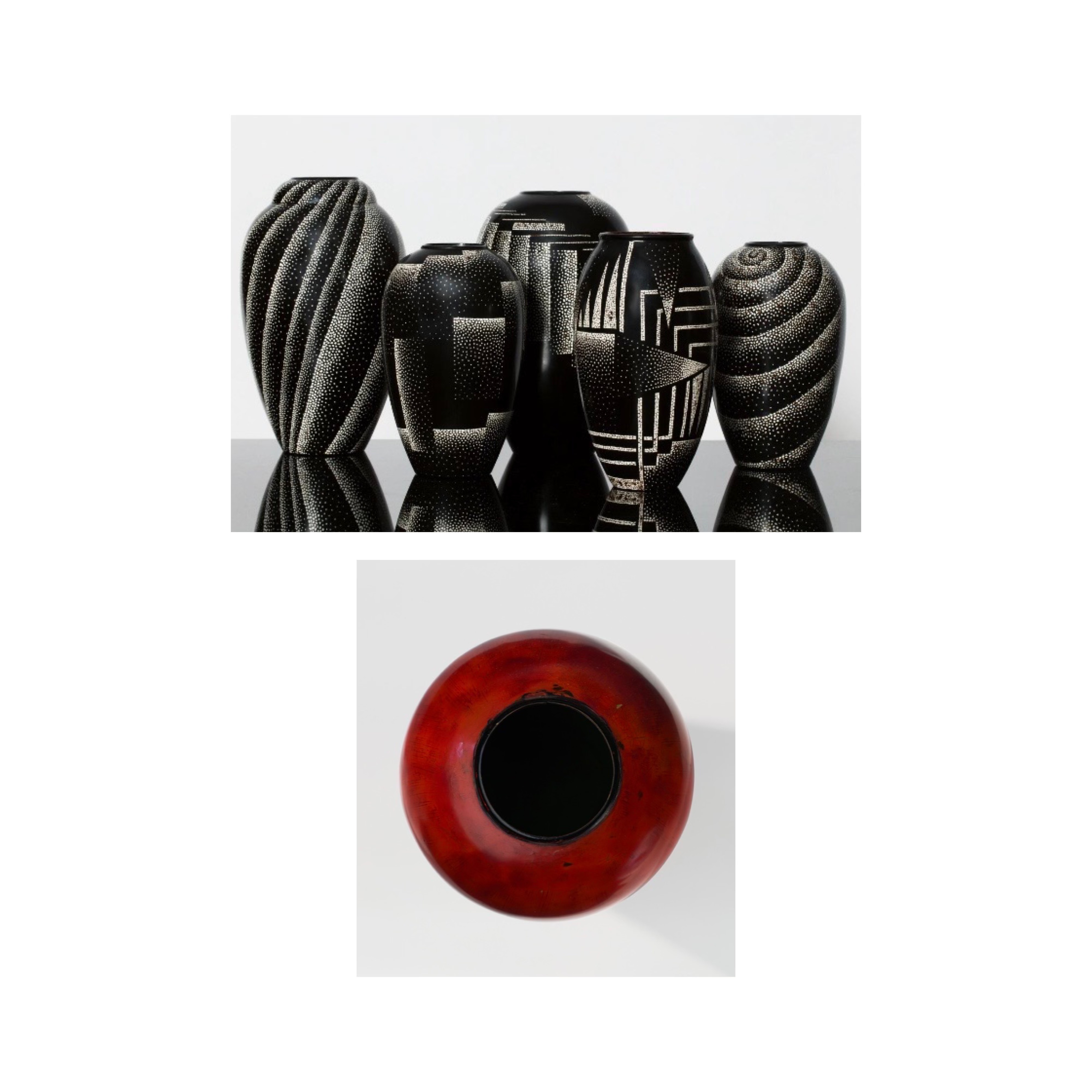
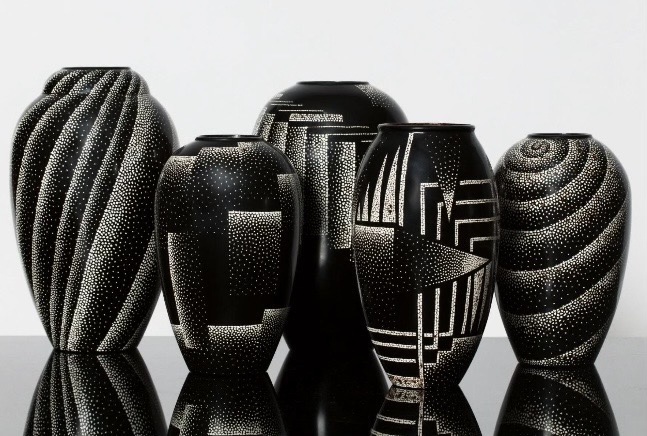
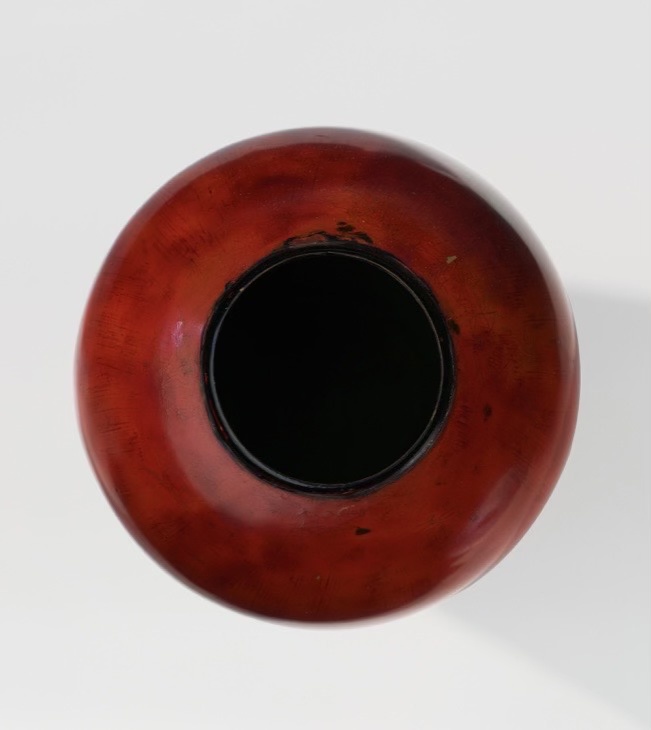
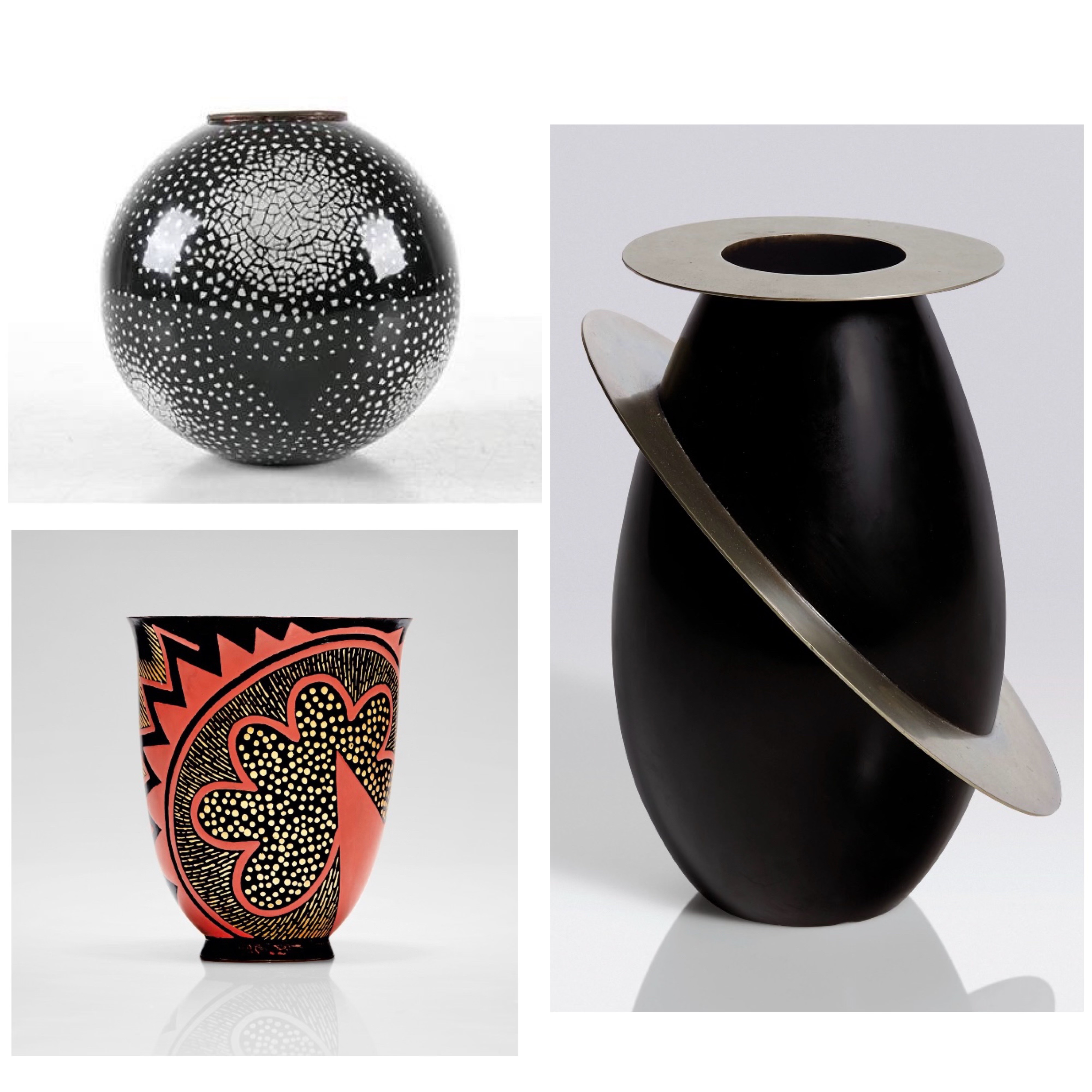
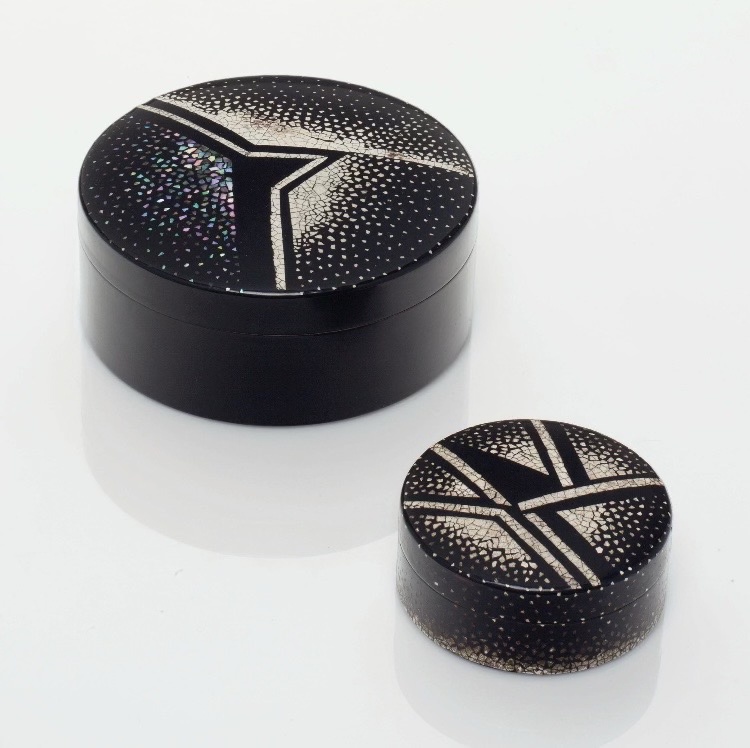
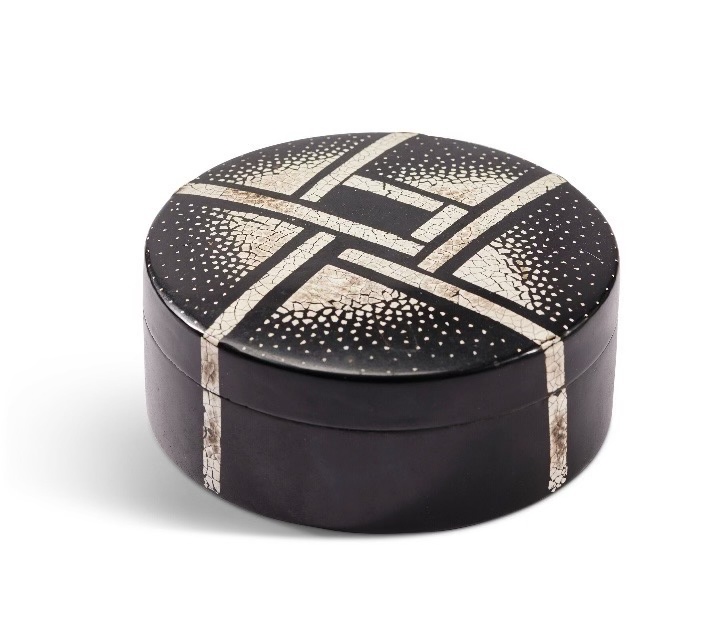
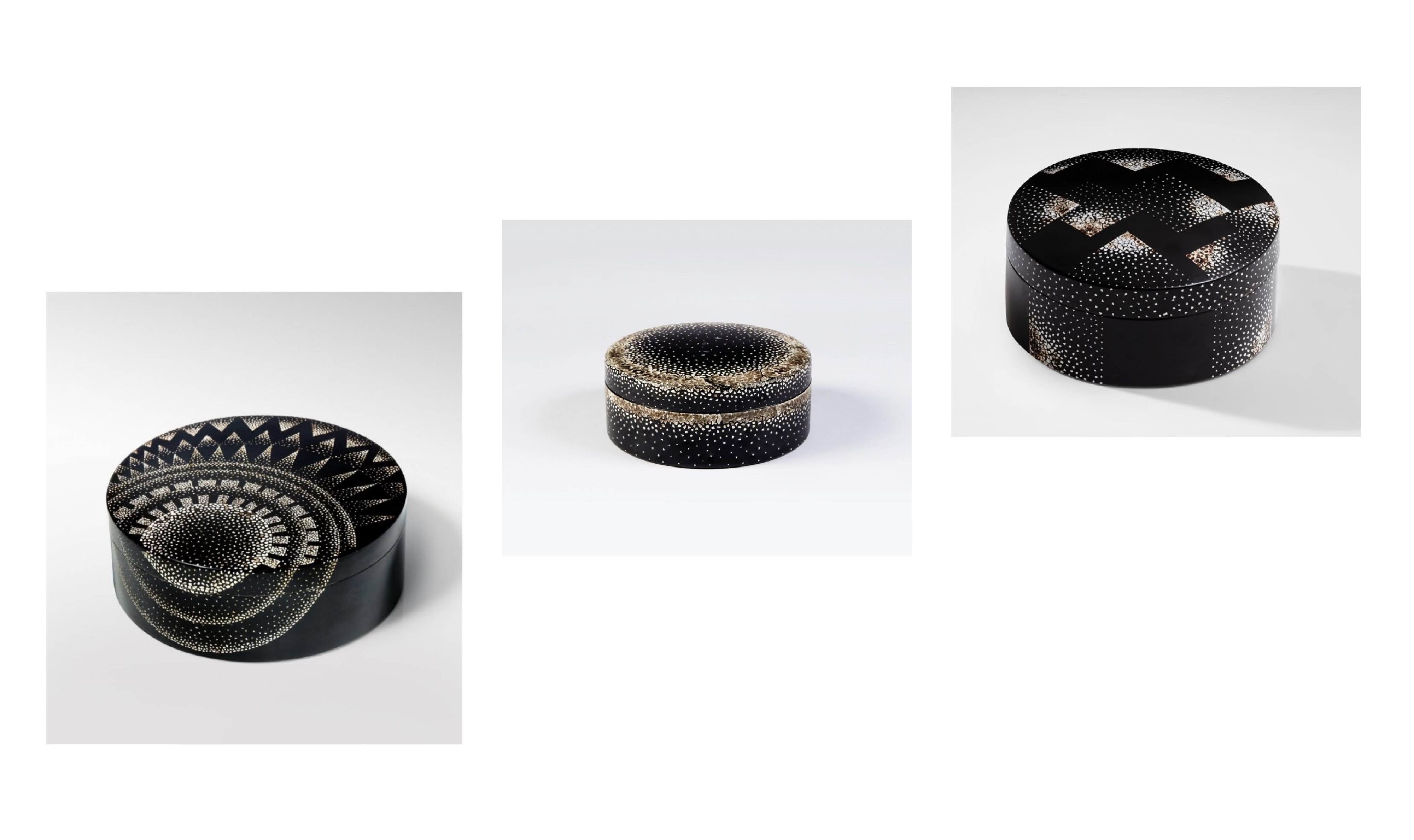
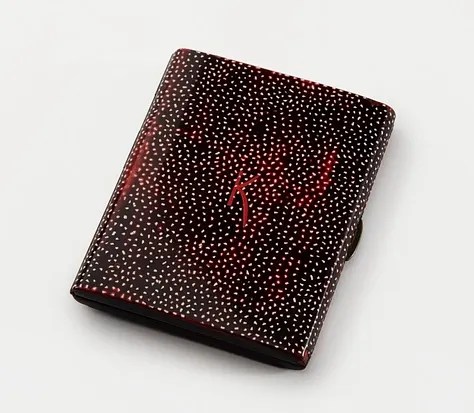
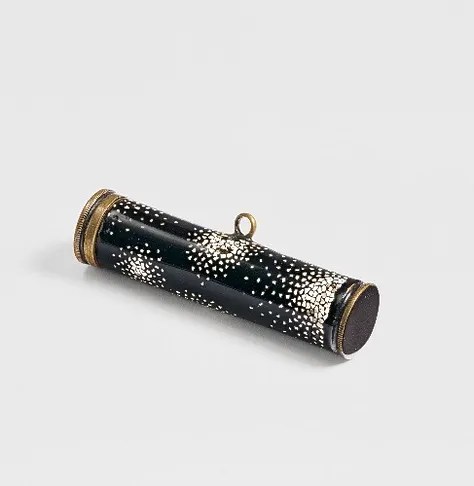
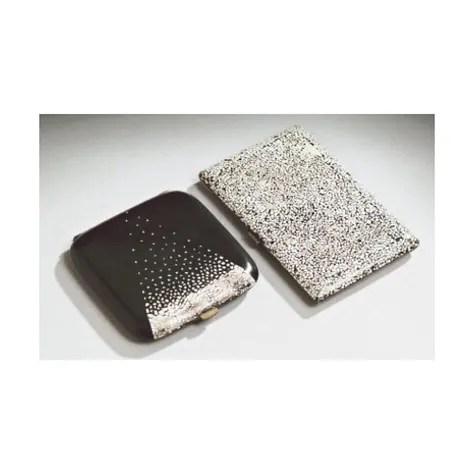
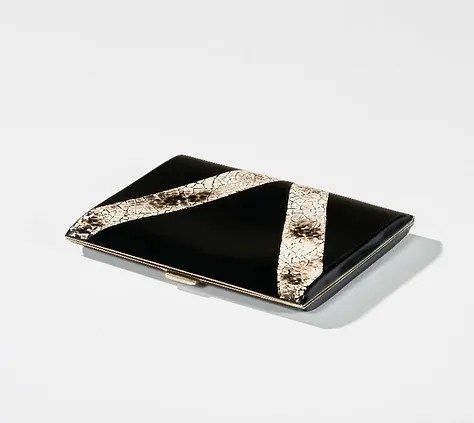
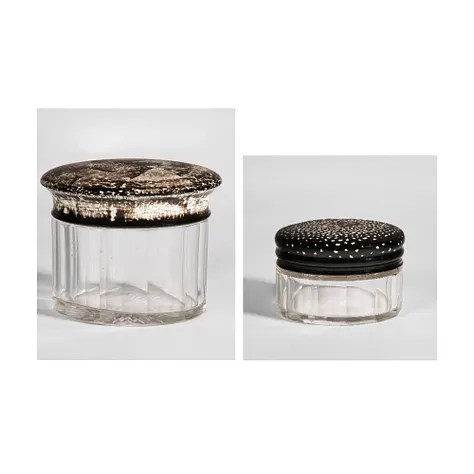
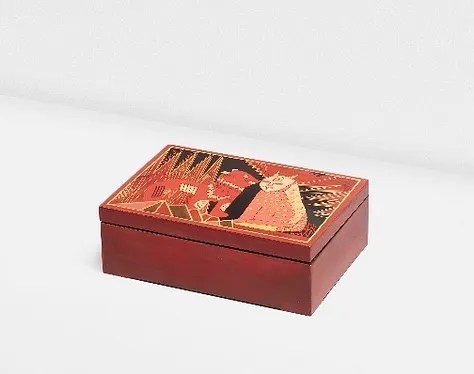
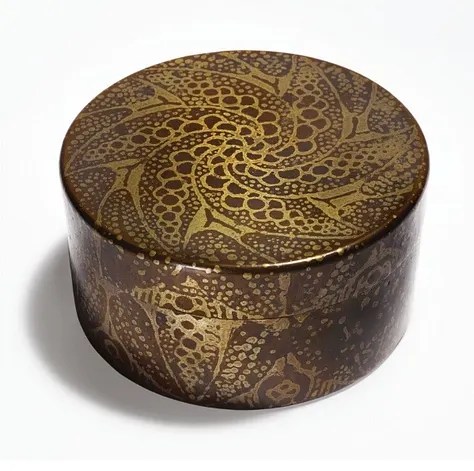
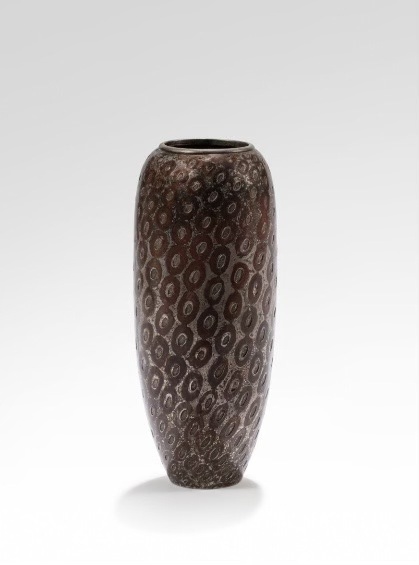
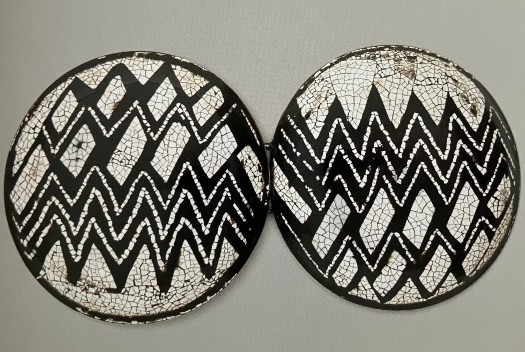
Jean Dunand did not just adopt this ancient lacquer technique but also innovated it. He invented the coquille d’œuf – eggshell inlay – a process using tiny shards of eggshell to create fine and intricate patterns beneath layers of lacquer. The technique became a hallmark of his lacquered products and apparently required that his workshop maintained a chicken coop in the backyard. 🙃 🐥
Fame, fortune and famous clients
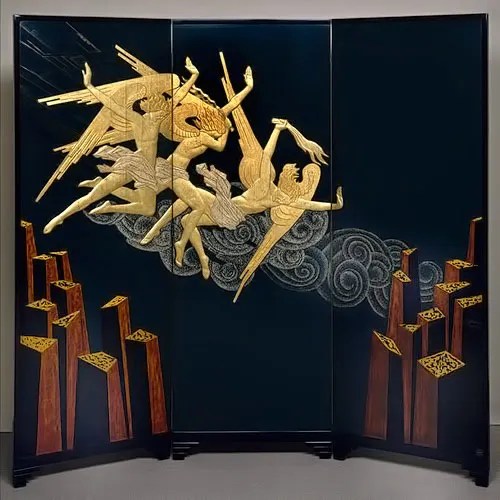
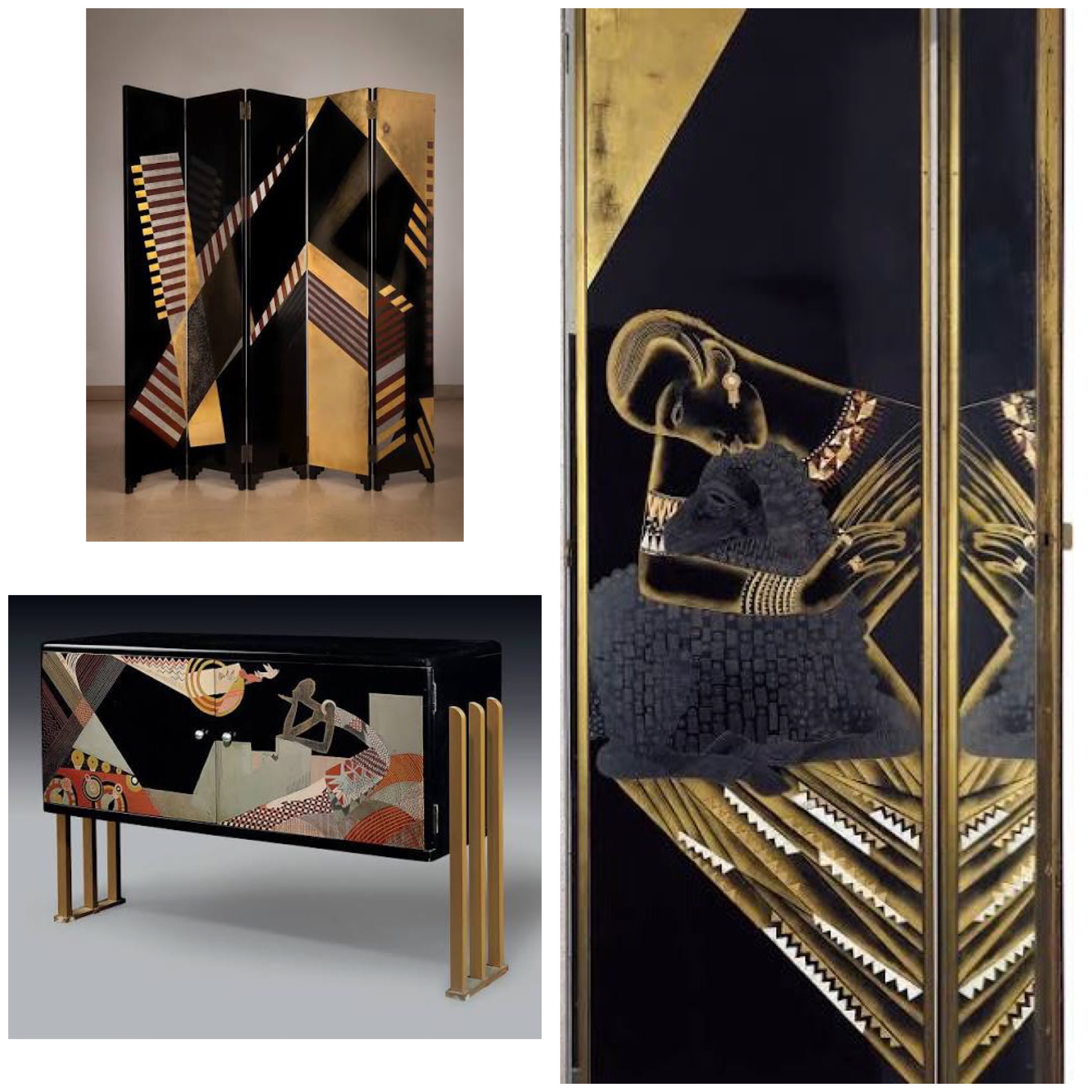
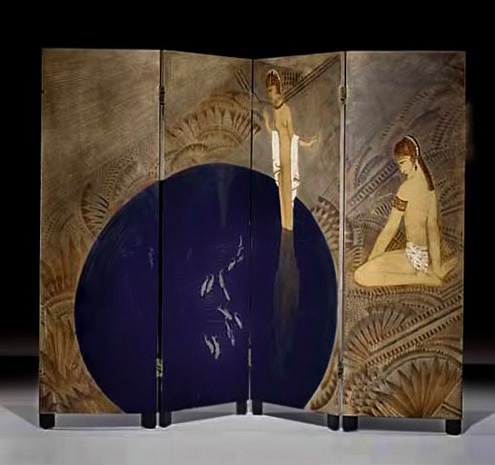
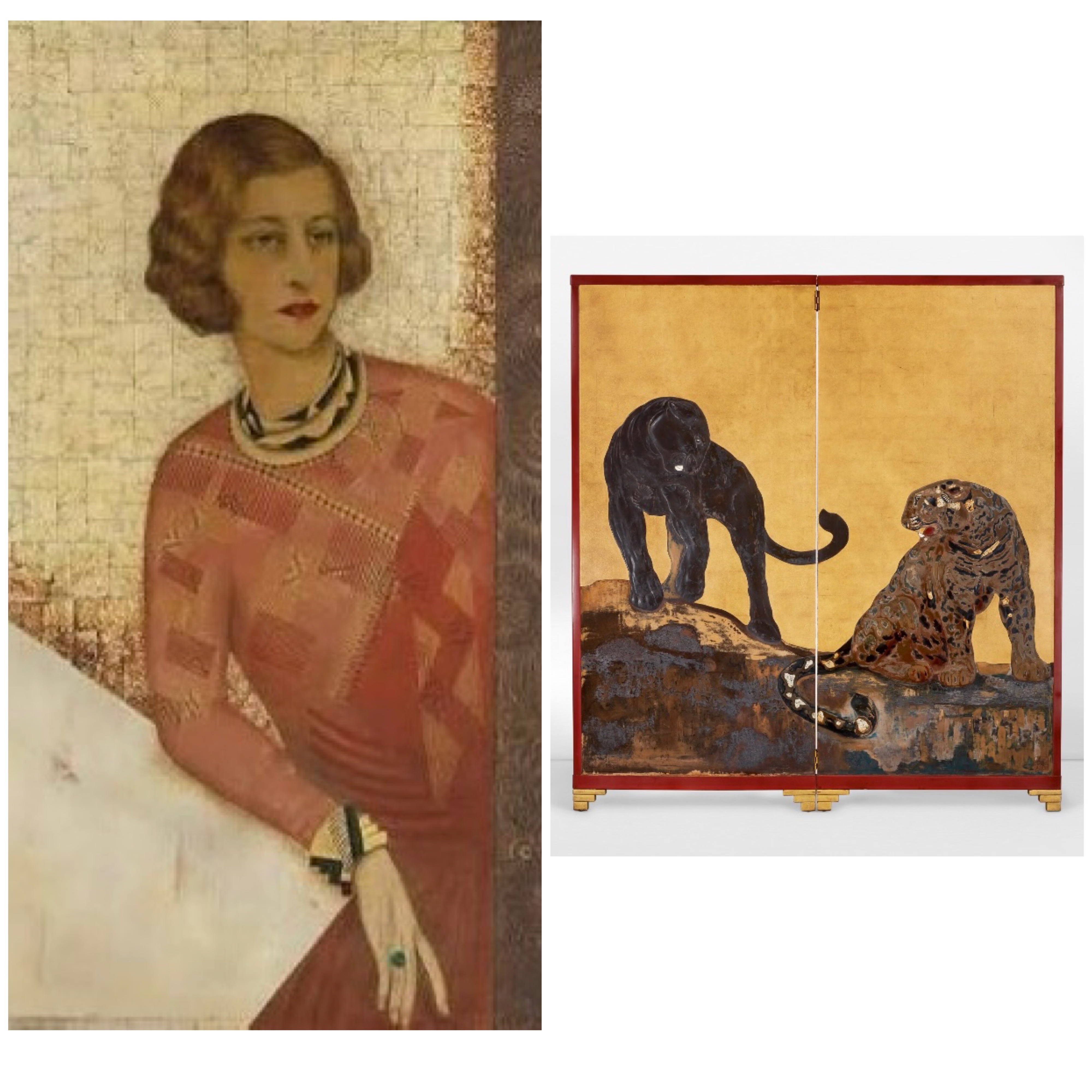
And this was not an one-man-operation anymore. Eventually Dunand’s lacquer workshop employed somewhere between 60 and 100 people and by the 1920s Dunand’s creations were known worldwide. His famous client list read like a who’s who of the era: Elsa Schiaparell, Jacques-Émile Ruhlmann, Jeanne Lanvin, Jean-Philippe Worth and Madeleine Vionnet. For the French milliner Madame Agnès he decorated shops and for Josephine Baker he designed jewellery but also lacquered works for her her stage sets including folding screens. When Baker’s farewell tour concluded in 1928, she auctioned the pieces to the public on the final night.
Hayday and monumental commissions
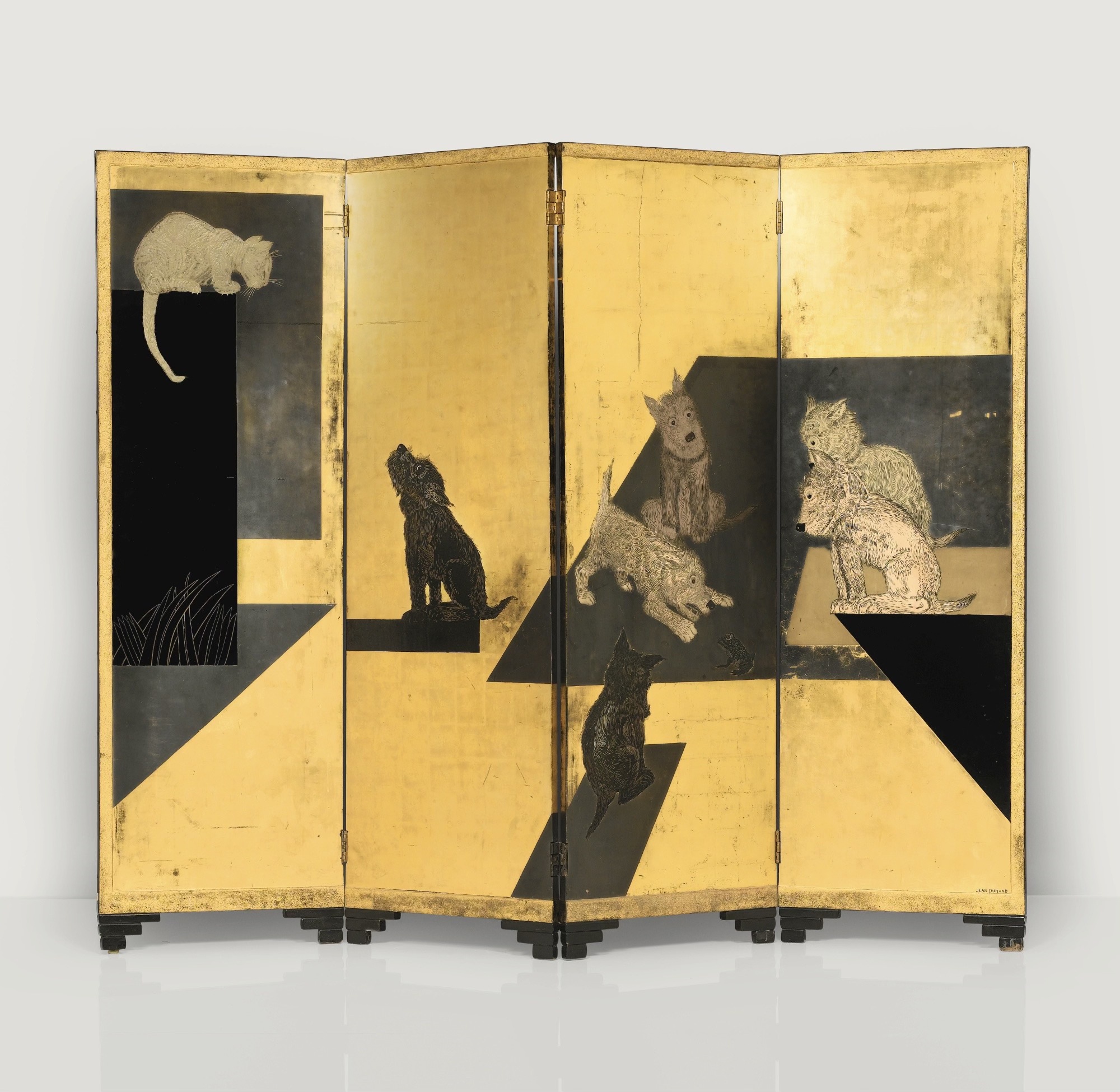
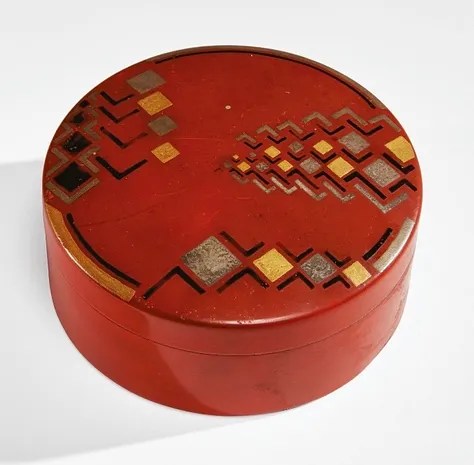
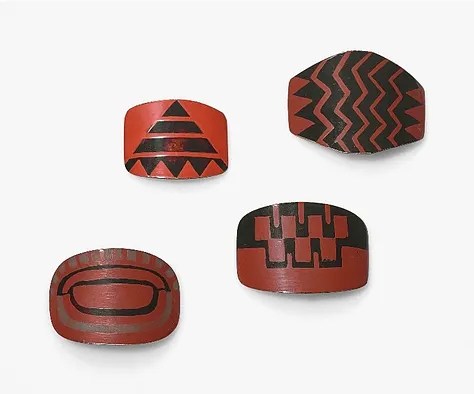
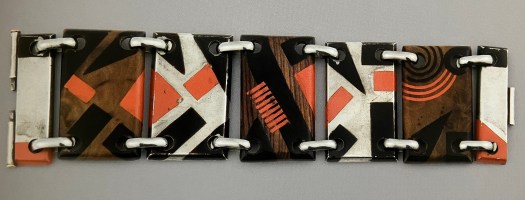
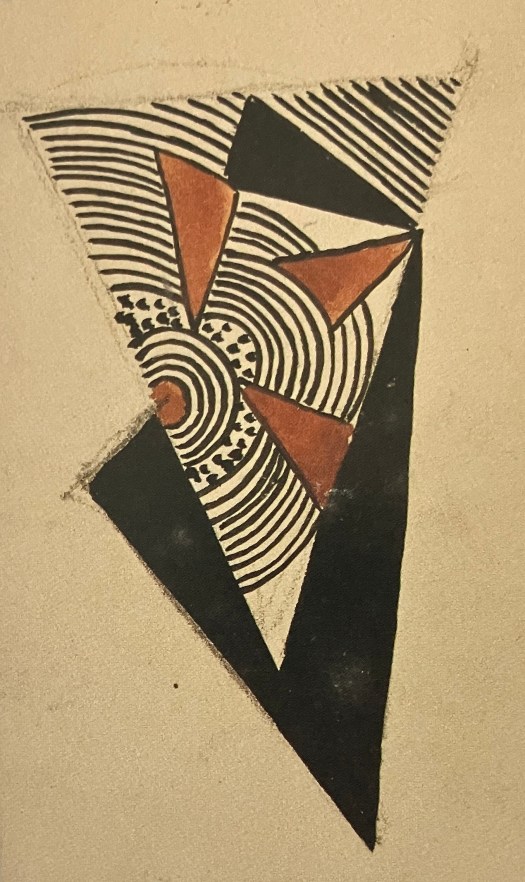
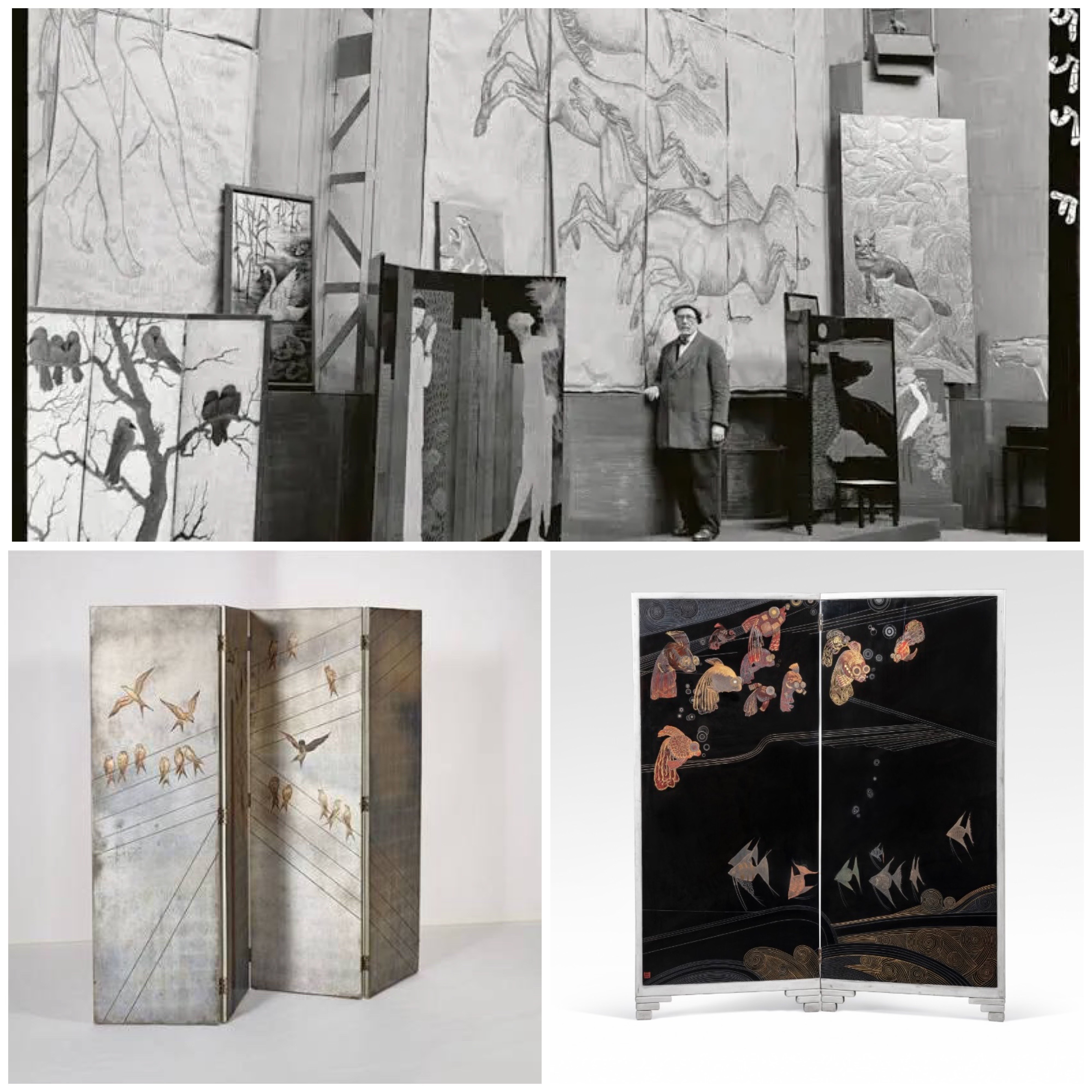
In the 1920s Dunand’s creations were featured in major commissions. All his products, whether cigarette cases, chimney screens, jewelry, trays, perfume bottles, furniture, vases or his famous decorative screens were in high demand. Everything from interior decors of limousines to candy boxes got his attention and they all were characterized by experimental, geometric compositions and rich, elegant finishes. Creations – small or big – that fused Asian and African design influences with the bold motifs of Cubism.
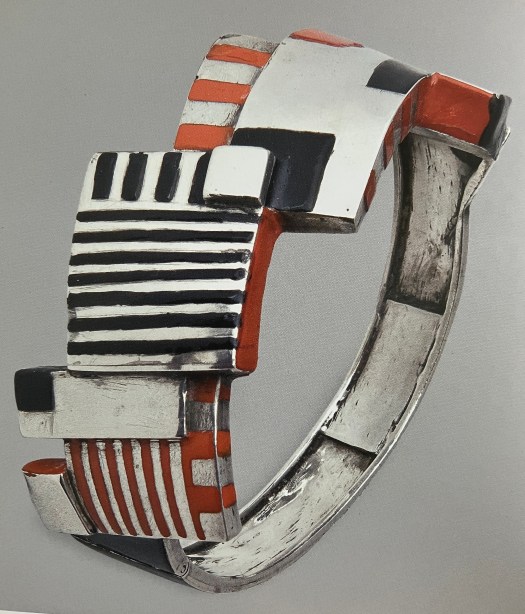
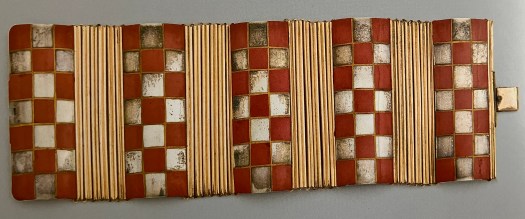
Jewelry
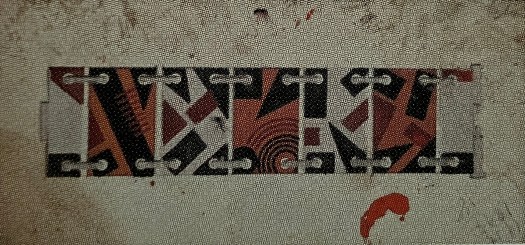
Jean Dunand’s are among the most striking and recognizable jewels of French Art Deco. Around 1927 Jean Dunand designed the Giraffe necklaces. They consist of rigid, concentric neck rings made from Oréum which is a gold-like metal alloy and was decorated by him with his highly polished red-and-black or blue-and-black lacquer and other geometric patterns.
The name Giraffe refers to the elongated silhouette created when several neck rings were worn together. Dunand drew inspiration from African neck ornaments, translating that visual idea into an intensely modern, Cubist-Art-Deco language.
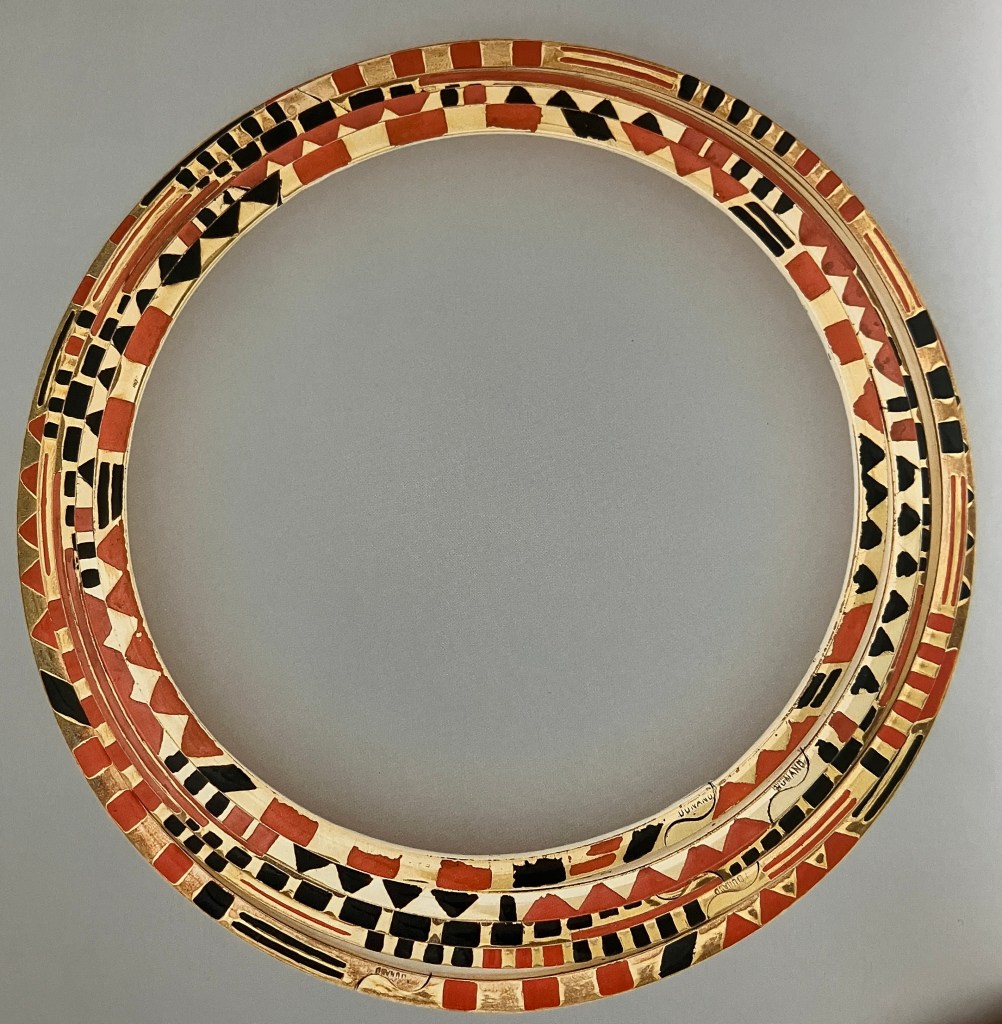
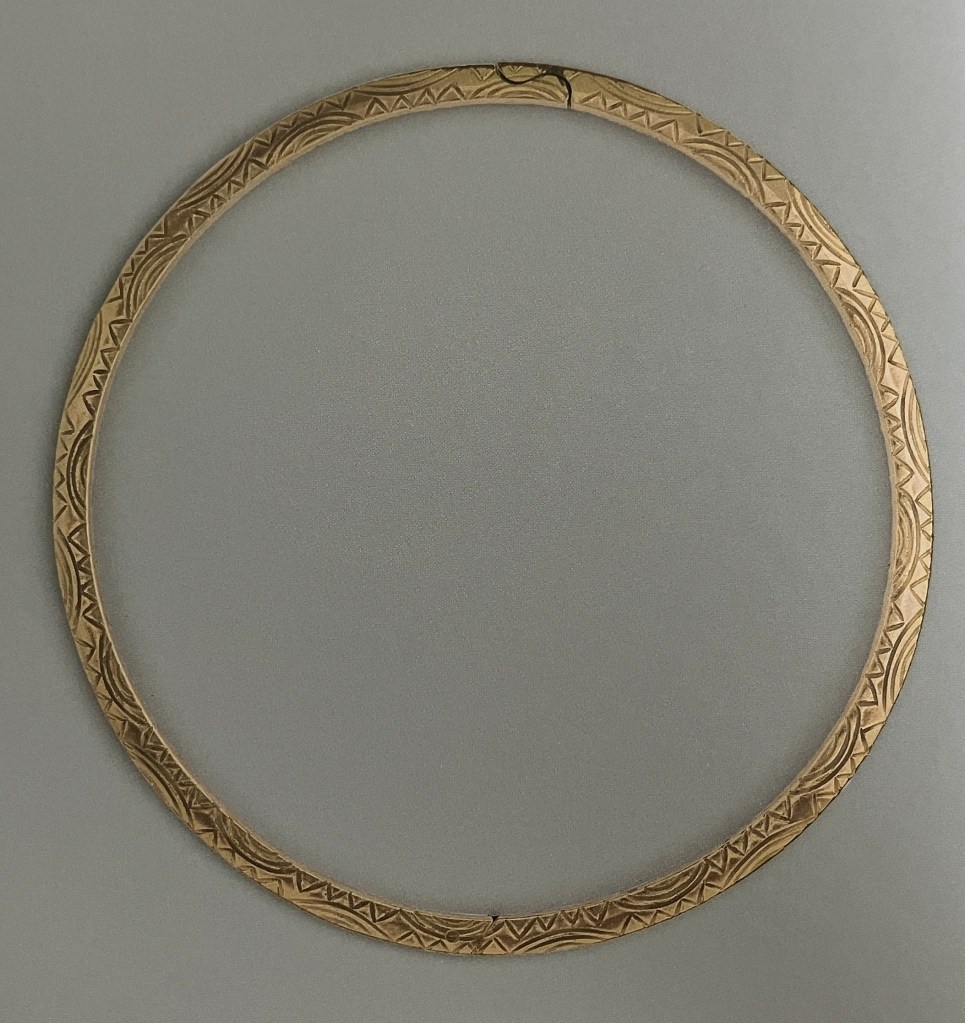
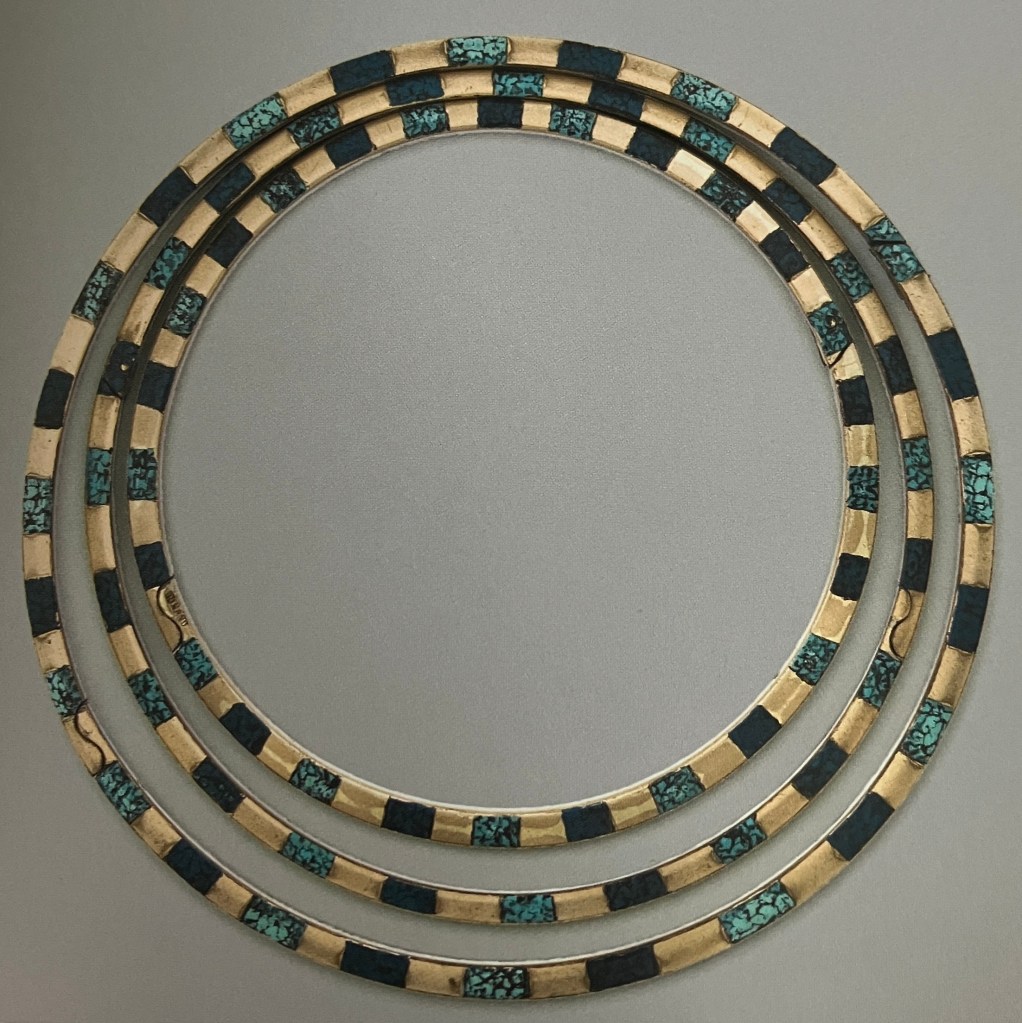
The famous Giraffe necklaces in different versions. Photo: The book Art Deco Jewelry.
The most famous wearer of the sculptural Giraffe necklace was Josephine Baker, who for example was photographed by George Hoyningen-Huene in 1929 wearing several of them.
Dunand’s jewelry pieces with their bold geometry, exotic inspiration and lacquer technique captured the experimental spirit of the Jazz Age.
Exhibitions
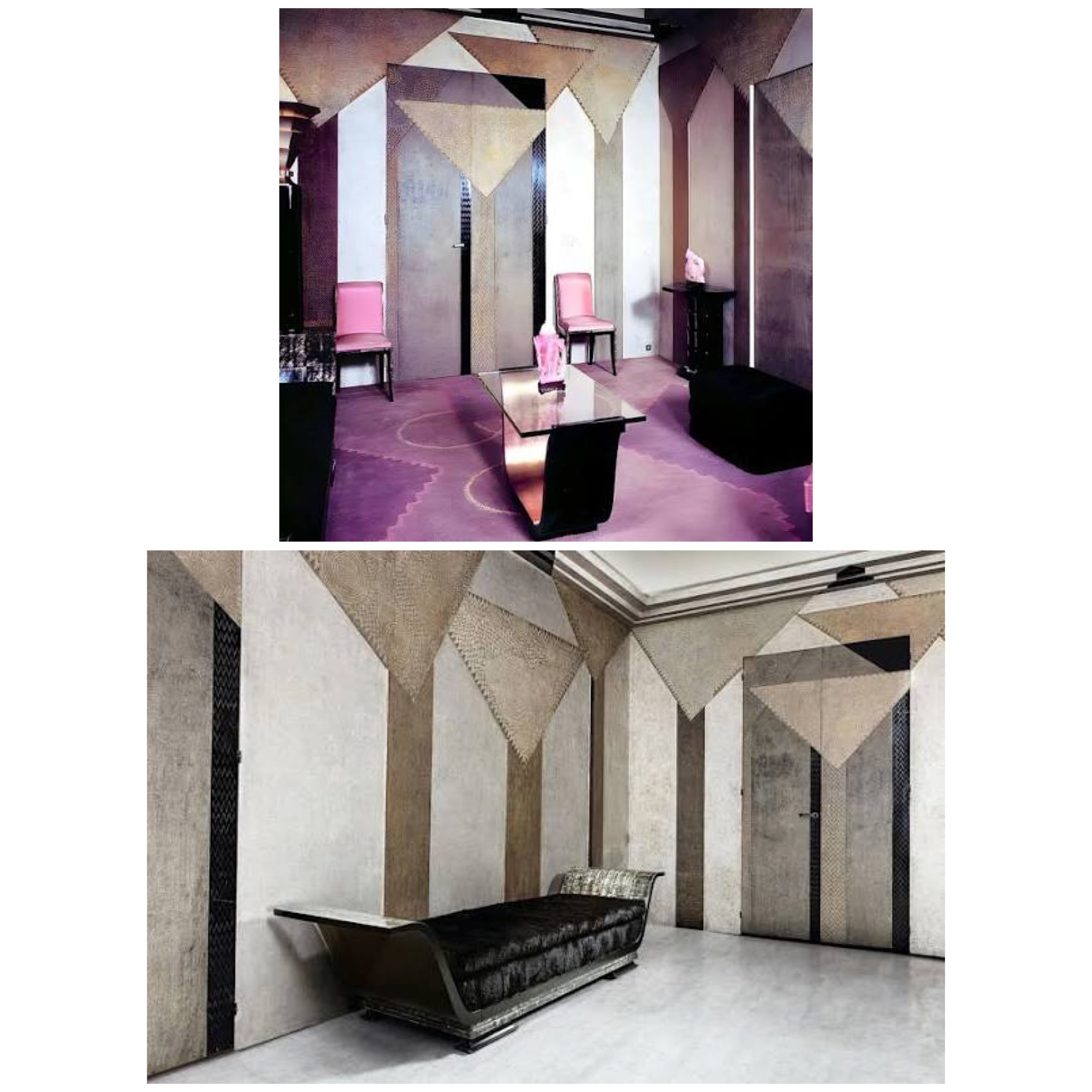
Dunand [naturally] played a central role in the International Exhibition of Modern Decorative and Industrial Arts in Paris in 1925, where he designed a proposal for an Art Déco smoking room for the French Embassy. Its walls entirely clad in lacquered panels.
He went on to design for several prestigious ocean liners – reputable commissions during this interwar period – including the SS Normandie (1927), followed by SS Atlantique (1930) and the iconic Le Normandie (1931).
Jean Dunand also created ten monumental lacquer panels for the library of the Palais de la Porte Dorée, built for the Paris Colonial Exposition of 1931 and decorated the French Pavilion at the New York World’s Fair 1939.
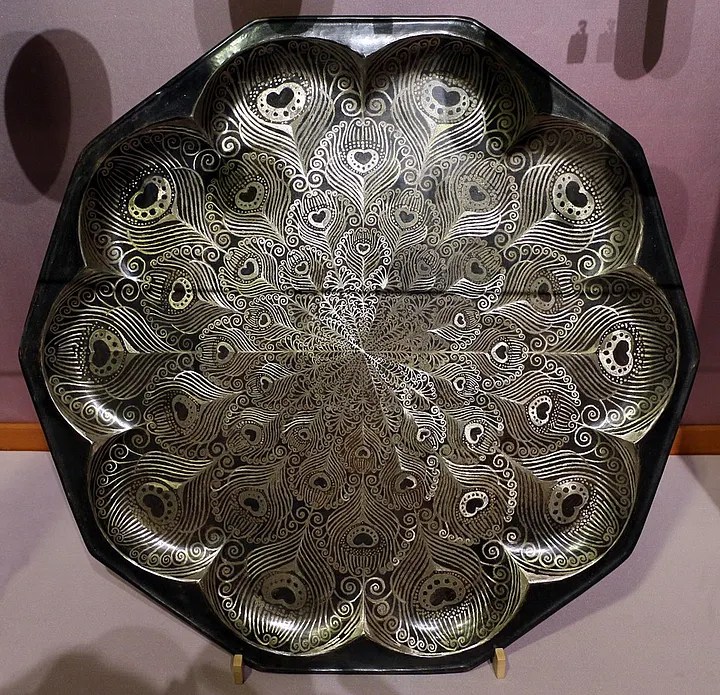
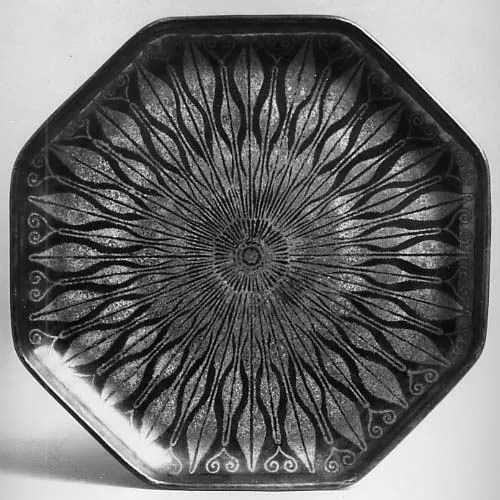
Photos of trays: Wikipedia
Side note – the wartime detour
Perhaps less known is is Dunand’s contribution during the First World War. Dunand, served with French Red Cross as an ambulance driver. During the war he developed a new helmet model, featuring a removable visor made of cold-stamped manganese steel in one piece. Designed this way to protect solders’ eyes from blasted earth, burning liquid and shrapnel.
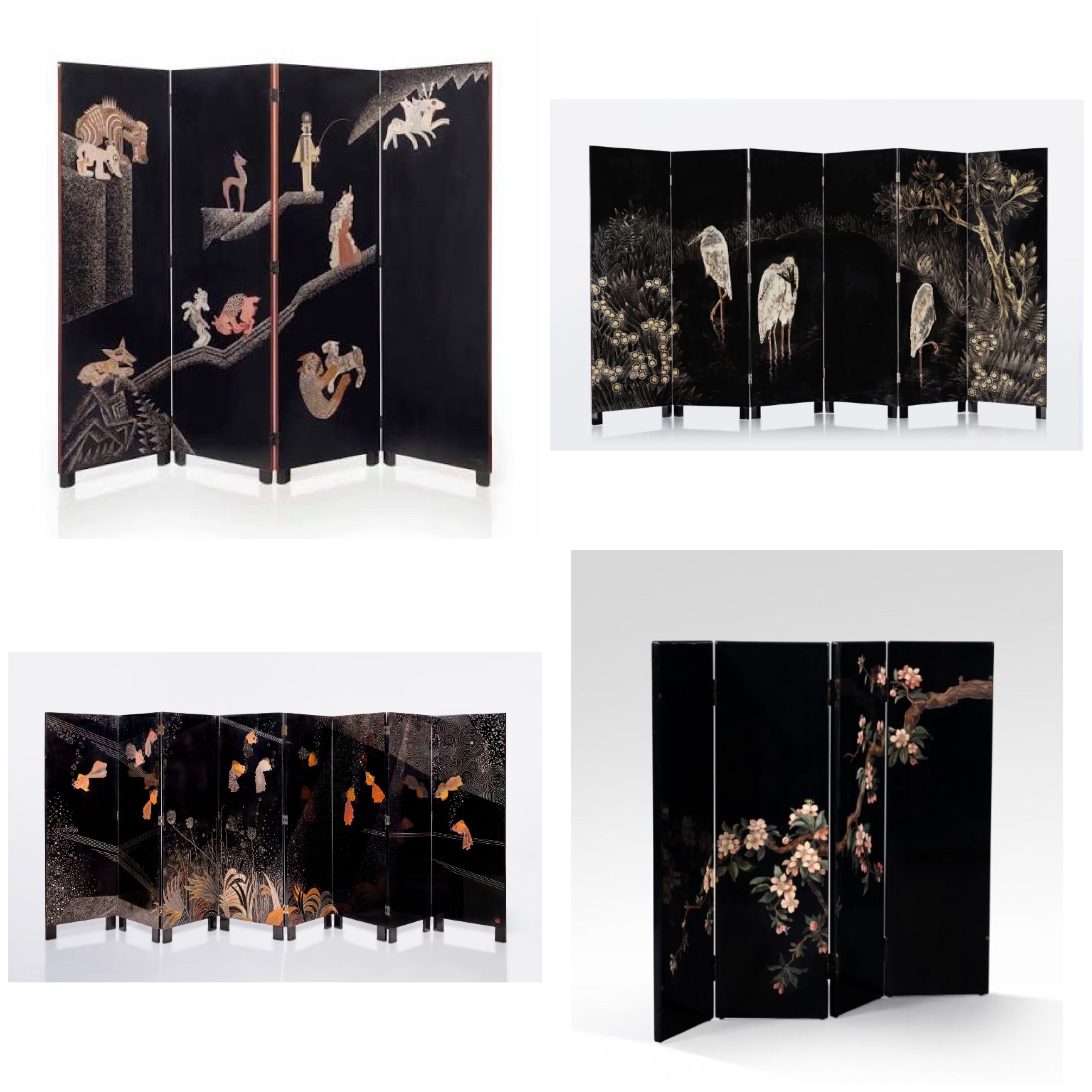
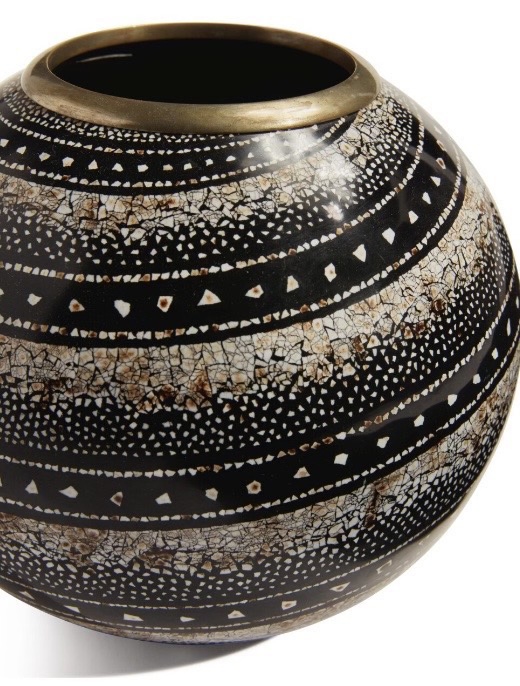
Almost all photos in this article is borrowed from Sotheby’s and Christie’s if nothing else is mentioned.
©SlowClapStories
Originally published on Substack at Swedish Grace. Read the newsletter here.


I really want to find a piece in a thrift store! 💕 How have I not been a subscriber? Love your POV.