Jean Després occupies one of the most important, distinctive and avant-garde positions in twentieth-century decorative arts. The silversmith, jeweller, designer and craftsman created jewelry pieces that transformed the visual language of the machine age into beauty.
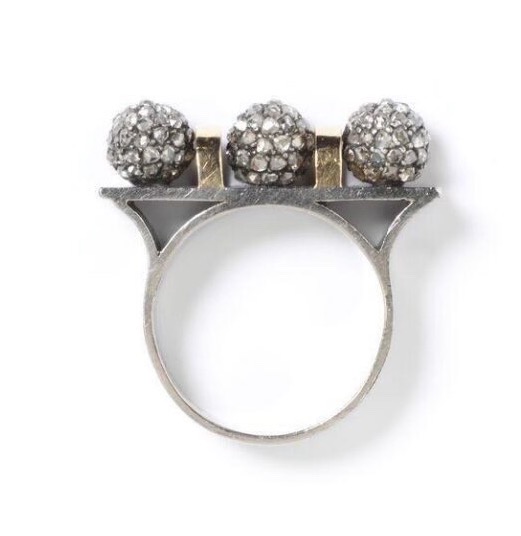
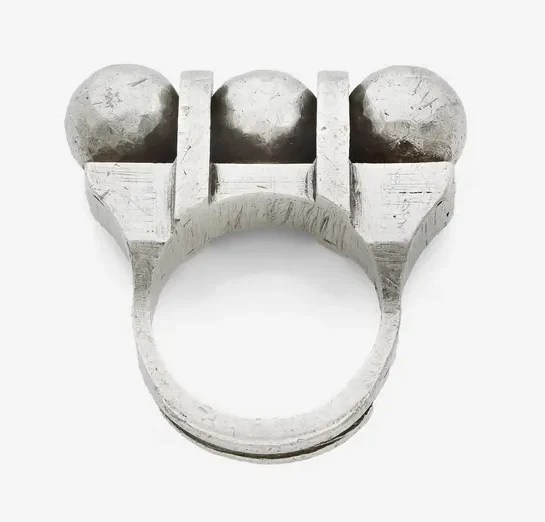
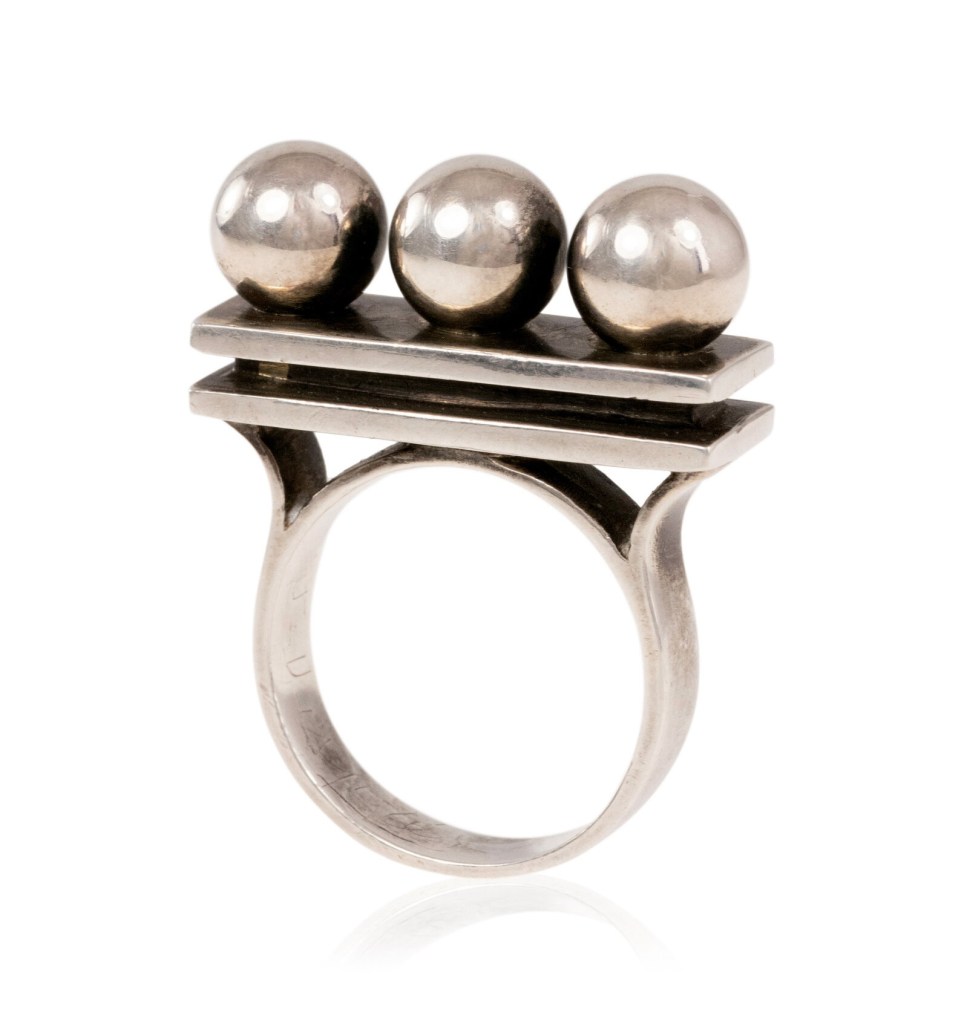
In beginning
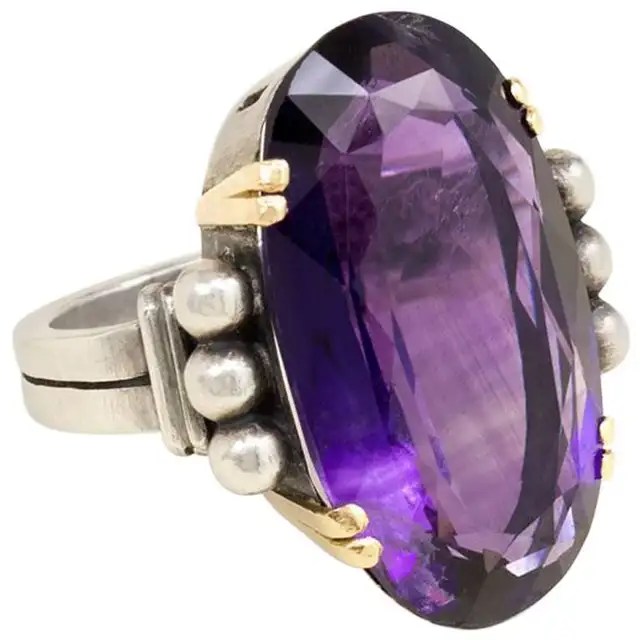
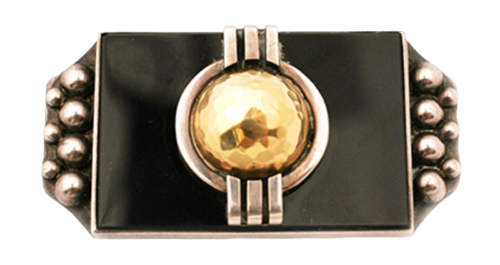
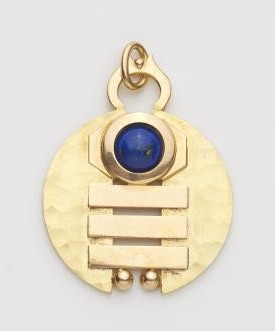
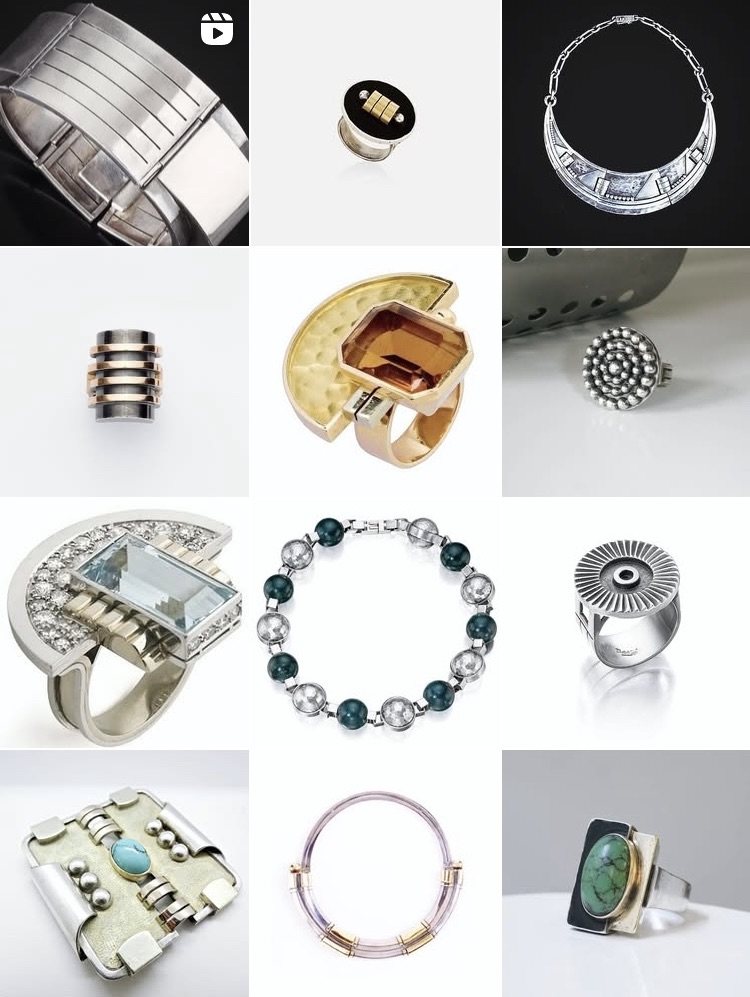
Before Jean Després (1889–1980) , jewelry design usually emphasized precious stones and ornamentation but here was suddenly something radically different proposed: Geometric forms inspired by engines, aircraft and industrial technology in silver, gold, enamel, onyx, lacquer, glass and other materials. Small, functional but very beautiful sculptures, meant to be worn.
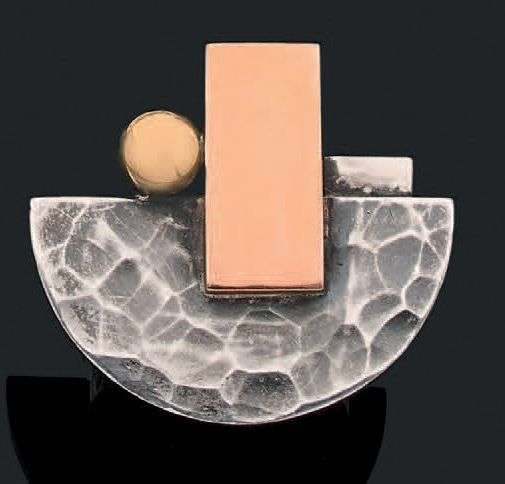
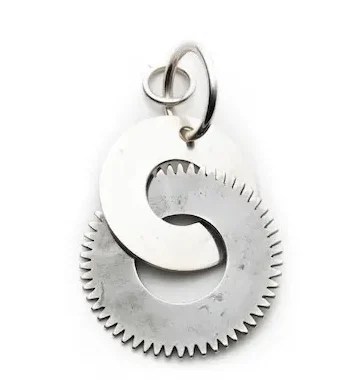
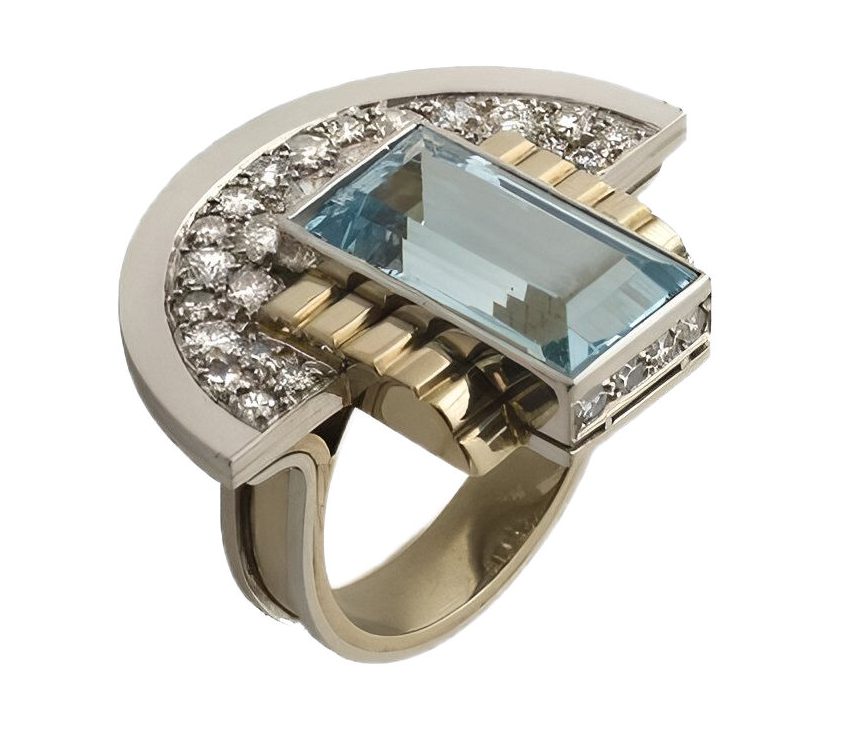
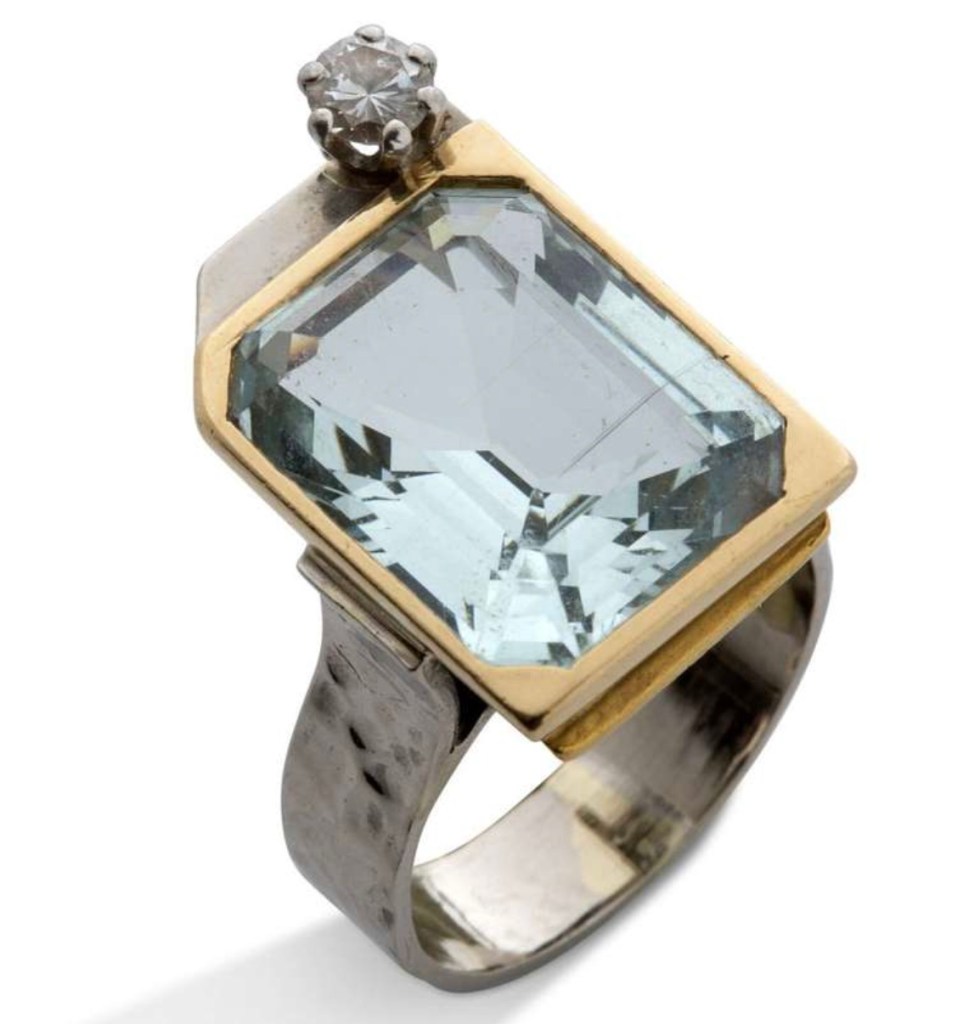
Photos: Levy’s Fine Jewelry and Aguttes
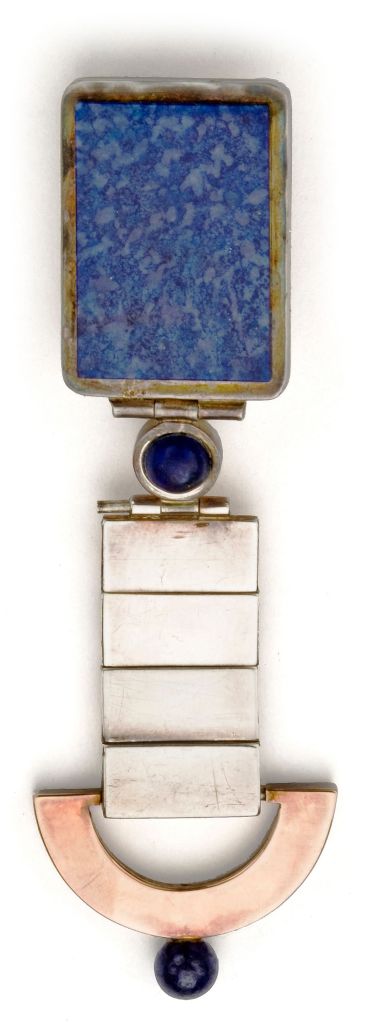
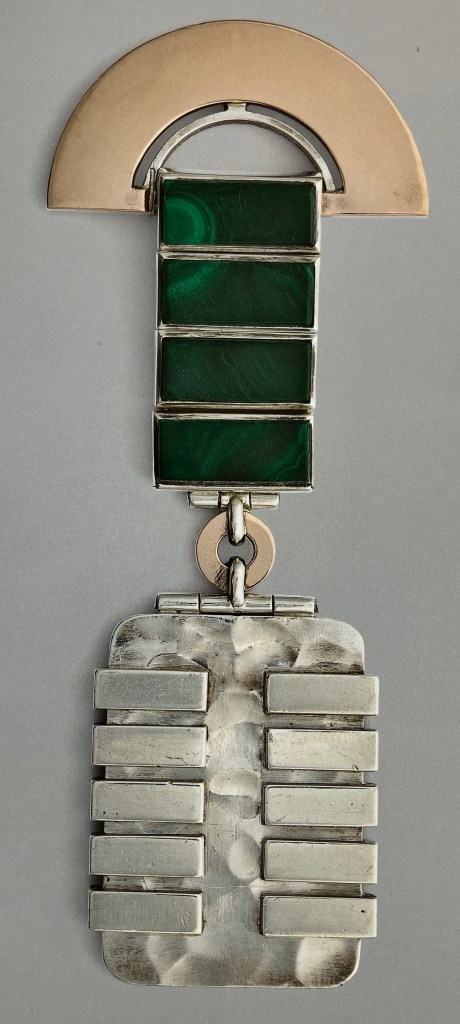
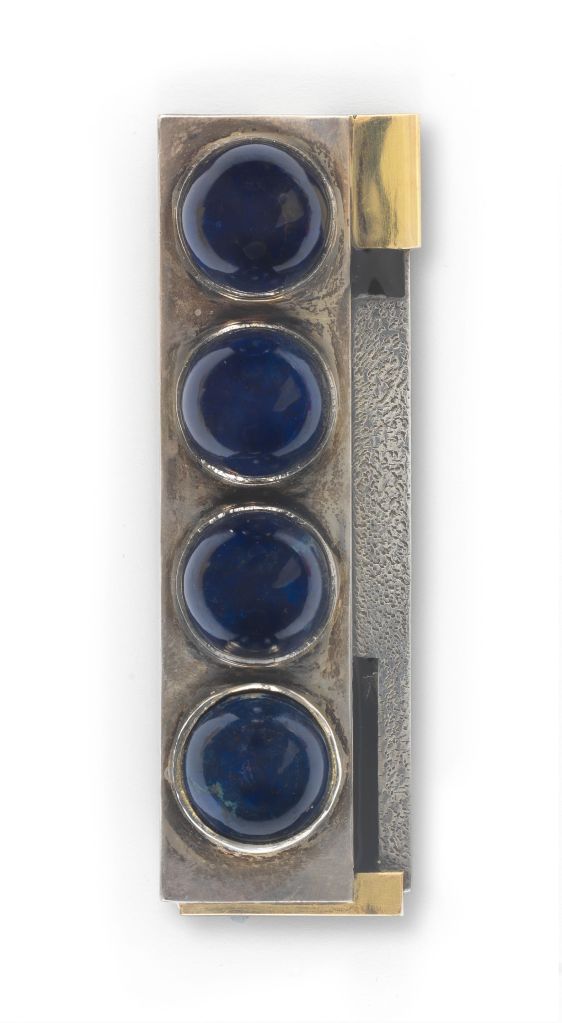
Photos: 1 & 3 Bonhams, 2 From the book Jean Després – Jeweler, maker and designer of the Machine Age by Mélissa Gabardi.
Photos: Sotheby’s
Photos: 1 & 3 Lempertz 2 Sotheby’s
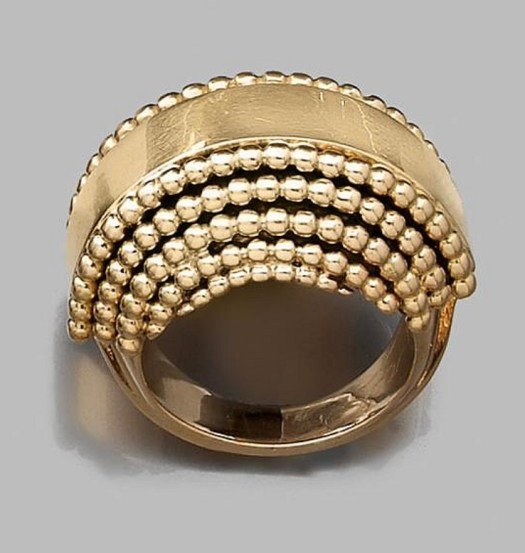
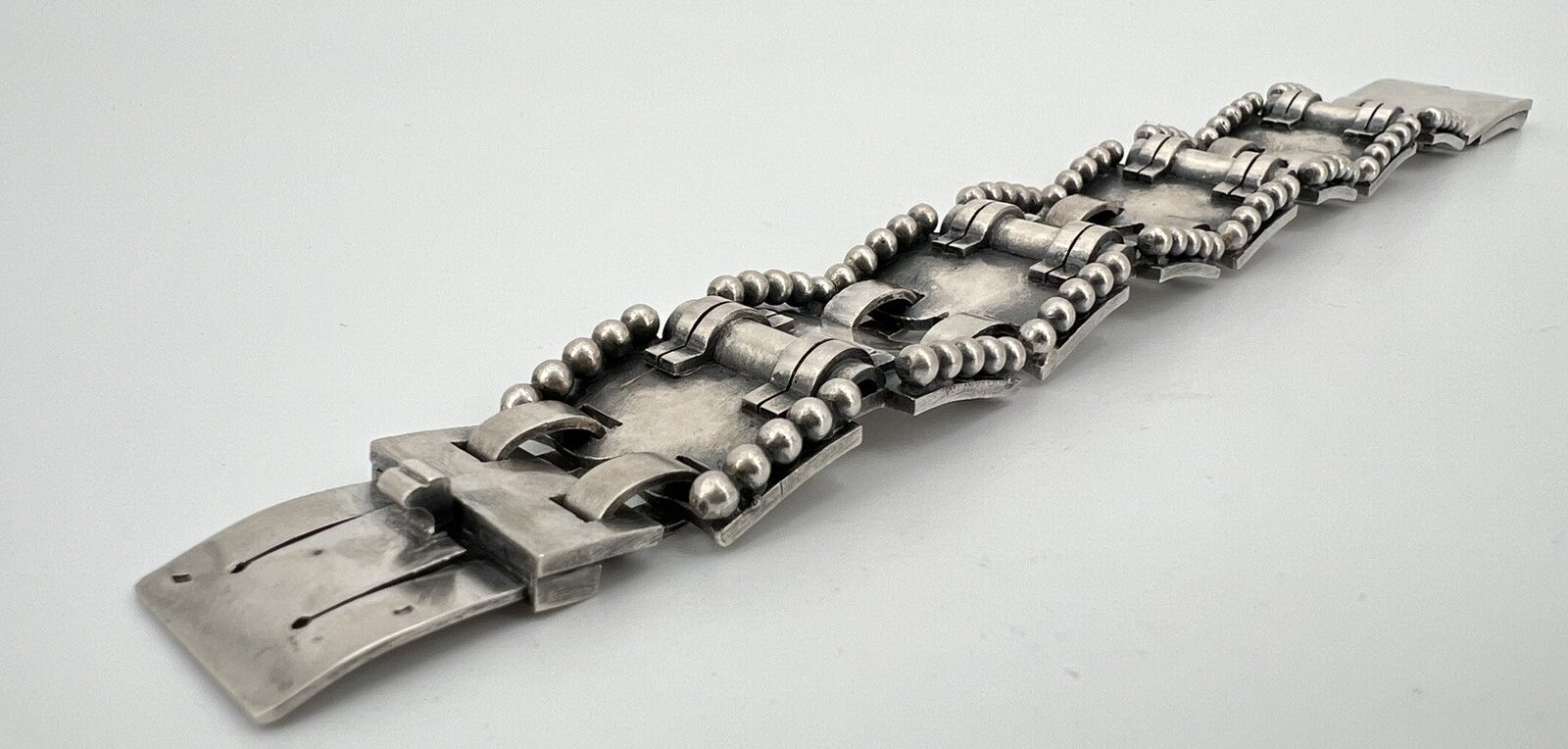
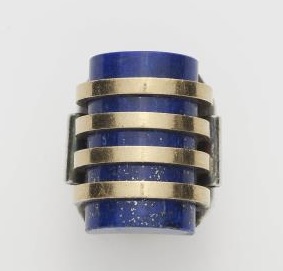
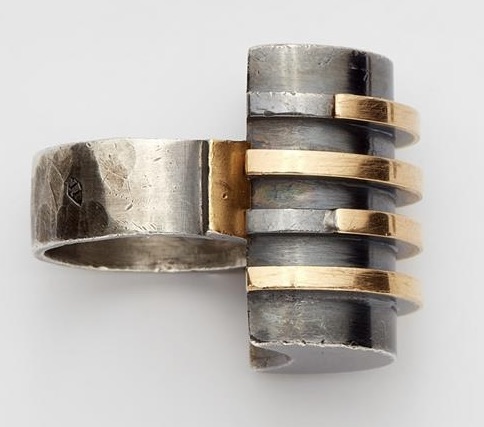
Photo: Sotheby’s
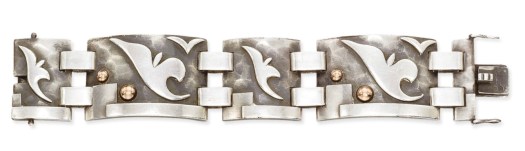
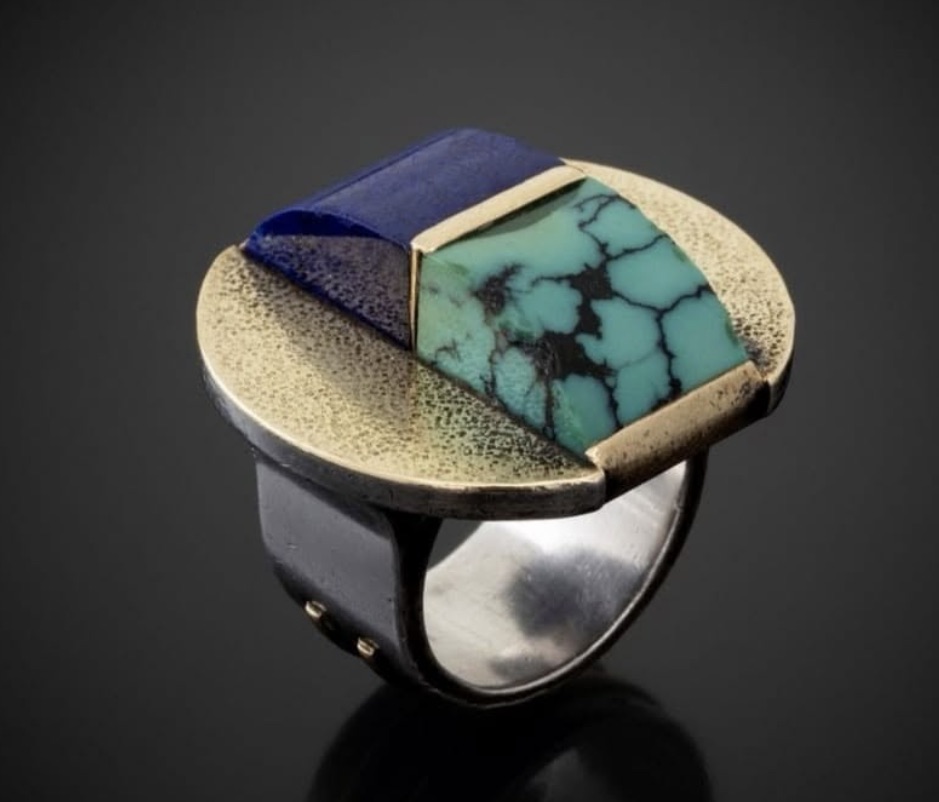
Jean Després:
“A piece of jewelry should be composed of elements that can be read at a distance. The miniature is detestable. […] Pieces of jewelry and and silverware should be works of art, while meeting the same needs as industrial articles.”
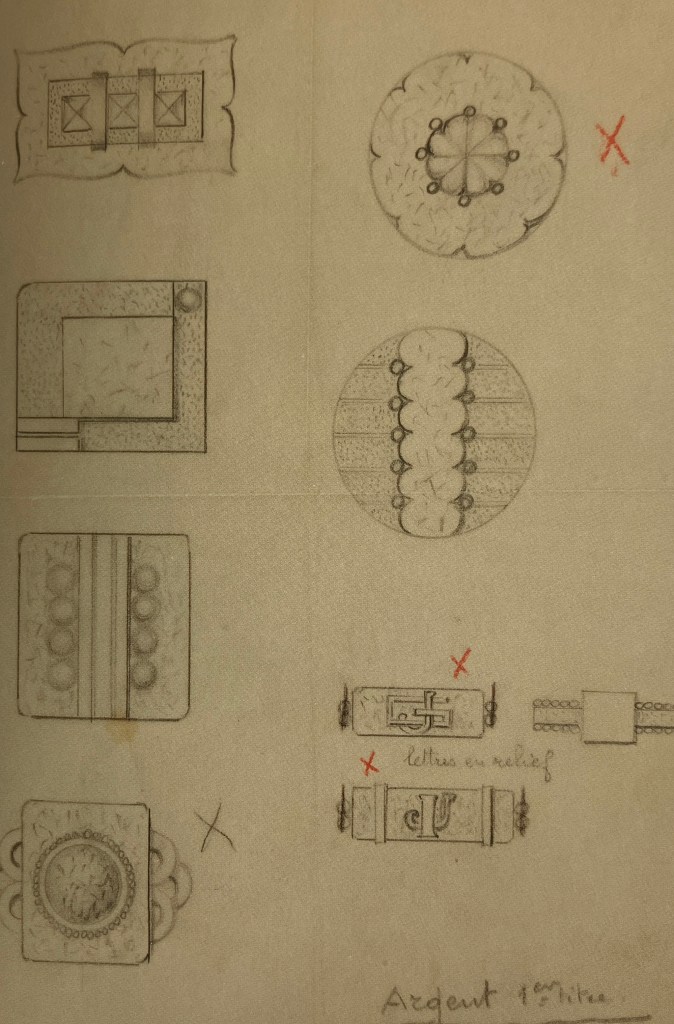
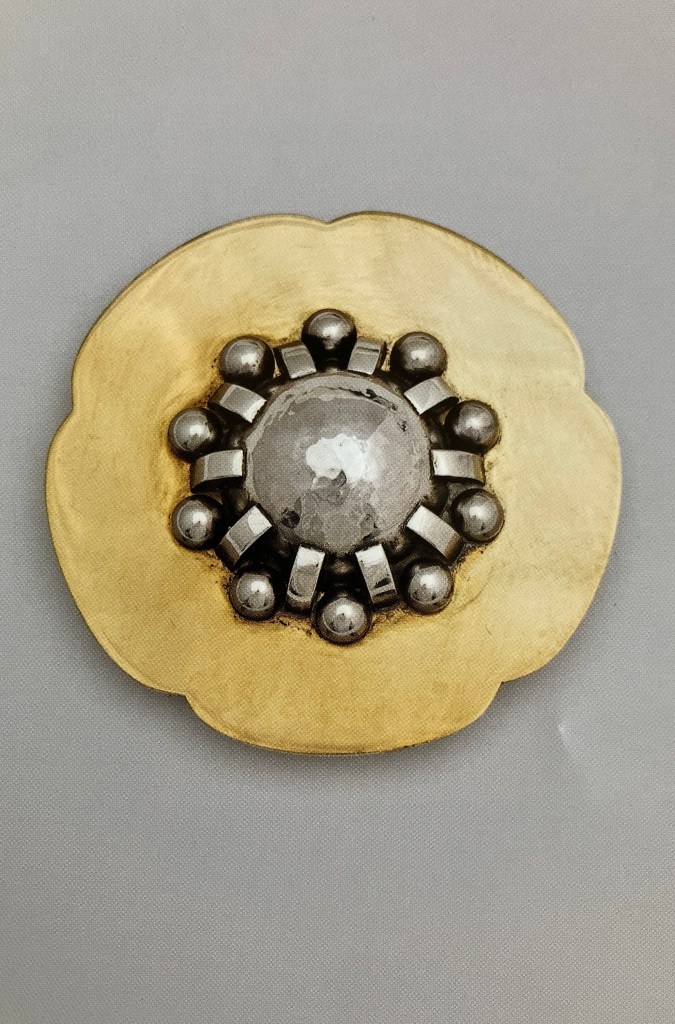
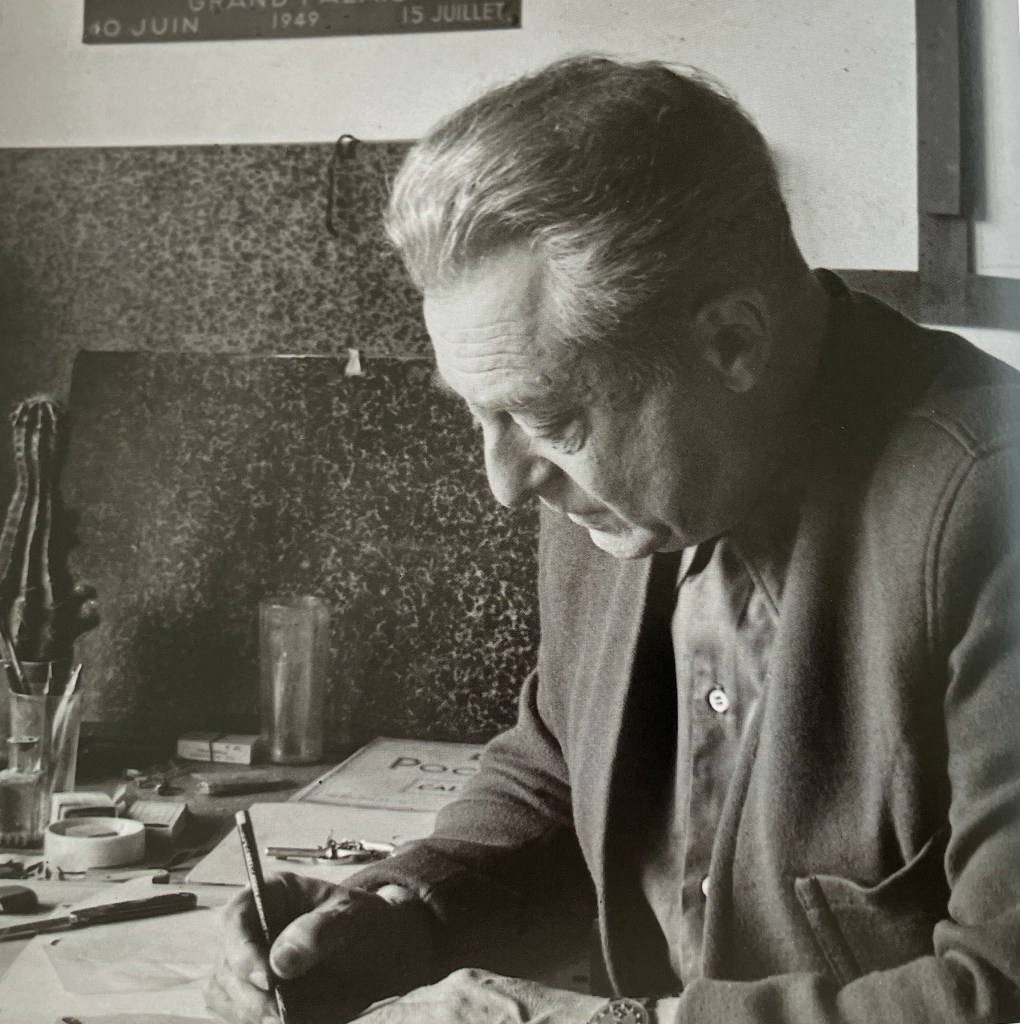
Photo: From the book Jean Després – Jeweler, maker and designer of the Machine Age by Mélissa Gabardi.
Early days
Jean Després was born and grew up in Avallon where his family owned a jewelry and gift shop. In 1903, at the age of 14, his father sent him to apprentice with a silversmith friend in the Marais district of Paris. During his studies Jean also studied design and took drawing classes in the Paris schools.
Also important was that he hung out at Bateau-Lavoir, the building in Montmartre – an “art center” that had once been a ballroom and piano factory but, from 1889, was divided into some twenty small workshops – which, during the early twentieth century and the interwar period, was the meeting space and place for artists like Pablo Picasso, Amedeo Modigliani, Rose Adler, Paul Signac, the painter and sculptor Georges Braque and many more. The latter soon to become one of Després’ best friends together with Lalique, Paul Jouve and Jean Durand.
This was an era so transformed by automobiles, aviation, factories and electricity that I think it is hard for us today to fathom. A change Després illustrated in his jewelry and other designs.
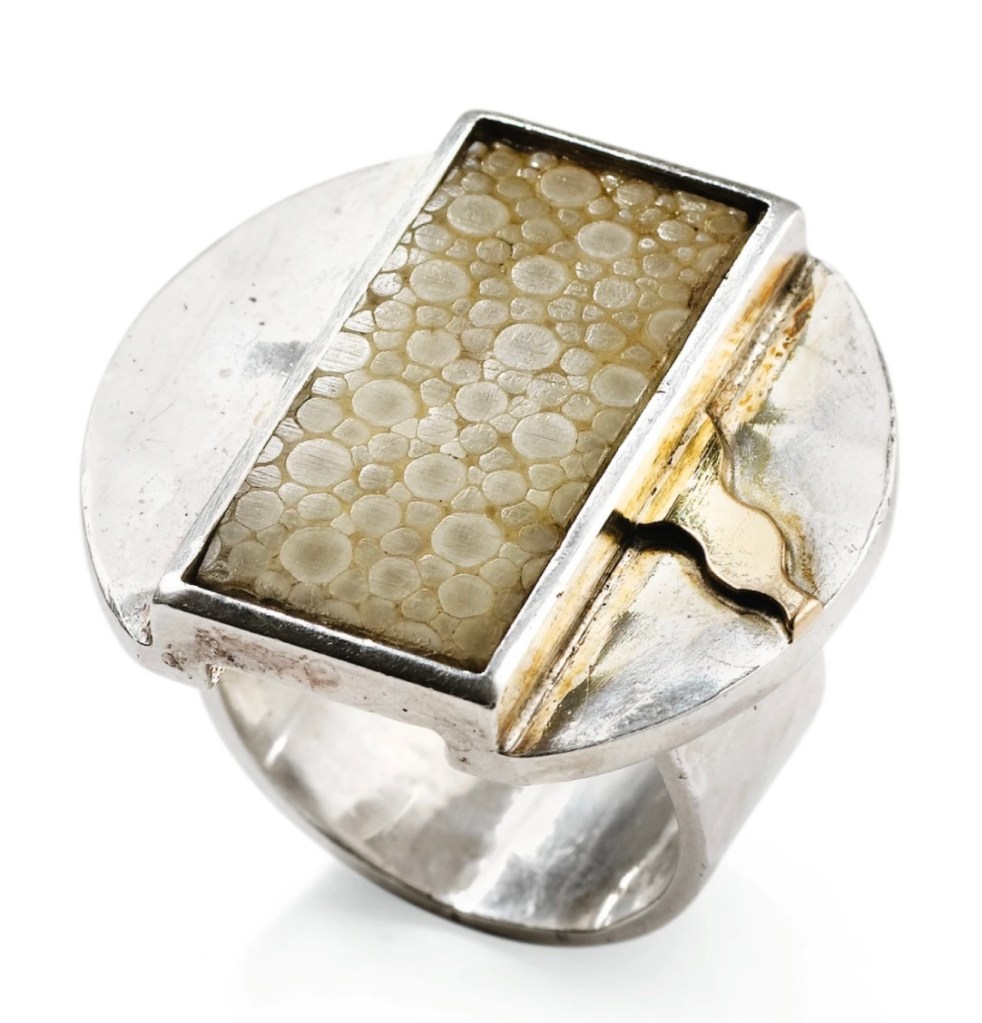
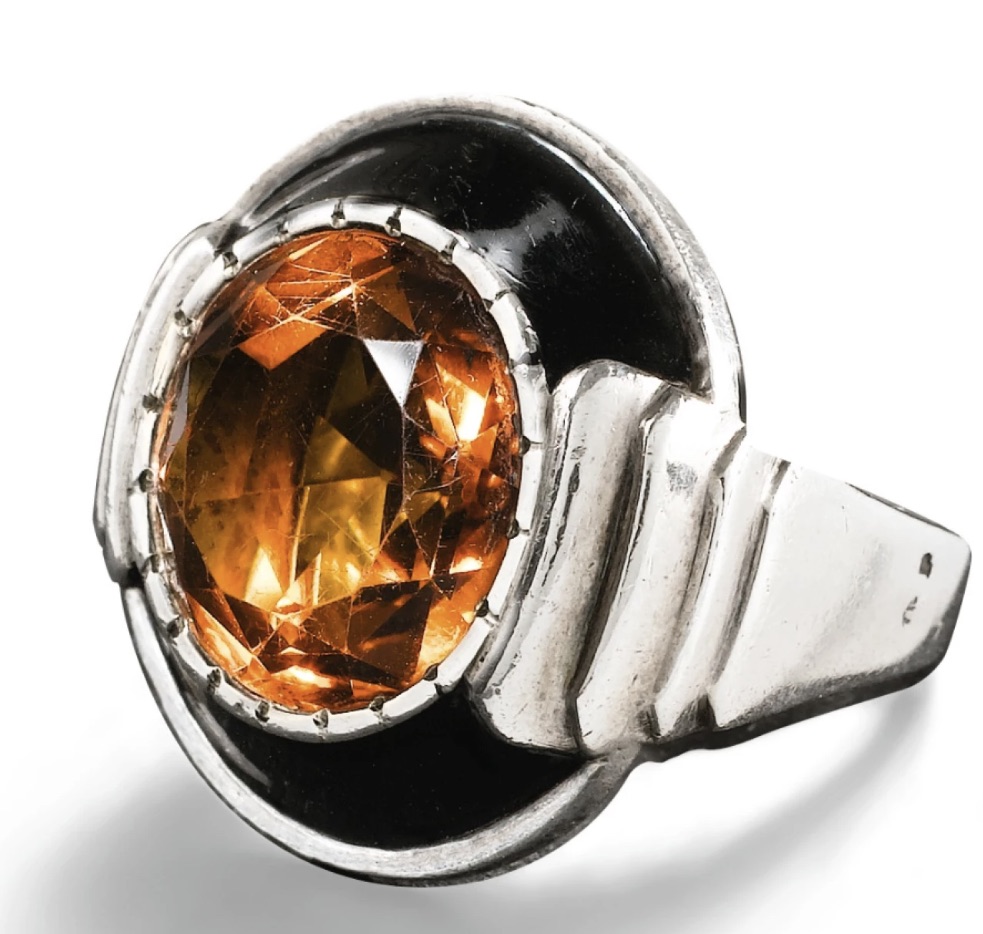
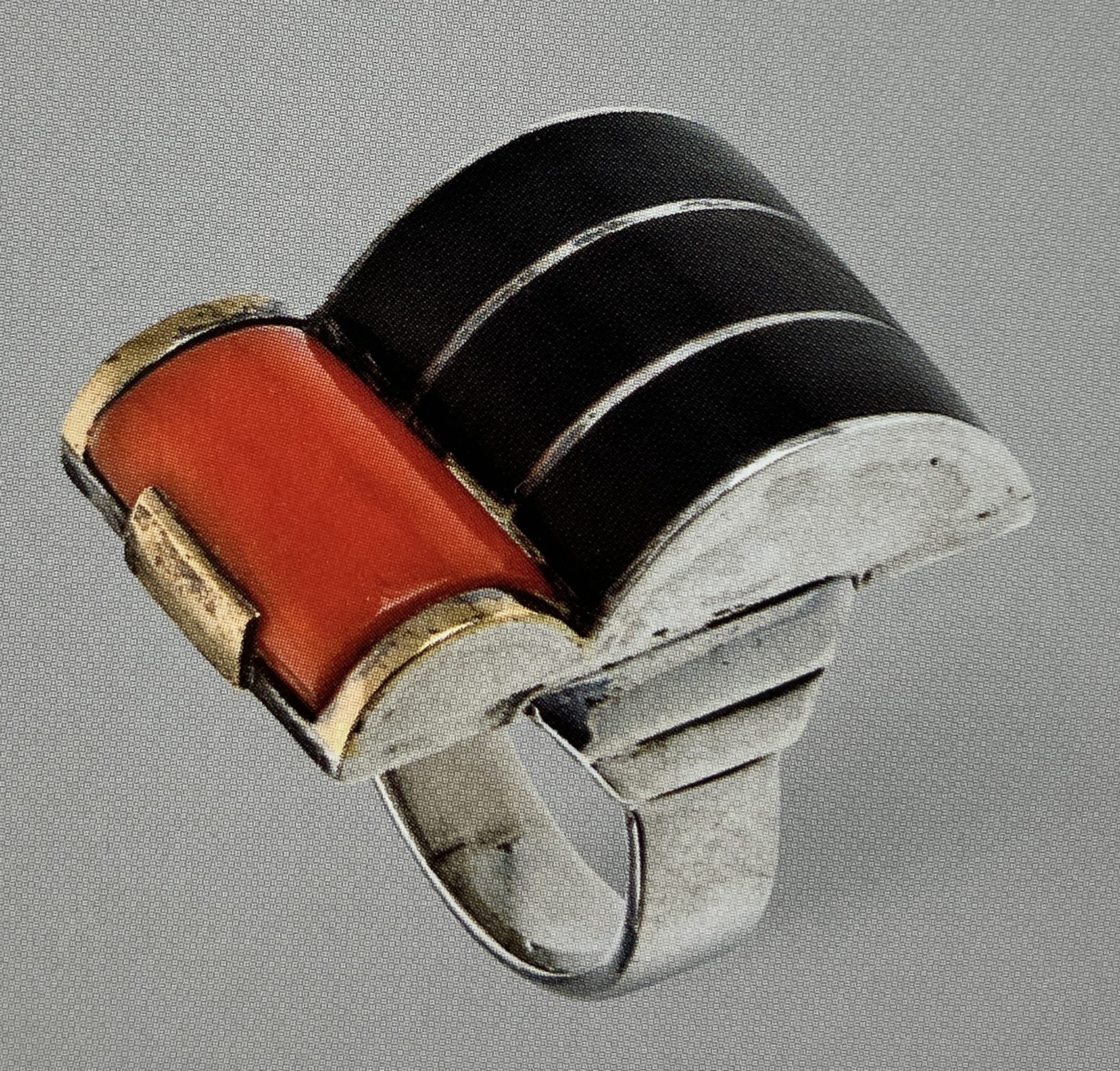
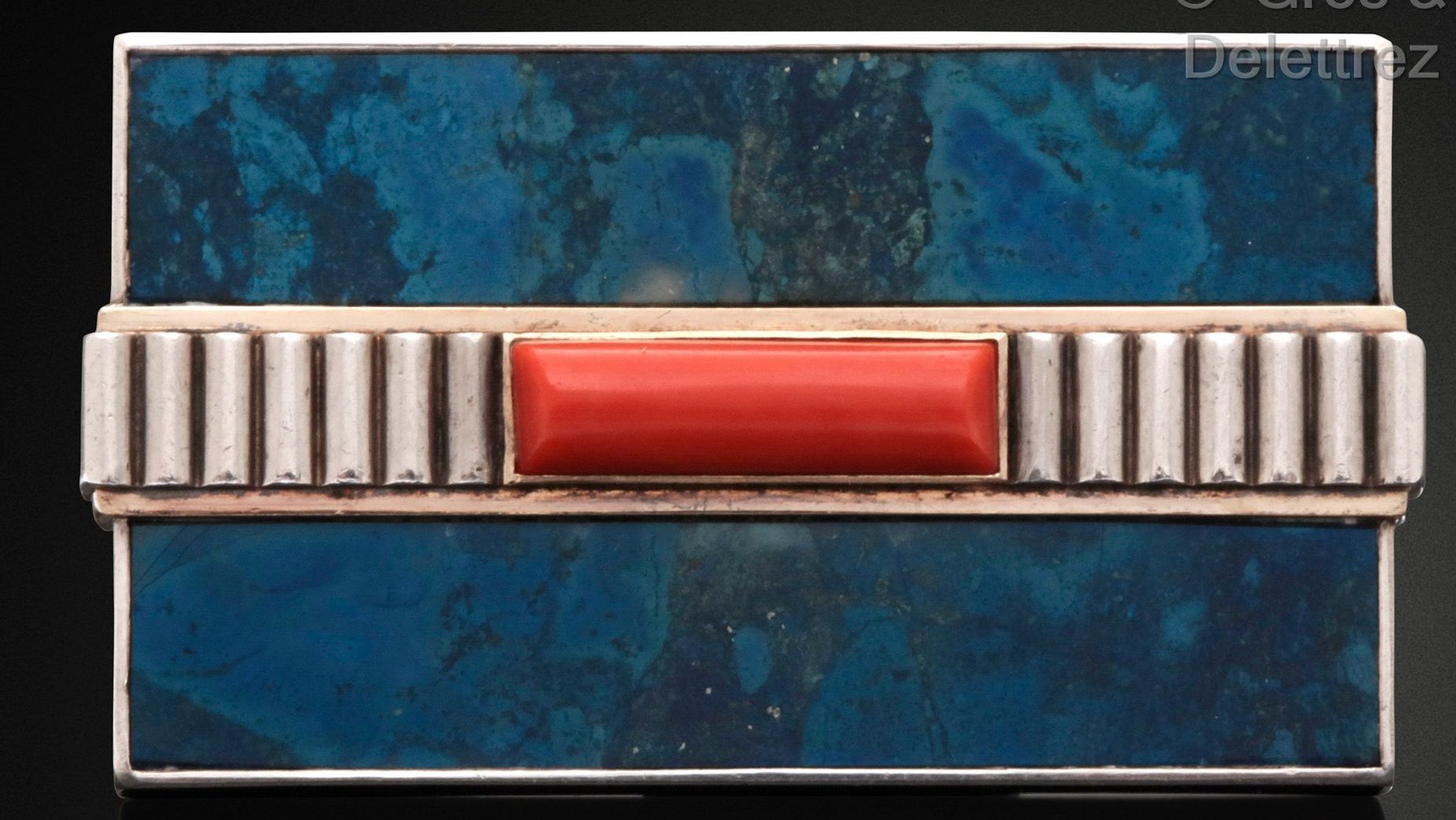
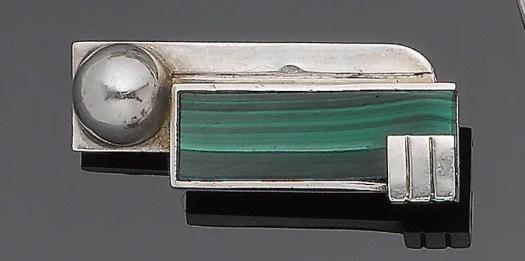
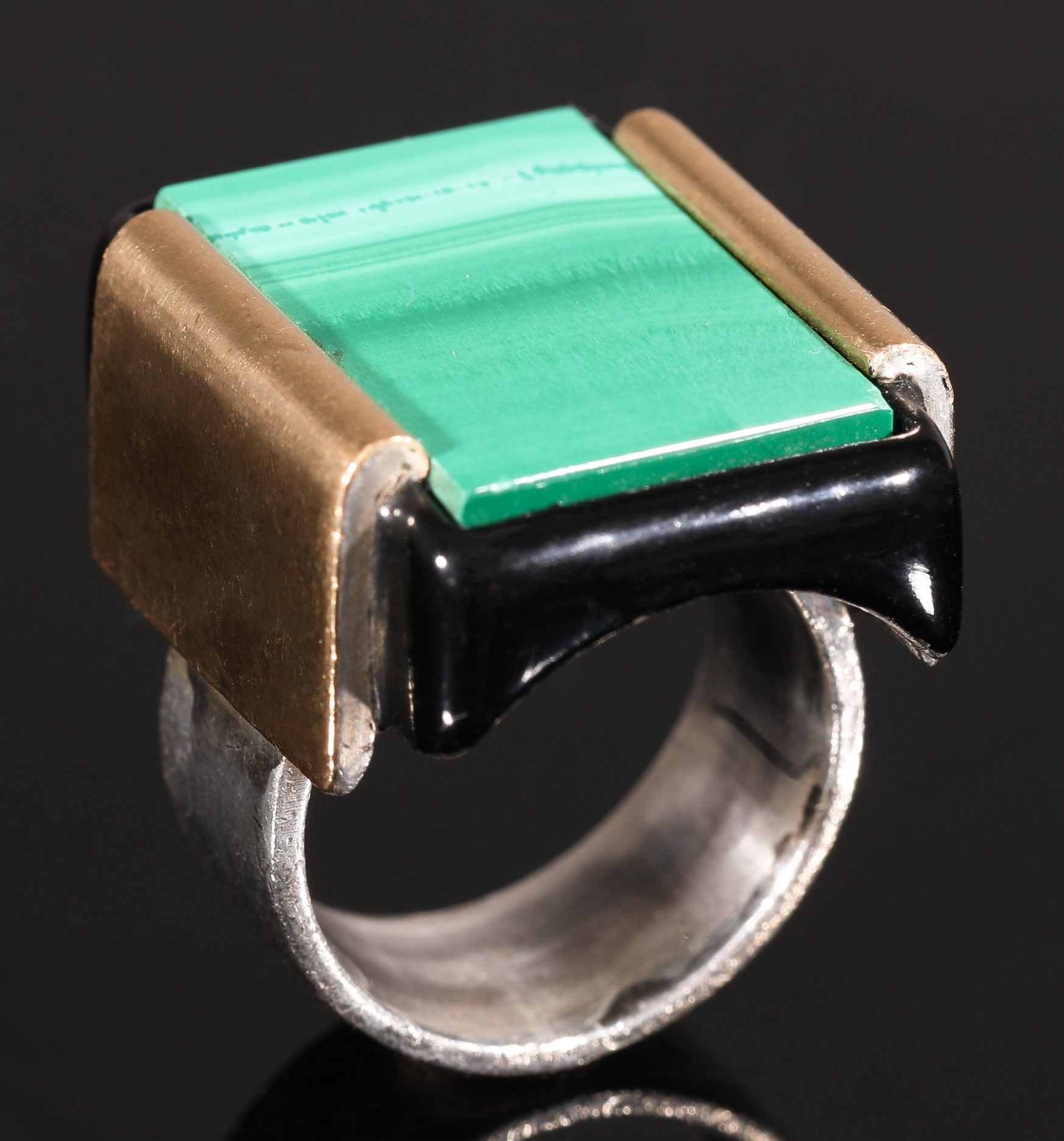
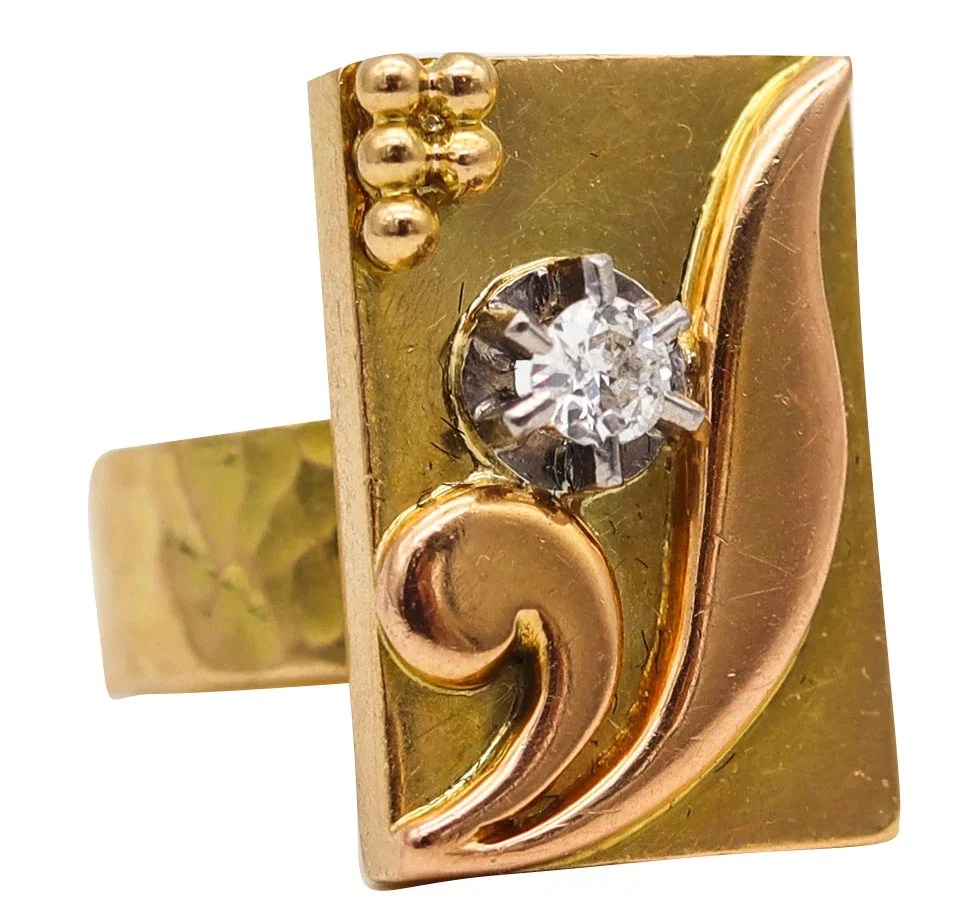
Rings, rings, rings and then some rings
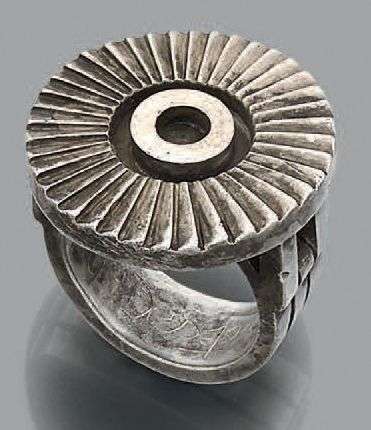
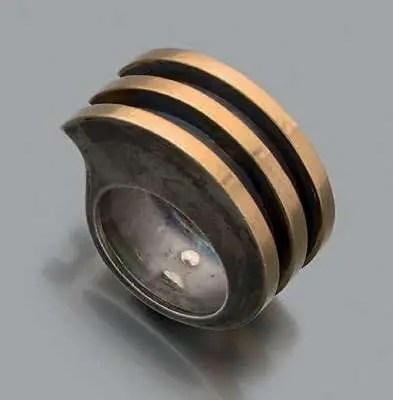
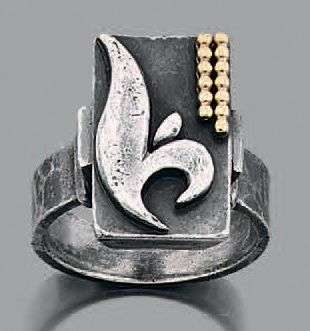
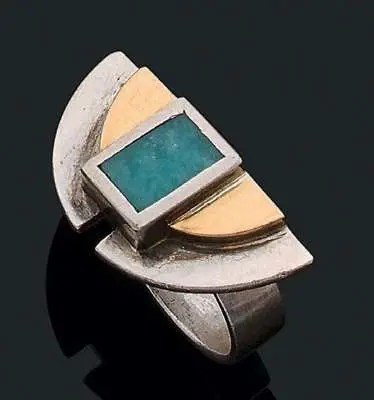
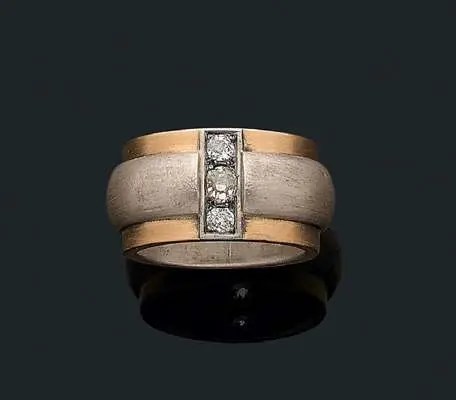
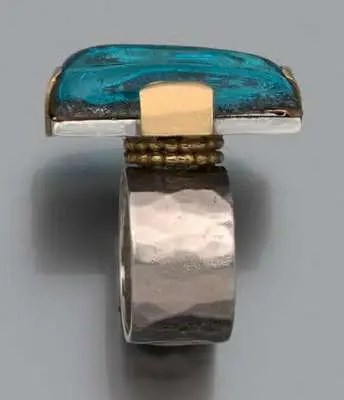
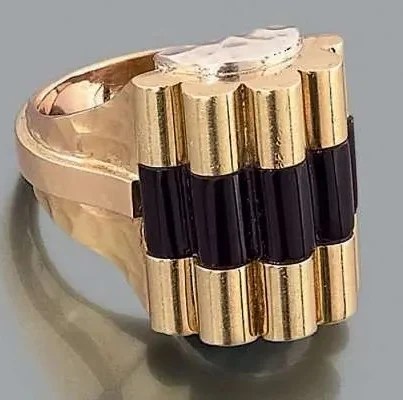
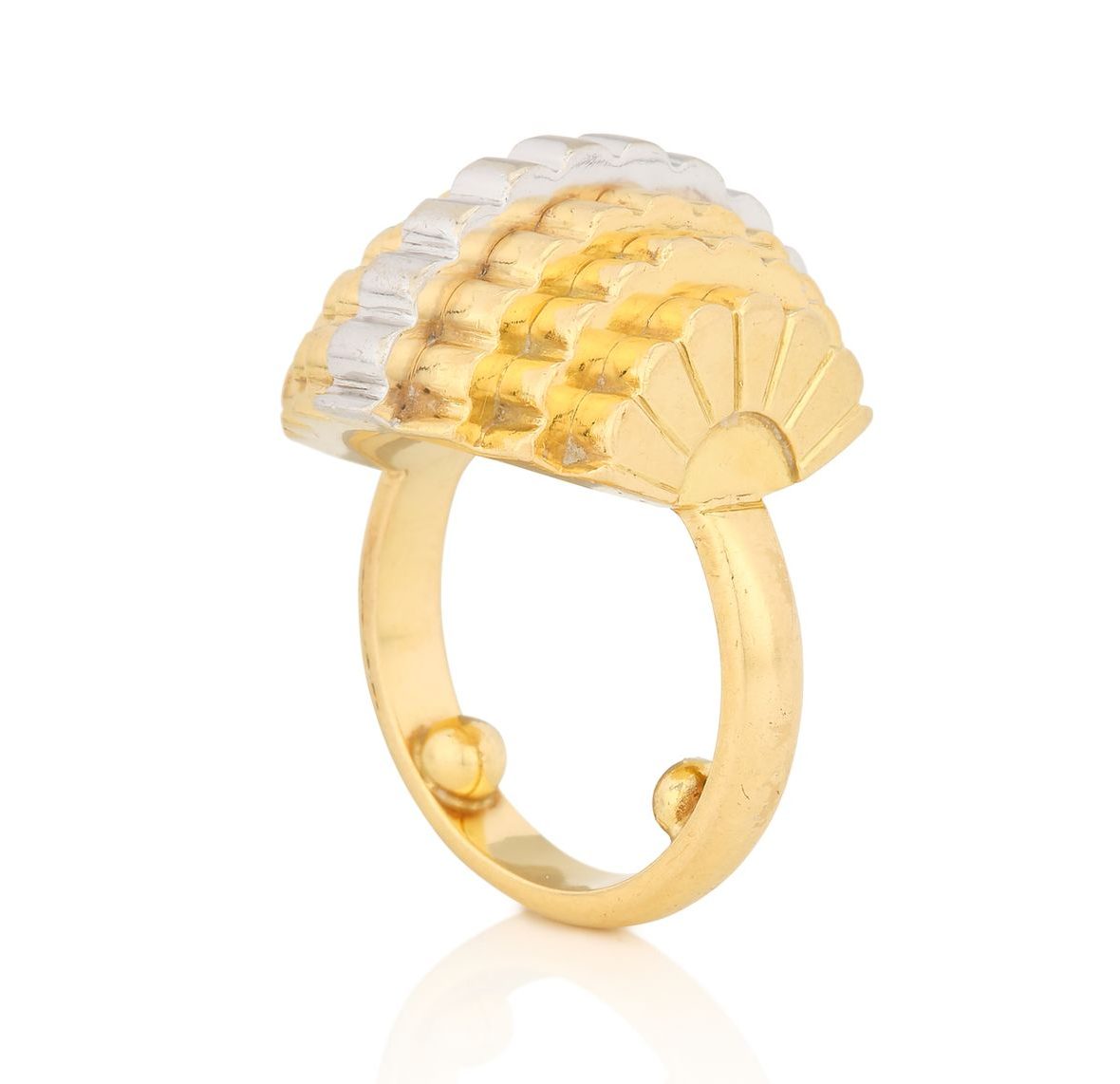
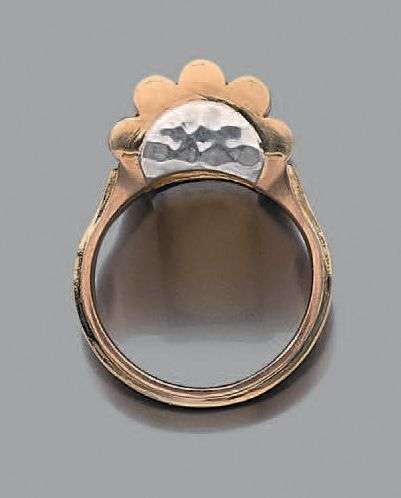
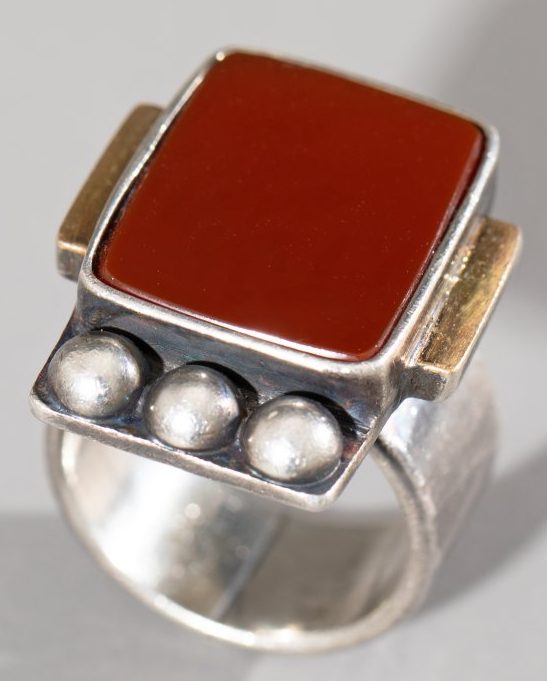
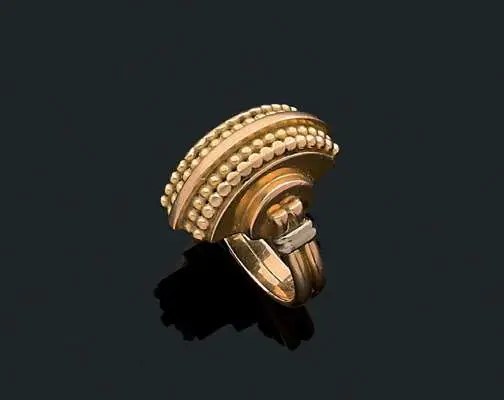
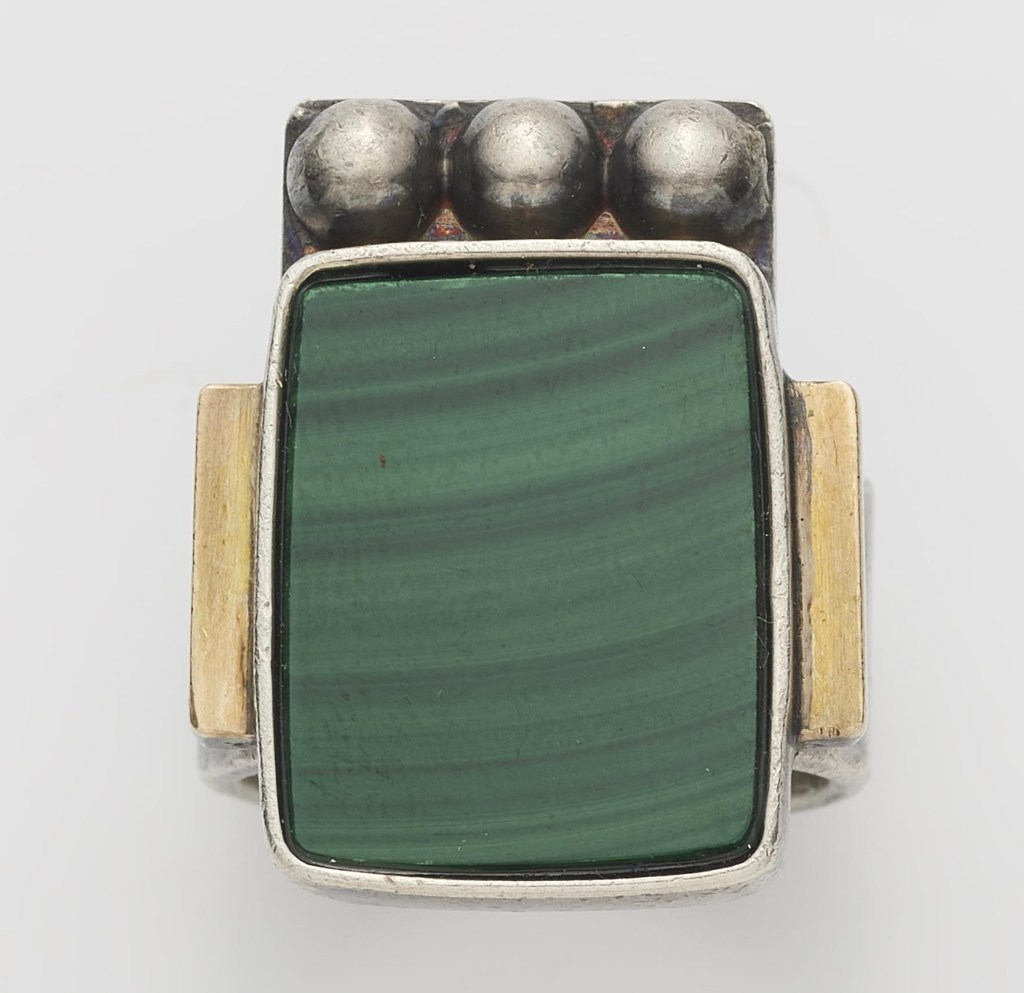
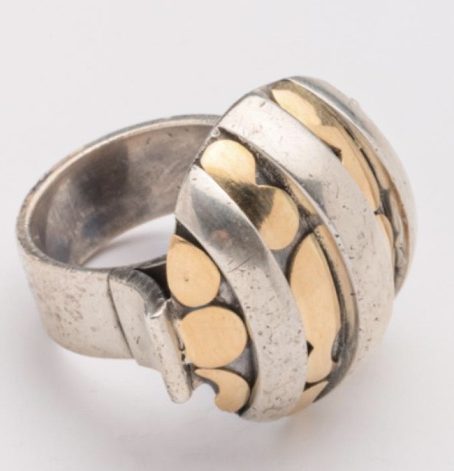
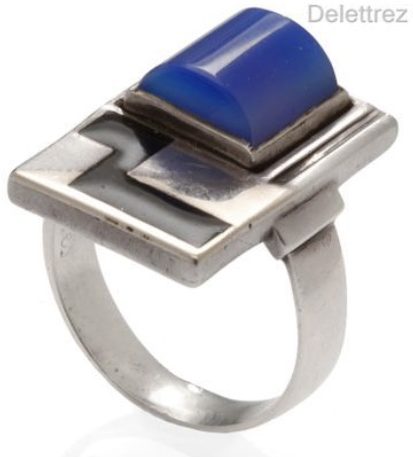
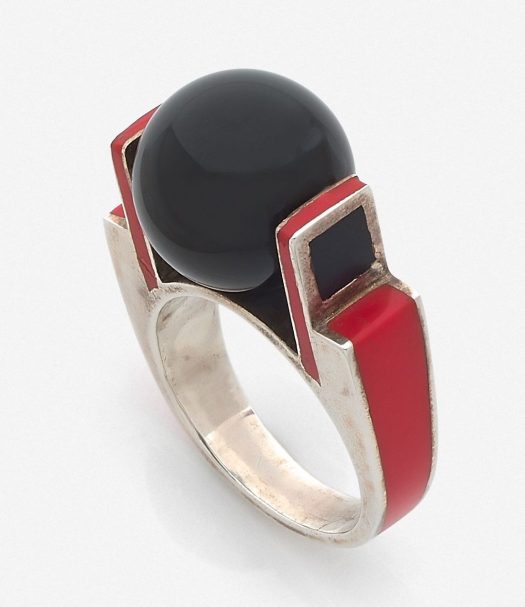
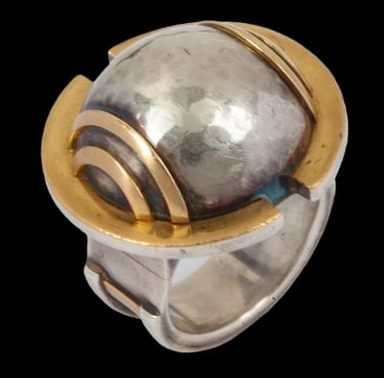
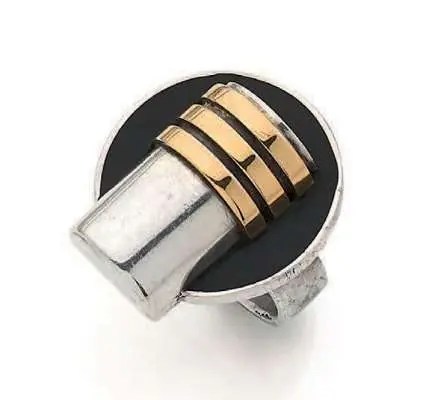
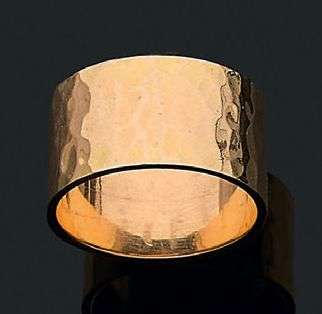
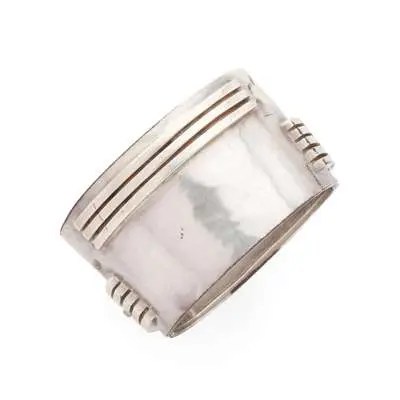
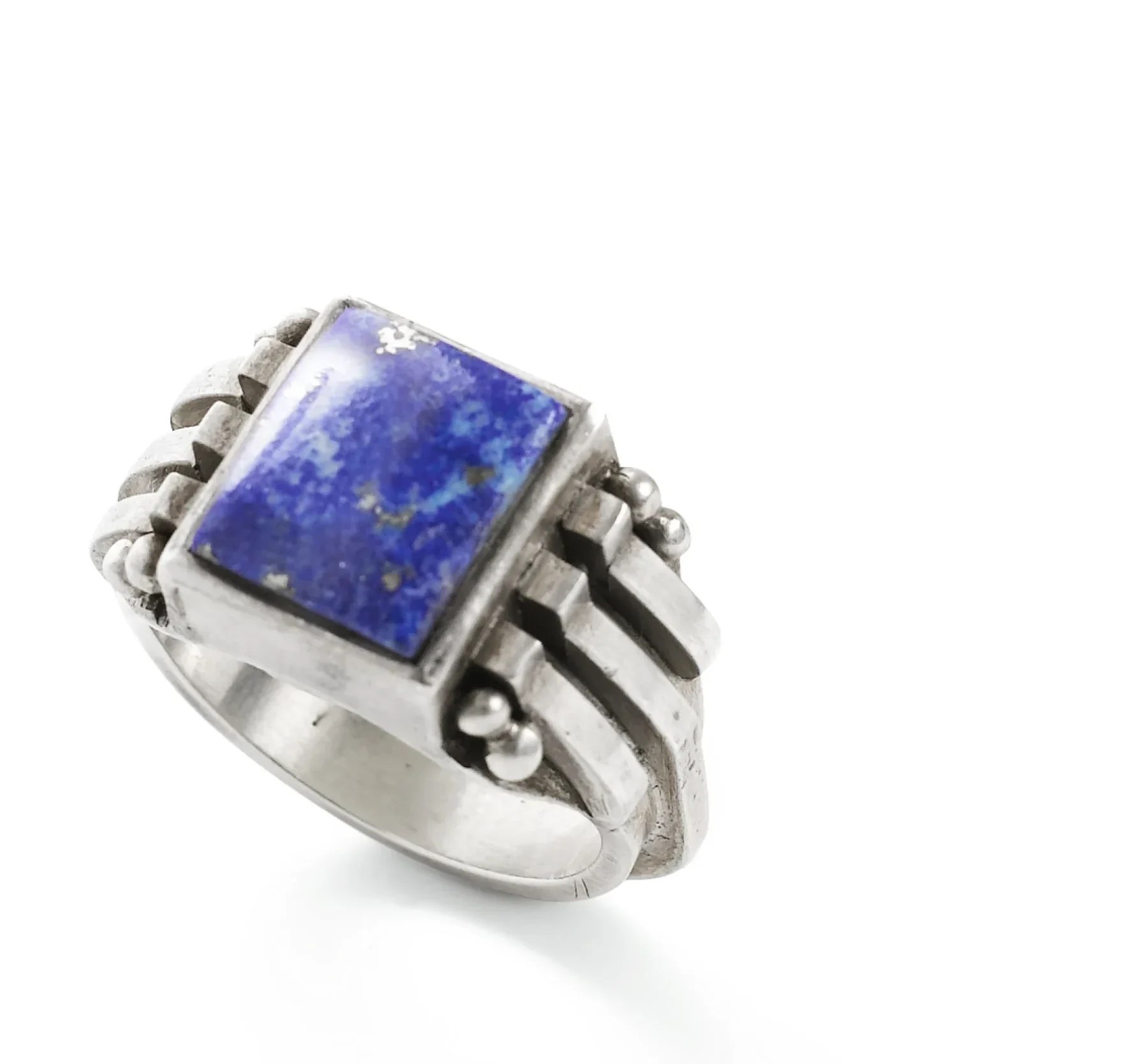
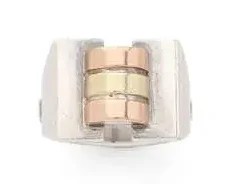
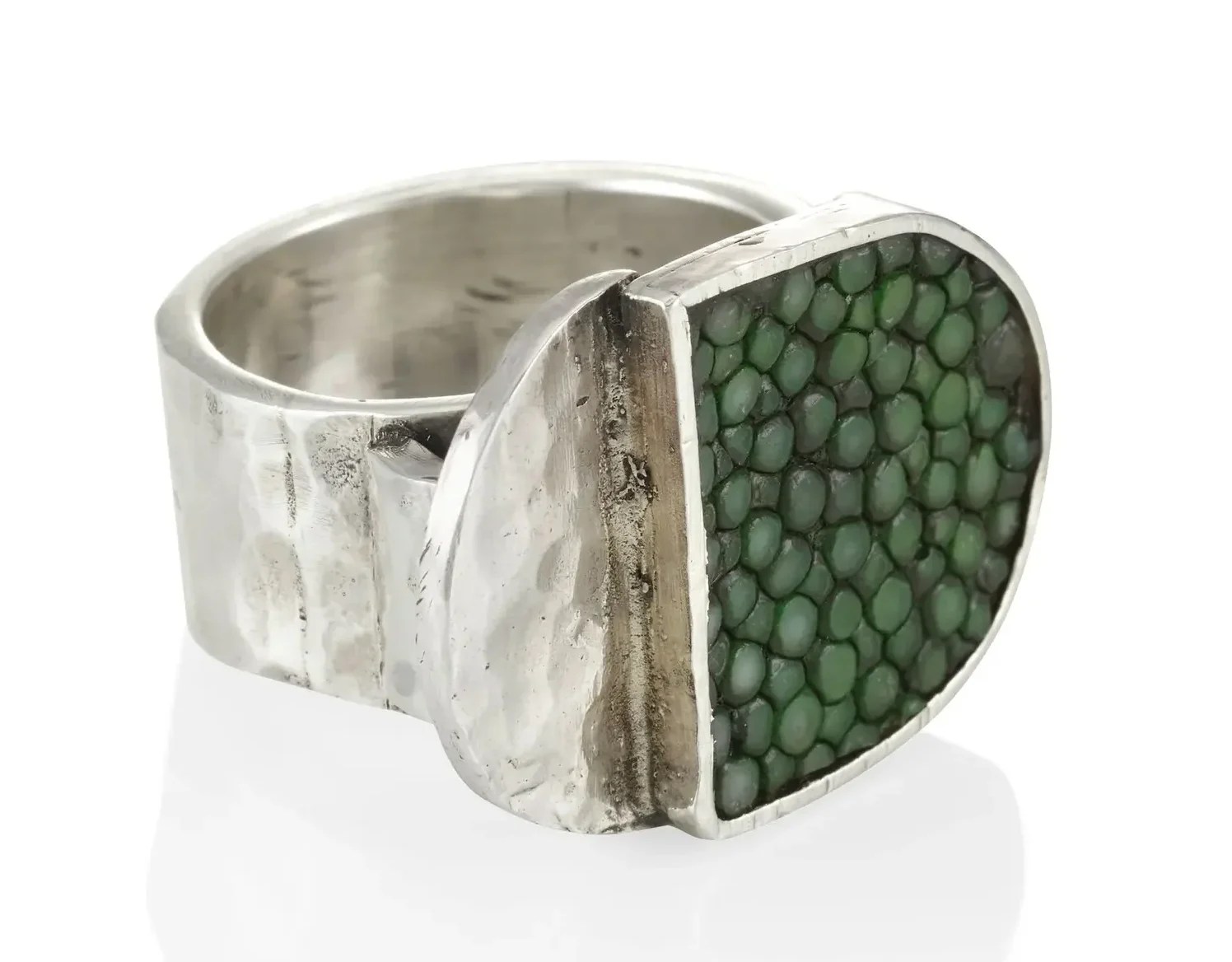
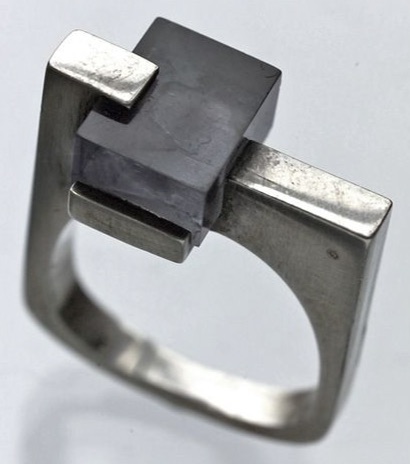
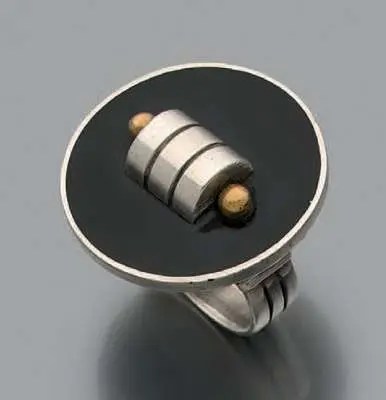
All photos: Aguttes, Gros and Delettrez, Artcurial, Kunst- und Auktionshaus Shops Turowski and Maison Rapin.
Jean Després in letter to Cournault:
“ I shall focus primarily on rings. Rings are still what people like most and they’re something I manage to do quite differently.”
The artist turned mechanic turned artist
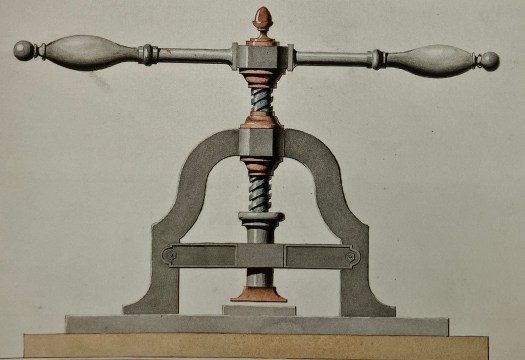
During the First World War Després served in various capacities in the French army, but in 1917 he was assigned to the air force as a mechanic. But when his graphic skills were noticed and recognised he was employed as a draughtsman instead. In military aviation, he worked on technical drawings related to aircraft and encountered the forms of engines, machinery, utilitarian materials and mechanical components. In 1918 he obtained outstanding results working on the Hispano-Suiza engines.
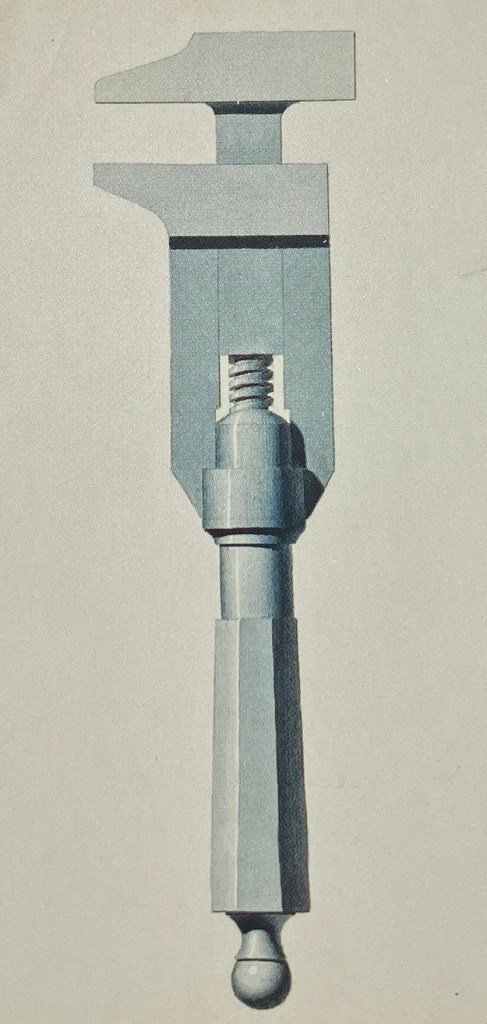
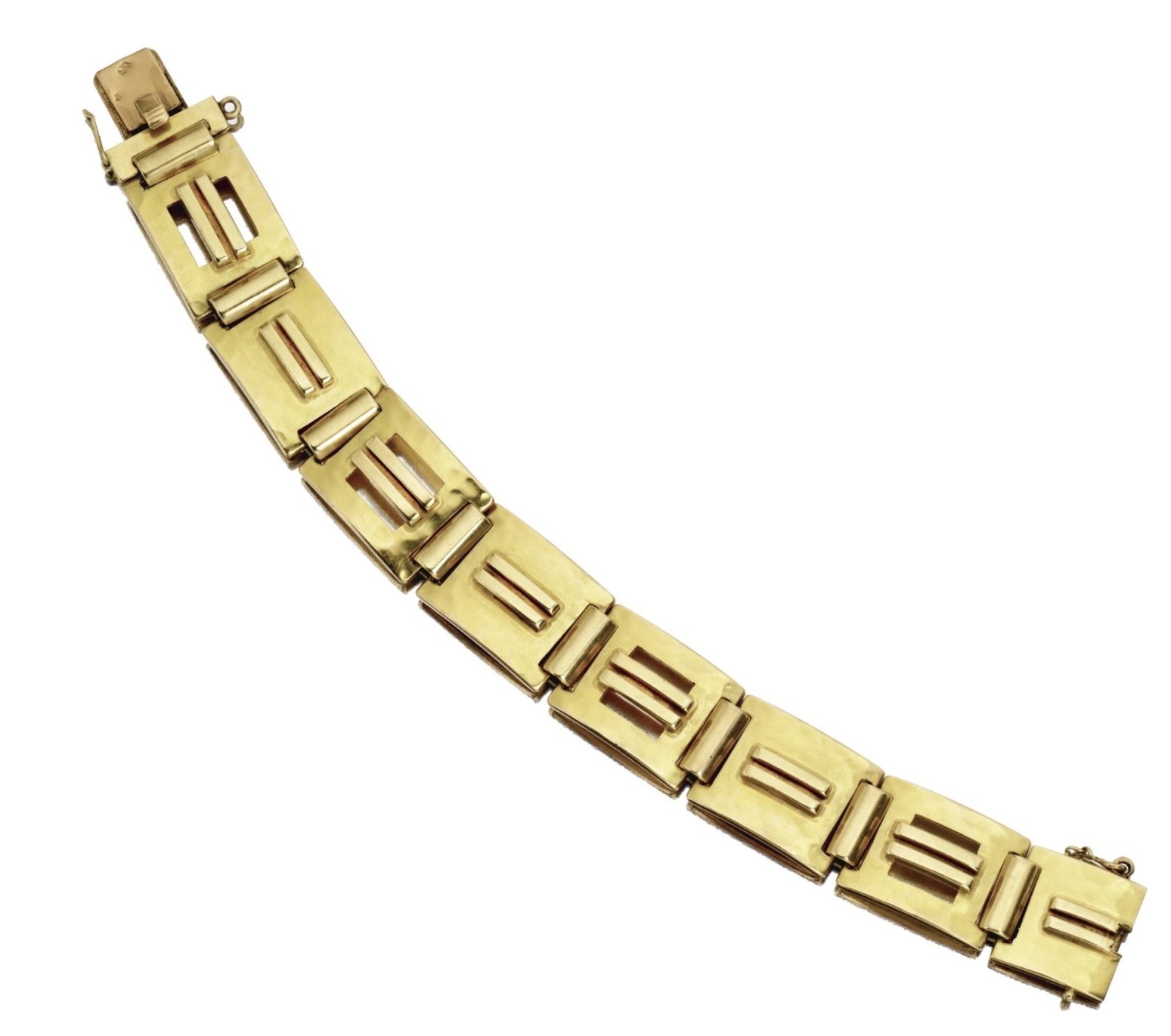
This came to have a deep and profound impression on him and his later aesthetic. The influence and inspiration these years had on his later jewelry, in the 1930s, cannot be overstated. Inner visuals of gears, bearings, pistons, connecting rods, cams and crankshafts were turned into brooches, bracelets, rings and necklaces. Even the titles he gave his pieces had the vocabulary of mechanics, the Connecting Rod brooch, the Crankshaft brooch, the Cam bracelet, the Cam ring and so on.
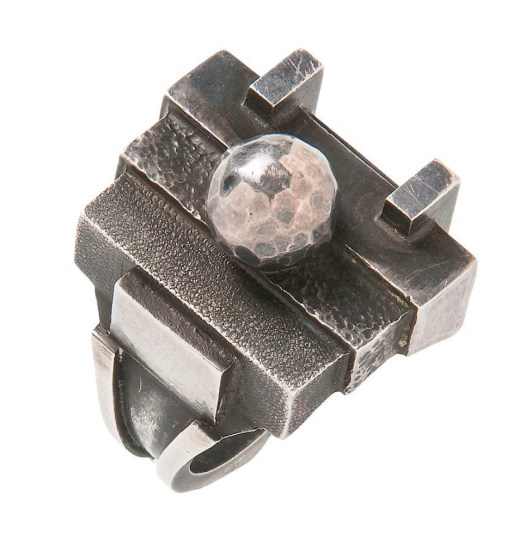
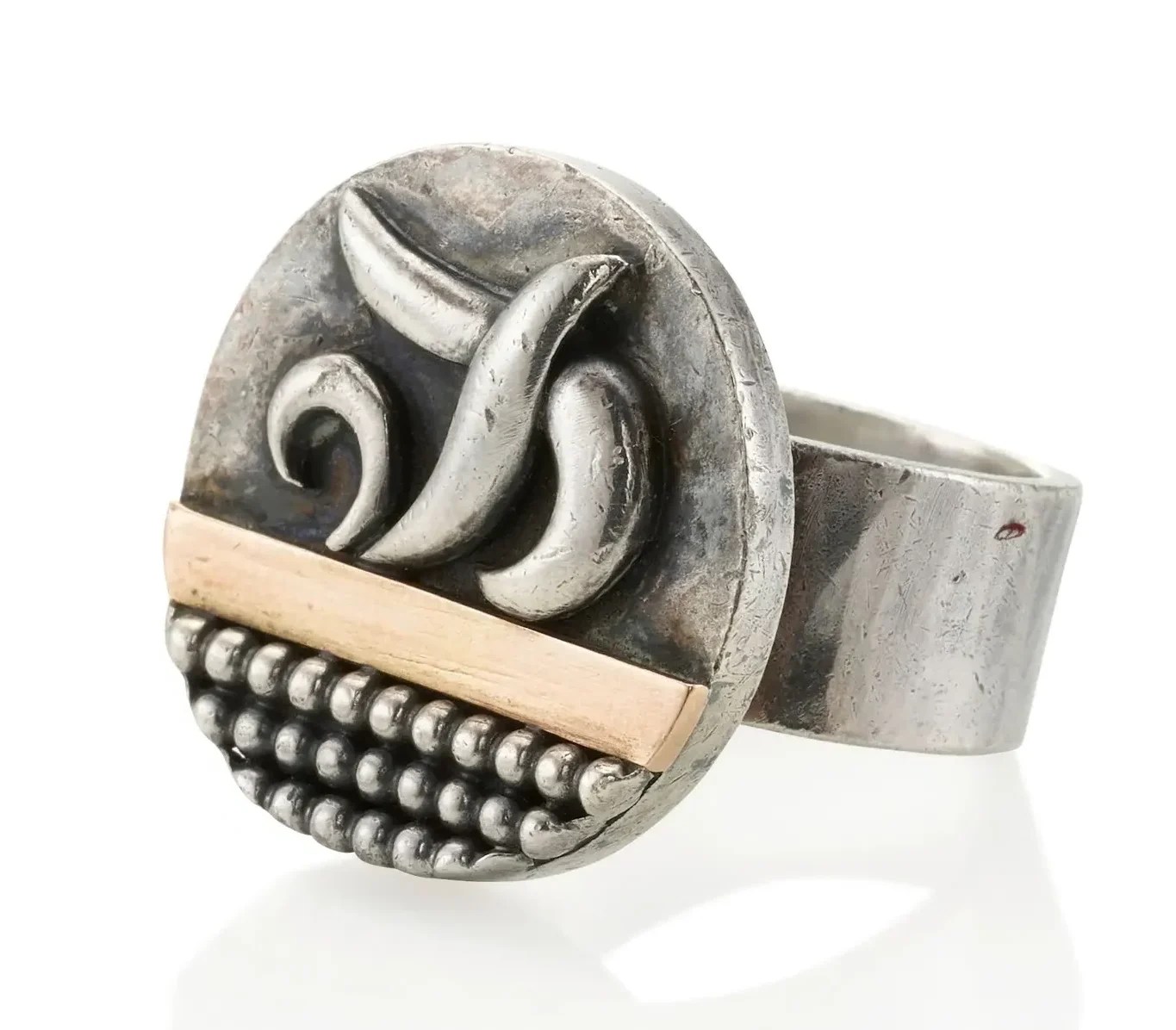
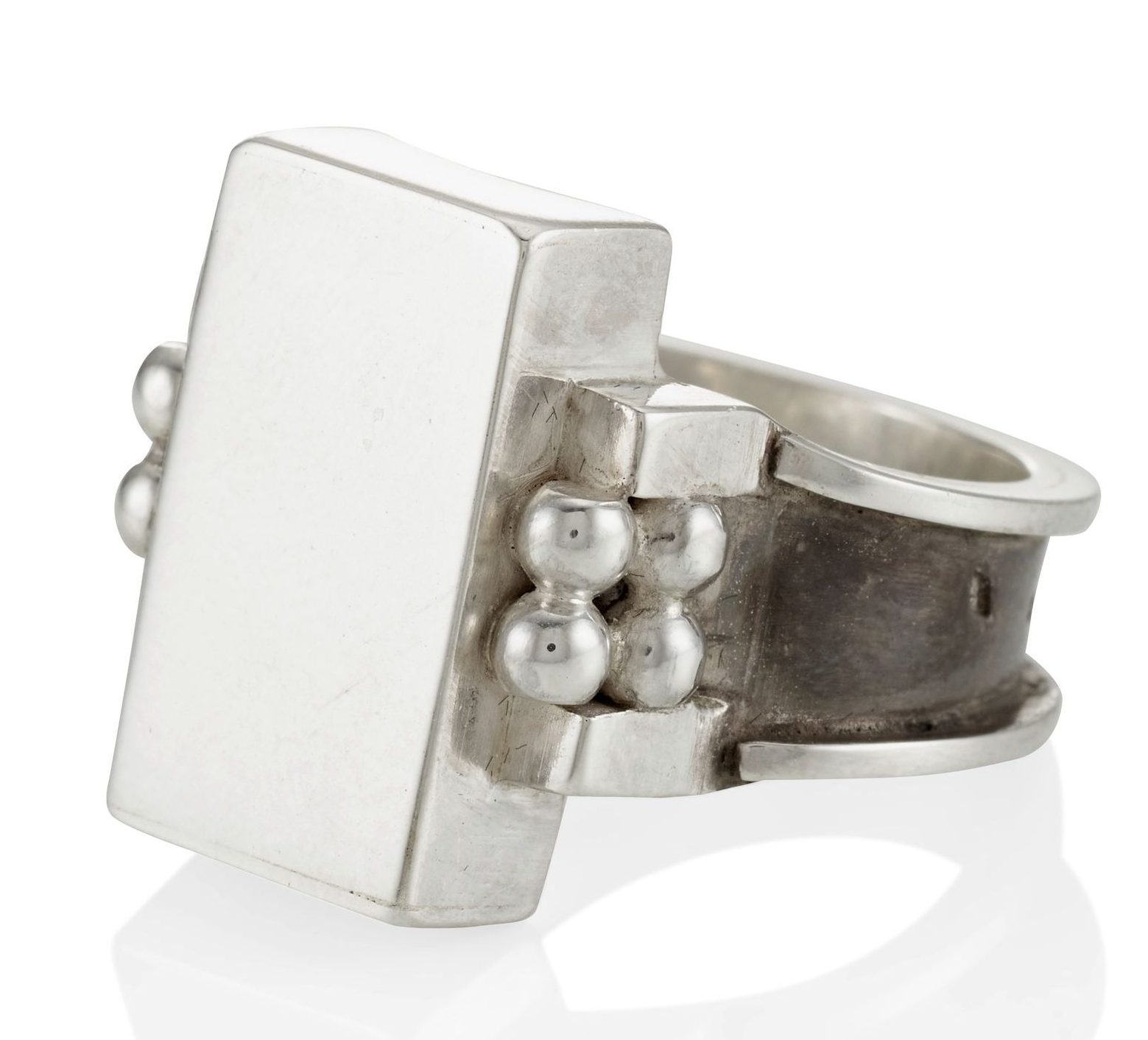
Photos: Bonhams
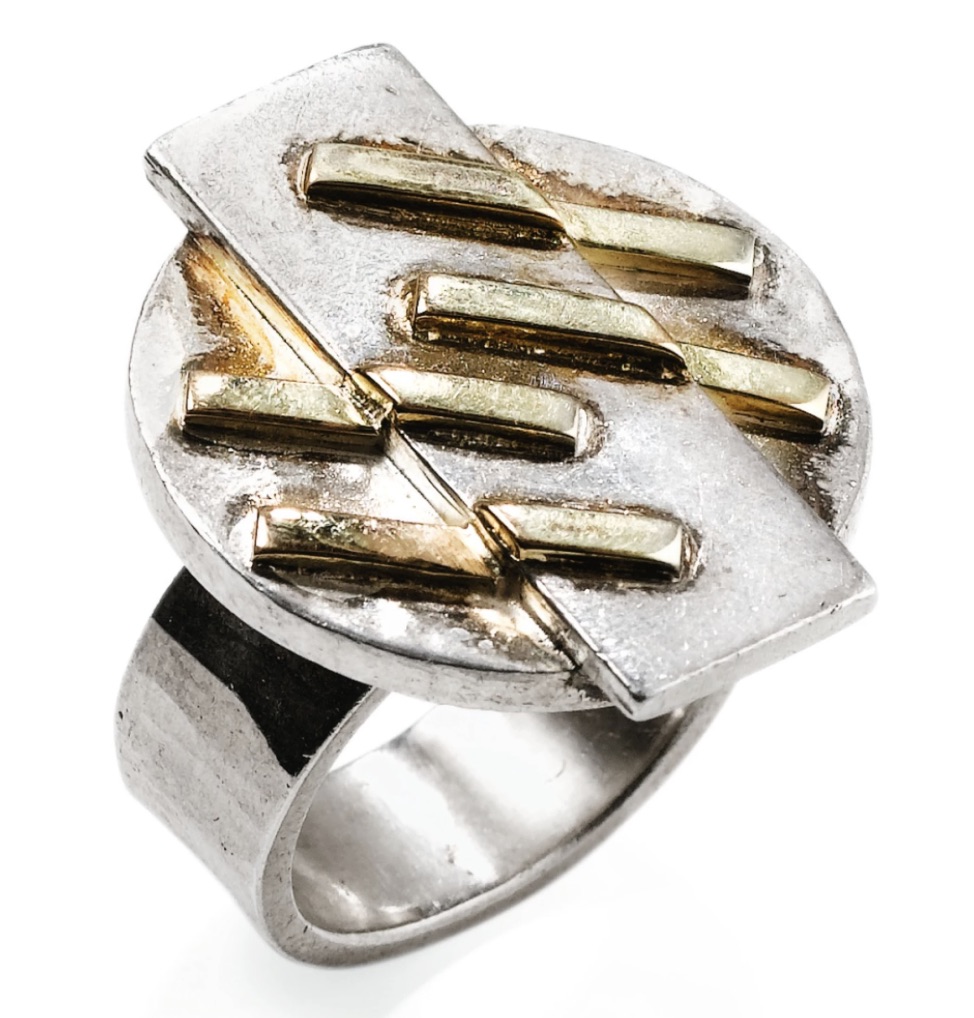
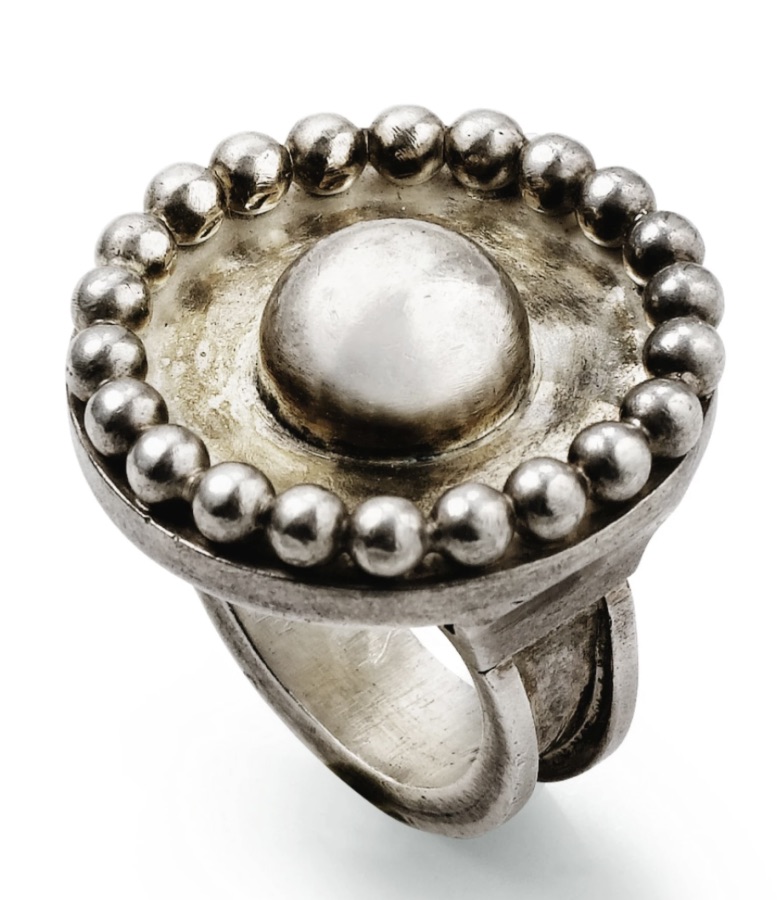
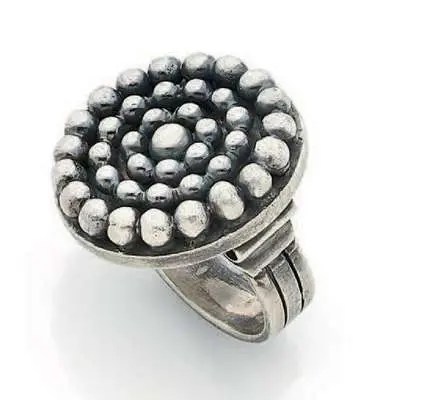
All photos: 1 & 2 Sotheby’s, 3 Auguttes
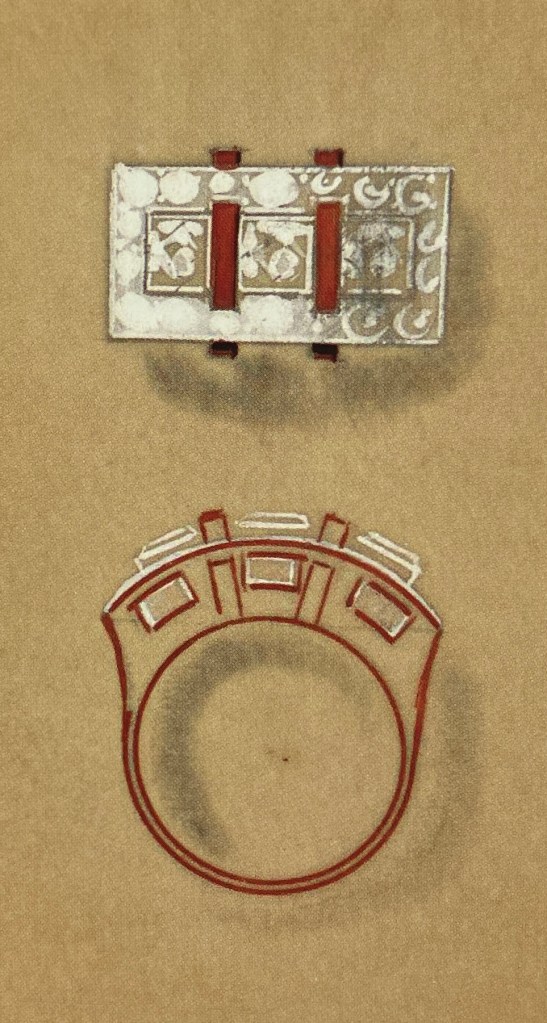
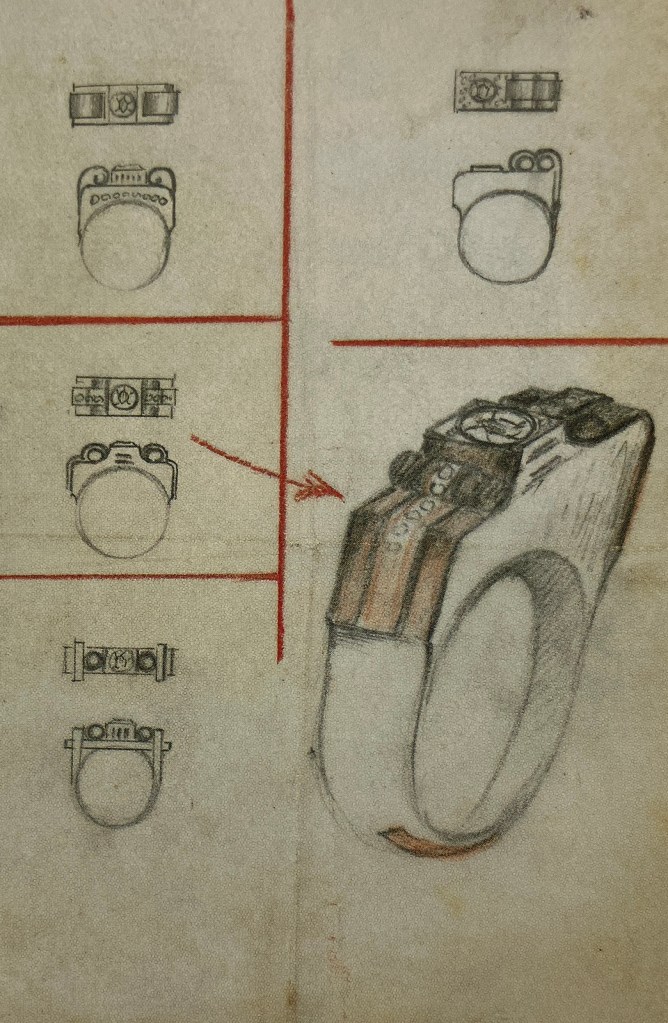
Photo: From the book Jean Després – Jeweler, maker and designer of the Machine Age by Mélissa Gabardi.
The Salons
From 1928 – even though Després later said that that particular salon was a complete failure and the Salon d’Automne refused to show thirty-two of his jewelry pieces claiming they were “too modern” – Jean Després exhibited in all the official Salons.
At the 1930 L’Aéronautique et l’art in the Pavillon de Marsan, Musée des Arts Décoratifs his designs – his bijoux moteurs, motor jewelry – with their mechanically inspired forms aroused interest but were also quite the scandal.
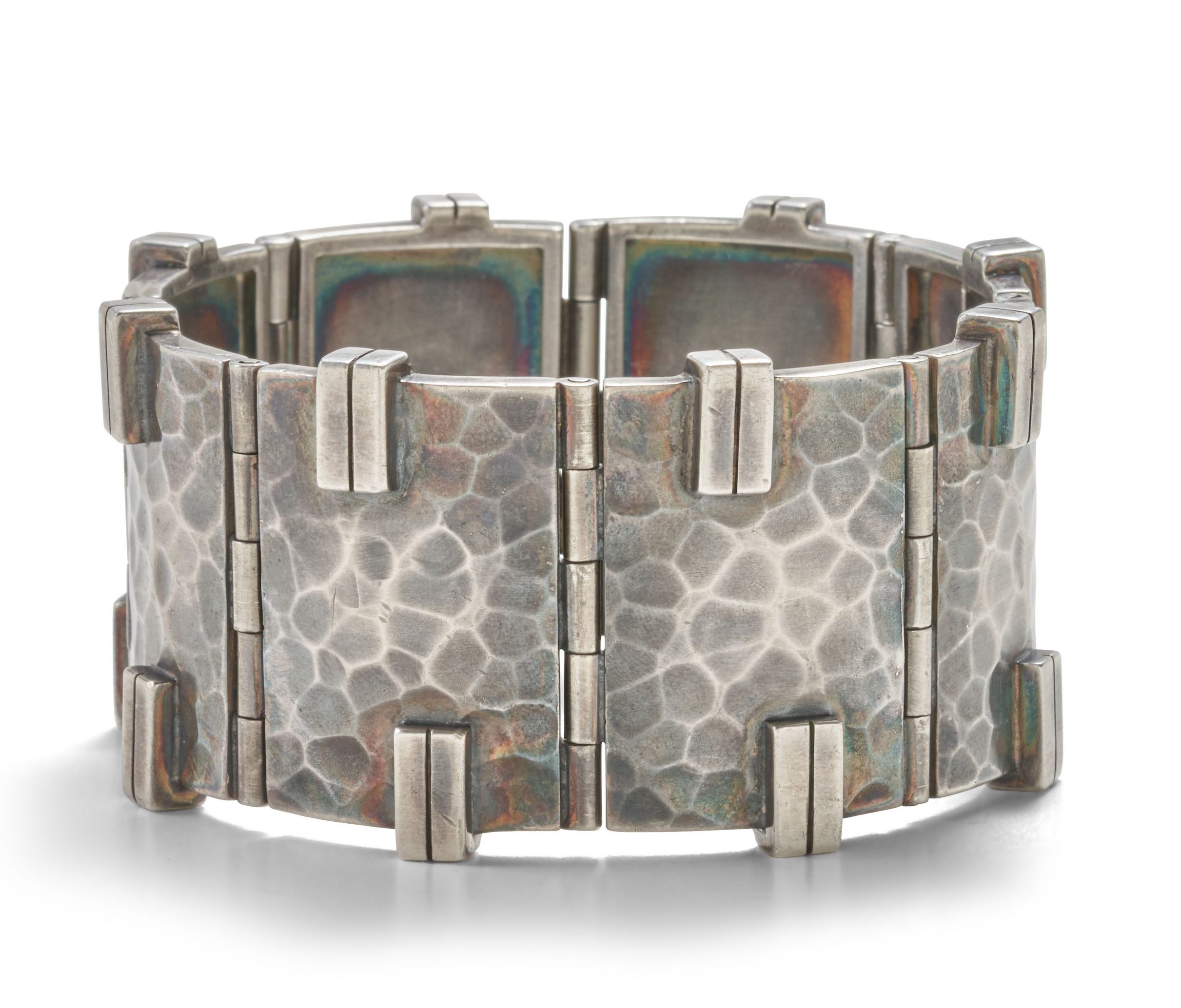
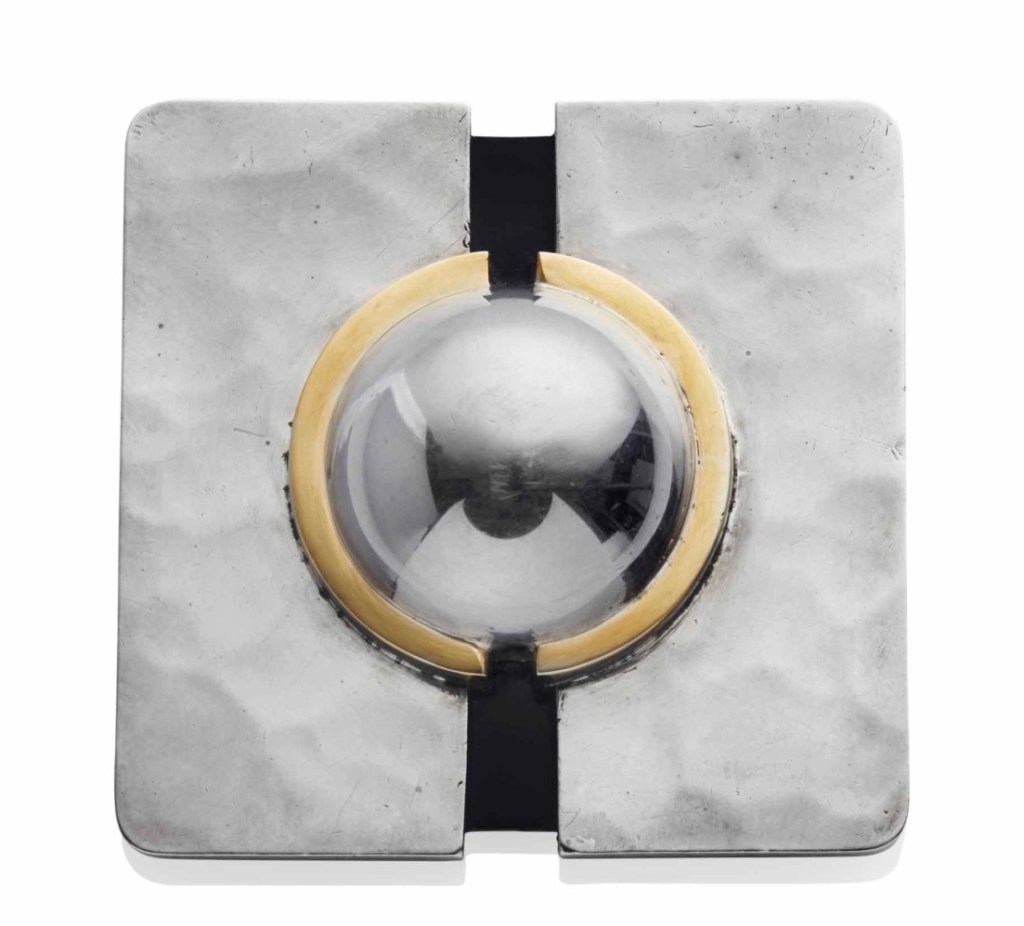
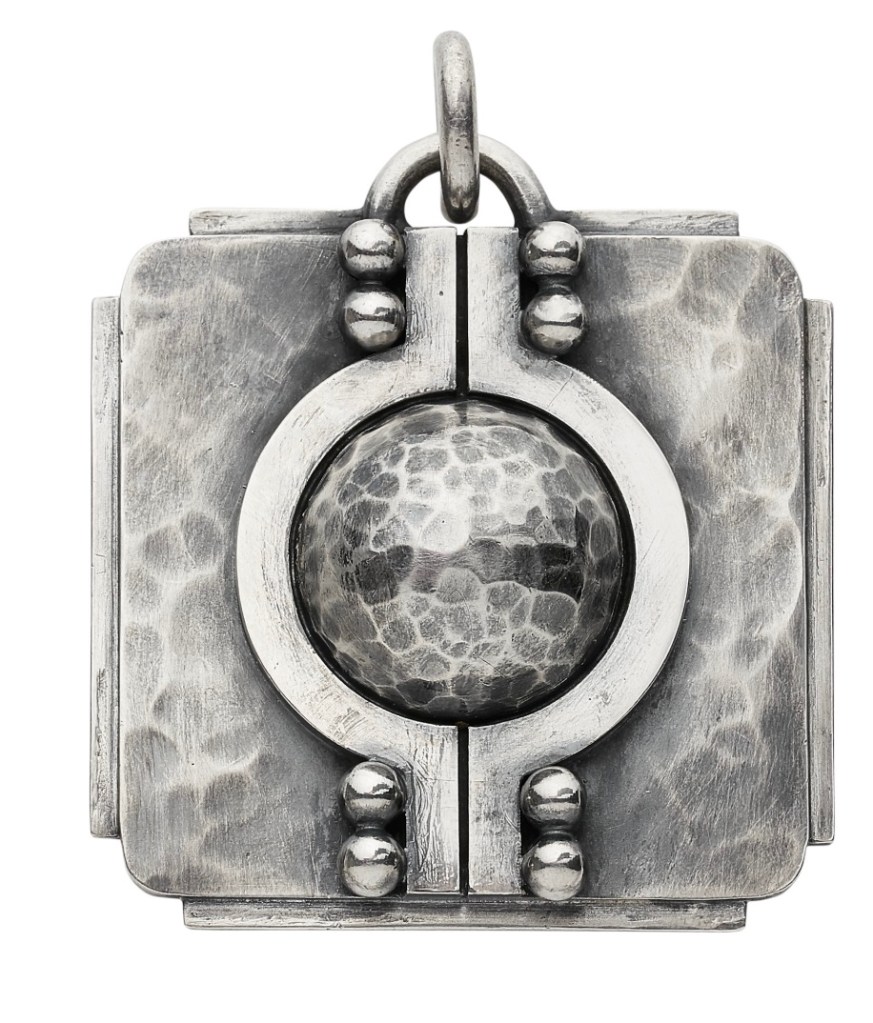
Both photos: Christie’s
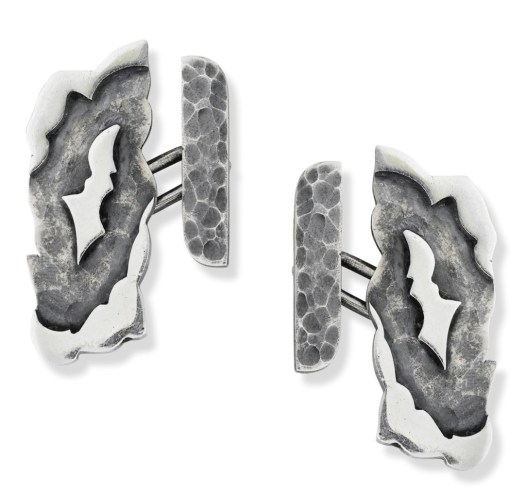
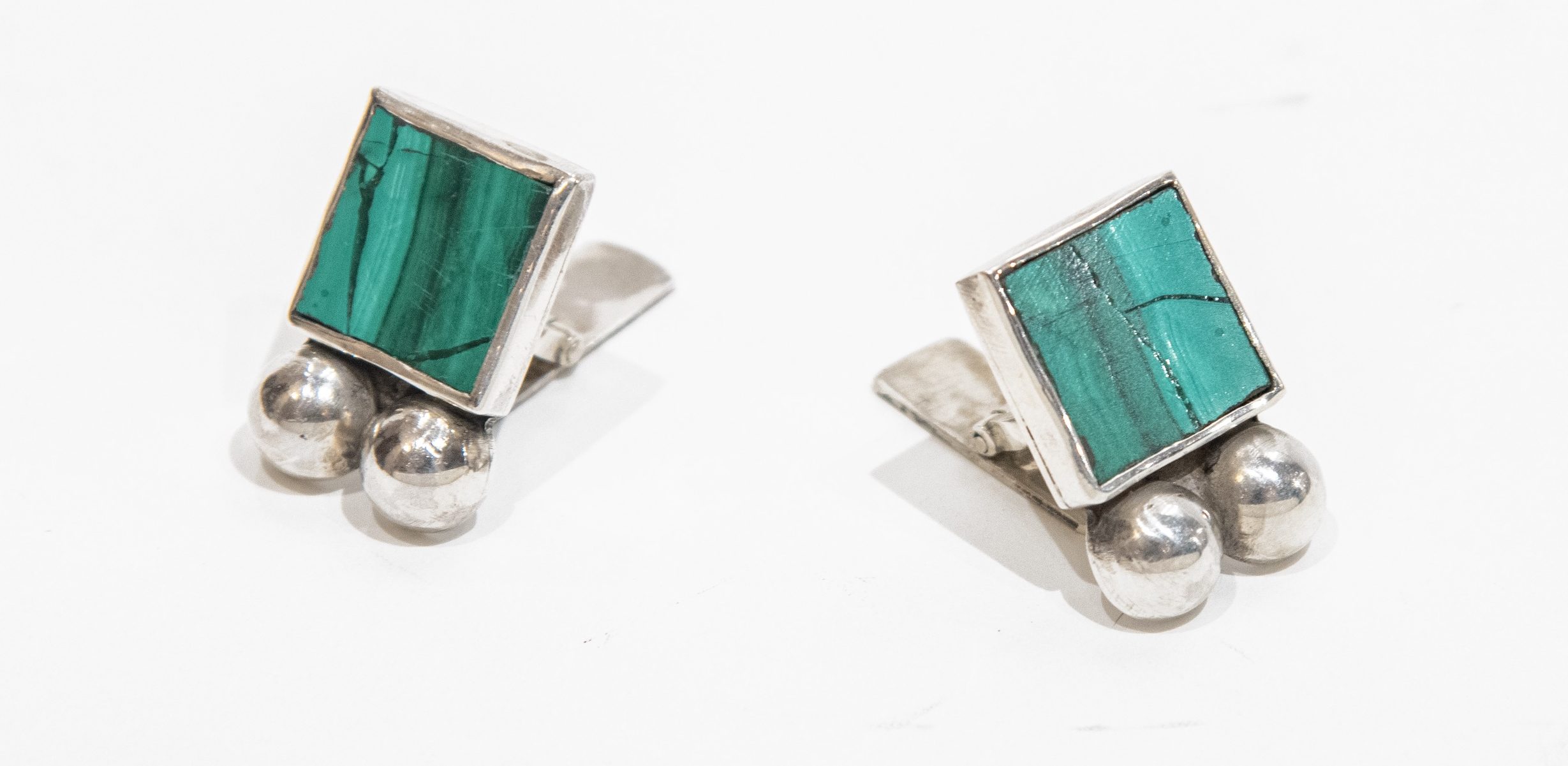
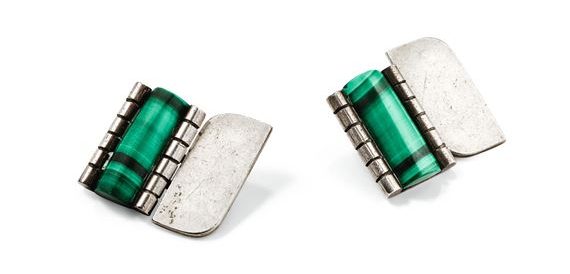
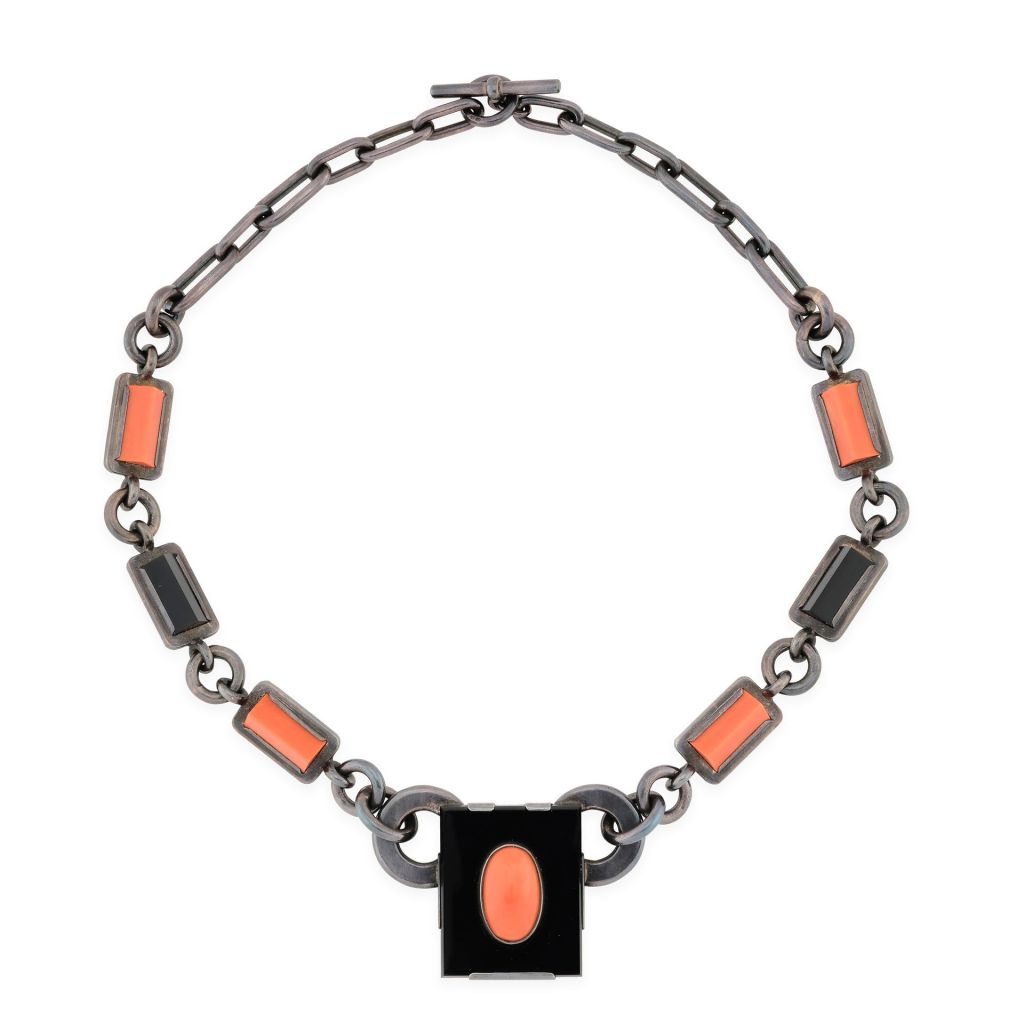
Jean Després:
Writing to his friend Étienne Cournault, circa 1928:
“The things I’ve made are apparently too modern. People seem to be rather flabbergasted, but I couldn’t make Marie-Antoinette stuff for them.”
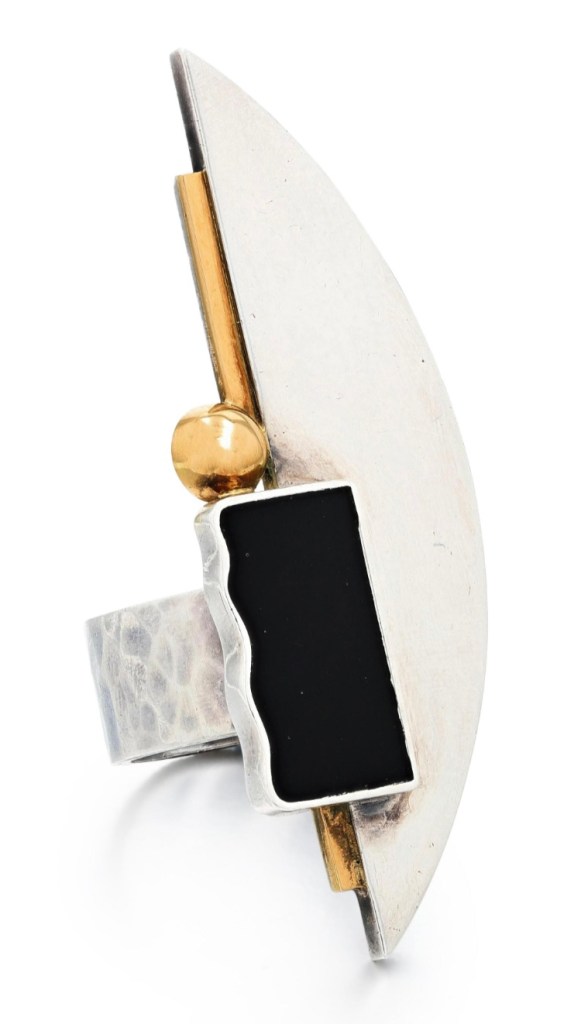
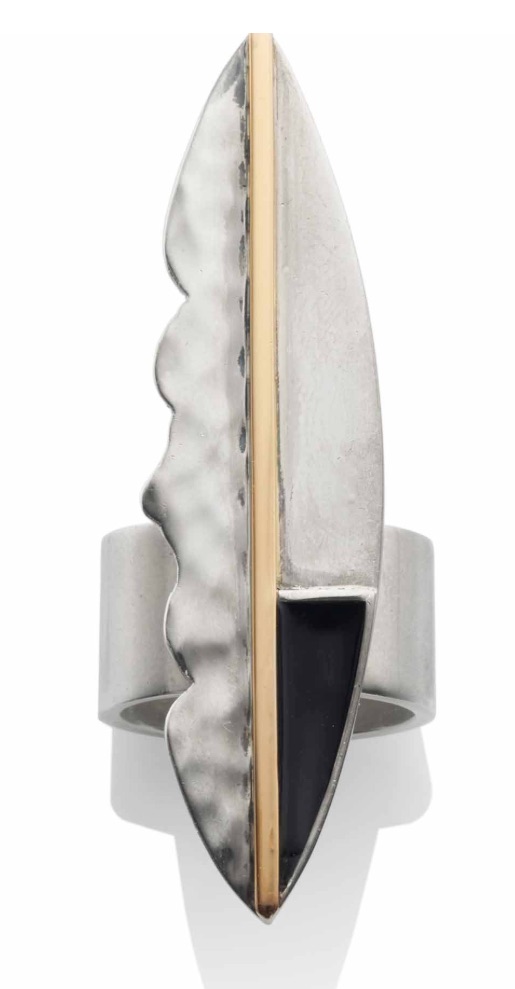
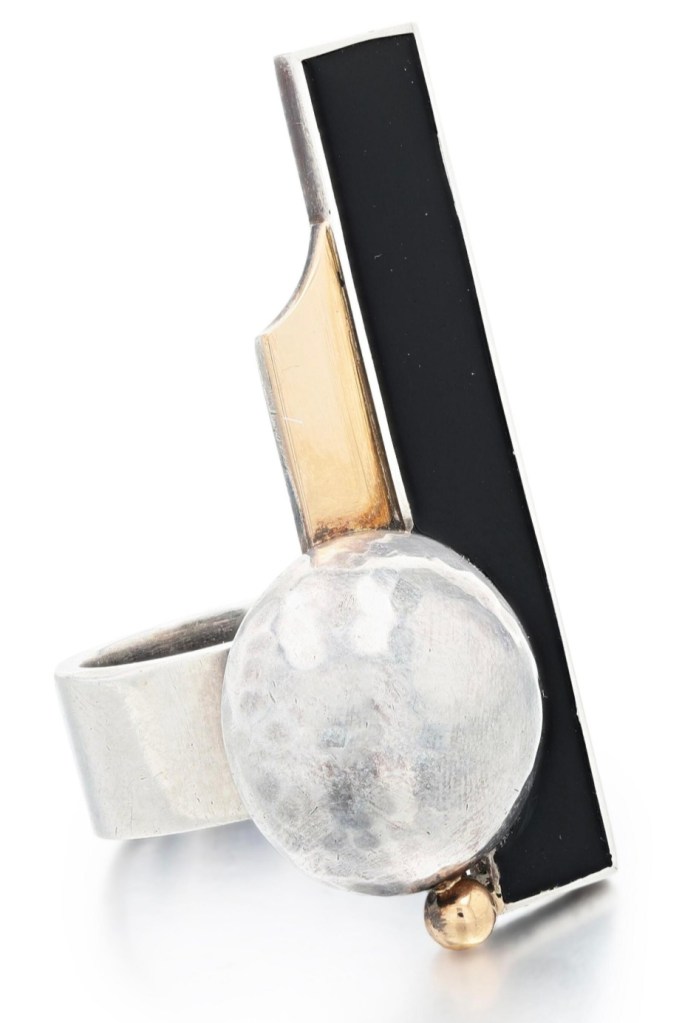
Photos: 1 & 3 Sotheby’s, 2 Christie’s
Jean Després:
“I work primarily for artists, and for people in the liberal professions, for those who like a well made piece of jewelry that follows a new line and enhances a hand or a dress through its form rather than its materials, for all those that has understood that in this day and age we can no longer wear jewelry from an earlier time.”
Photos: Sotheby’s
Bullet bracelets
Jean Després about himself as a craftsman:
“I am not a jeweller. I work with force, not with finesse.”
“I love metal. You have no idea what pleasure it gives me to see the material bend under the anvil and hear it grate in the vice. I tame it, but without breaking it. The idea is to leave all its vitality and simpleness intact.”
“ […] rugged, constructed pieces of jewelry: the jewelry made of a silversmith.”
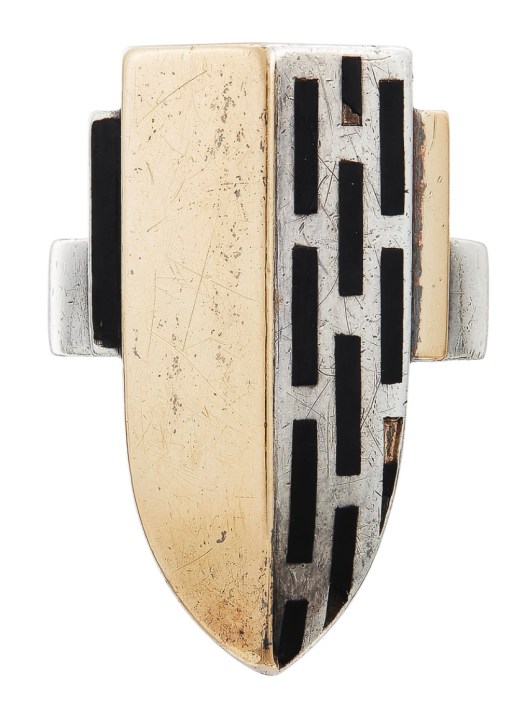
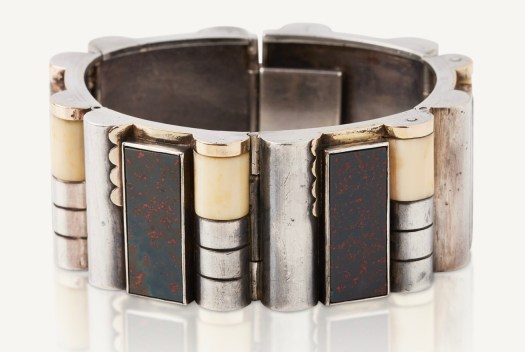
Jean Després:
“A piece of jewelry should be composed of elements that can be read at a distance. The miniature is detestable. […] Pieces of jewelry and and silverware should be works of art, while meeting the same needs as industrial art
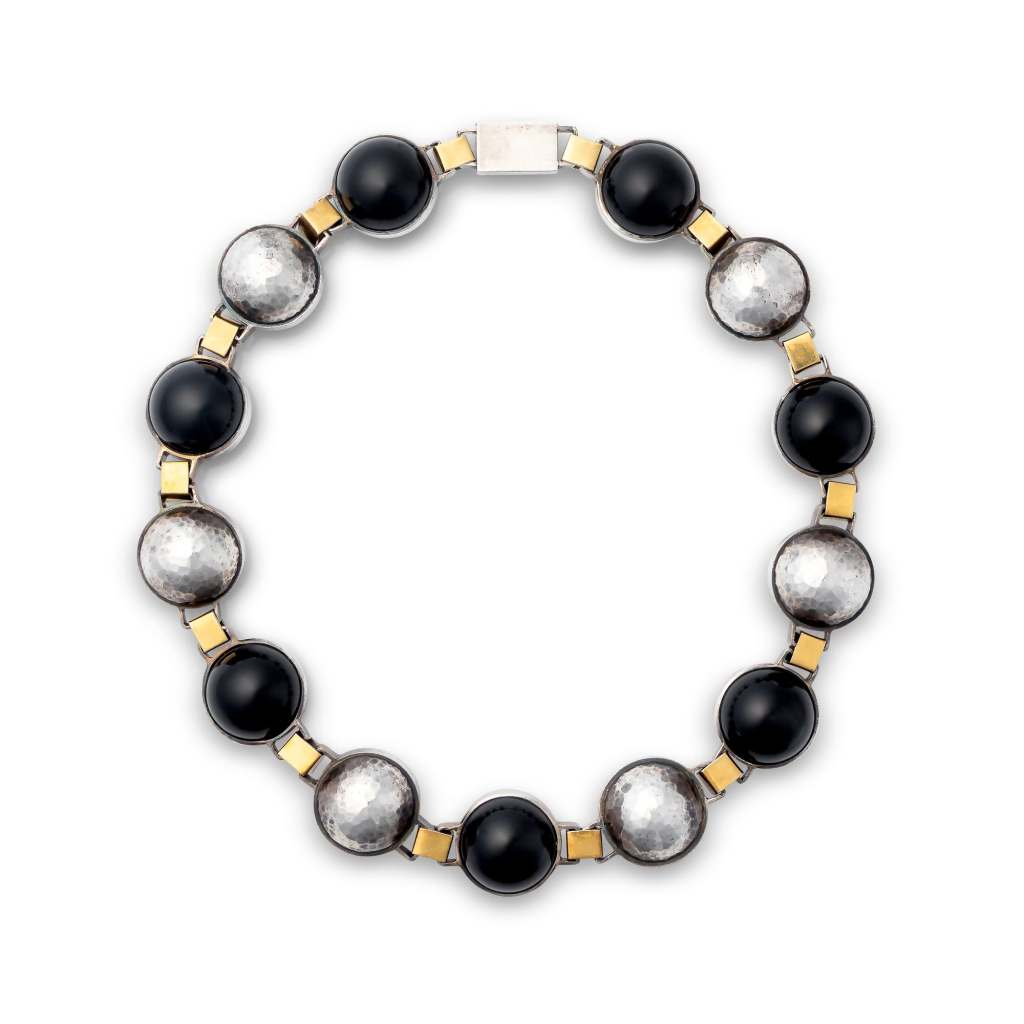
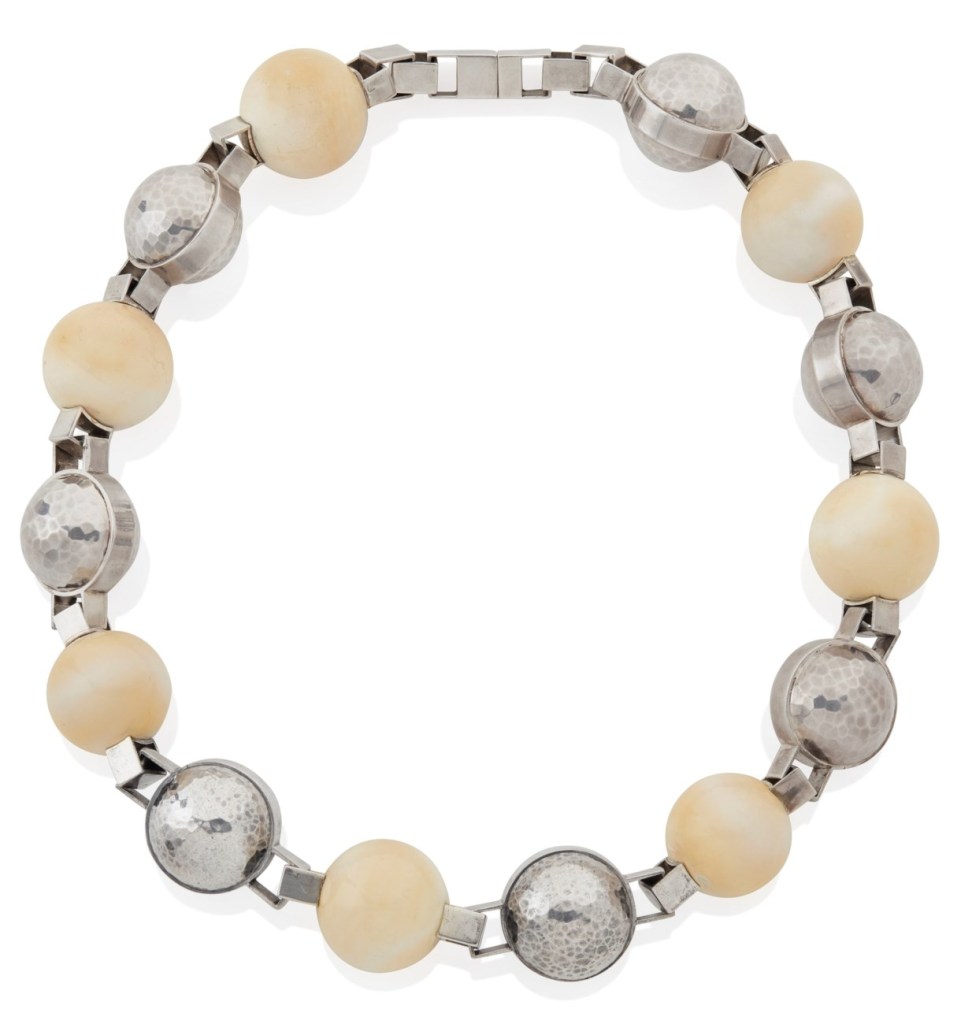
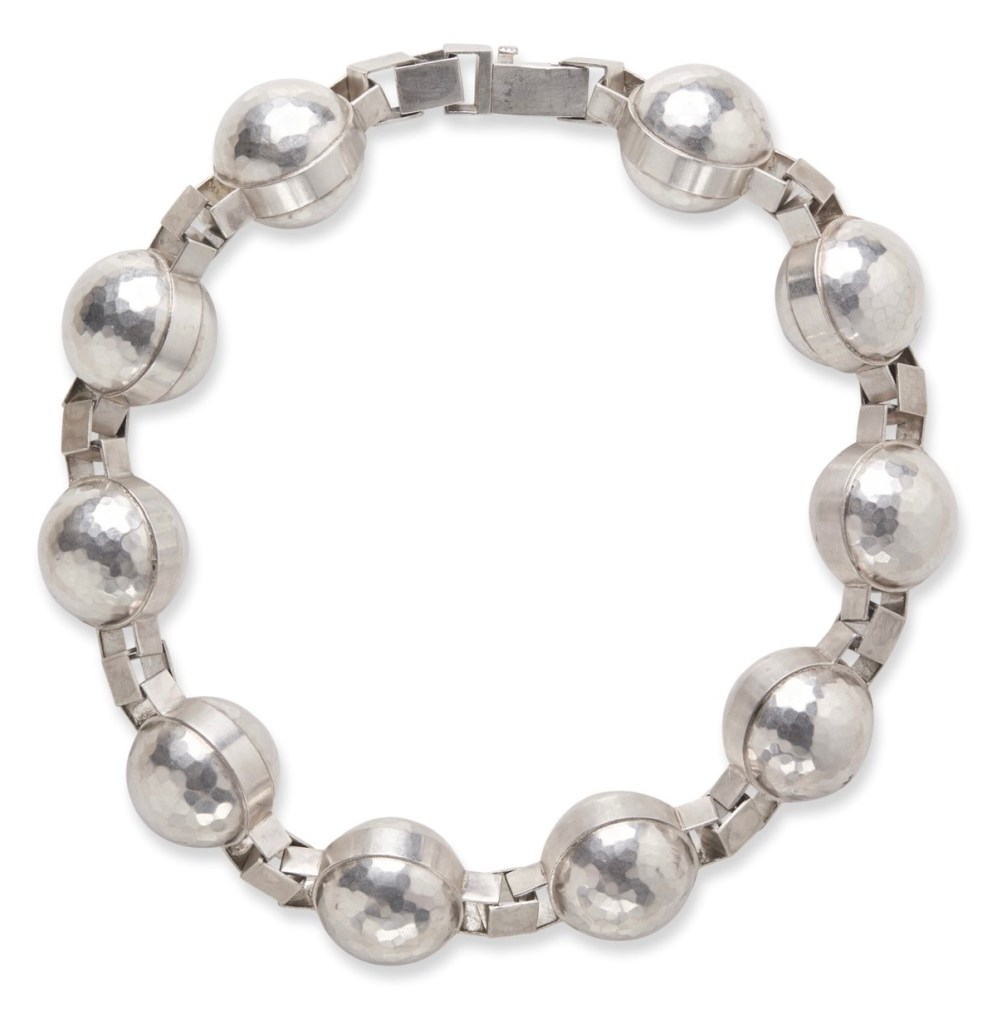
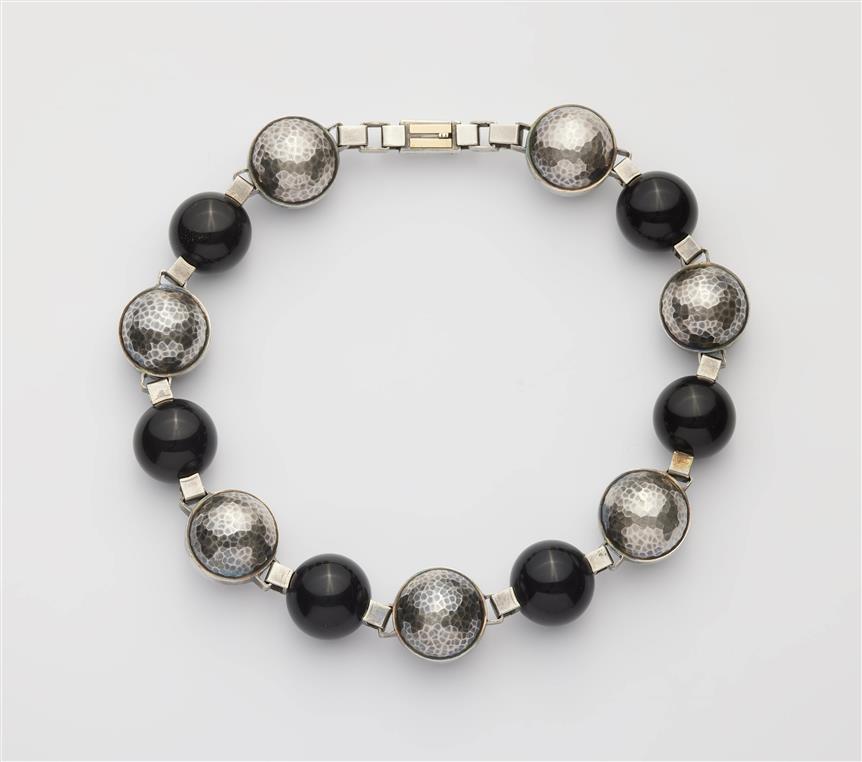
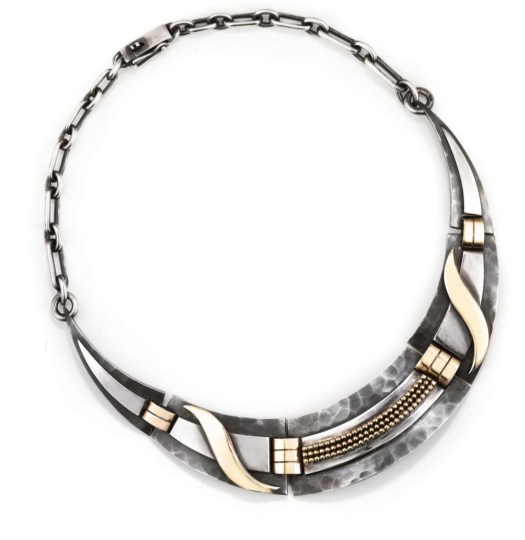
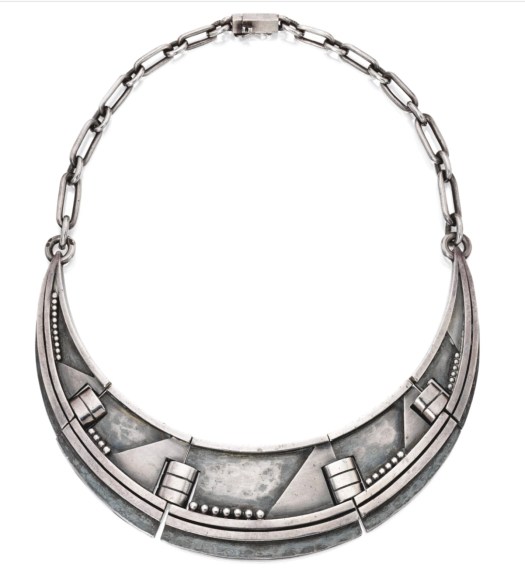
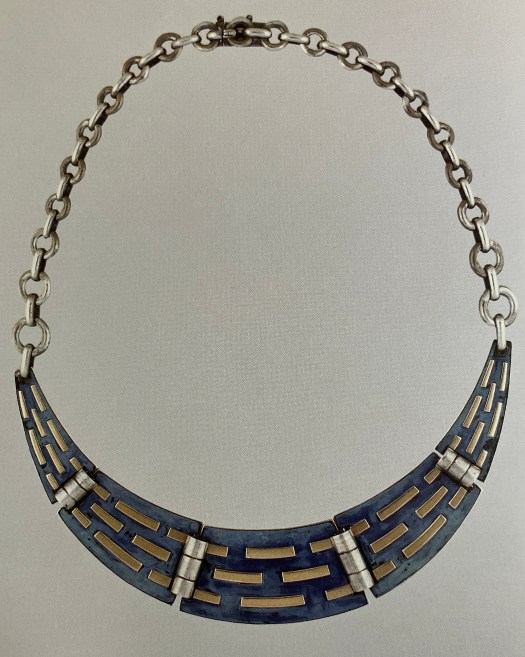
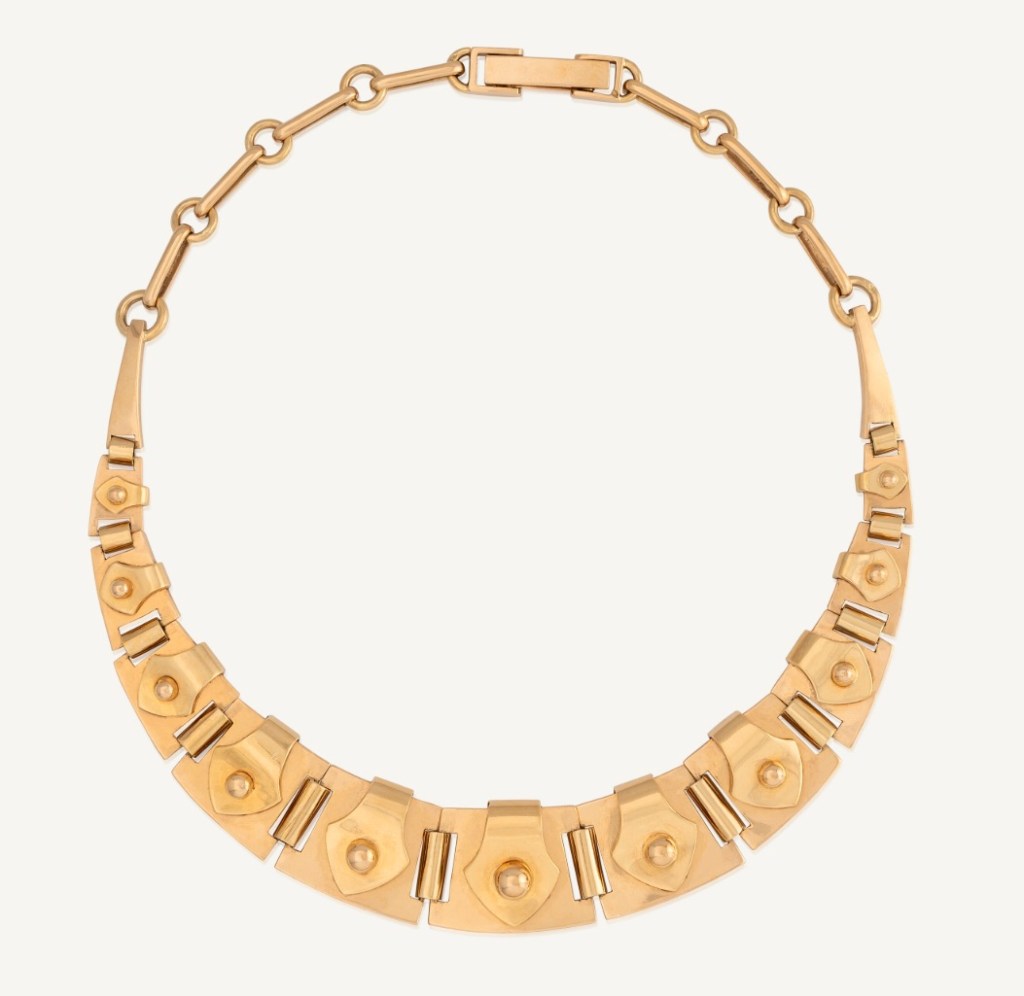
Necklaces
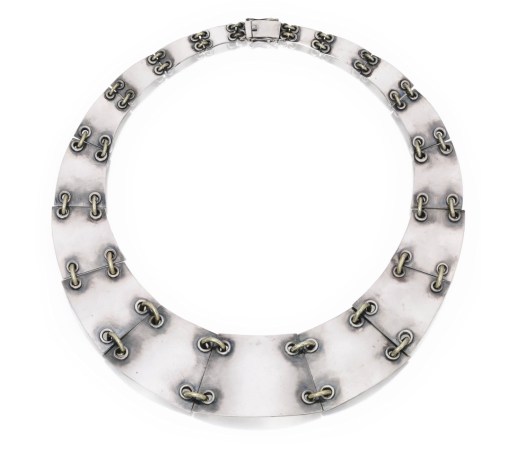
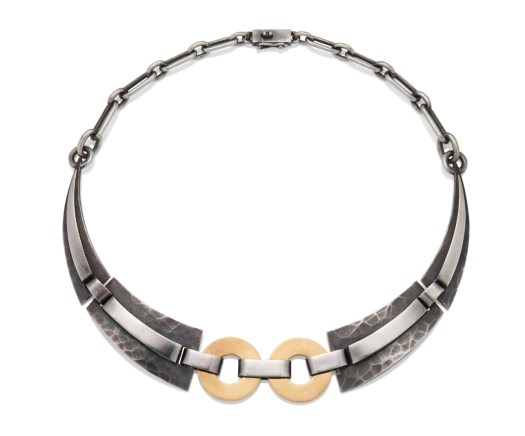
Photos: Sotheby’s and Christie’s
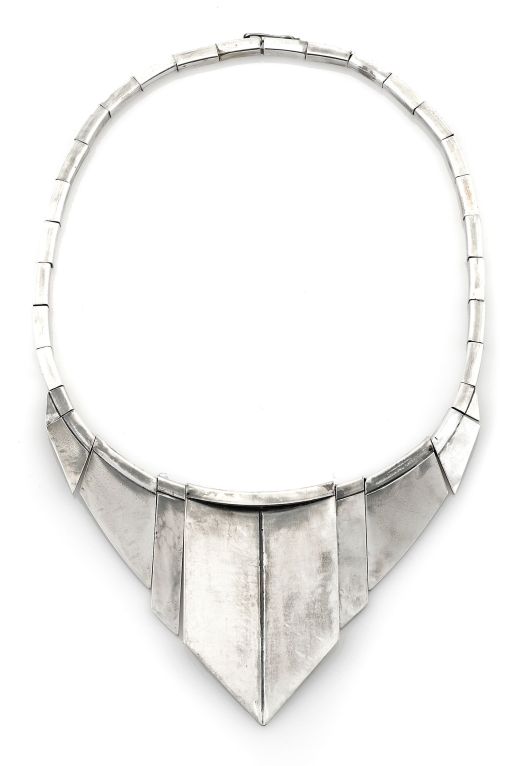
Photos: Sotheby’s
Machine age jewelry
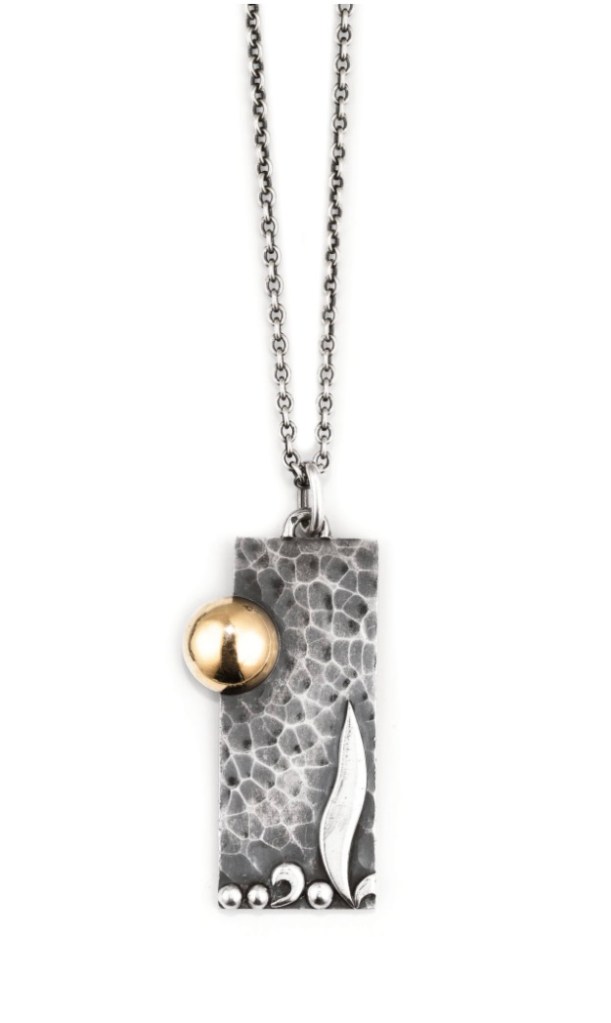
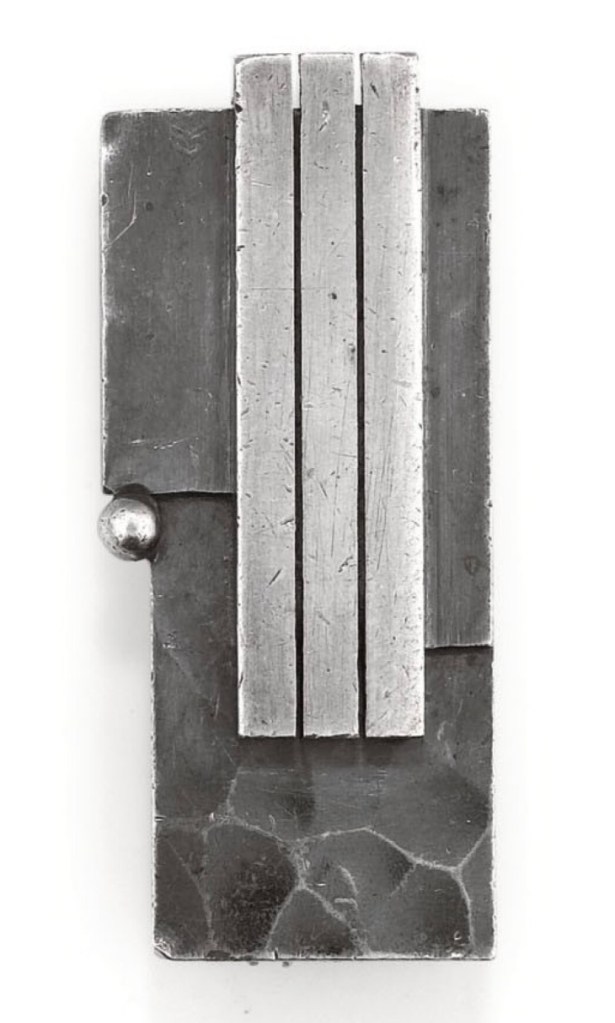
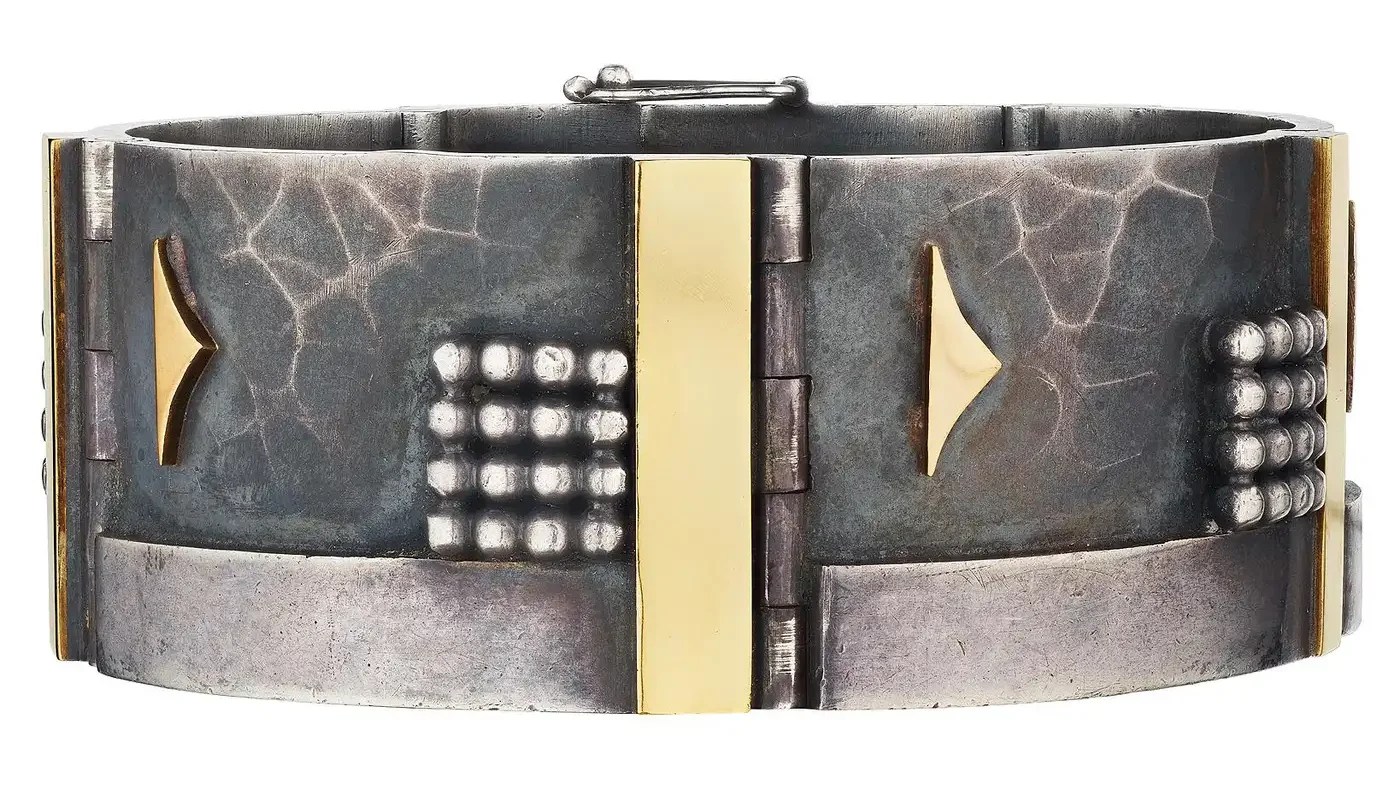
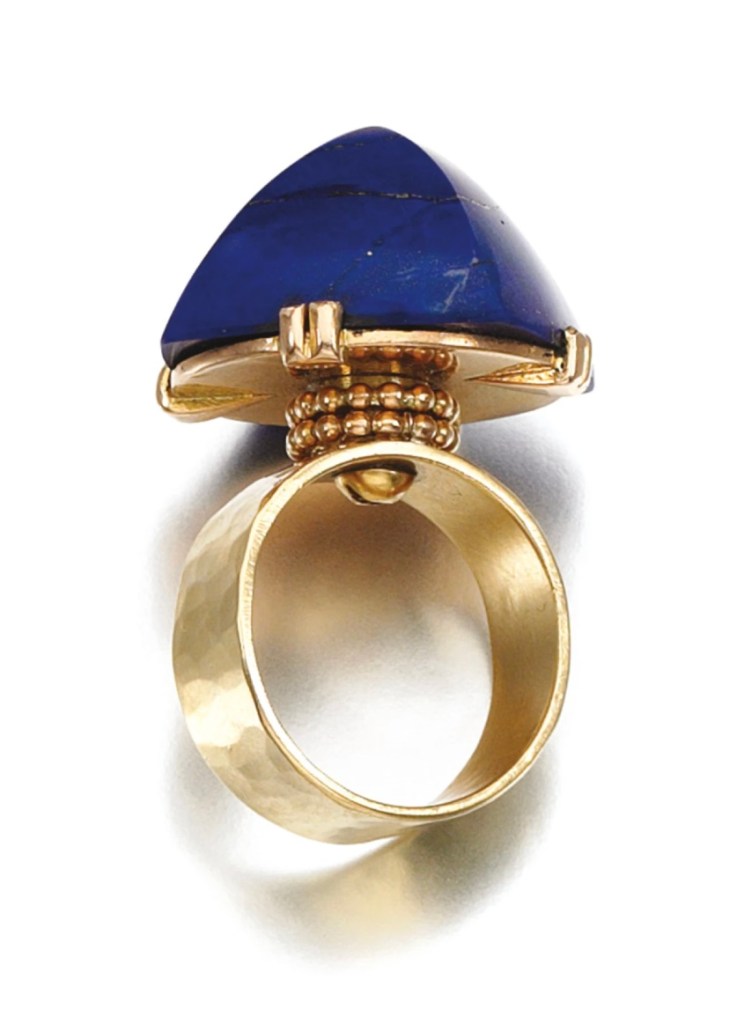
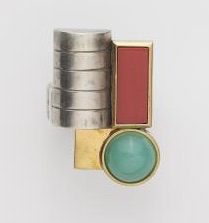
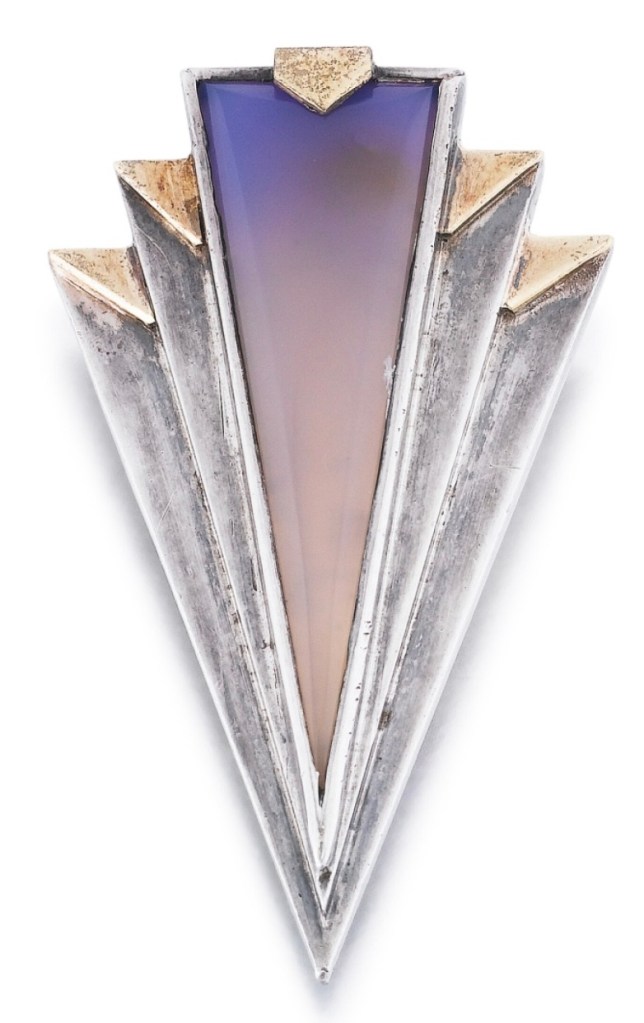
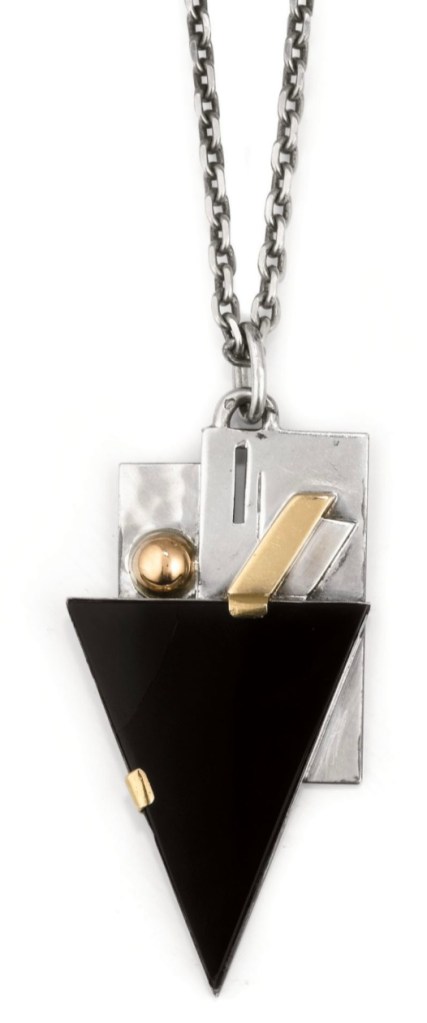
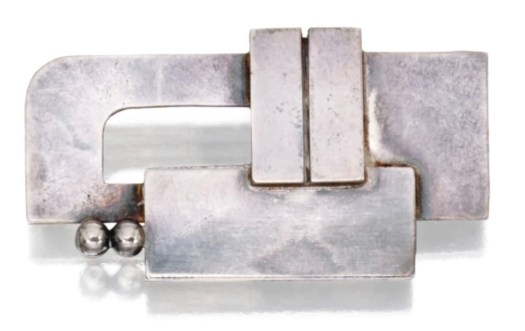
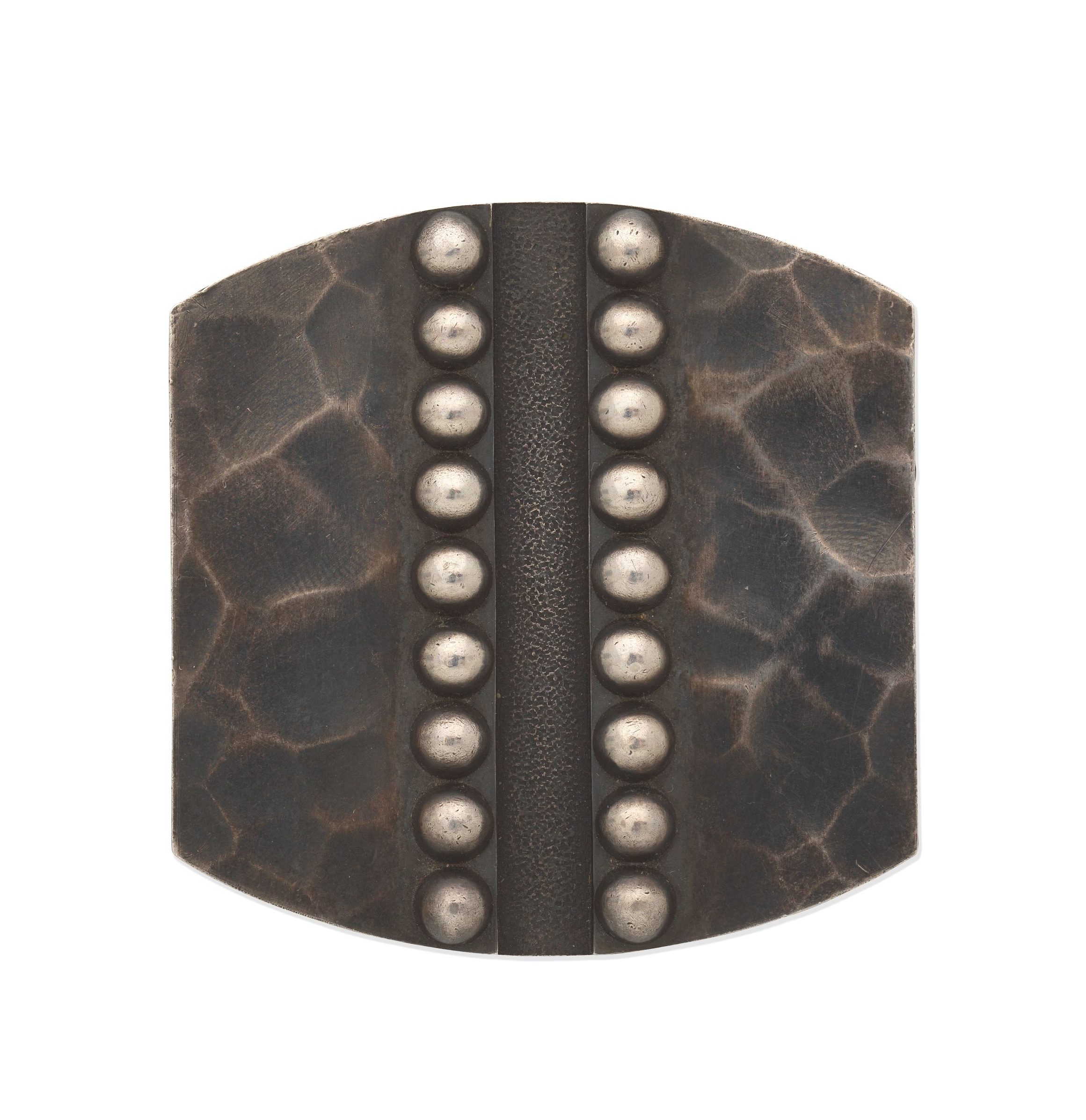
It should be remembered and noted that Després’ pieces were not literal miniatures of machines but elegant and abstract mechanical “forms” and compositions. Circles, rectangles, lines, tactility, transparency, contrasting or hammered surfaces in silver – sometimes polished, sometimes rough – or enamel, rock crystal, lacquer and glass.
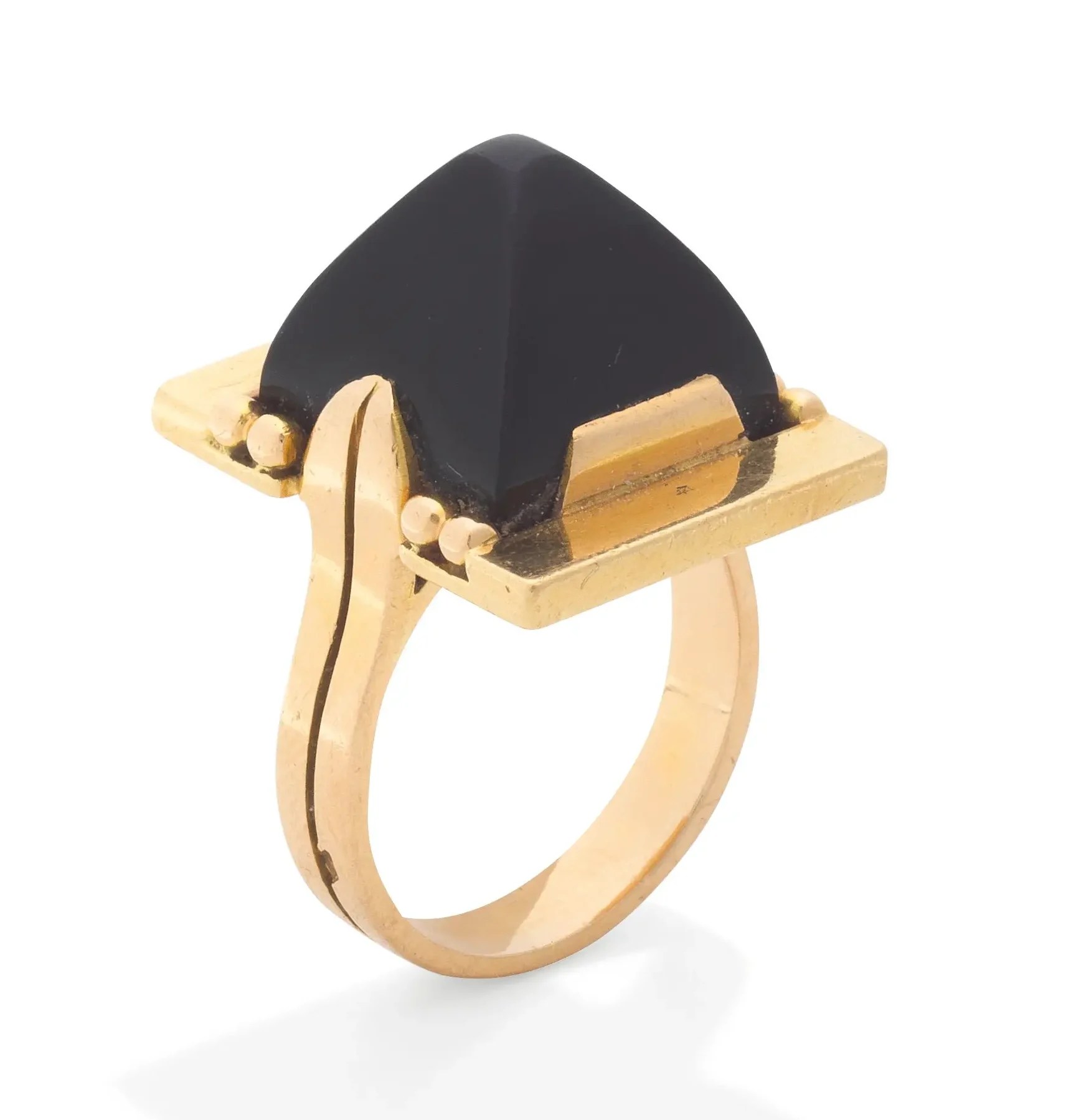
Després used semi-precious stones such as turquoise, chalcedony, onyx, coral and dark blue lapis lazuli. Technology’s shapes and rhythms might have given the inspiration but Després turned it all into beautiful jewelry pieces far from a mechanical workshop.
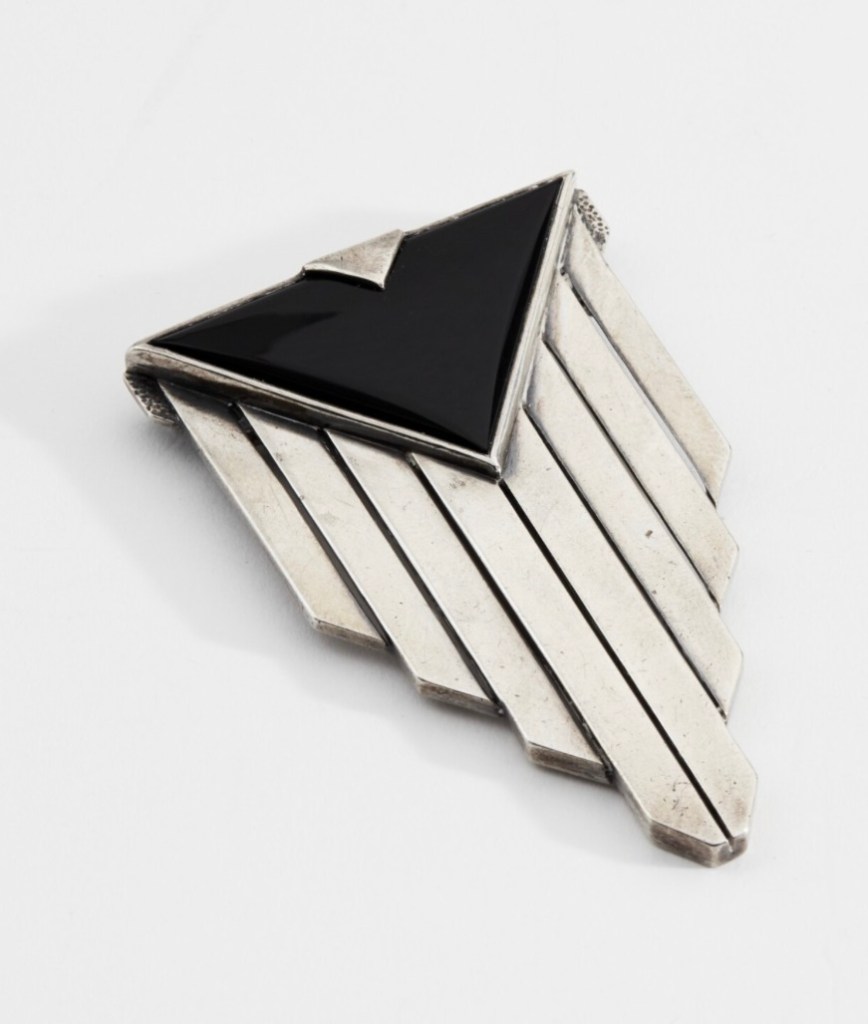
Photos: Sotheby’s
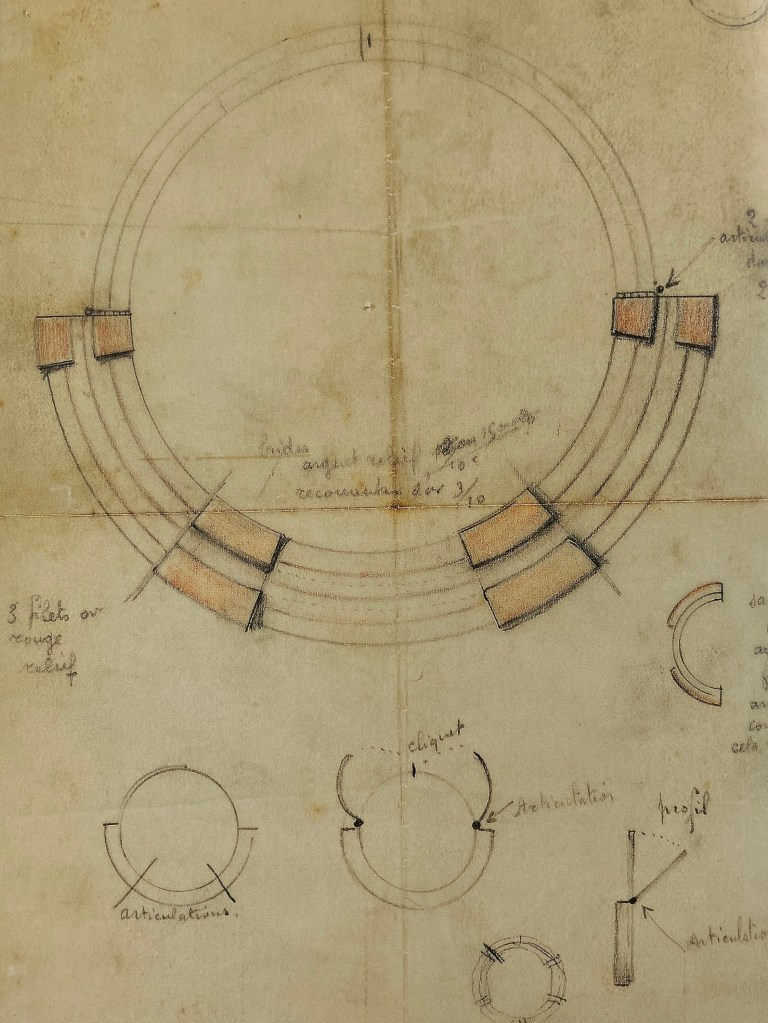
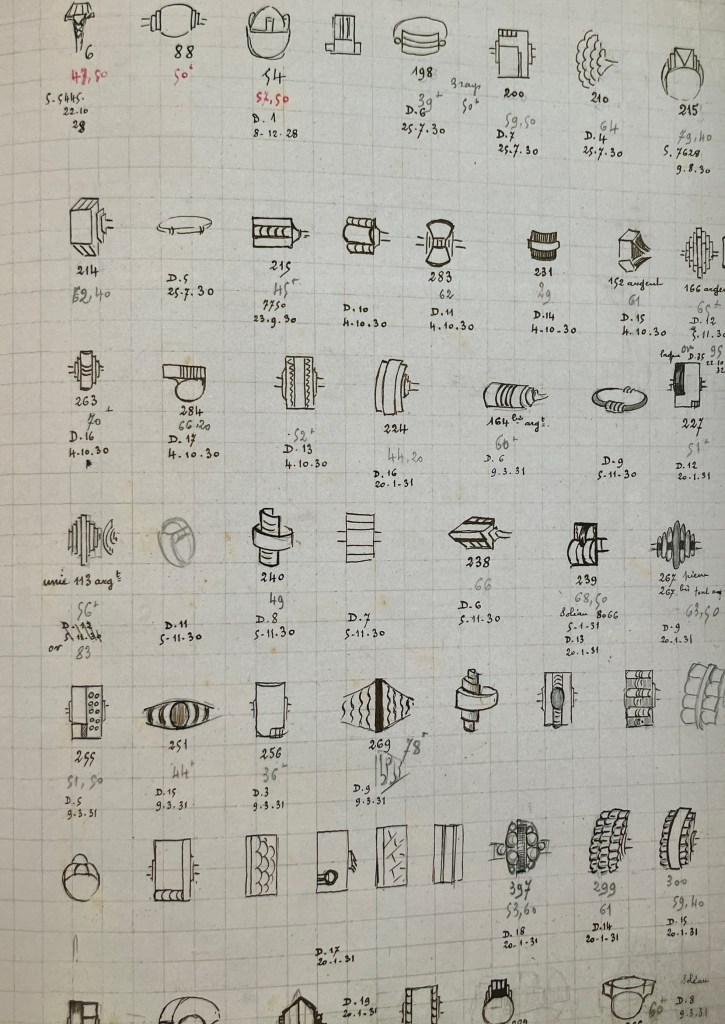
Drawings. Photo: From the book Jean Després – Jeweler, maker and designer of the Machine Age by Mélissa Gabardi.
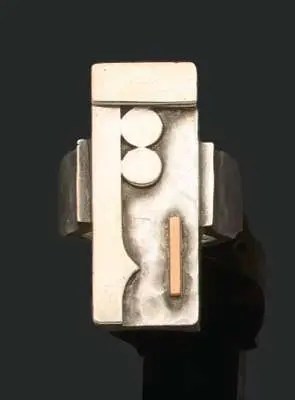
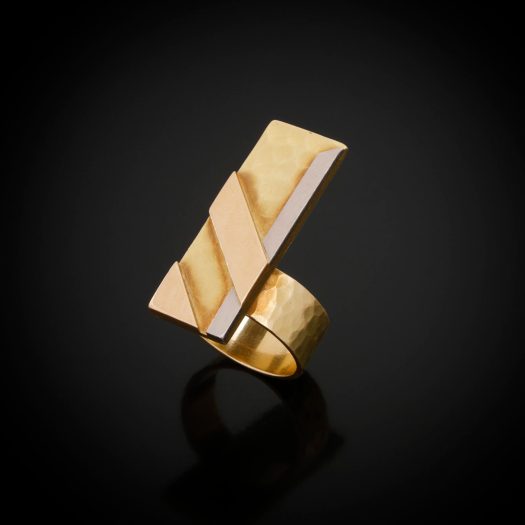
Photo: Auguttes and La Galerie Parisienne (Modern day made.)
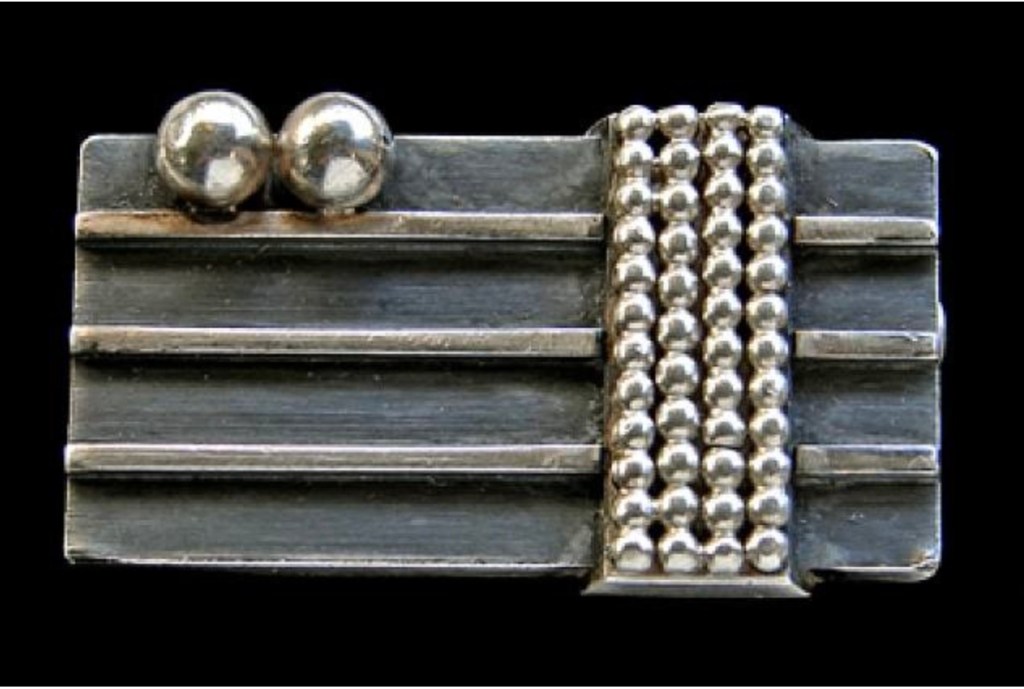
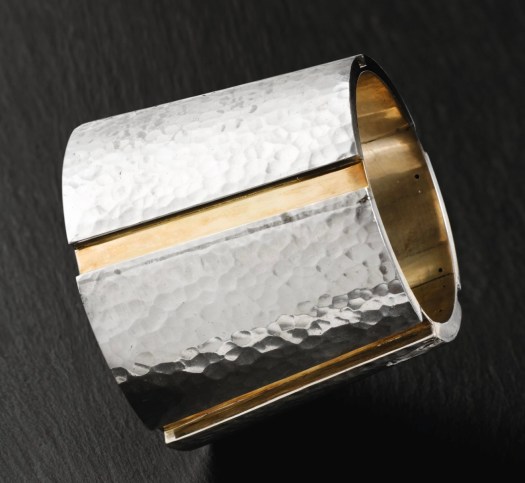
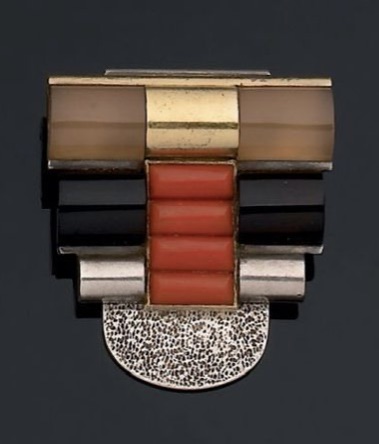
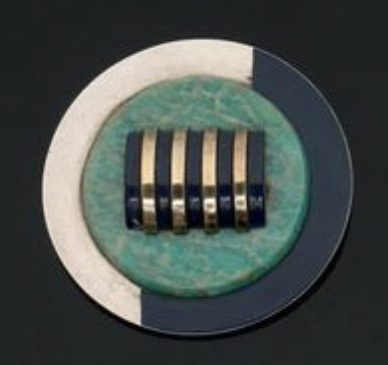
Photos: Found online.
The crash
One should also note that the above materials made his jewelry pieces affordable during a period that was marked by an acute economic crisis after Wall Street came crumbling down in 1929.
But his works were also at top of the moment, perfectly timed. They played perfectly with the image of the new modern woman and the new fashions in clothing, furniture and homeware. Their daring designs were powerful and bold but still solid and easy to wear and use in a daily setting. Their clean and architectural lines made them sturdy and wearable. It was jewelry made for the new, emancipated woman who took up sports, worked and in short had other things to do than to sit still. (The press and art critics would sometimes even call the pieces bijoux sport or bijoux de voyage.)
Brooches
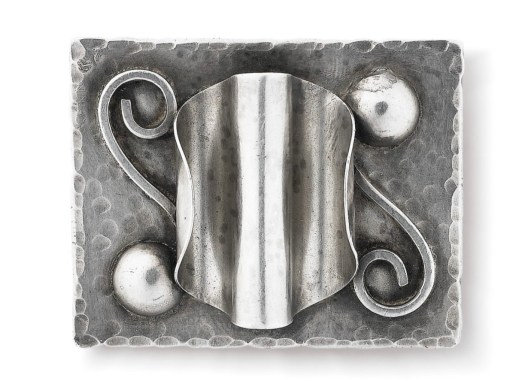
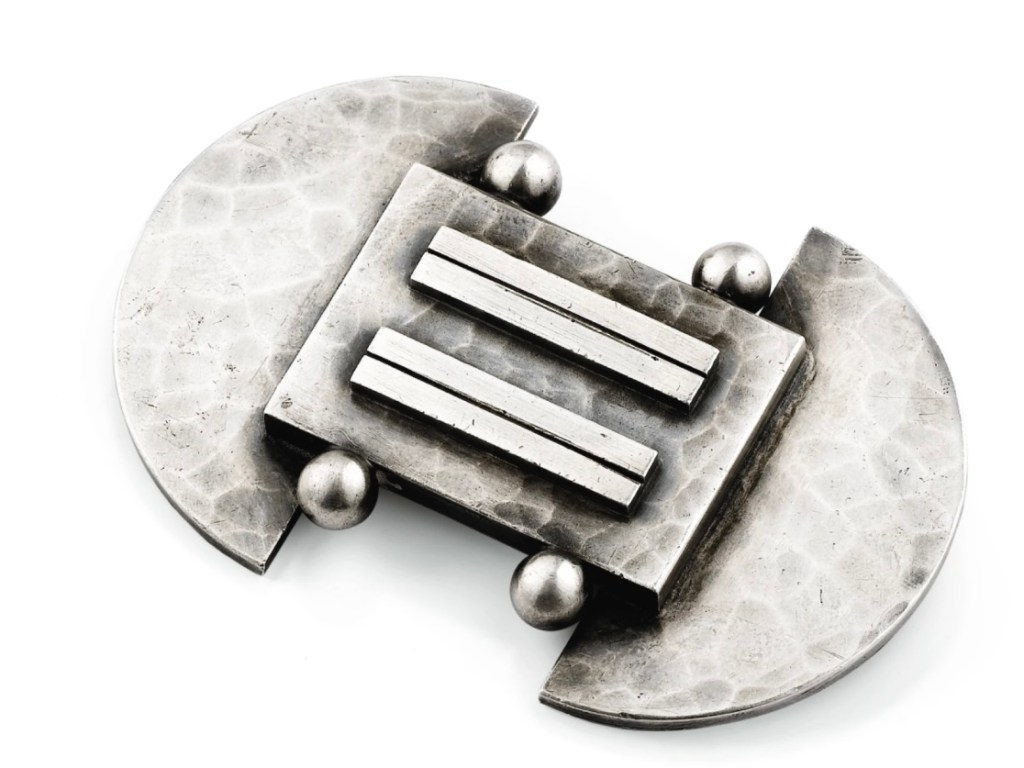
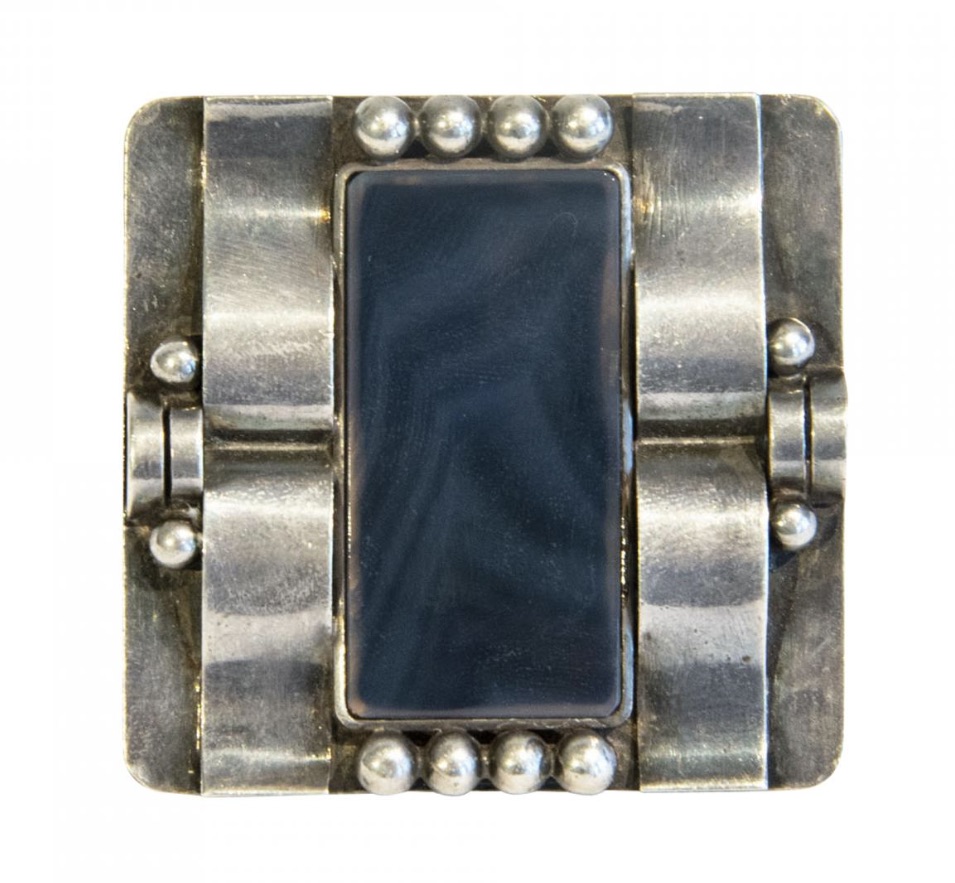
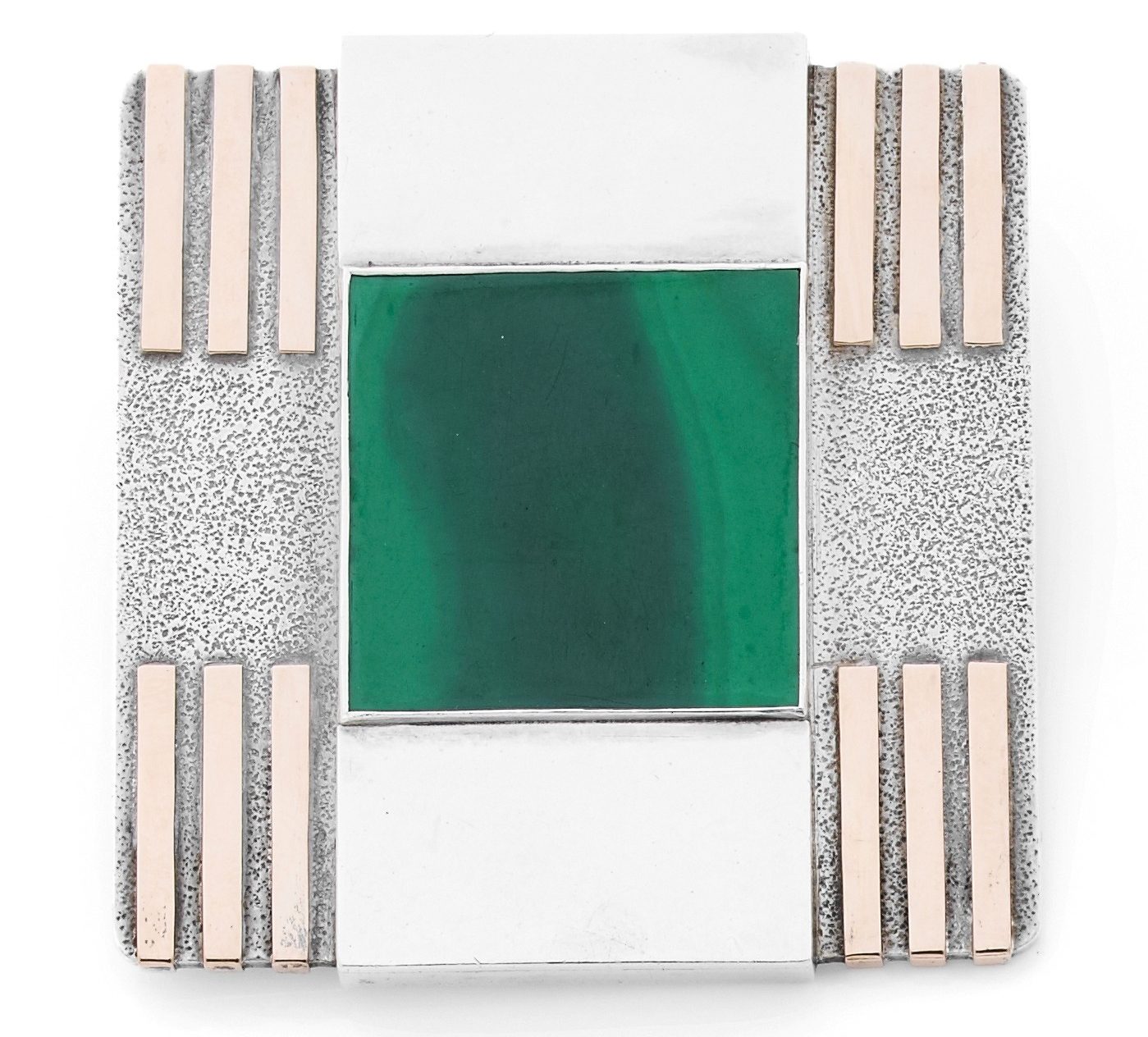
Photos: 1 & 2 Sotheby’s, 3 Maison Rapin 4 Artcurial
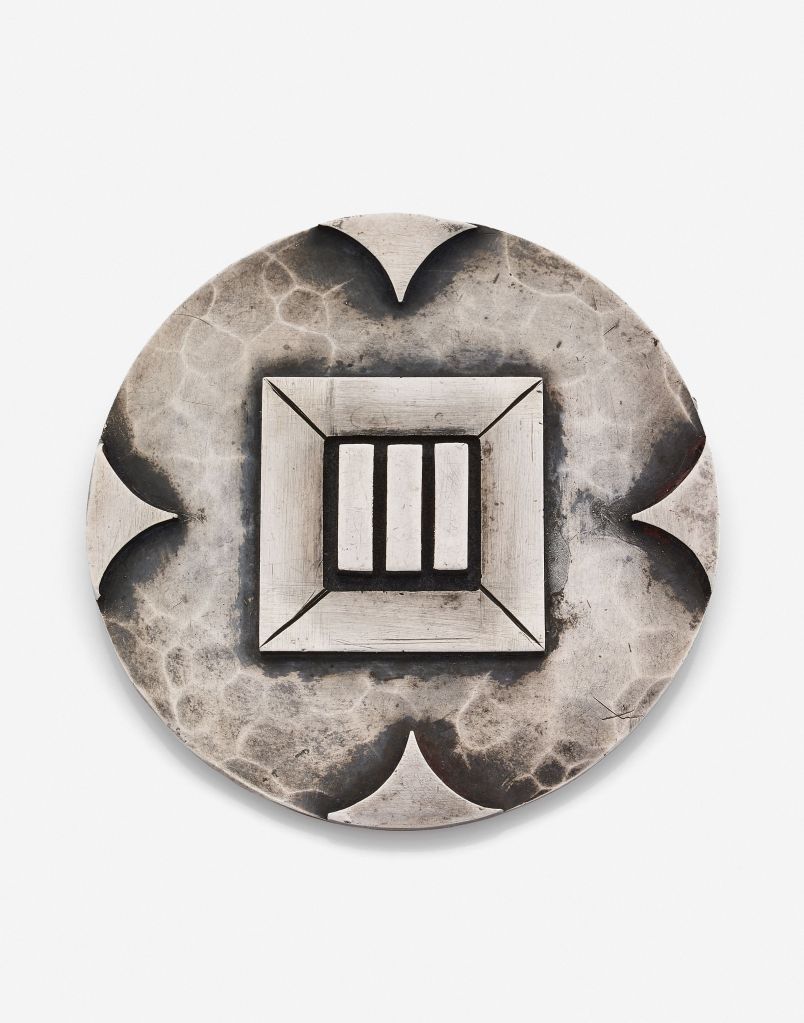
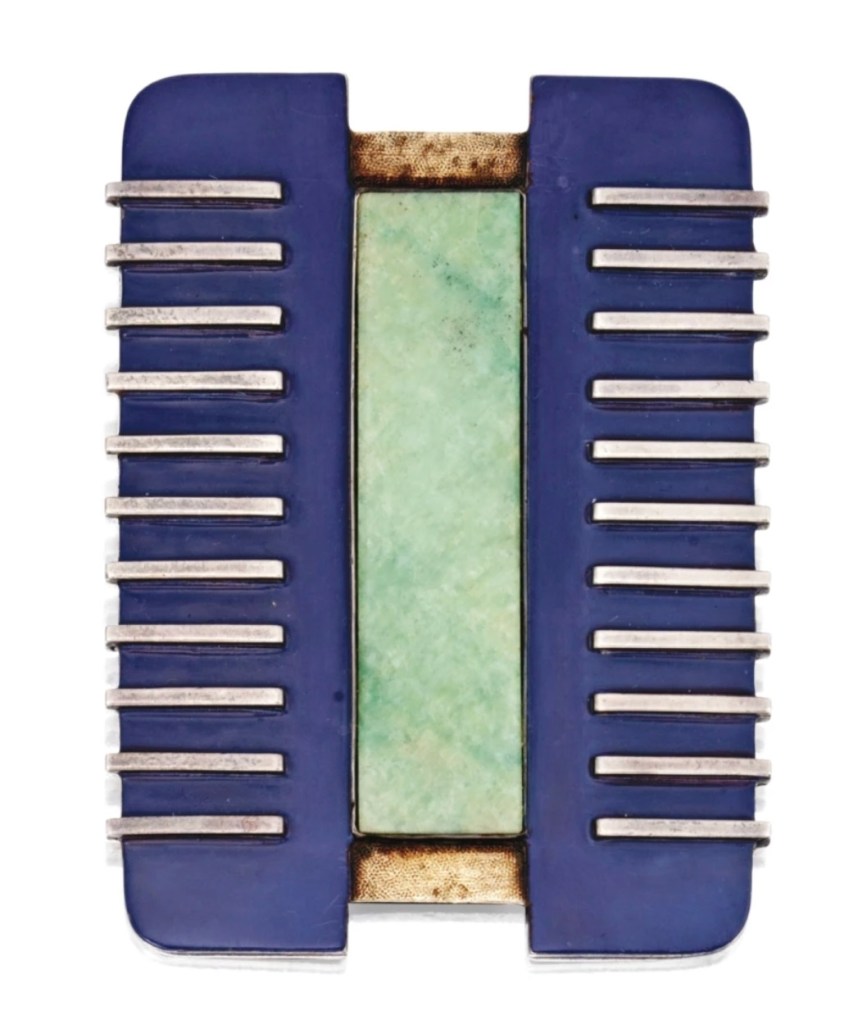
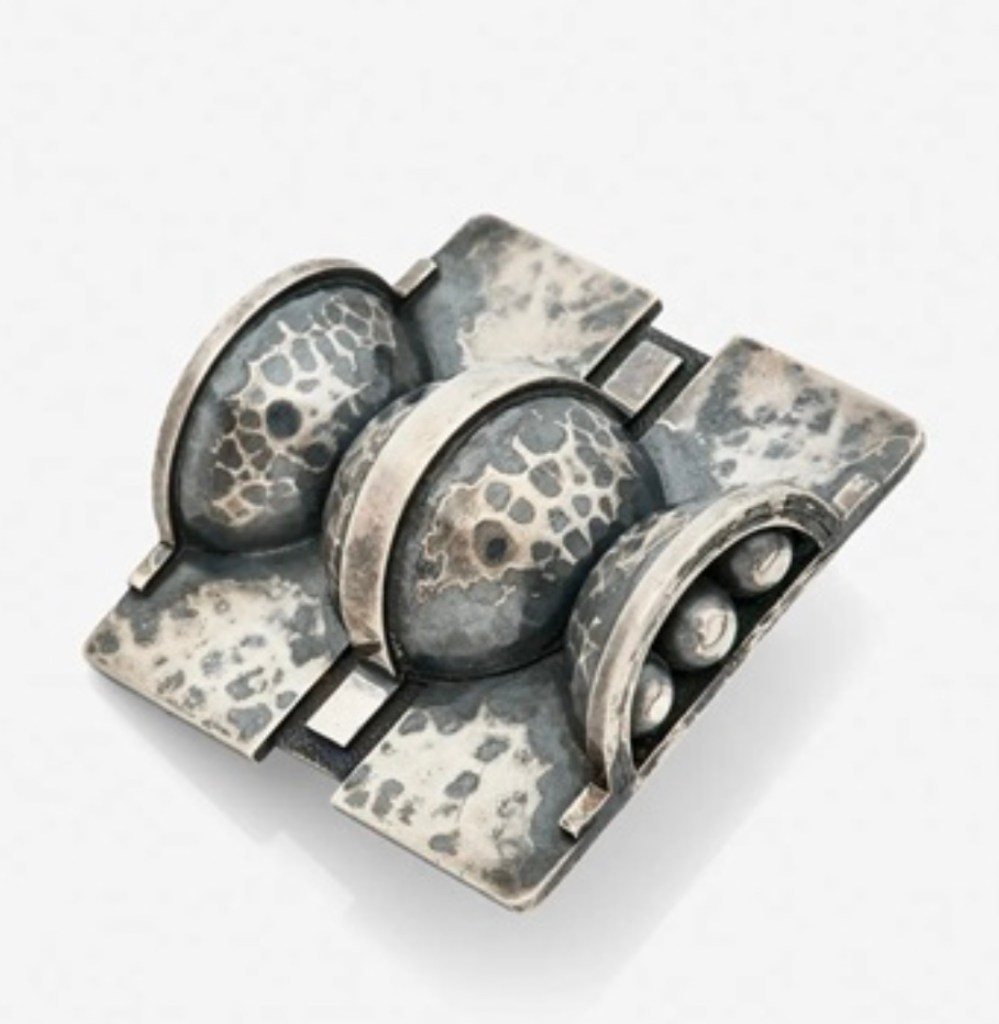
Photos: Artcurial and Sotheby’s
Early influencers
To wear a Jean Després piece also showed the world that you really were a modern woman. Looking at all this “practicality” it is easy to think that Després was not interested in the client. On the contrary, he wanted to get to know the woman who would wear the piece so he could adapt the design to fully suit her features and personality. However, he preferred a client who appreciated the design, the lines, the workmanship behind the piece more than one who was into precious stones and materials.
Bracelets
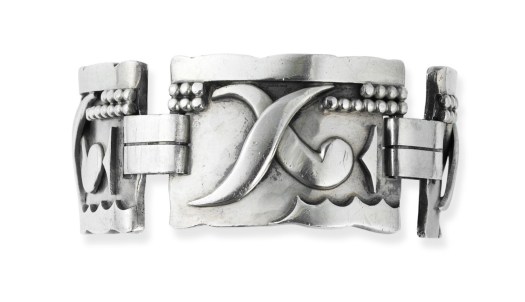
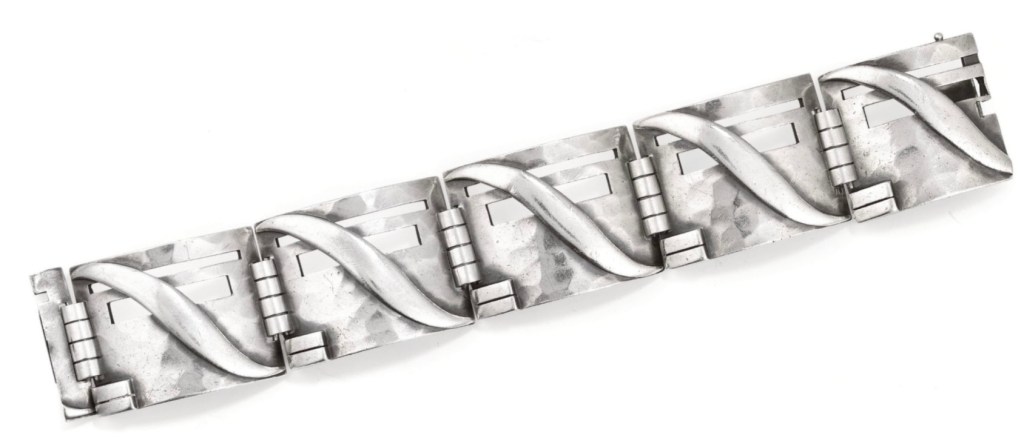
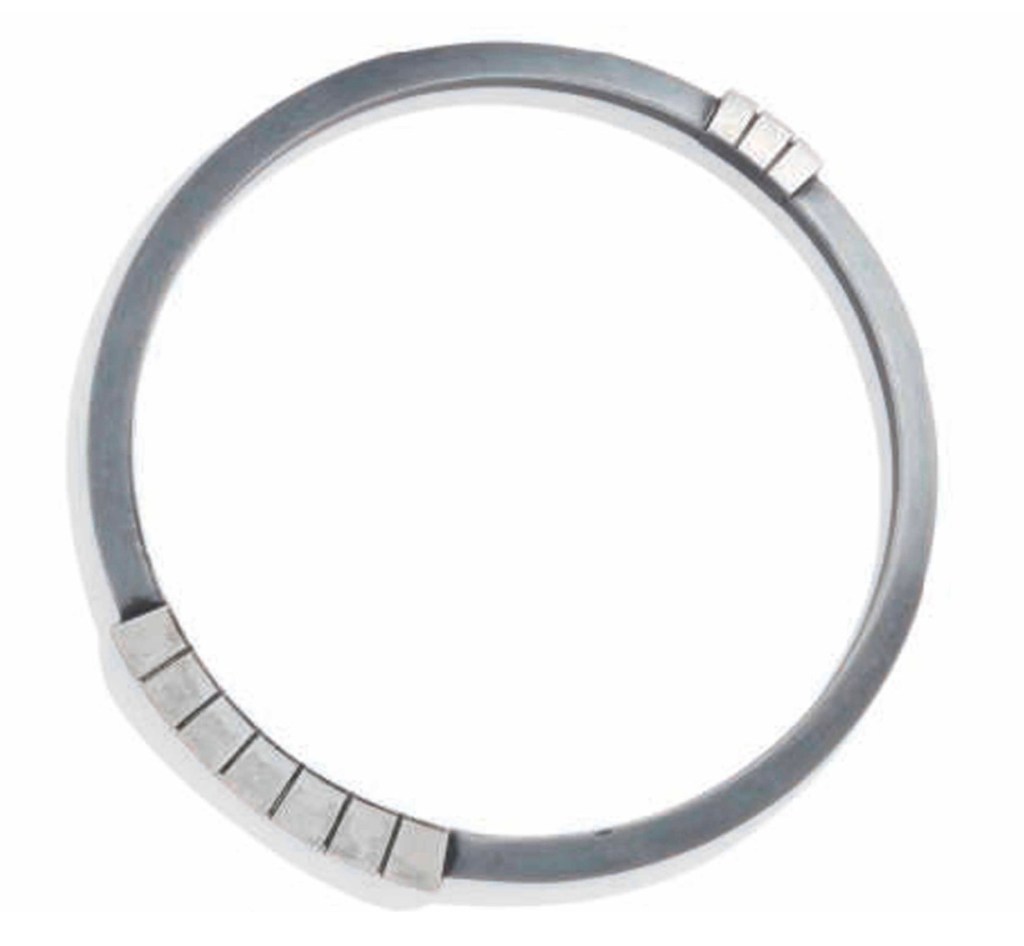
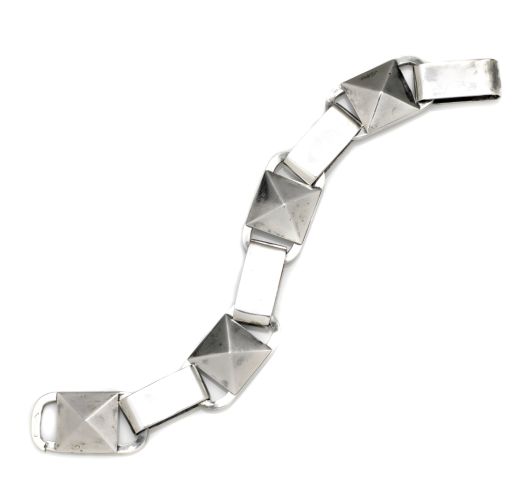
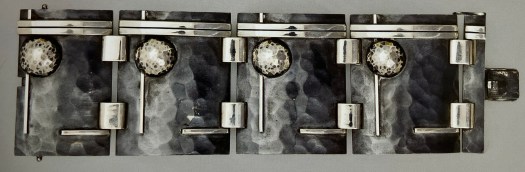
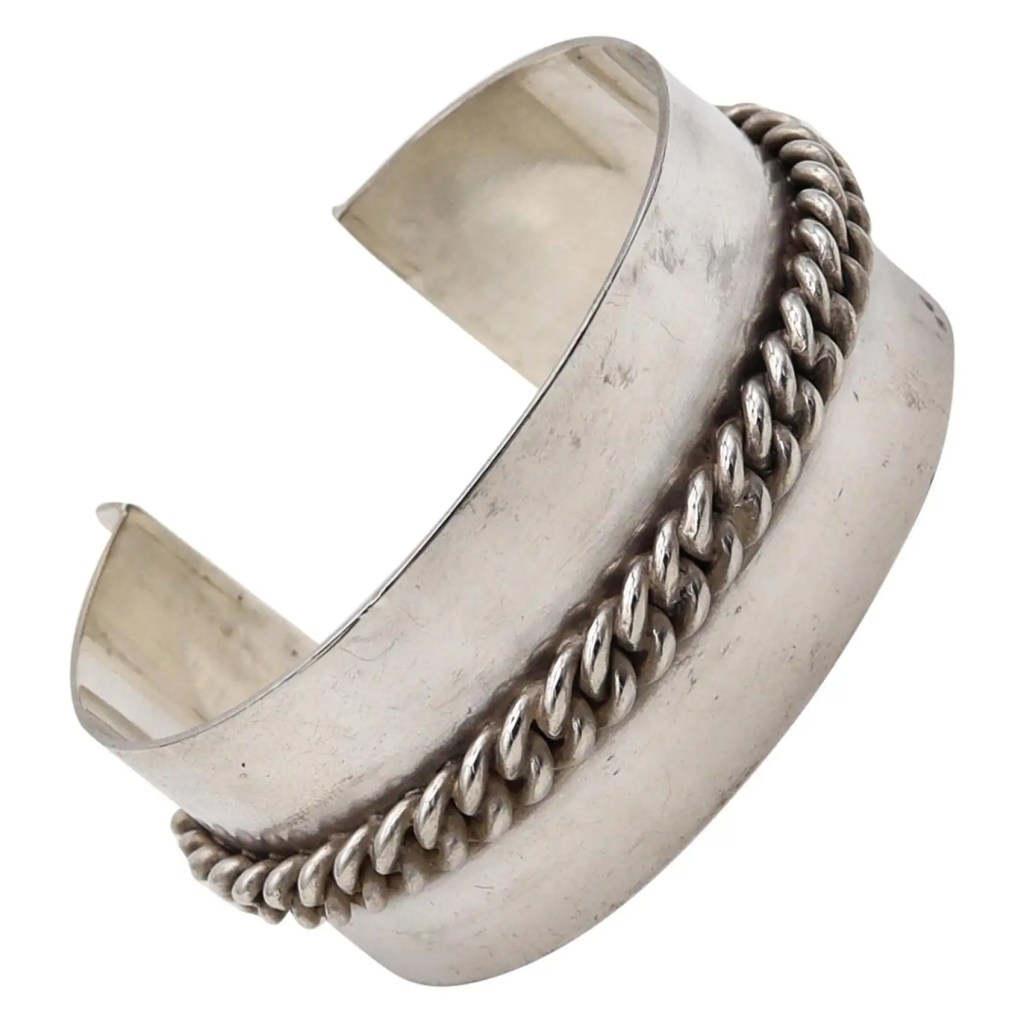
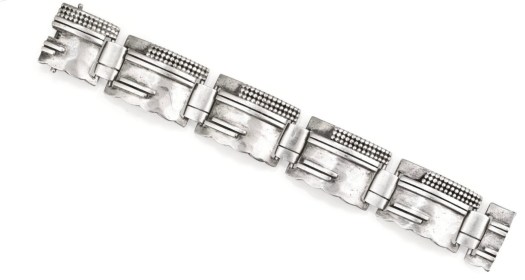
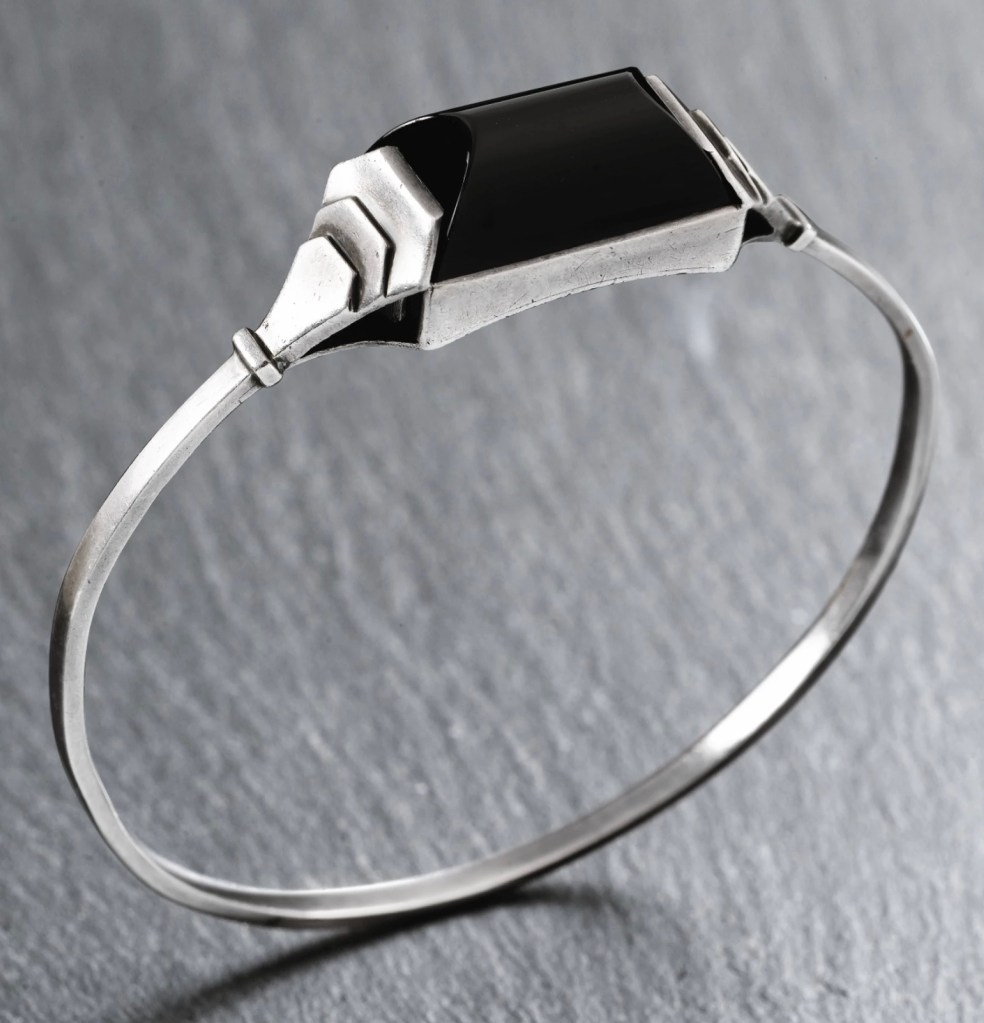
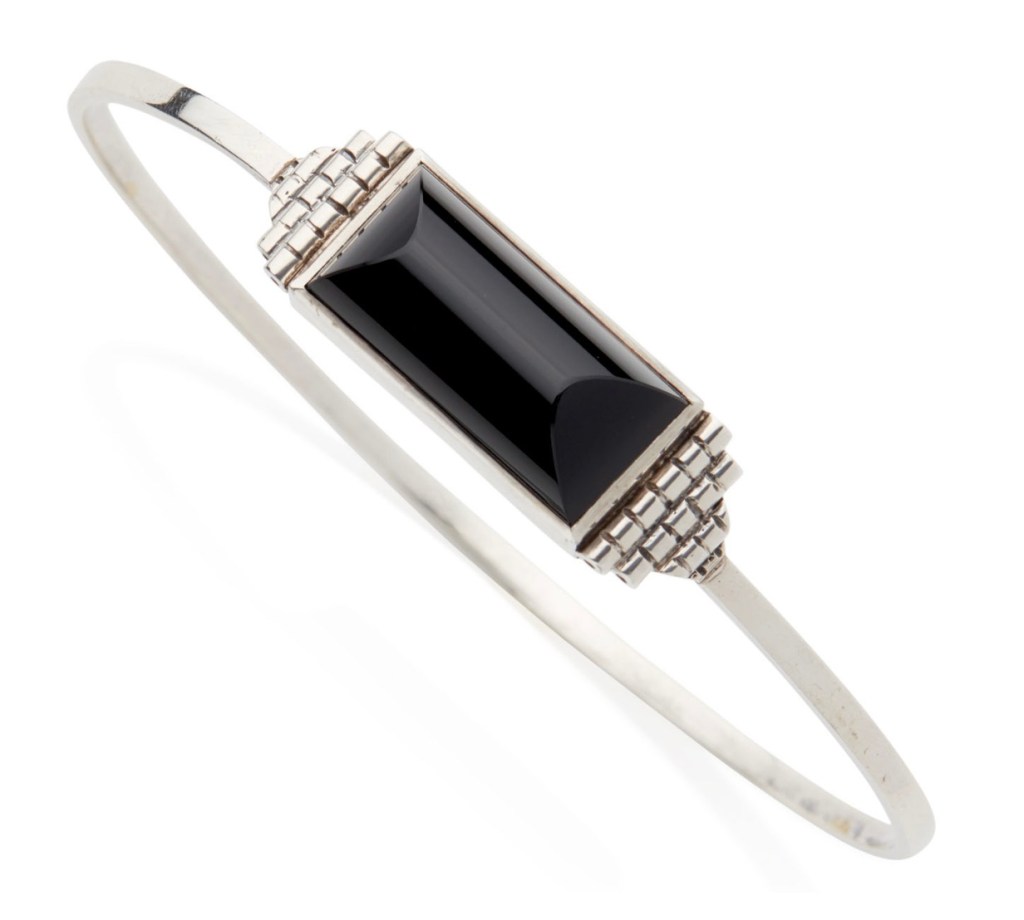
Photos: Sotheby’s
Jean Després:
“I’ve never studied under anyone and I haven’t been able to teach anyone my profession. How can you ask a young man to work sixteen hours a day, year in and year out? And metals are exorbitant. He’d never earn a living.”
Golden

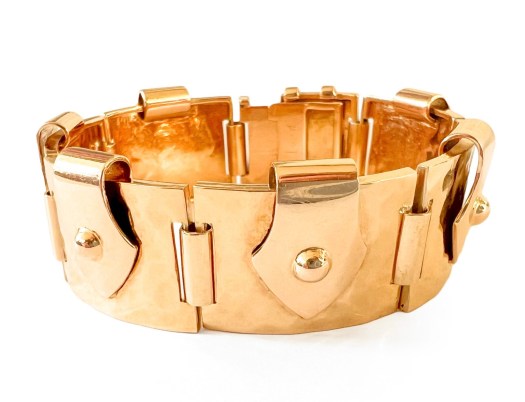
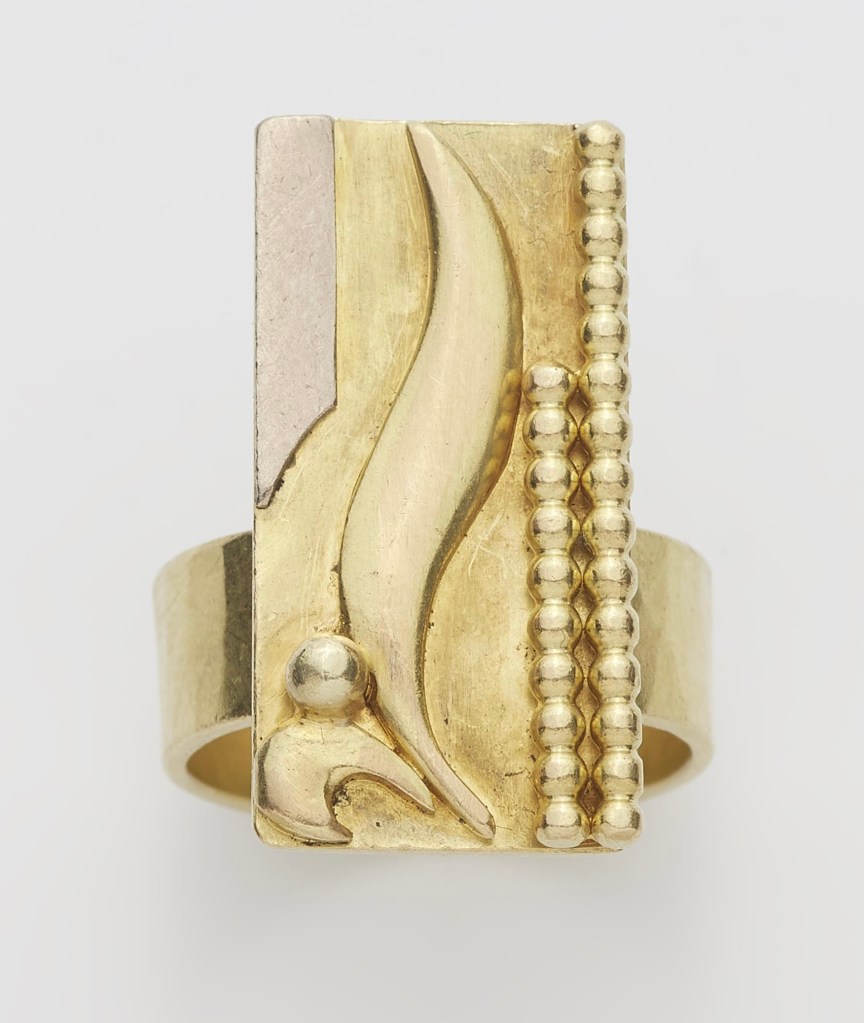
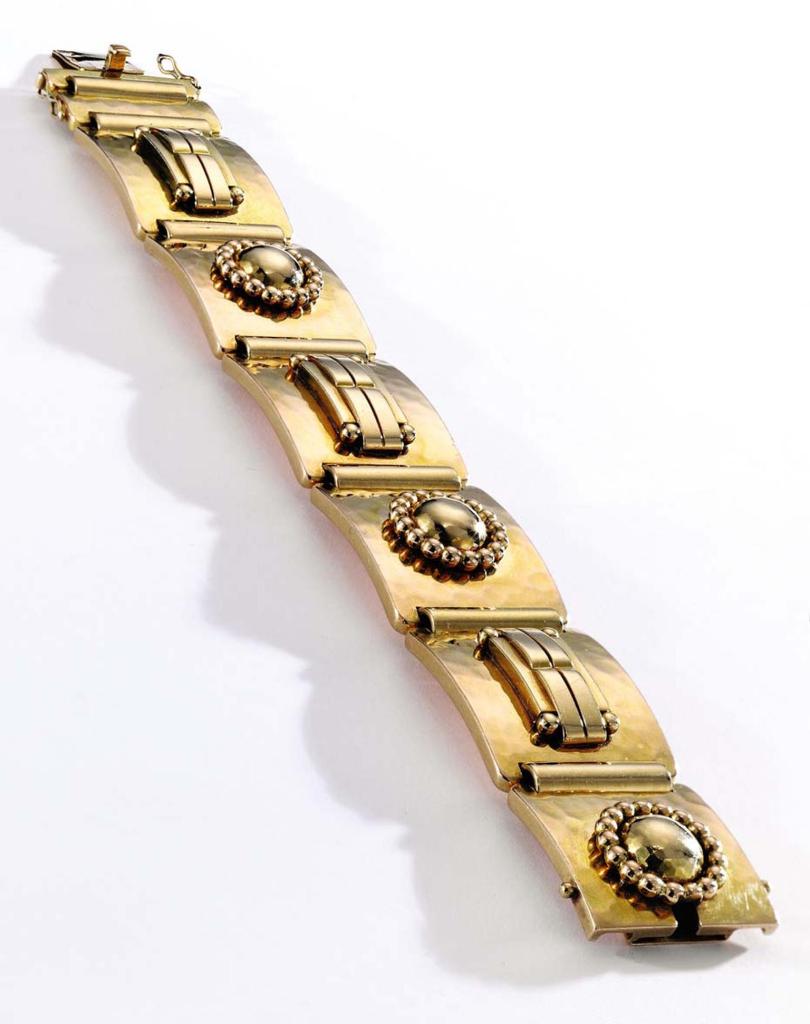
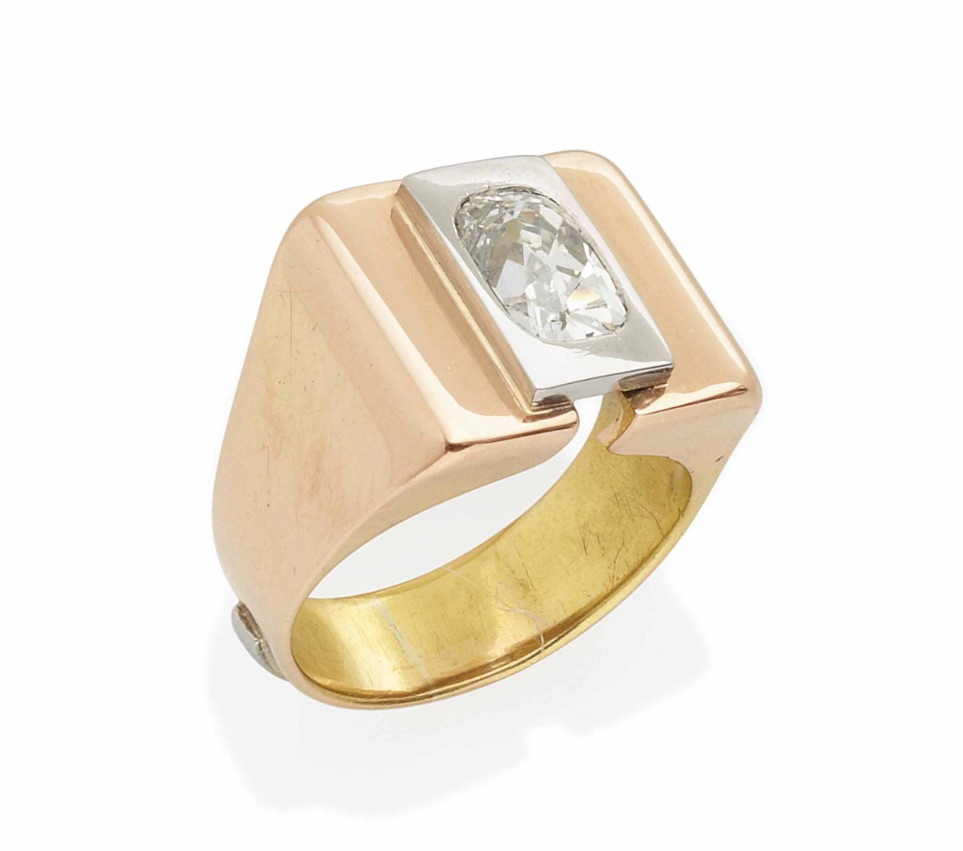
Photos: Sotheby’s
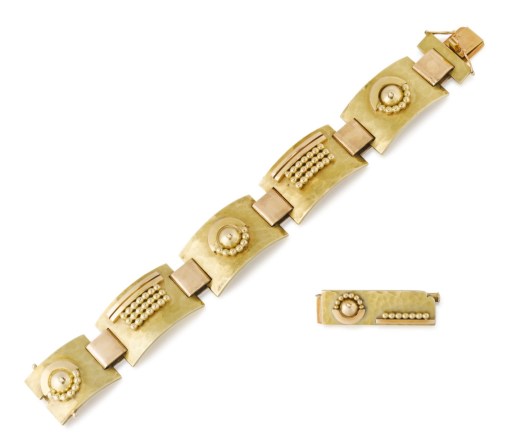
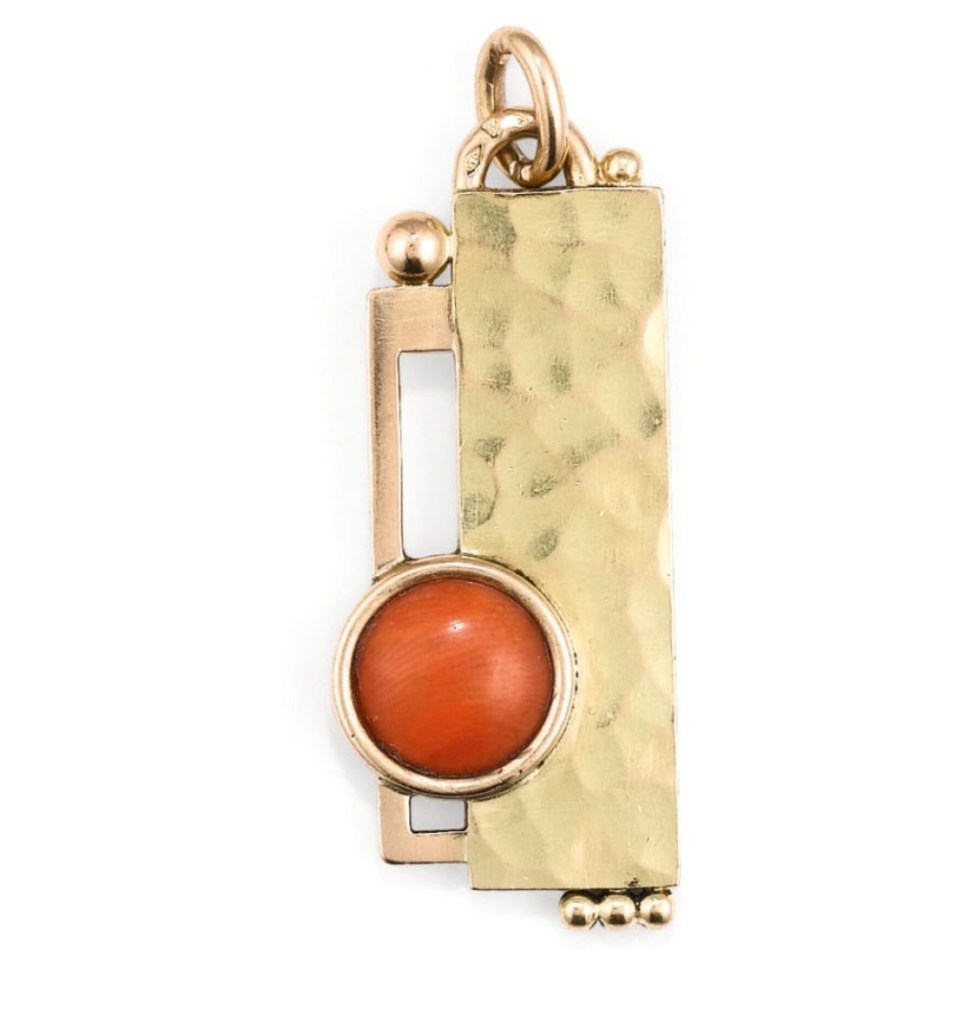
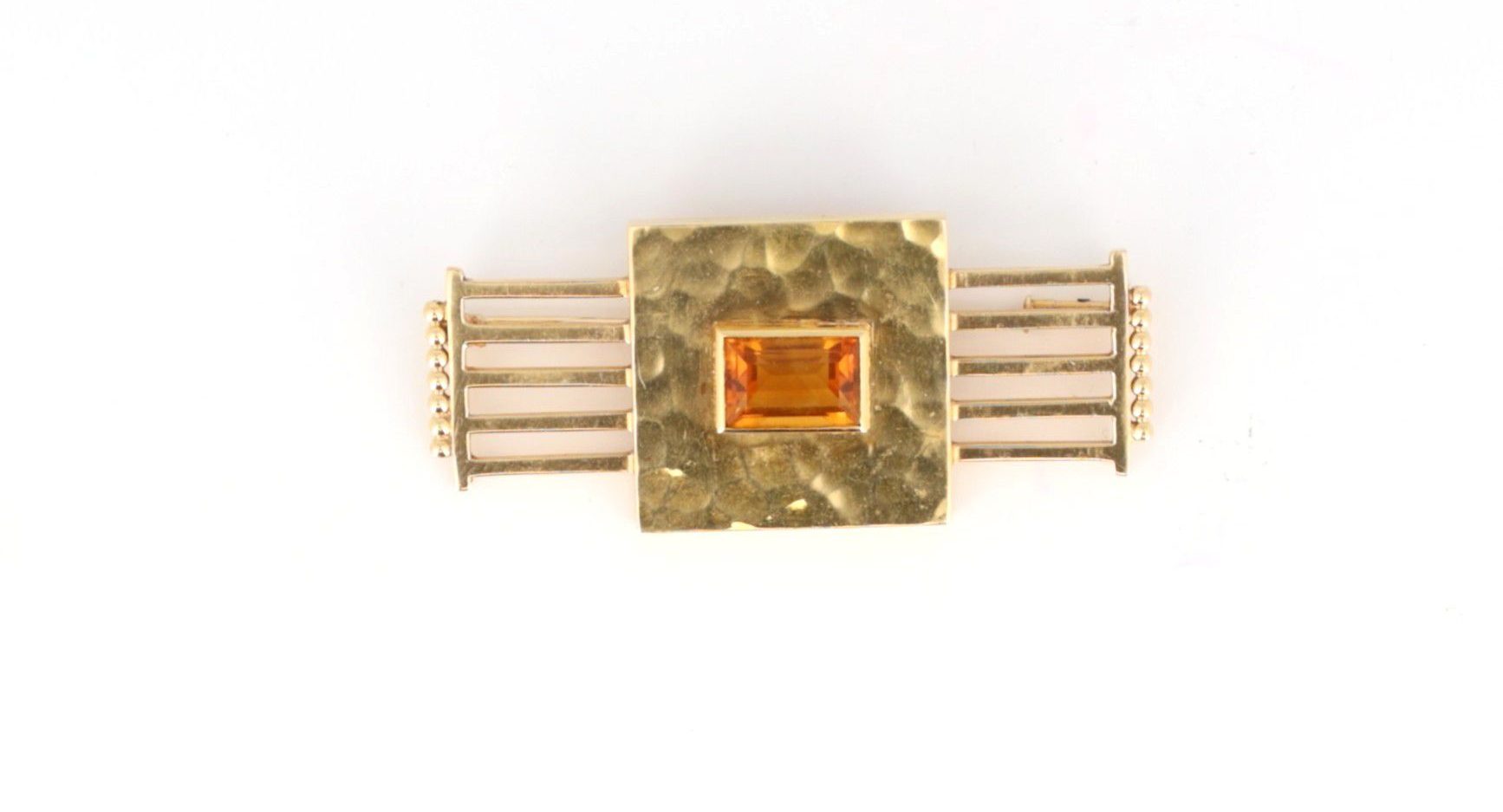
Photo: Sotheby’s and Gros and Delettrez
Collaborations
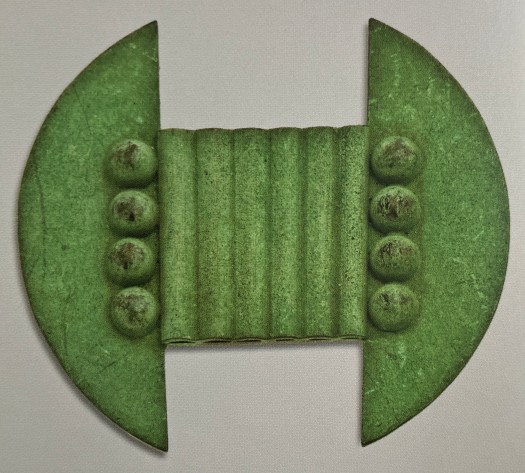
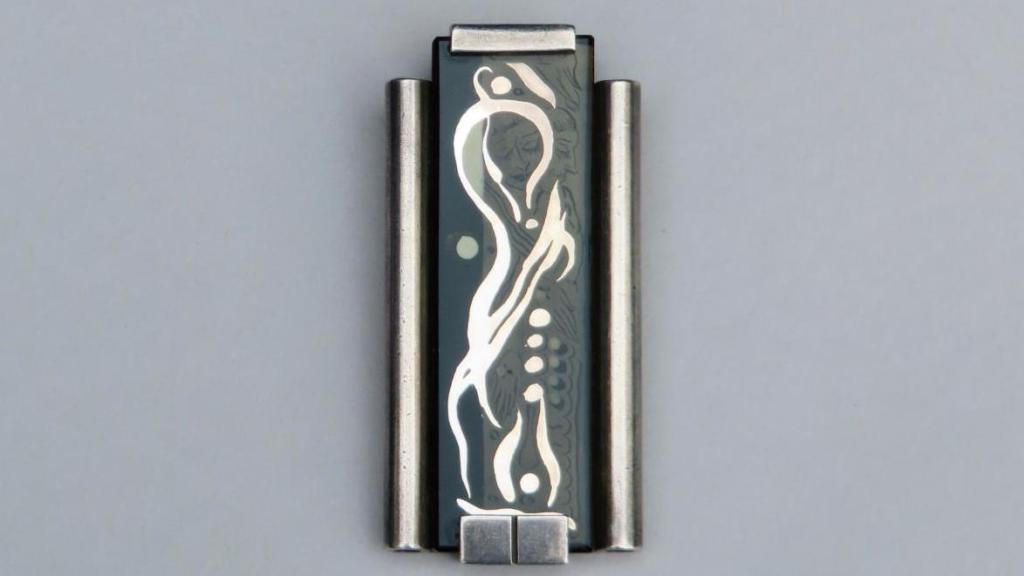
Between 1929 and 1934 Després collaborated with Étienne Cournault, a painter and engraver, and they created their bijoux glaces (glass or mirror jewels). The objects, small glass plaques and metal settings – mainly silver but sometimes with inlay of gold and sometimes partially lacquered – combined silver with glass with gave birth to light, reflection, and transparency.
From 1937 he often worked with Jean Mayodon – who would later become the director of the Sèvres Porcelain Manufactory – and during this period Després designed his bijoux céramique (ceramic jewels), ceramic plaques inspired by neoclassicism.
Les bijoux glace et céramique
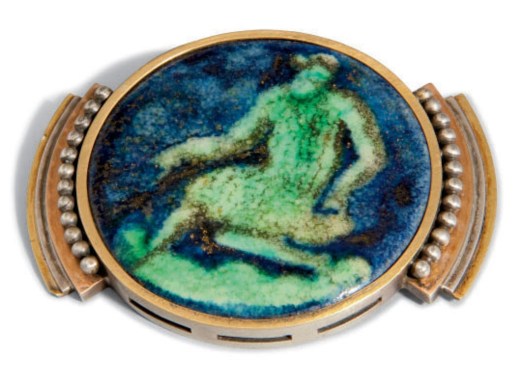
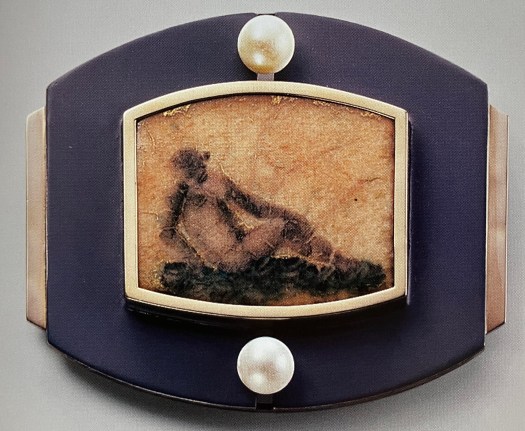
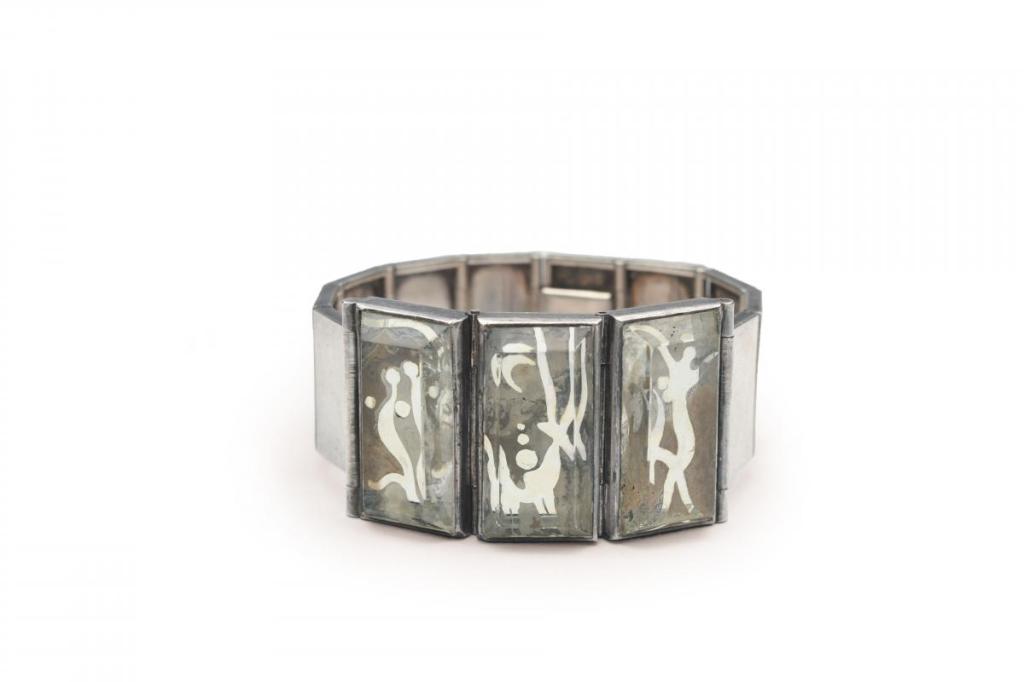
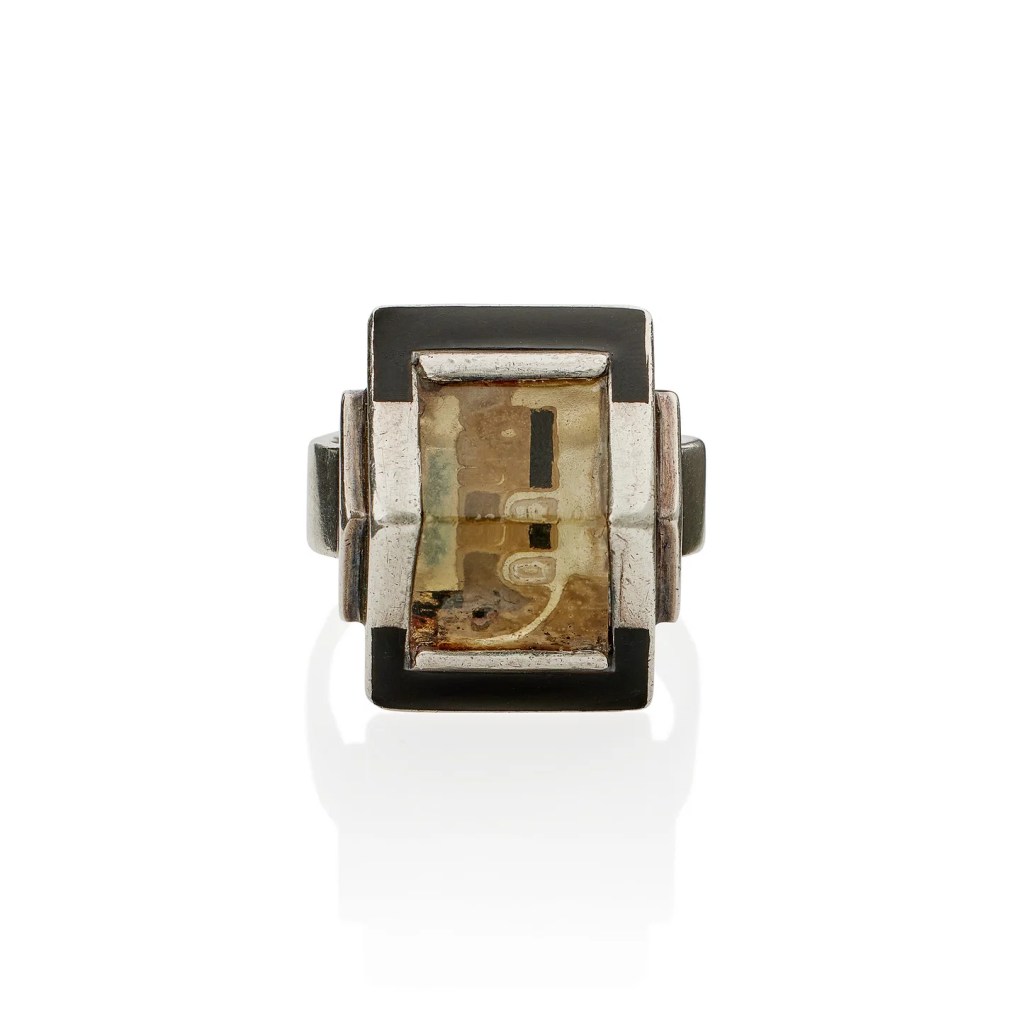
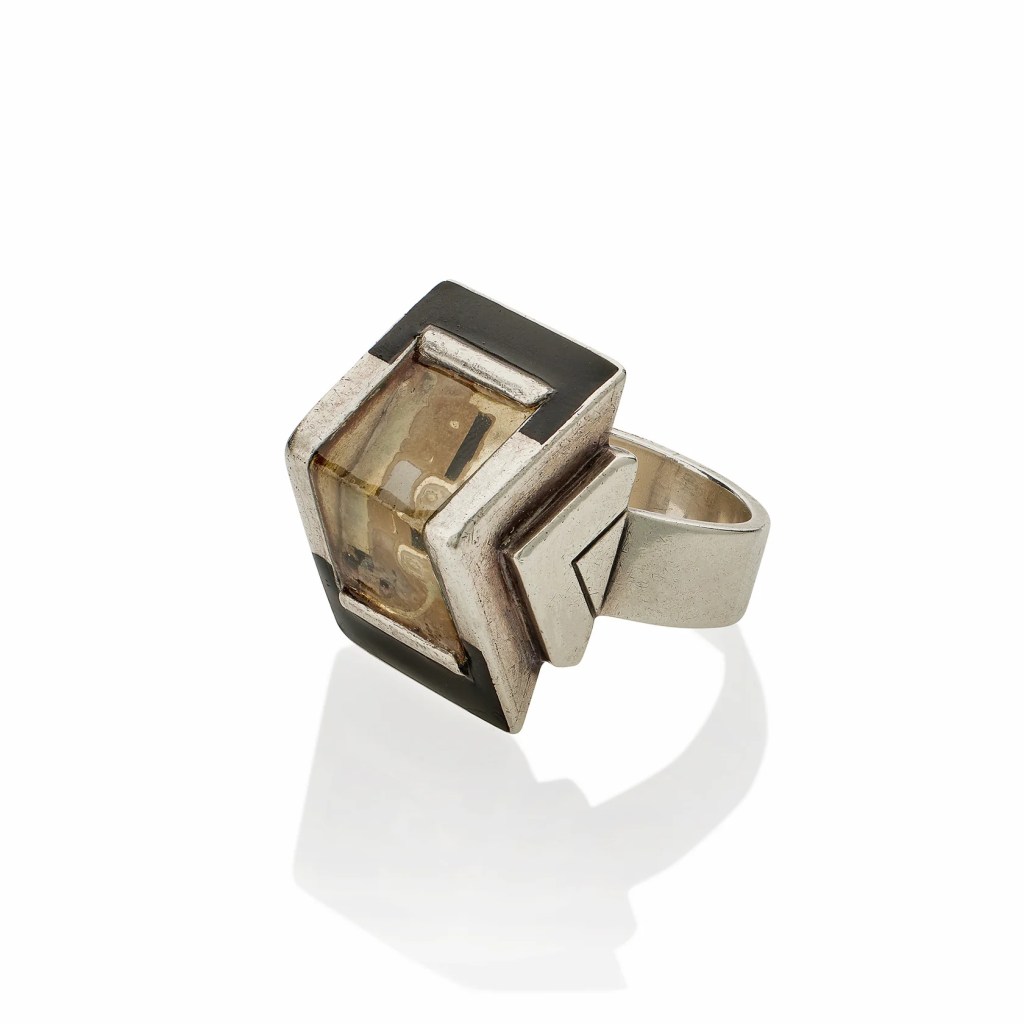
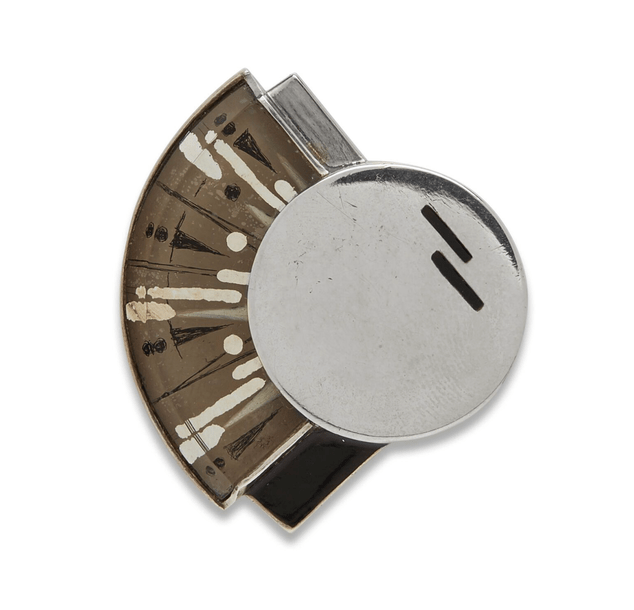
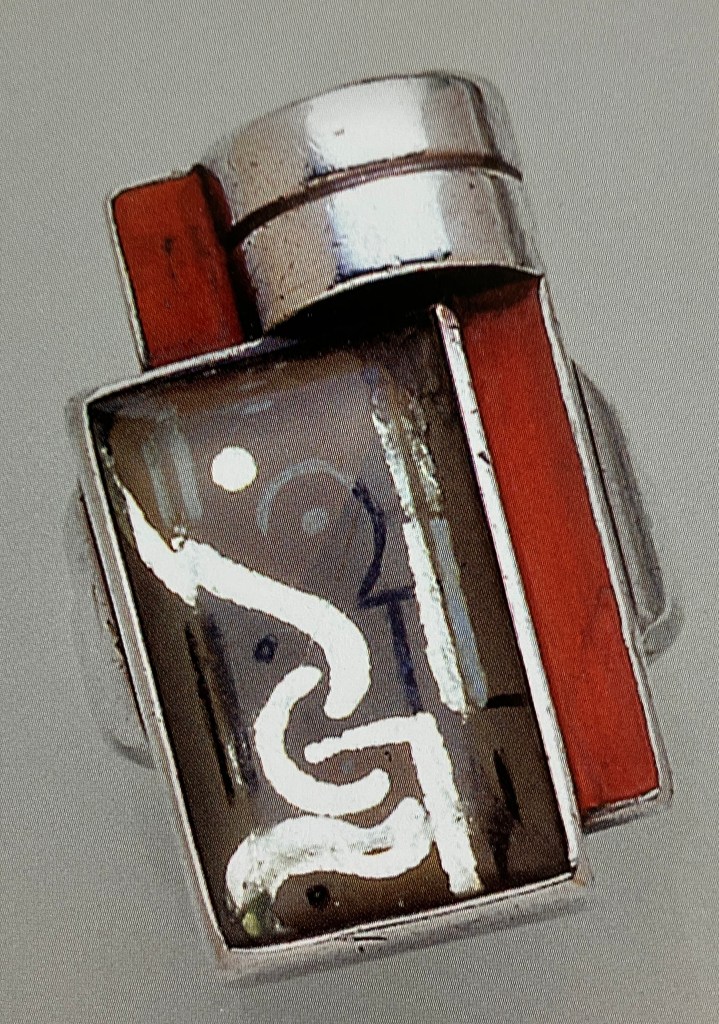
Examples of Després and Cournault’s bijoux glaces.
Photos: IVOIRE France, Macklowe Gallery, Maurice Auction, from the book Jean Després – Jeweler, maker and designer of the Machine Age by Mélissa Gabardi and from and La Gazette Drouot.
Changing with the times, but doing it truthfully
During the 1940s when Art Déco had lost some of its lustre and, for example, yellow gold had made a comeback Jean Després stayed true to his own style and continued his geometric lines. Sometimes he would give them some color with one or other semi-precious stone but there was still no nature, no cute animals or wimpy flowers in his designs.
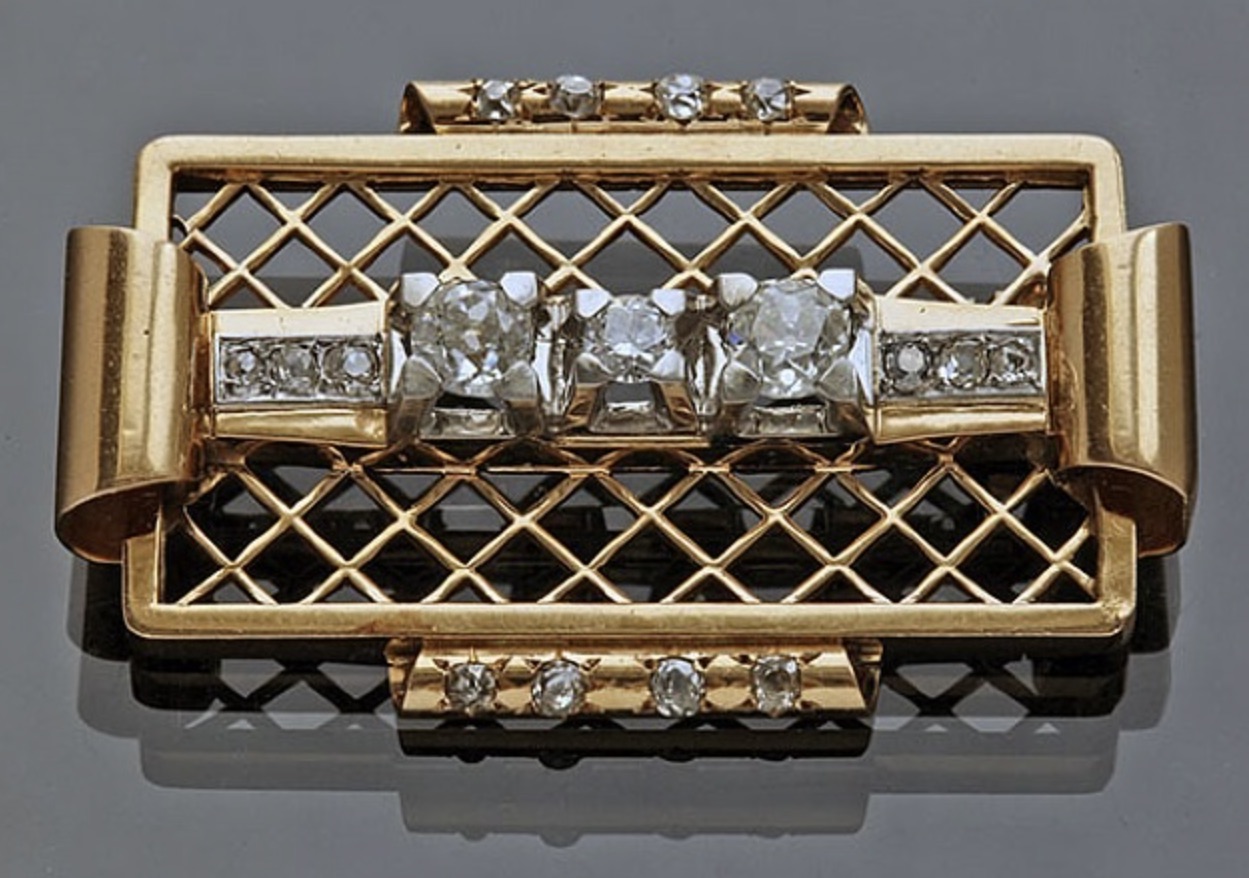
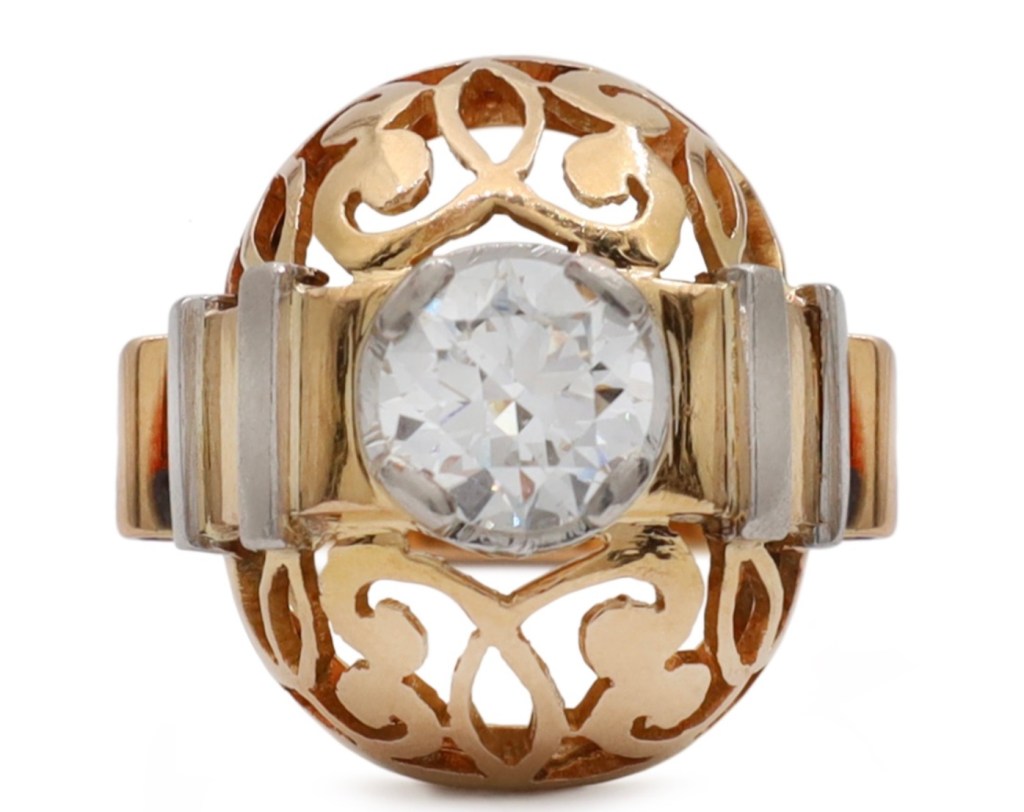
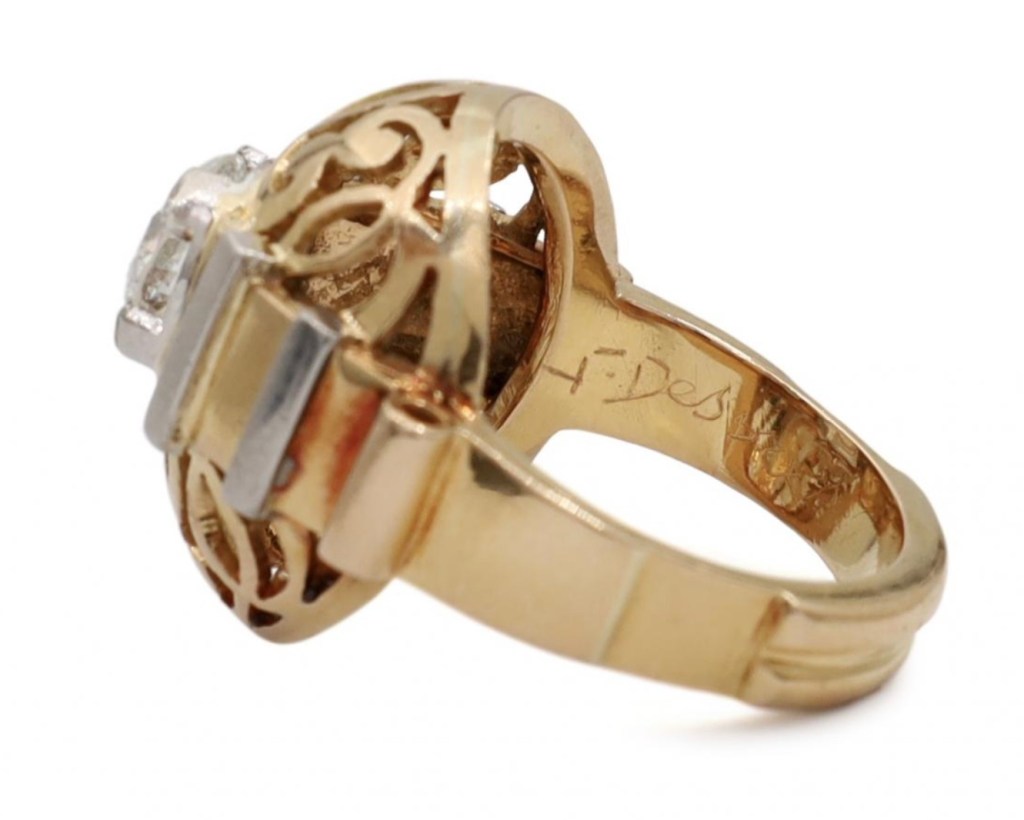
Photos: Courtville
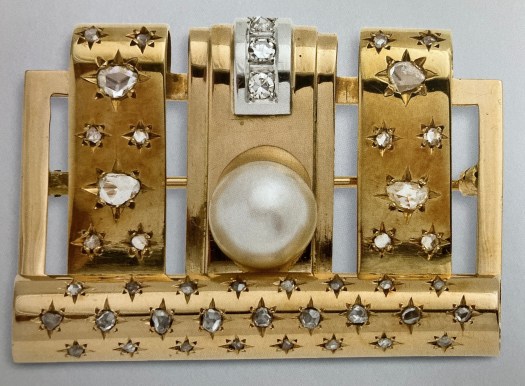
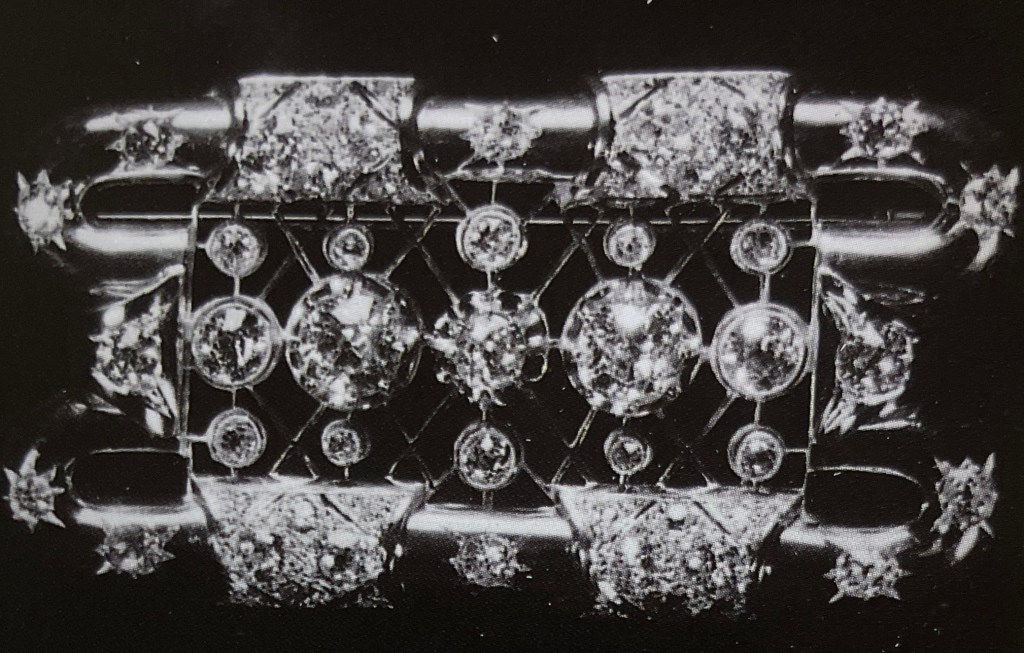
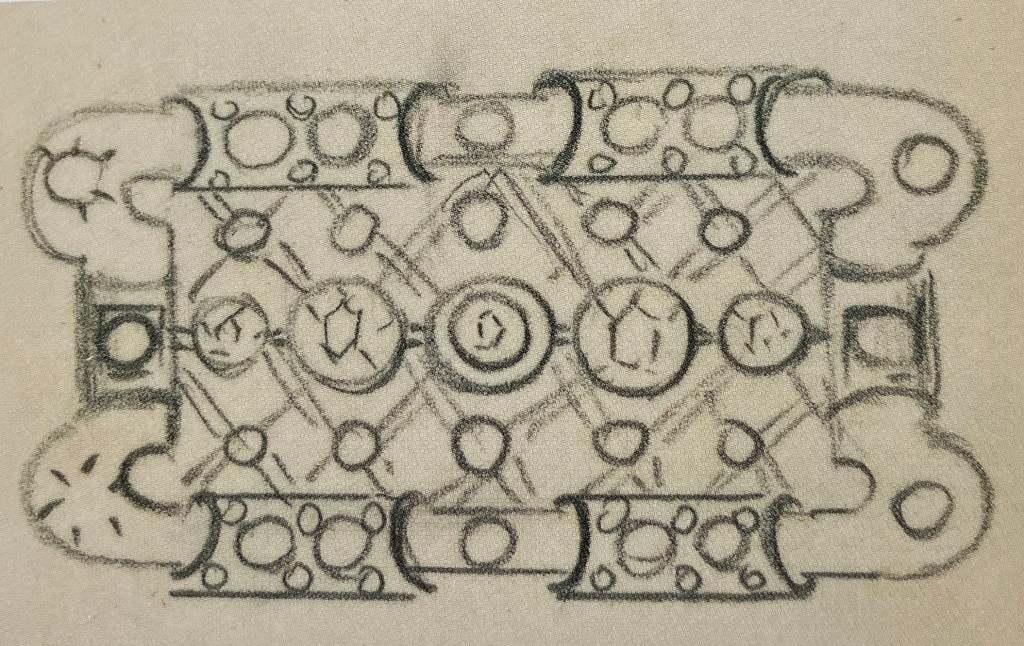
Photo: From the book Jean Després – Jeweler, maker and designer of the Machine Age by Mélissa Gabardi.
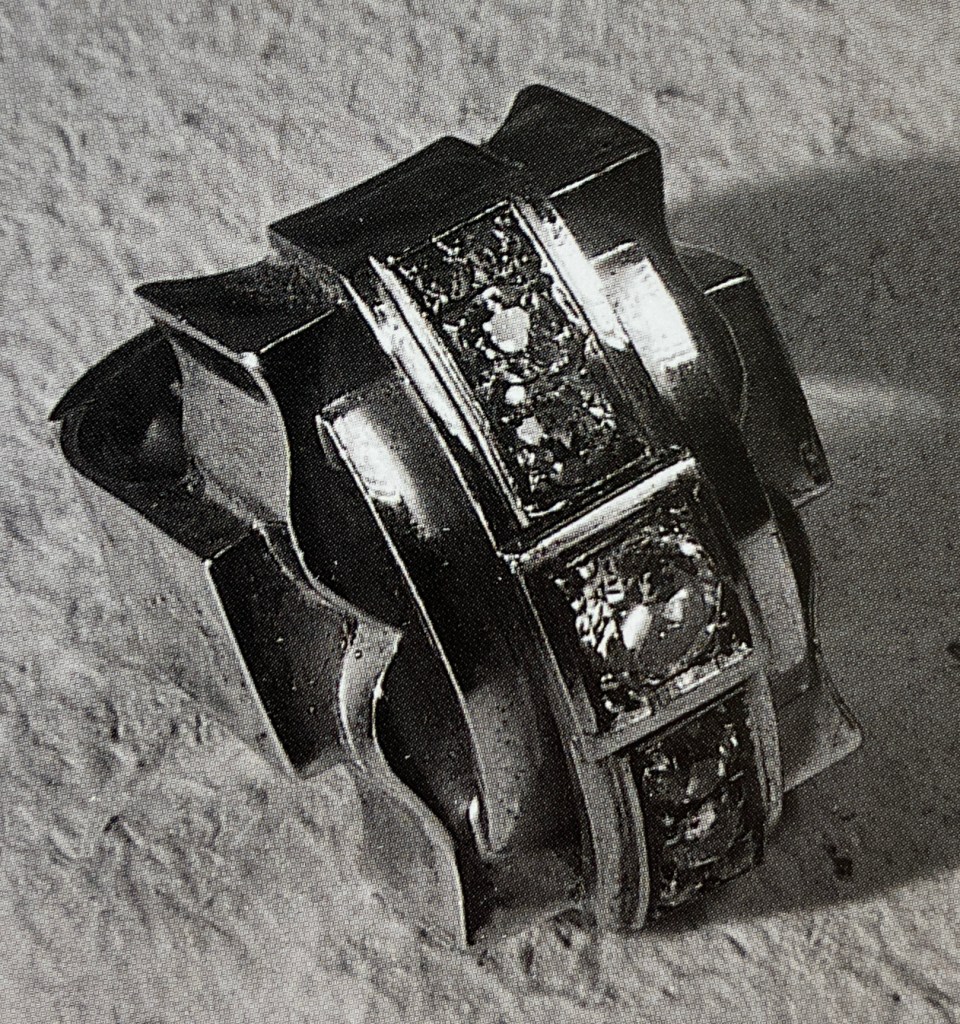
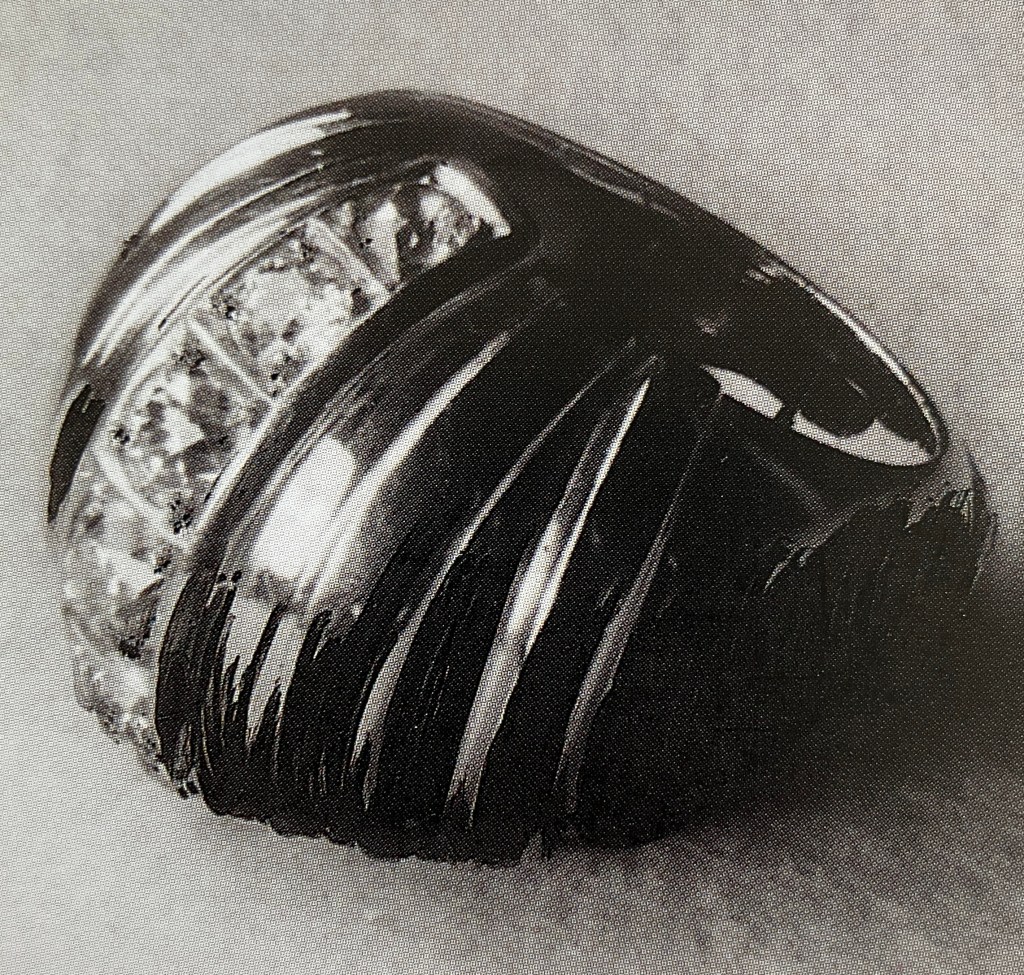
Photo: From the book Jean Després – Jeweler, maker and designer of the Machine Age by Mélissa Gabardi.
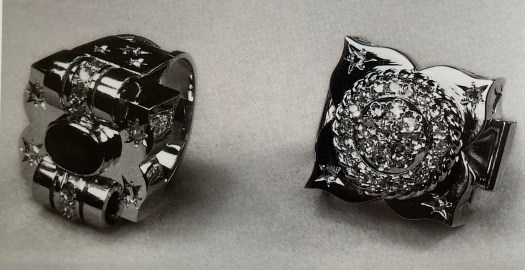
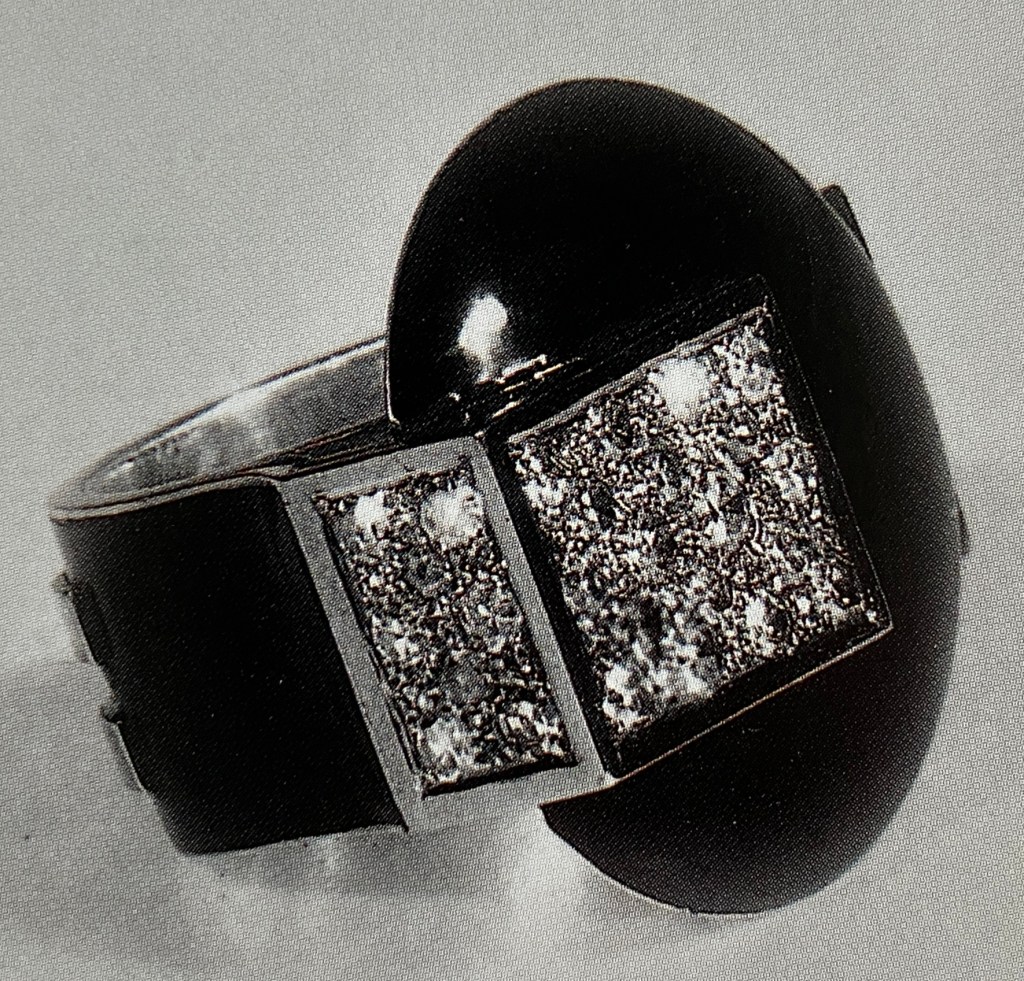
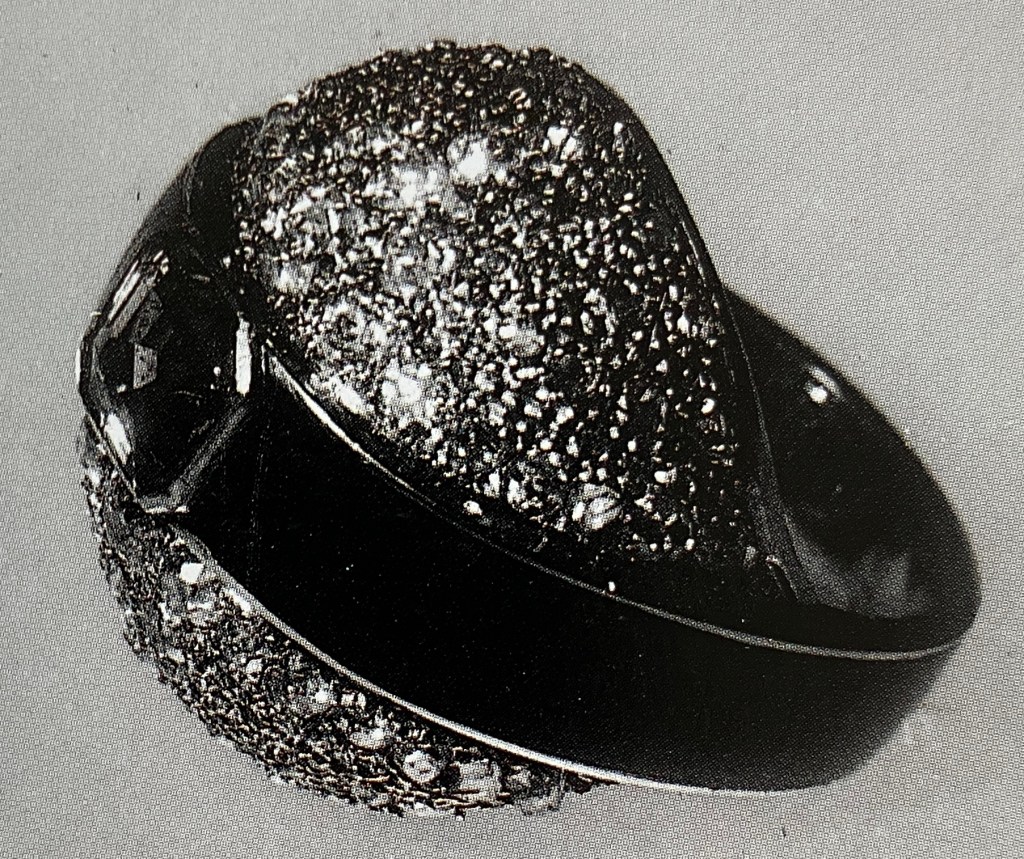
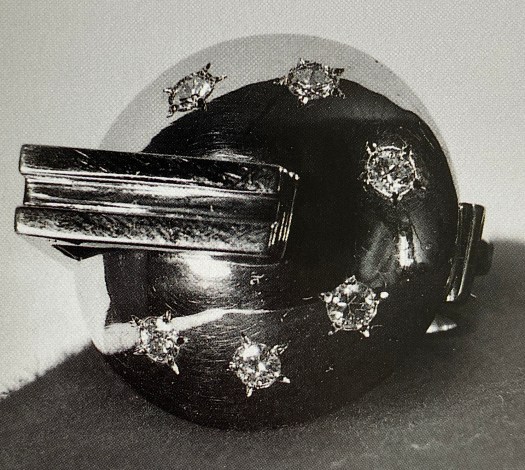
Photo: From the book Jean Després – Jeweler, maker and designer of the Machine Age by Mélissa Gabardi.
The private Després – always working
It is said that Després had few interests beside his work. Even though he never feared controversy and was very radical when it came to his work, he lived a quiet life with his wife Simone. – born Delattre, she was a well-regarded artist in her own right.
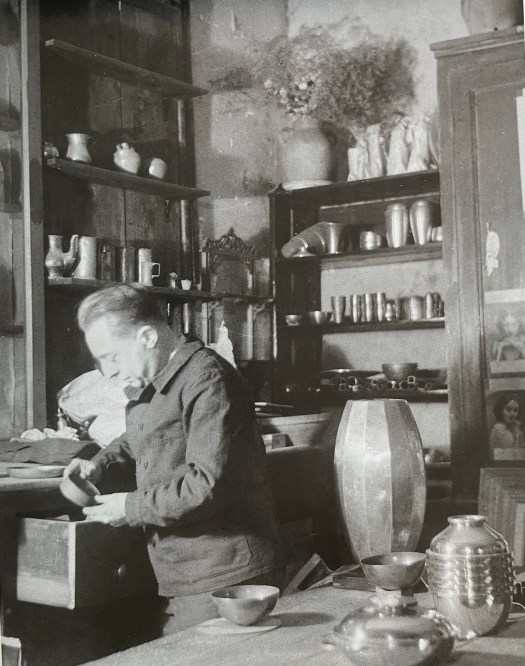
Jean was not an avid reader, usually did not go to bed until two in the morning but could ponder and sketch for hours in silence on his projects. He was a very hard worker, working in his workshop with very few breaks. Not even Sundays and public holidays were sacred. To this came book keeping and such.
On three occasions, Després planned to visit New York. He bought his tickets but in the end work took over and he cancelled the trips. It seems that his “work trips” to Paris – because they included meetings with clients, journalists, gallery owners and art critics, exhibition preparations and more – were his “vacations” when he also found inspiration and ideas. They rarely lasted more than a week and his motto was:
“Sketchbooks in Paris, hammer in Avallon.”
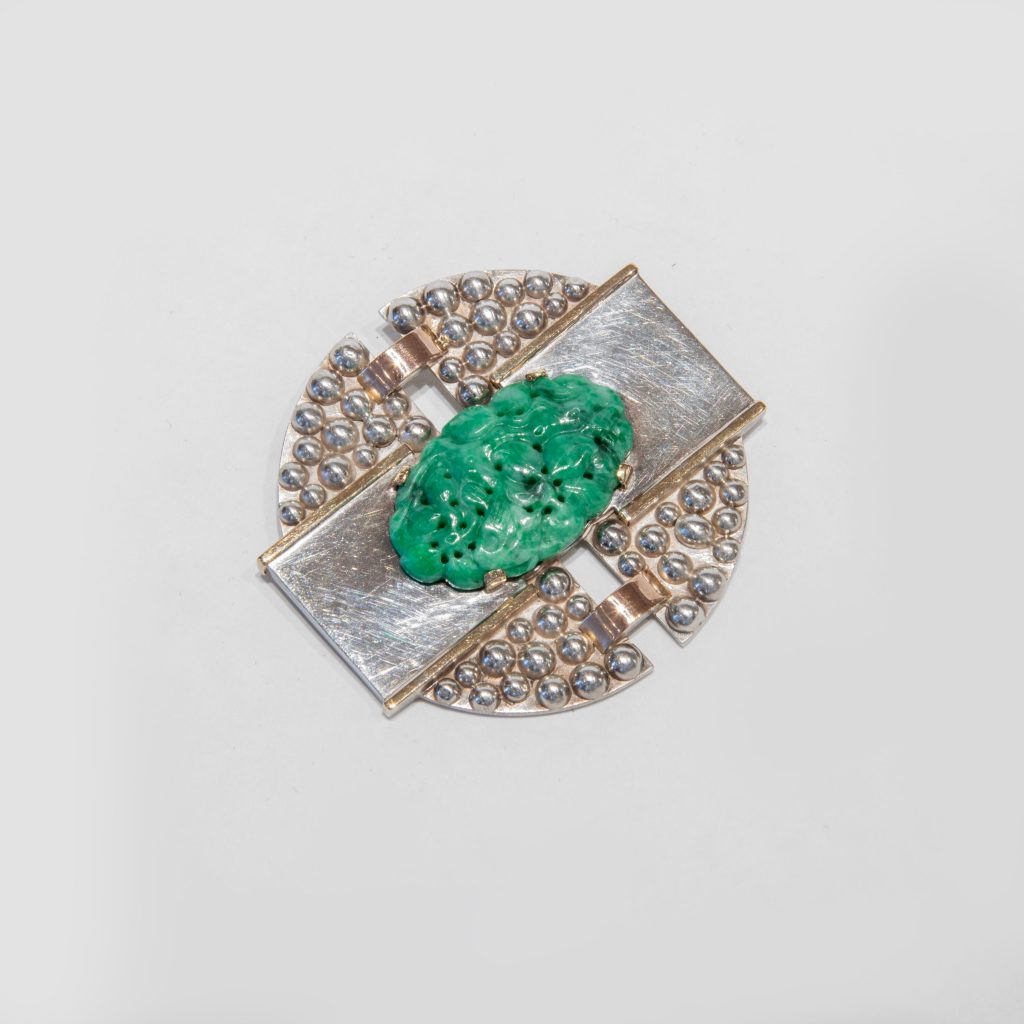
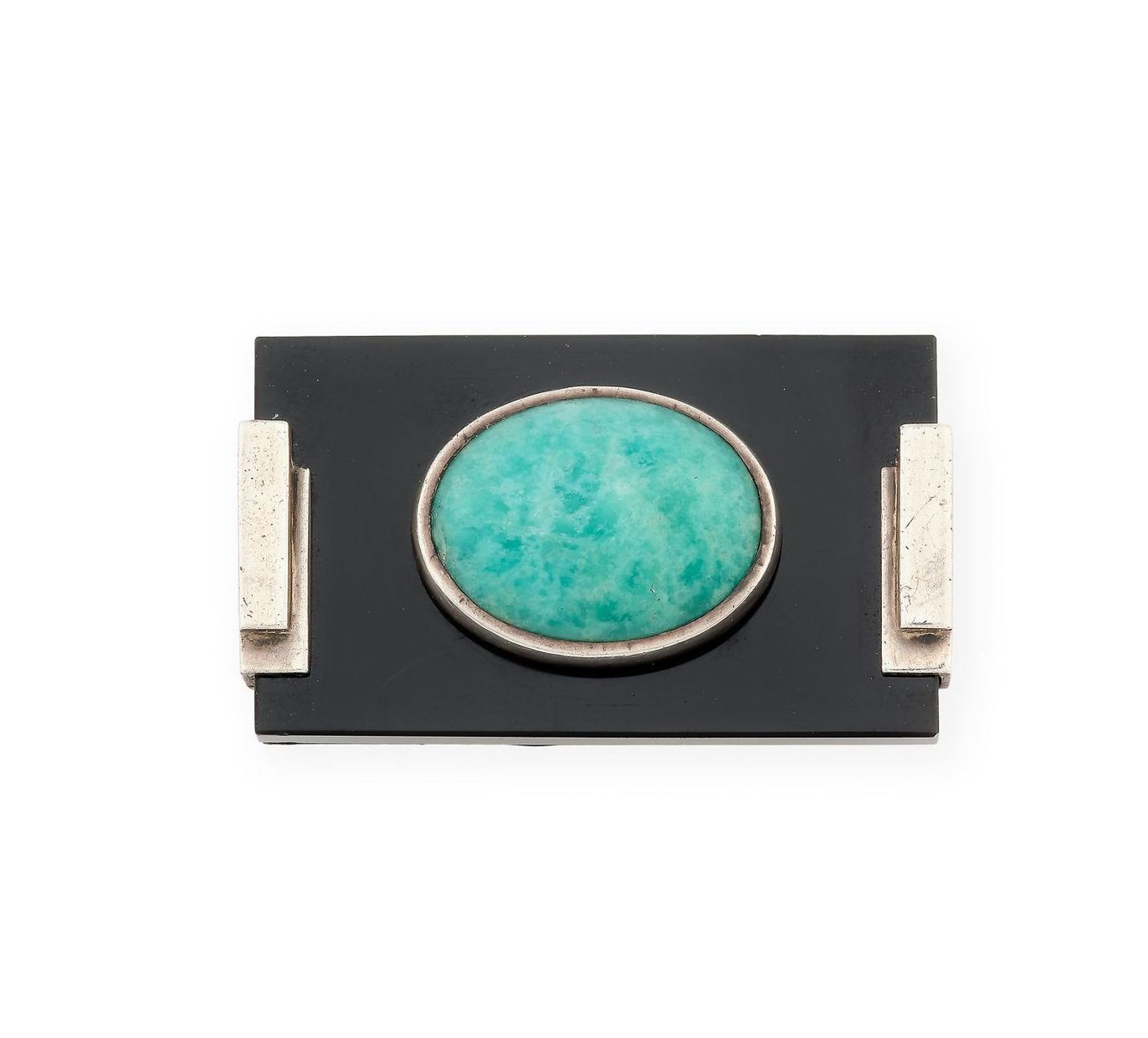
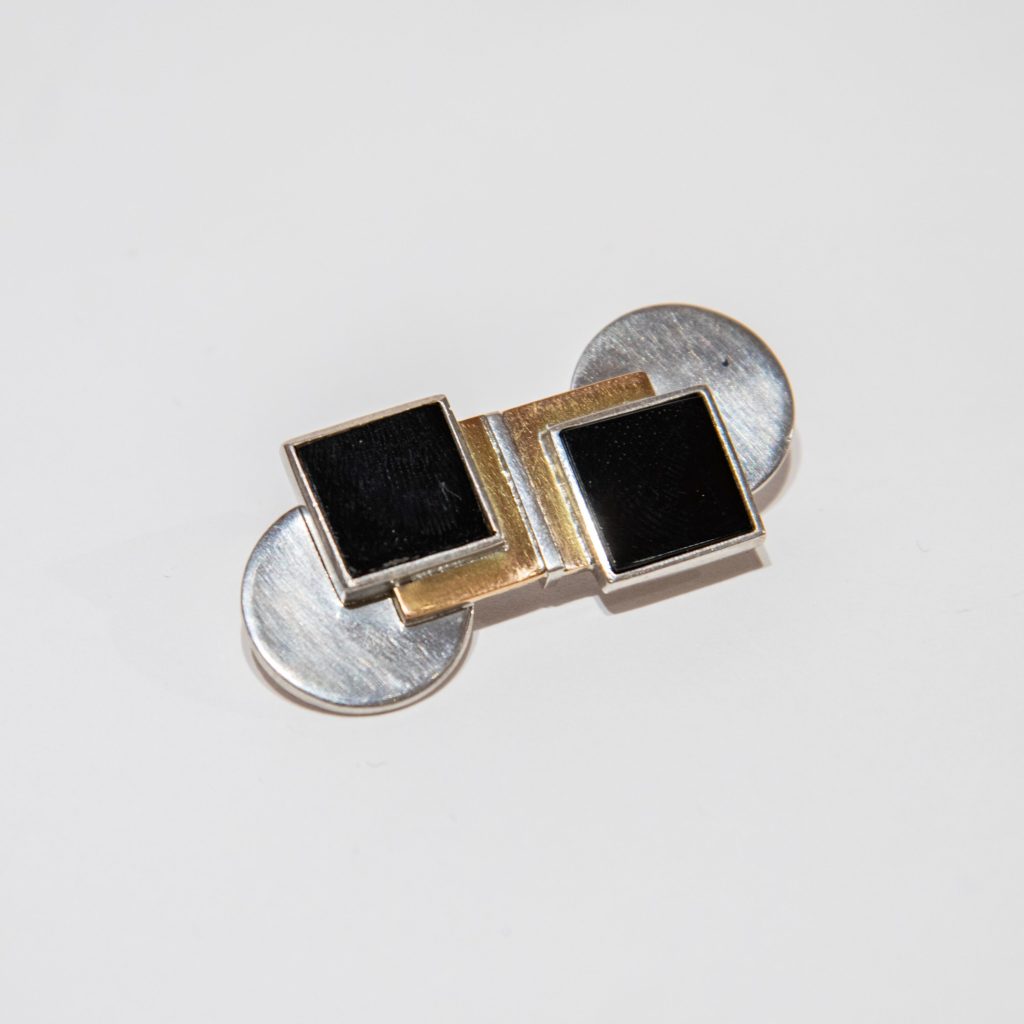
Photos: 1 & 3 Artcurial and 2 Gros & Delettrez
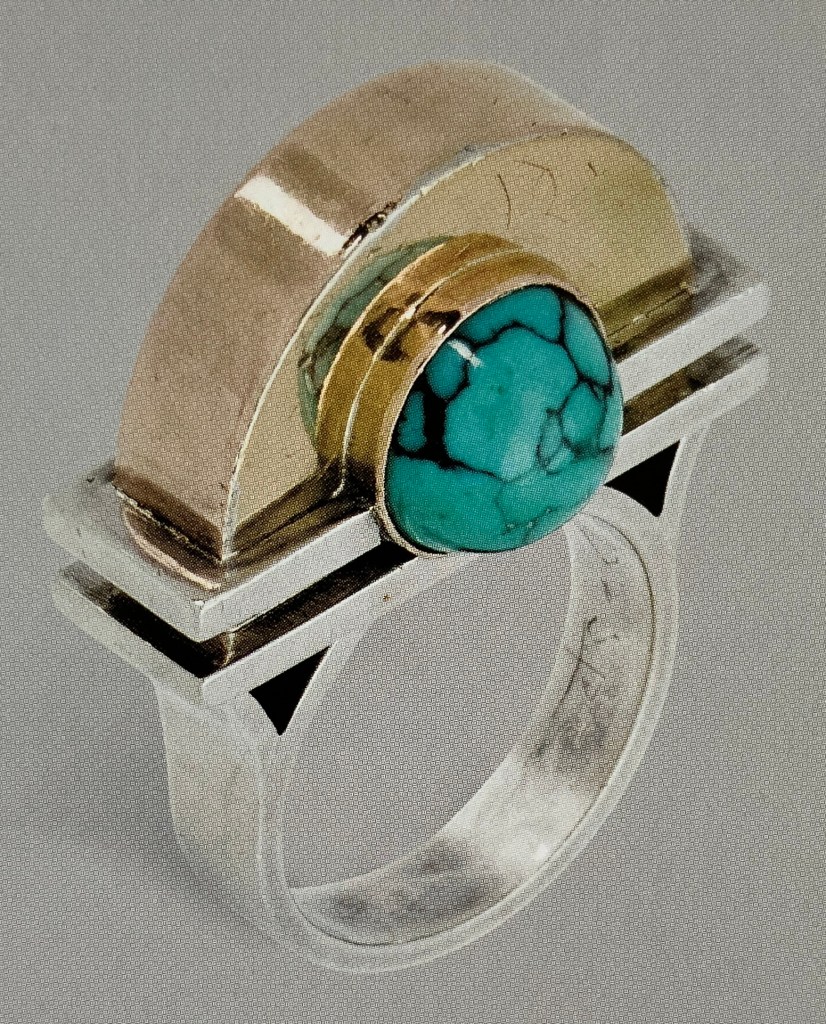
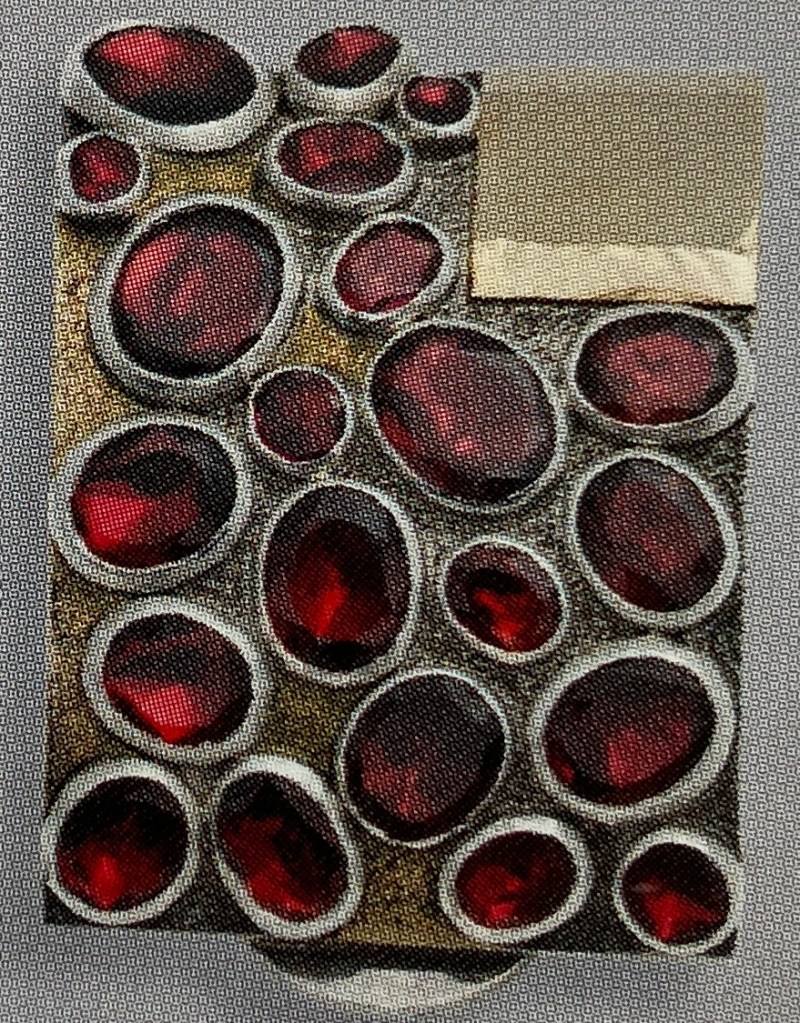
Photo: From the book Jean Després – Jeweler, maker and designer of the Machine Age by Mélissa Gabardi.
Later years
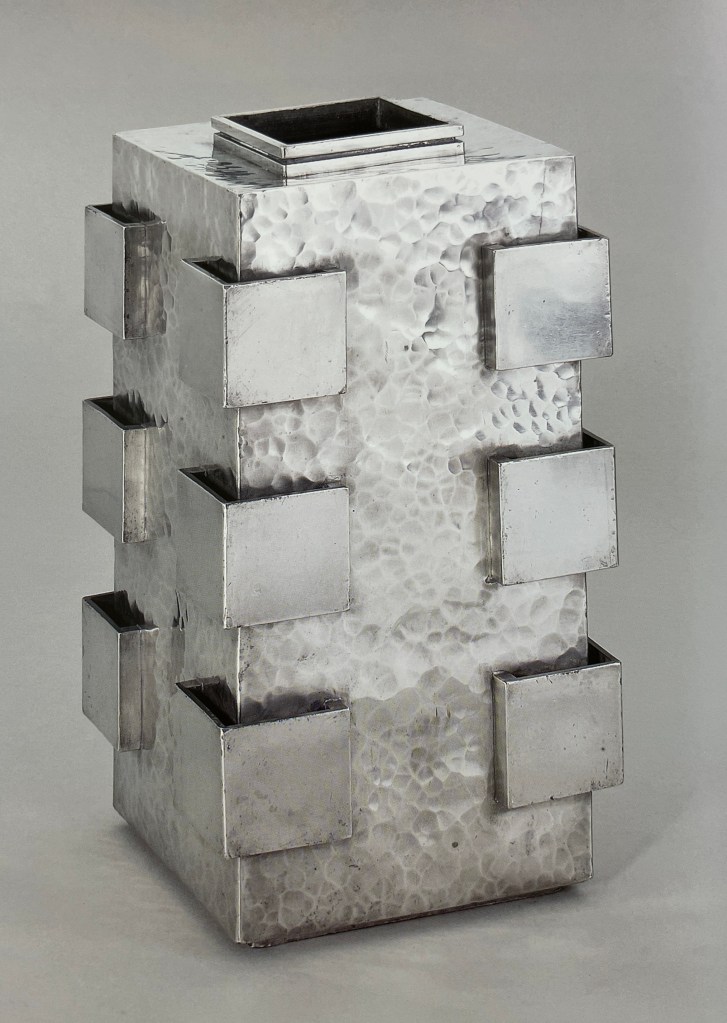
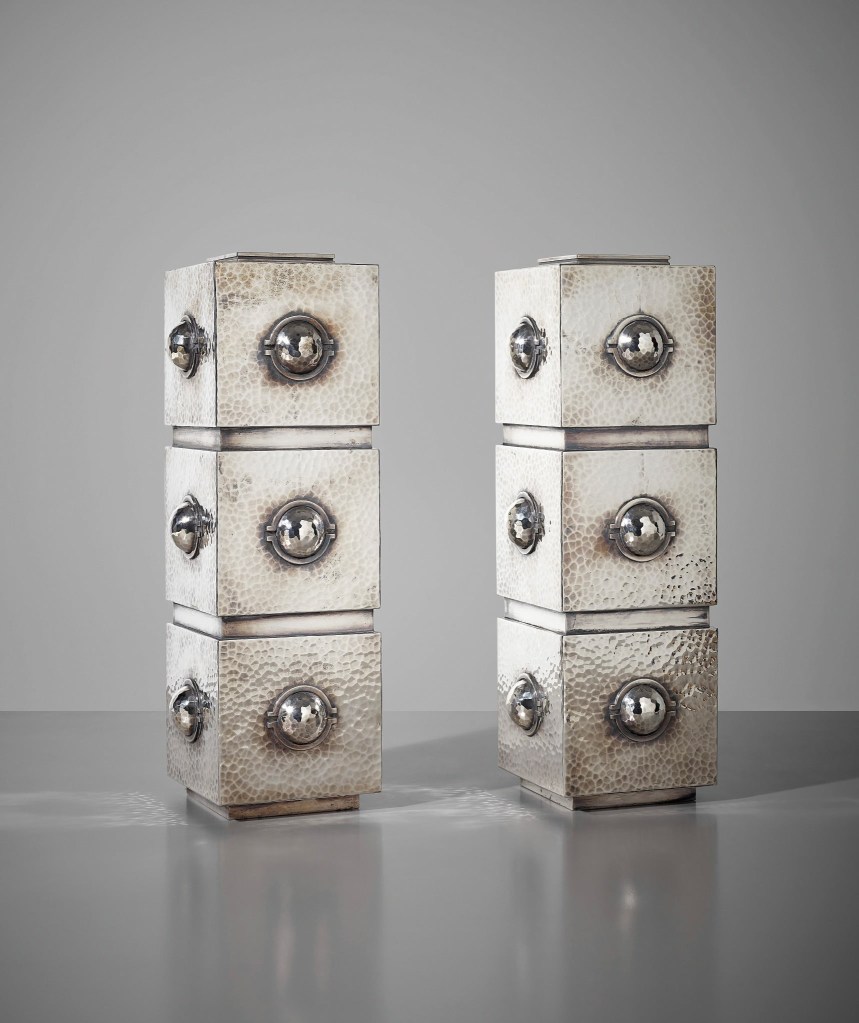
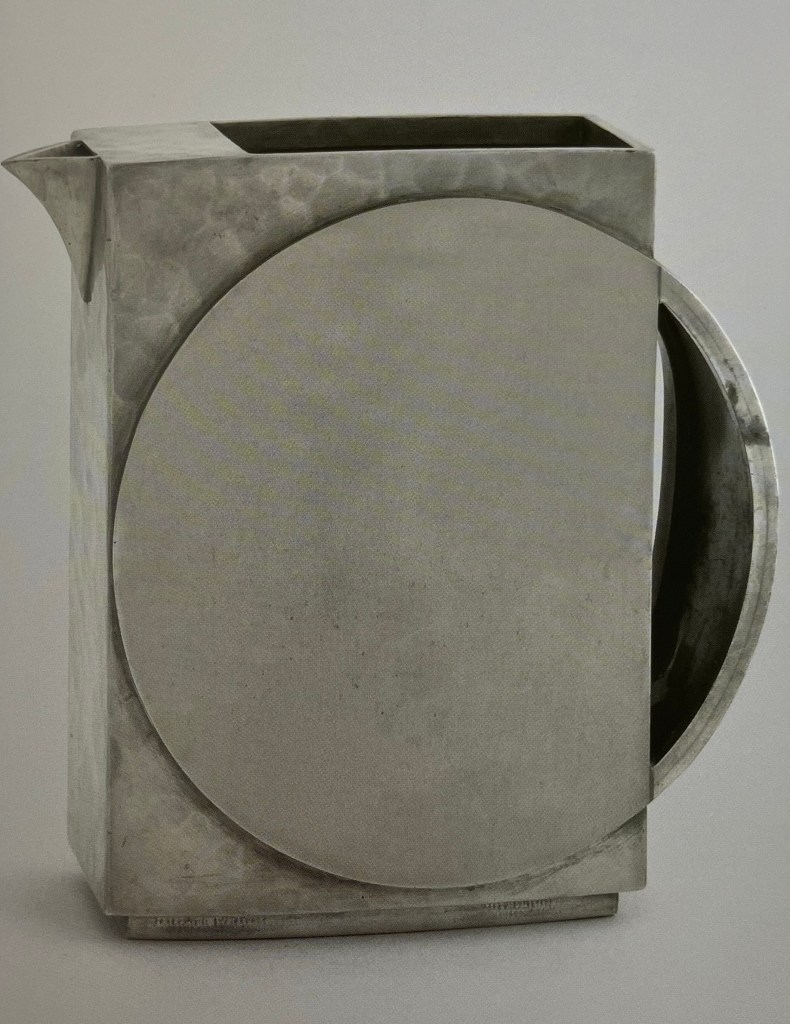
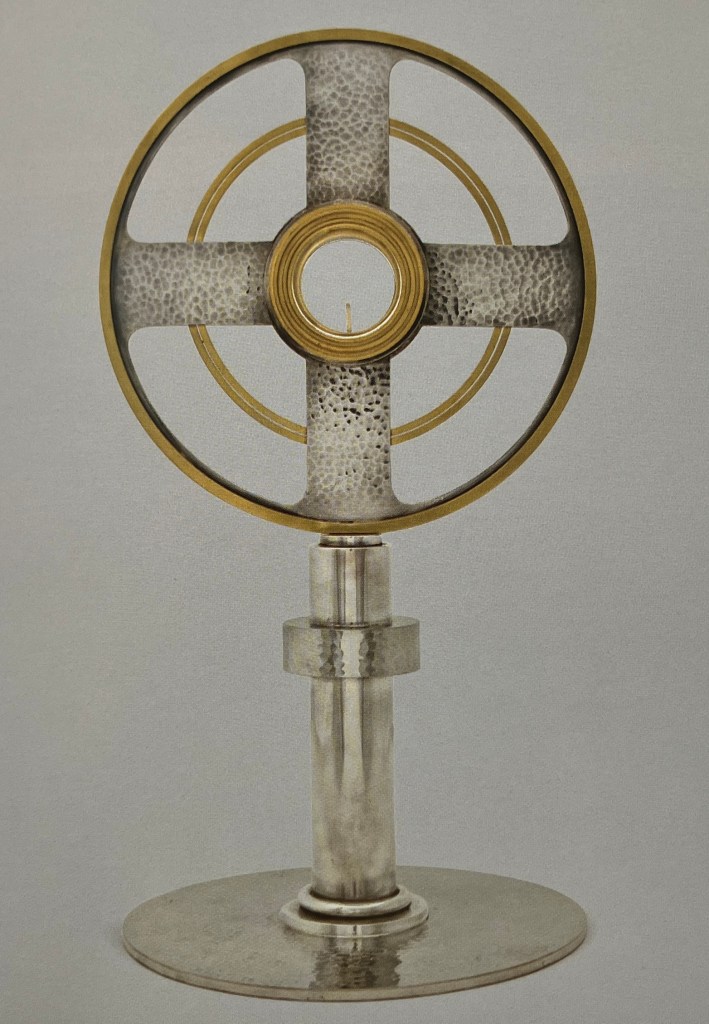
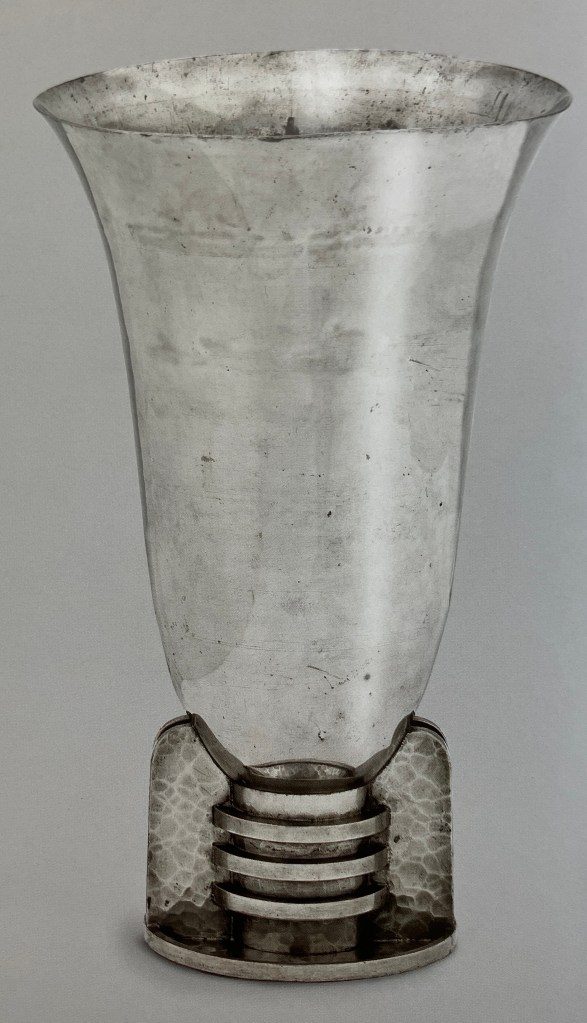
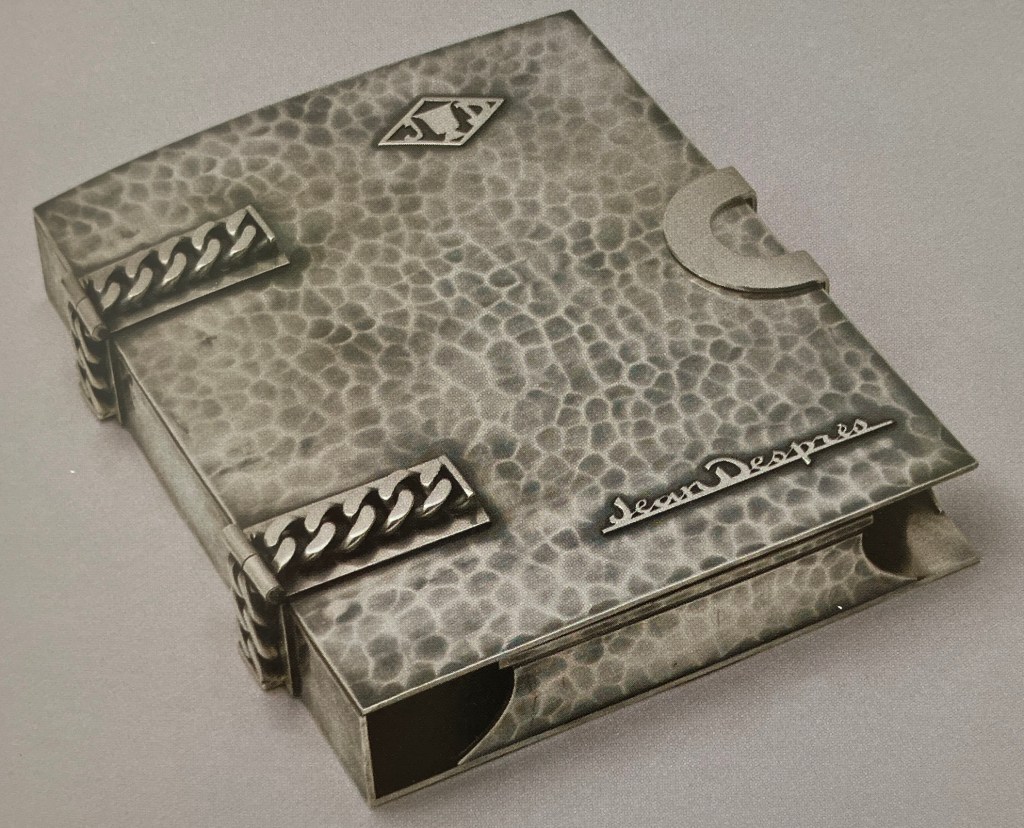
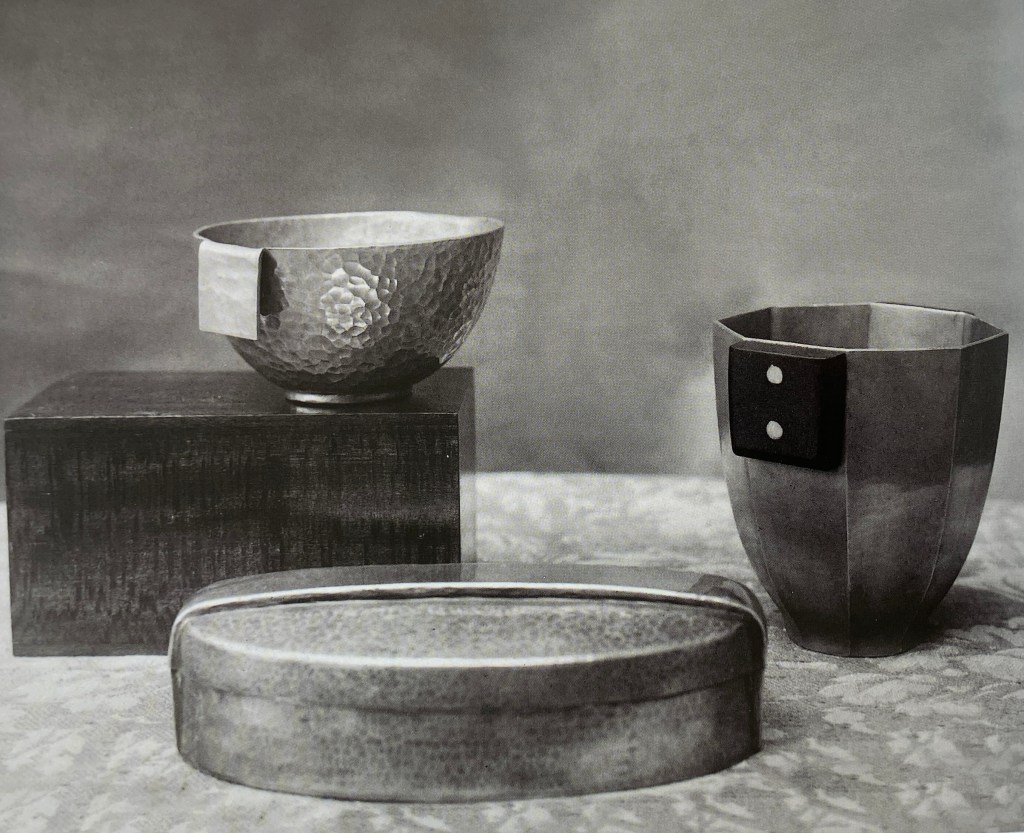
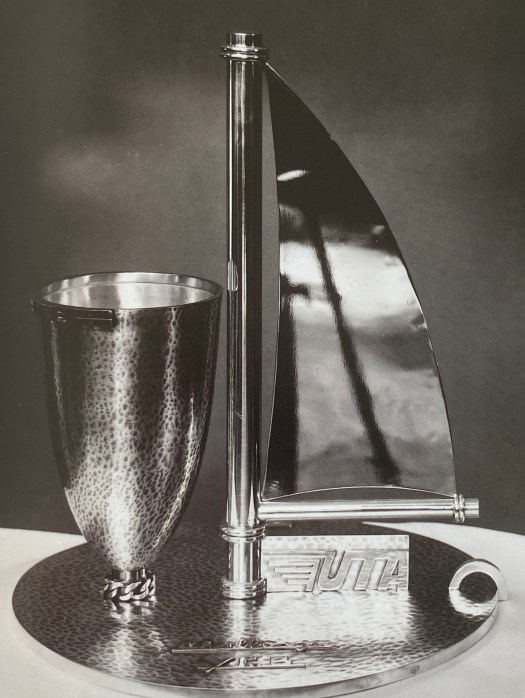
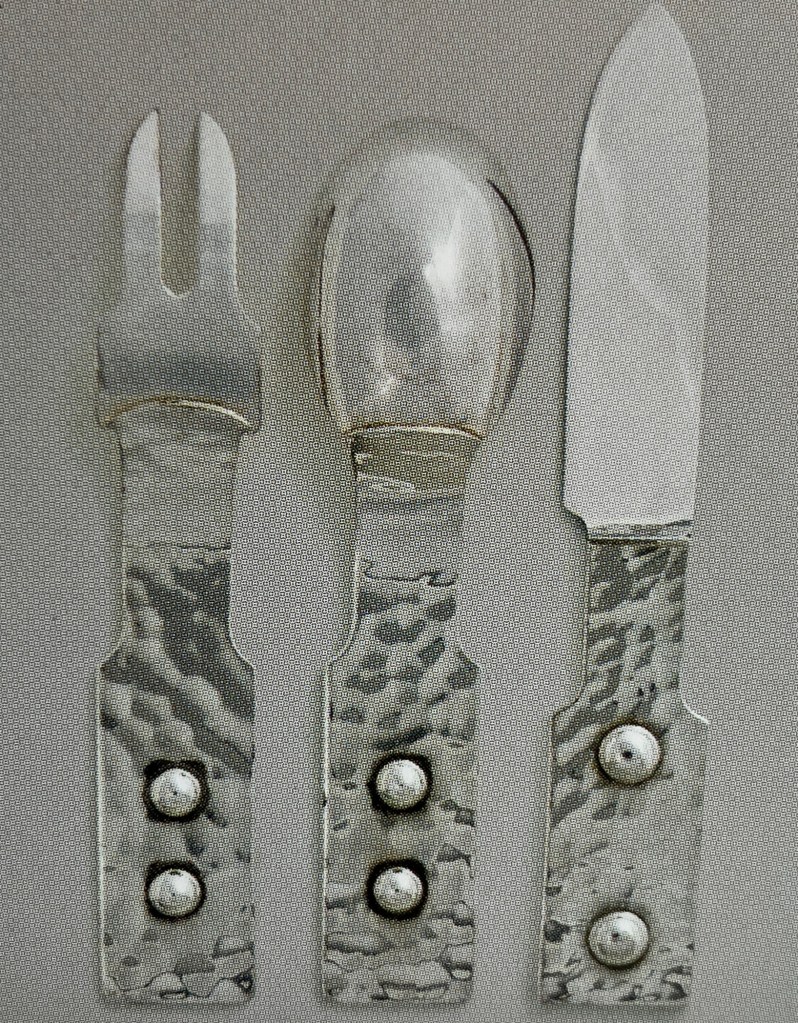
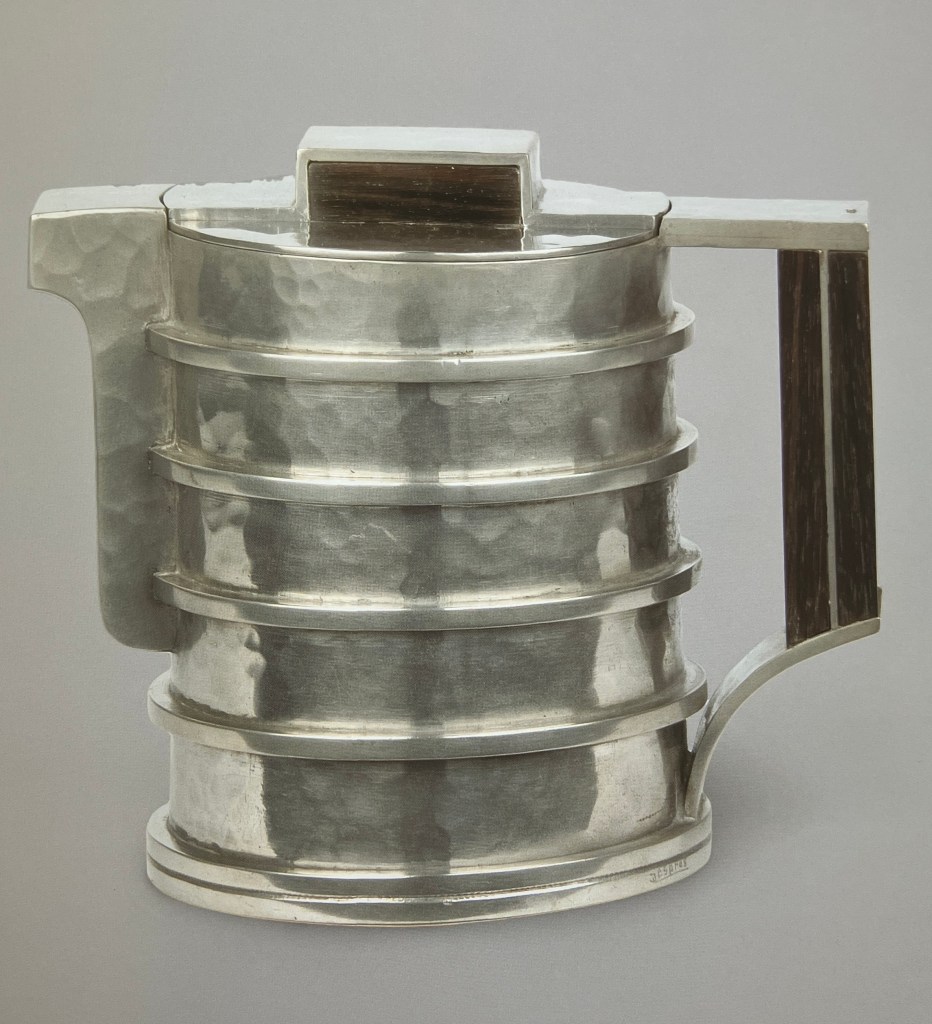
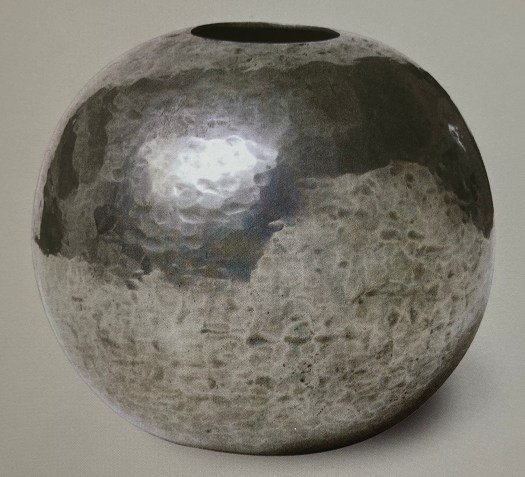
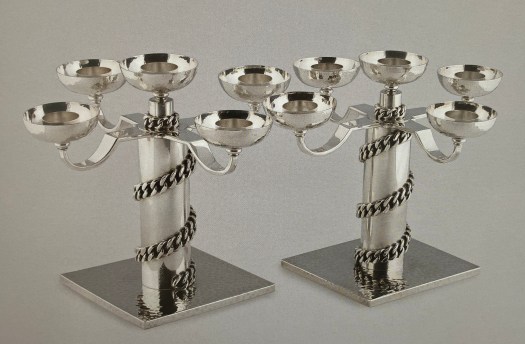
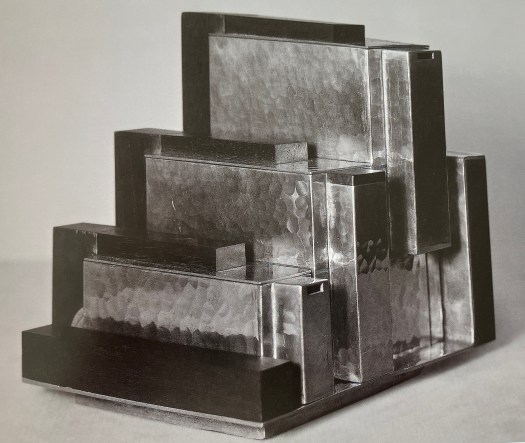
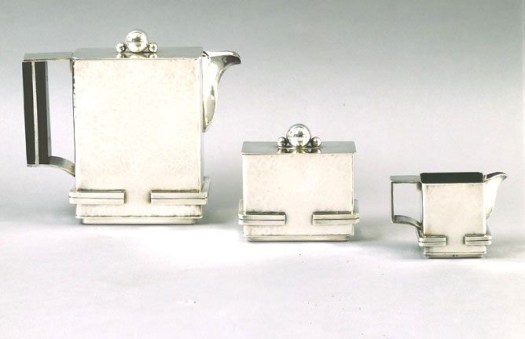
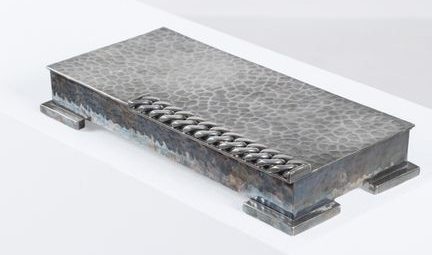
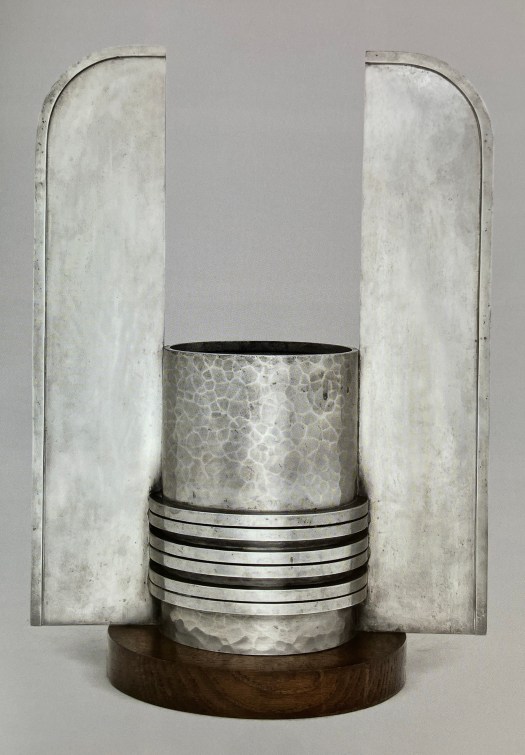
From the 1950s Jean Després concentrated more on silverware and elegant homeware objects than on jewelry. He was, after all, also one of the designers who, during the 1920s and 1930s, helped revive tableware and metal works both in pewter, vermeil and the more precious silver.
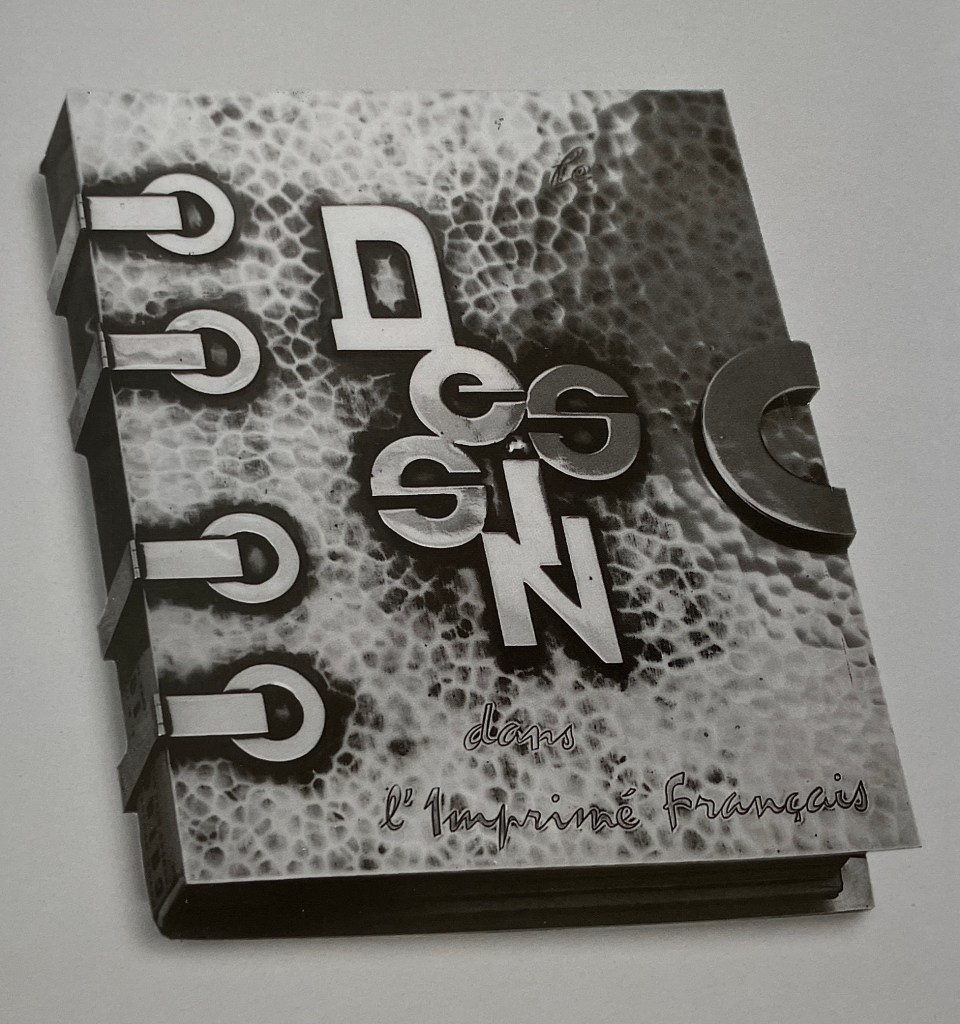
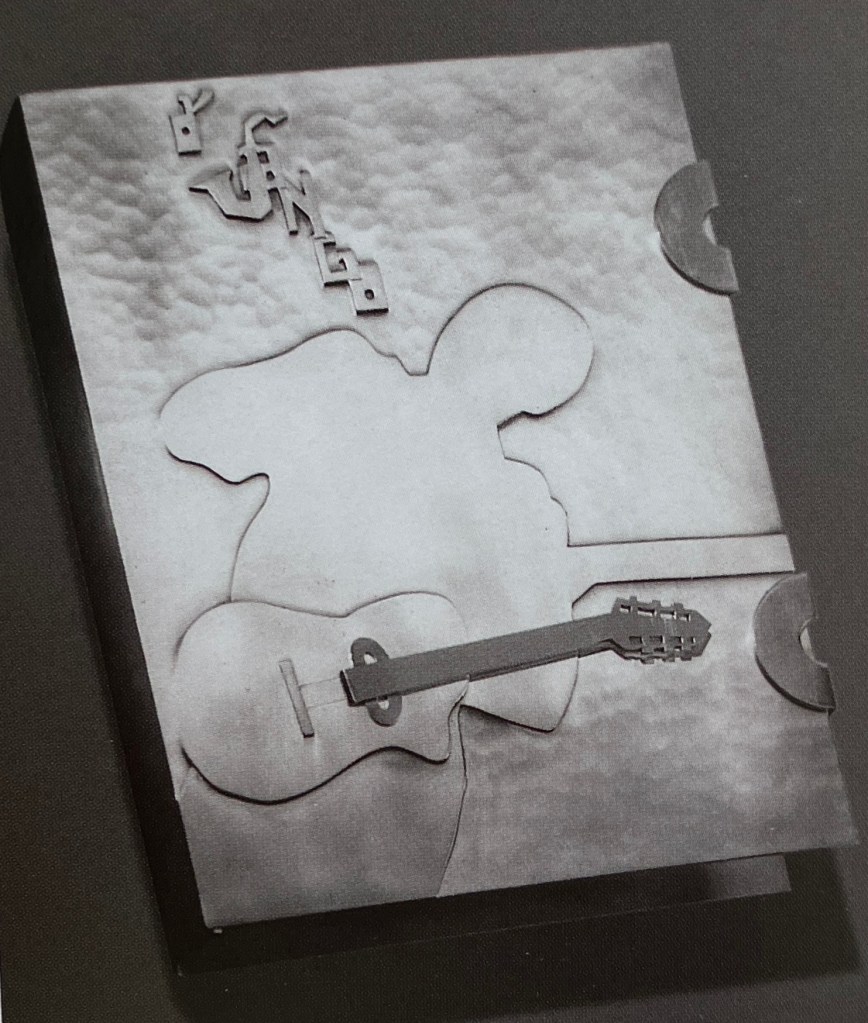
His cutlery, tea pot sets, bookbindings, pitchers and candlesticks – simple, restrained but modern and harmonious, almost void of ornamentation in all their different forms – hammered by himself are amongst the most modern and beautiful to be seen and very important contributions to the modern design world. They are bold, modern, industrial but always elegant and refined. His religious silverware and liturgical objects from the 1960s are also worth a mention but all of this is an entirely different article…
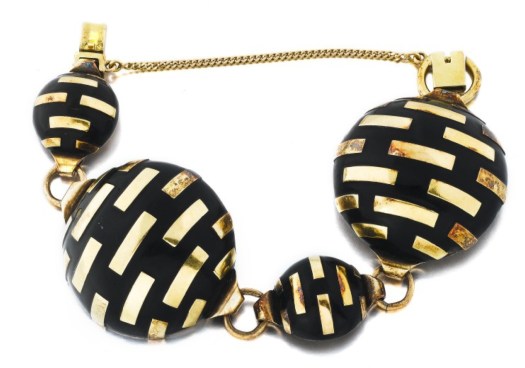
Honors and later exhibitions:
- In 1939 Jean was named a Chevalier de la Légion d’honneur and in 1956 an Officer de la Légion d’honneur. In 1940, he became president of the French goldsmiths’ union.
- In 1972 when the Salle Jean Després at the Musée l’Avallonnais opened, Després donated around sixty pieces to the museum.
- In 1975, Jean Després held his first retrospective of his work. He held the show at his gallery in rue de La Trémoille in Paris, where his gallery [and apartment] had been located since 1942, and called it My 90th Exhibition. The objects he exhibited dated from the 1930s to the 1950s.
- In 1977 he donated another thirty-seven pieces, of jewelry and silverware, to the Musée des Arts Décoratifs in Paris.
- Andy Warhol had a large collection, which was sold after his death in 1988. More information here.
- In 2009, the Musée des Arts Décoratifs in Paris mounted a major exhibition devoted to him and to other modern Art Déco jewelry. You can read more about that exhibit here.
All the quotes above is from Melissa Gabardi’s excellent book Jean Després – Jeweler, maker and designer of the Machine Age. You can find it here.
©SlowClapStories

Please also follow me and my publications on Substack here.
The mixed bag
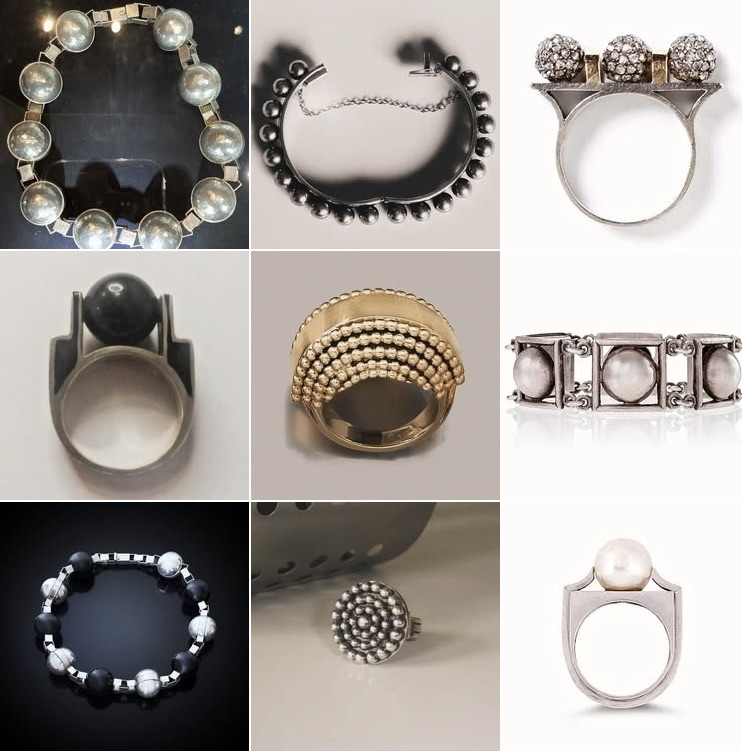
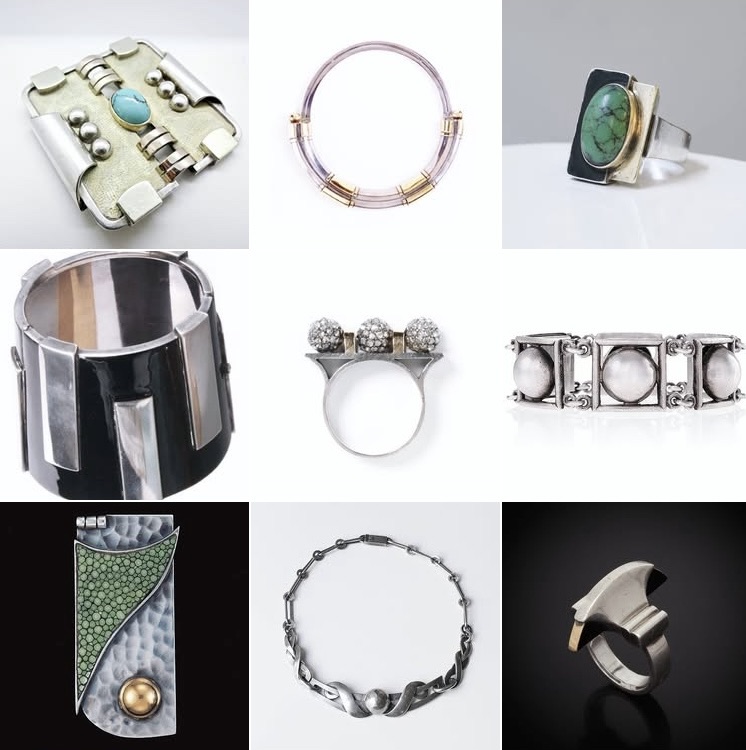
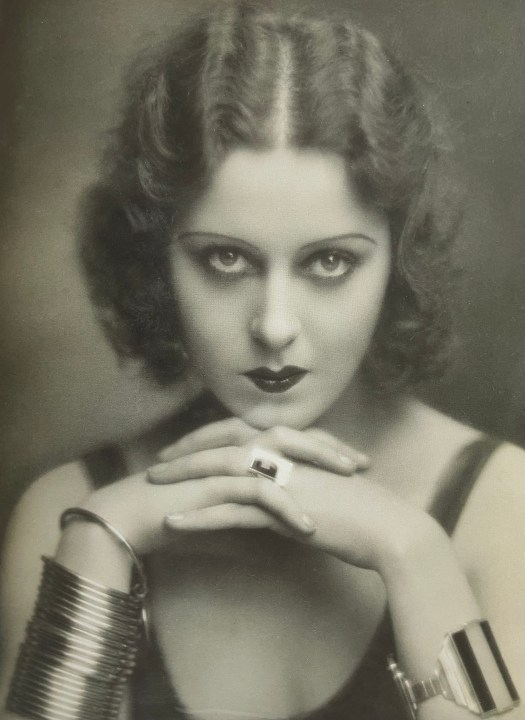
All photos below are from Melissa Gabardi’s book Jean Després – Jeweler, maker and designer of the Machine Age.
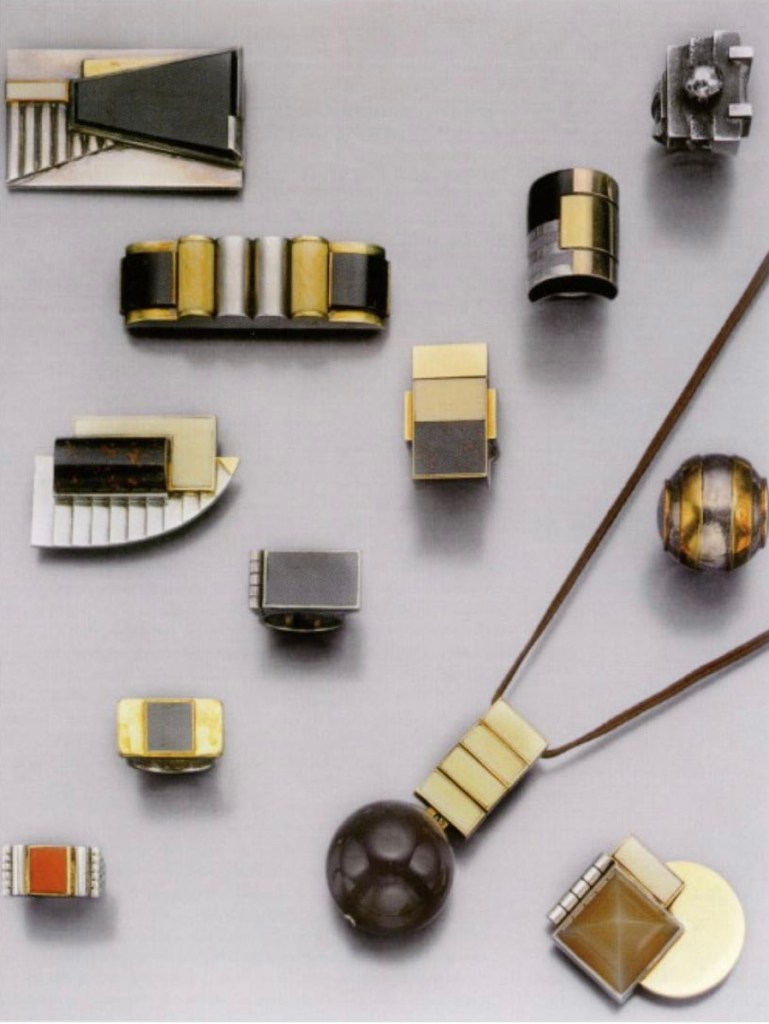
Jean Després jewelry from Andy Warhol Collection that was sol after his death in 1988.
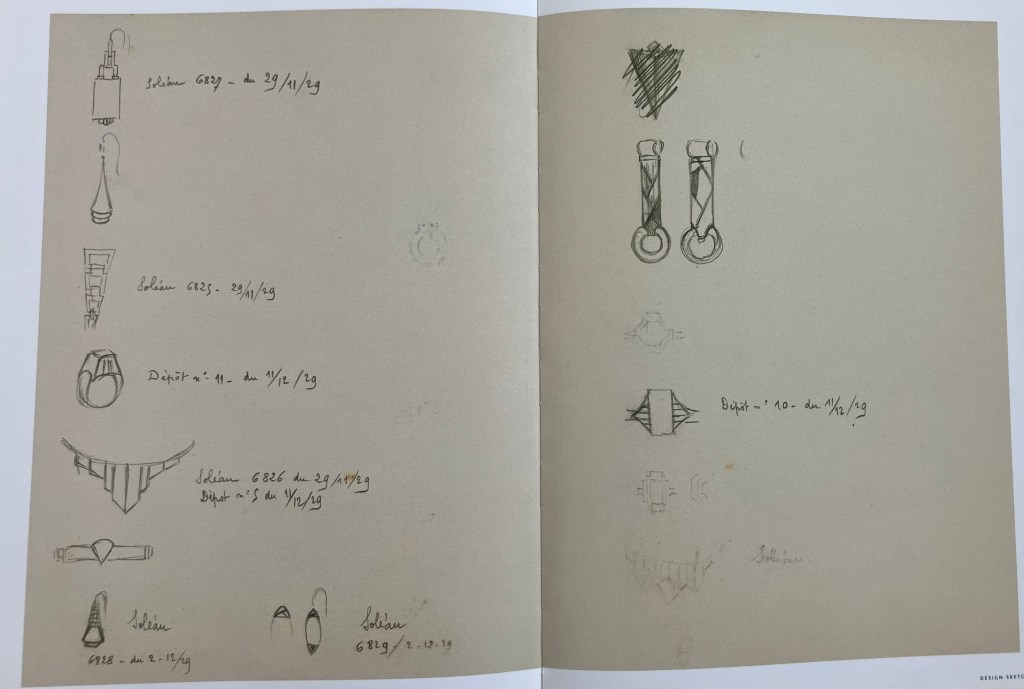
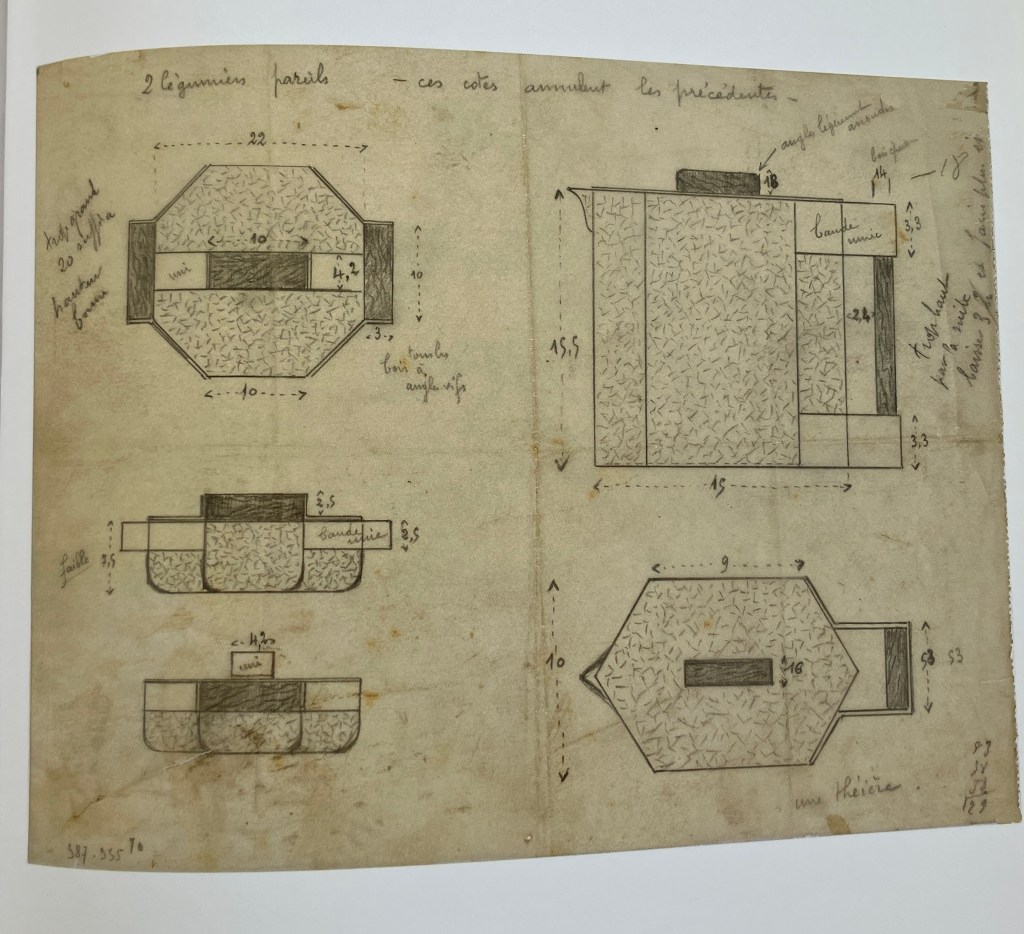
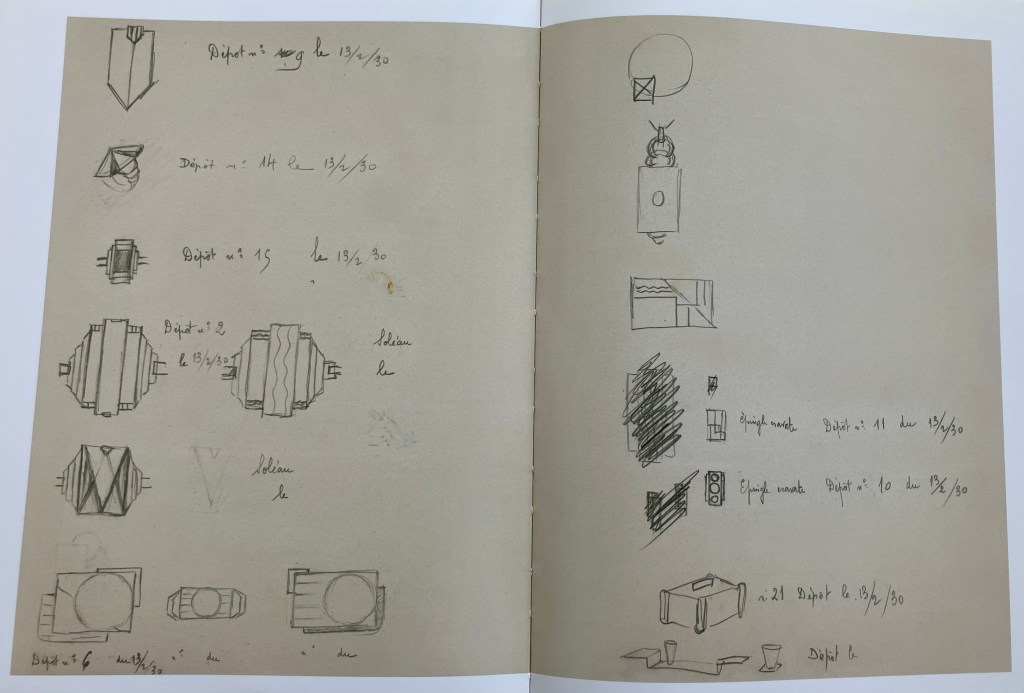
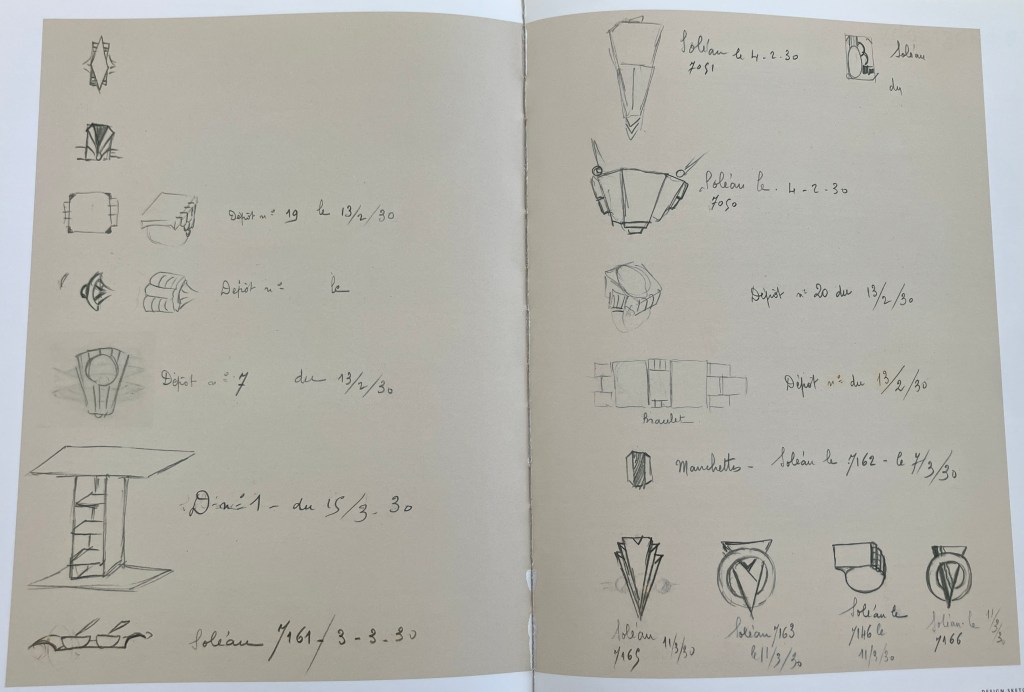
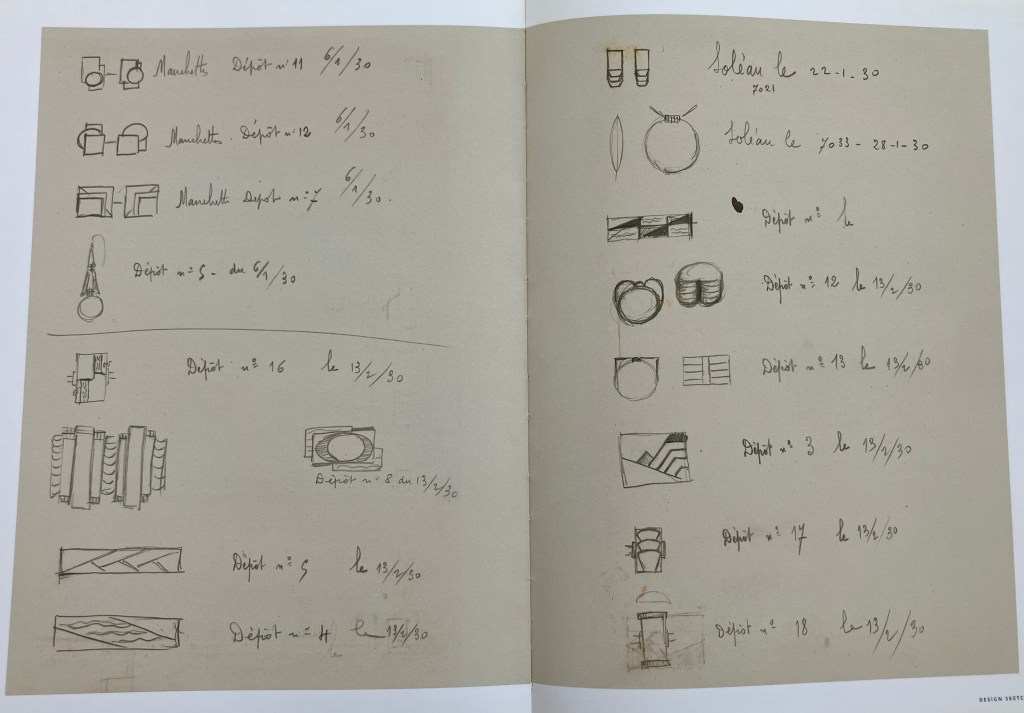
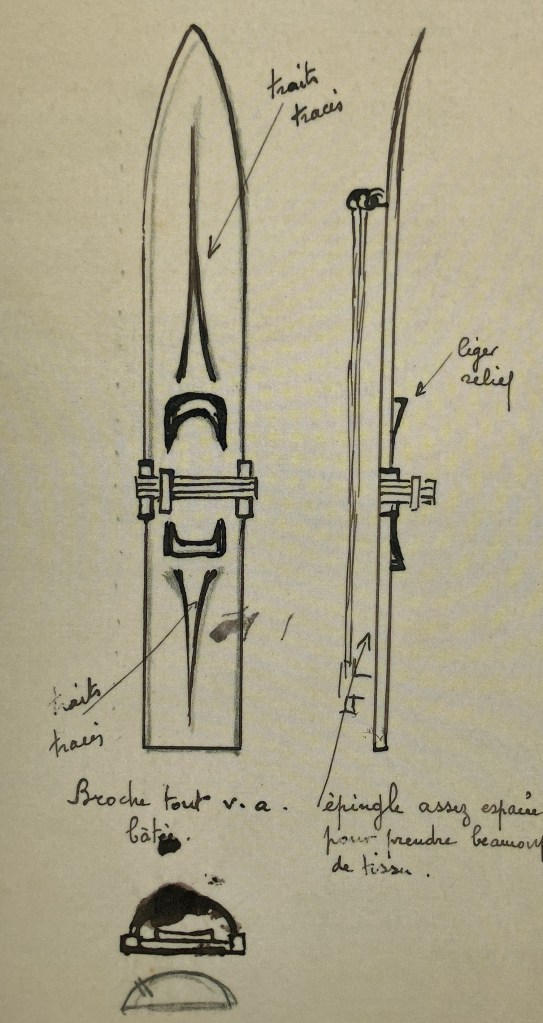
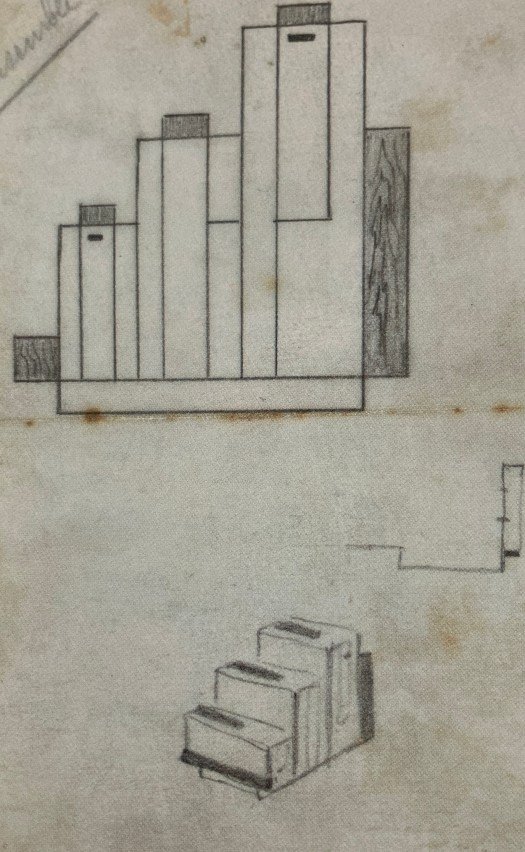
Sketches and drawings
And, all the other…


You must be logged in to post a comment.