…from Näfveqvarn
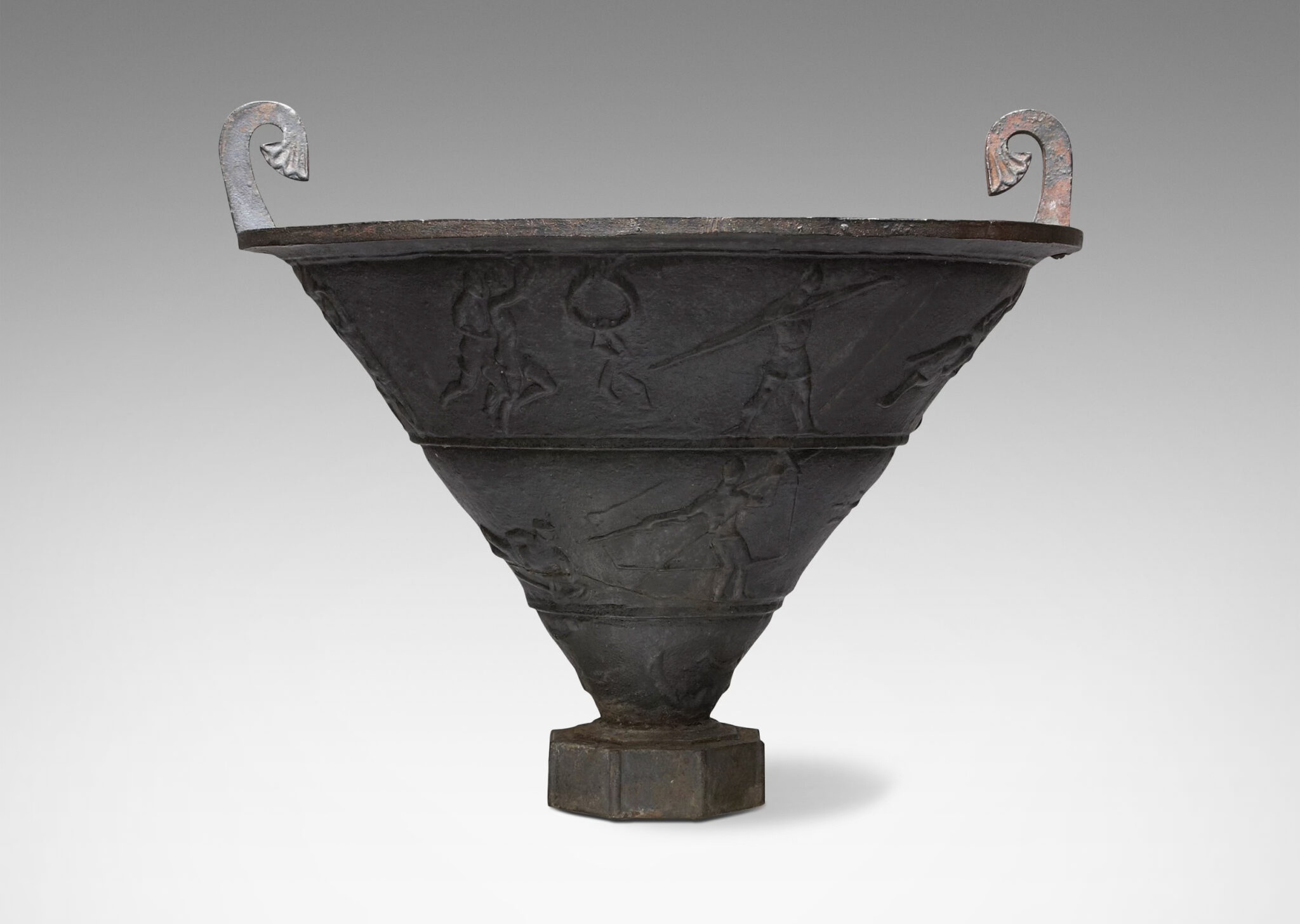
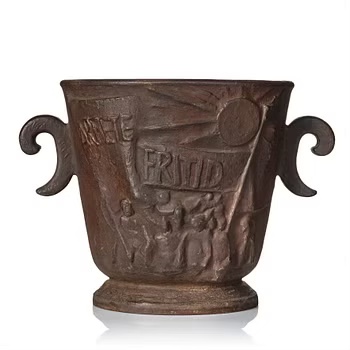
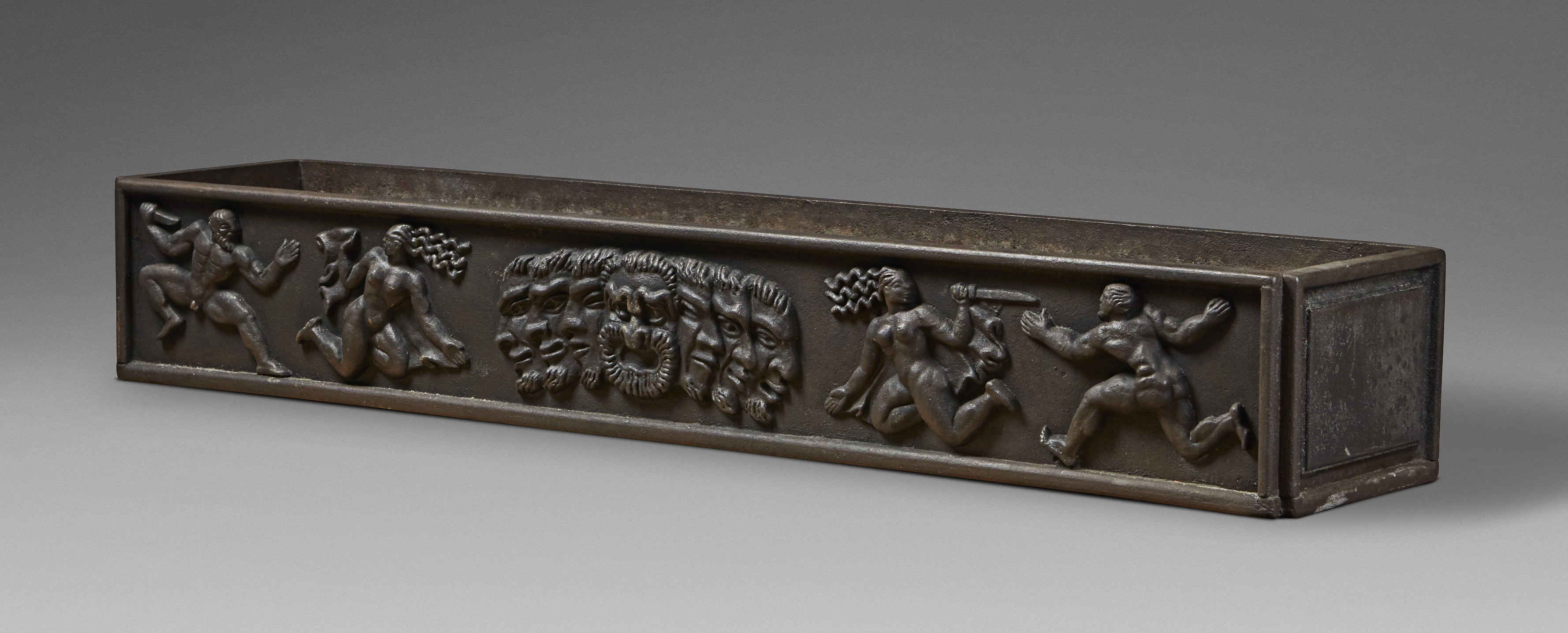
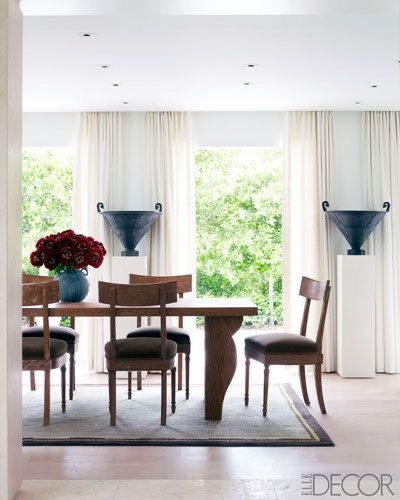
An ironworks famous for its well earned a reputation as a pioneer in design and beauty. Cast iron products in every elegant, stylish home and in public buildings, created by the best architects of the time. Sounds unlikely? Meet Näfveqvarn and, in this case, all its urns!
During the 1920s, Näfveqvarn (Näfveqvarns bruk) gained a strong international reputation. Leading architects, designers, and artists of the time, such as Uno Åhrén, Anna Petrus, Gunnar Asplund, and Folke Bensow stepped in and designed classic cast iron products that spread the ironworks’ reputation across the globe.
All the Expos
It was with its presence at the major international exhibitions and trade fairs that Näfverqvarn’s design successes first became apparent and it re-established itself, now as a respected design company. As example one can mention: Gothenburg Tercentennial Jubilee Exposition in 1923, L’Exposition Internationale des Arts Décoratifs et Industriels Modernes in 1925, Swedish Contemporary Decorative Arts at the Metropolitan Museum of Arts i New York 1927 and the Stockholm Exhibition in 1930.
Most notably, it was the garden objects, such as the urns and outdoor furniture (see earlier post about Carl Hörvik) that attracted interest, but in addition to these, also the foundry’s architectural decorations, sculptures and other ornaments were met favourably.
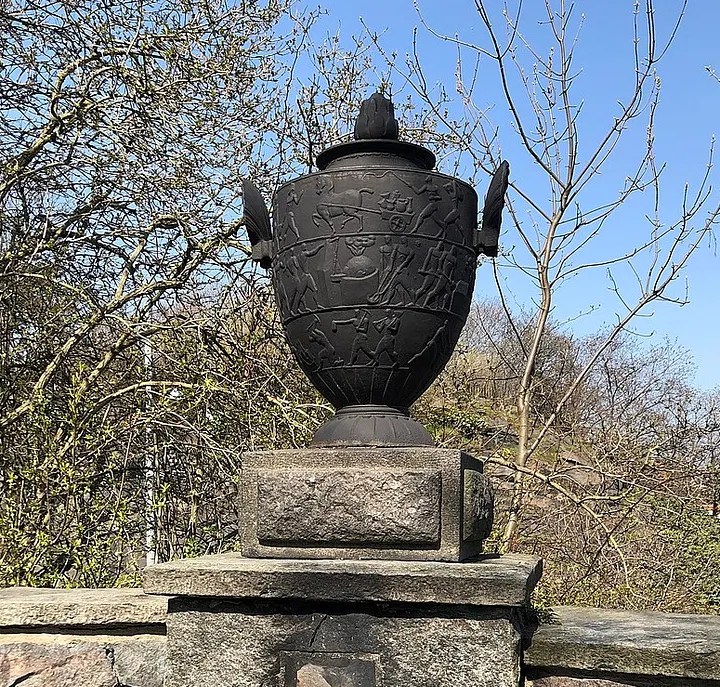
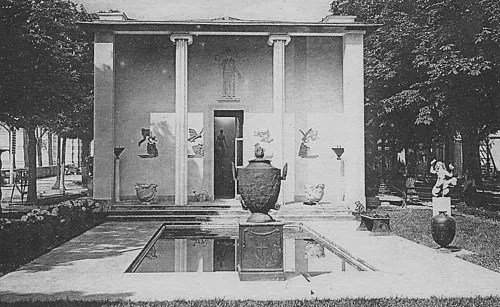
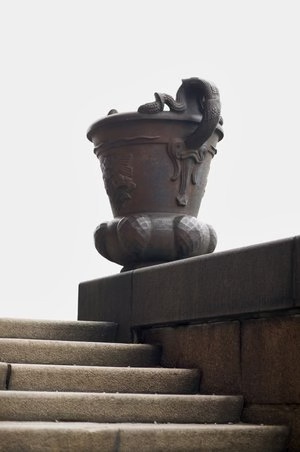
The “Urn from Bergslagen” (Bergslagsurnan) designed by sculptor Eric Grate. The “Urn from Bergslagen” in front of the Swedish pavilion at the L’Exposition Internationale des Arts Décoratifs et Industriels Modernes in Paris, 1925. Näfveqvarns Bruk. Photo: Wikipedia
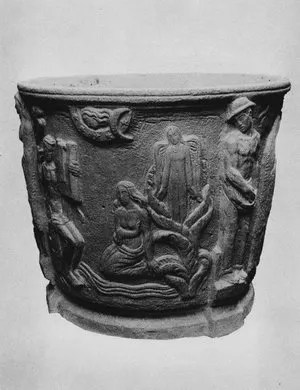
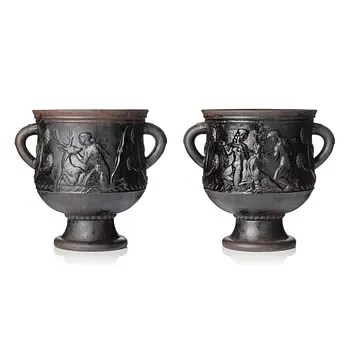
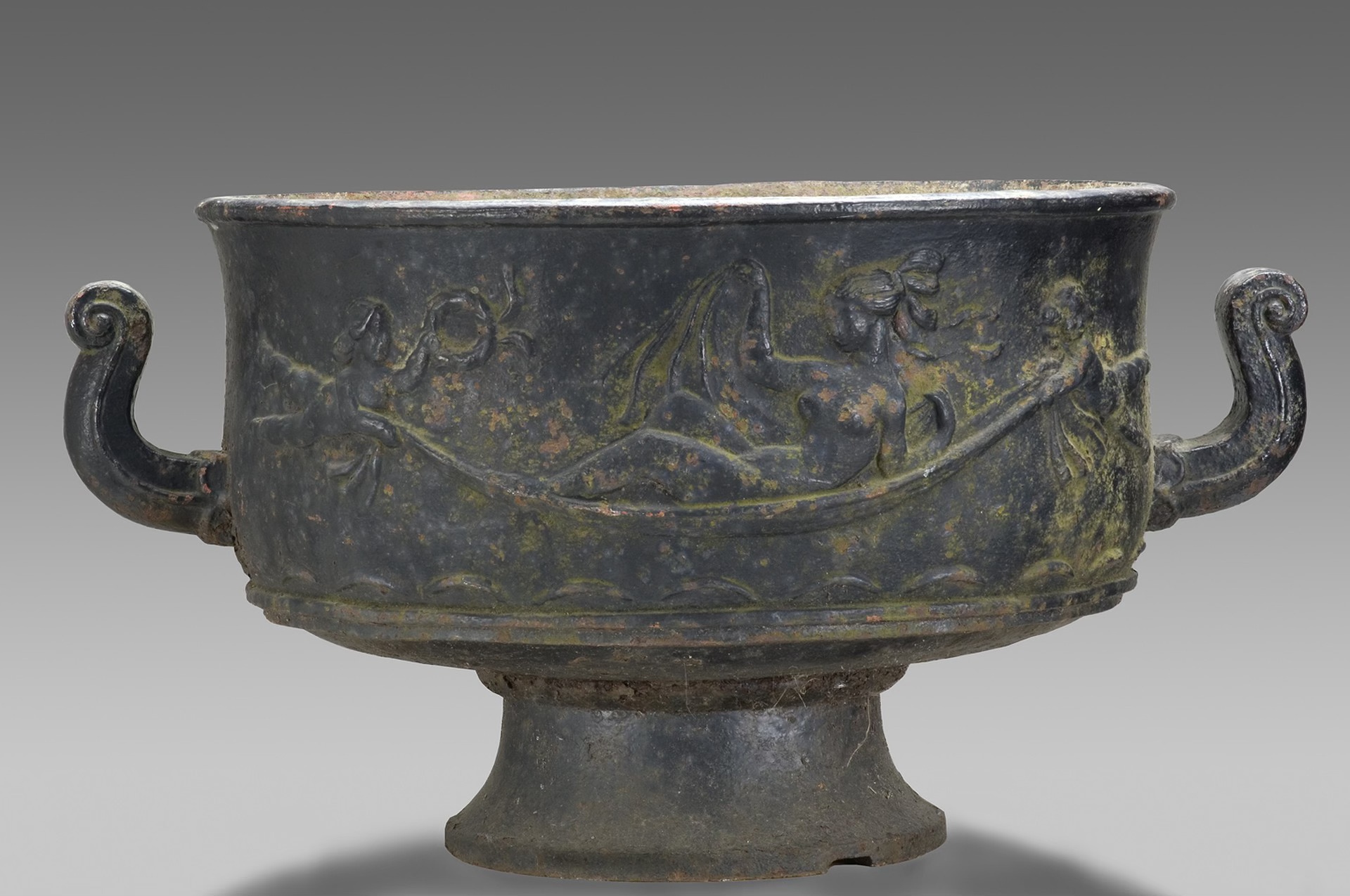
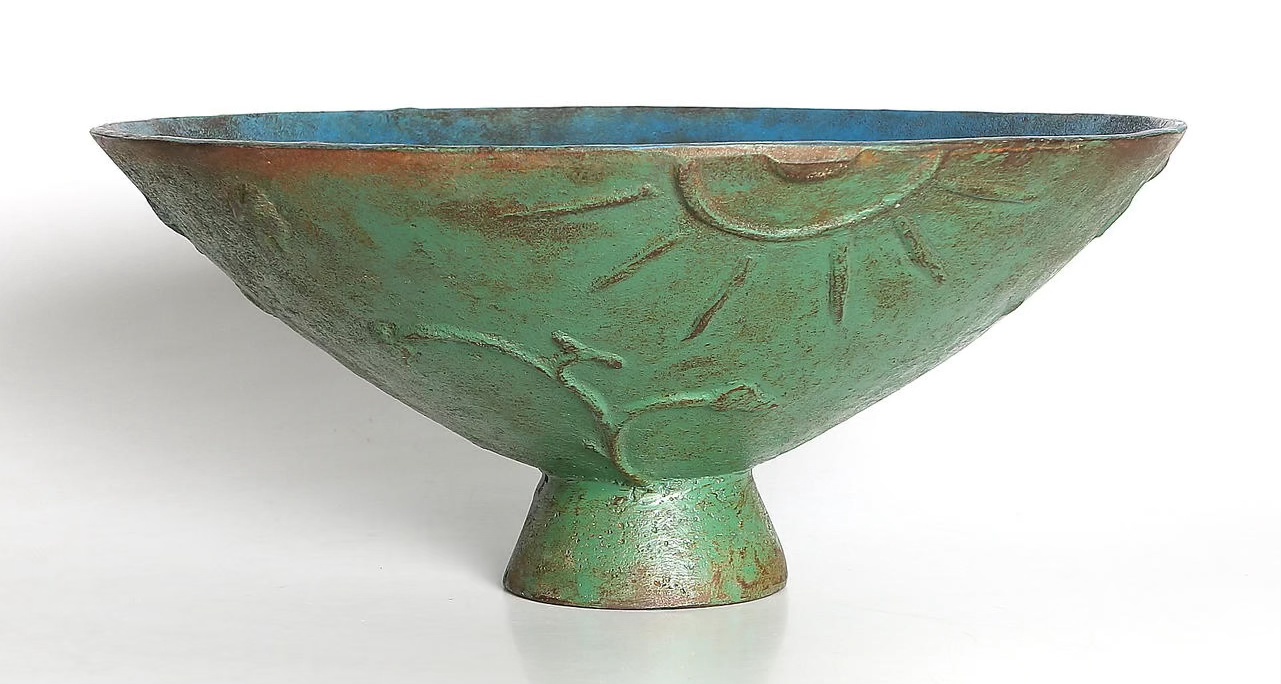
The “Sun Urn” (Solurnan) by sculptor John Lundqvist, 1930. Photo: Näfveqvarn / The “Diana Urn” (Dianaurnan) was designed by Ivar Johnsson. The model was exhibited at the Gothenburg Jubilee Exhibition in 1923 and later at the Paris Exhibition of 1925, where the urns were placed outside the Swedish Pavilion. Photo: Bukowskis. Both Näfveqvarns Bruk.
History in the everyday things
Näfveqvarn has a long history. In the 17th century, the foundry began manufacturing and exporting cannons (the need was great, partly because of the Thirty Years’ War) and the first blast furnace was lit in 1623. The surroundings between Nyköping and Norrköping, rich in ore and close to the sea, enabled the success and development. During the 19th century, the ironworks transitioned to manufacturing high-quality cast iron objects for everyday use such as plows, stoves, pots, and fireplaces.
The success = The designers
Näfveqvarn’s successful innovative design; with products that continued to be produced until the 1950s when production shifted to objects for the industry; can be said to have started at the Home Exhibition by the Swedish Society of Crafts and Design at Liljevalchs Konsthall in Stockholm in 1917 when sculptor Ivar Johnsson presented and showed his Venus Urn.
Then, just two years later, in 1919, architects Folke Bensow and Uno Åhrén were engaged by Näfveqvarn. They would be followed by such names as Sven Markelius, Eric Grate and Ture Rydberg, to mention just a few.
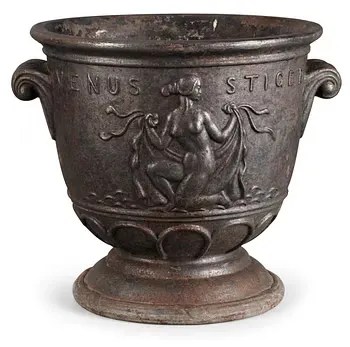
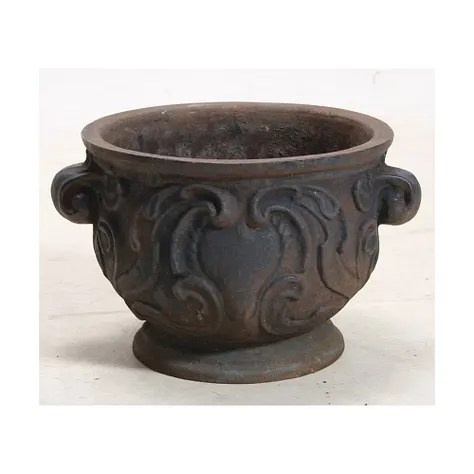
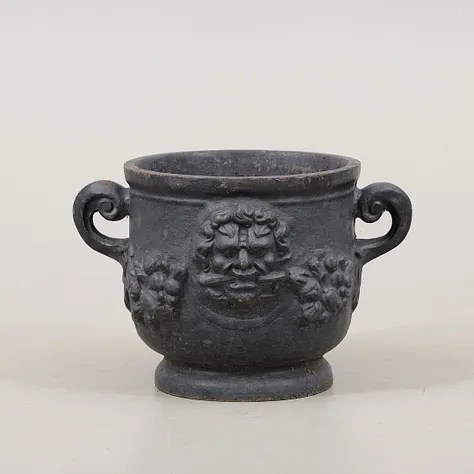
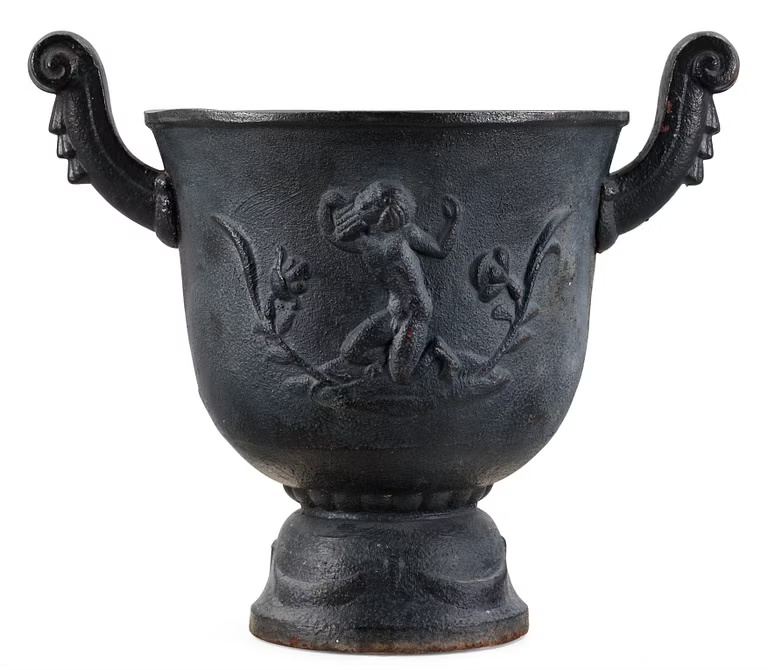
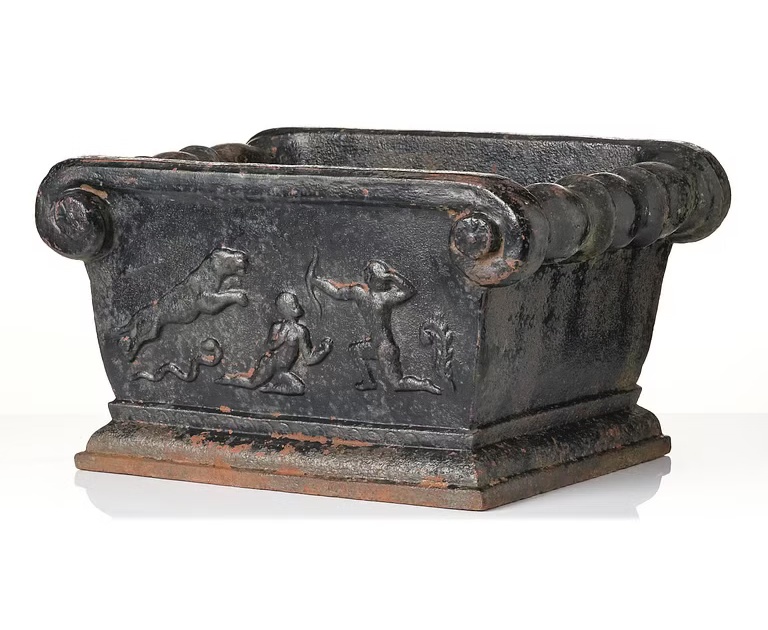
The “Venus Urn” (Venusurnan) was the first model that Ivar Johnsson designed for Näfveqvarn. The model was first exhibited at the Home Exhibition at Liljevalchs in Stockholm in 1917 and was later shown at the Paris Exhibition of 1925, where this urn was placed outside the Swedish Pavilion. Photo: Bukowskis. / The “Baroque Urn” (Baroque Urn) and the “Bacchus Urn” (Bacchusurnan) began production in 1919 when Näfveqvarn began its production of garden urns with historical models. The models were borrowed from the collections of the Nordic Museum (Nordiska Museet). Photos: Bukowskis and Växjö Auktionskammare All three Näfveqvarns bruk.
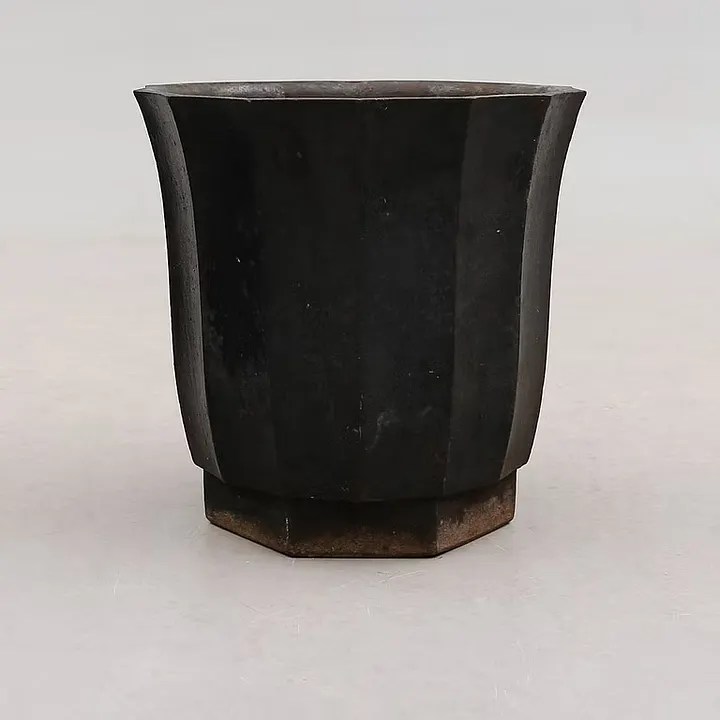
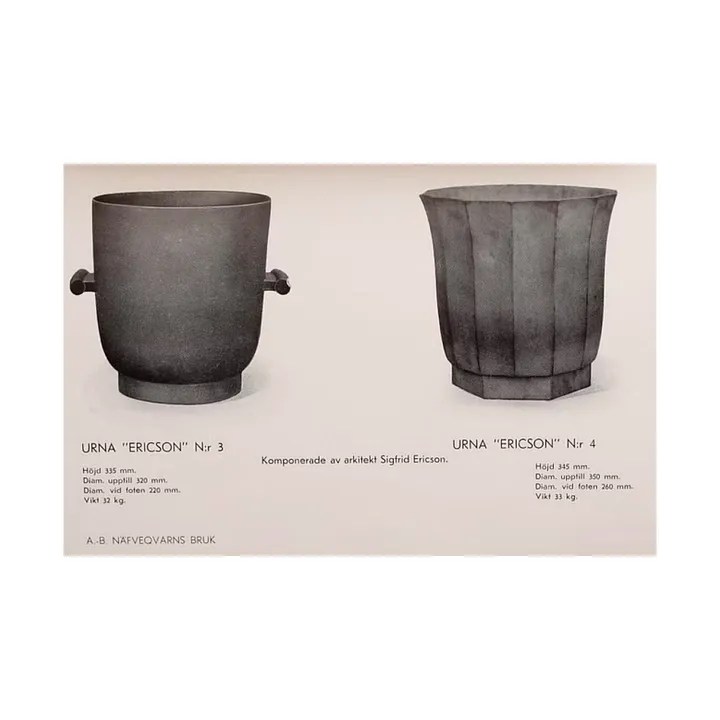
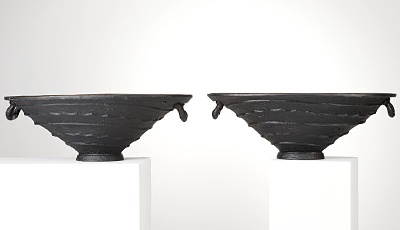
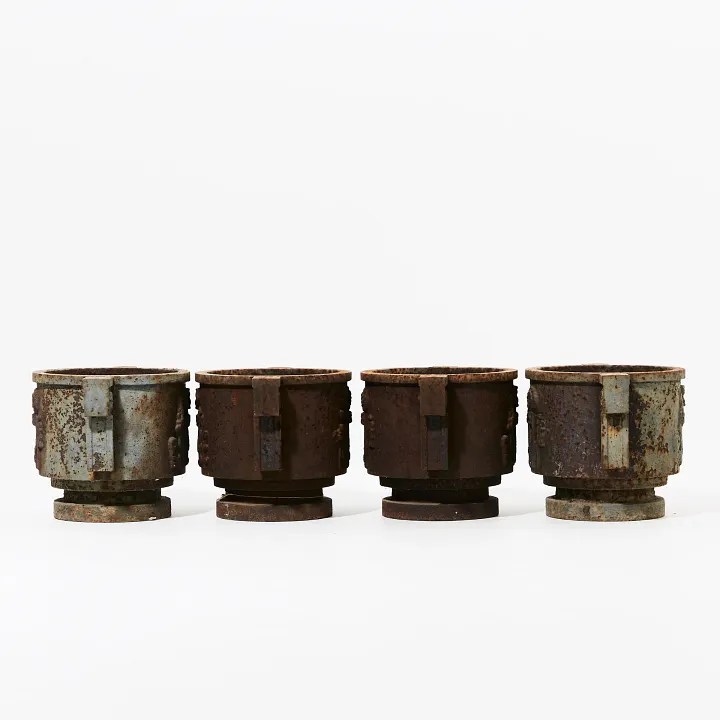
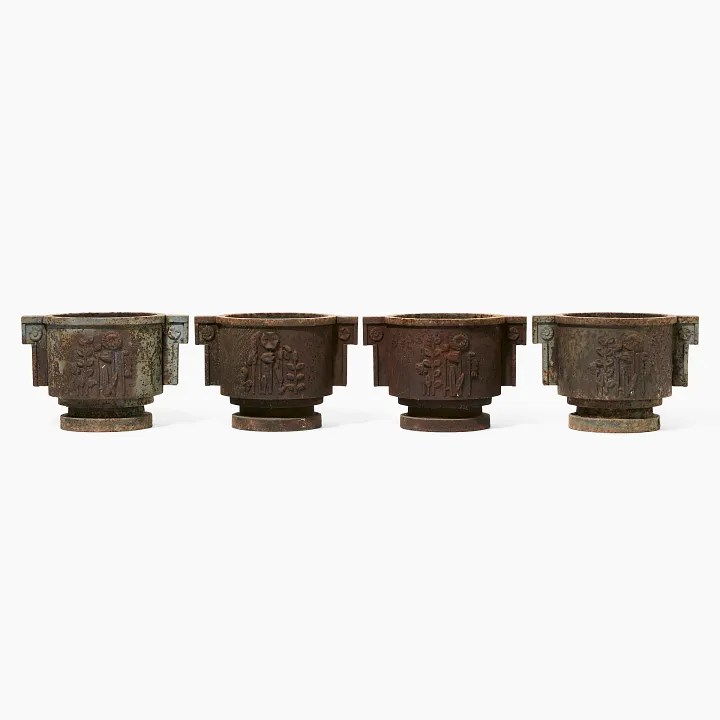
The “Ericson Urn” (Ericsonurnan, No. 4) designed by architect Sigfrid Ericson in the 1930s. Näfveqvarns bruk. Photo: Bukowskis
Closure
Näfveqvarn was shut down in 2010, but since 2018, under the leadership of Eva Anegrund, the foundry has once again been producing a selection of the products that made Näfveqvarn so justly famous during its golden age in the 1920s and 1930s.
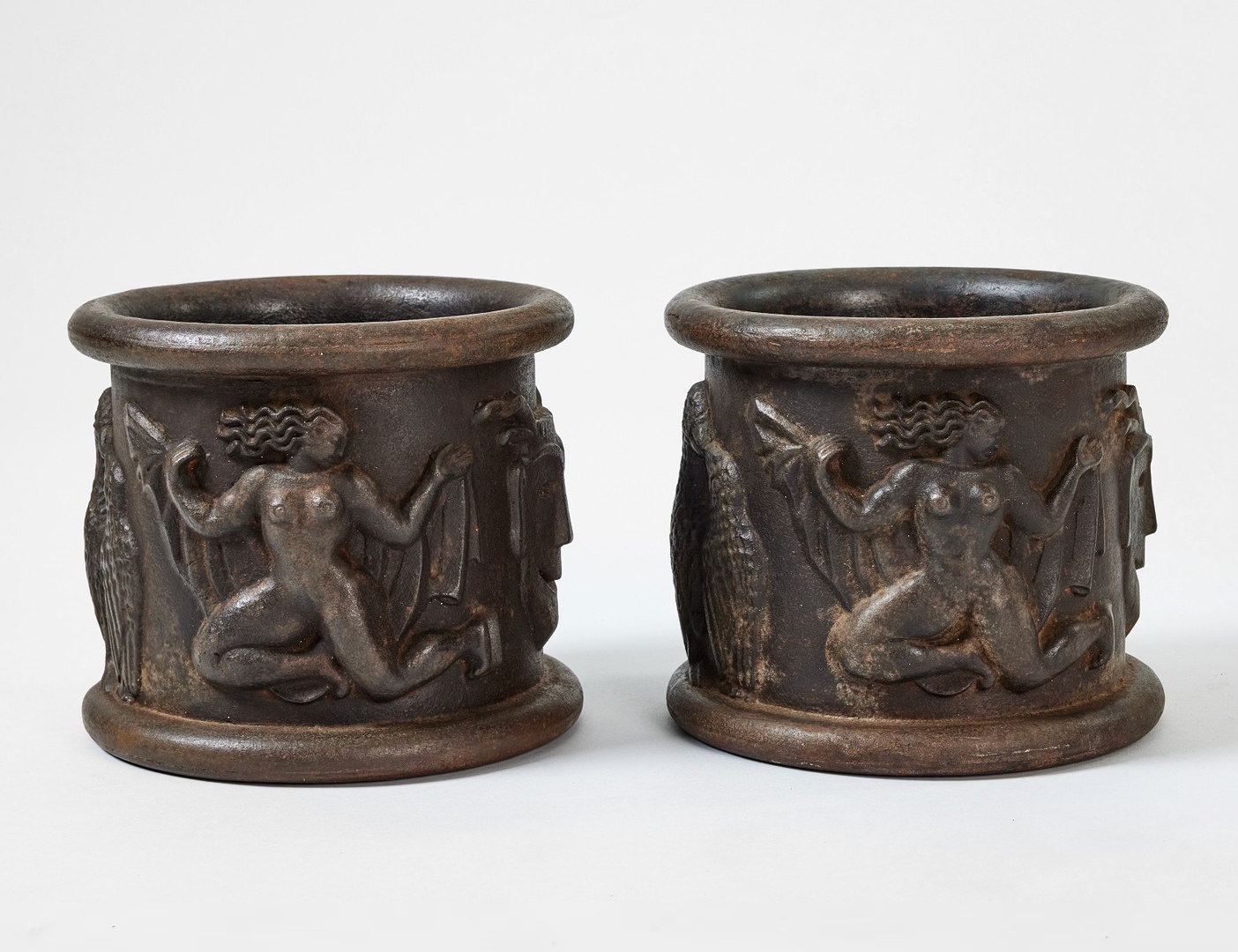
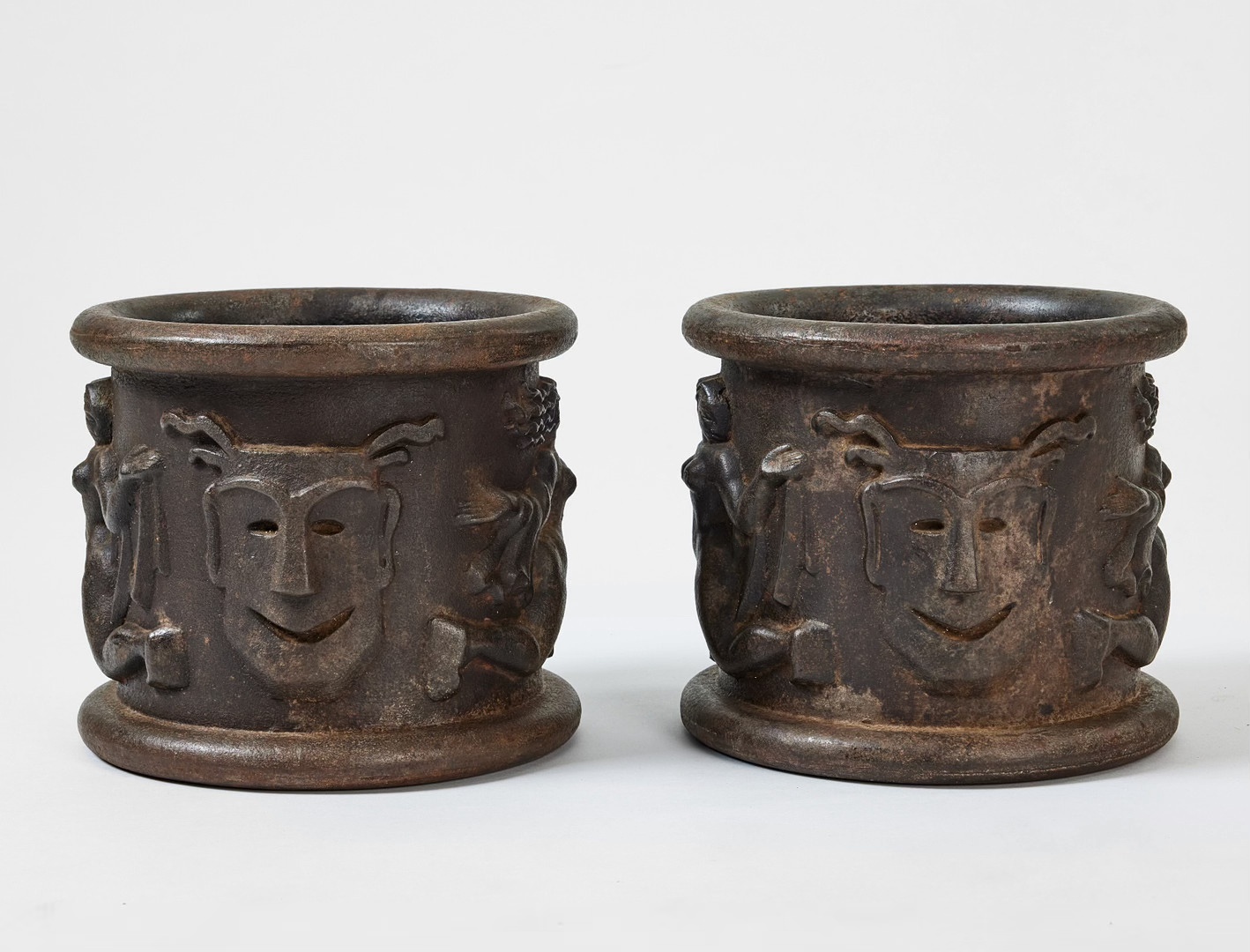
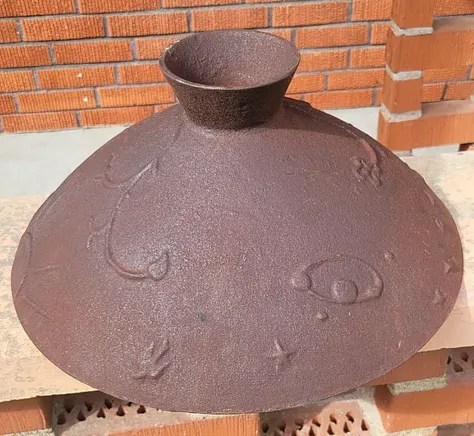
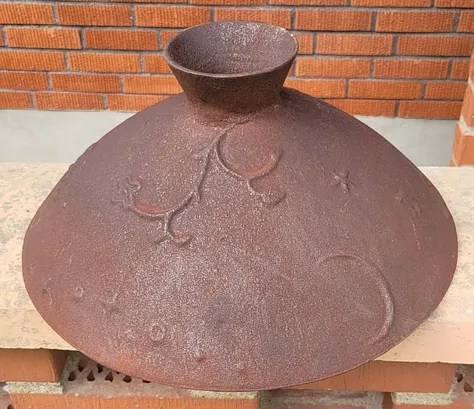
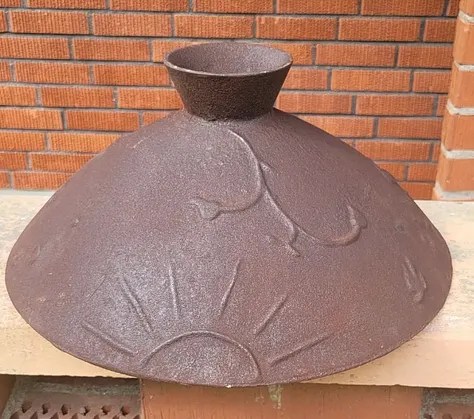
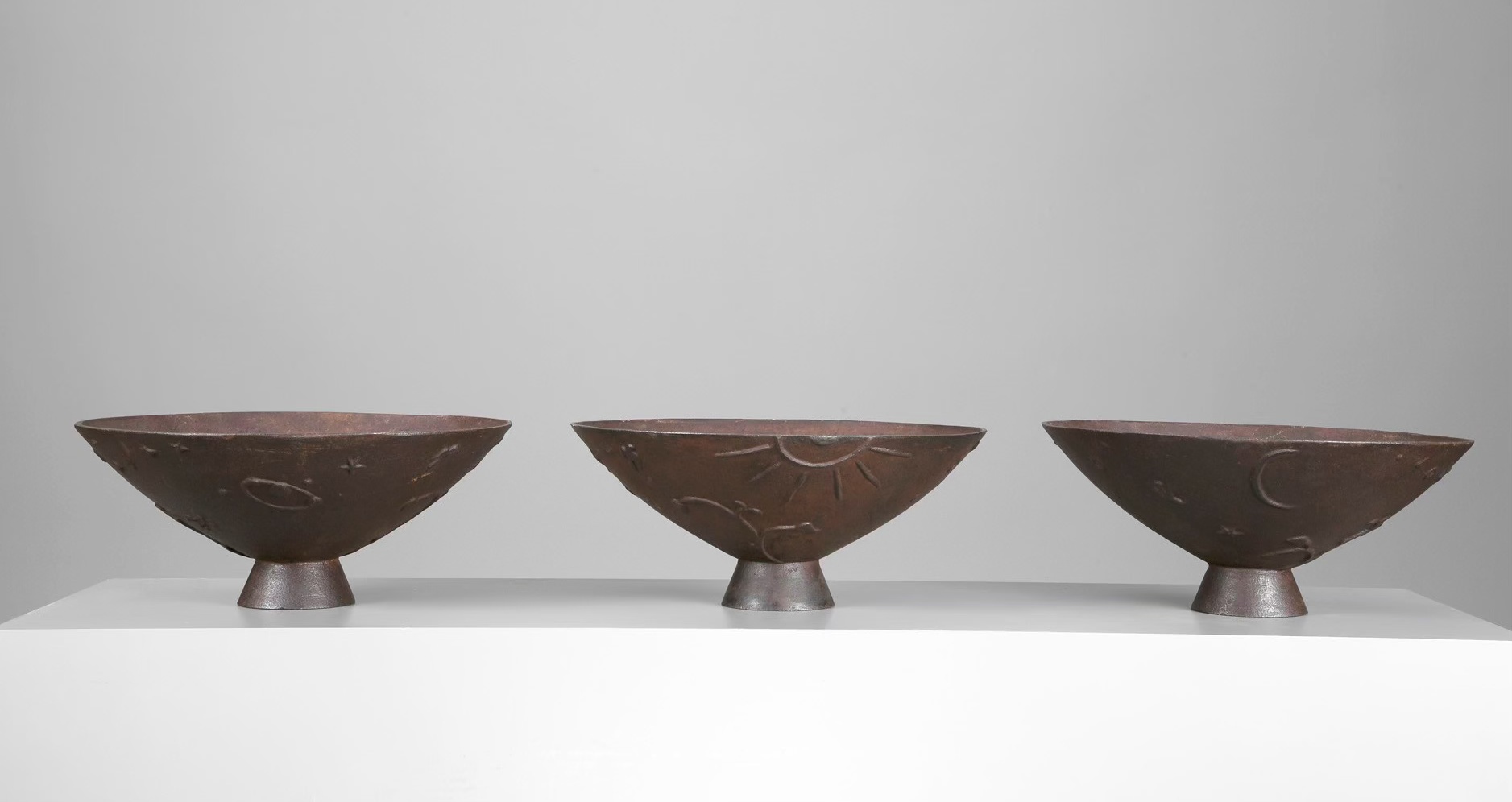
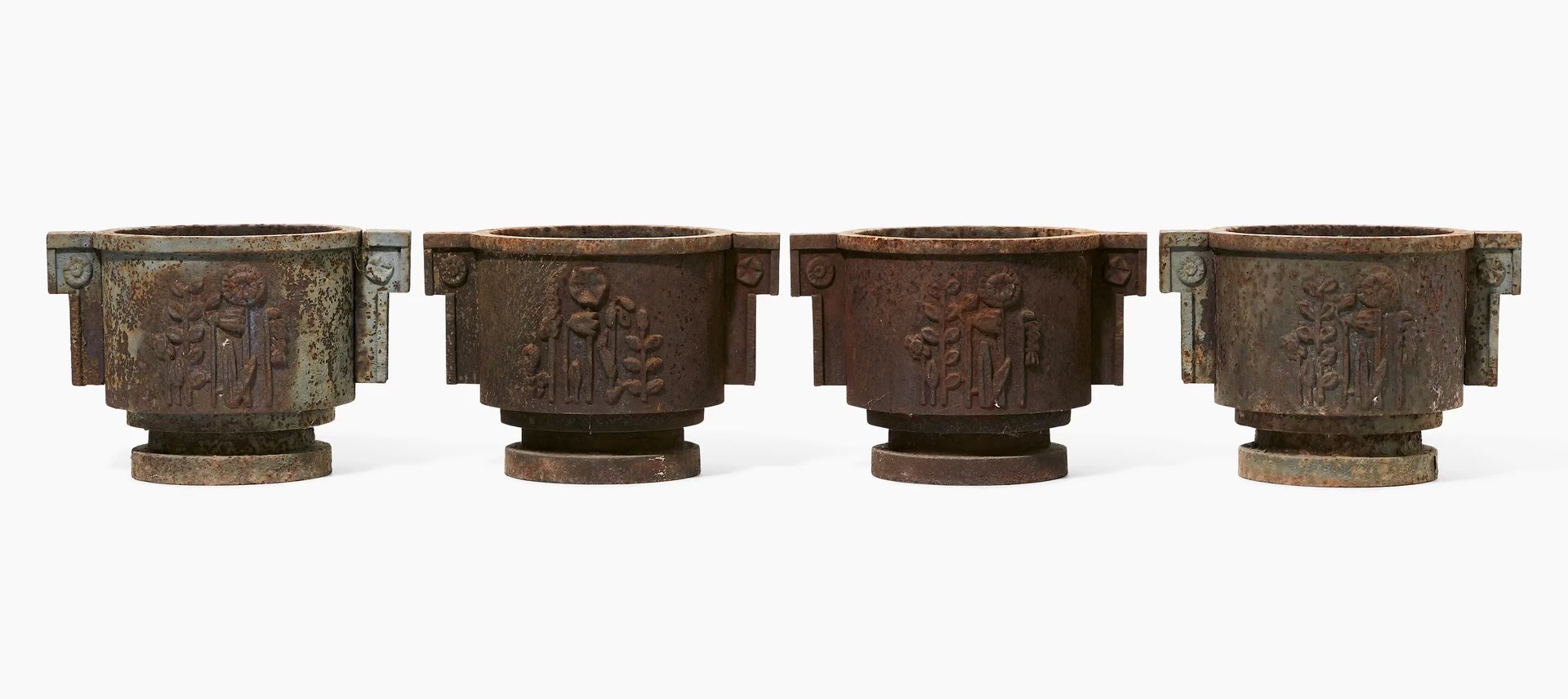
The “Microcosmos Urn” (Mikrokosmosurnan), designed in 1922 by architect Olof Hult. All three photos: Daniel Lundgren
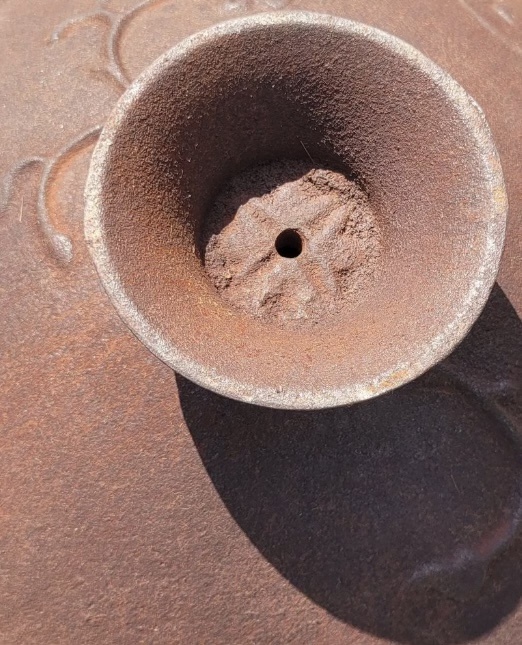
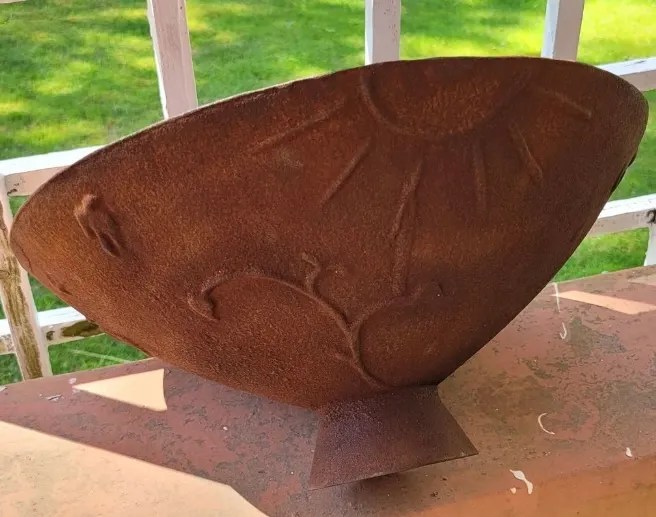
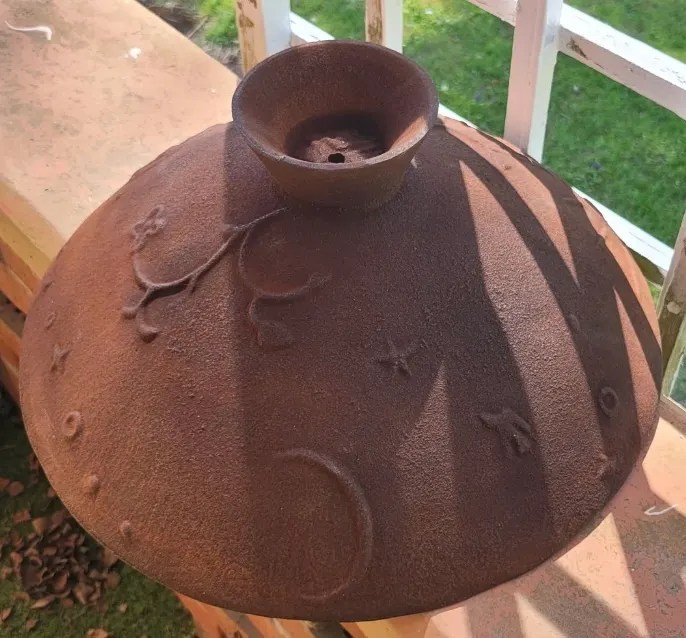
The “Microcosmos Urn” (Mikrokosmosurnan), designed in 1922 by architect Olof Hult. Both photos: Daniel Lundgren
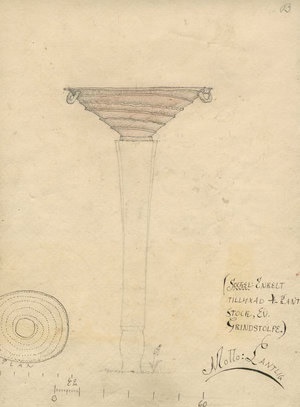
Not an urn, but indeed a column!
The column model, topped with a sundial, was exhibited in the Swedish Pavilion at the 1925 Paris Exposition, where it was awarded a silver medal.
The column was designed by Jocke Dahl in 1921 and was subsequently exhibited in the landmark exhibition Swedish Contemporary Decorative Arts at the Metropolitan Museum of Art, New York, from 17 January to 20 March 1927, before being shown later that year at the Art Institute of Chicago as part of the Swedish Decorative Arts Exhibition.
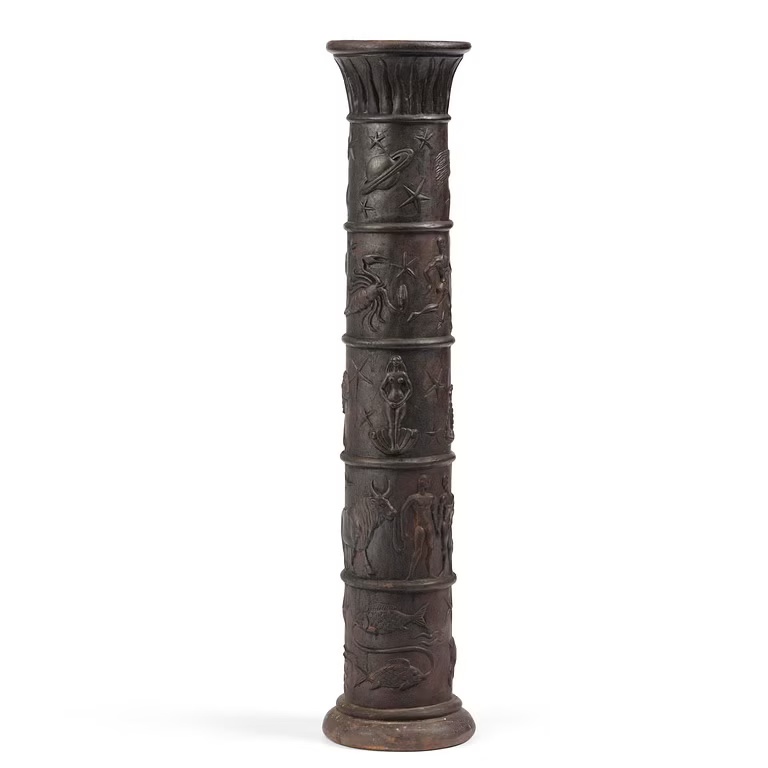
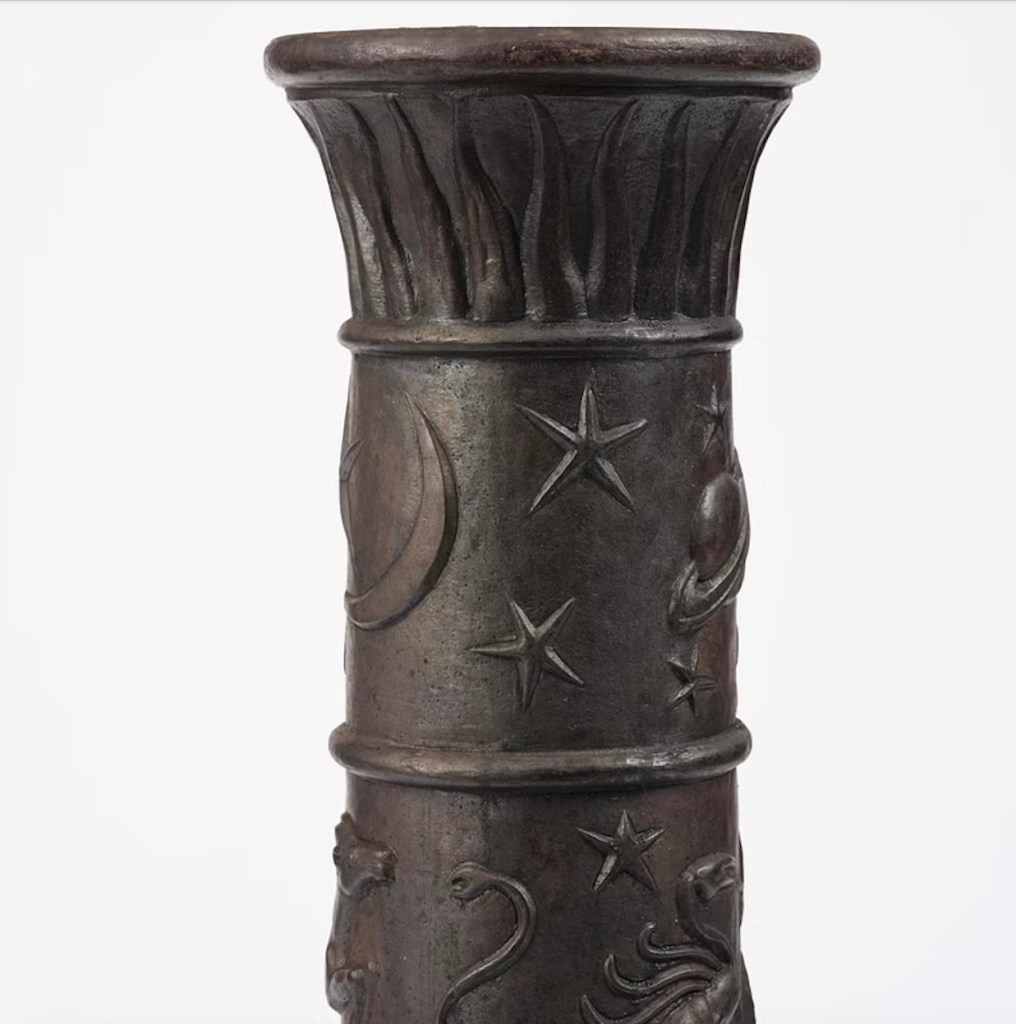
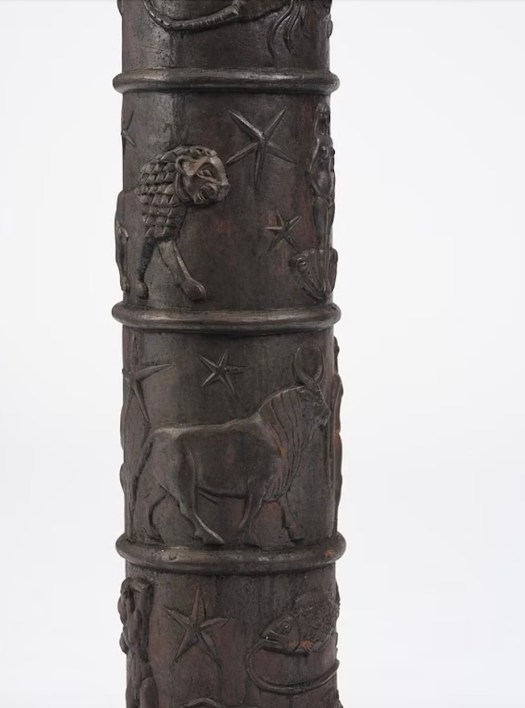
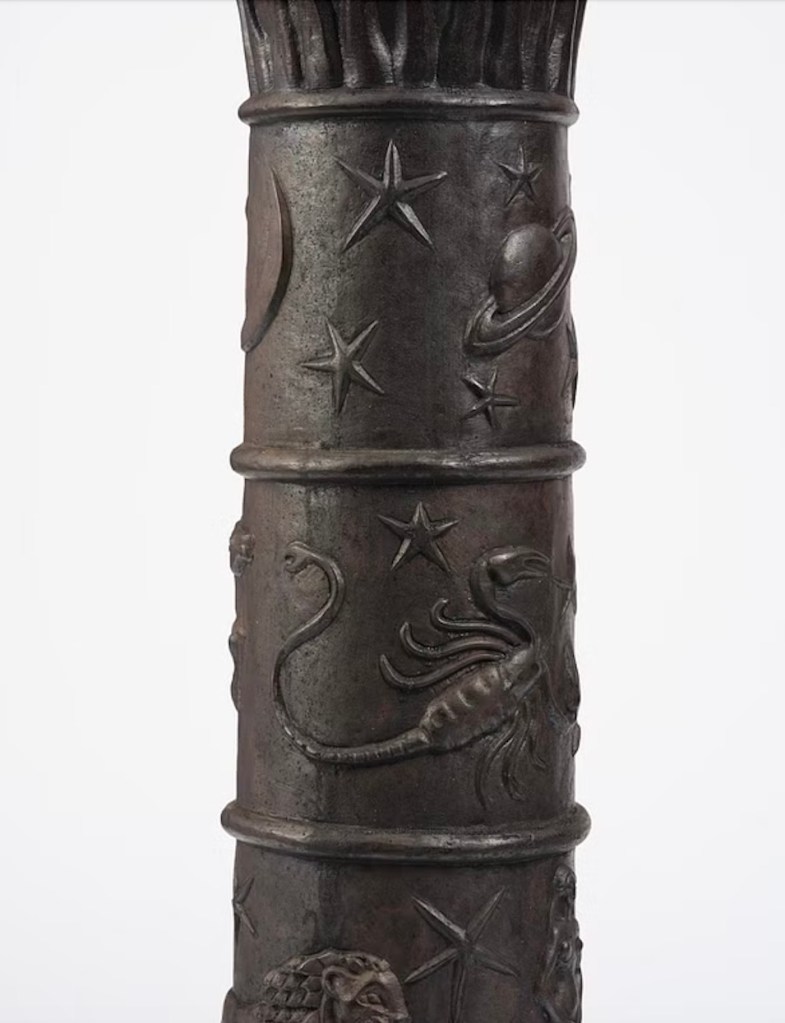
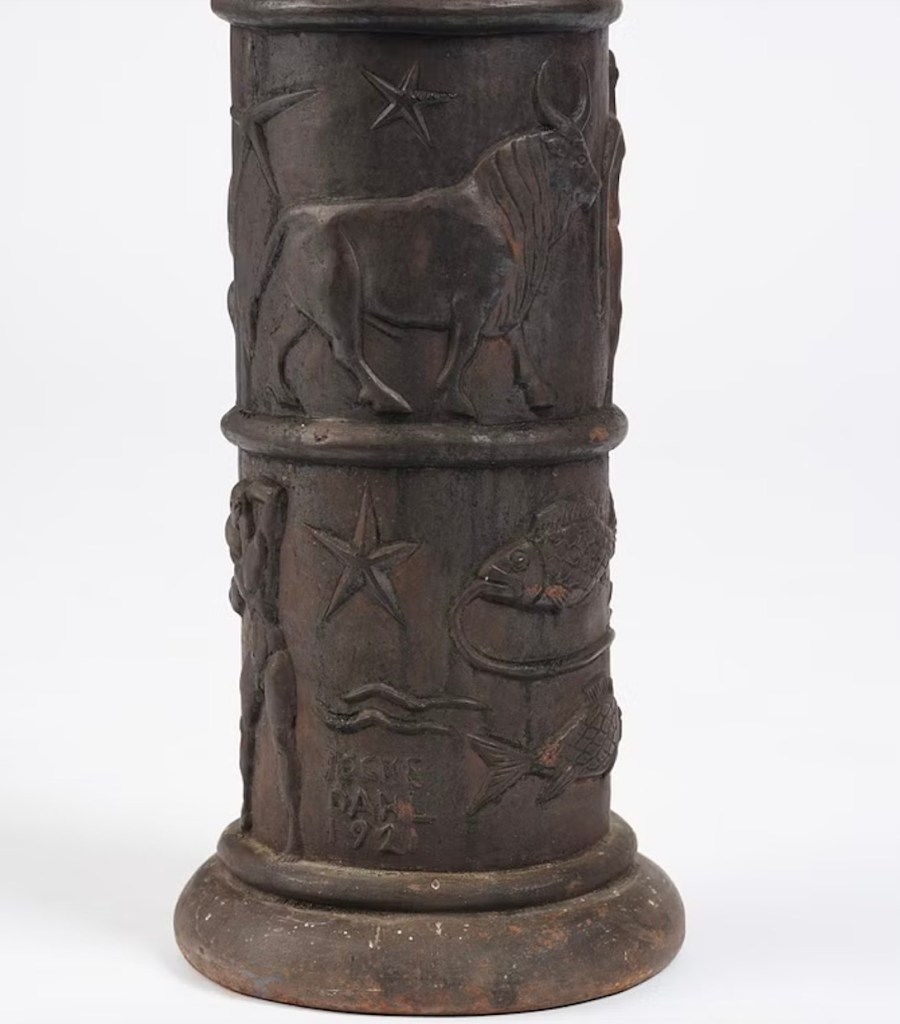
Photos: Bukowskis
©SlowClapStories
Originally published on Substack at Swedish Grace. Read the newsletter here.


You must be logged in to post a comment.