…the Heavy Metal Queen of Swedish Design
One could call her the Iron Lady of Swedish Grace, yet the lightness and elegance of her designs tell a different story. Anna Petrus proved that even the heaviest materials could be transformed into objects of beauty. Working in a field dominated by men, she became one of the most original and influential voices of her generation and her pieces still lives on today.
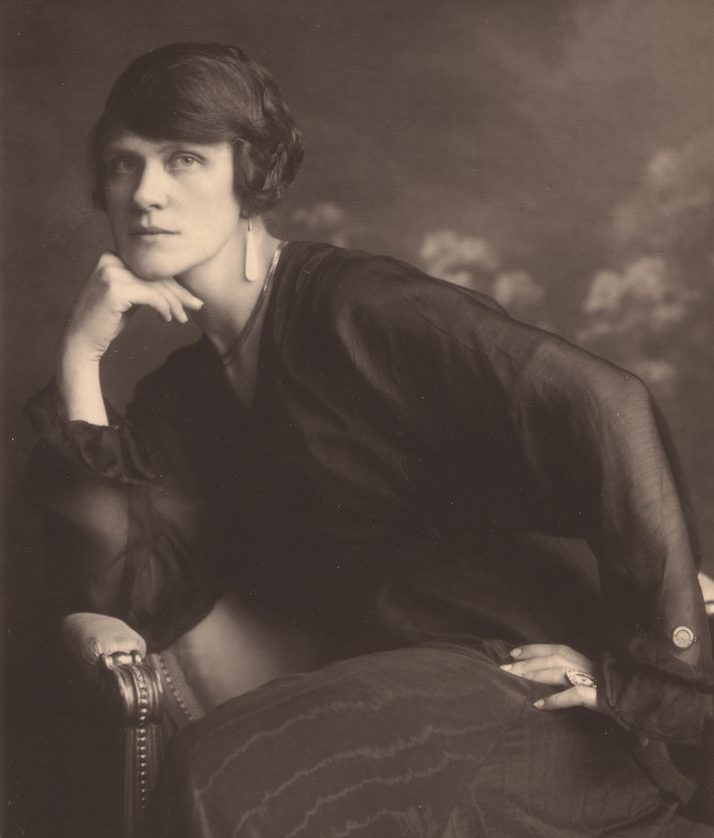
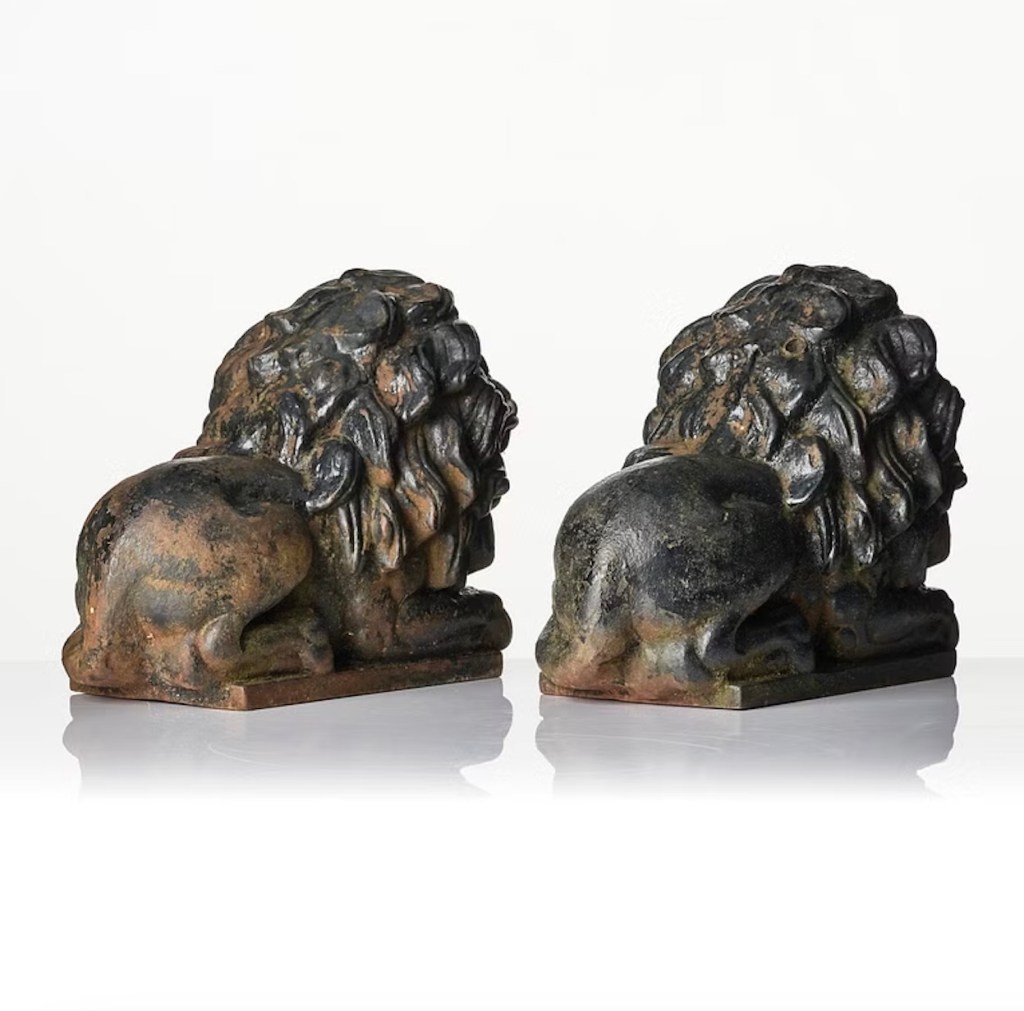
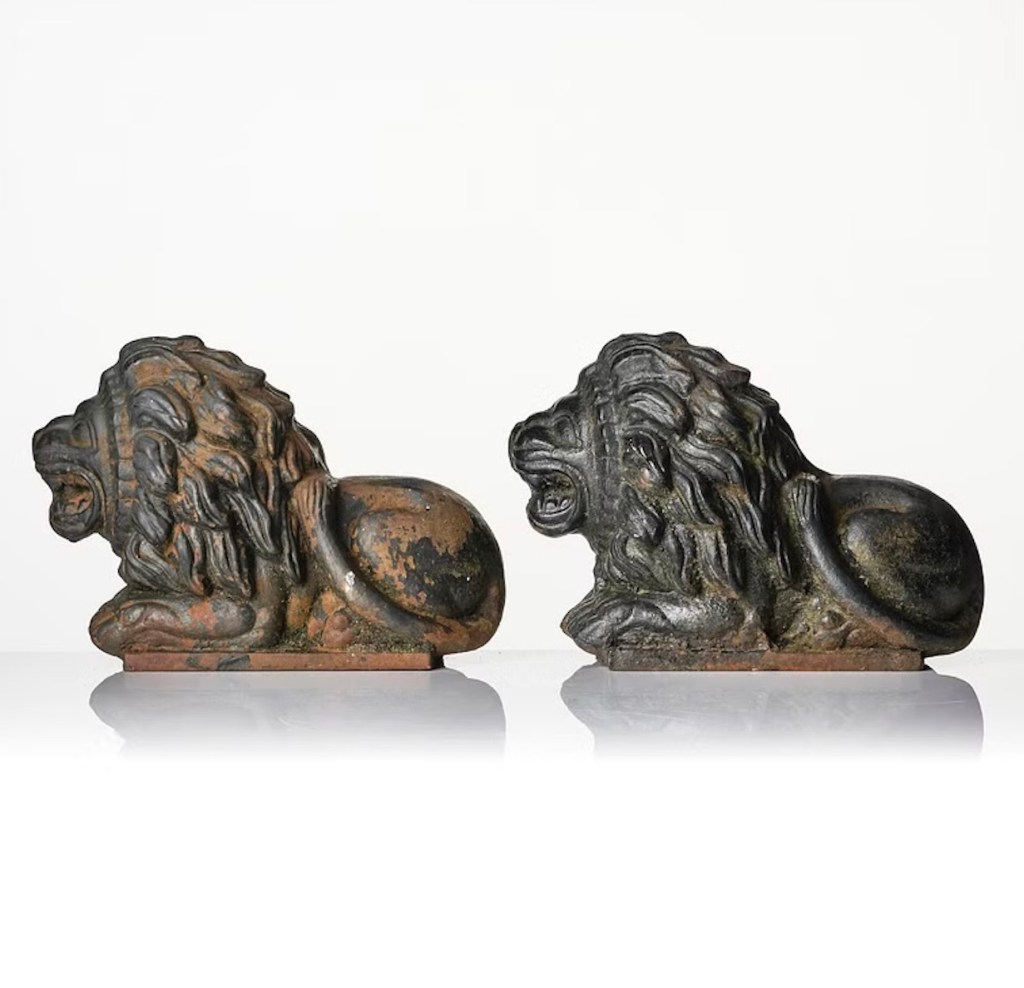
Anna Petrus (1886–1949) was one of the most influential figures in early twentieth-century Swedish design. As a sculptor, graphic artist and industrial designer, she helped redefine different forms of decorative arts –especially the possibilities of metalwork like pewter and cast iron– during the Swedish Grace era, the Nordic interpretation of Art Deco which in architecture is called Nordic Classicism. This style, to which Petrus came to be so important, is characterized by light elegance, craftsmanship and restraint.
Anna Petrus was born Anna Petersson. Her father was a professor of medicine and paediatrics, and her mother was a Swedish countess, née Stackelberg. Following her mother’s death when Anna was eleven years old, an inheritance was set aside for her, which later enabled her to pursue her education and travel abroad.
She adopted the surname Petrus during her studies at the Royal Academy of Fine Arts. Later in life, she married and became Anna Petrus-Lyttkens.
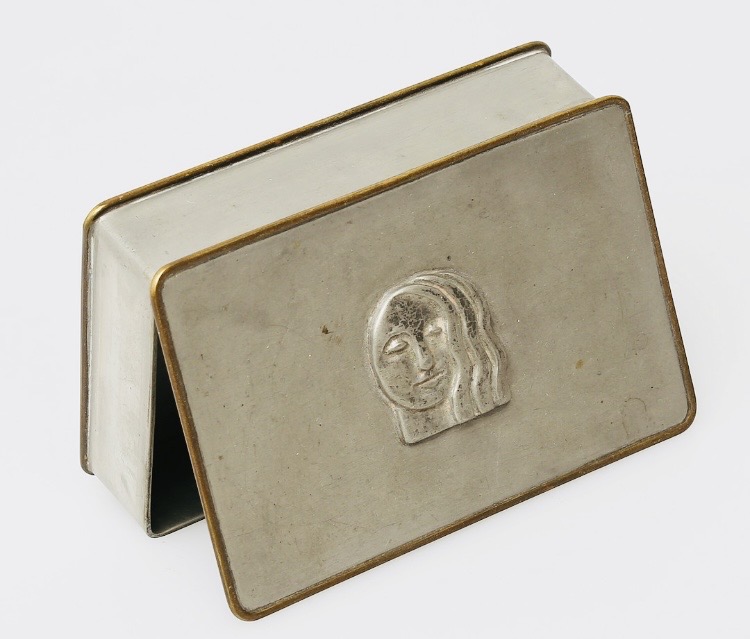
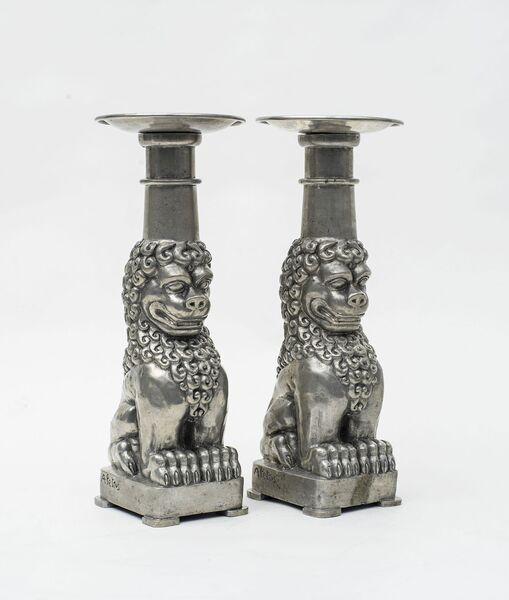
Early days
Born in Uppsala, Sweden, Anna Petrus studied sculpture in London – at the Chelsea Polytechnic School – before continuing her artistic education in Stockholm. First at Althins målarskola and then at Royal College of Fine Arts where she was admitted in 1913. Her early exposure to international artistic movements and progressive social ideas shaped her creative outlook and encouraged her willingness to challenge conventions.
Fire, sculpture and function
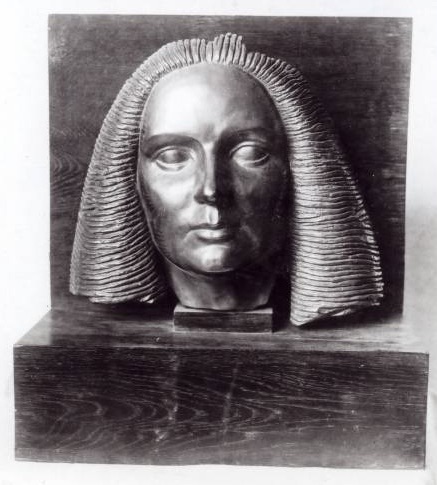
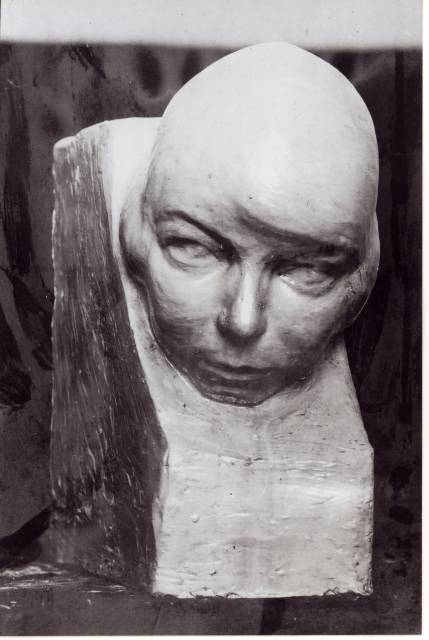
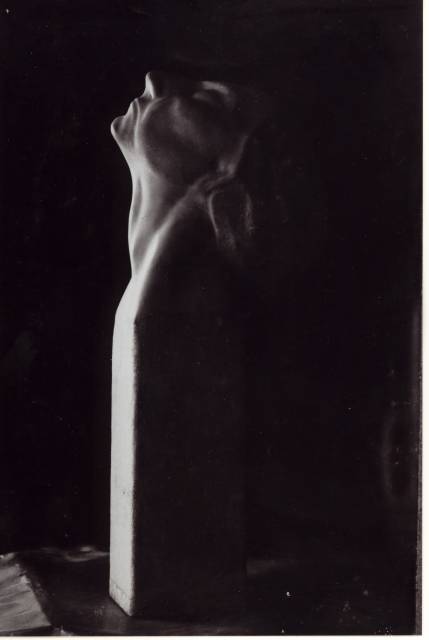
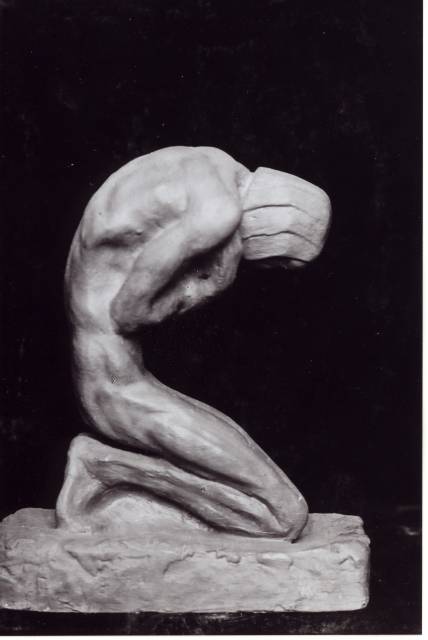
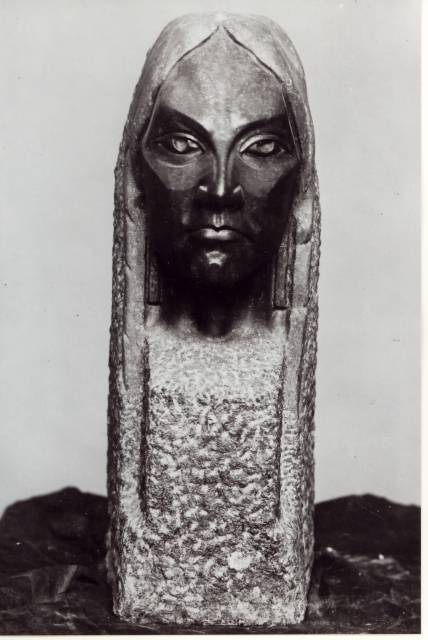
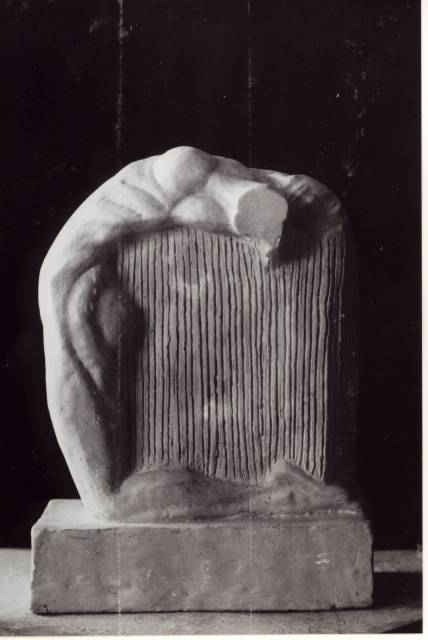
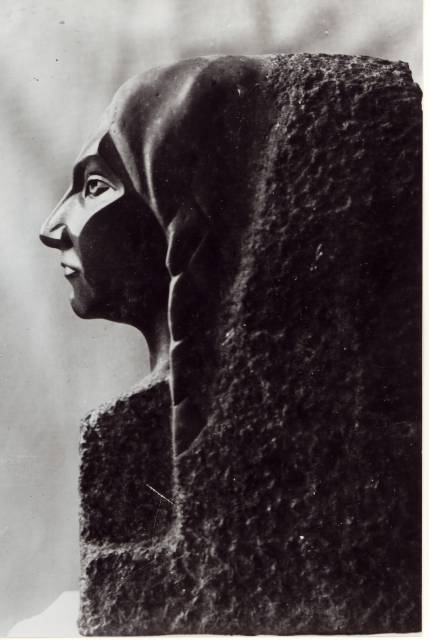
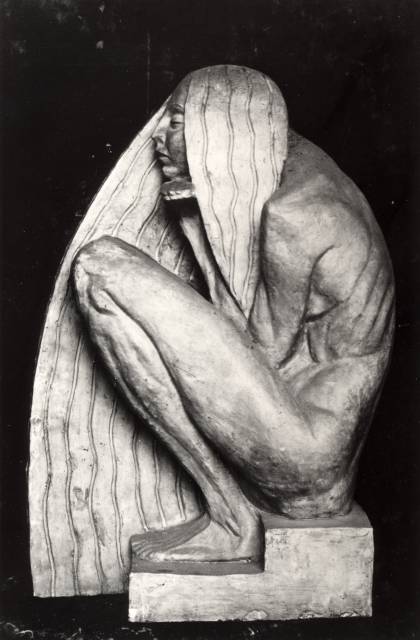
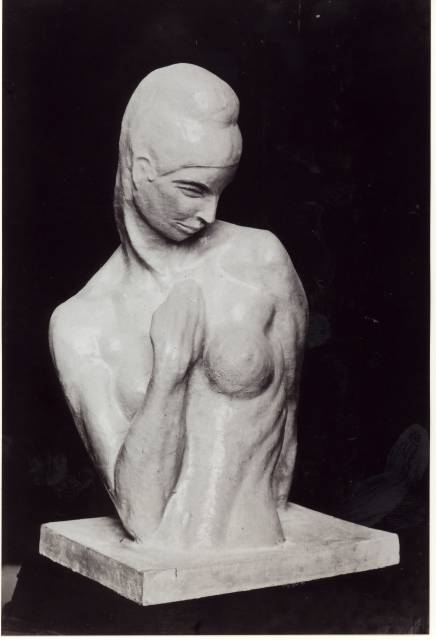
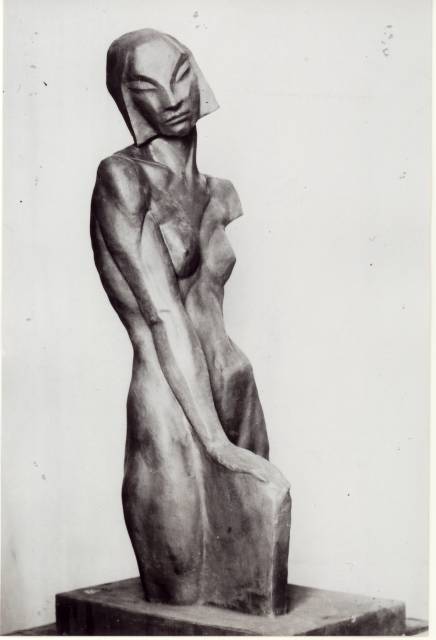
Petrus first gained recognition as a sculptor, exhibiting her work in Sweden and abroad. Her breakthrough came at the Baltic Exhibition of 1914.
However, in 1920 a fire destroyed more than one hundred pieces in her studio. This loss came to mark a turning point in her artistic life. Following extensive travels in Italy, North Africa and Paris, she redirected her energies toward applied arts and design.
Inspired
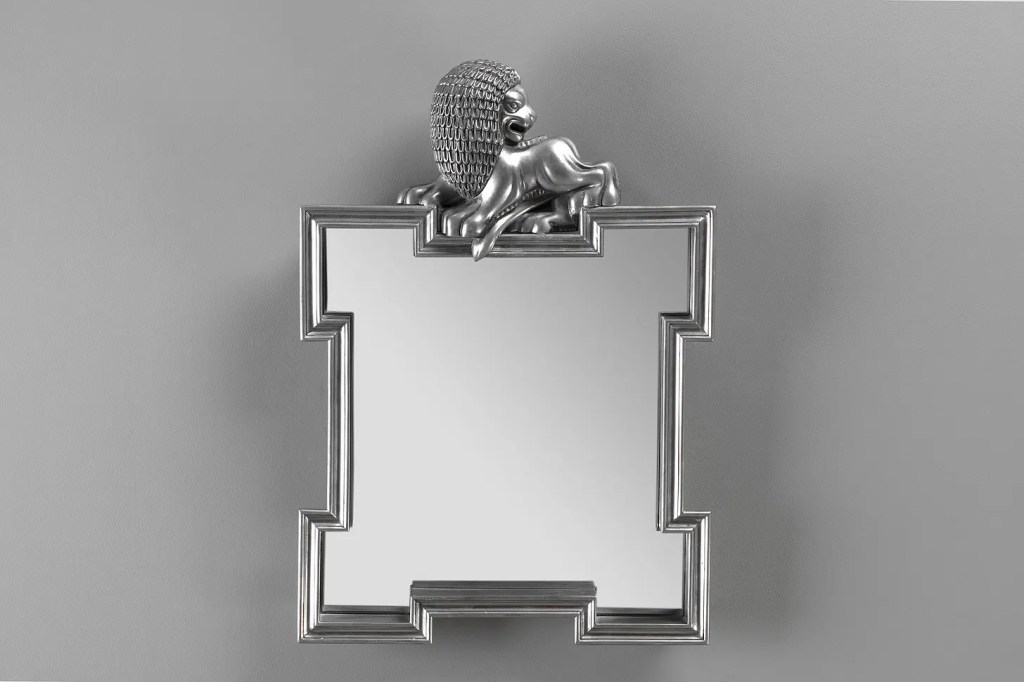
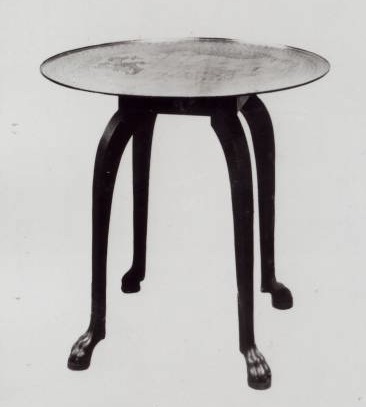
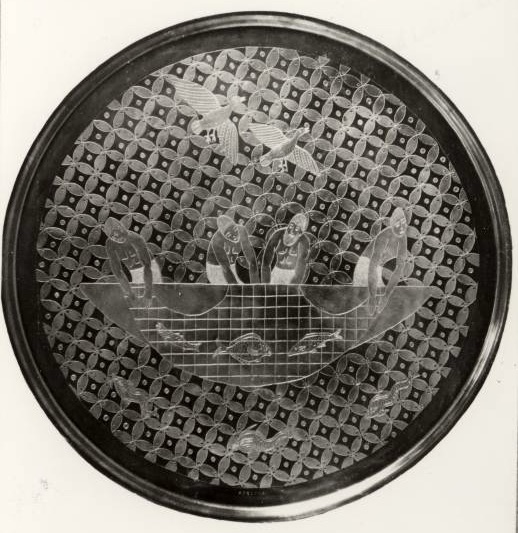
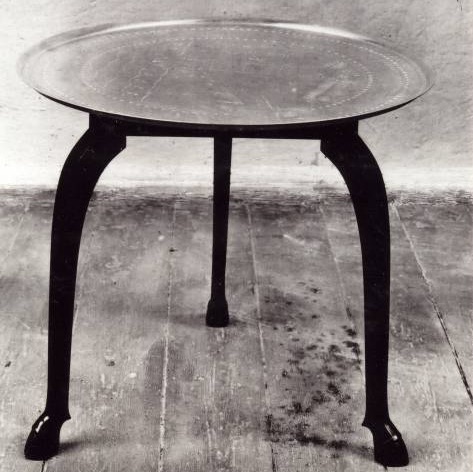
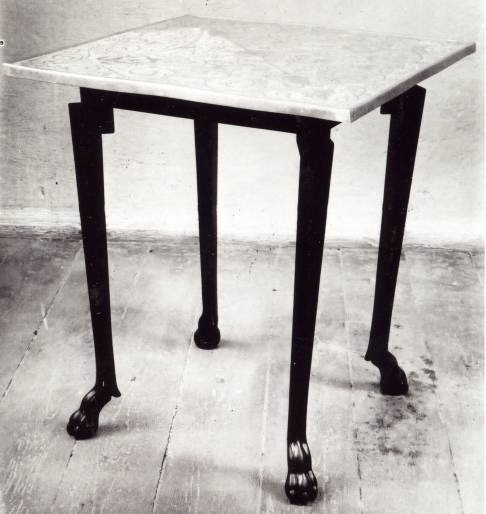
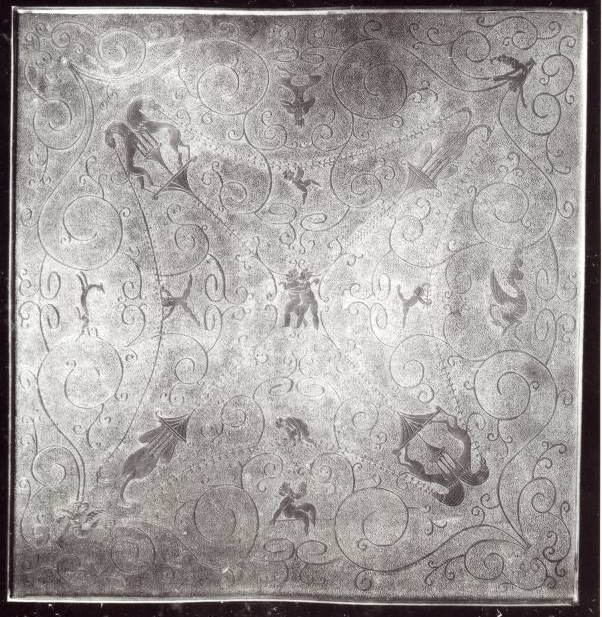
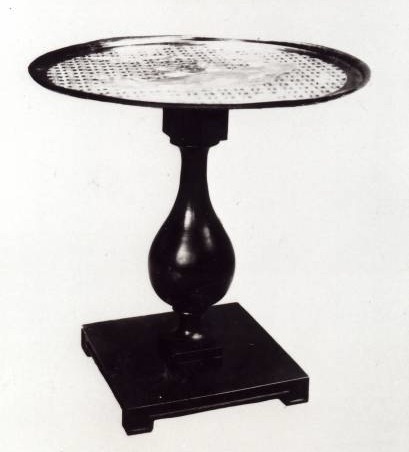
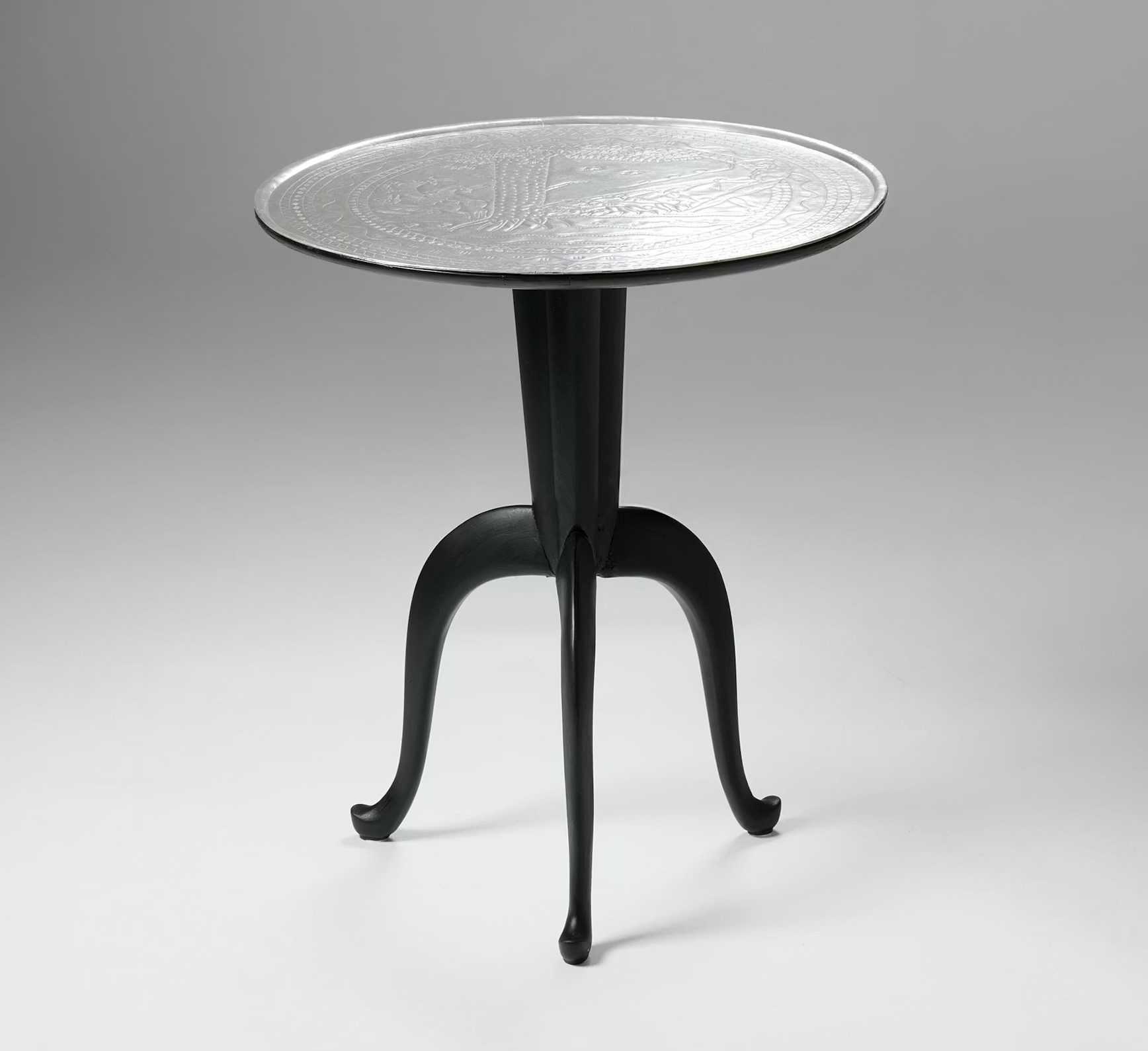
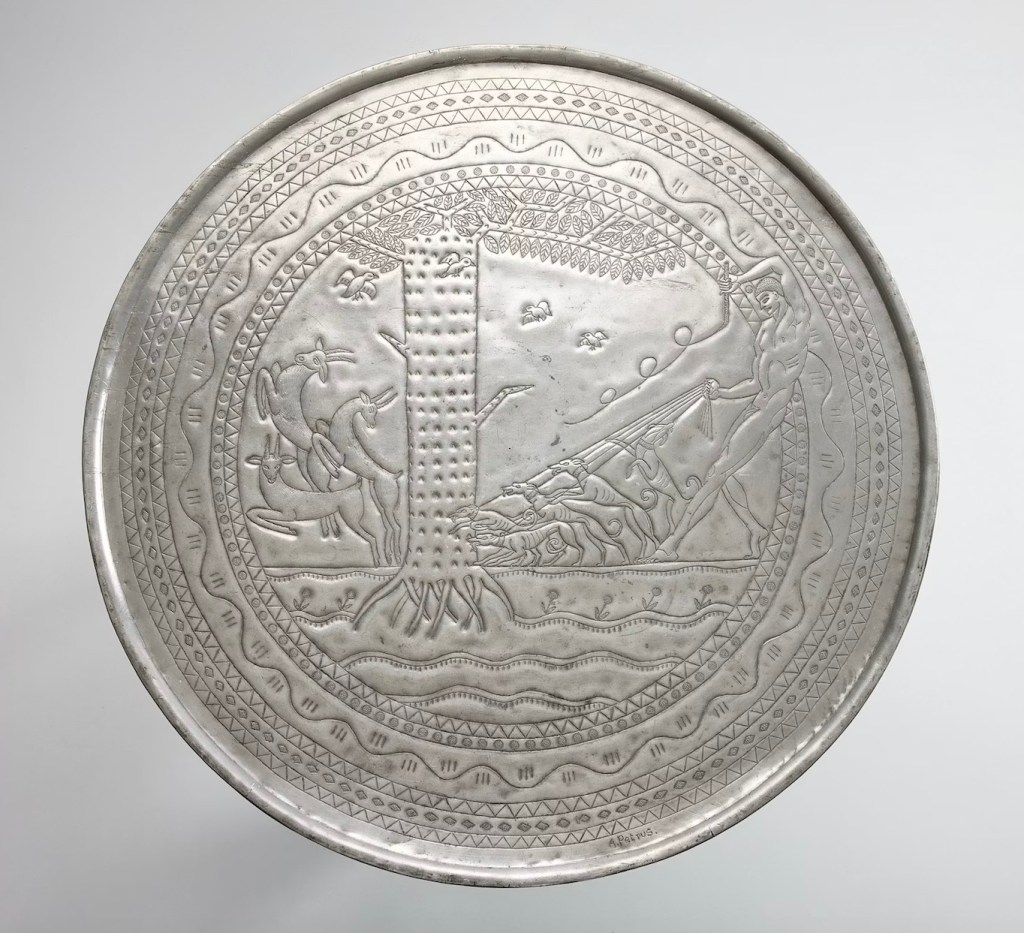
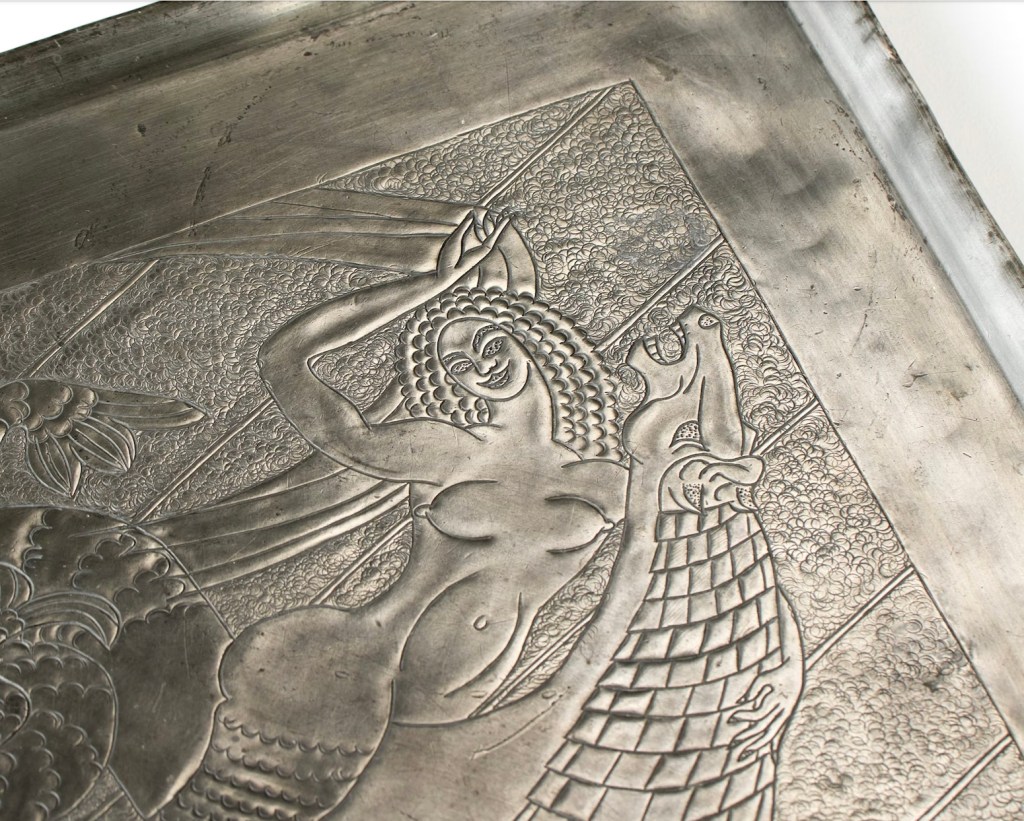
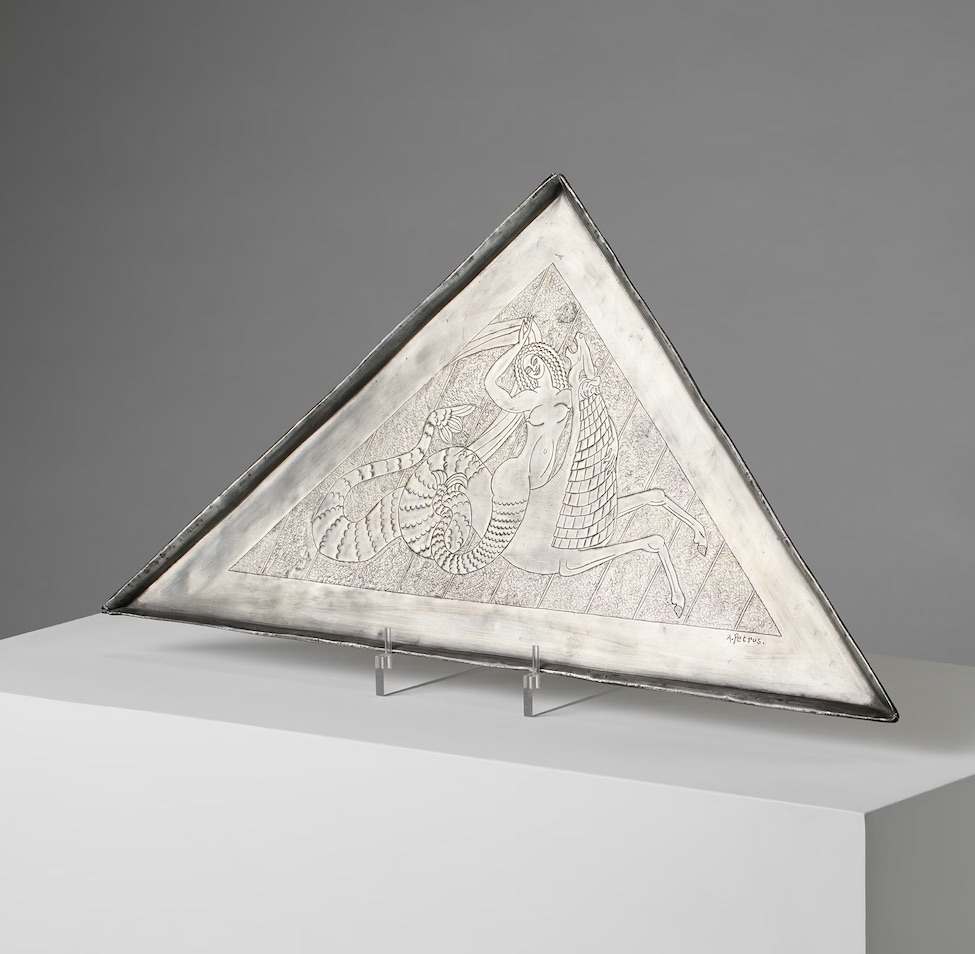
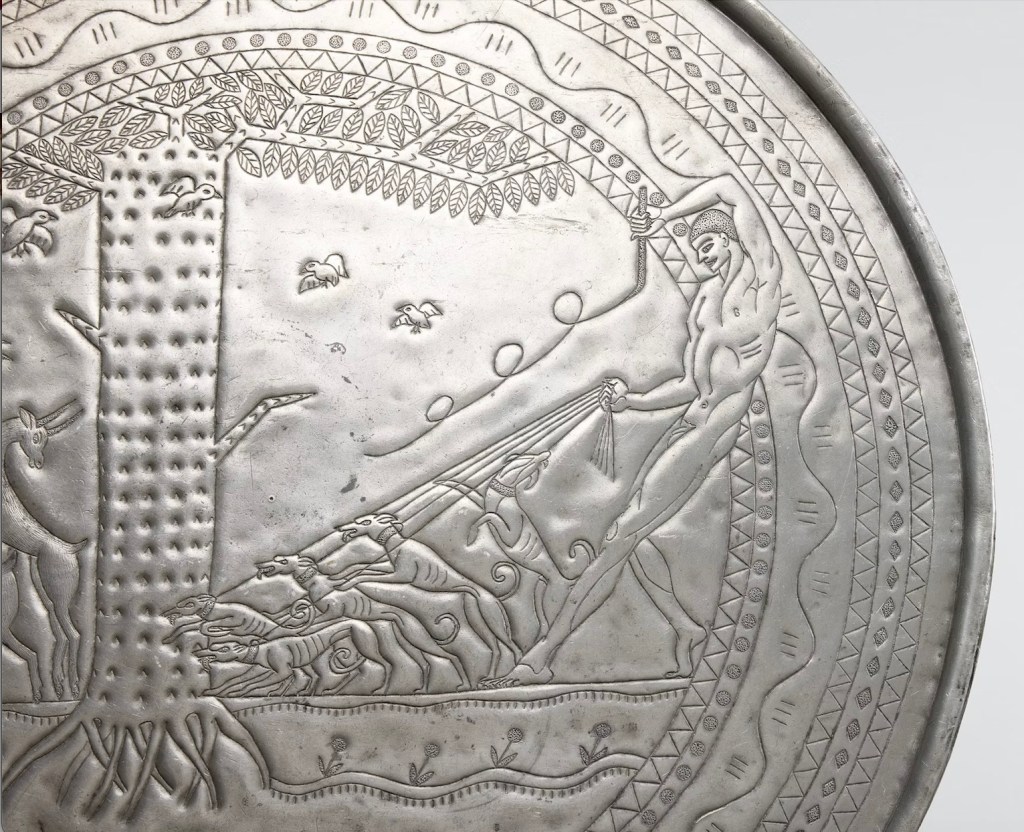
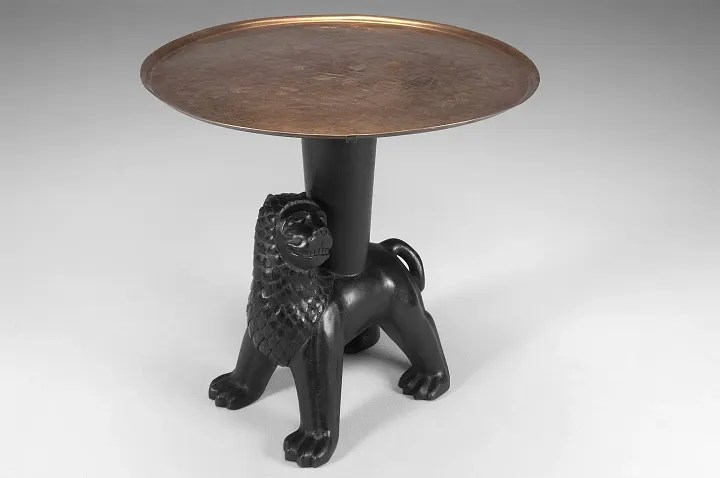
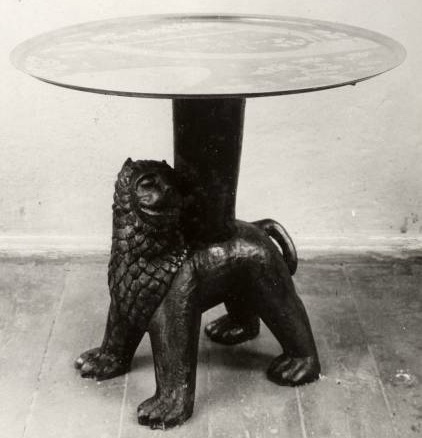
So back in Sweden, inspired by North African tea tables, she began designing trays in pewter, copper and brass, which she mounted on tall, shaped stands. The trays, or other tabletop surfaces, were decorated with a rich variety of allegorical ornaments. In 1922, she presented a collection of these tray tables in her studio in Stockholm. Some of the table structures were designed by the architect Uno Åhrén, while others were designed by Petrus herself.
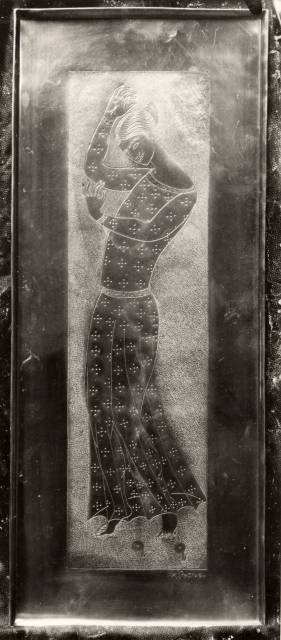
Pewter & cast iron
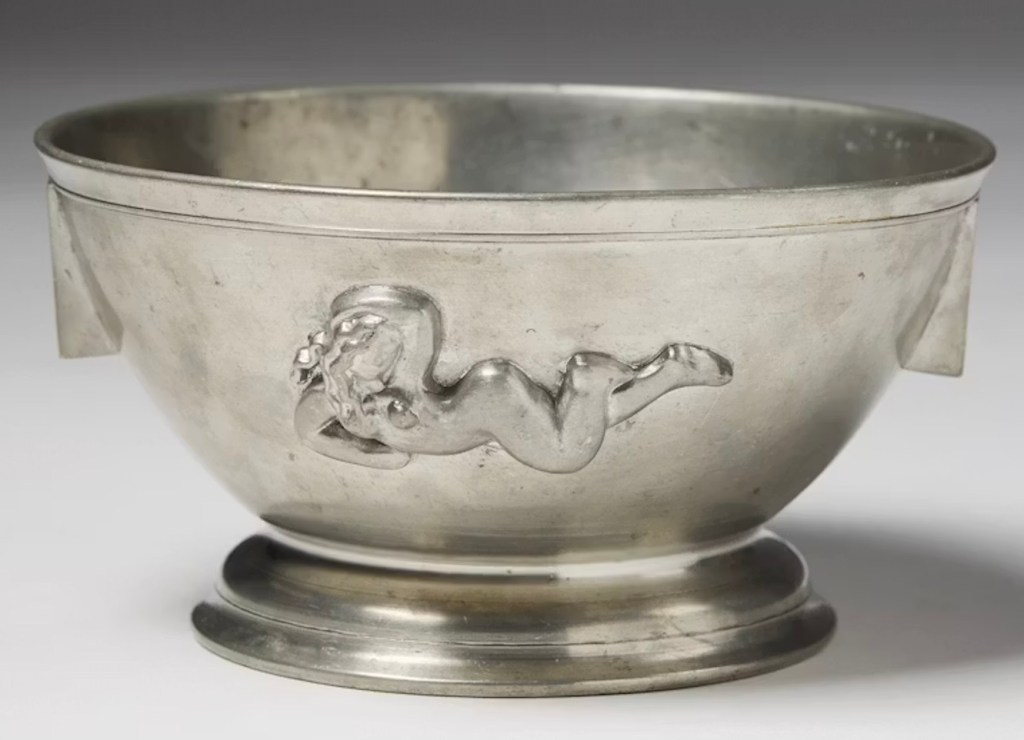
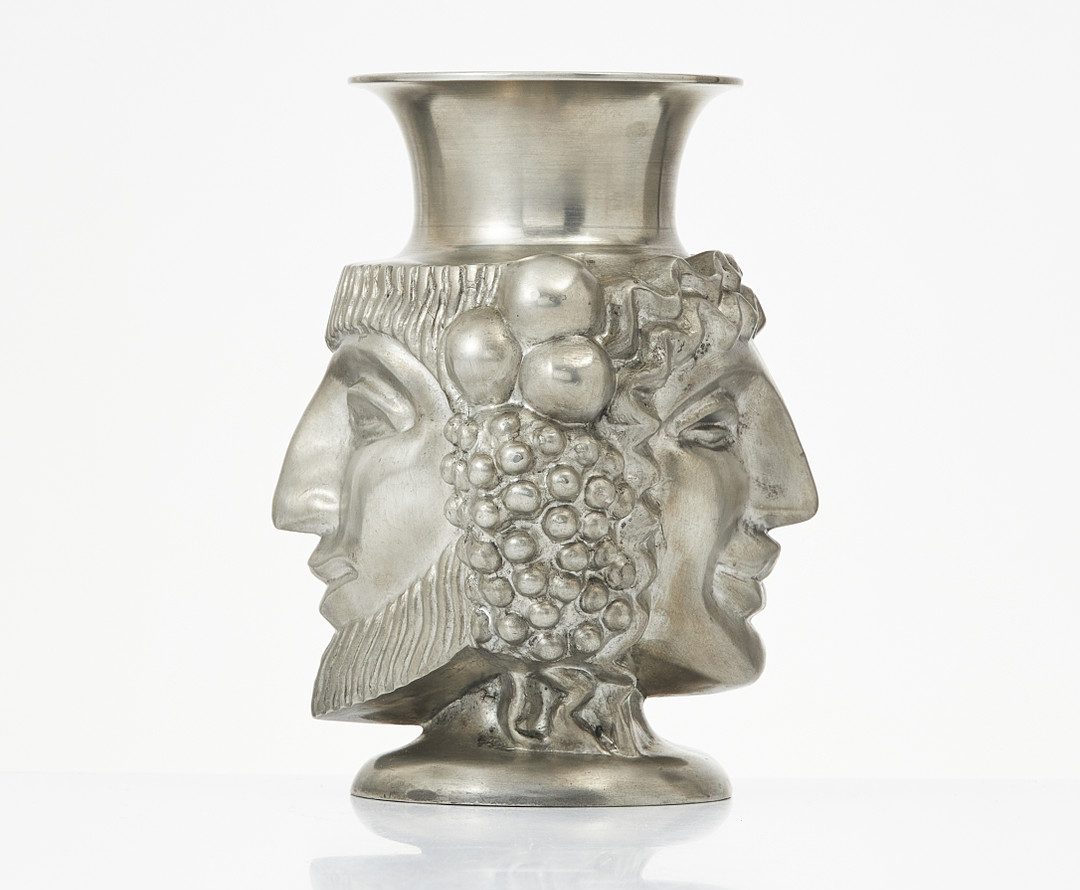
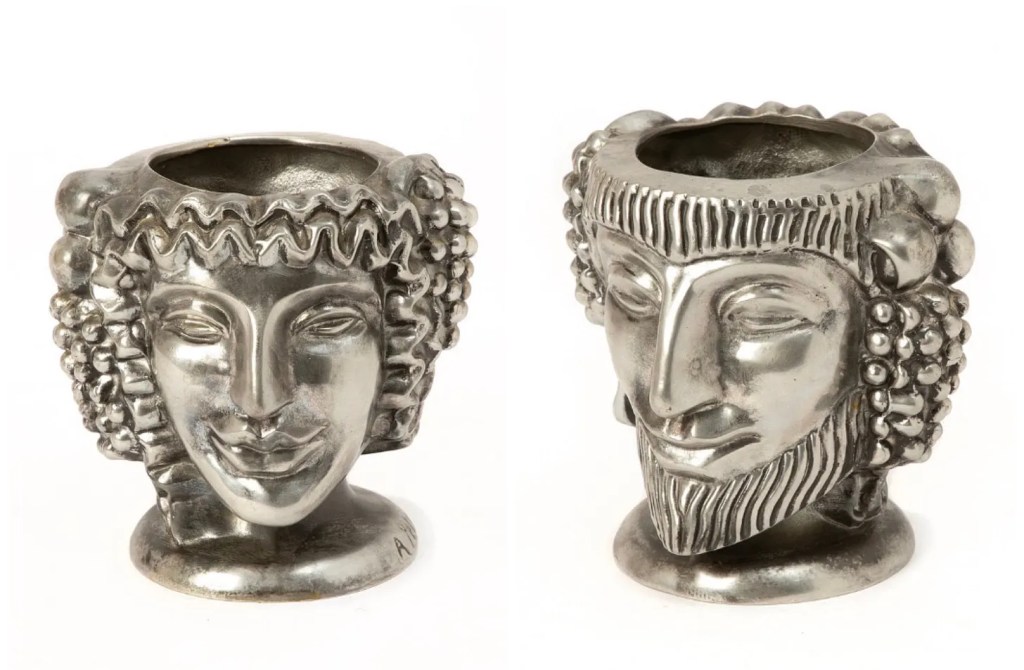
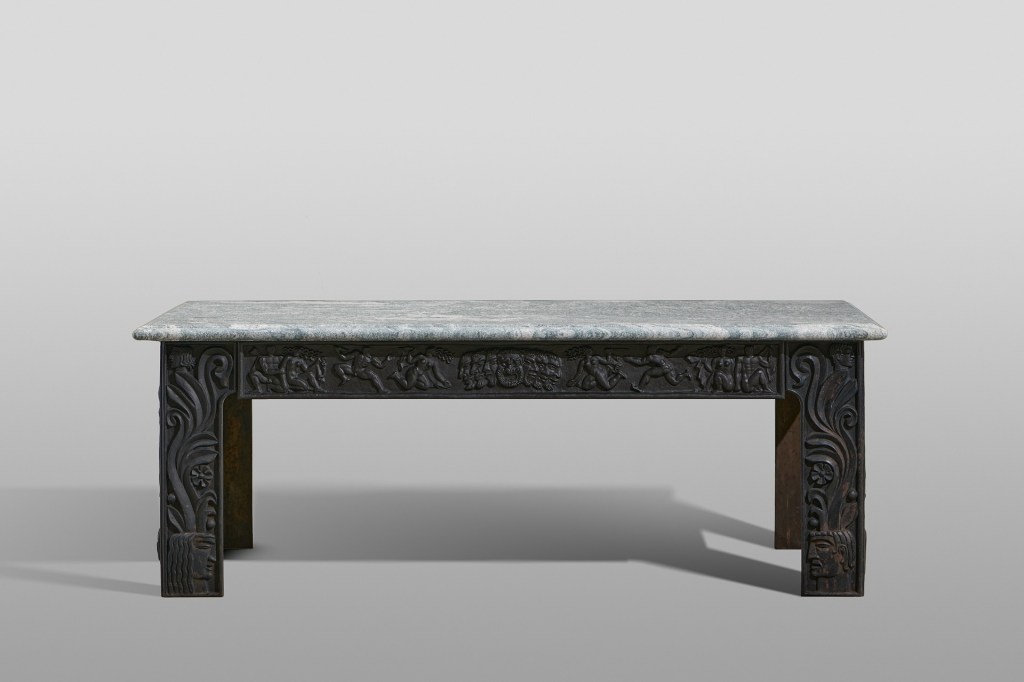
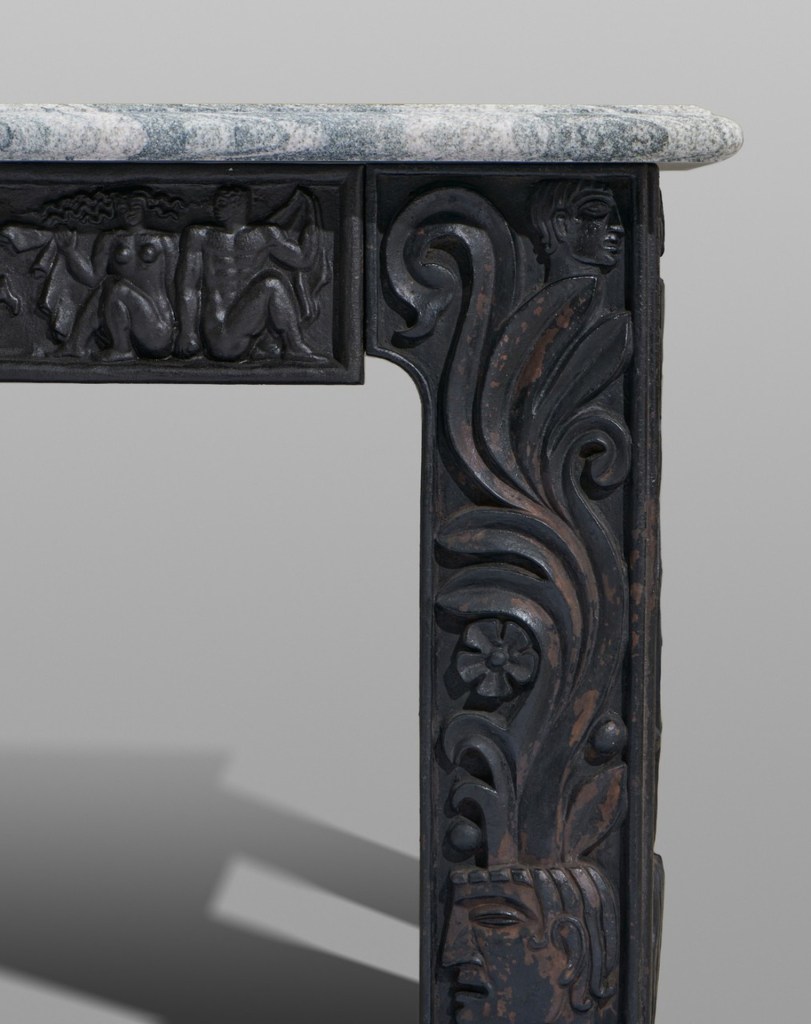
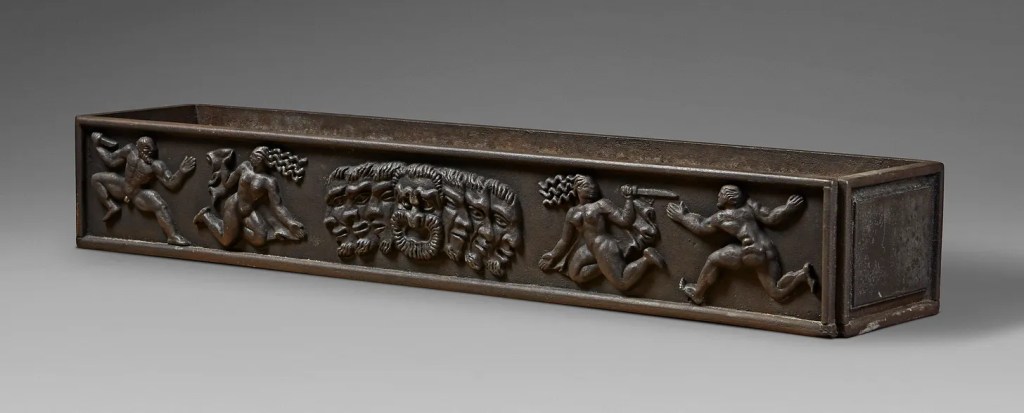
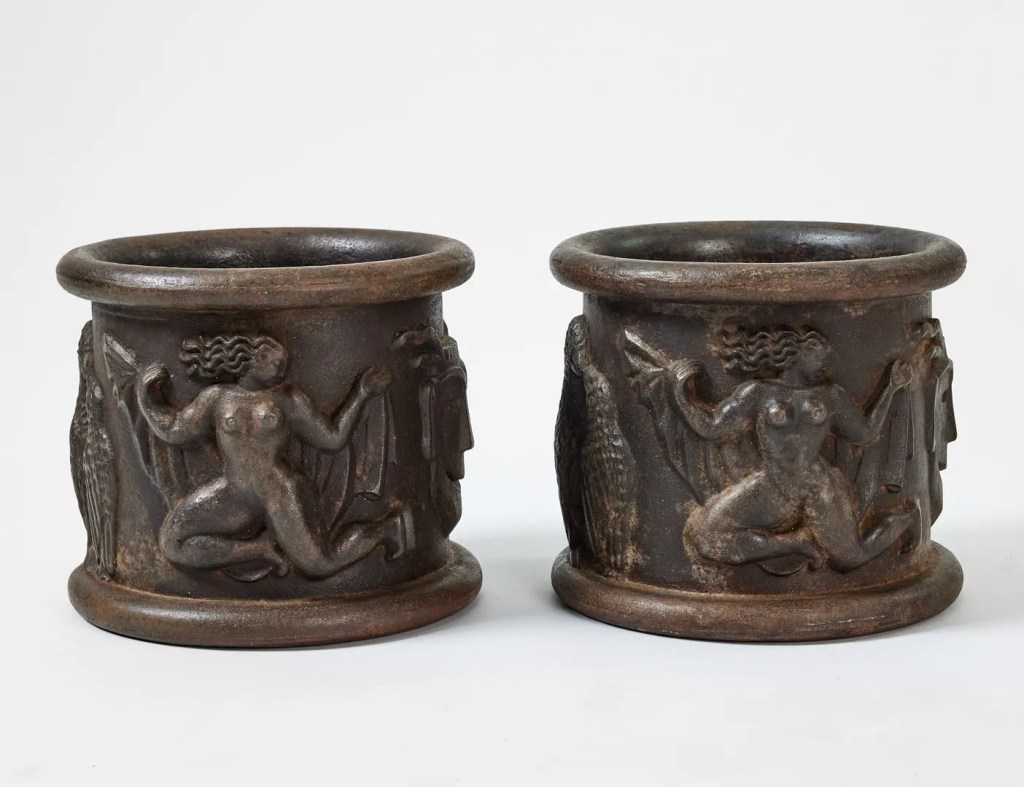
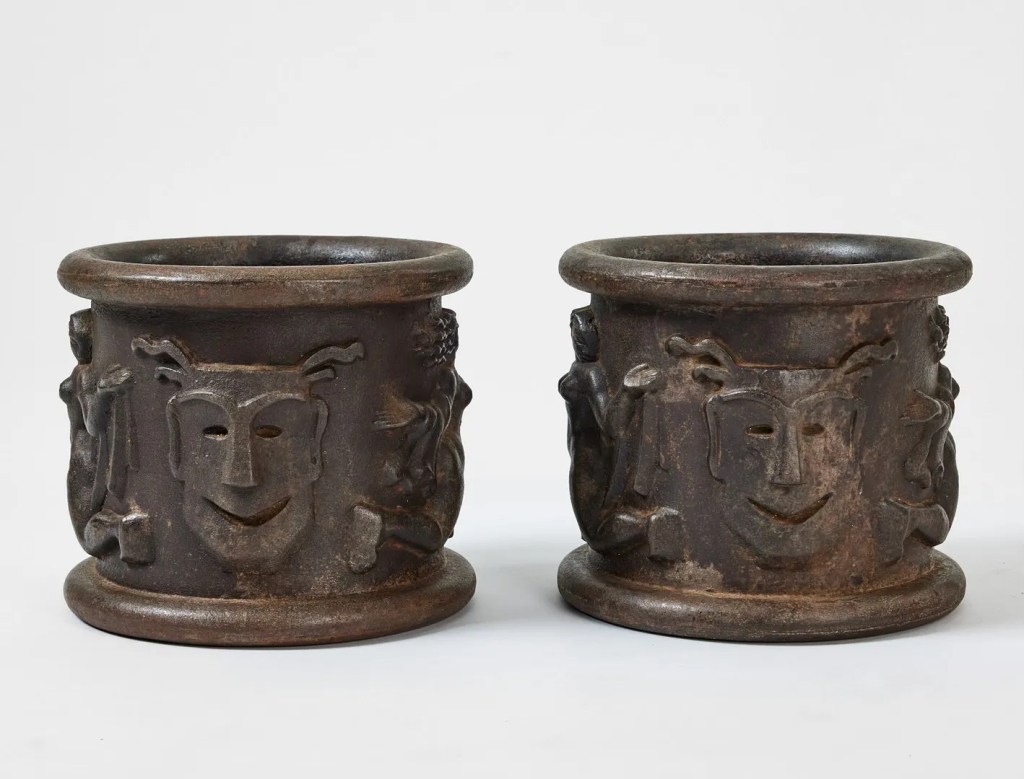
During the 1920s, Petrus became a leading innovator in the use of pewter and cast iron. At a time when these materials were often considered old-fashioned or purely industrial, she transformed them into her very much own and strong artistic expression. Her designs combined classical influences with bold sculptural forms, demonstrating that functional objects could also be works of art.
Svenskt Tenn
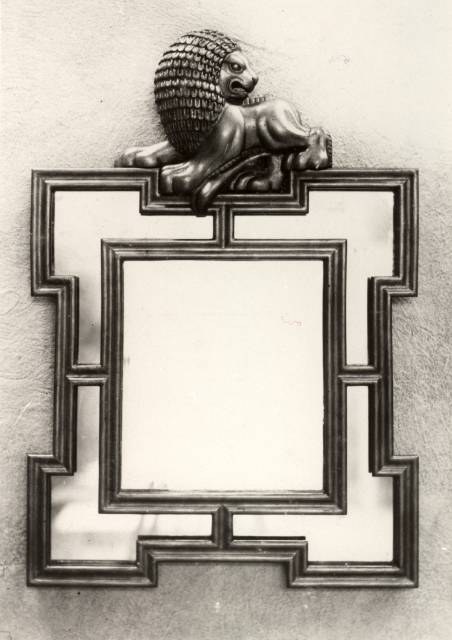
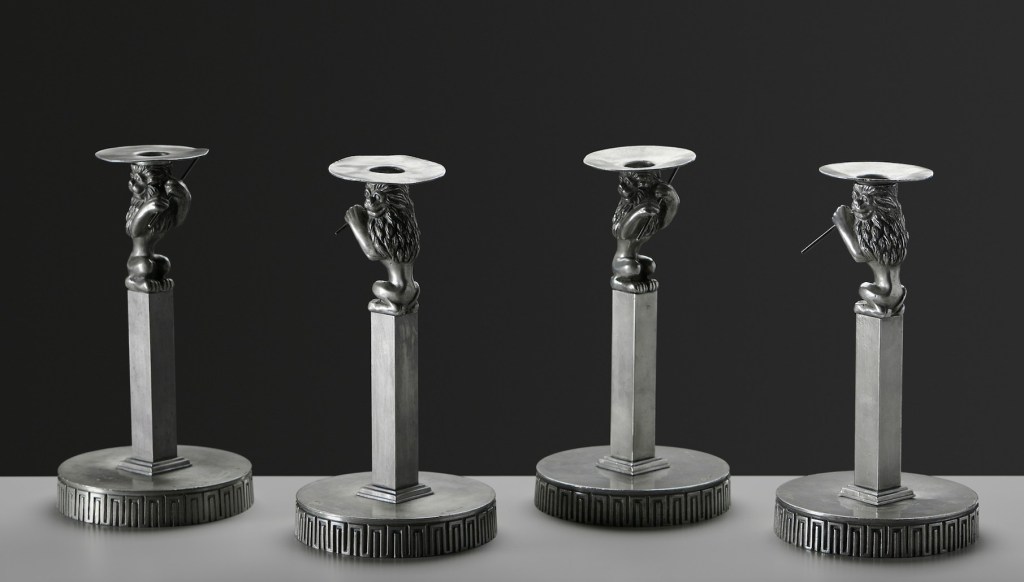
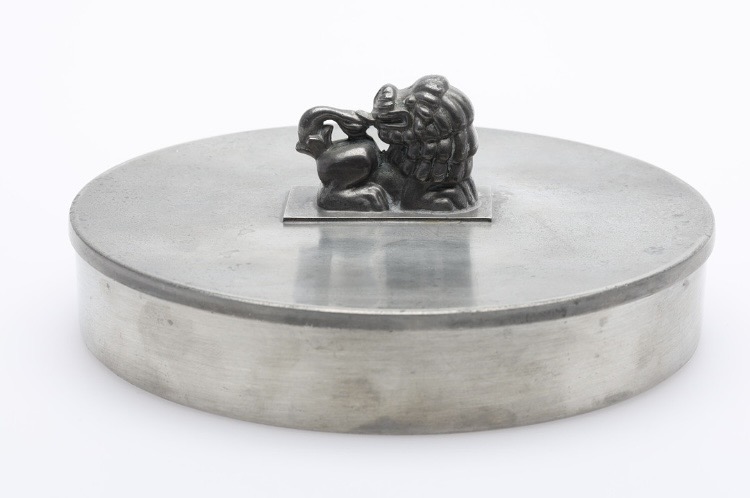
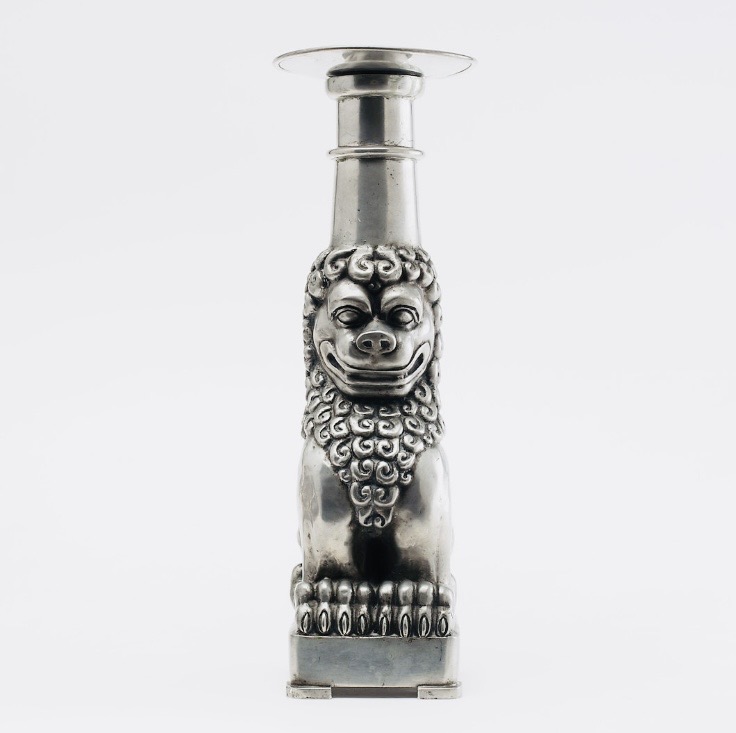
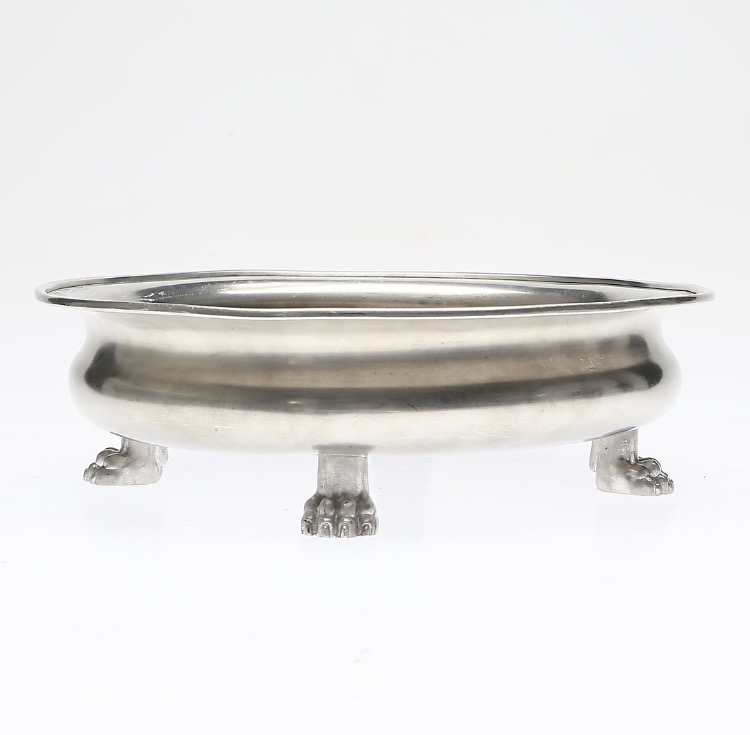
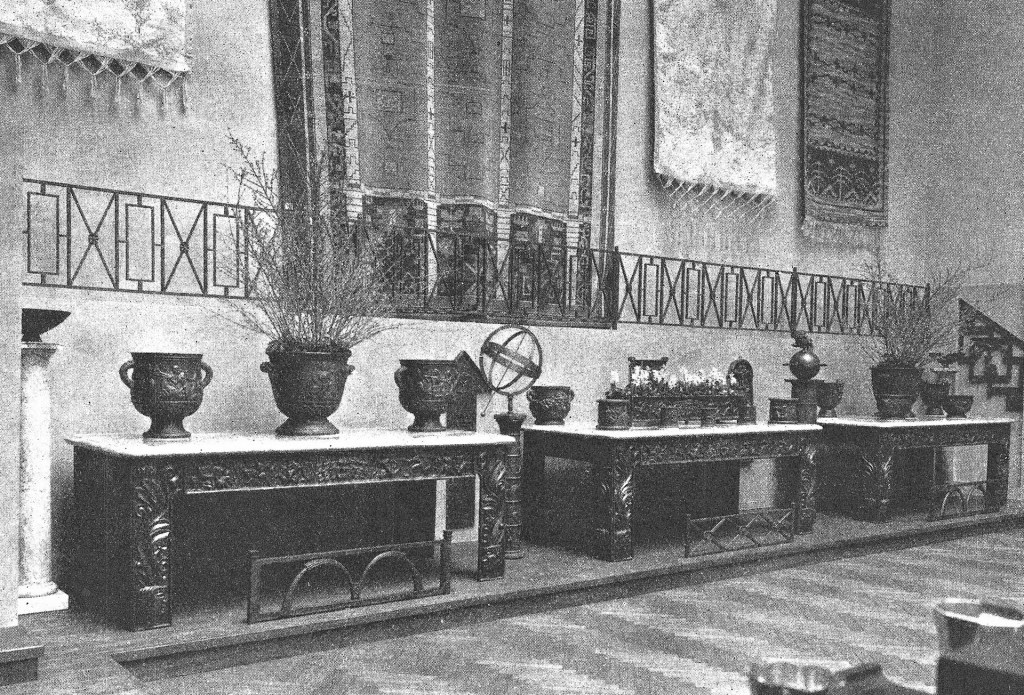
A new and defining chapter of Anna Petrus’ career began in 1924 when she started her collaboration with the newly founded company Svenskt Tenn and its visionary founder, Estrid Ericson. Petrus created a range of decorative objects, including trays, candlesticks, vases and table bases. She often worked together with Nils Fougstedt during these years.
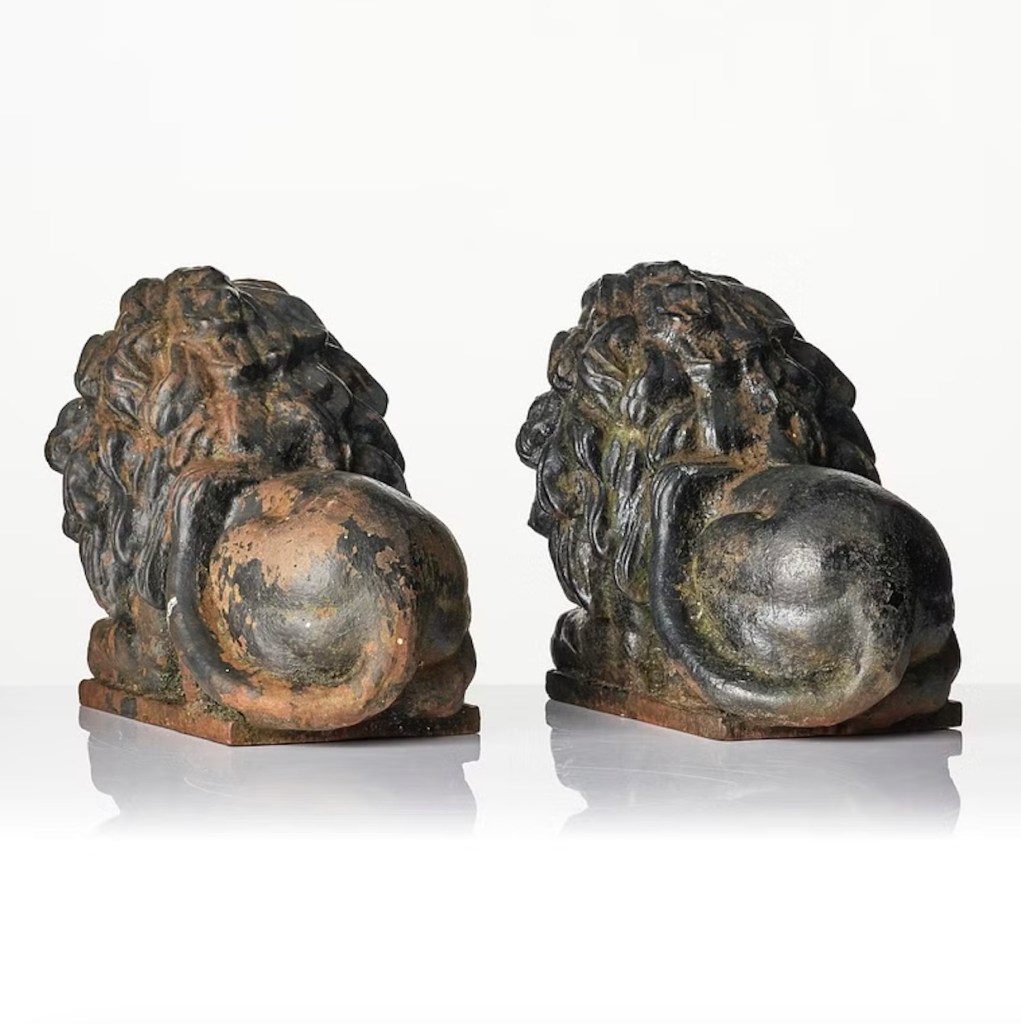
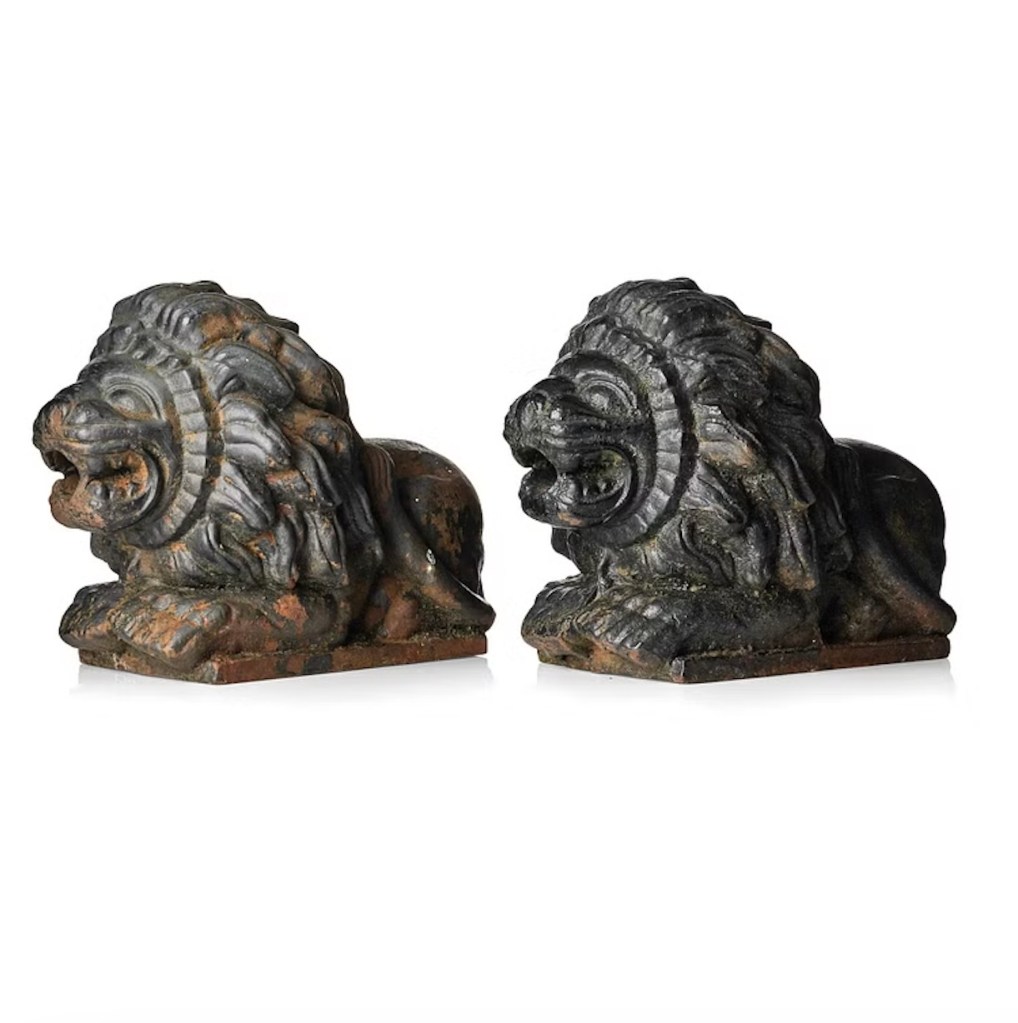
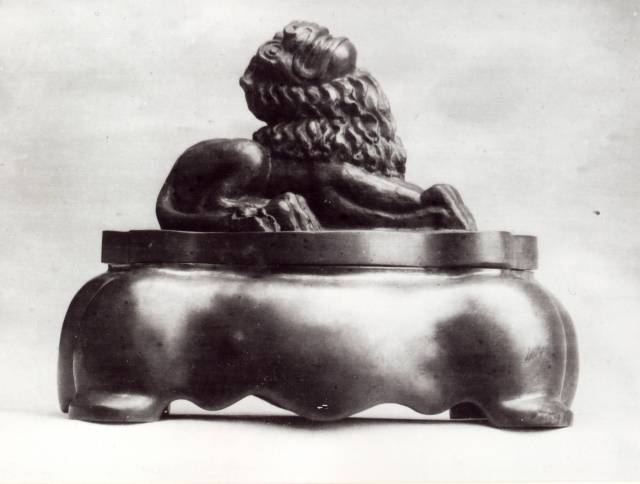
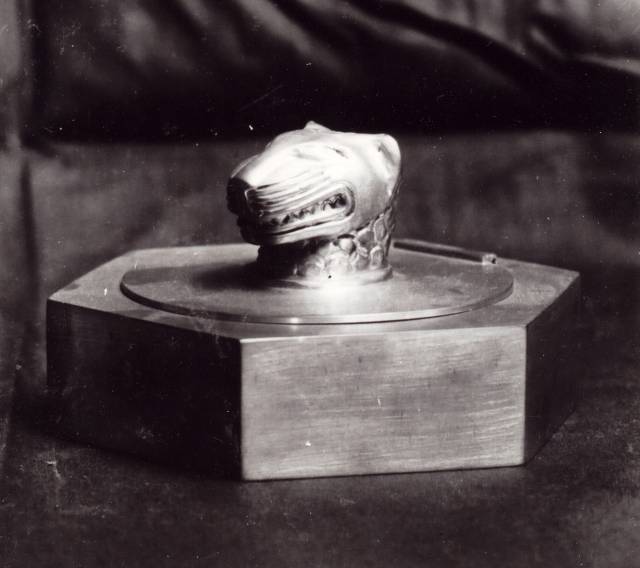
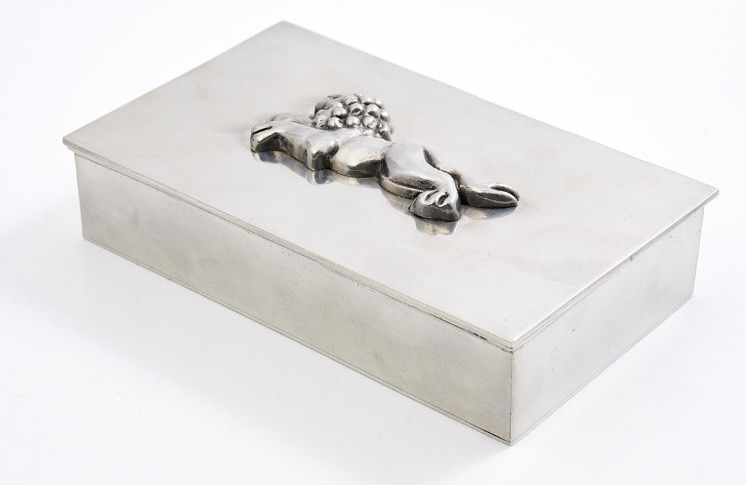
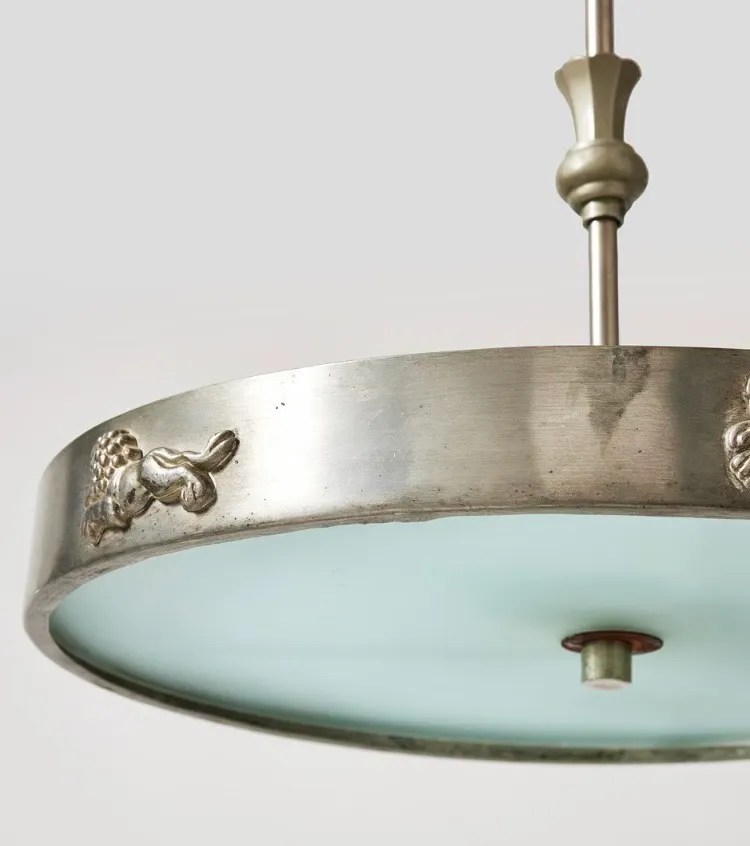
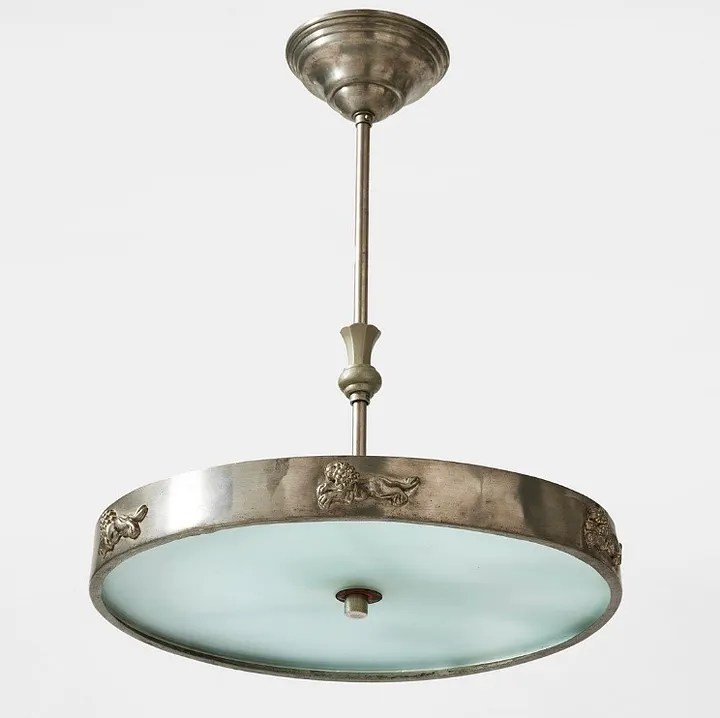
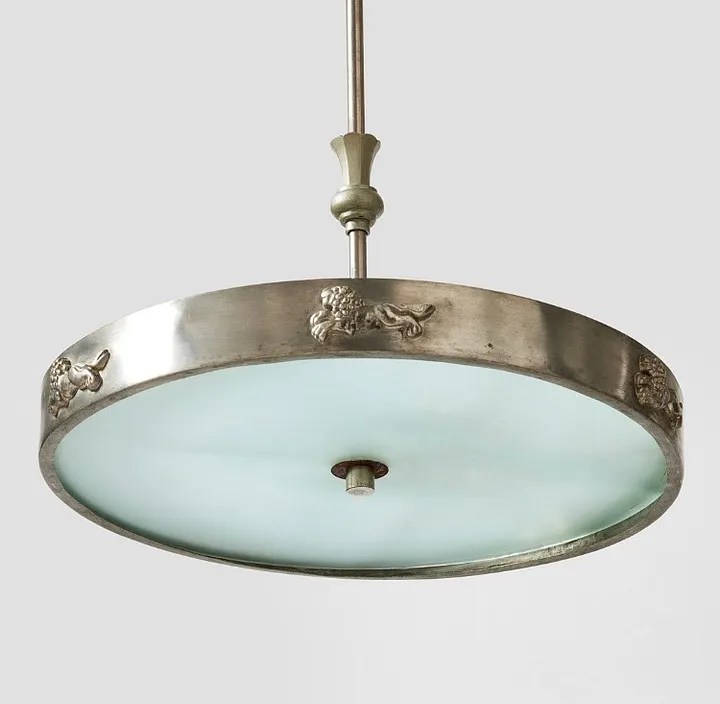
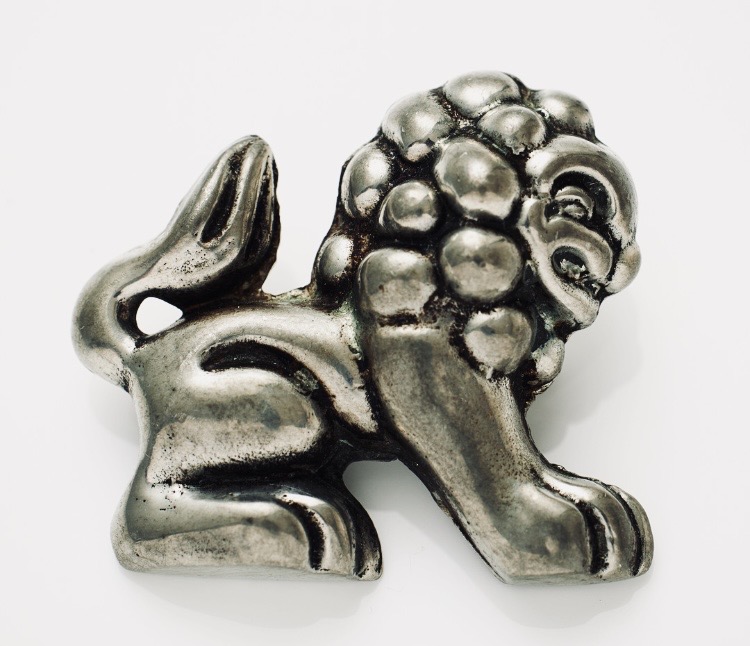
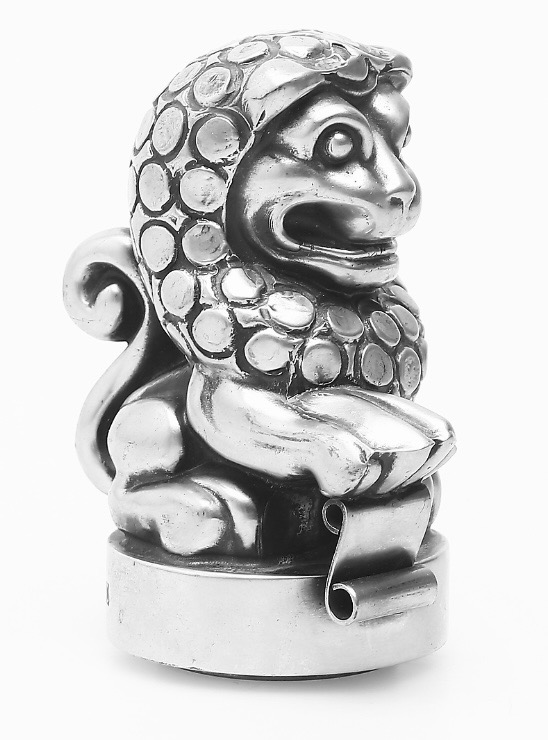
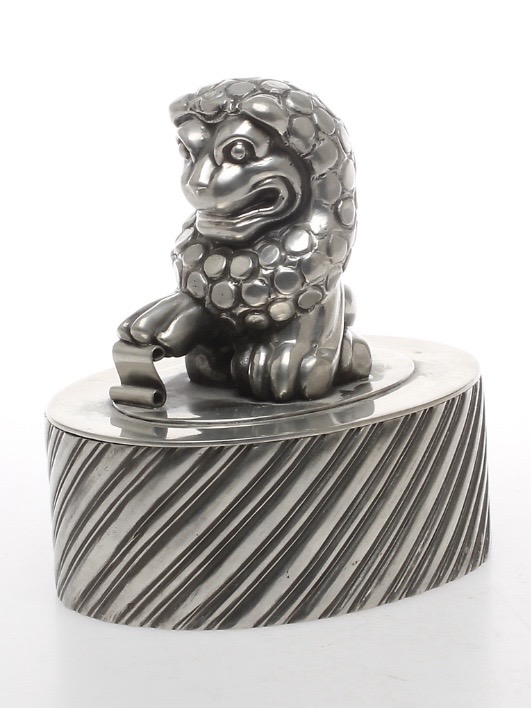
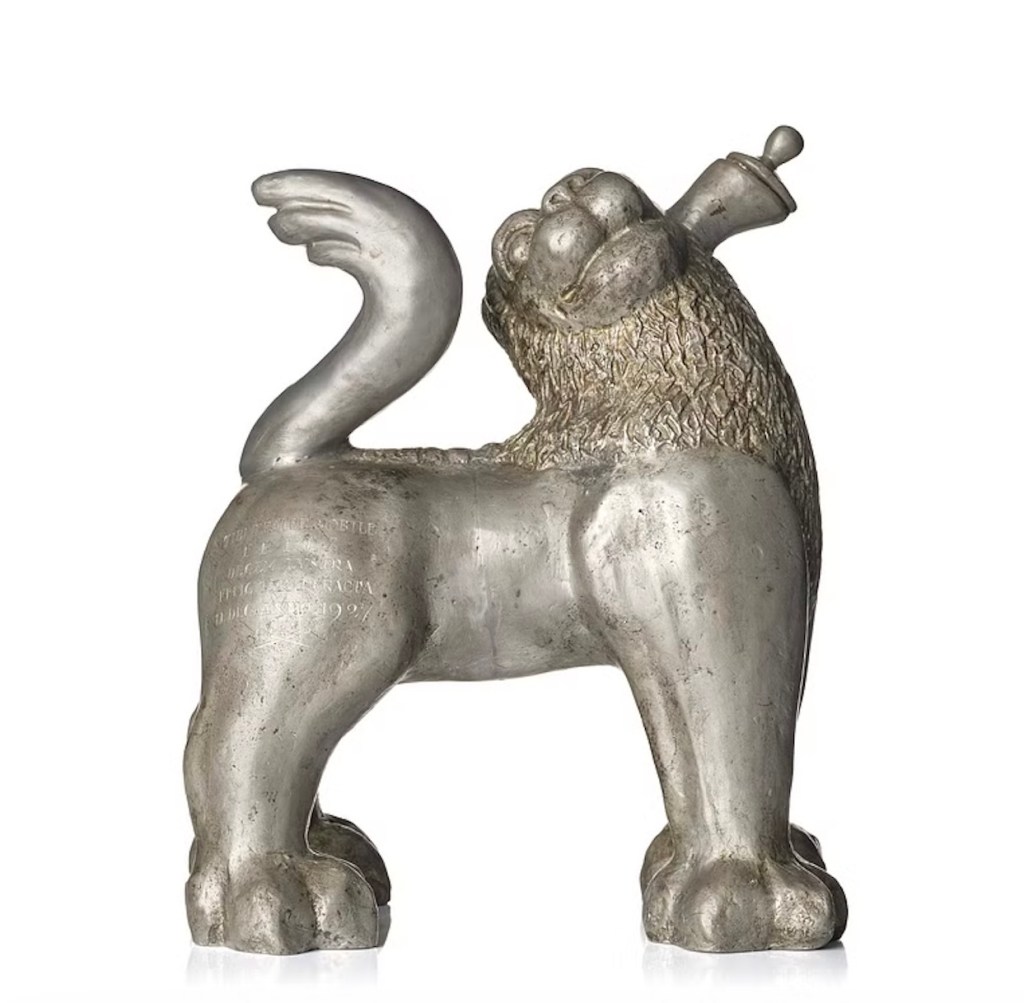
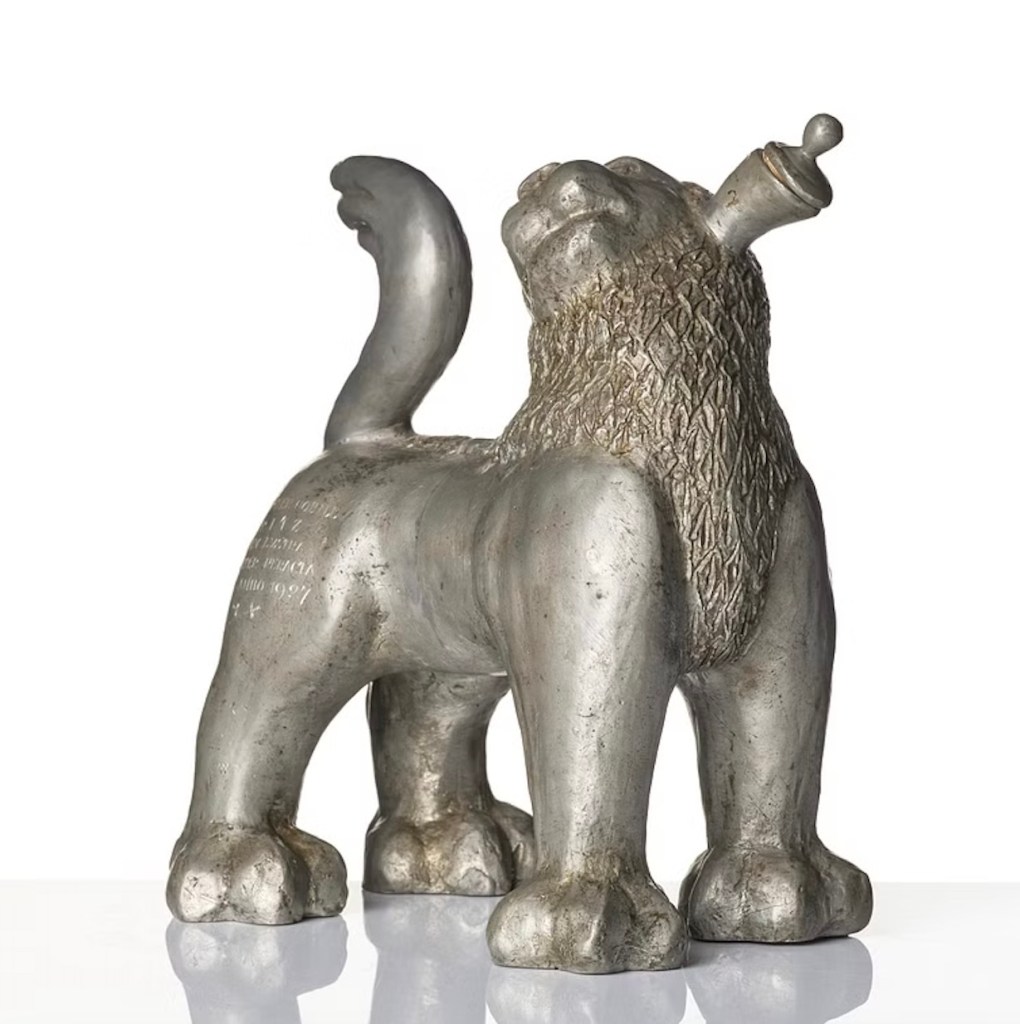
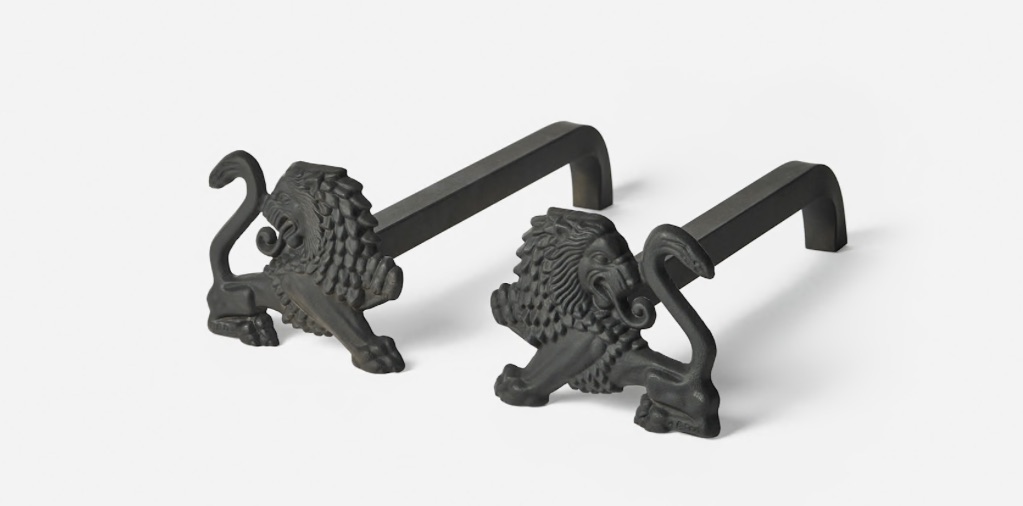
Petrus’ distinctive lion motifs became iconic and remain among the most recognizable symbols of Swedish Grace. Nearly a century after they were first conceived many of the designs are still produced today.
The 1925 – the EXPO of all times
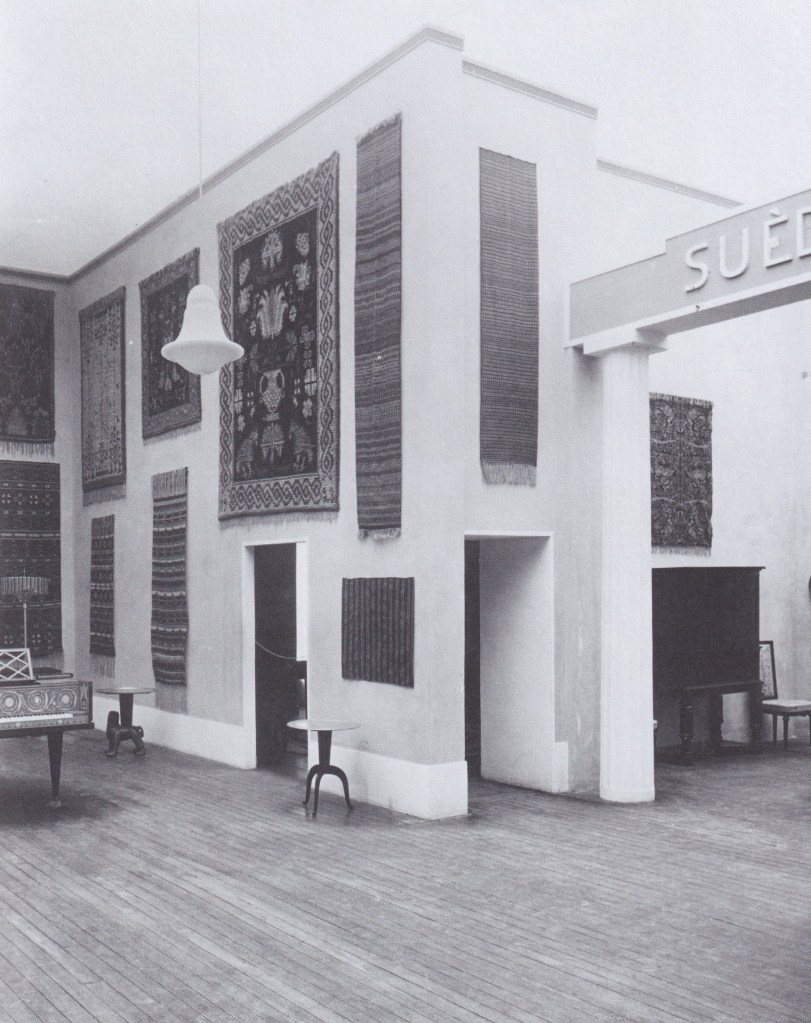
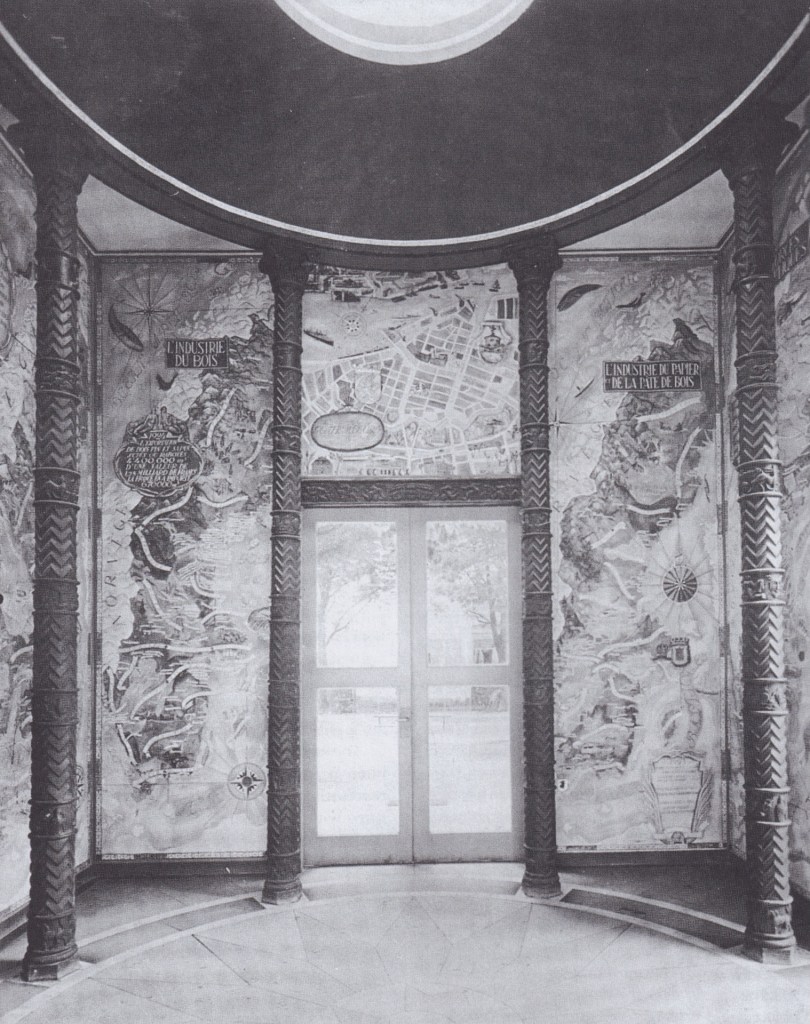
Anna Petrus achieved international recognition at the 1925 Paris Exposition Internationale des Arts Décoratifs et Industriels Modernes, the exhibition that gave Art Déco its name. She contributed cast-iron architectural elements to the Swedish Pavilion and thus helped to present Swedish design to a global audience.
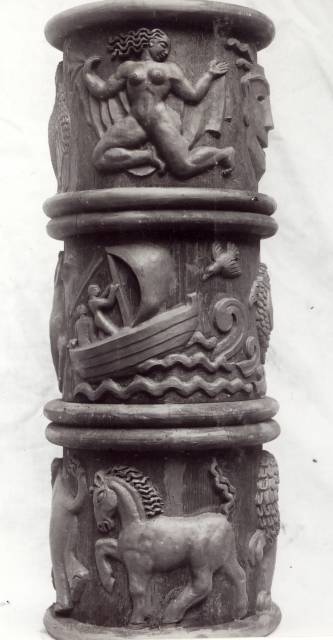
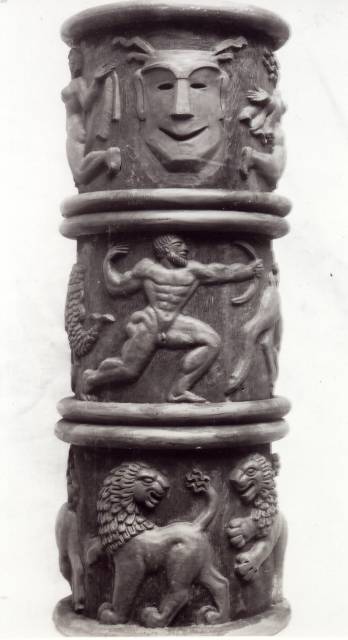
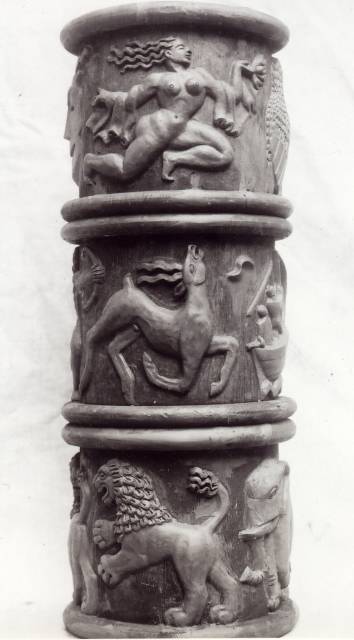
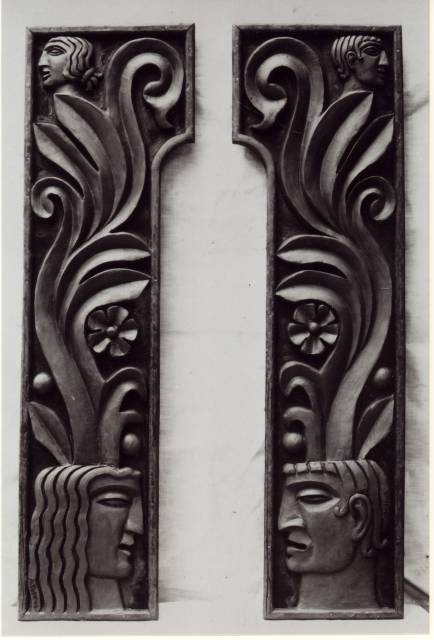
For the Paris exhibition Petrus created a number of decorative castings for Näfveqvarns Bruk. They included columns at the entrance to the pavilion and door-frame decorations commissioned by the architect Carl Bergsten.
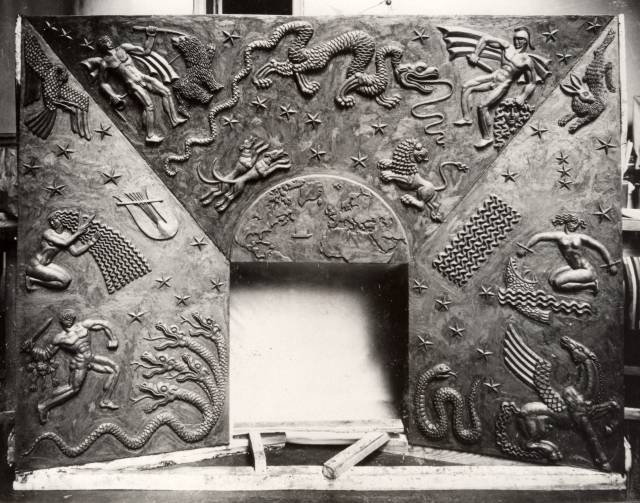
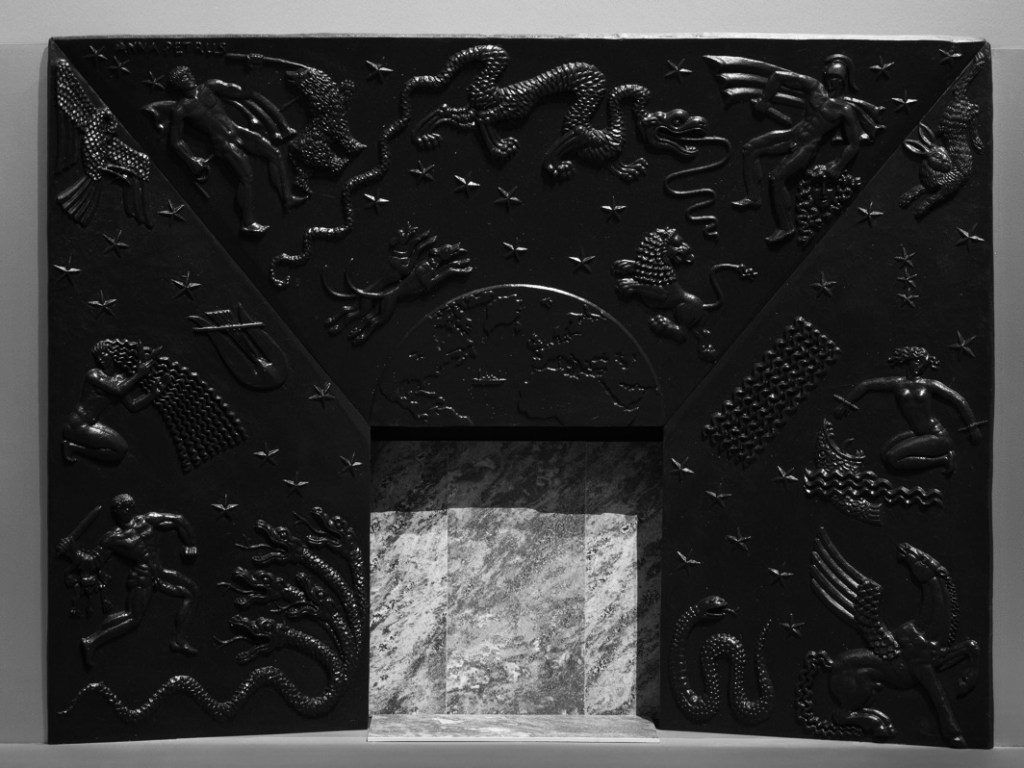
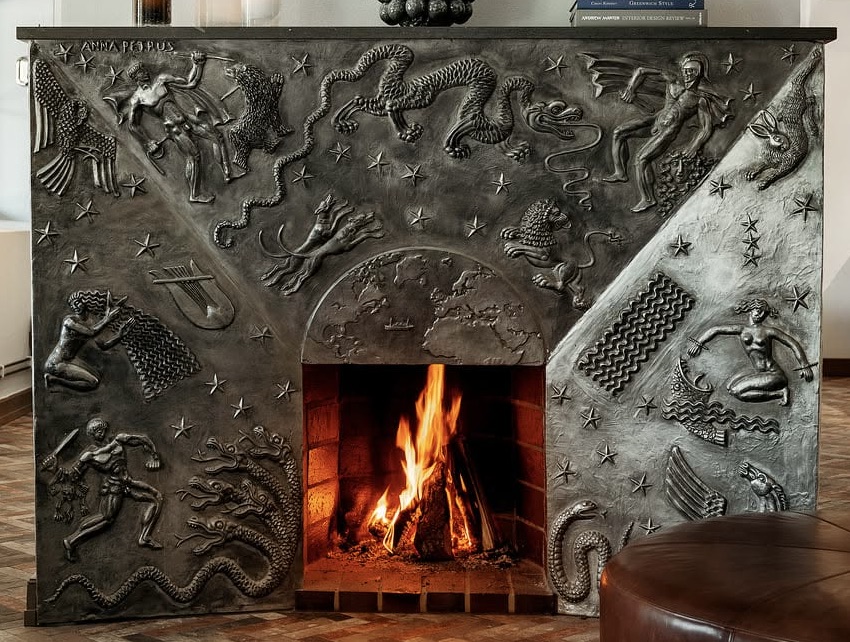
Petrus, some years later, also designed the Art Déco-inspired fireplace in the smoking room of the ocean liner M/S Kungsholm in 1928.
Anna Petrus’ work was later featured in important exhibitions in New York, Chicago and Stockholm, cementing her reputation as a leading designer of her generation.
It is a man’s world
What perhaps made Anna Petrus particularly and unusually remarkable was her willingness to work in fields largely dominated by men. While many other female designers of the period focused on textiles or ceramics, Anna Petrus embraced heavy materials such as cast iron. Through this she came to develop her very own powerful visual language. A design language that combined strength, craftsmanship and elegance.
Anna Petrus’ work challenged assumptions about both art and gender and left a lasting impact on Scandinavian design. Her productive artistic period was, however, relatively brief. She withdrew from creative artwork already in 1930.
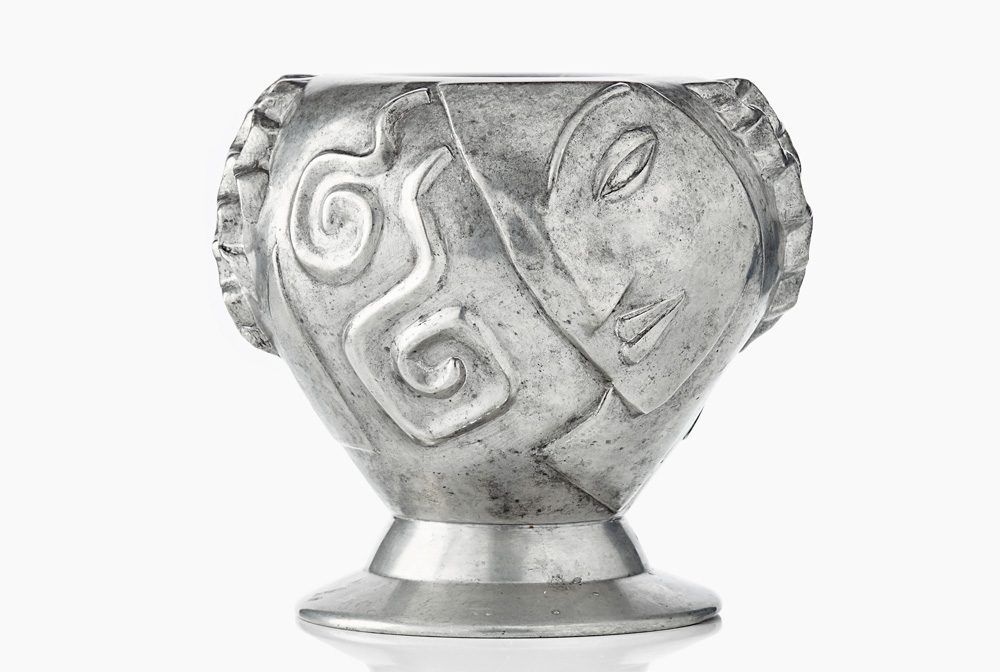
All photos are picked up at various auction sites if nothing else is stated.
©SlowClapStories

Originally published on Substack at Swedish Grace. Read the newsletter here.


You must be logged in to post a comment.