Favorite de-lovely buildings, part II of III
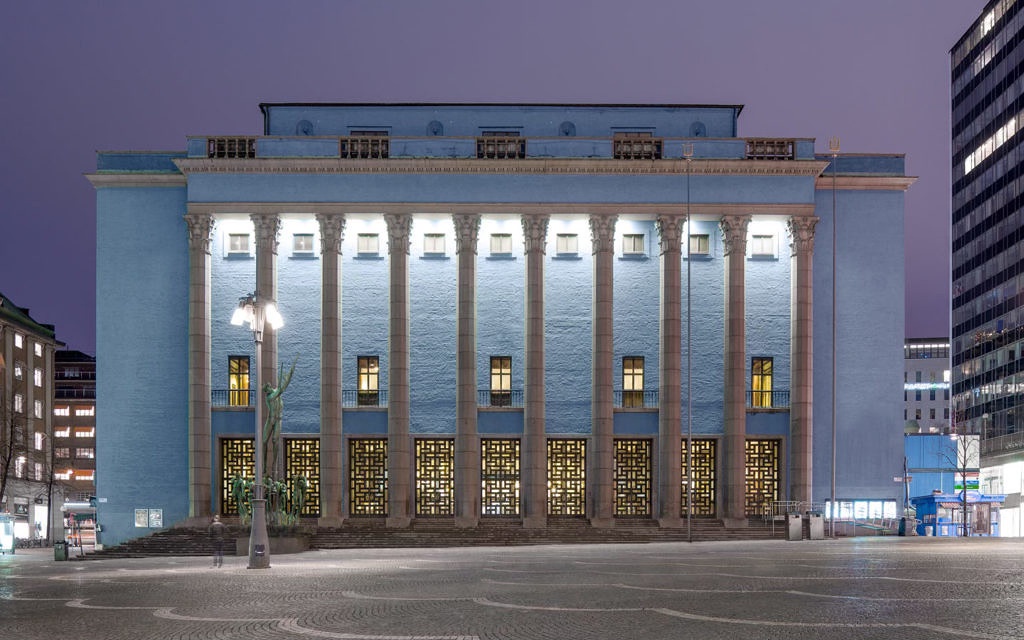
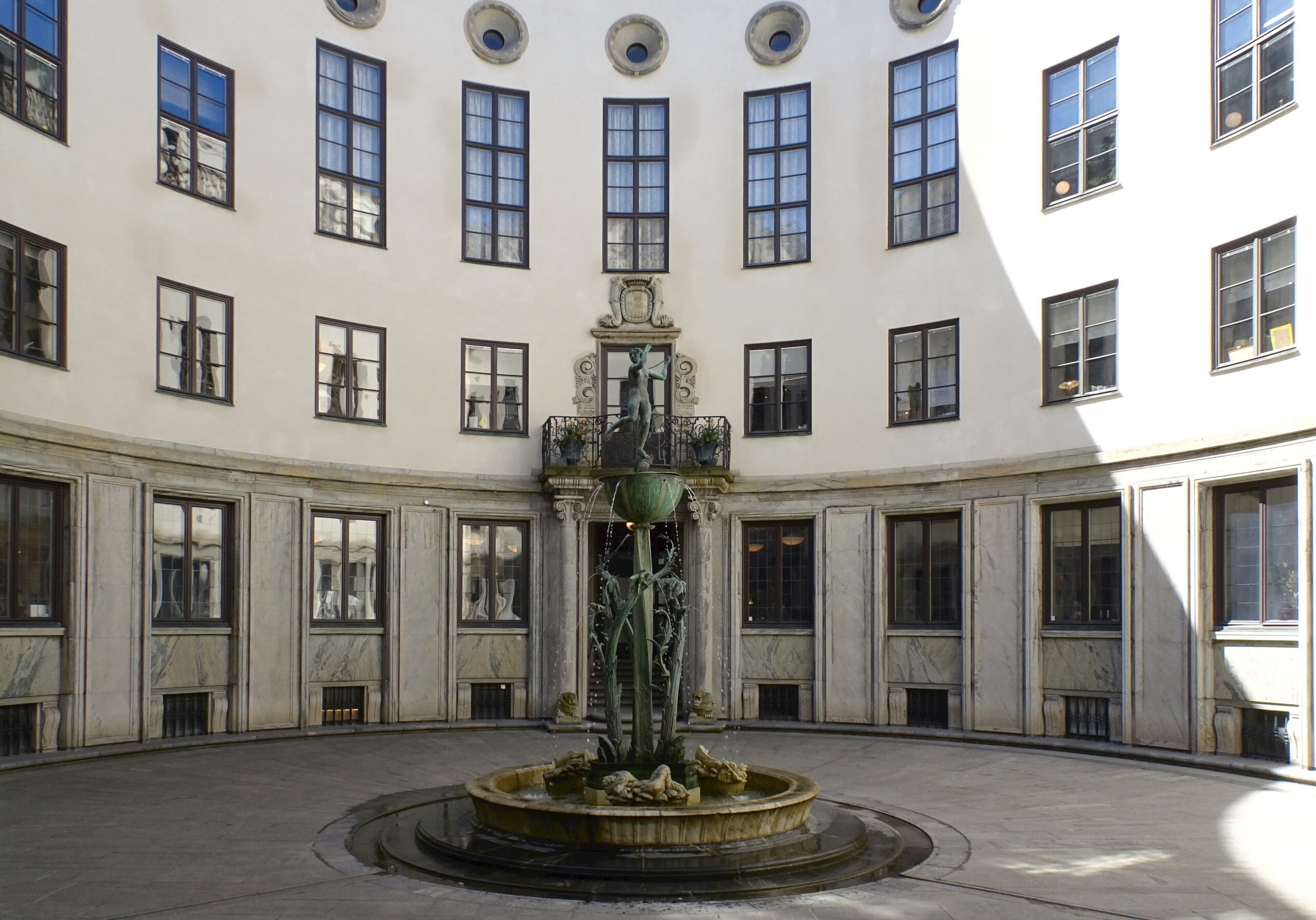
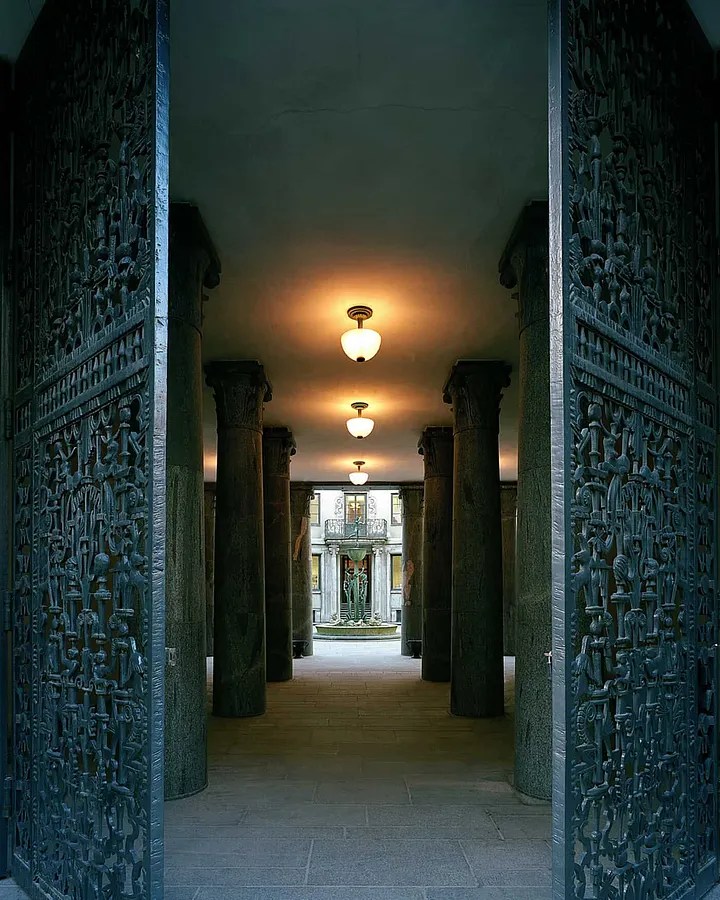
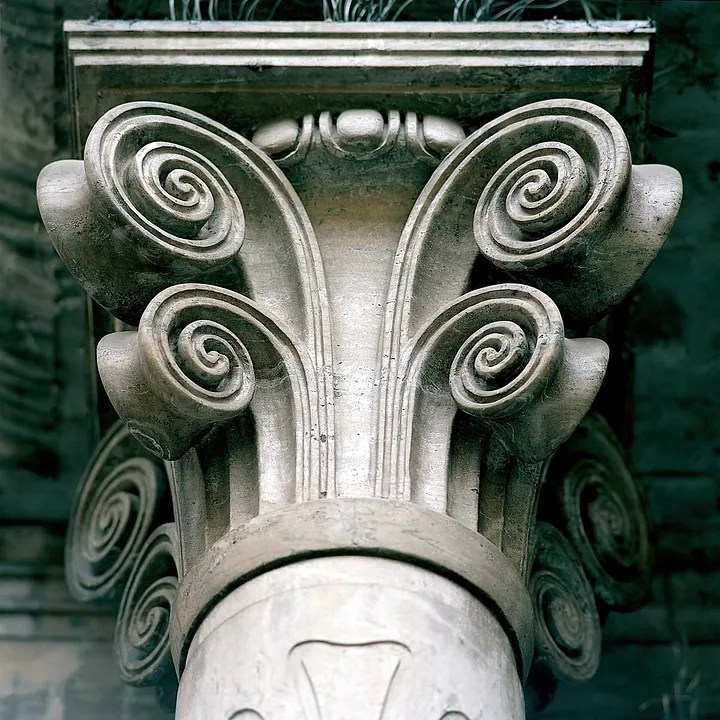
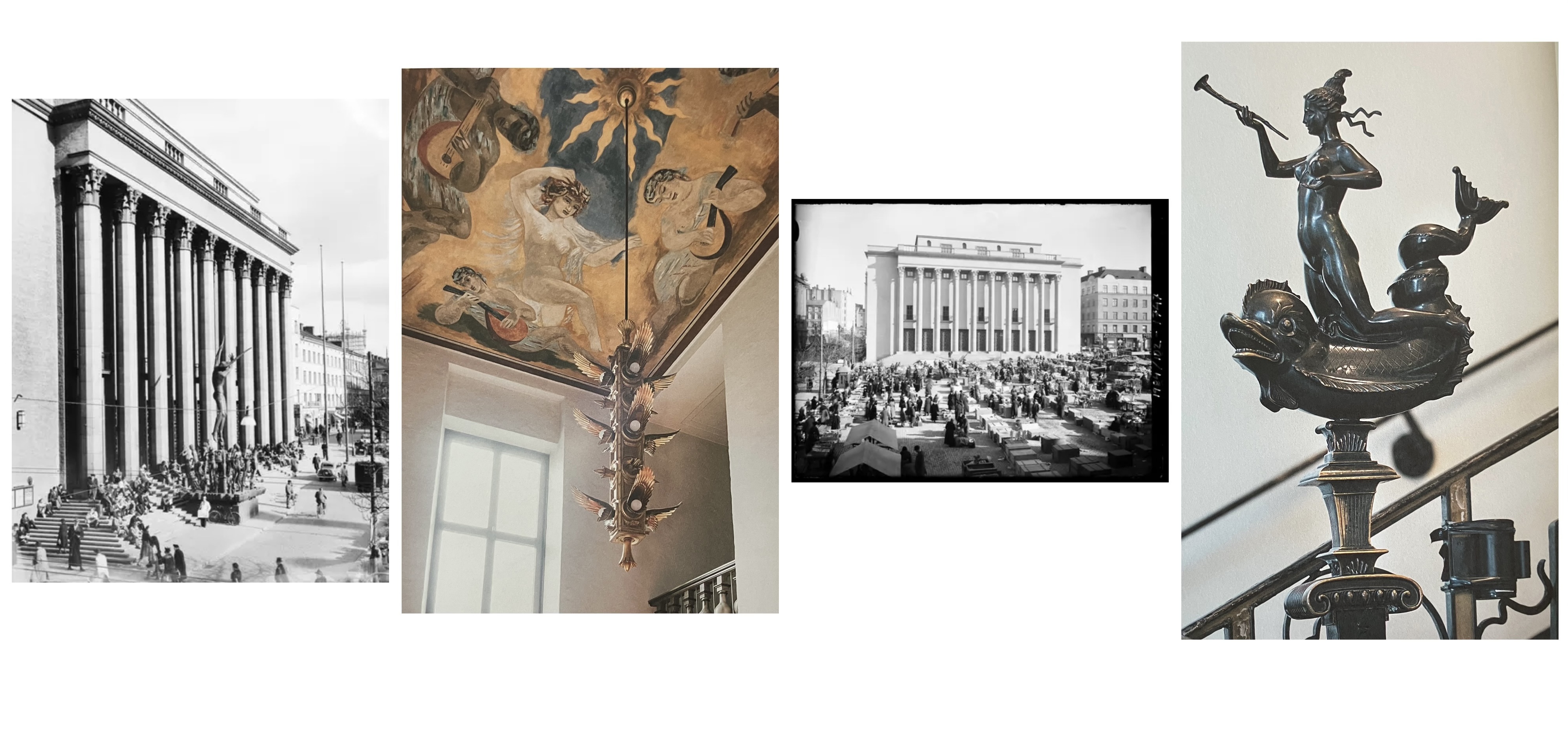
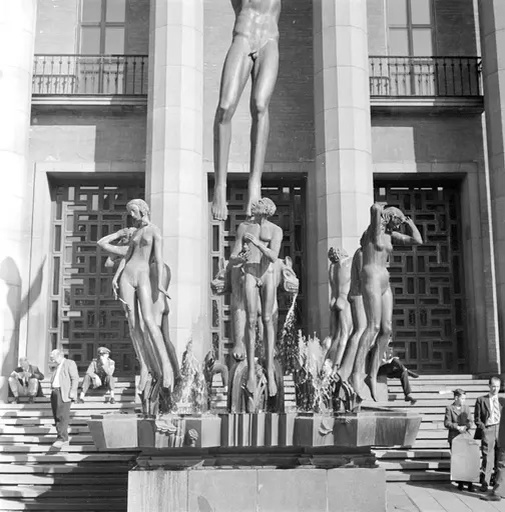
The architect Ivar Tengbom left a mark on Stockholm that is impossible to miss. Just take a look at the Concert Hall the Matchstick Palace below.
The architect
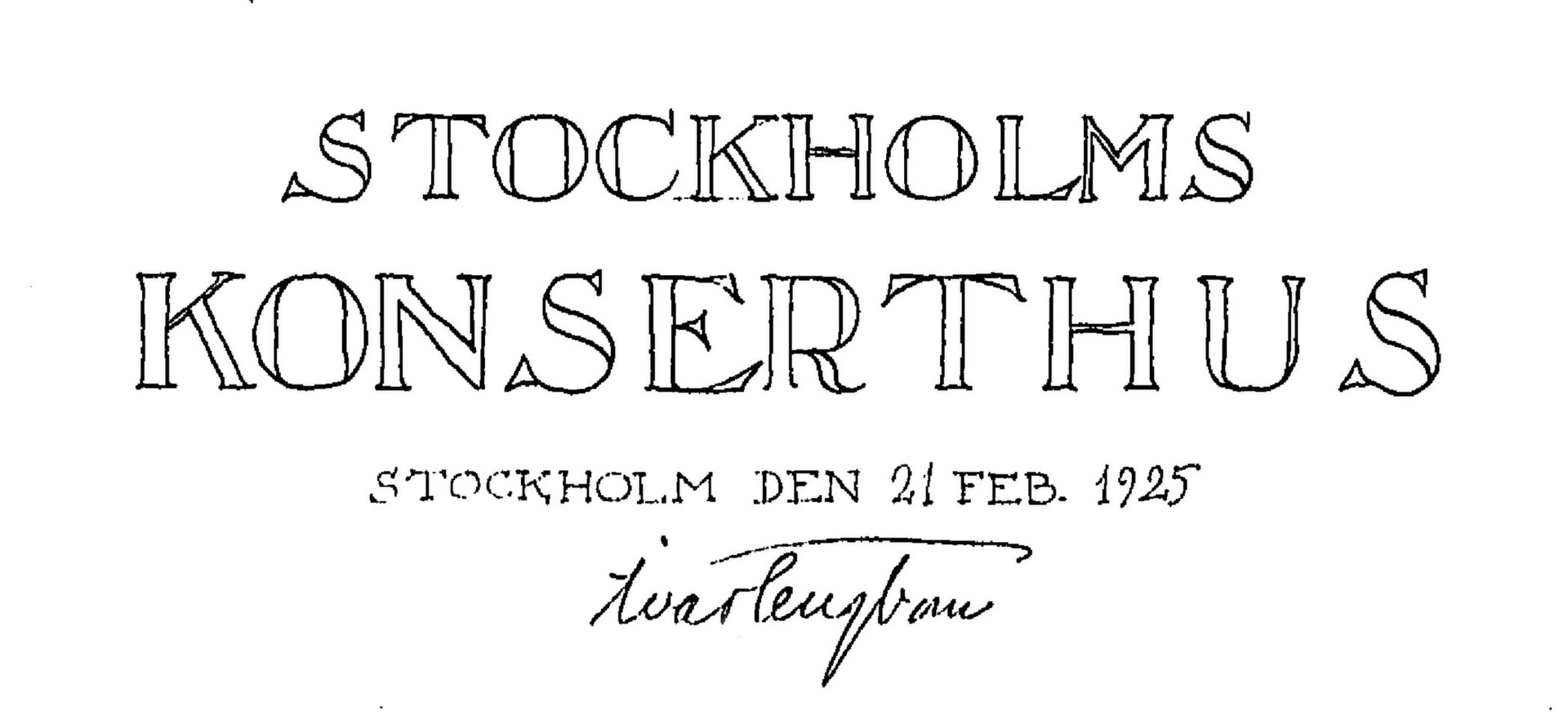
Ivar Tengbom (1878–1968) is one of Sweden’s most influential architects of the first half of the 20th century. Two of his best-known works – dare one call them iconic? – are the Concert Hall (Konserthuset Stockholm) and the Matchstick Palace (Tändstickspalatset) in Stockholm.
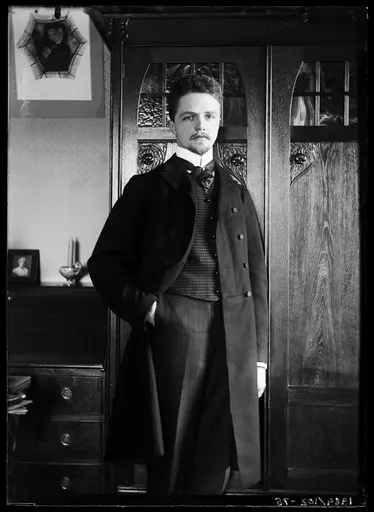
Tengbom co-founded the architecture firm Tengbom & Torulf in 1906 together with Ernst Torulf (one of the oldest continuously active architecture firms in the world) and built his reputation on a rare ability to perfectly and beautifully combine classicism with modernism.
But by the early 1930s Ivar Tengbom found himself drawn toward and embraced, like his colleague Gunnar Asplund, a leaner, increasingly austere and more uncompromising functionalism. A shift visible in the clean, unsentimental lines of the Esselte Building (Esselte-huset) and the City Palace (Citypalatset).
A modern nation emerges
In addition to the buildings mentioned above, Tengbom also designed the Högalid Church in Stockholm and a range of banks, schools, and public buildings across the Sweden. The architectural answer to a solid, unpretentious infrastructure of a modernistic nation.
One of Ivar Tengbom’s last major works was the Bonnier Building (Bonnierhuset) in Stockholm, designed by Tengbom in collaboration with his son Anders Tengbom. Completed in 1949 the design had been done already in 1937 in an architectural competition but the war intervened and Stockholm would have to wait.
Concert Hall
Swedish Grace, came about in a turbulent era. In the aftermath of the First World War, Europe stood at a crossroads, scarred by devastation yet electric with possibility. It was a period characterized by both uncertainty and optimism about the future. A hunger for renewal swept across the continent.
But while the vision was shared, the path forward was contested. The Modernists cast their gaze outward, championing mass production and a bold, international ideals while the Swedish Grace architects wanted to create modern through tradition and in doing so, they crafted something quietly radical, an aesthetic that was at once deeply rooted and unmistakably of its time.
The city of Stockholm, took this idea seriously and made it take concrete form in a series of public buildings during the 1920s. The City Hall was completed in 1923, the Concert Hall in 1926, and the City Library in 1928. The fact that these grand projects were carried out despite difficult economic times speaks volumes about the era’s high level of ambition.
Plans, plans , plans but still nothing
Discussions about a permanent concert hall for Stockholm had dragged on for decades before an architectural competition was finally announced in 1920. In 1920, an architectural competition was announced for the new building. The brief was pragmatic: a larger and a smaller hall, with commercial premises to help cover the costs.
Thirty-four entries came in and when the jury met in January 1921, it could not separate the two strongest. Tengbom’s entry “The Red Heart” and Erik Lallerstedt’s “The Wings” shared first prize. What broke the deadlock was Gunnar Asplund’s unequivocal support for Tengbom’s proposal – backed by a reworking of the acoustics – and the commission passed to Tengbom.
More than a music house
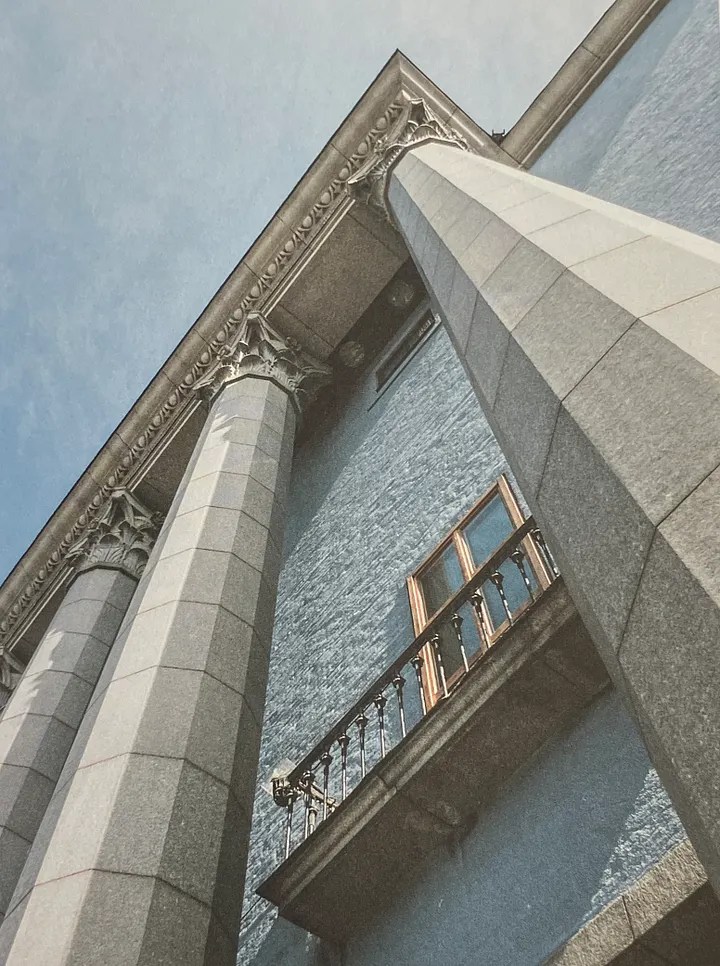
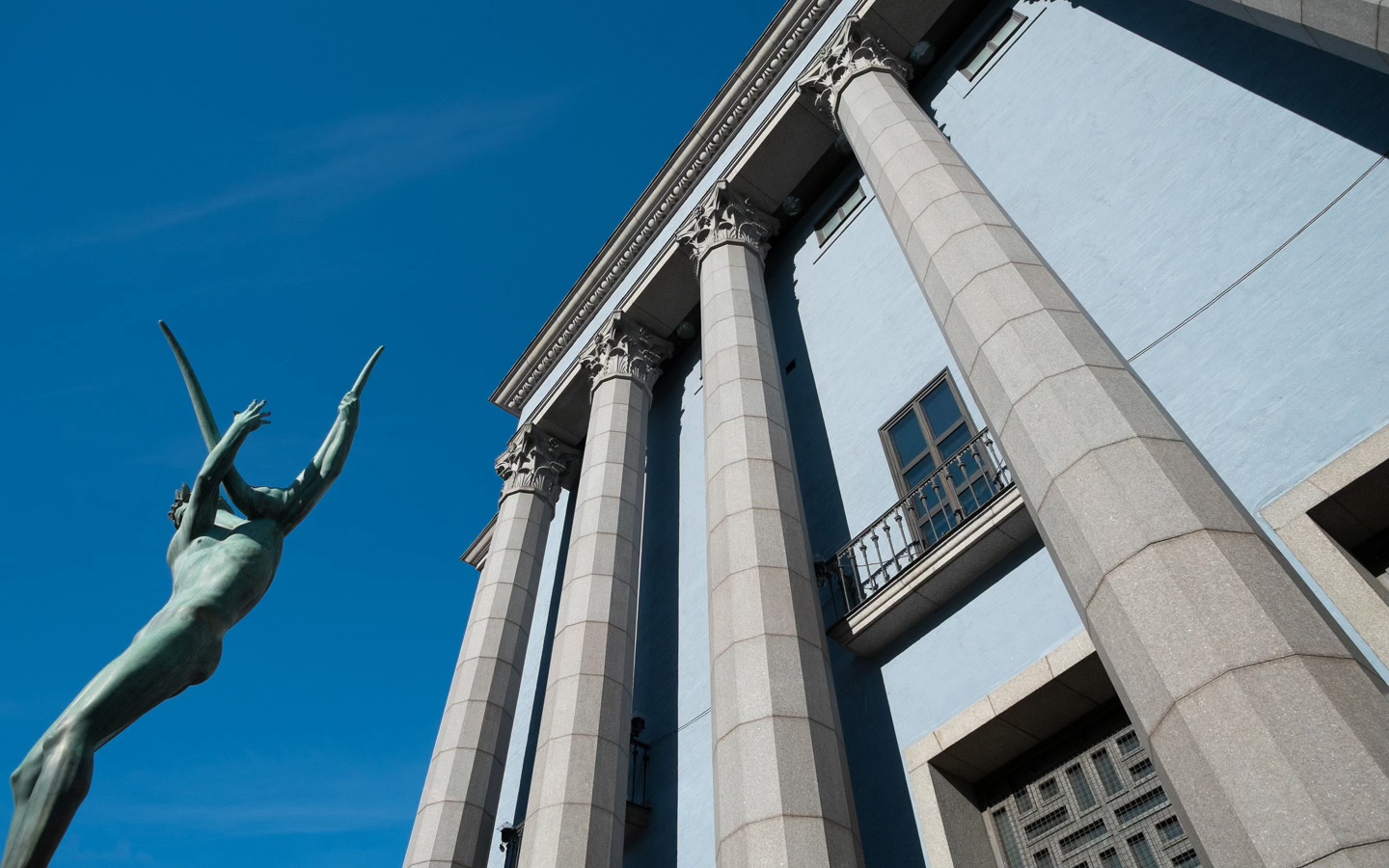
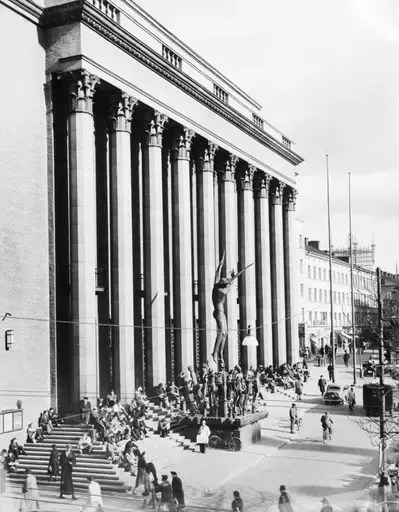
For its deep blue facade and colonnade facing the Haymarket (Hötorget), Ivar Tengbom looked to ancient Greece then filtered what he found through a Nordic lens, uniting the visual language of antiquity with modern simplicity. The result is one of the finest examples of Nordic Classicism, yet the proportions are free and the interpretation deeply personal.
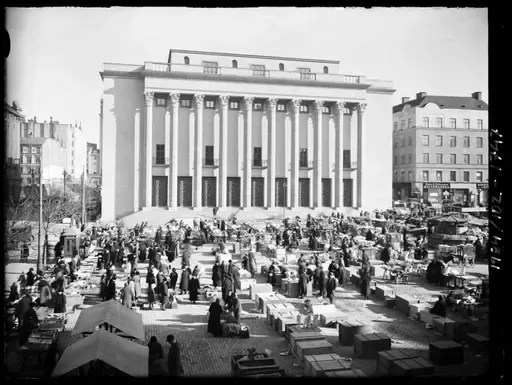
The Concert Hall has from the very start functioned almost as Stockholm’s “cultural house” in a very broad sense. Not just open for concerts but also for theatre, film screenings and for larger gatherings and association meetings. A home to the orchestra was its primary role, but in between rented out for external events.
Blue as the sky, light as music
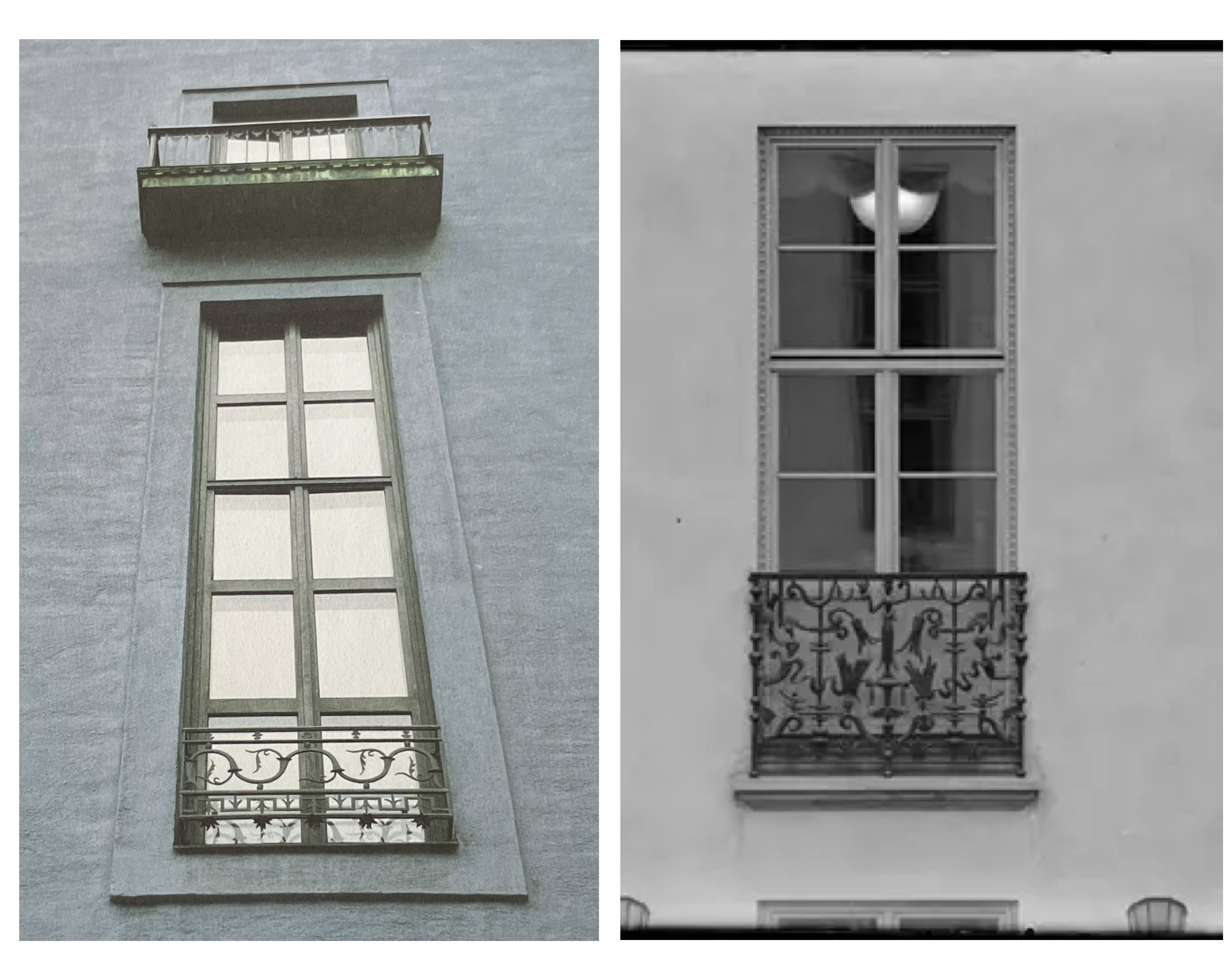
Ivar Tengbom chose the sky blues symbol for music and believed the color would give the building a sense of weightlessness, as if it were floating. The shade in question is known as coelin blue, derived from the Latin caelum, meaning sky. The color also accentuates the building within a surrounding environment of entirely different color palettes. It was the artist Isaac Grünewald (1889–1946) who helped Ivar Tengbom develop this precise shade.
Color problems
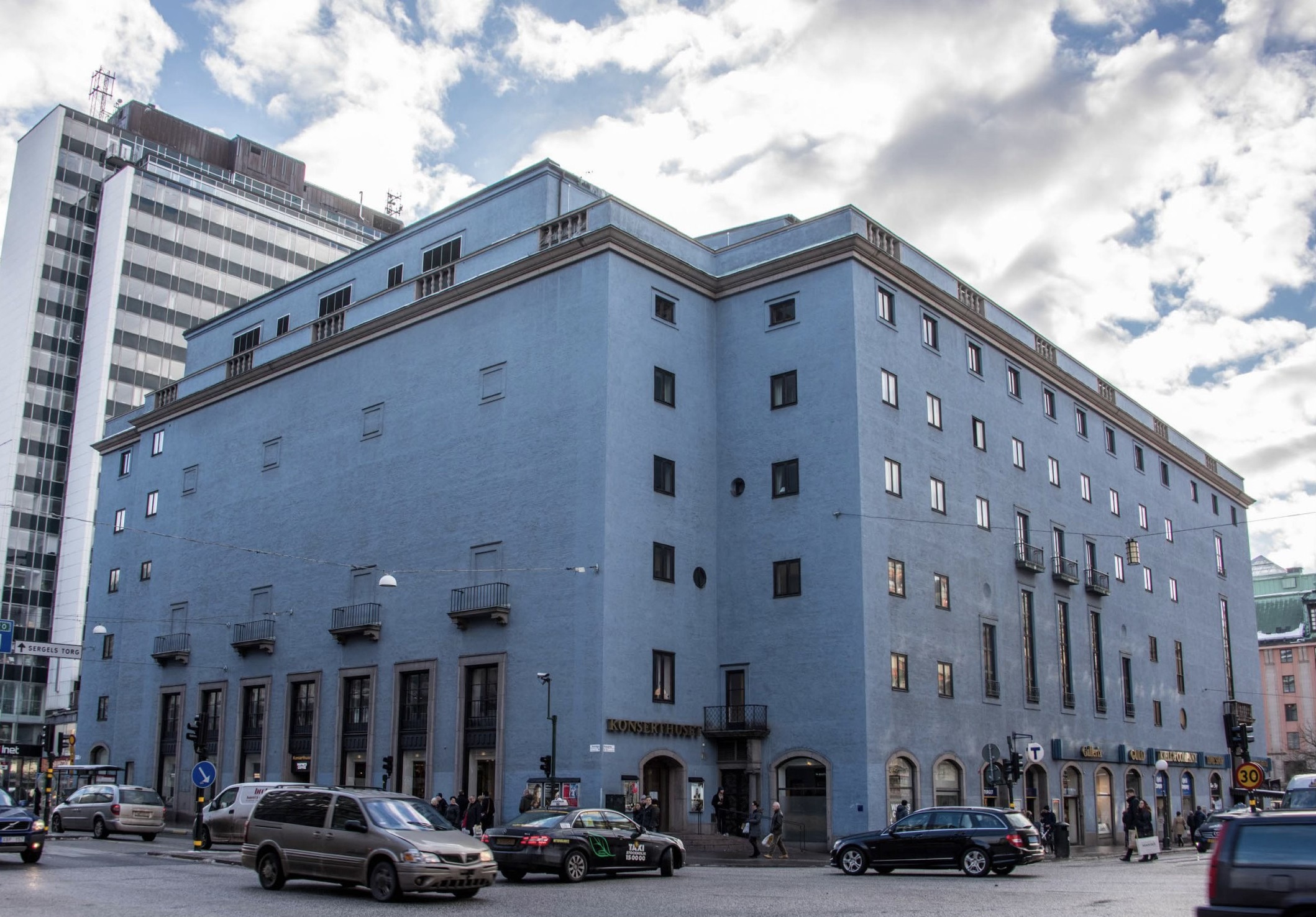
But the facade color came to cause a stir. A few years after the Concert Hall was completed something began to happen to the color. Most likely a chemical reaction with the underlying mortar caused the paint to deteriorate and the building gradually took on a browner hue.
During the renovation of 1971–73, the building was restored to its blue color, though in a somewhat paler shade than the originally chosen. It was not until 1997, during yet another repainting, that the Concert Hall was given a truer blue.
And then during the most recent facade renovation, carried out in 2025–26, a careful analysis was made to determine the exact shade of blue that would faithfully reflect the original vision.
Home to the Royal Stockholm Philharmonic
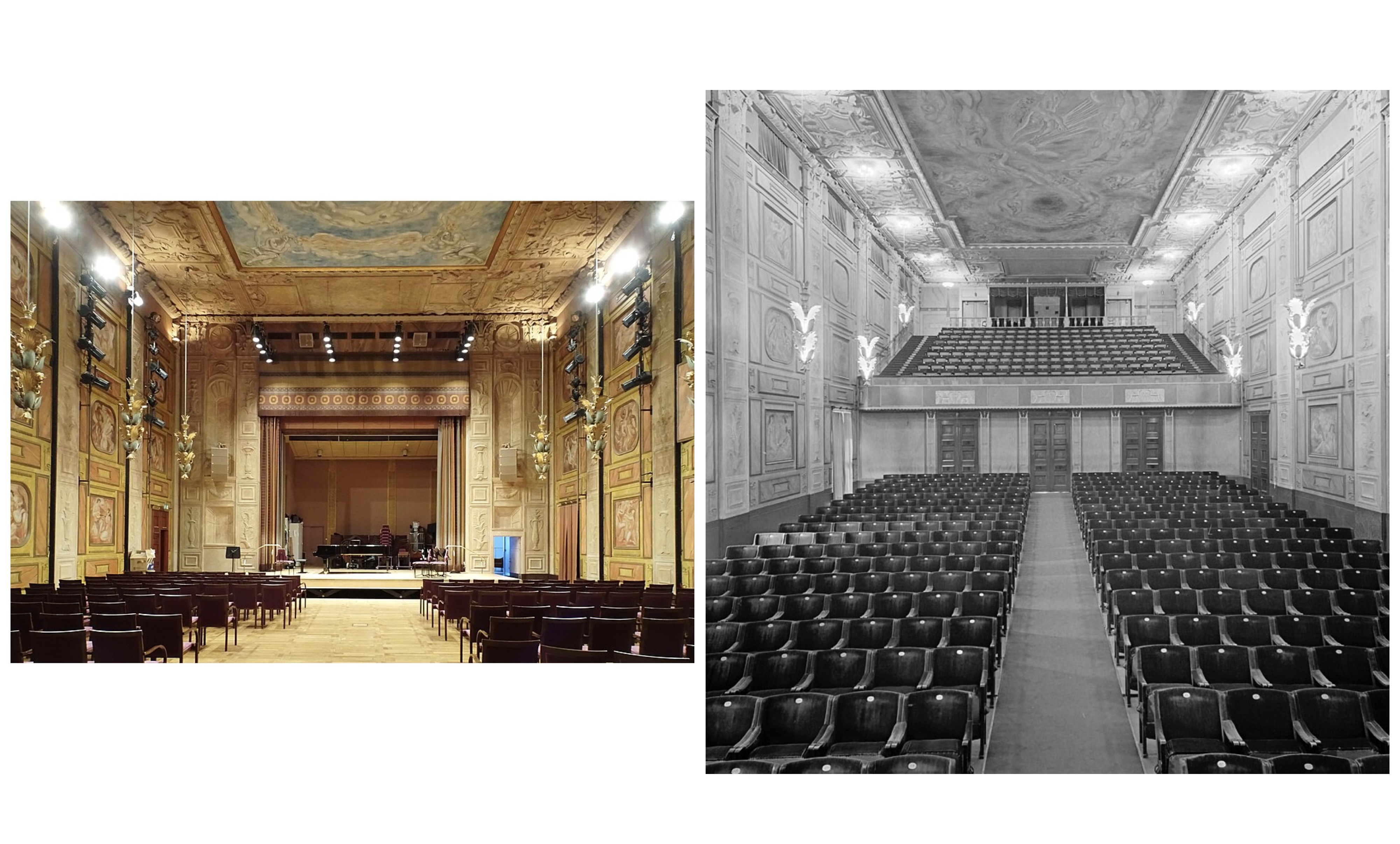
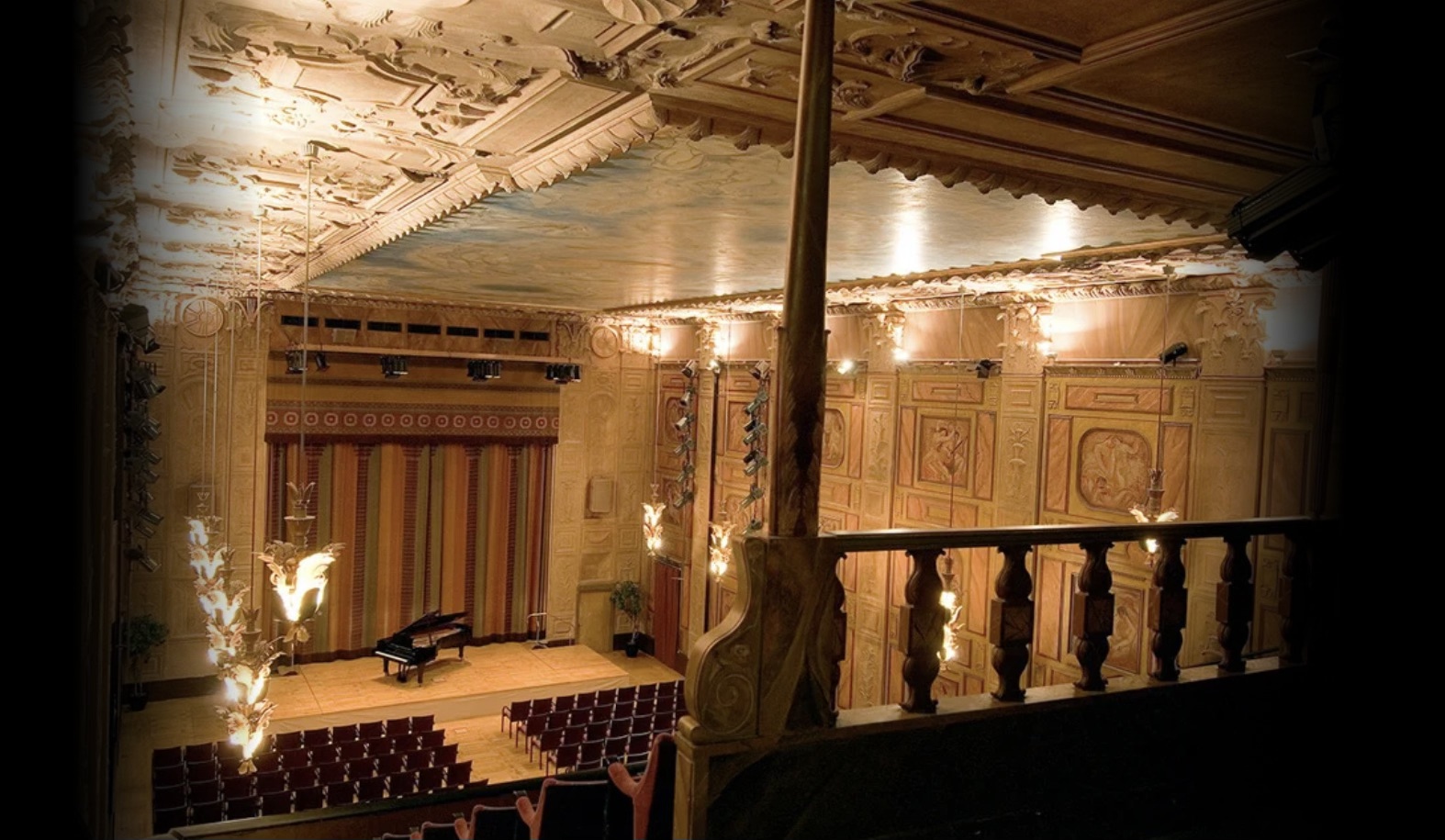
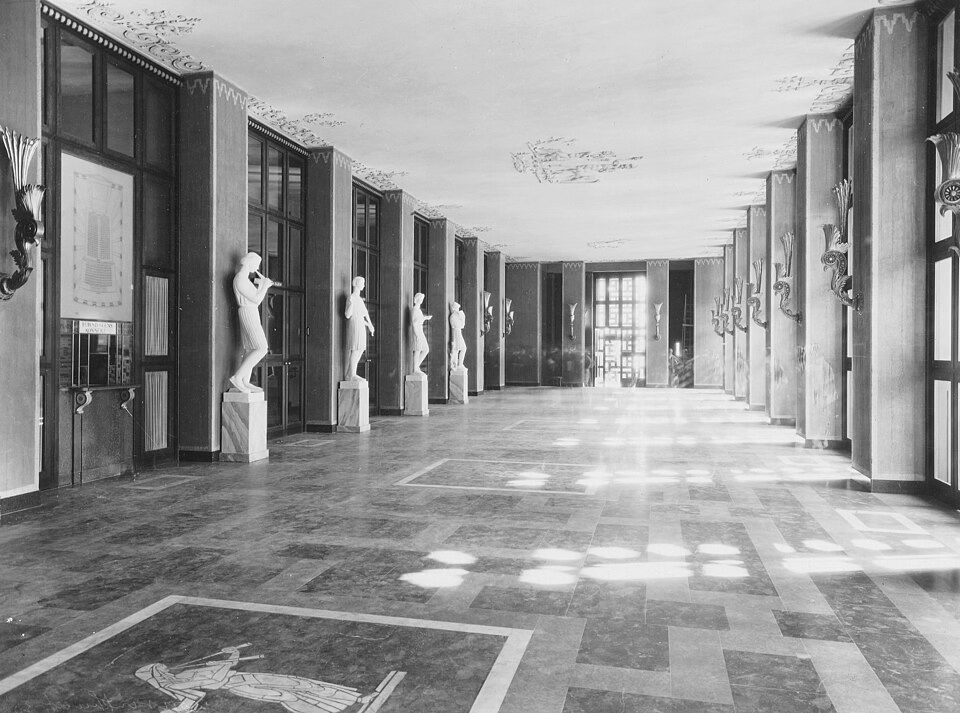
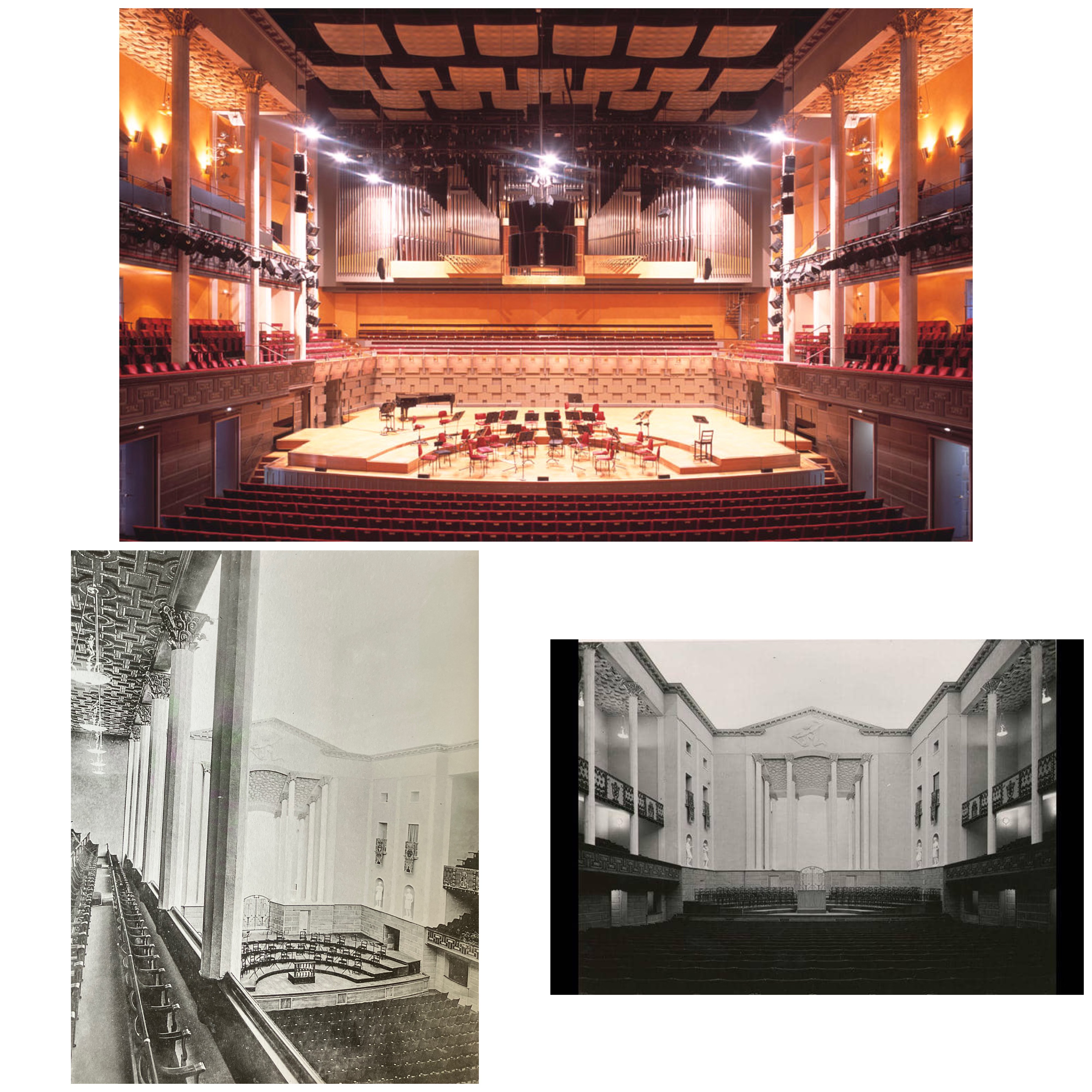
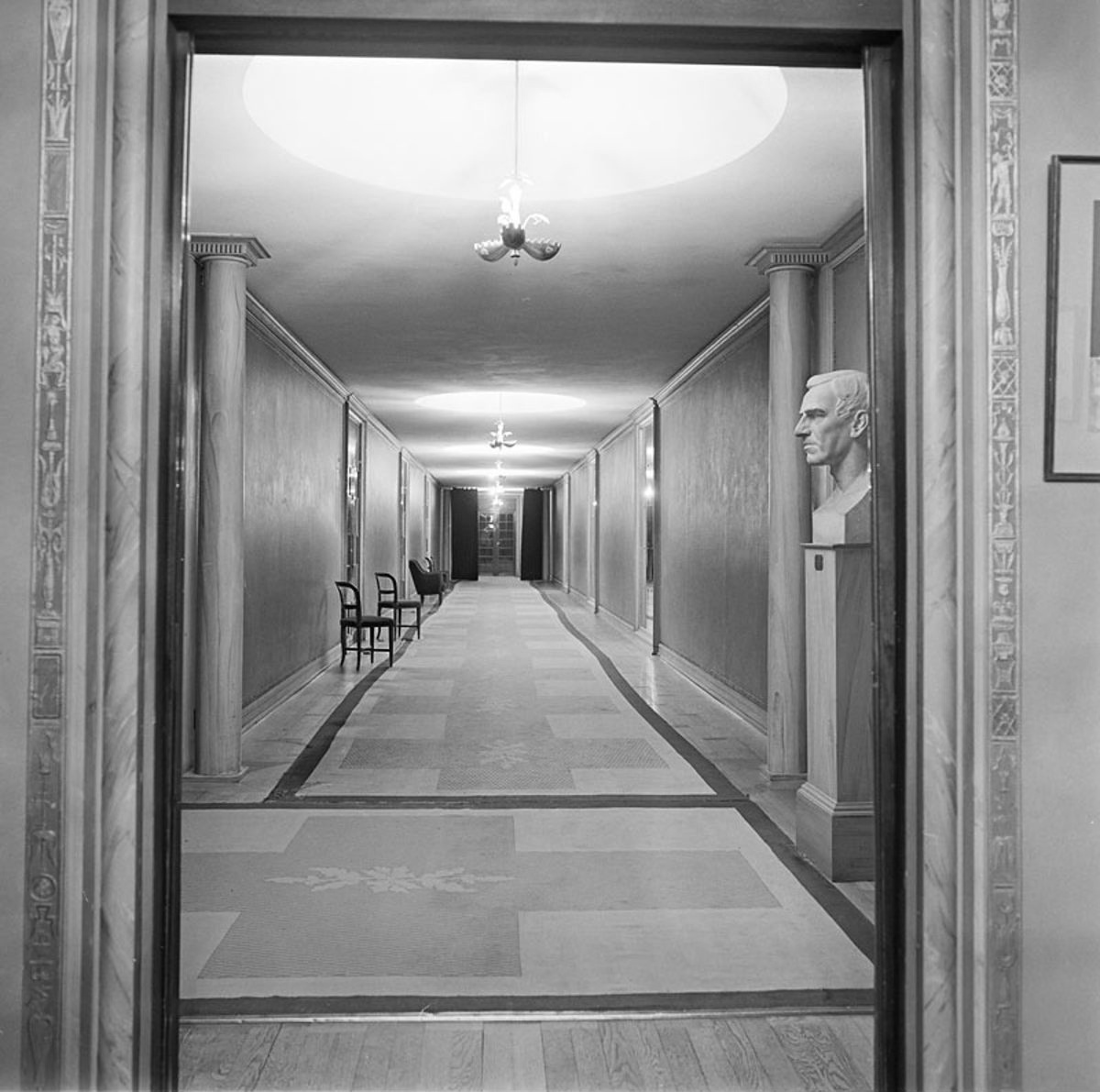
Inside, the great concert hall carries the same sense of proportion and quiet dignity as the exterior. Home to the Royal Stockholm Philharmonic since opening night April 7th 1926, it now earns its global fifteen minutes of fame each December, when the room is dressed for the Nobel Prize ceremony.
Swedish design ambition
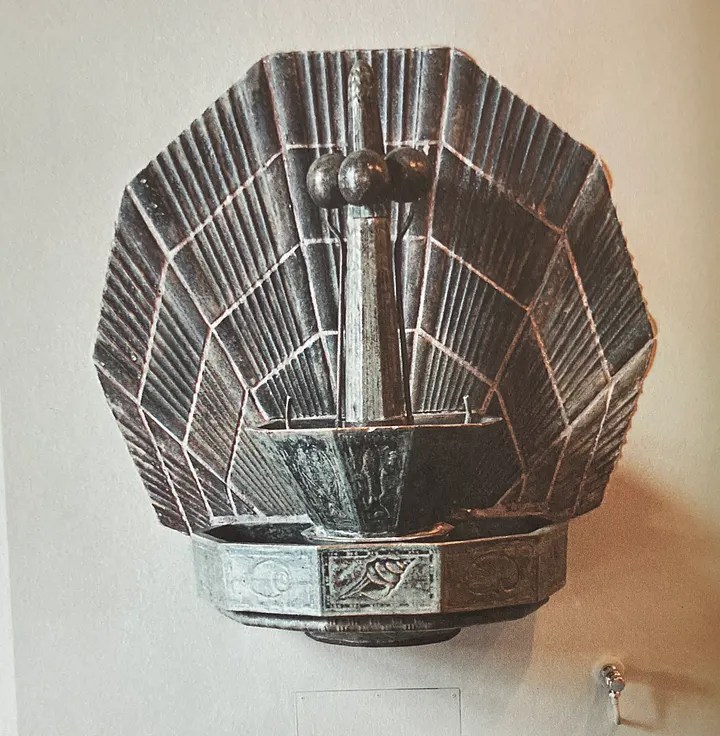
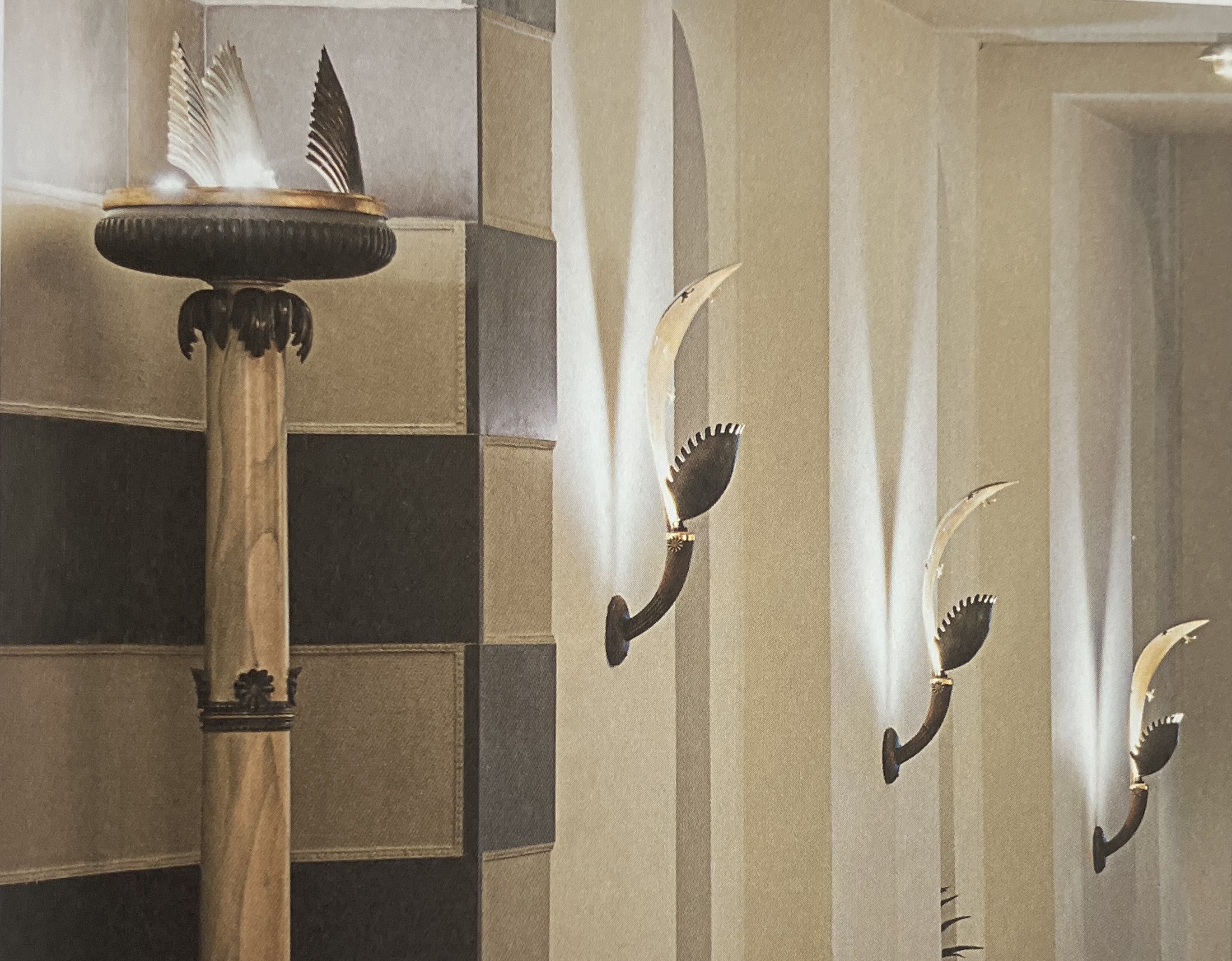
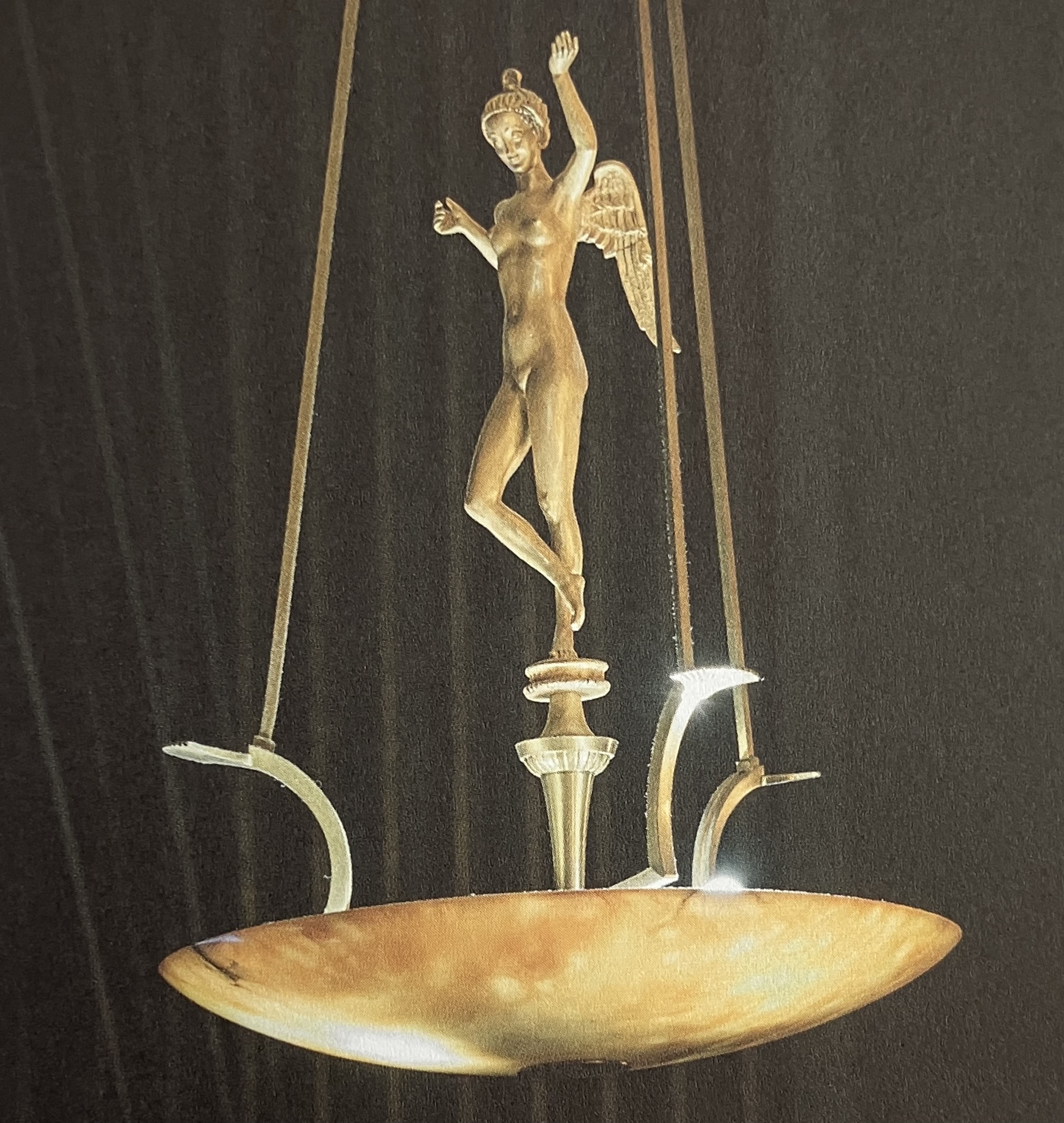
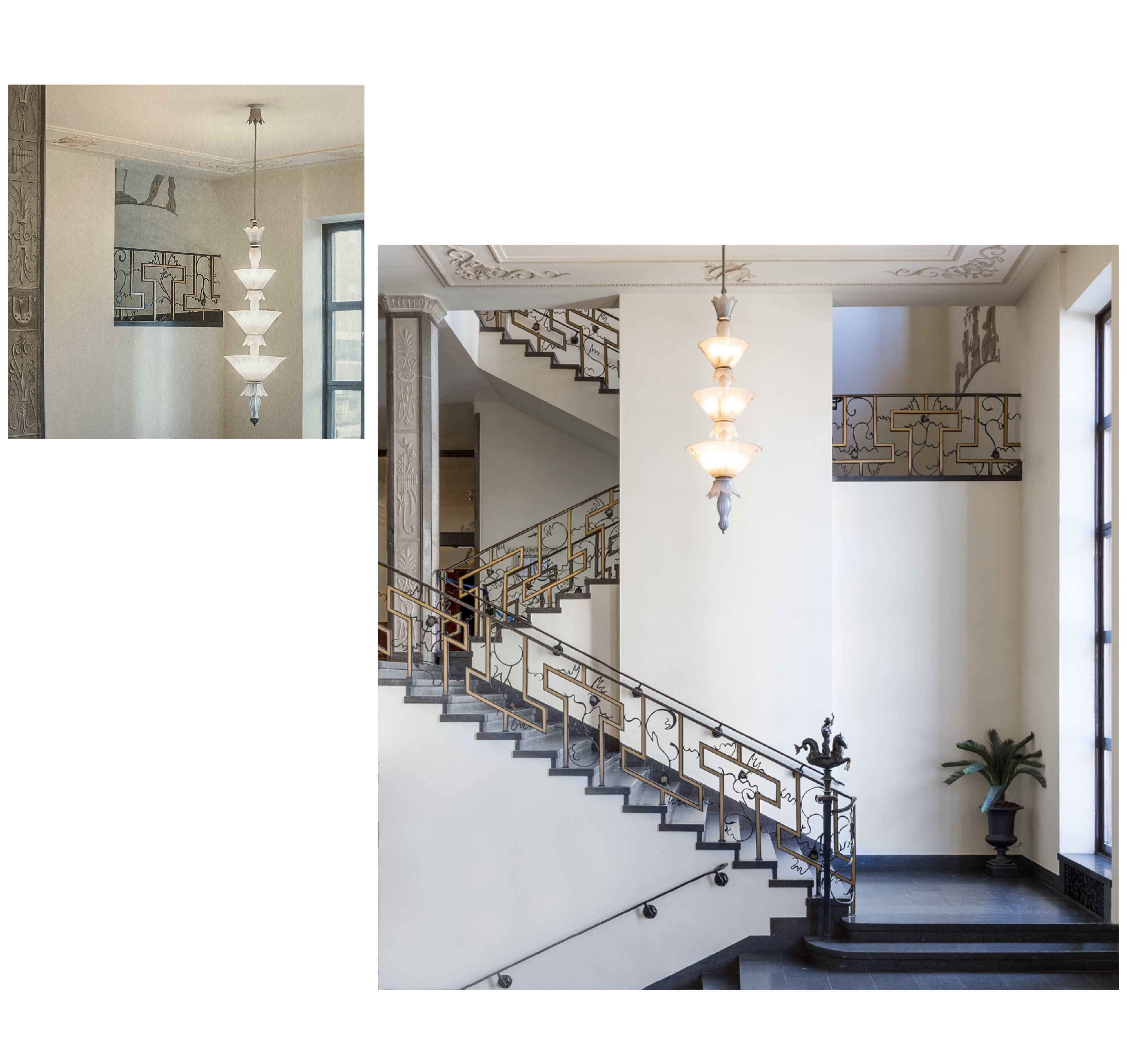
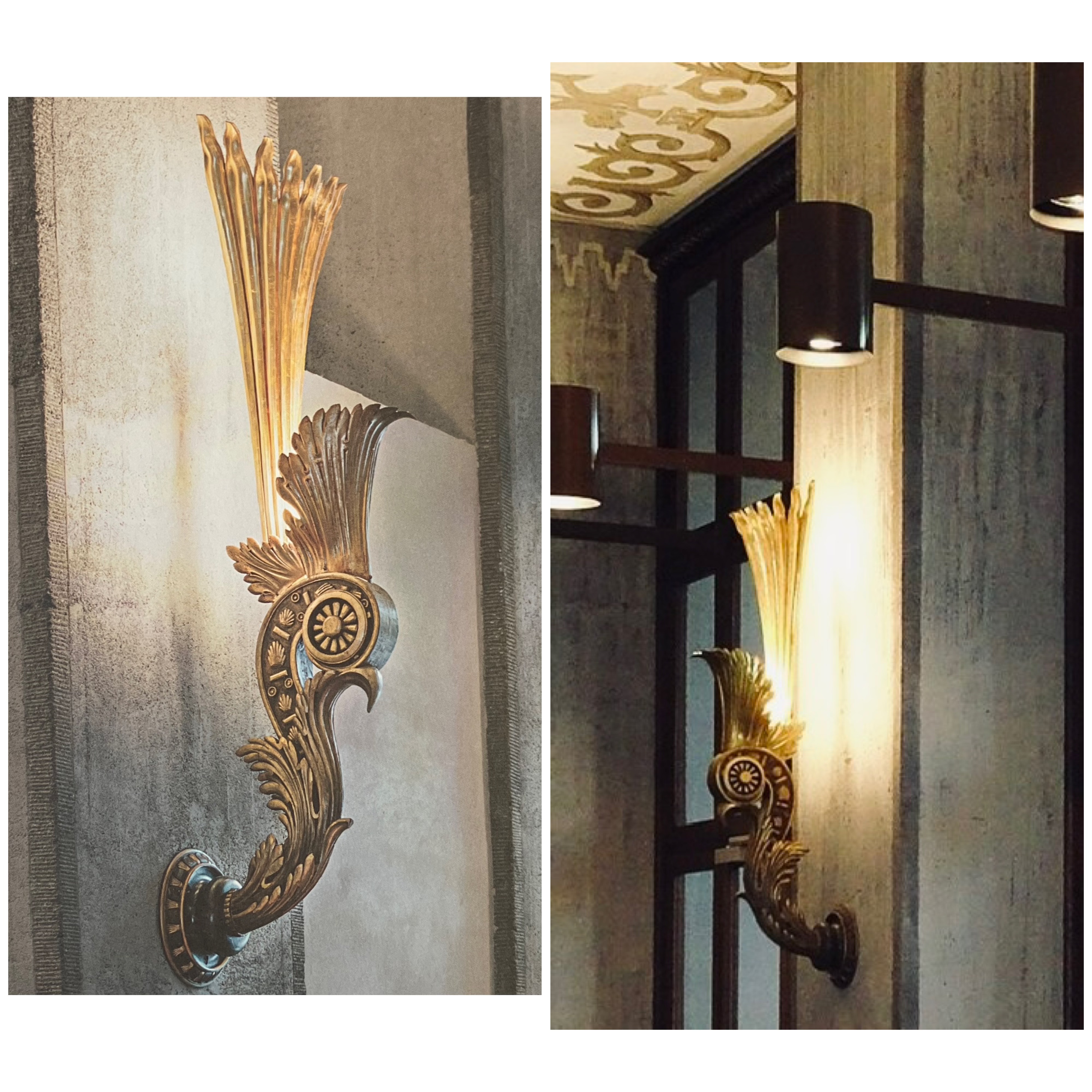
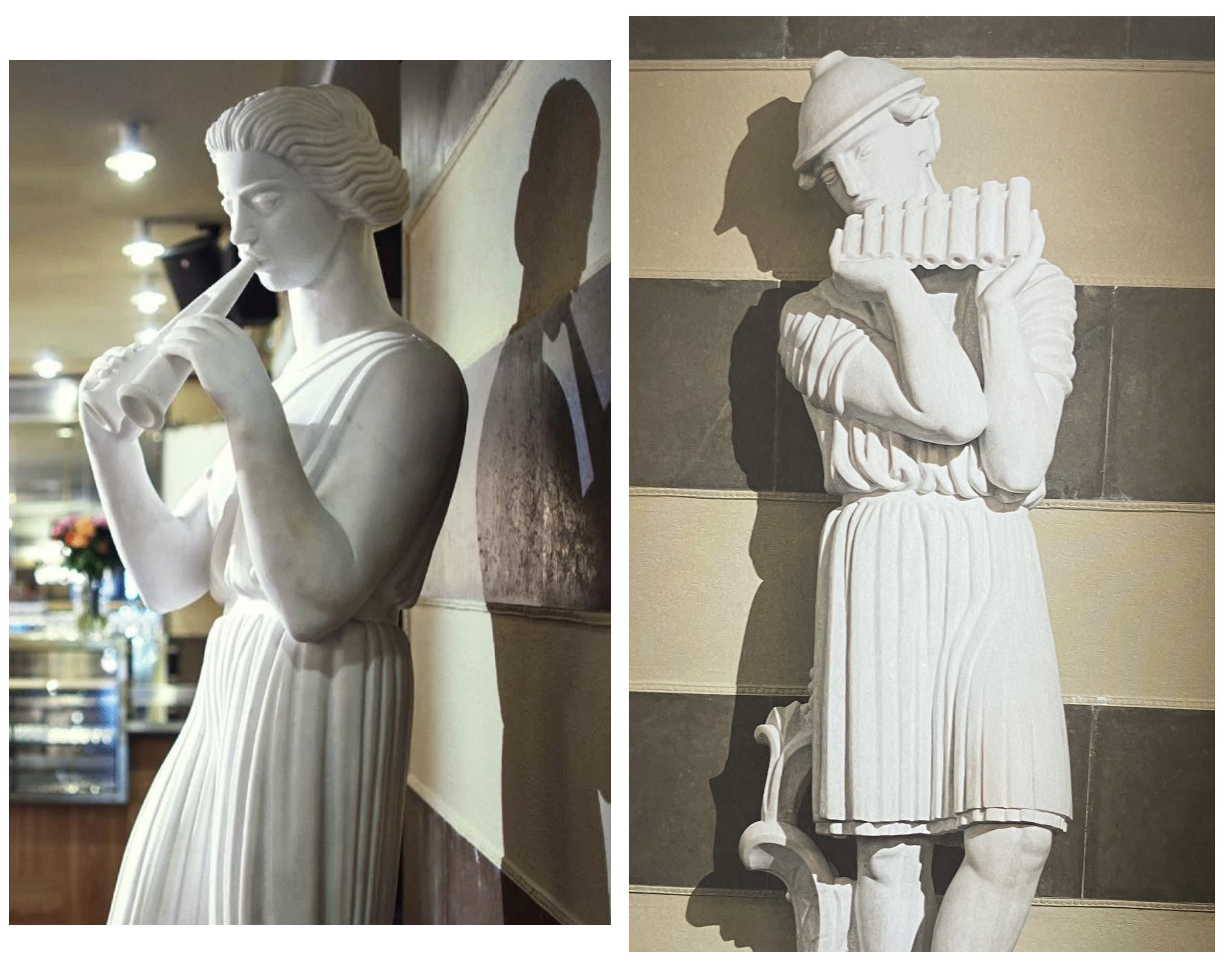
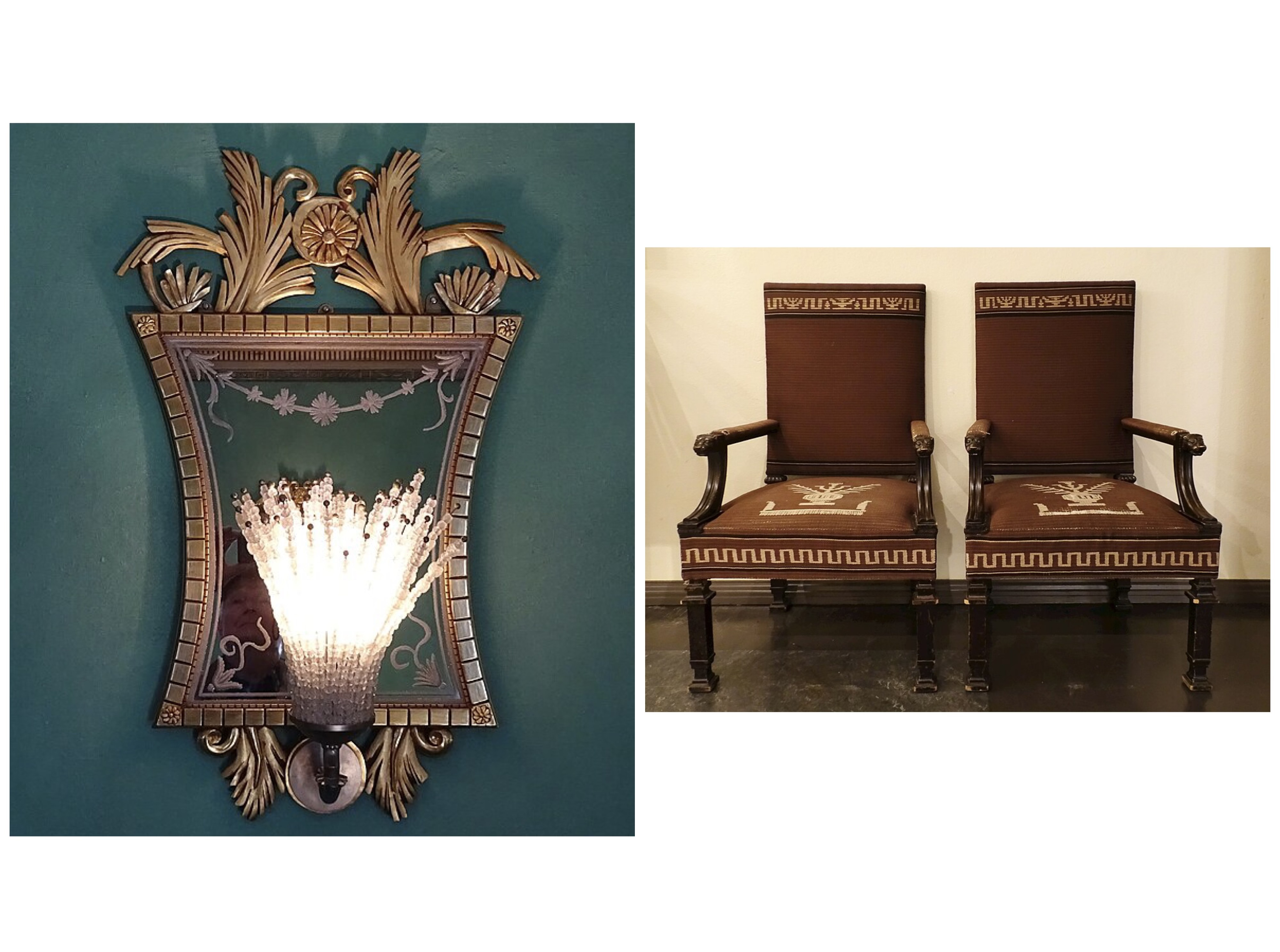
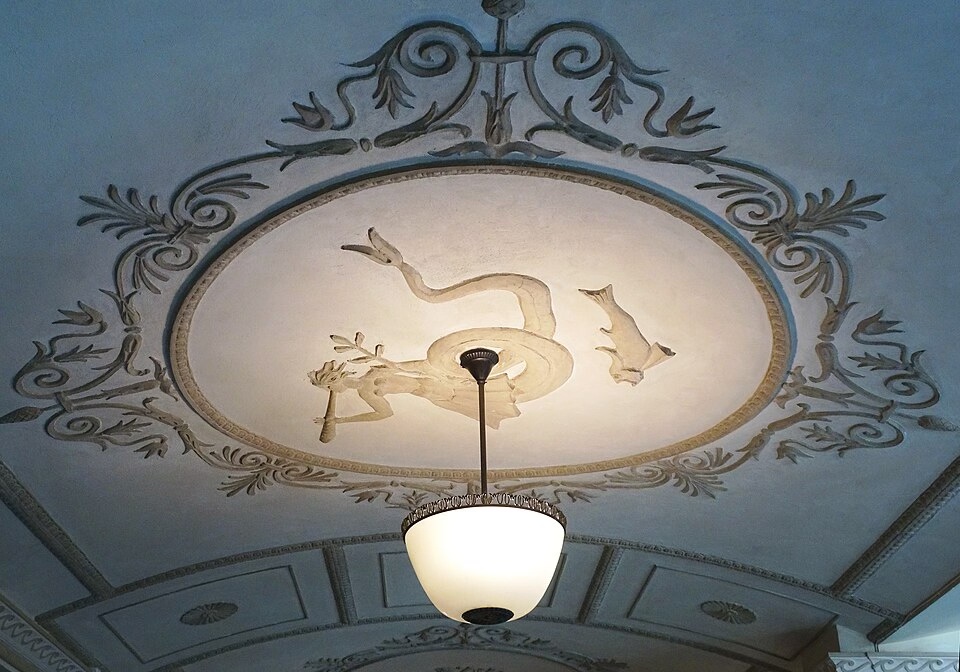
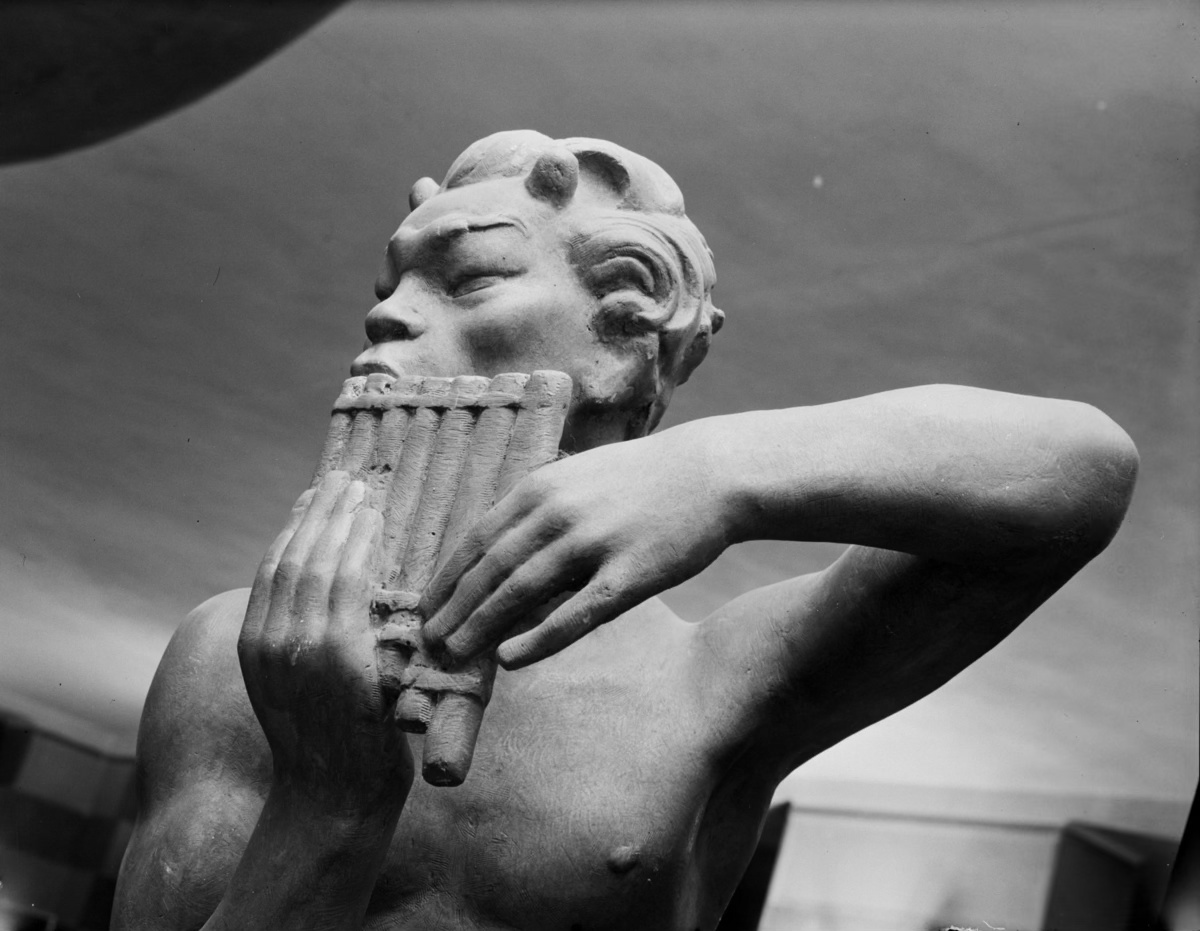
The design of the building was very much a collaborative effort. Tengbom brought in many of the leading artists and designers of the decade – amongst others Isaac Grünewald, Carl Milles, Einar Forseth, Simon Gate, Edward Hald, Ansgar Almqvist, Robert Hult, Carl Malmsten, Ewald Dahlskog, Elsa Gullberg, Olle Hjortzberg, Erik Jerken and Gustaf Cederwall – and the interior became a portrait of Swedish artistic ambition in the 1920s at its most confident.
When the Concert Hall opened alongside the PUB department store next door and built at the same time, the Concert Hall gave the Haymarket (Hötorget) outside an entirely new face. A new Stockholm destination had been born.
Matchstick Palace
The Kreuger story
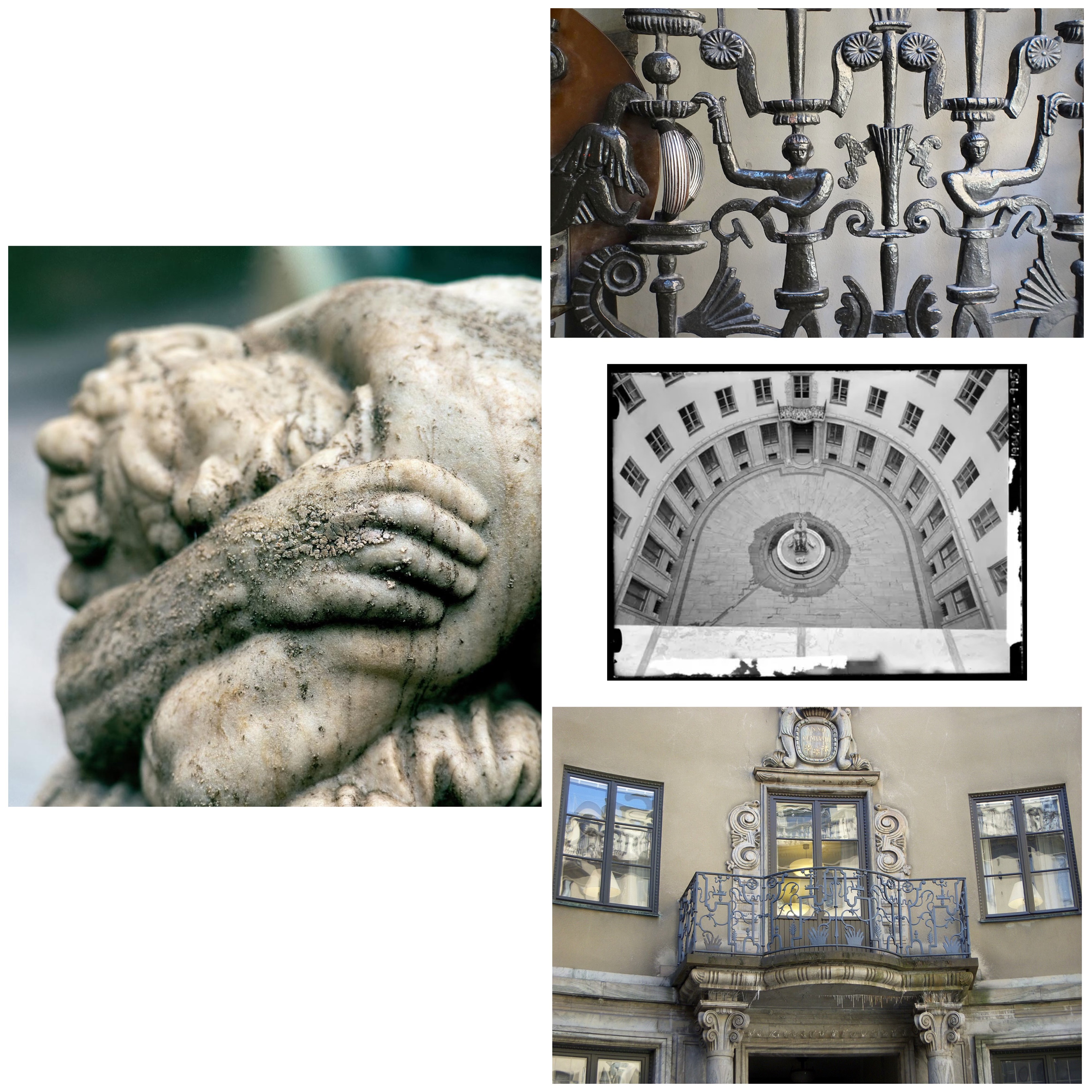
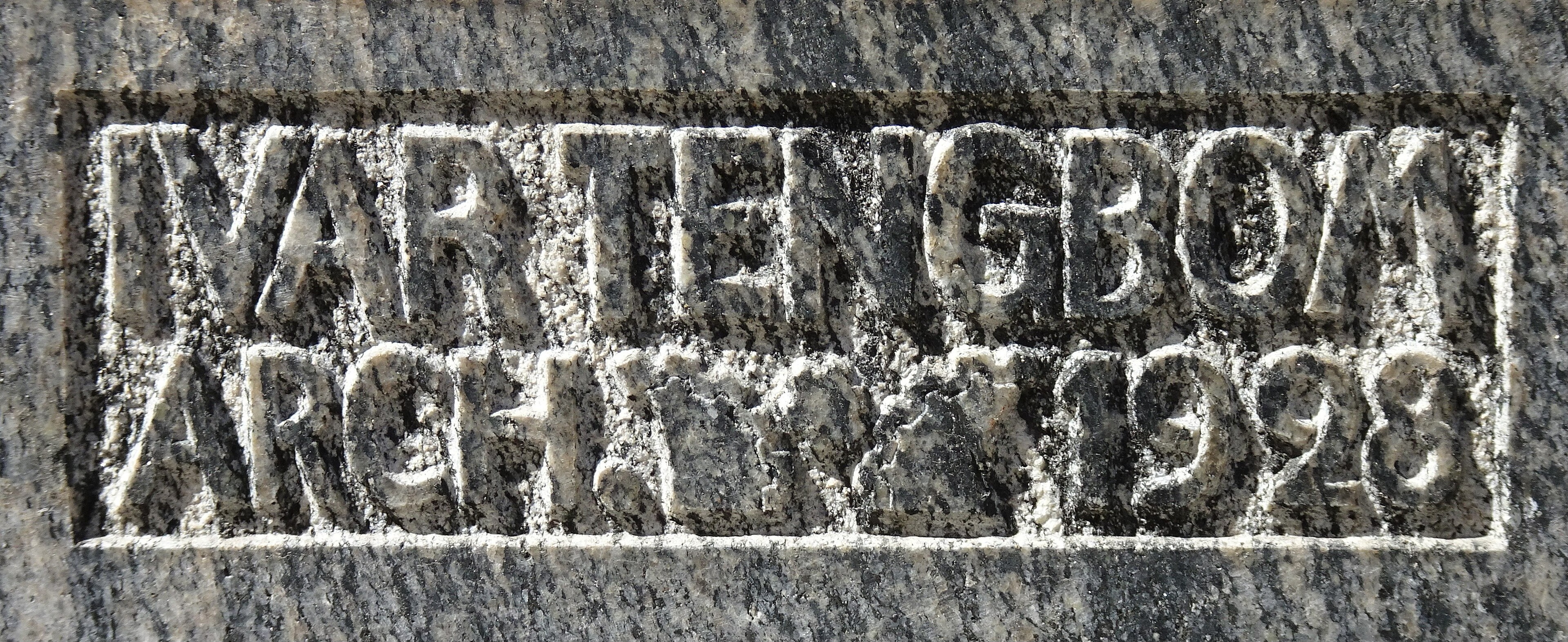
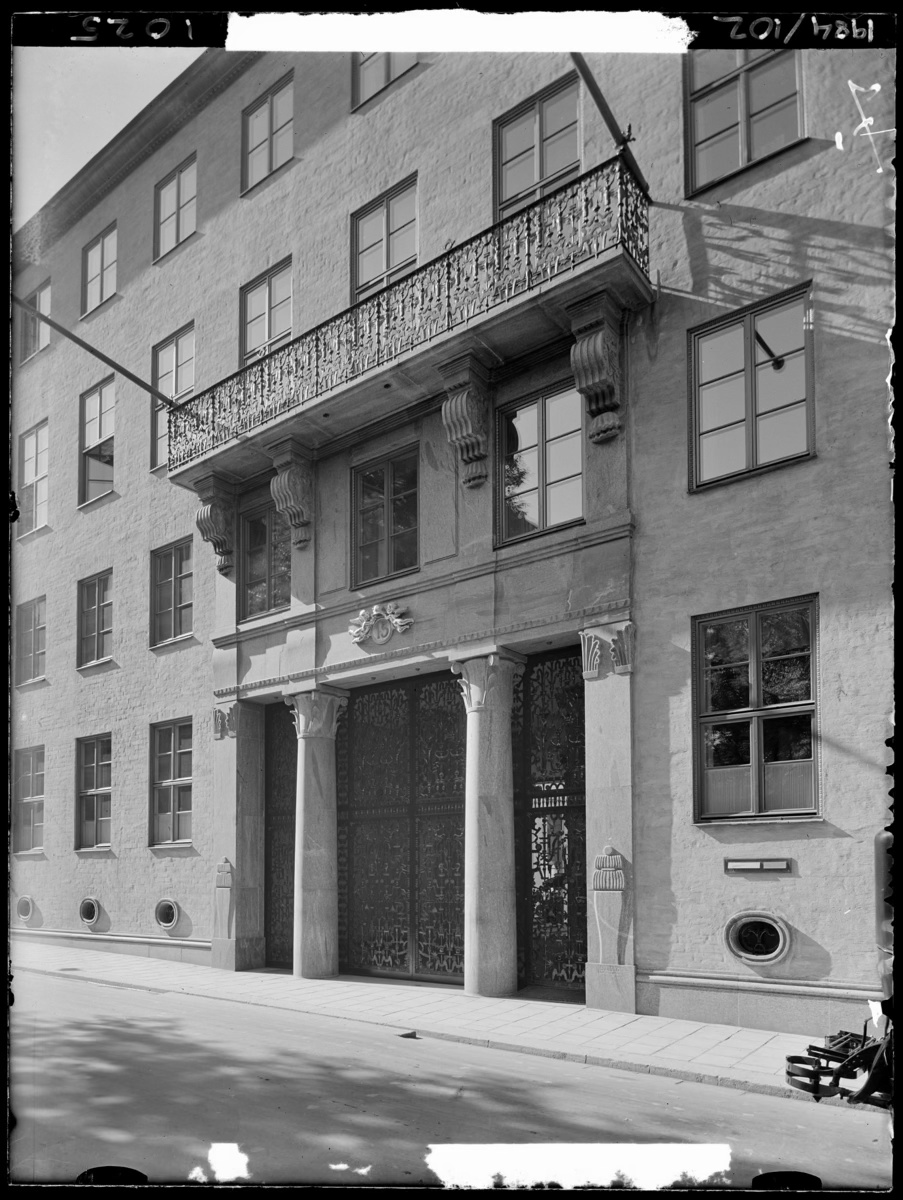
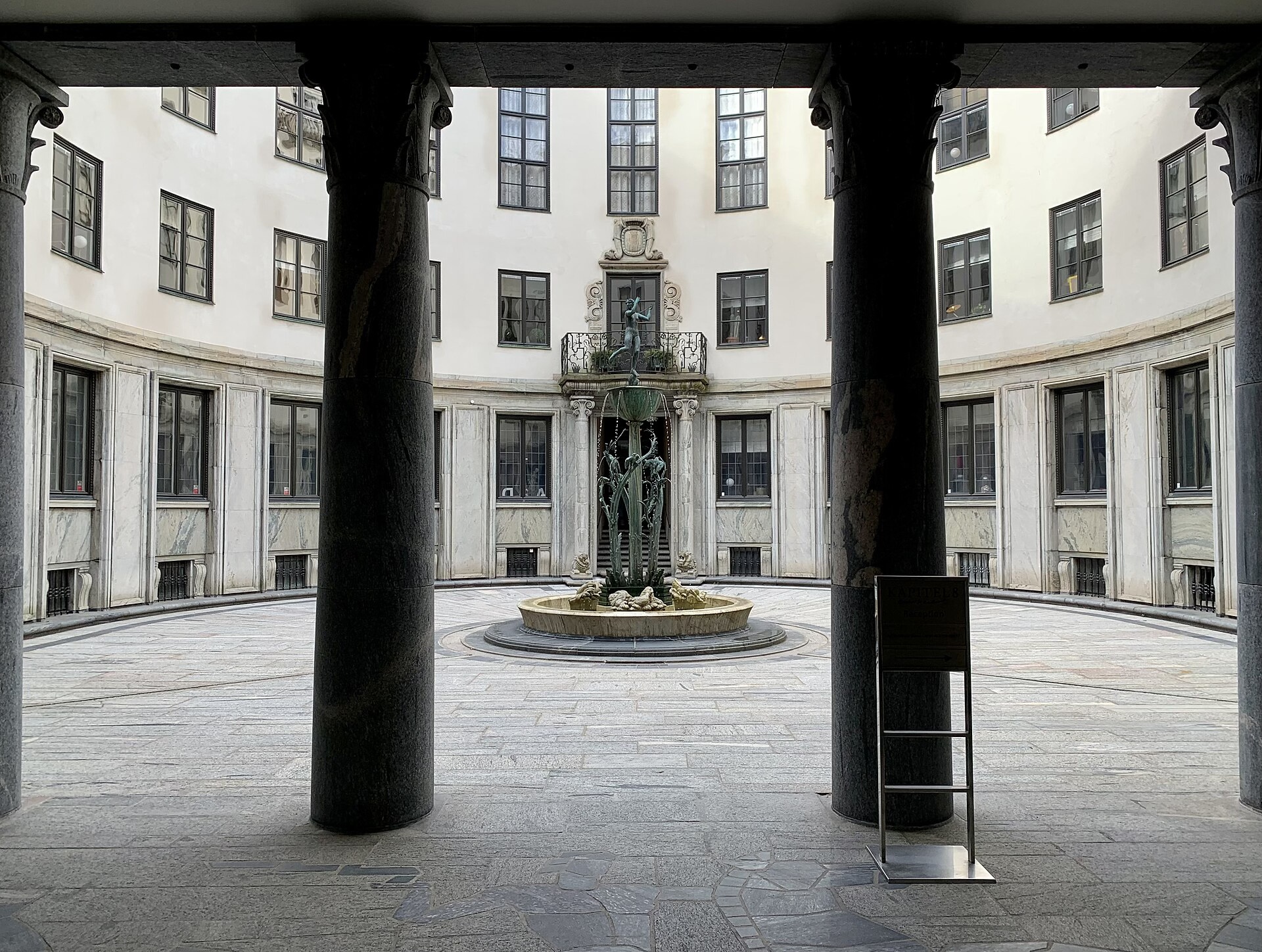
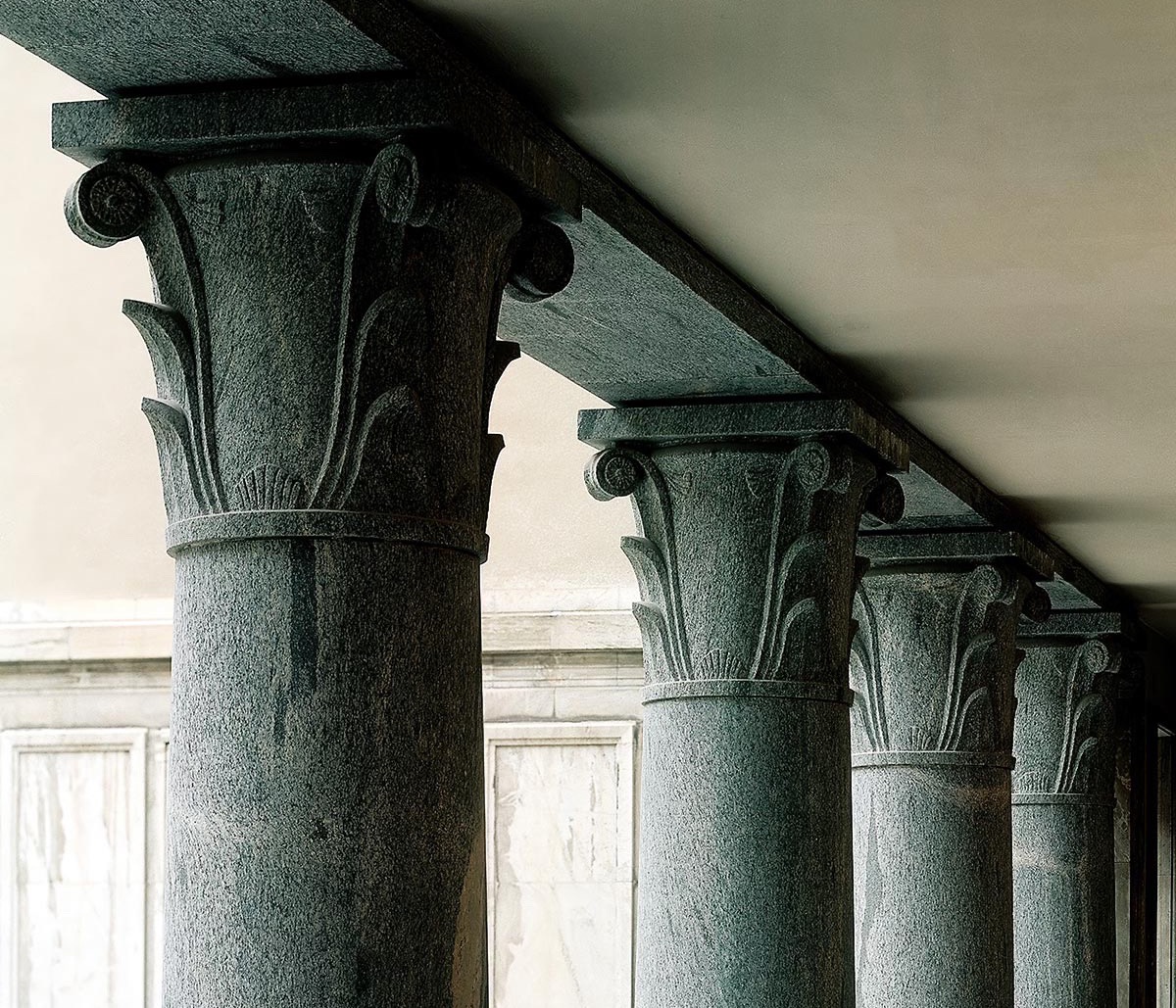
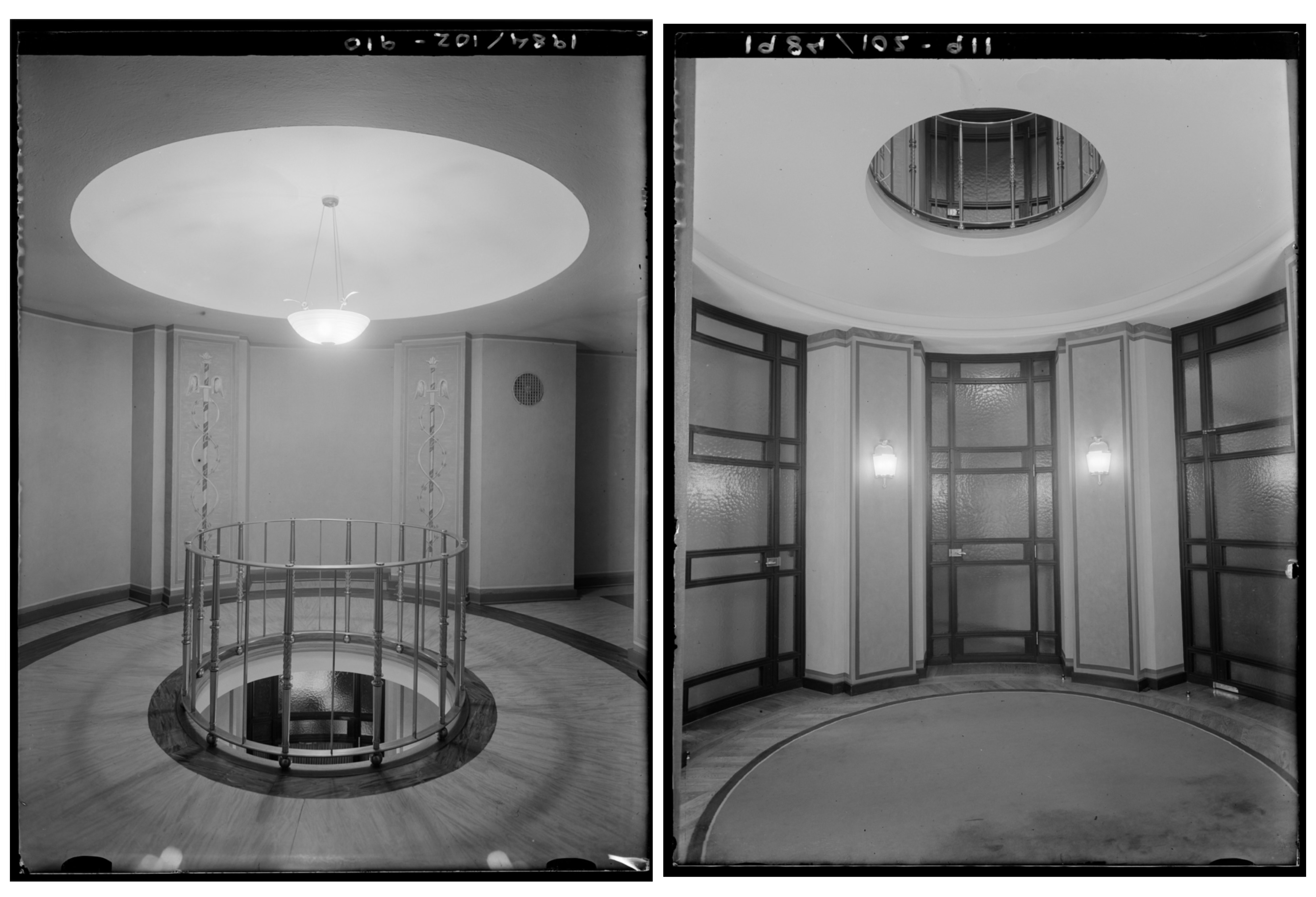
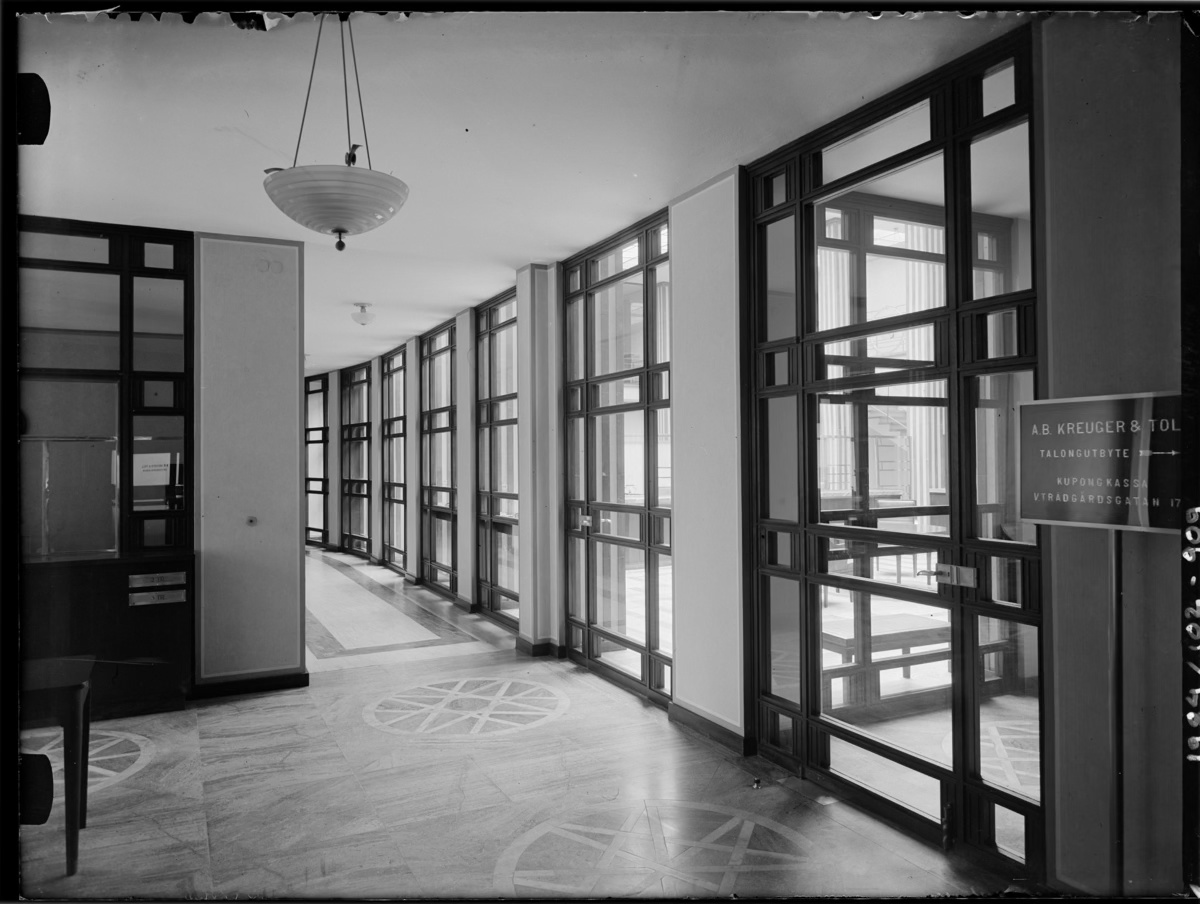
The facade of the Matchstick Palace – built as the headquarters of Svenska Tändsticks Aktiebolaget (predecessor to Swedish Match), Ivar Kreuger’s global match empire and completed in 1928 – is a masterpiece of restraint: dressed granite, strict symmetry and a single centred ornament.
Opulent interiors
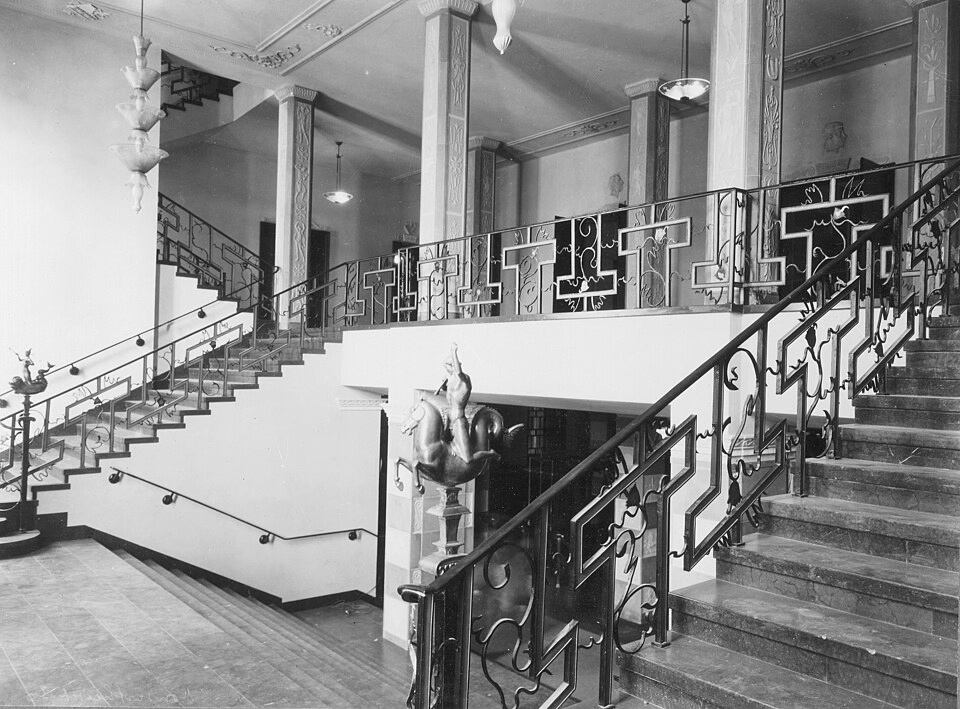
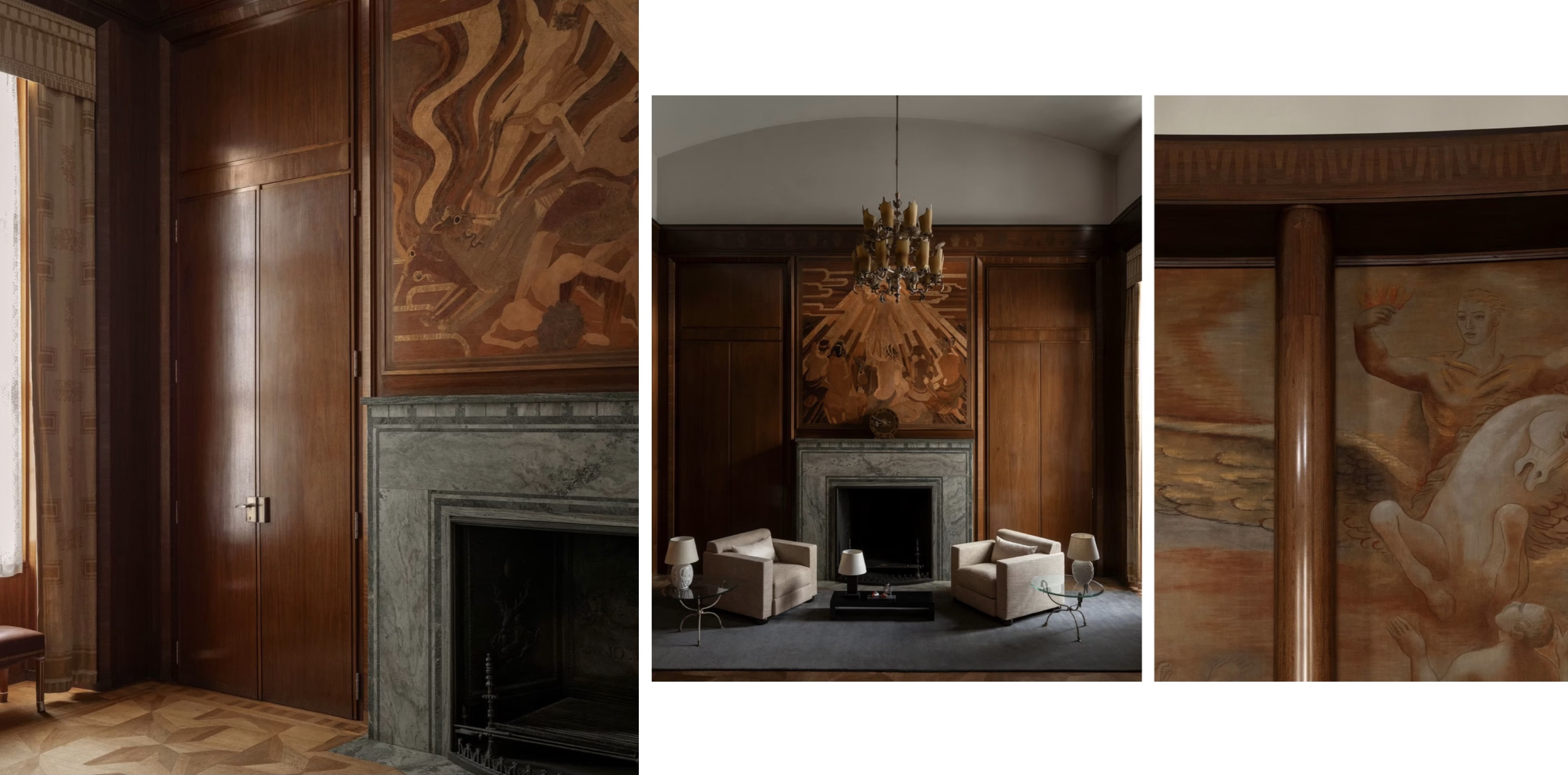
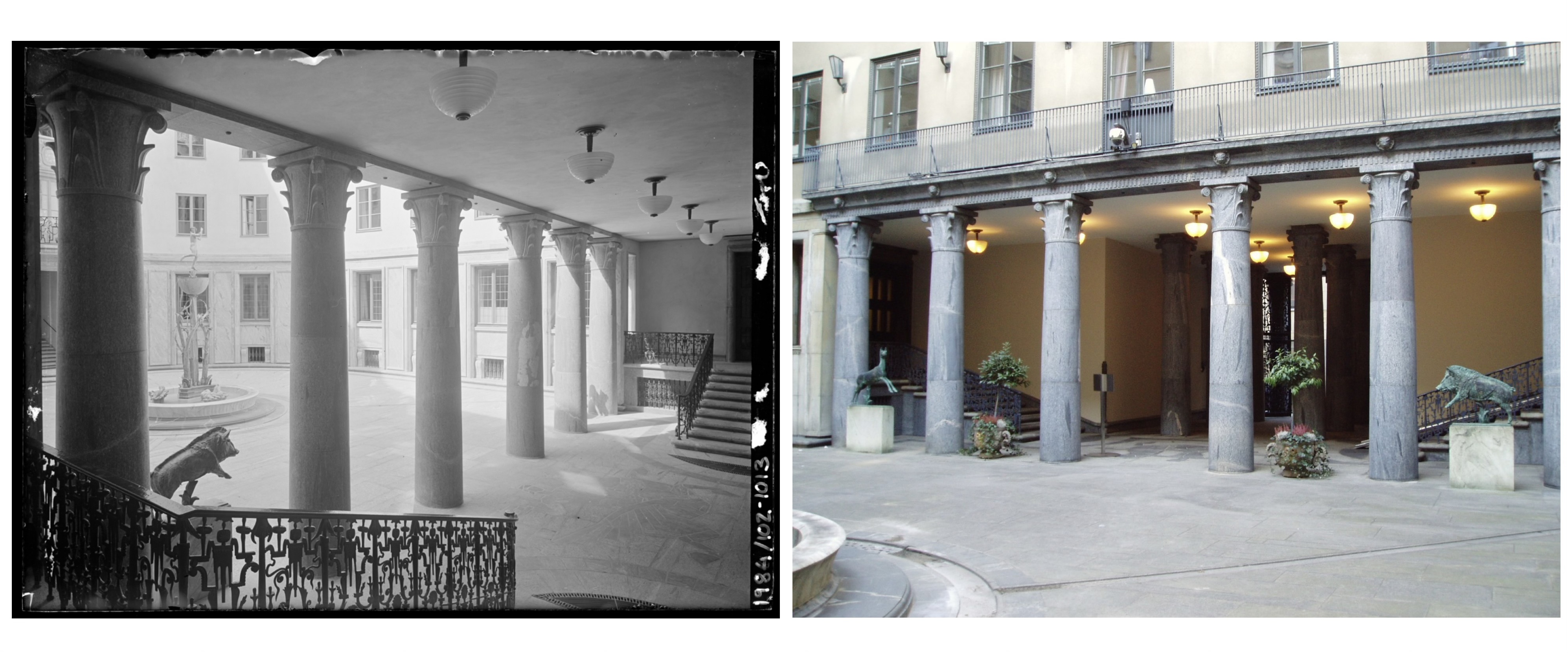
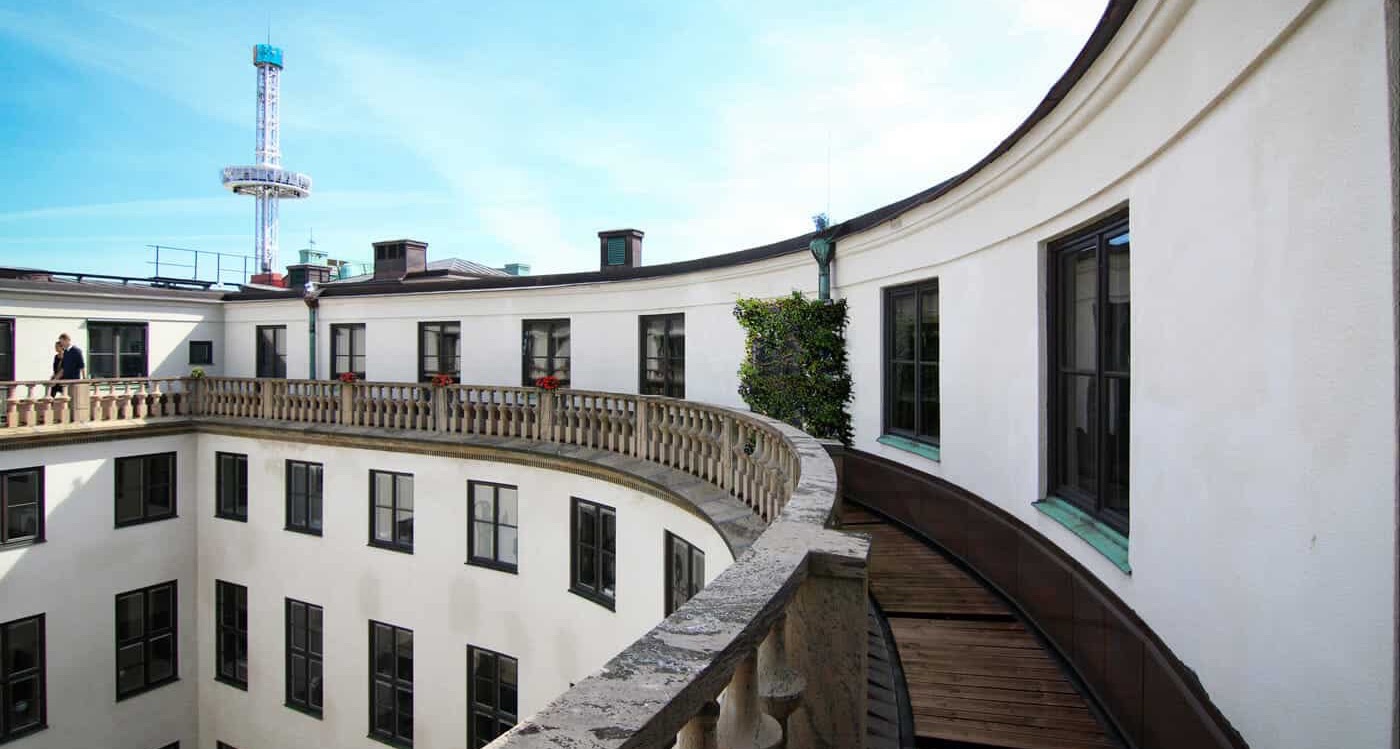
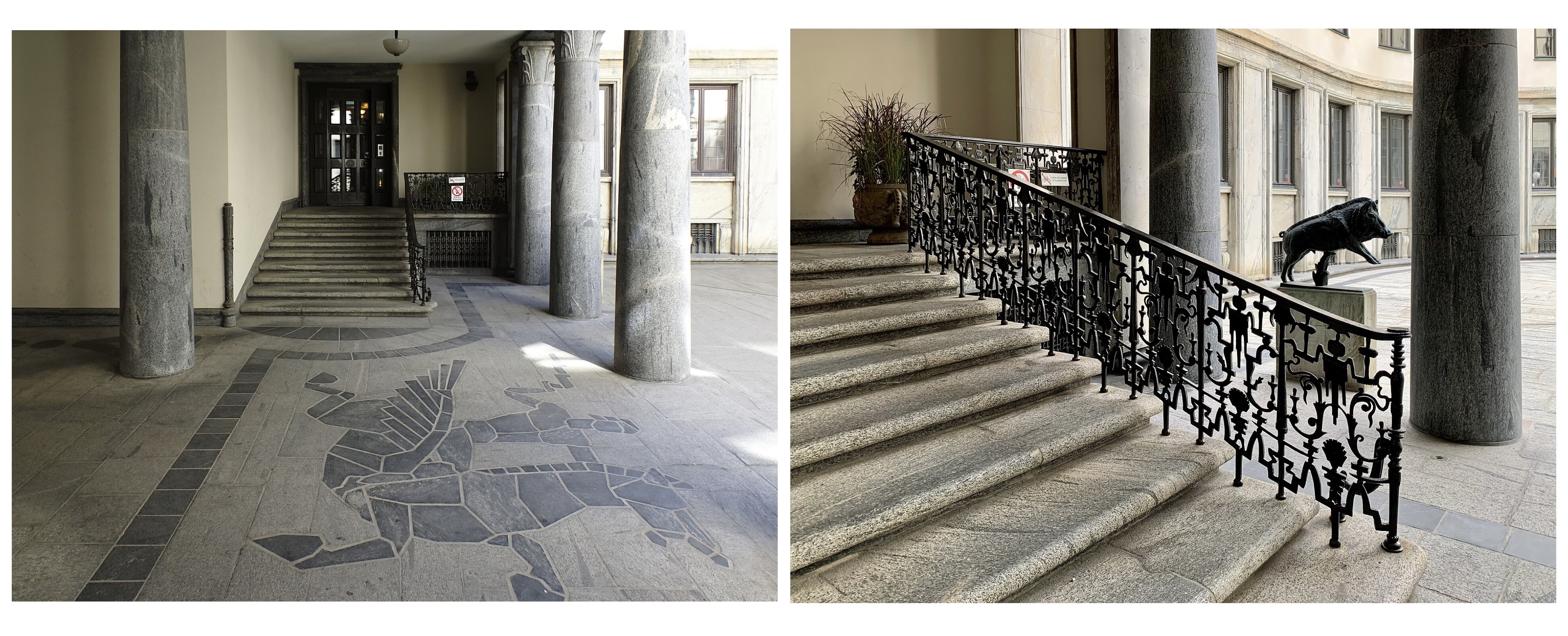
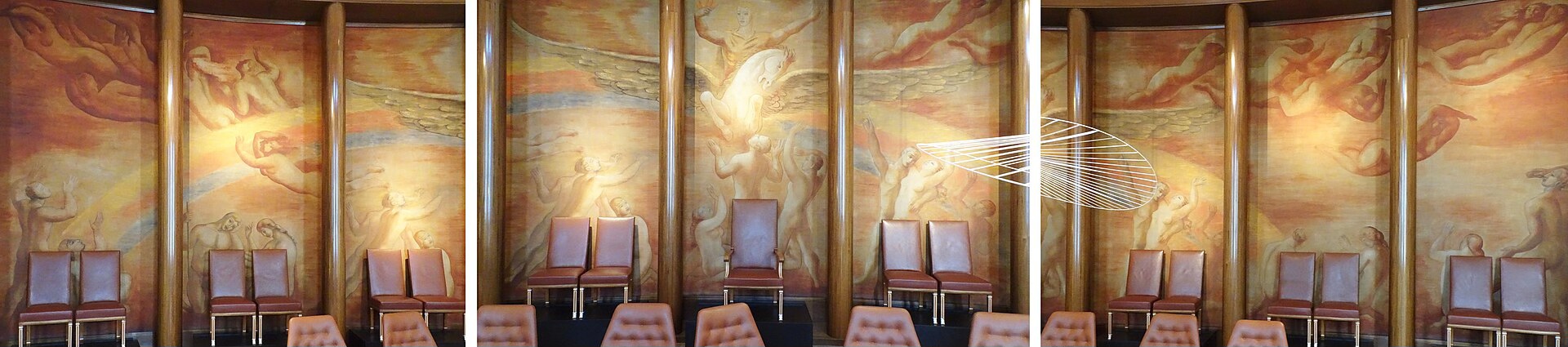
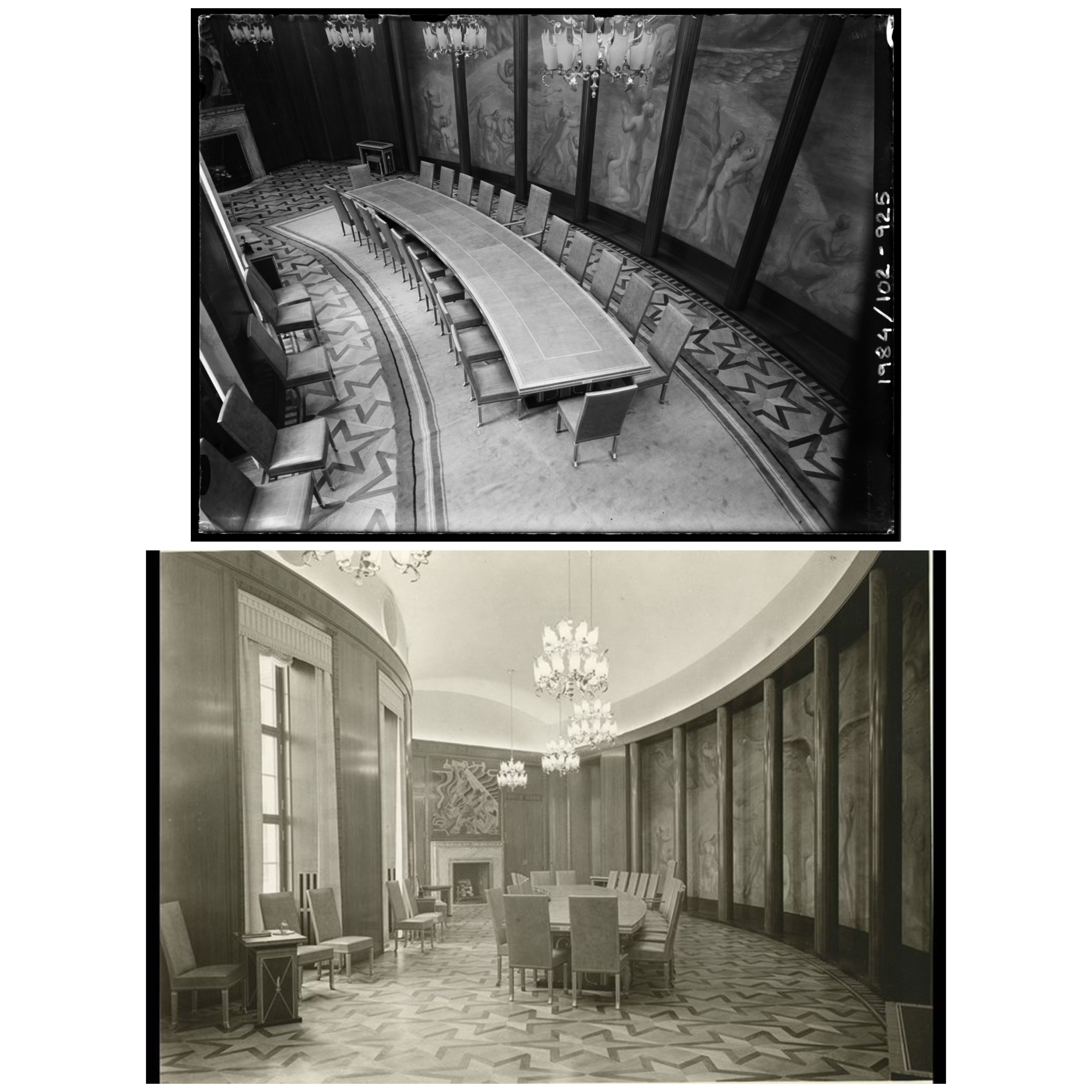
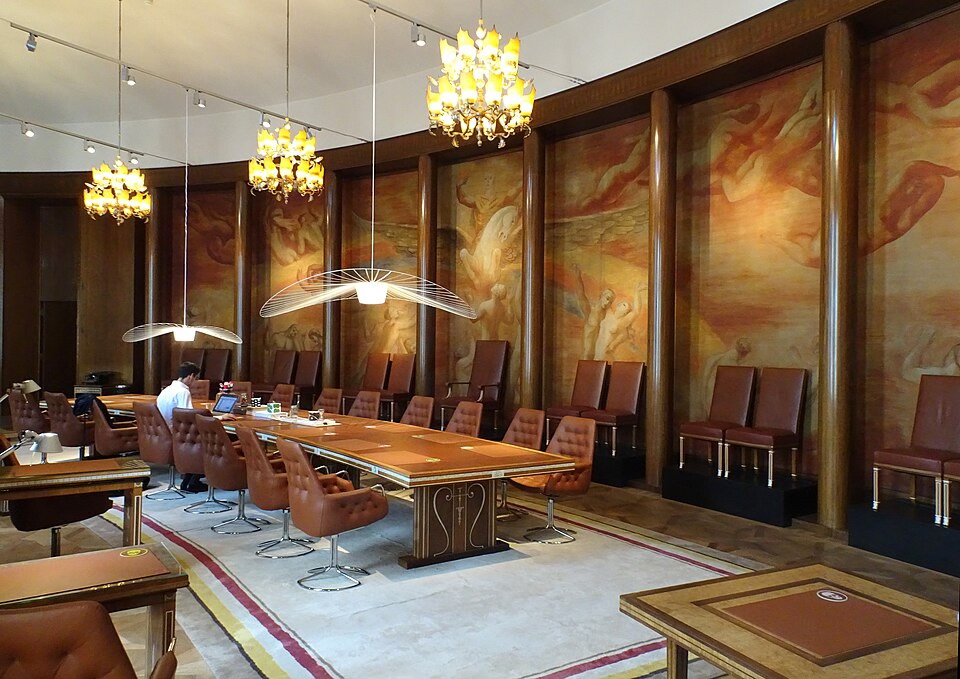
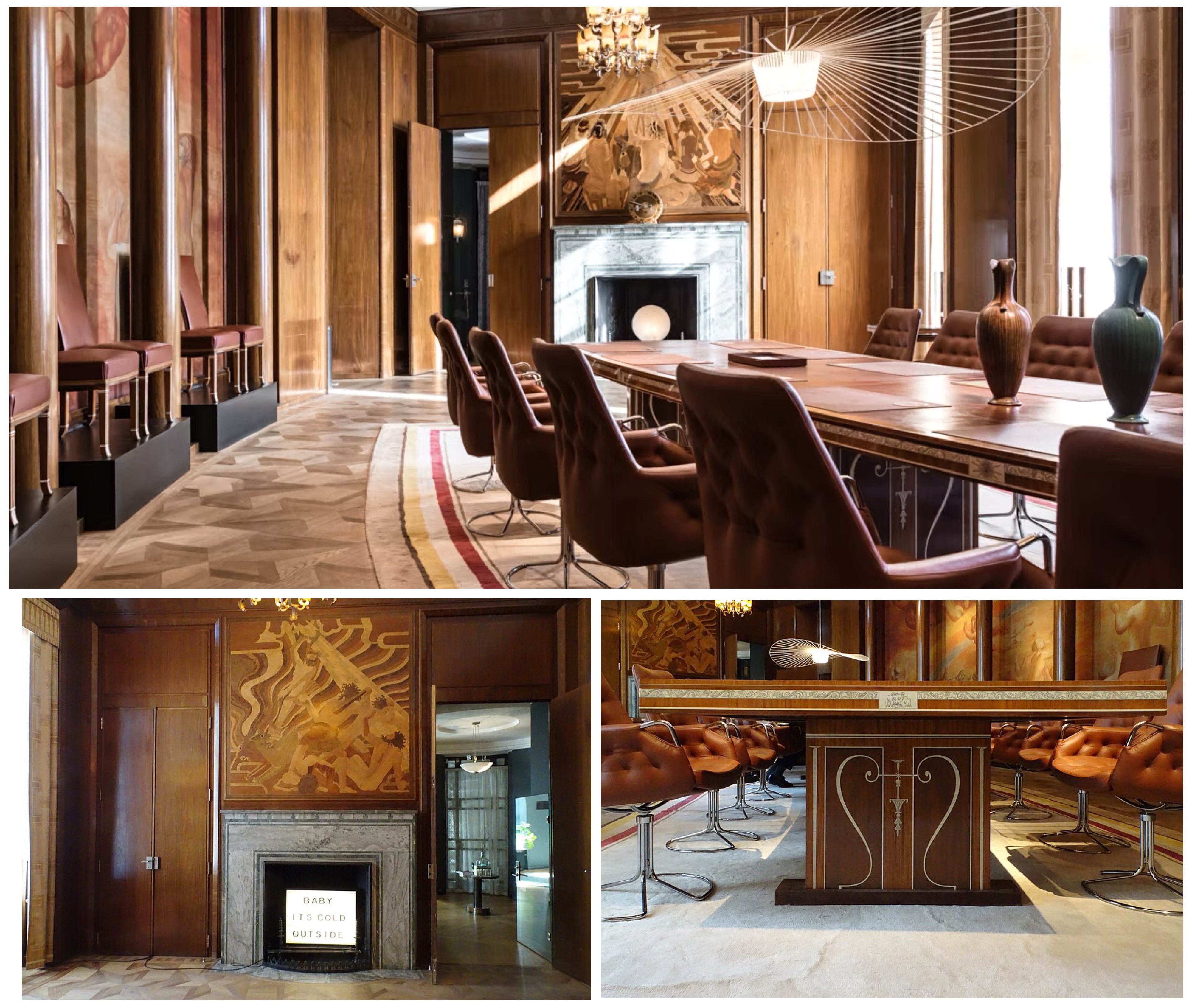
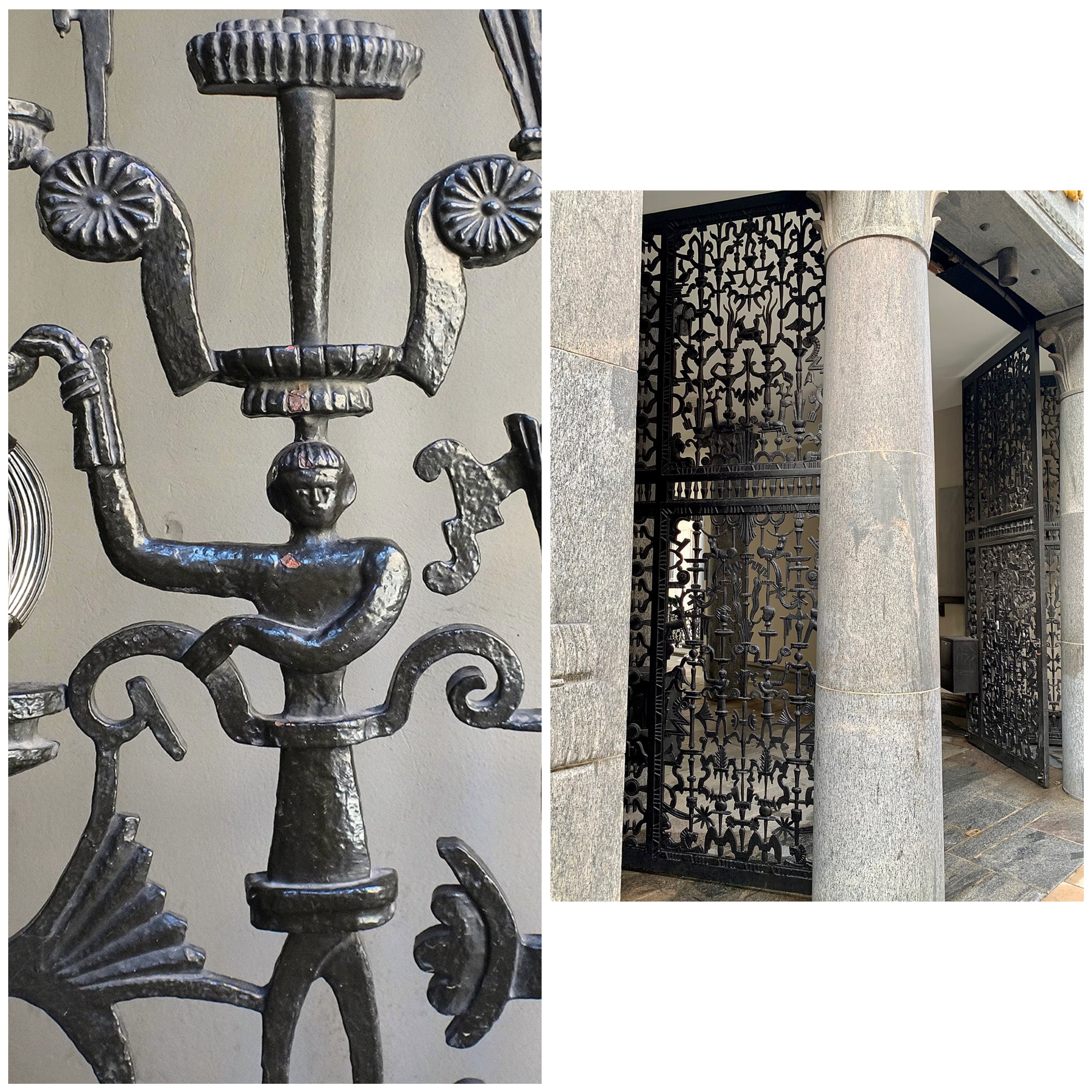
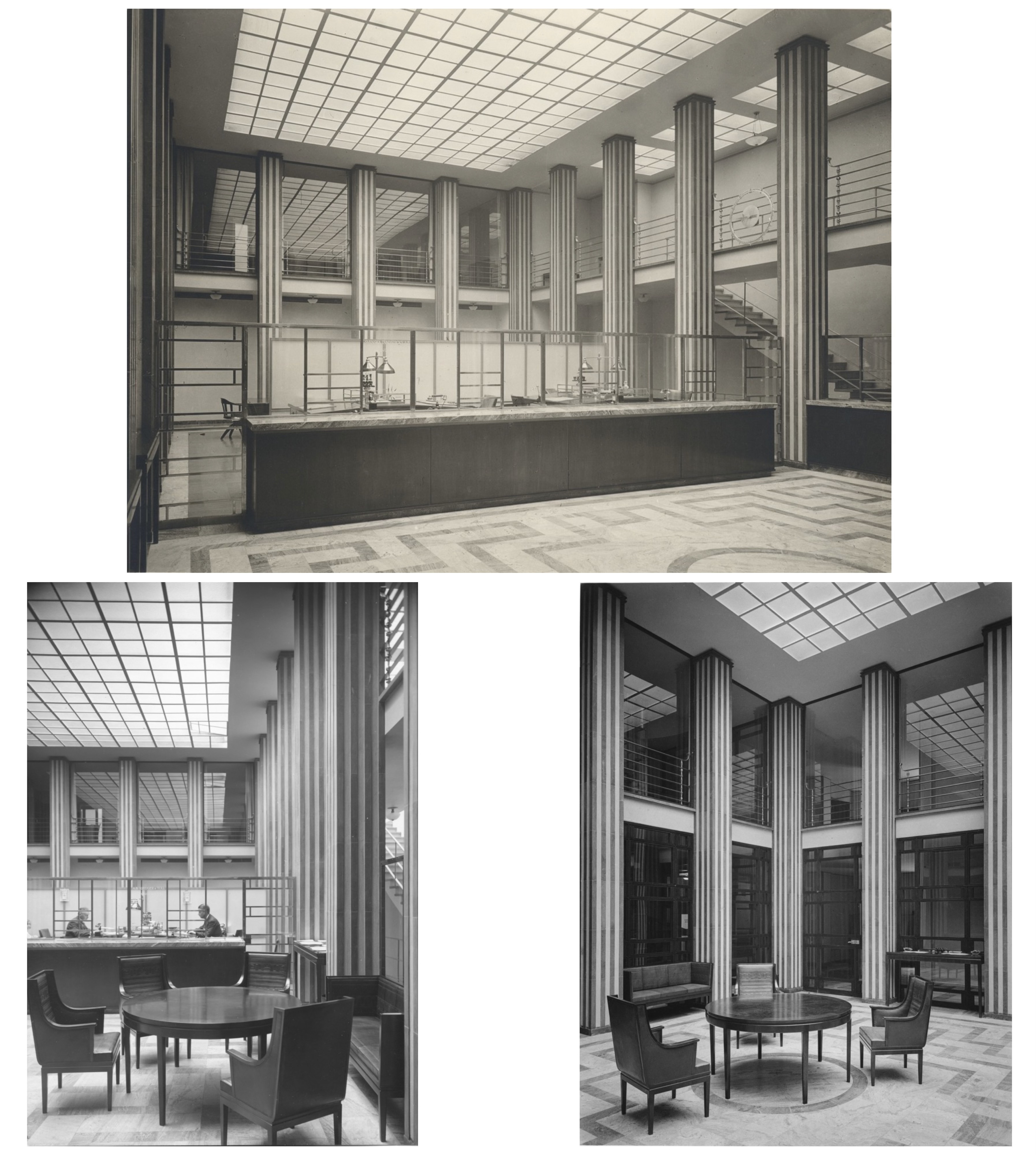
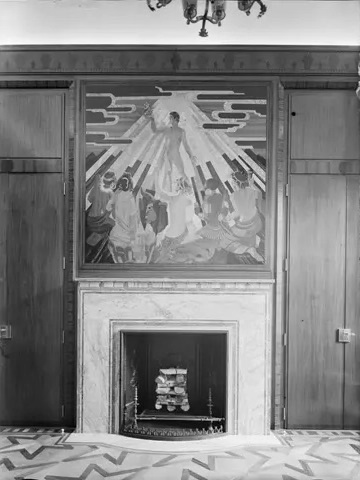
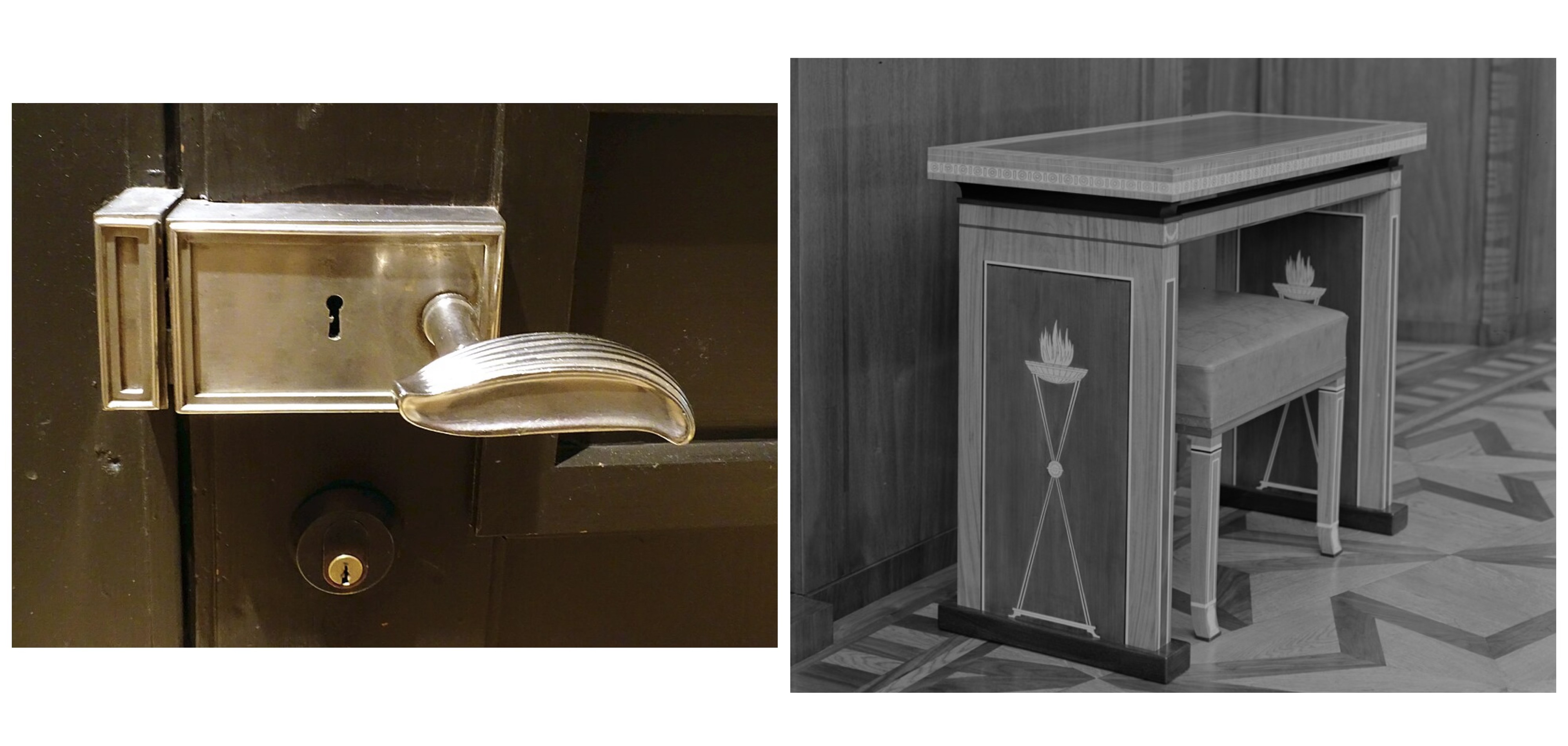
Step inside and an interior of an entirely different richness opens up – marble, gilding and a magnificent staircase. As with the Concert Hall, the interior design was a collective endeavour; artists and craftsmen of the highest order were brought in to deliver the grandeur that a Kreuger wished for. (Many of those mentioned above in the part of the Concert Hall also worked on this building.)
A collaboration
Tengbom’s closest collaborator was the architect Ture Wennerholm, and together they worked like a medieval building lodge: Tengbom laid out the grand composition, while his colleagues gave the palace its “life and spirit,” as he put it himself.
Swedish Grace in architecture
The building stands as one of the purest expressions of what the world has come to call Swedish Grace – Nordic Classicism of the 1920s. Or Swedish Art Déco if you will. Look closely, though, and details in glass and steel reveal a mind already moving on. Tengbom was edging, quietly but unmistakably, toward what would later be termed pre-functionalism: the transitional mode that anticipated the full break of the Stockholm Exhibition of 1930.
The Match King
The man behind it all was Ivar Kreuger – the Match King and at this moment one of the most powerful figures on earth, with match monopolies across the globe. The palace was designed to say exactly that: power, stability and permanence. We know, of course, how that story ended. Kreuger took his own life in Paris in 1932 as his empire unravelled into one of the largest financial frauds in history – the Kreuger Crash.
Tech and strength
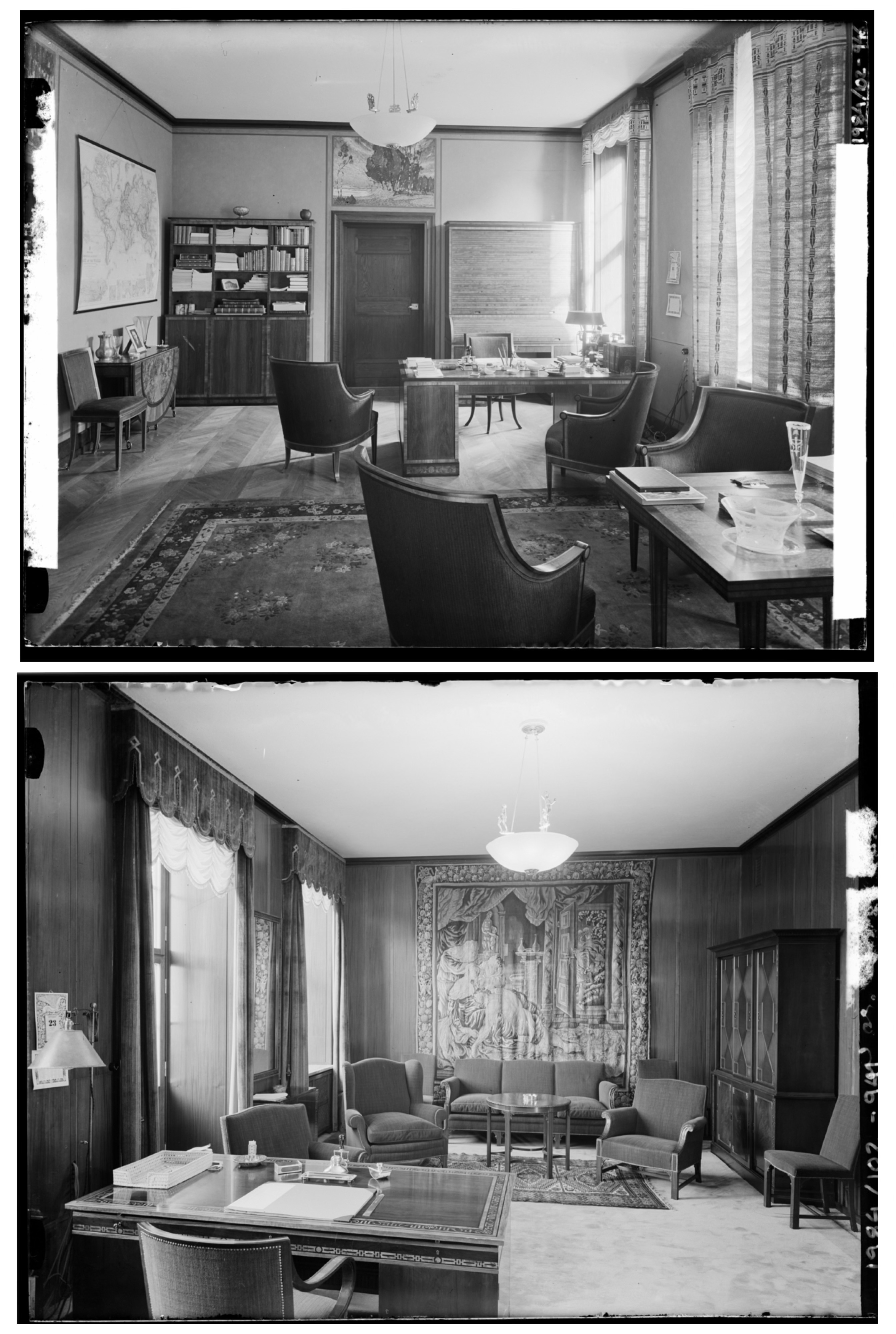
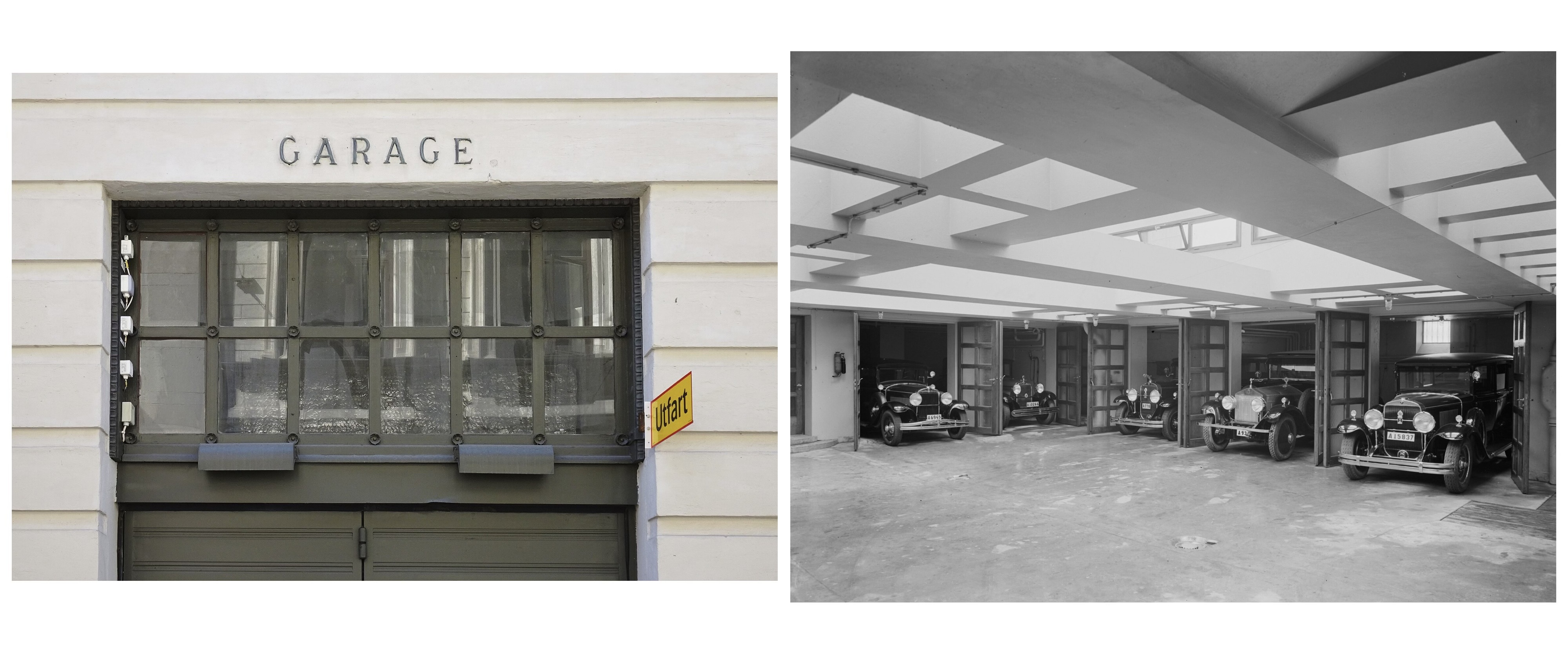
The building Tengbom built for Krueger told a different story. A story of a new world come where also tech became more and more important. Within its walls: twenty boardrooms, a hundred offices, dining rooms, directors’ bathrooms, a sick bay, archives, laboratories, a garage with chauffeurs’ quarters, and no fewer than twenty-four (!) strongroom vaults.
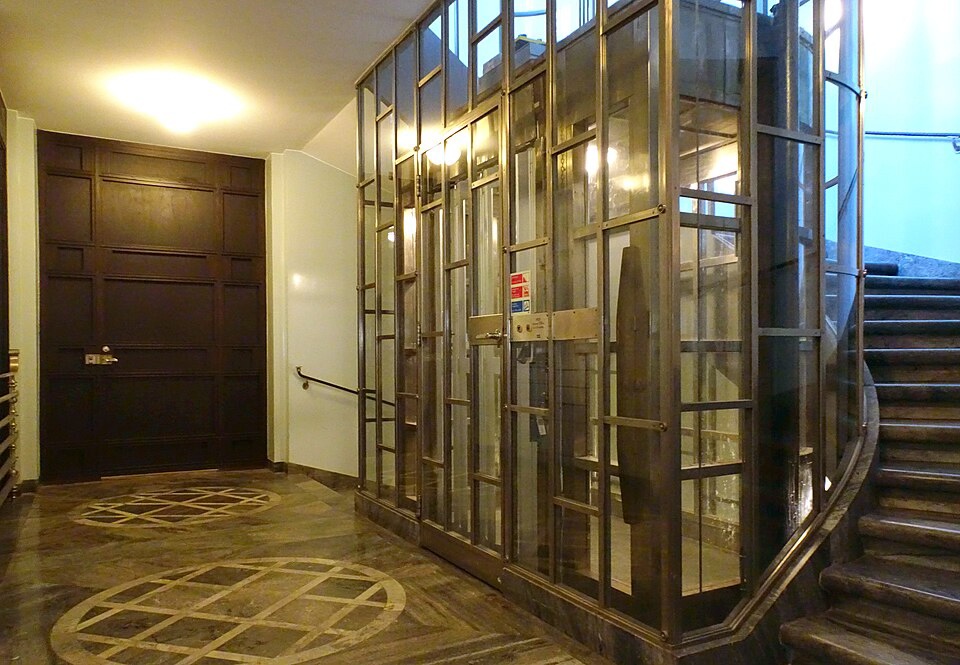
Visitors were dazzled by its modern technology: passenger lifts, a telegraph exchange, intercom telephones, an electric pneumatic mail system, electric remote thermometers, a world clock and a staff paging system. All of it completed and delivered in just two years. The Swedish daily newspaper Dagens Nyheter found the right words: “Beauty at American pace.”
The Matchstick Palace remains one of Stockholm’s most coveted office addresses. The Kreuger empire is long gone. The building endures.
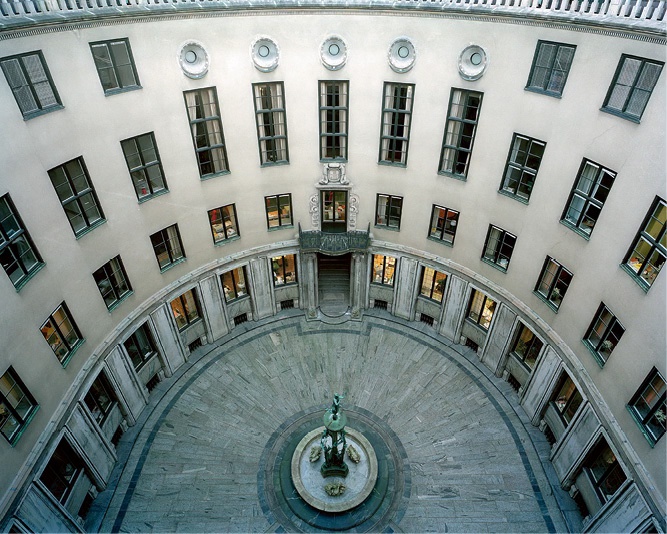
All photos and video found online and in the book Swedish Grace by Gunnela Ivanov.
©SlowClapStories

Originally published on Substack at Swedish Grace. Read the newsletter here.


That was very cool, thanks!
Once again! Thank you! Didn’t know I got comments on my articles. Such a 🤪. 😂