The Cartiers innovative colour explosion
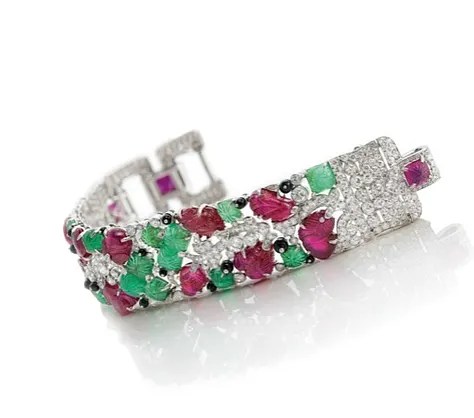
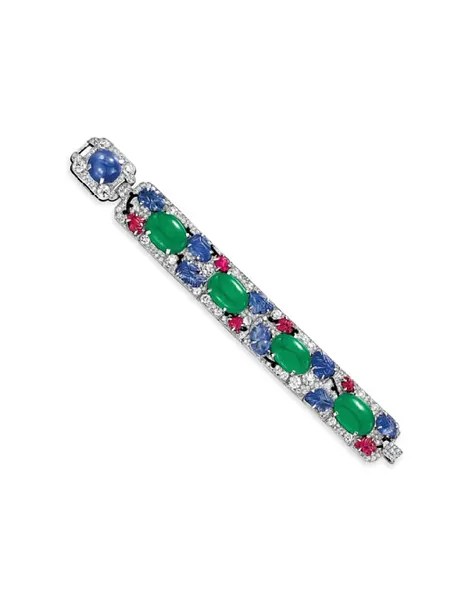
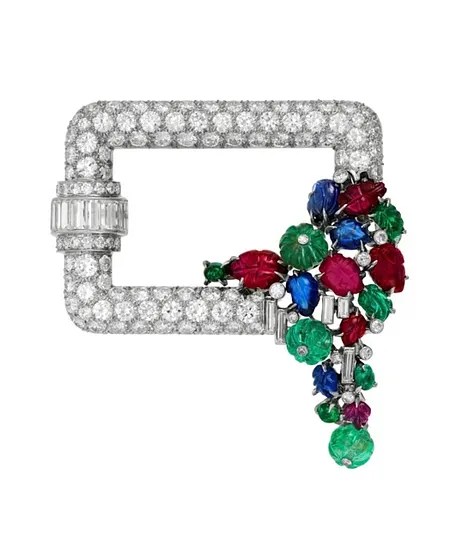
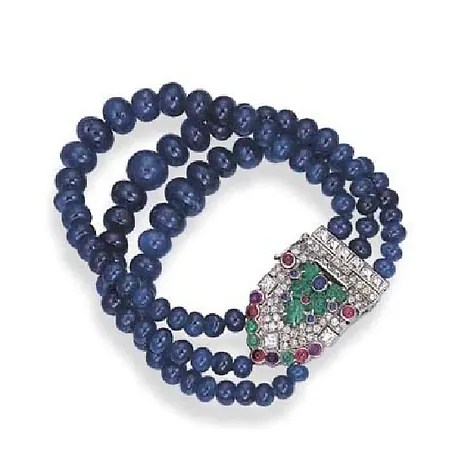
Let’s simply call it, Tutti-frutti-eye-candy-Friday with the Cartier boys…
Inspired by the light and all the colours on his travels to India during the 1920s and 1930s Jacques Cartier – who ran Cartier London – brought with him carved colourful gemstones back home to Europe.
He would try to explain his feelings about these stones as:
”It is all like an impressionist painting. Nothing is clearly defined, and there is but one vivid impression of undreamed gorgeousness and wealth.”
Both Jacques Cartier and his brother Louis was fascinated by Eastern cultures and they found some of their inspiration and motifs to their new jewellery collection in illustrated books about India.
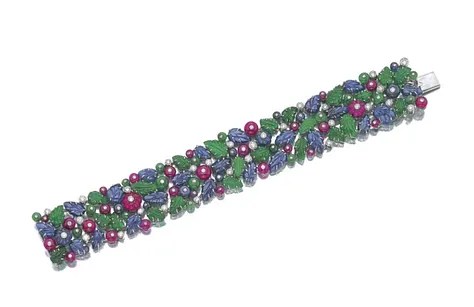
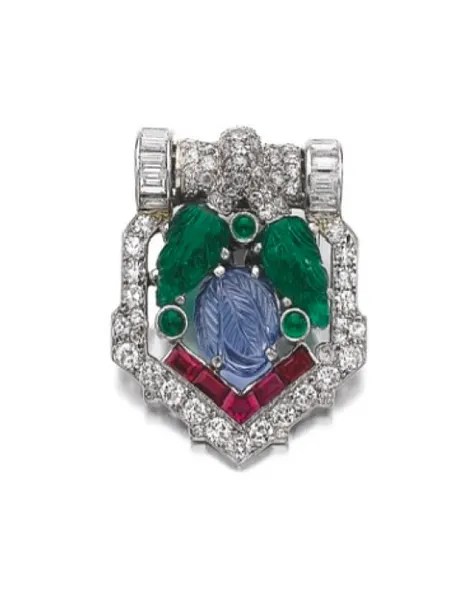
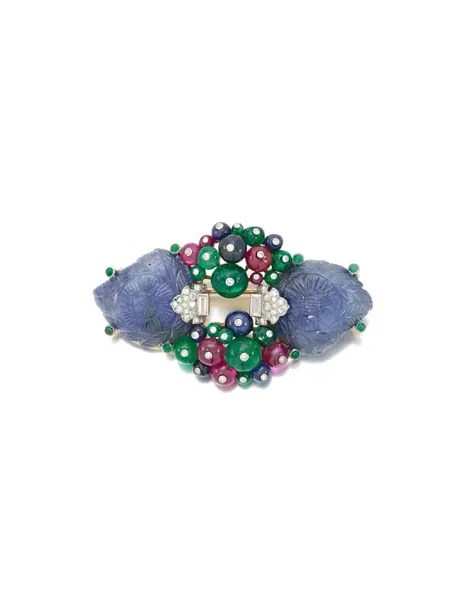
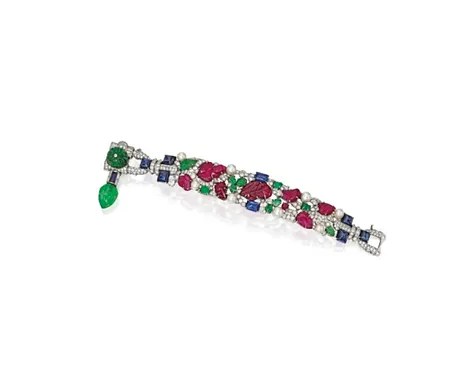
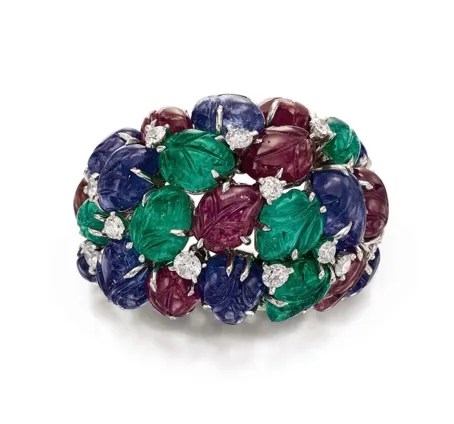
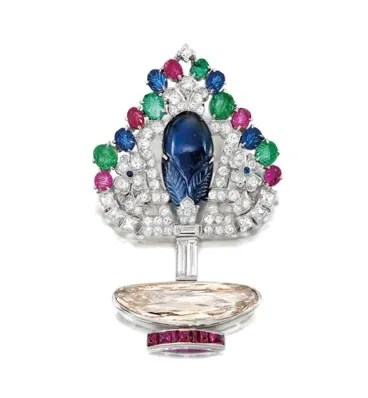
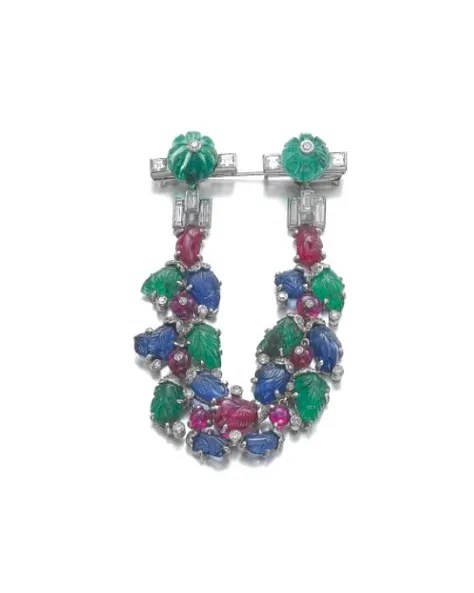
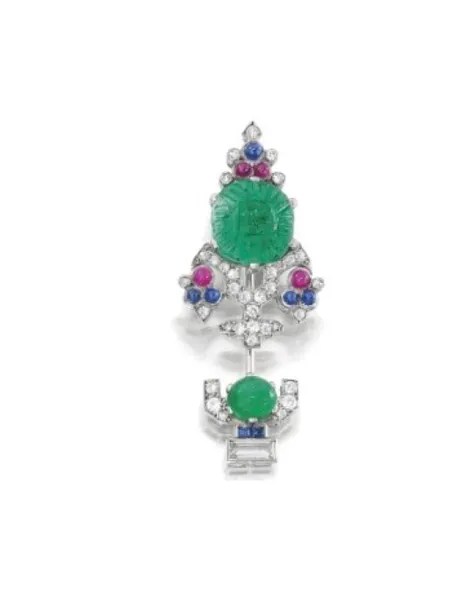
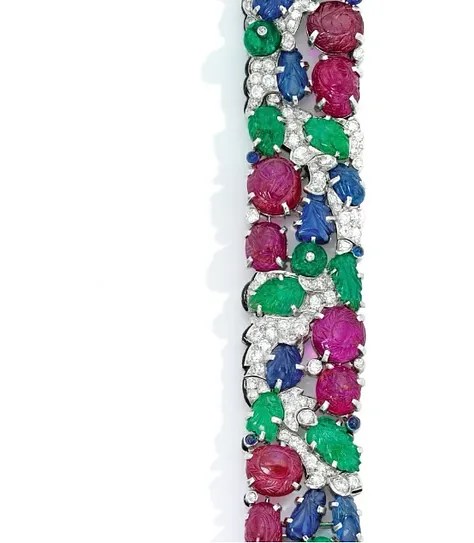
This blend of exotic and modern was an instant hit with socialites such as Daisy Fellowes, heiress to the Singer sewing machine fortune. Fellowes was also central to making the new jewellery pieces the new “it” style.
Affordable candy
But also important to their popularity was that the jewels used for these pieces were not as flawless as those the Cartier company would normally use in their jewelry. This made them more affordable and hence perfect for the Depression era.
But what they lacked in purity, they made up for in colour and the overwhelming impact and effect the mixed colors created.
Tutti Frutti
At the time, the jewellery pieces were known simply as ‘pierres de couleur’ or as Jacques Cartier sometimes would call them, “Hindou jewels”.
It was not until the 1970s they got the name ”Tutti Frutti”.
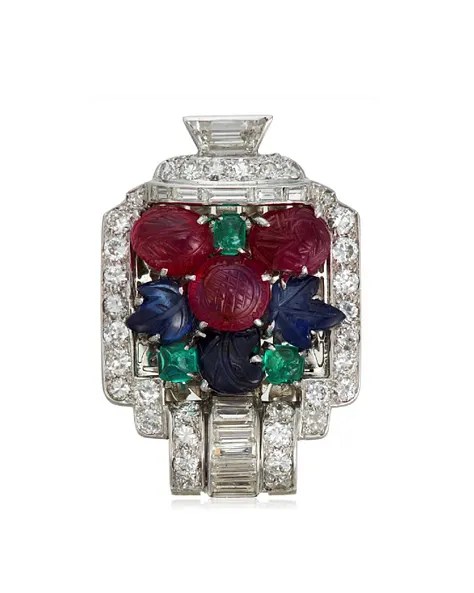
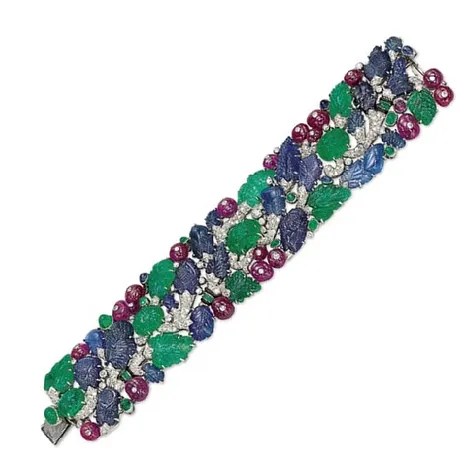
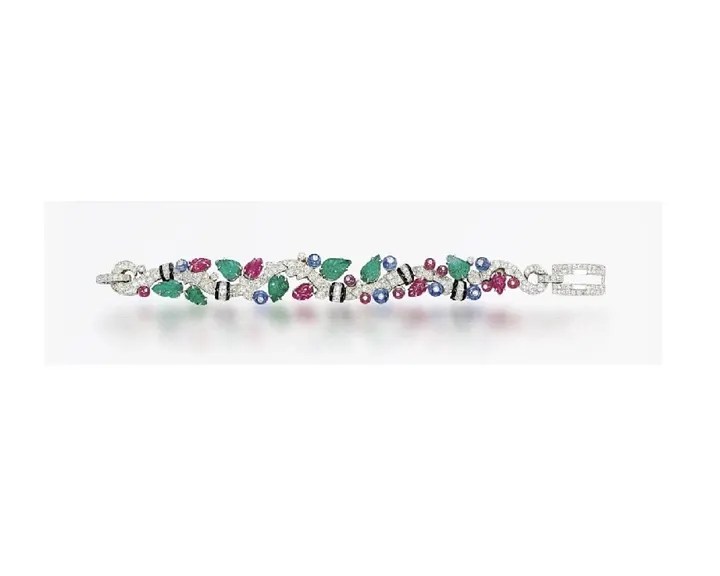
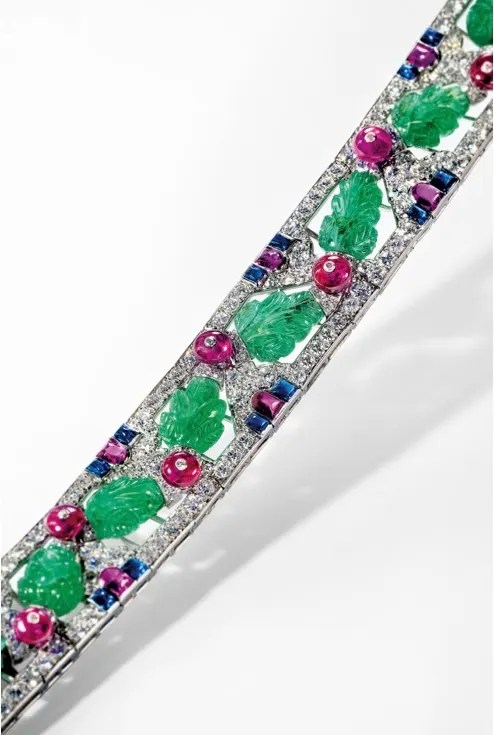
Information above gathered at Sotheby’s and their article about the book “The Cartiers: The Untold Story of the Family Behind the Jewelry Empire” by Francesca Cartier Brickell. Find out more here!
First block of photos borrowed from Sotheby’s. Second block of photos borrowed from Christie’s.
@SlowClapStories
Originally published on Substack at Slow Clap Jewels. Read the newsletter here.
 Slow Clap Stories
You must be logged in to post a comment.