Let’s just say not all about Lalique is colourful abundance hit with a touch of dragonflies. Some days he walked the streets in a more somber mode.
Lalique in short…
René Lalique (1860 – 1945) was a French jeweller, goldsmith, glassmaker and designer. He is best known for his innovative jewellery and other glass art designs like vases and perfume bottles.
At the age of sixteen, Lalique began an apprenticeship with the Parisian jeweller Louis Aucoc. He later studied at the École des Arts Décoratifs in Paris and also spent two years studying in England.
After returning to France, he worked as a freelance designer for several major jewelry houses like, for example, Cartier and Boucheron before he established and set up his own house and workshop in 1886.
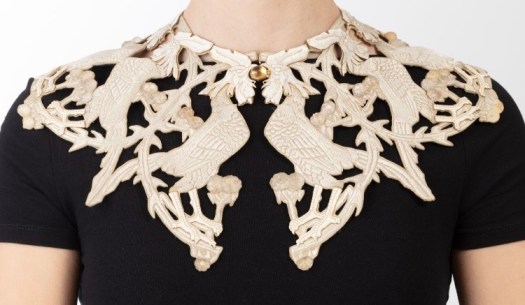
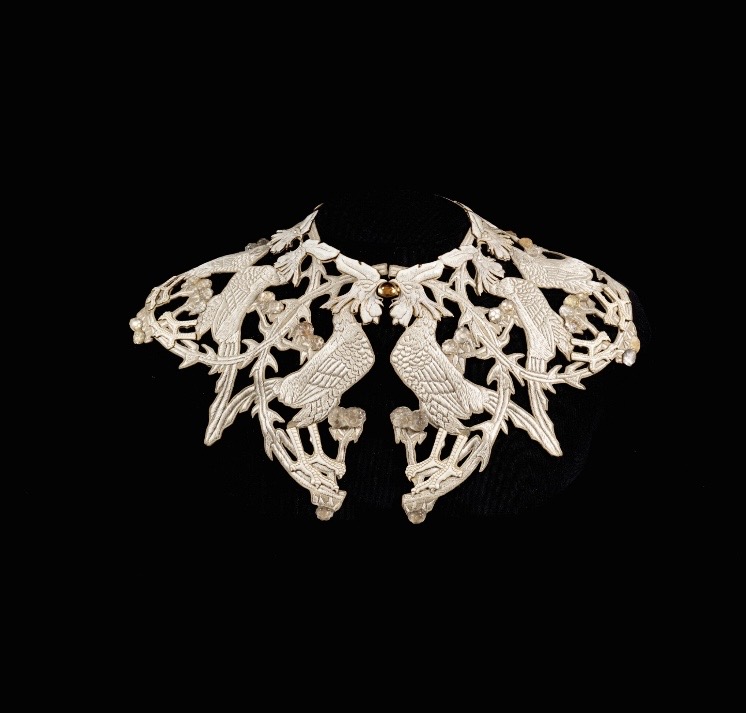
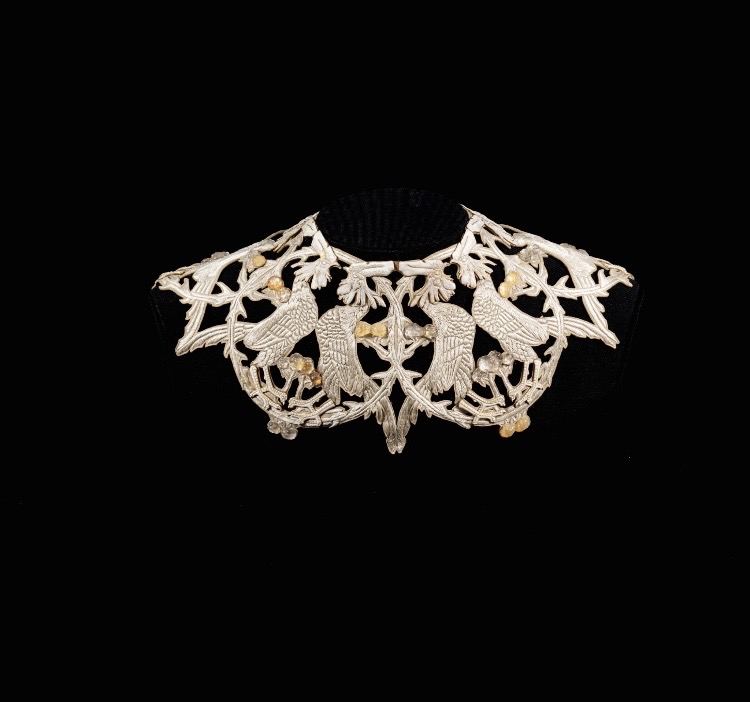
During the late 19th and early 20th centuries, Lalique revolutionized jewelry design. He experimented with materials such as horn, ivory, enamel, semi-precious stones, and glass instead of gemstones. Particularly inspired by nature and frequently incorporating motifs such as female figures, flowers, insects, birds and serpents to his designs he created his very own design language.
And, let’s just also say: Art Nouveau world not be Art Nouveau without René Lalique…
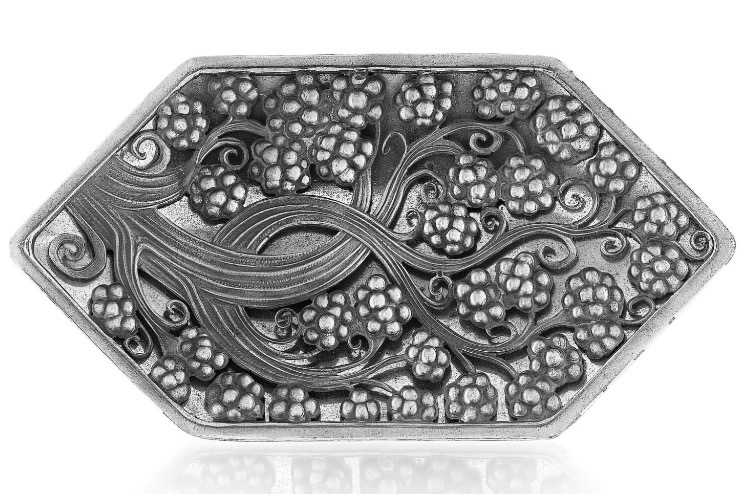
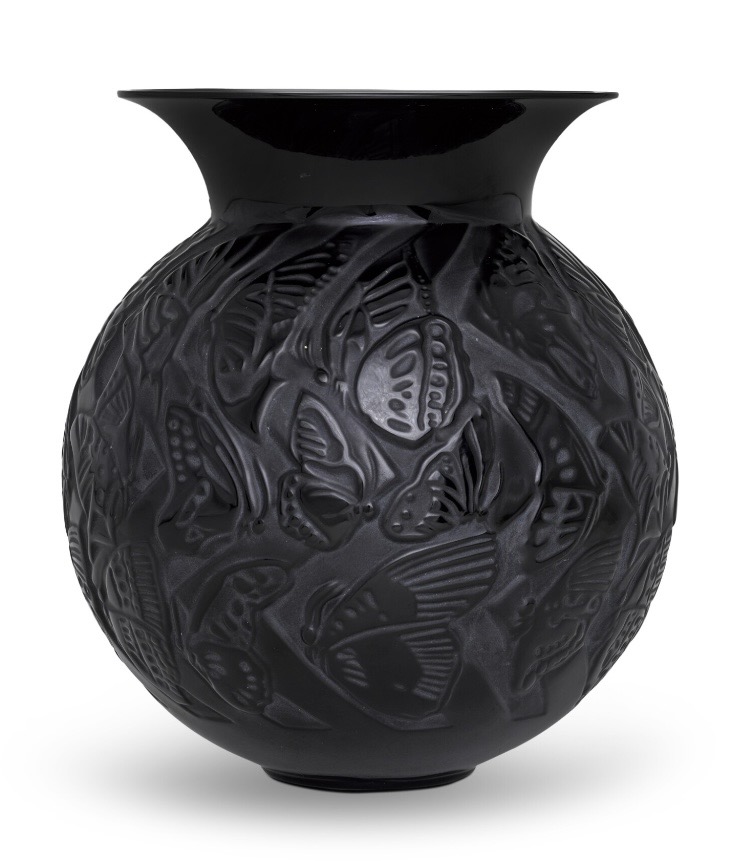
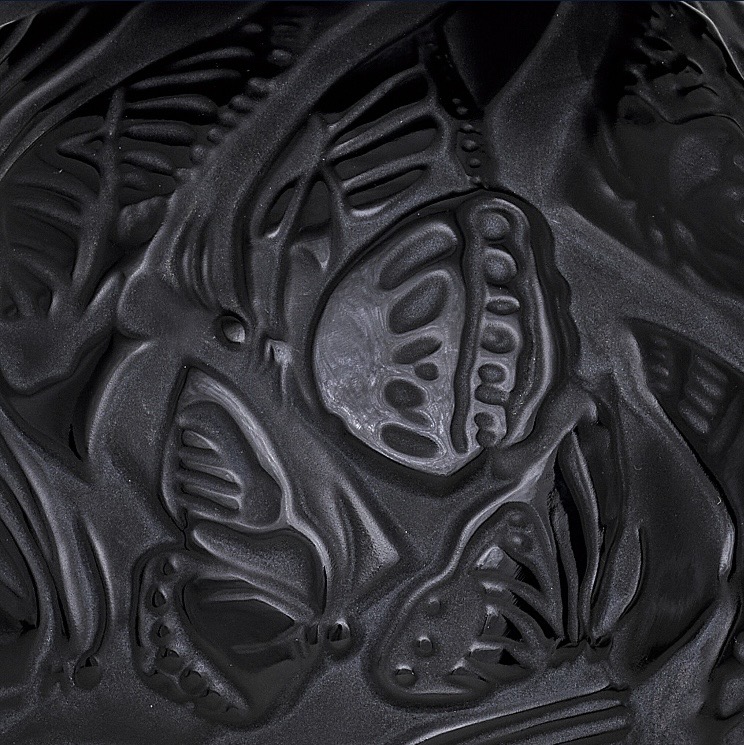
Nympahle vase, moulded glass with butterflies. Designed post World War II after René Lalique’s death under the direction of his son Marc Lalique.
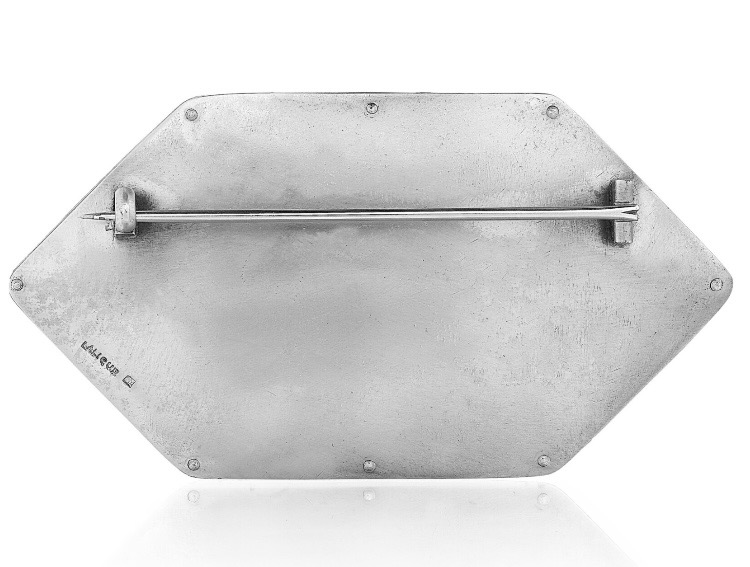
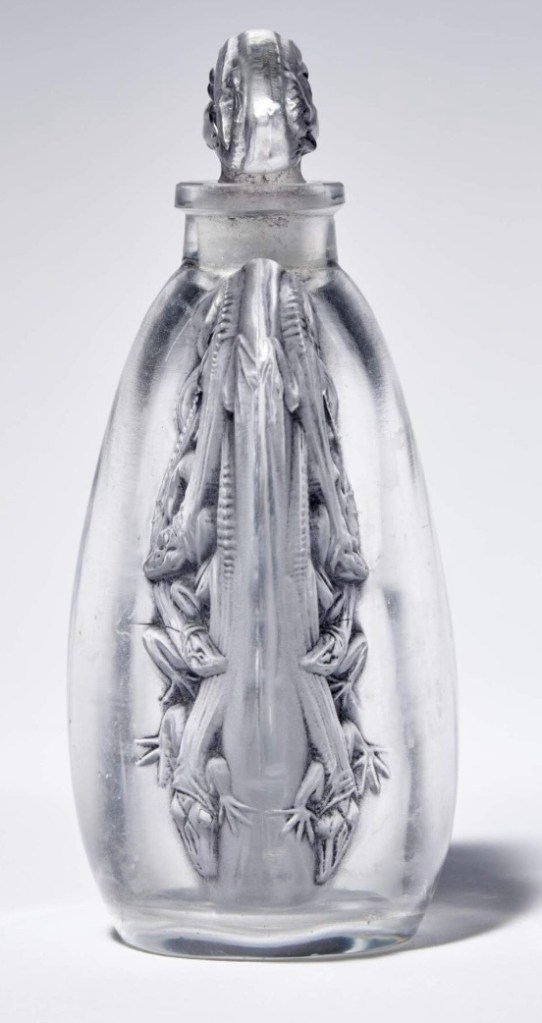
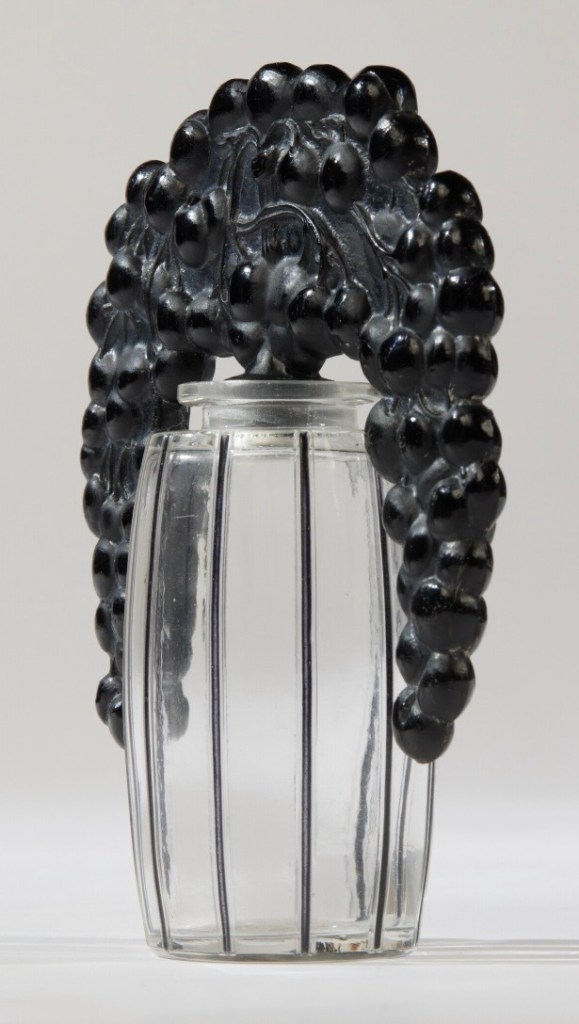
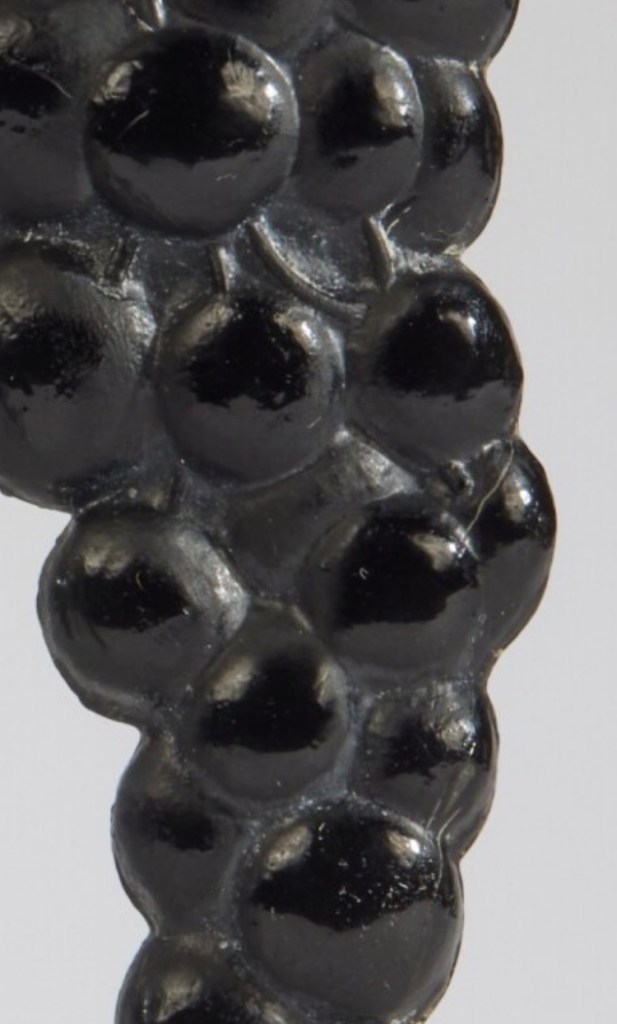
Bouchon Cassis scent bottle, clear and enameled molded glass. The model was introduced in 1920.
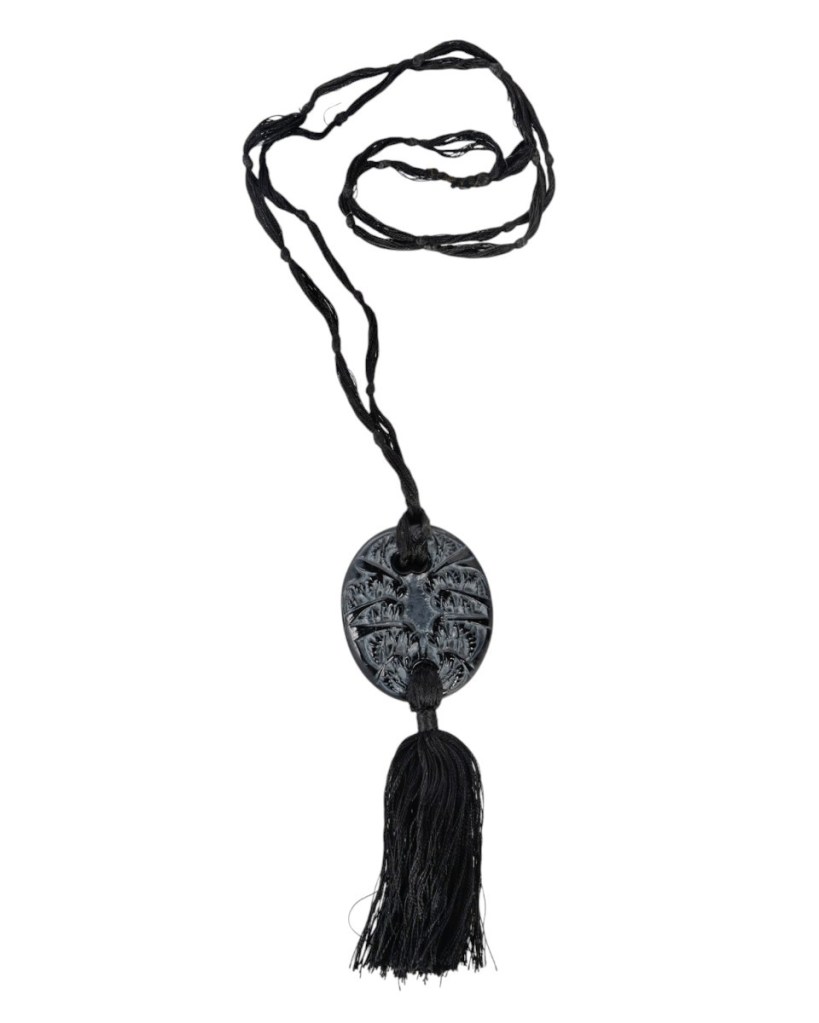
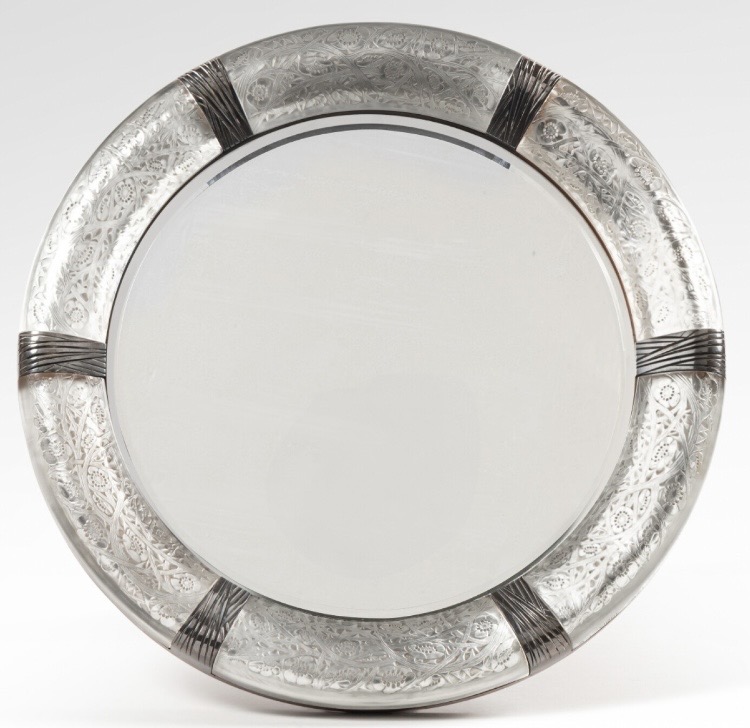
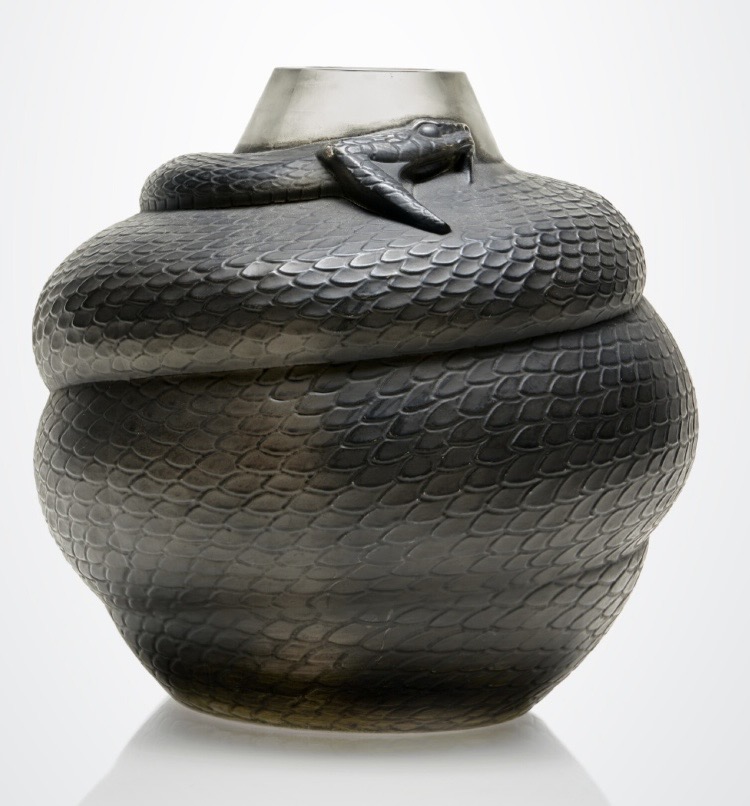
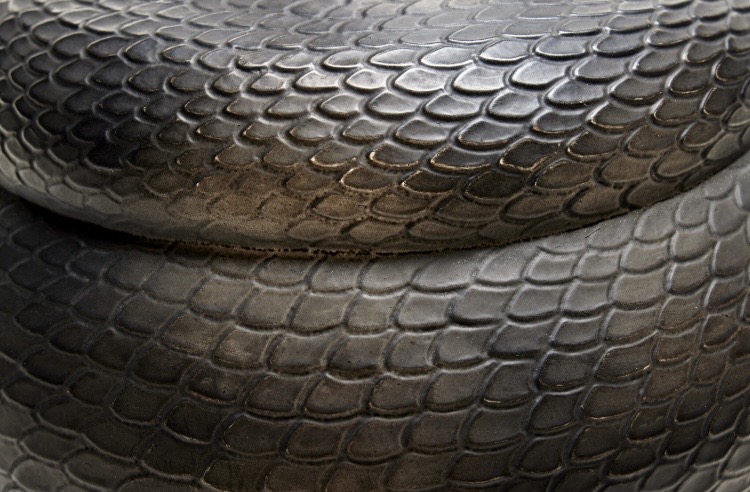
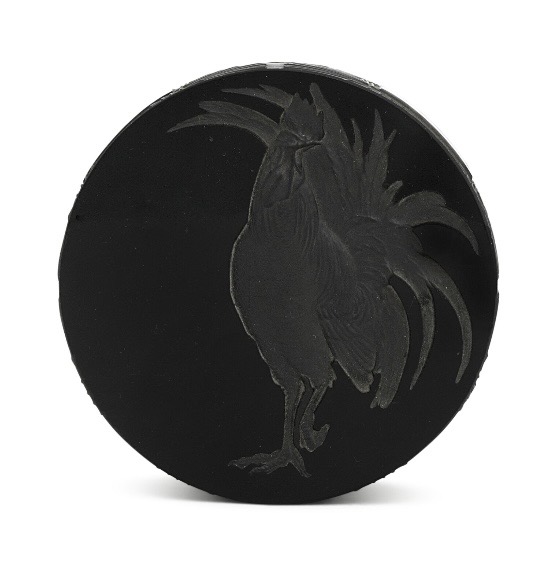
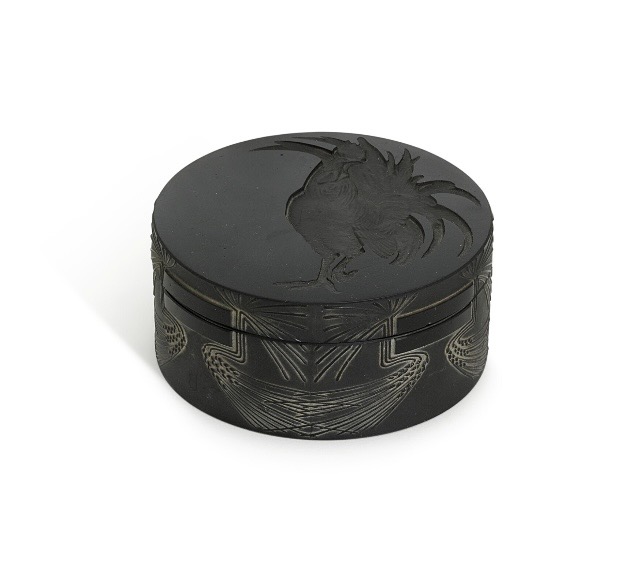
Coq box, designed in 1910 and produced in black glass from 1914
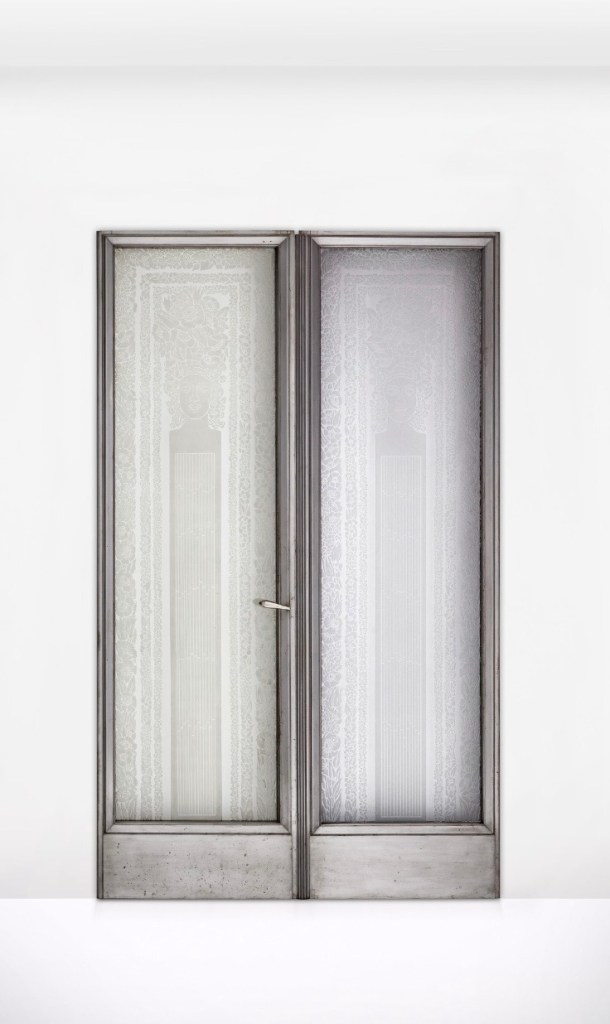
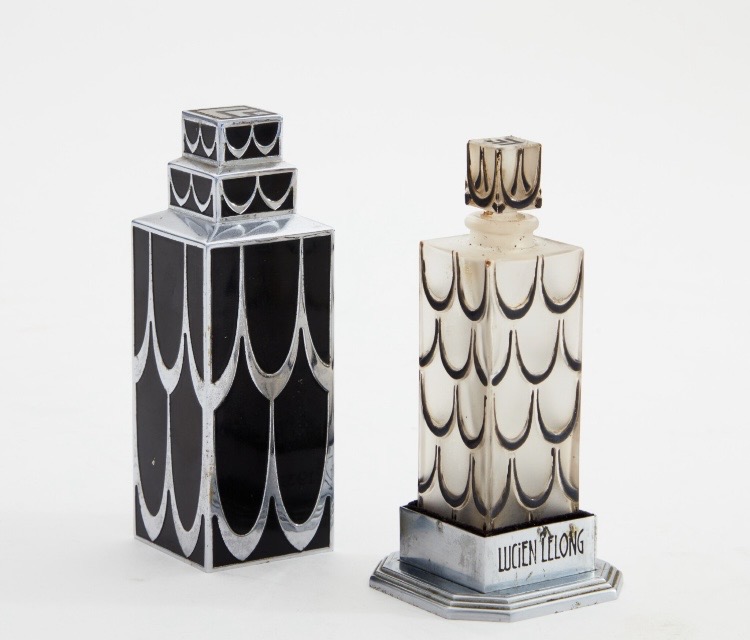
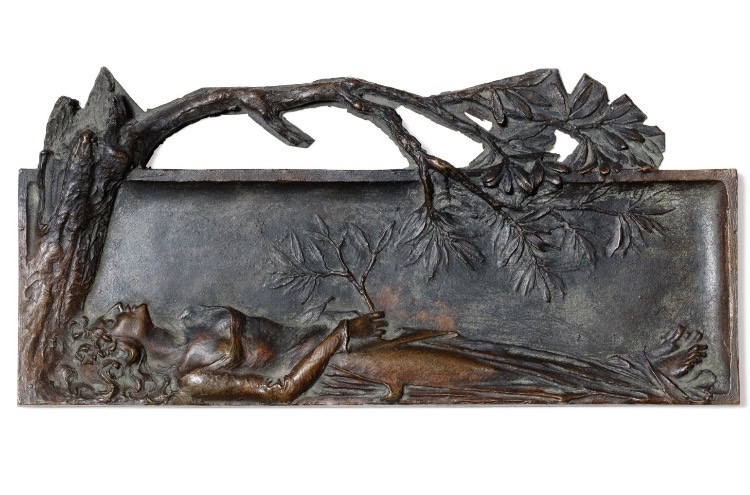
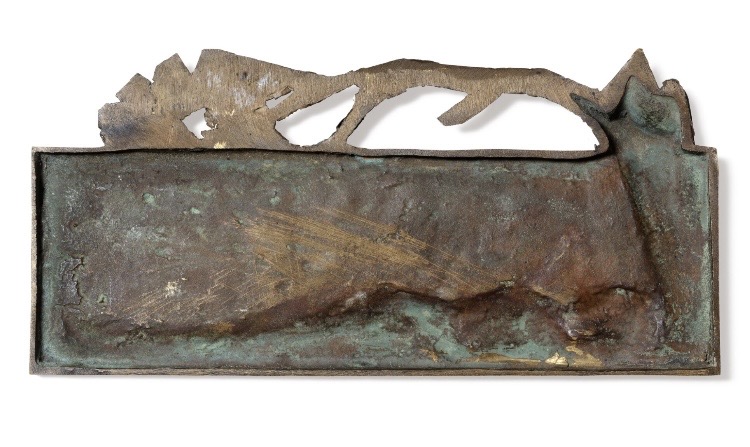
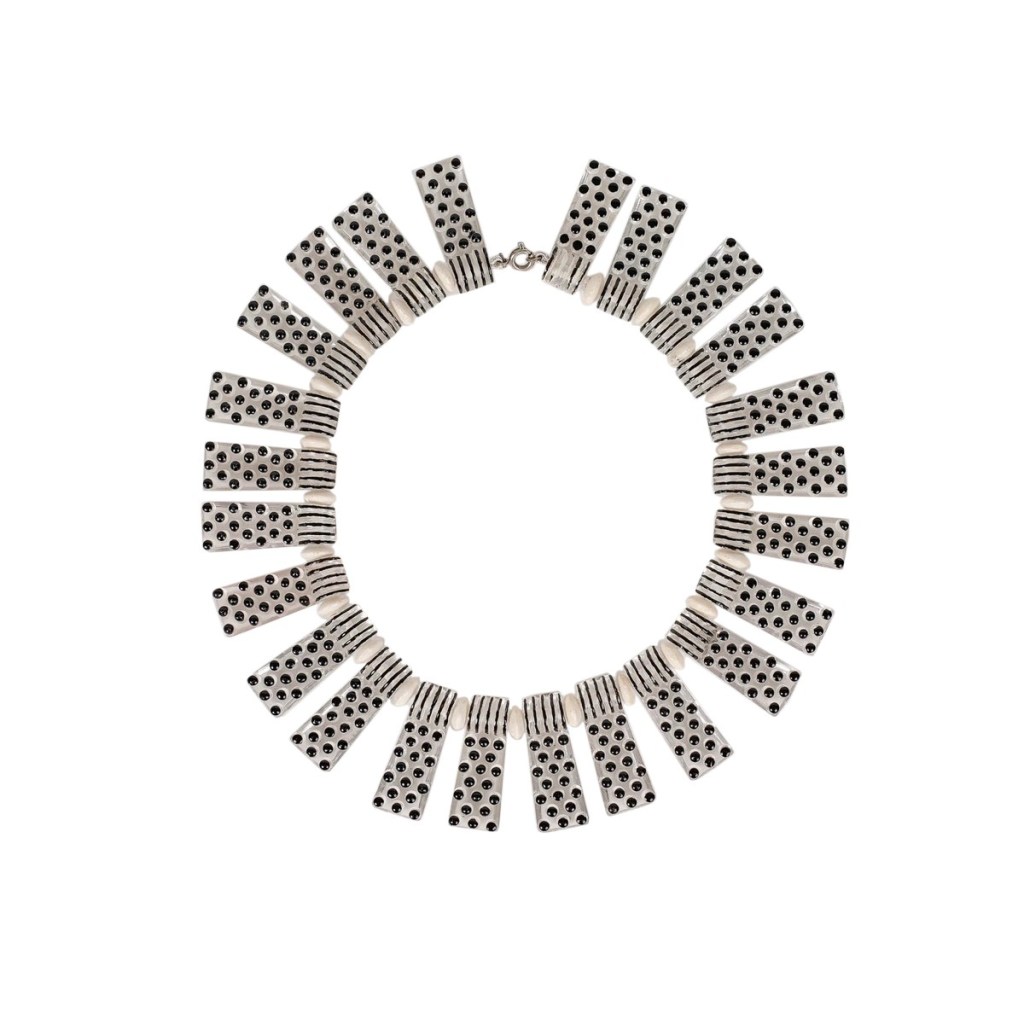
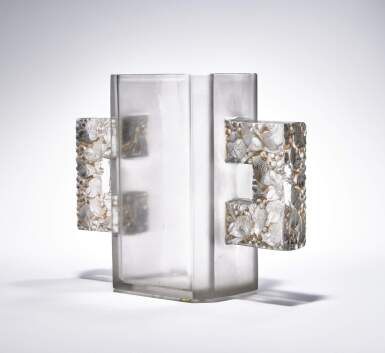
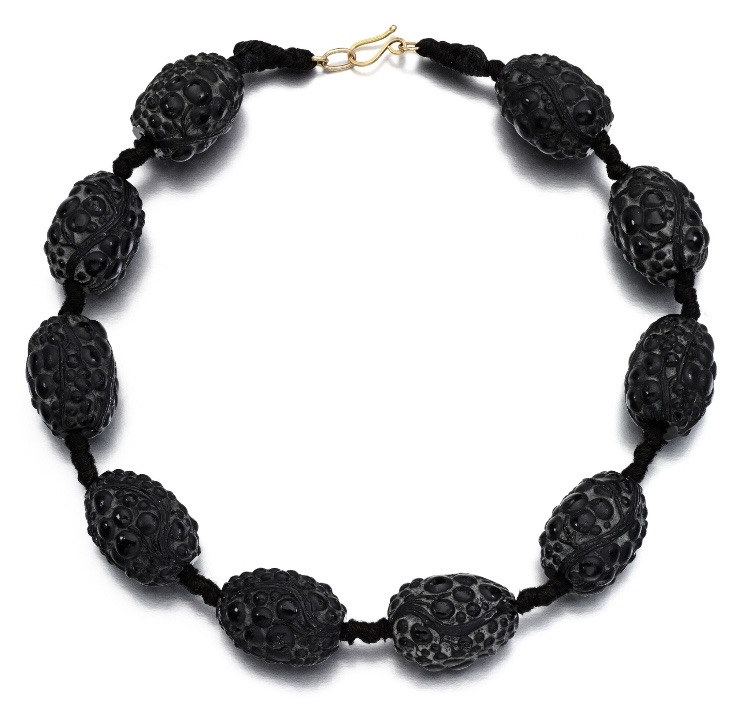
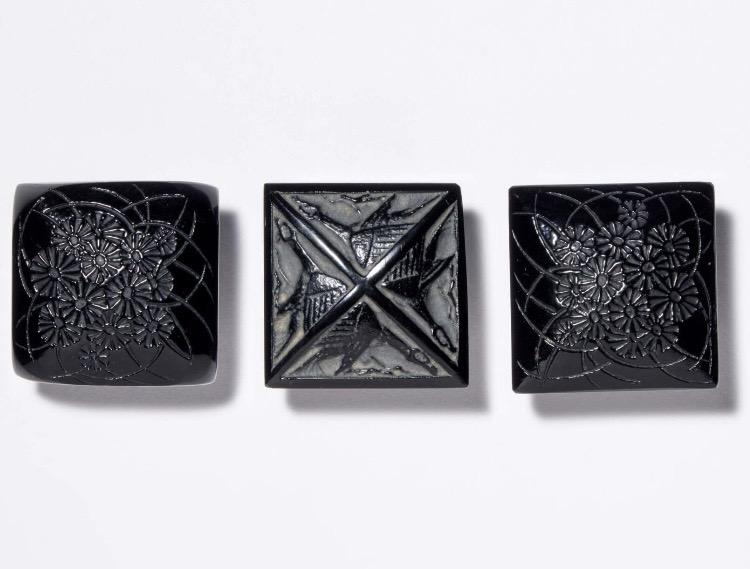
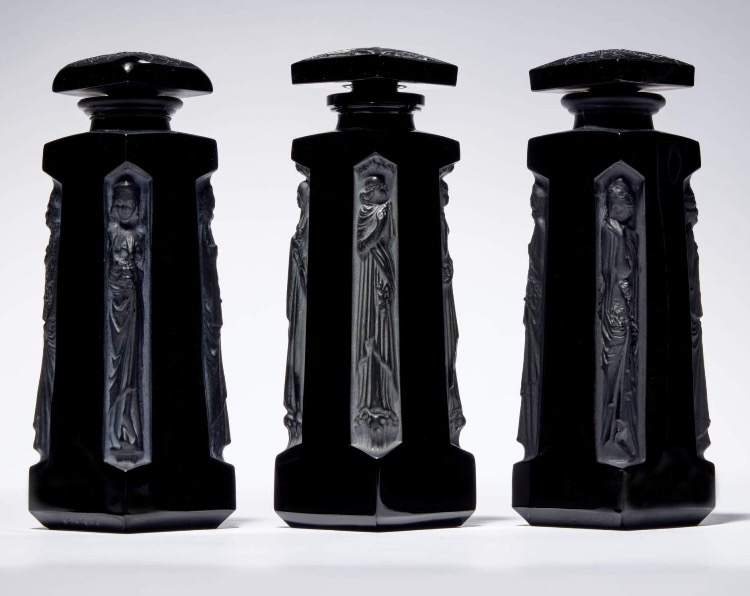
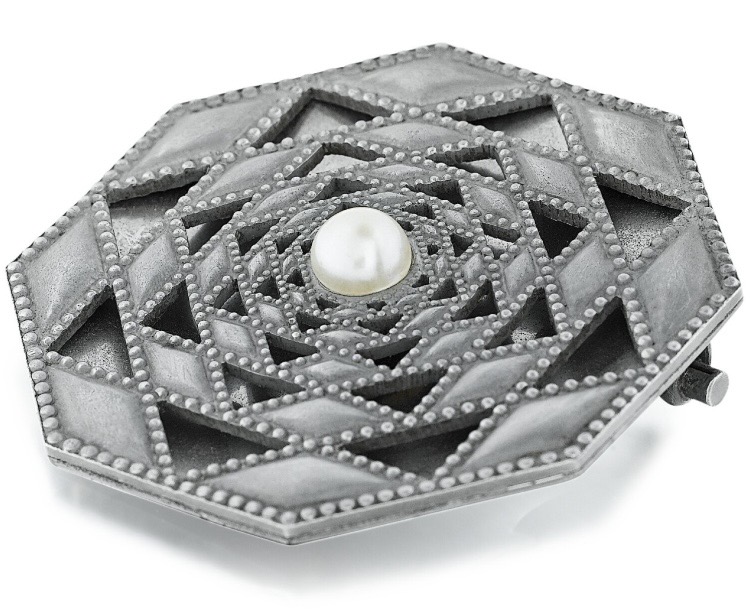
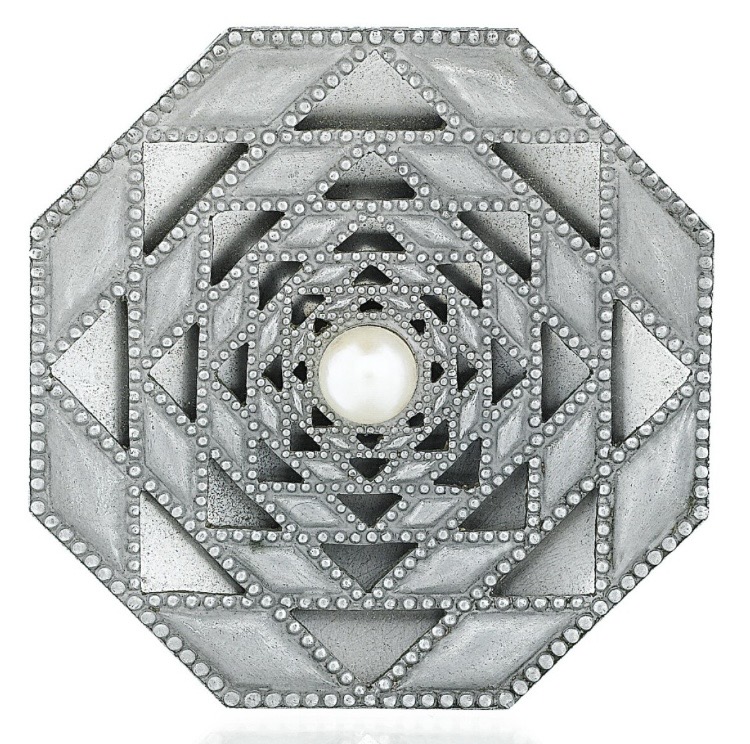
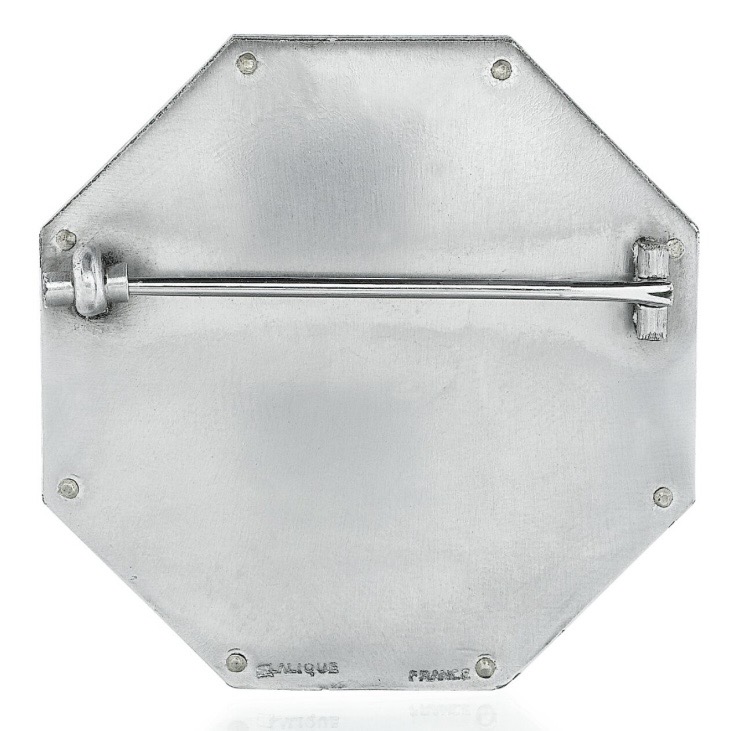
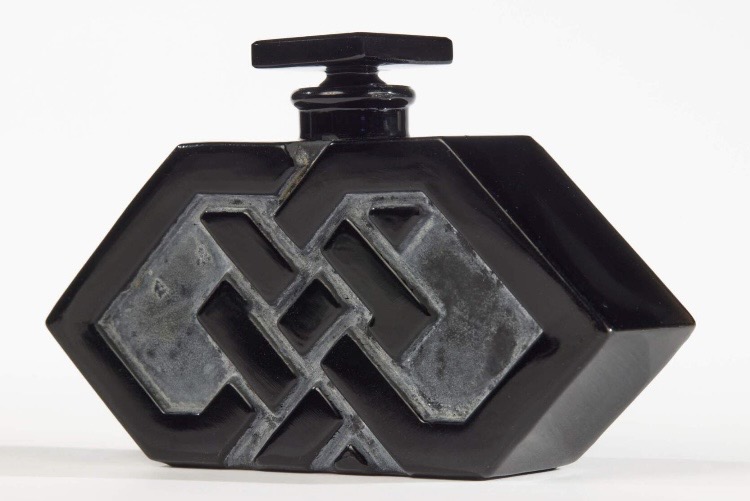
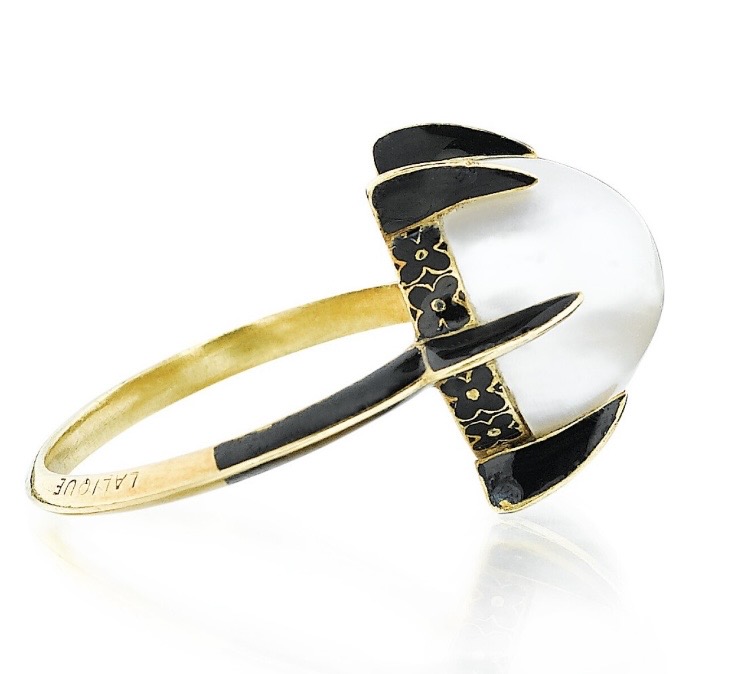
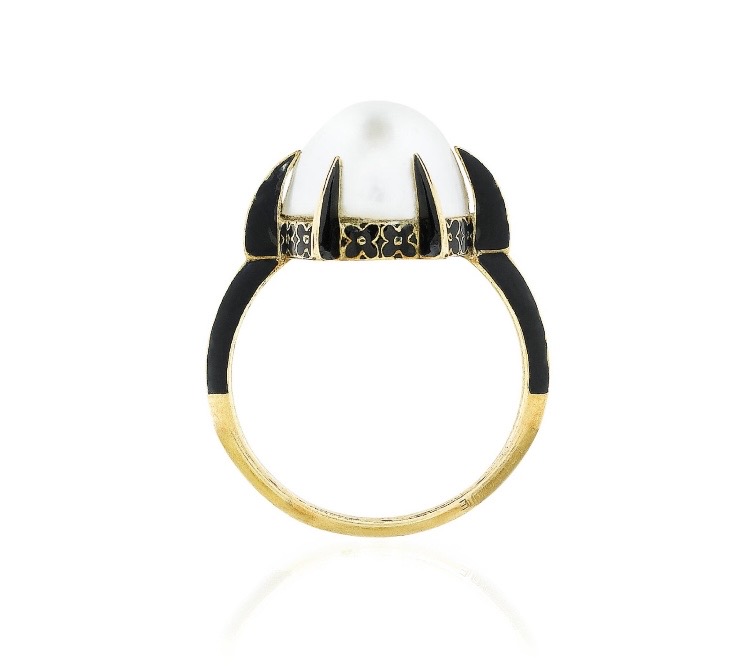
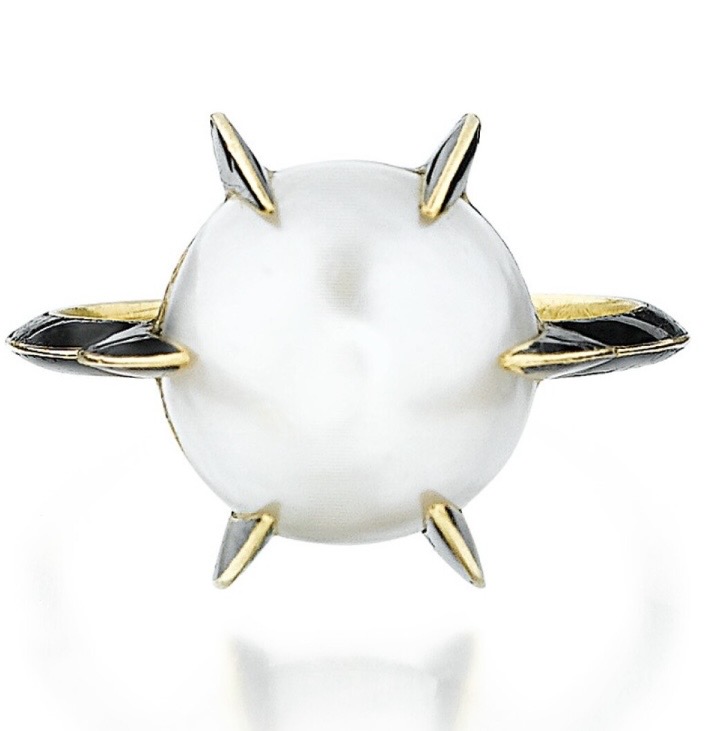
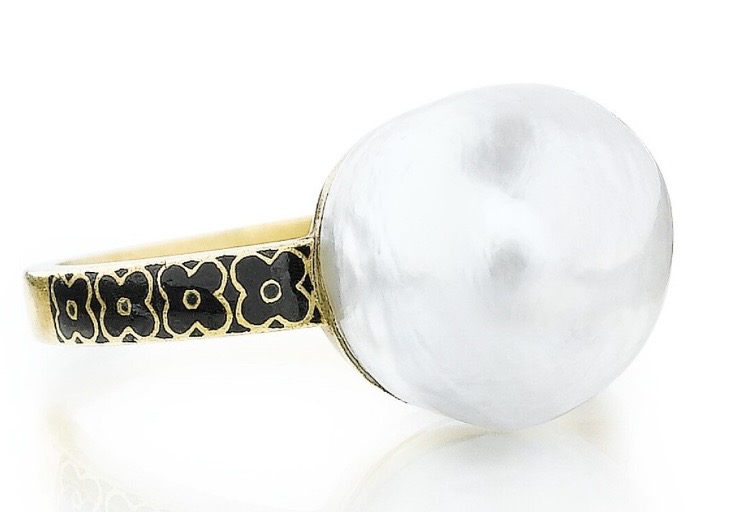
Ring, Clovers and Claws, circa 1900. Cultural half-pearl set in 18 K gold and enamel.
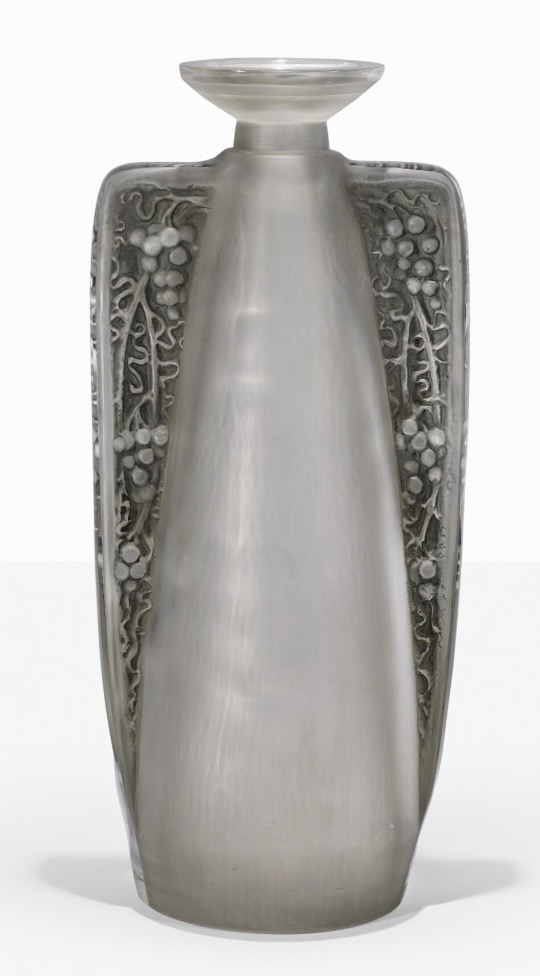
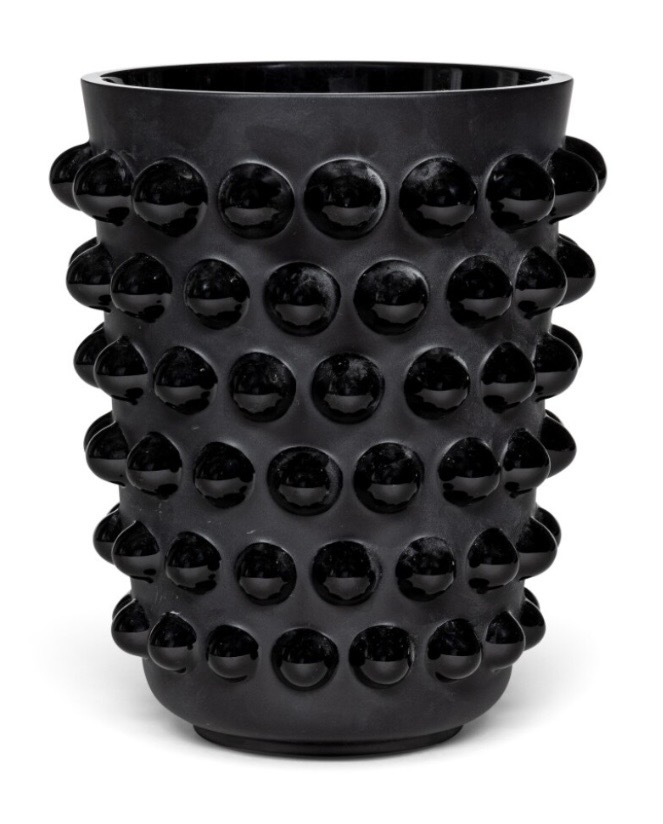
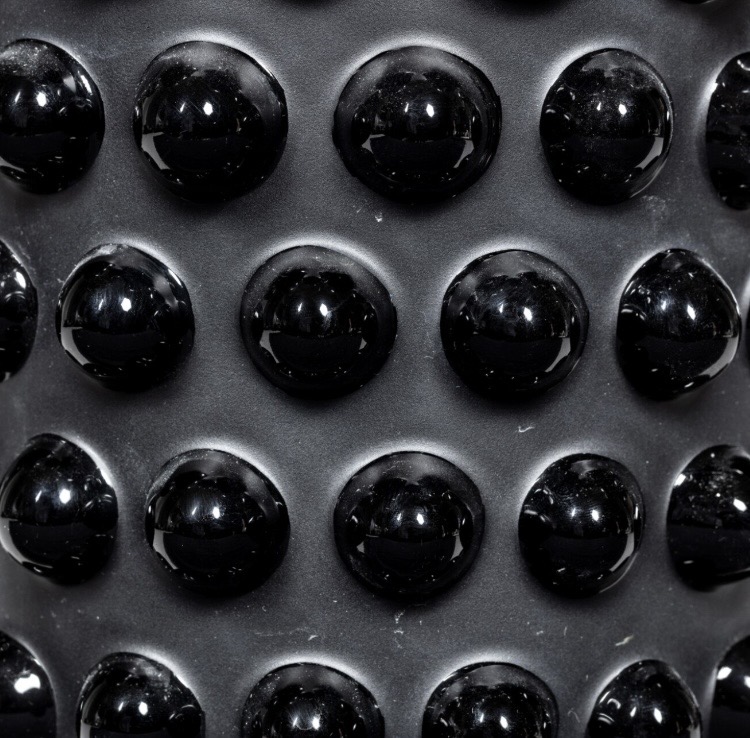
A modern version of the Mossi vase, created in 1933.
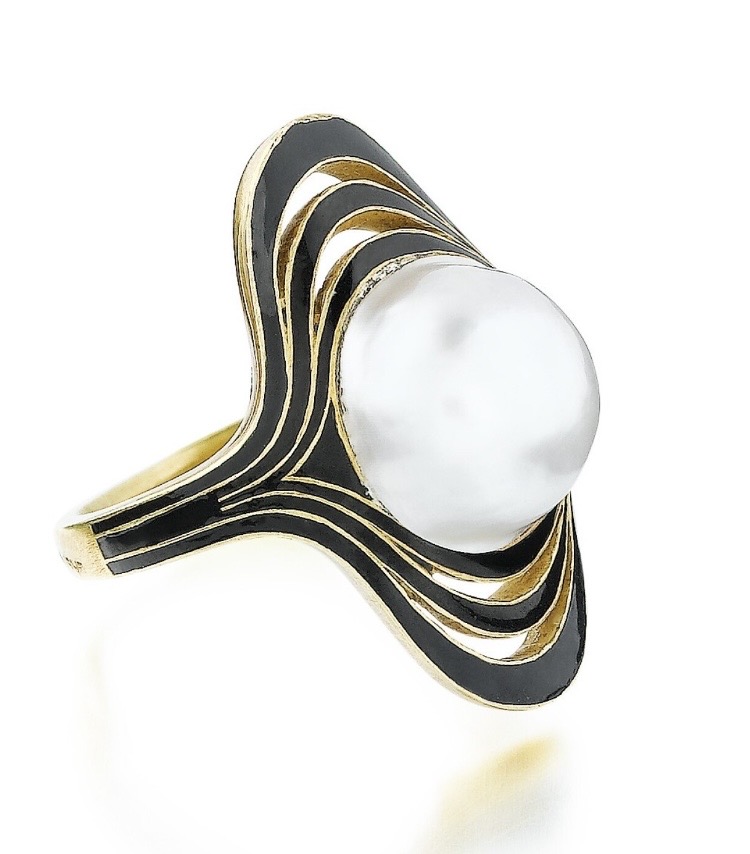
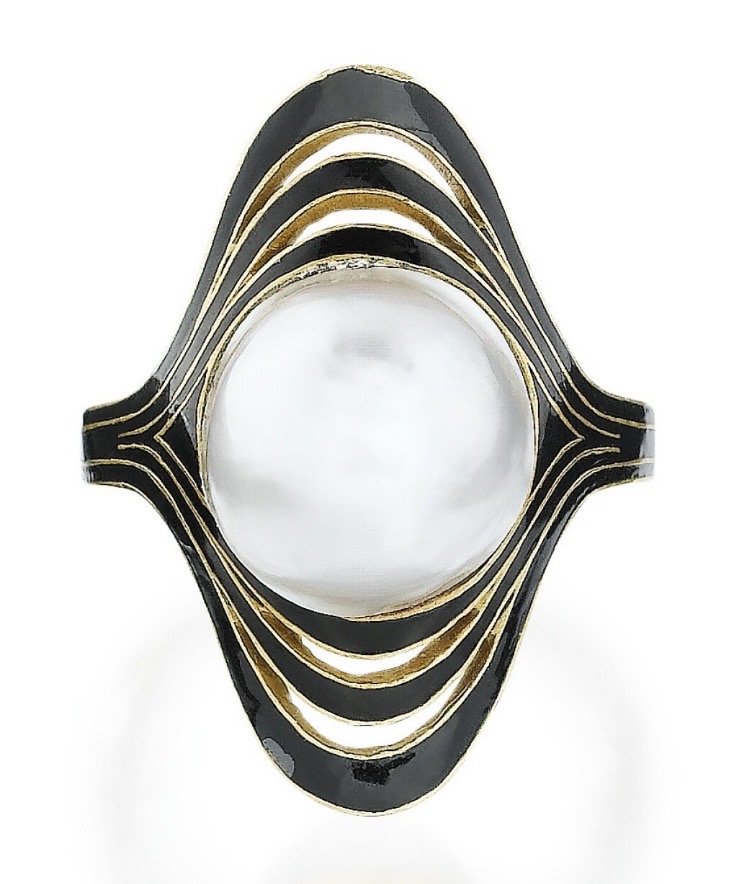
Ring called Ondulations, circa 1902. Cultural half-pearl set in 18 K gold and enamel.
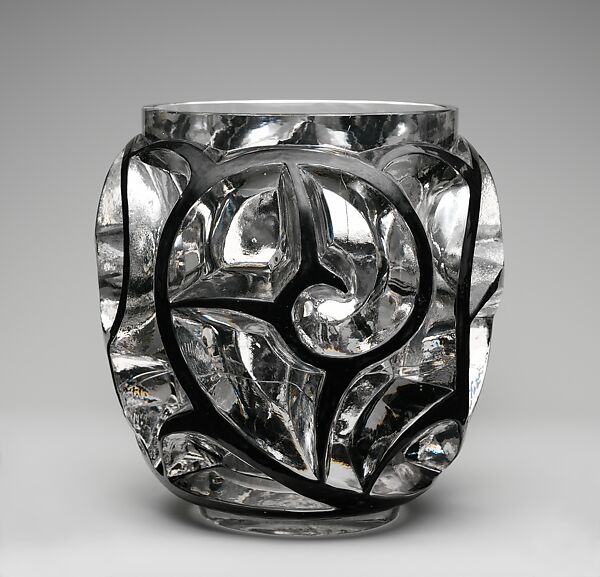
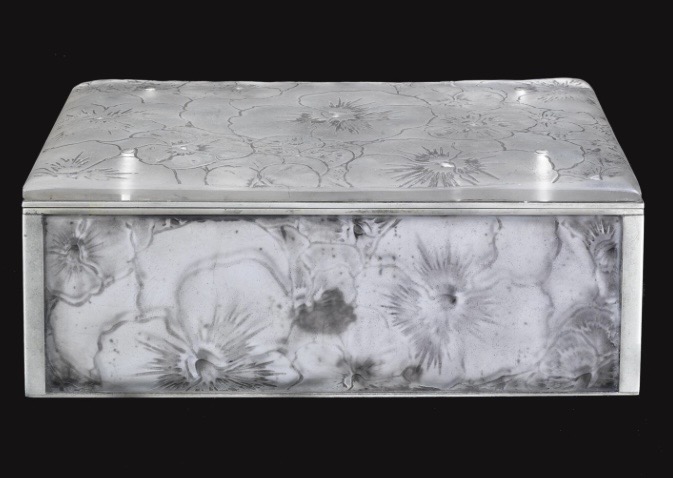
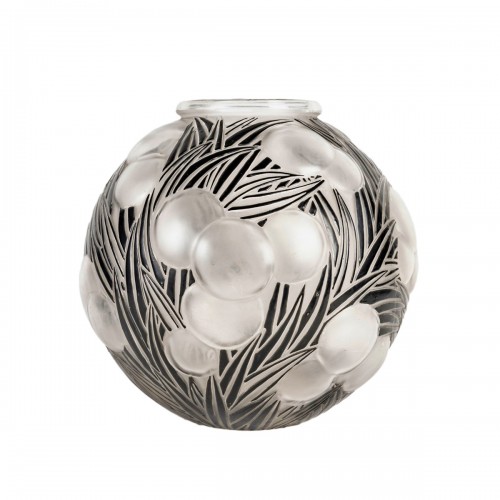
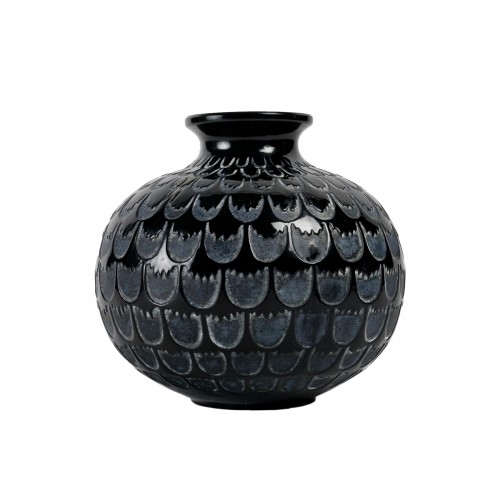
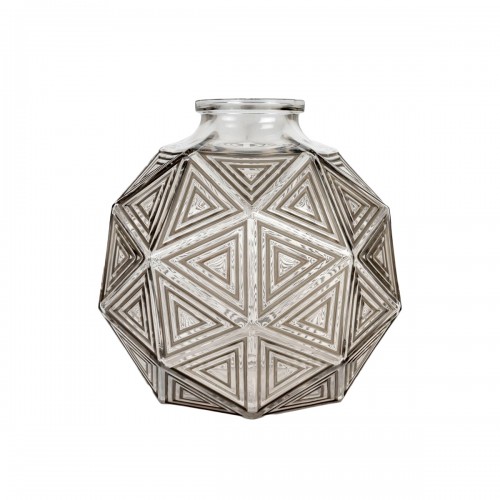
Vases Oranges, frosted glass with original black heated enamel, circa 1926, Grenade, in black glass with white patina, circa 1930 finally and Nanking, clear glass with grey patina, circa 1925. Photo and information: BG Arts
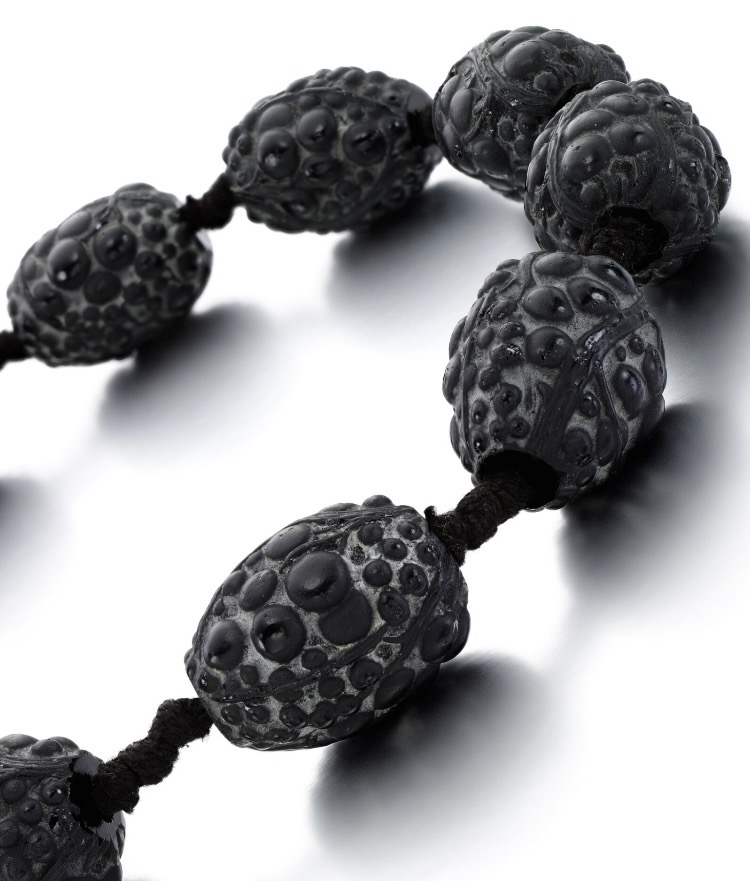
All information and photos are picked up at Sotheby’s if nothing else is stated.
©SlowClapStories
Please also follow me and my publications on Substack here.


You must be logged in to post a comment.